

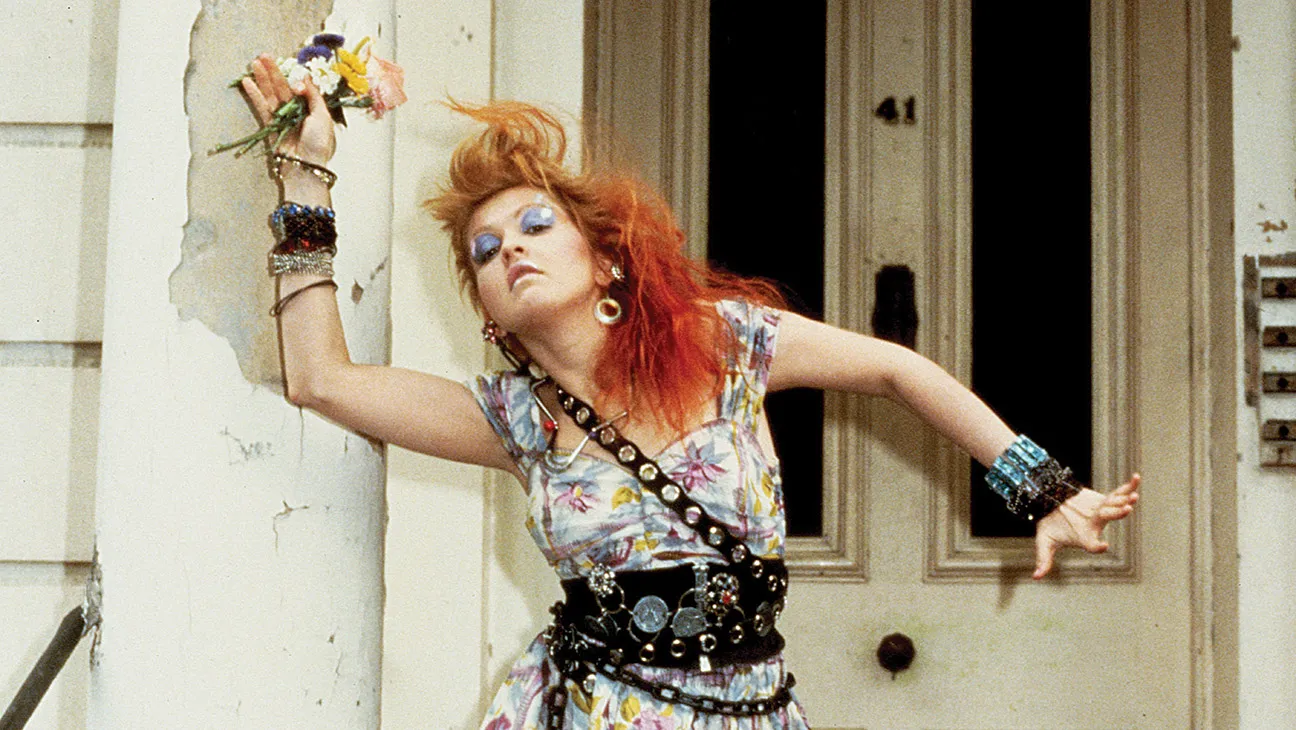
Few songs from the 1980s have had as lasting a cultural impact as Cyndi Lauper’s Girls Just Want To Have Fun. Released in 1983 as the lead single from her debut album She’s So Unusual, the track catapulted Lauper to international stardom and quickly became one of the defining anthems of the decade. With its infectious melody, colorful music video, and spirited message, the song continues to resonate as a timeless celebration of freedom, individuality, and female empowerment.
Interestingly, Girls Just Want To Have Fun was not originally written for Lauper. The song was penned in 1979 by Robert Hazard, but Lauper’s version transformed it completely. While Hazard’s original carried a more male-centric perspective, Lauper reimagined the lyrics through a feminist lens, turning the song into a declaration of independence for women everywhere. Her quirky voice, playful energy, and unapologetic attitude gave the track a new identity that perfectly aligned with the cultural shifts of the early 1980s.
Musically, the track blends elements of pop, new wave, and dance-rock. Its upbeat tempo, catchy chorus, and lively instrumentation make it instantly recognizable, inviting listeners to sing along and move to the rhythm. Yet beyond its sound, what made Girls Just Want To Have Fun stand out was its empowering message: women should be free to live joyfully, break away from rigid gender expectations, and define fun on their own terms. It wasn’t just a party anthem—it was a statement of individuality and liberation.
The music video, which became an MTV classic, was just as iconic as the song itself. Featuring Lauper’s eccentric fashion, her real-life mother in a supporting role, and a colorful cast of characters, the video perfectly captured the rebellious yet playful spirit of the track. It was one of the first major female-driven videos to dominate MTV, helping to redefine the music video as both an art form and a platform for social expression. Lauper’s vibrant persona and sense of humor brought a new energy to pop music visuals, influencing generations of artists who followed.
Chart-wise, Girls Just Want To Have Fun was a massive success. It reached No. 2 on the Billboard Hot 100 in the United States and hit the Top 10 in more than 25 countries worldwide. The song earned Lauper multiple Grammy nominations and established her as one of the most distinctive voices of her generation. More importantly, it became a rallying cry for young women, cementing itself as an anthem for equality, joy, and self-expression.
Over the years, the song has been covered and reinterpreted countless times, from acoustic ballads to punk renditions. Each new version brings a fresh perspective while honoring Lauper’s groundbreaking original. Its universal appeal lies in its message of liberation and fun—qualities that transcend generations, genres, and even language barriers.
Today, Girls Just Want To Have Fun remains more than just a nostalgic 80s hit. It continues to be featured in films, commercials, and social campaigns, proving that its message of individuality and freedom is as relevant as ever. For many, it is not just a catchy pop song—it is a cultural milestone that encouraged women to embrace who they are, celebrate life, and assert their presence unapologetically.
Cyndi Lauper went on to release numerous other memorable hits, from Time After Time to True Colors, yet Girls Just Want To Have Fun remains her defining anthem. It is a song that captures the spirit of its era while remaining timeless—a celebration of joy, self-expression, and the unshakable power of women’s voices in music. For anyone seeking an uplifting, energizing track with a message that still resonates today, Lauper’s iconic anthem continues to deliver in every sense.