


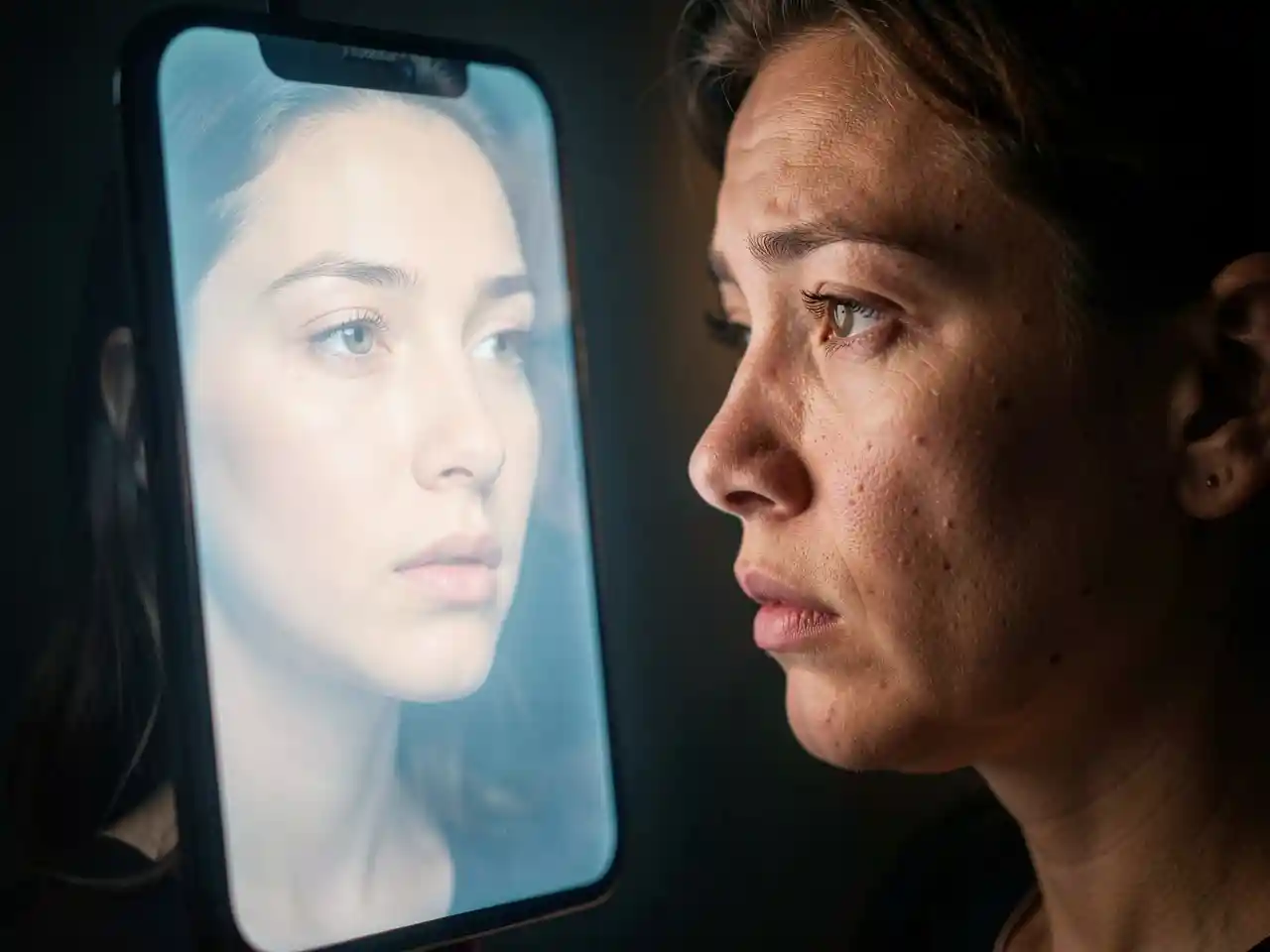
In a hyper-curated digital world, we are losing our emotional rawness. This essay explores how filters and edits distort identity and offers ways we might reclaim authenticity. We now live in an age where you can message without tone, speak without voice, show your face with a filter, and still be completely unreachable.
Thanks to modern technology, there have never been more ways to connect. Yet paradoxically, many are choosing to disappear behind polished avatars. We curate what people see, hear, or know about us with meticulous care. Behind every message is a delay. Behind every voice call is a filter. Behind every video chat is a layer that enhances appearance, hides imperfections, and smooths expressions.
We are no longer just choosing the most convenient medium. We are carefully controlling our image, our sound, and our timing. In doing so, we are slowly removing the very elements that make us human.
When you can tweak your voice, adjust your lighting, and filter your face, what happens when you are confronted with the raw version of yourself? Are we becoming uncomfortable with our unfiltered reality? Are we beginning to dislike our real selves?
1. The Illusion of Connection
Our screens promise intimacy, yet they rarely deliver authenticity. We fine-tune our images, tone, and timing. That polished presence comes at a cost: the erosion of raw emotion, spontaneity, and true vulnerability. By constantly striving to present perfection, we increasingly reject the imperfect, unfiltered version of ourselves.
Authenticity requires embracing awkwardness, contradictions, and the unexpected. By prioritizing image over substance, we risk losing our ability to be present in the moment. True connection demands that we allow ourselves to be seen as we are.
2. When Filters Replace Feeling
Beauty filters are more than playful enhancements. They alter how we perceive ourselves. Research shows that using filters can lower self-esteem, particularly among young people, by creating a gap between online perfection and real-life appearance. This is not harmless fun. It shifts our standards so that our authentic selves begin to feel insufficient.
Filters also subtly enforce conformity. They dictate what beauty, expression, and even personality should look like in the digital sphere. Over time, this pressure to conform diminishes self-acceptance and makes authentic self-expression increasingly uncomfortable.
3. Fatigue From the Fake Self
Behavioral psychology studies suggest that people now experience digital self-presentation fatigue. Maintaining a curated persona is exhausting. Constantly being camera-ready and socially polished requires immense energy. Individuals compare themselves to the carefully constructed versions they project or observe in others, which fuels self-doubt.
This fatigue is not only mental but emotional. Research on digital fatigue finds that constantly managing your image, crafting the right tone, and avoiding live, unedited interactions leads to exhaustion, reduced focus, and heightened stress. The more we present a version of ourselves that is filtered, edited, or delayed, the less room remains for genuine emotional experience.
Image

4. The Virtual Self Versus the Real Self
Hiding behind filters, scripts, and edits makes it difficult to accept unpolished moments in real life. Awkward silences, unfiltered emotions, and aging skin become sources of discomfort. Increasingly, we live through idealized digital avatars rather than as ourselves.
Excessive online self-presentation fosters social fatigue, weakens real-life bonds, and dulls our capacity for face-to-face engagement. This is not merely about selfie culture. It is about emotional disconnection rooted in systematic self-filtering. Our curated personas create barriers between ourselves and others, diminishing the depth of our interactions and eroding trust.
5. We Were Created for Raw Connection
Humans are wired for presence, for eye contact, real-time laughter, accidental tears, and unrehearsed replies. Yet, these experiences are slowly being erased from our lives because the digital world tells us that edited versions are more palatable.
What if we chose presence over polish, authenticity over aesthetics, and truth over trend? Showing up as we are allows us to form genuine connections, express emotions freely, and accept ourselves fully. Avoiding this courage risks losing the very thing that makes human interaction meaningful.
The Cost of Curated Existence
When we shape how and when we appear online, we may inadvertently reject our unedited selves. Filters, pre-recorded voice notes, and delayed responses do not merely alter appearance. They undermine our ability to experience real presence. Authenticity is not flawless. It is unfiltered. Repeated avoidance of the unpolished self can lead to becoming strangers to ourselves and to each other.
Reclaiming Emotional Realness
We can choose another path. Connection built on unvarnished speech, imperfect humor, and visual honesty fosters emotional depth. Embracing awkward silences, unedited expressions, and unfiltered tears allows our true selves to be seen and accepted. By practicing authenticity, we strengthen bonds, cultivate empathy, and reclaim the richness of human interaction.
Being present in the raw moment teaches us resilience, patience, and courage. It allows our relationships to grow in ways polished digital facades never could. True connection requires vulnerability and imperfection. Filters may provide short-term comfort, but they cannot replace the depth of genuine experience.
Closing Reflection
When we filter our faces, edit our words, and delay responses, what remains of the real us? Each choice to prioritize digital perfection over authenticity carries consequences. Emotional disconnection, self-doubt, and social fatigue accumulate gradually. Recognizing this pattern is the first step toward reclaiming our humanity.
Start small. Allow one unedited video, one voice note without rehearsal, or one post without filters. Each act of unfiltered presence reinforces the habit of authenticity. Over time, these choices strengthen our ability to engage genuinely, accept imperfection, and connect deeply with others.
Image

Author’s Note
This article is an original work published under Clarity Edited, written by the Clarity Edited Team with the support of AI-assisted research and writing tools. The voice, insights, and recommendations are fully human-directed.
References
Boston University study highlights how social media filters and photo editing fuel cosmetic surgery desires and appearance dissatisfaction, especially among teens. New York Post
Research shows widespread use of beauty filters among teens correlates with lower self-worth and leads platforms like TikTok to impose restrictions. The Guardian
Social media filters often promote unrealistic beauty standards that erode self-esteem, body image, and mental health. InStylePMC
A scoping review of digital fatigue finds prolonged digital engagement contributes to emotional exhaustion and decreased well-being. ResearchGate
Research on excessive online self-presentation reveals that maintaining virtual personas fosters social fatigue and emotional disconnection from real-life interactions. Pioneerpublisher.com
Media fatigue, defined as emotional exhaustion from digital overload, can lead to avoidance and emotional instability. Wikipedia