

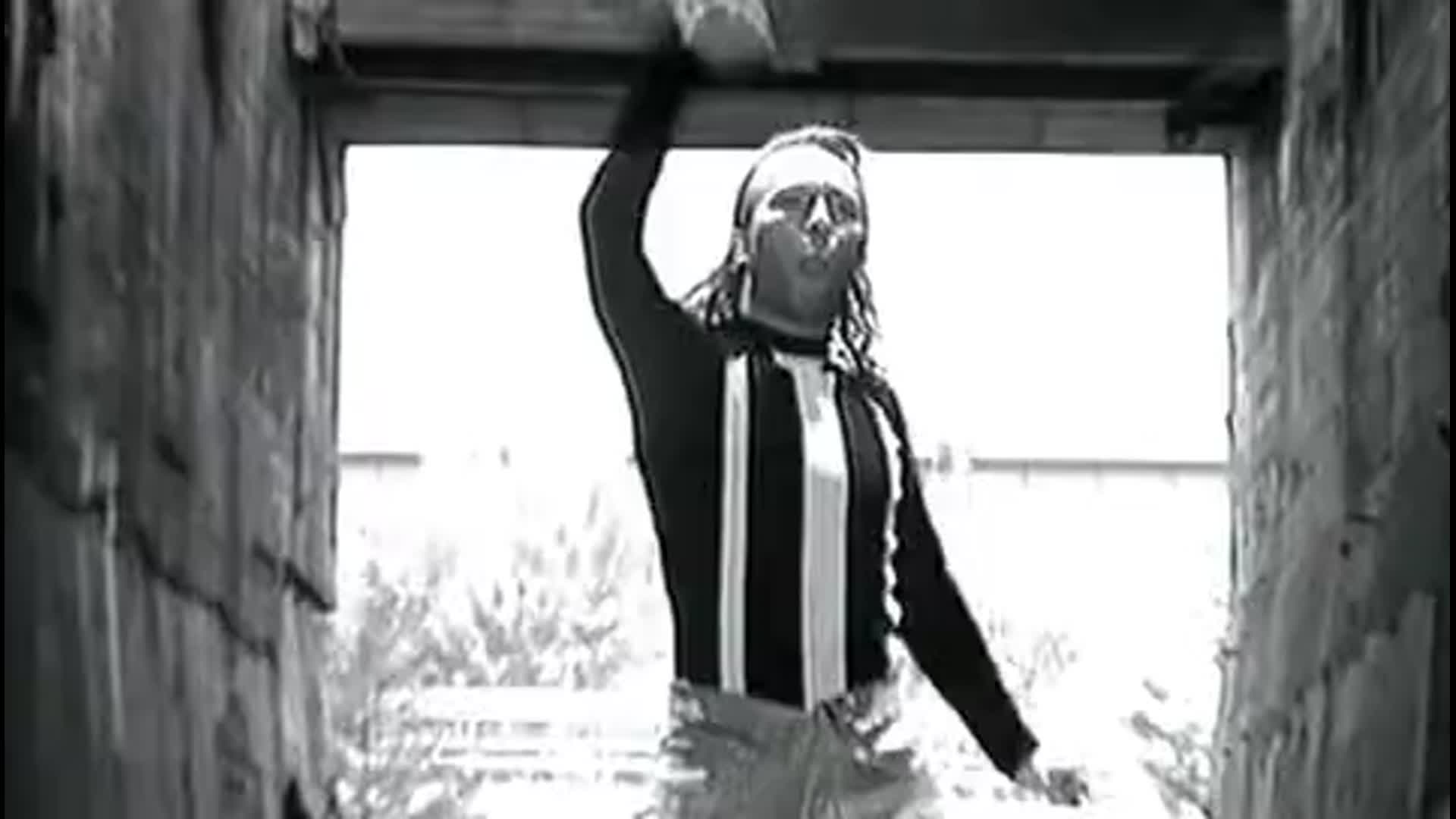
When it comes to 1990s Eurodance, few names are as instantly recognizable as DJ BoBo. Bursting onto the scene with his unique blend of dance, pop, and rap, the Swiss artist quickly became a defining figure in the genre. Among his extensive catalog of hits, one track stands out as both a commercial success and a cultural touchstone: Freedom, released in 1995. This song not only marked the peak of DJ BoBo’s career but also captured the spirit of an entire generation of dance music enthusiasts.
Freedom is featured on DJ BoBo’s second album, There Is a Party, an album that cemented his status as a global Eurodance phenomenon. From the very first beat, the song’s high-energy production grabs the listener’s attention. Pulsating rhythms, melodic synth lines, and an unforgettable chorus create a soundscape that is both dynamic and instantly infectious. The track embodies the quintessential Eurodance formula—danceable beats paired with sing-along melodies—but DJ BoBo adds a layer of optimism and engagement that elevates the song beyond typical club fare.
What sets Freedom apart is not just its sound but its message. True to DJ BoBo’s style, the song emphasizes themes of hope, liberation, and unity. Lyrics encouraging listeners to break free from limitations, pursue equality, and embrace togetherness resonated strongly during the mid-1990s. At a time when dance music was dominating clubs and airwaves, songs like Freedom provided more than just entertainment—they became cultural vehicles for optimism and inclusivity. The repeated refrain of “freedom” gives the track an almost anthem-like quality, turning it into a rallying cry for those seeking joy, connection, and self-expression through music.
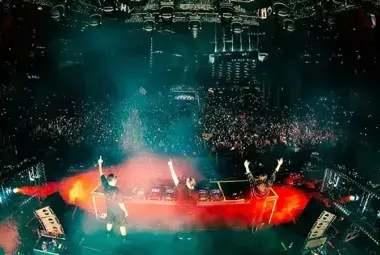
Beyond the recording studio, Freedom also showcased DJ BoBo’s prowess as a live performer. Known for his high-energy stage shows, he combined elaborate choreography, vibrant visuals, and a contagious enthusiasm that made each performance memorable. The song quickly became a staple in his concerts, engaging audiences and encouraging communal participation on the dance floor. It wasn’t just a hit single—it was an experience, a moment where fans could connect with the music and with one another in real time.
Commercially, Freedom was a triumph. Across Europe and other parts of the world, the track climbed charts and reinforced DJ BoBo’s place in the global Eurodance movement. Its success extended beyond clubs and radio play; it became a symbol of the 1990s Eurodance era, a period defined by bold beats, uplifting messages, and a sense of collective energy. For many, the song evokes memories of carefree nights and dance floors filled with people united by music and movement.
Even decades after its release, Freedom continues to captivate audiences. Nostalgic playlists, throwback radio shows, and DJ BoBo’s ongoing live performances keep the track alive, bridging generations of listeners. Its enduring charm lies in the balance it strikes between accessibility and depth. It’s easy to dance to, yet it carries a message that transcends the club environment—one of positivity, unity, and shared humanity.
In the broader landscape of dance music, Freedom exemplifies why Eurodance has left a lasting legacy. The genre was often dismissed as formulaic or lightweight, yet songs like this demonstrate its emotional and cultural resonance. DJ BoBo managed to combine energy with meaning, accessibility with artistry, and rhythm with lyrical optimism. While he has produced numerous memorable tracks throughout his career, Freedom remains one of his crowning achievements—a song that continues to inspire listeners to embrace life with joy, positivity, and a sense of togetherness.
Ultimately, Freedom is more than just a classic 90s Eurodance hit. It is a celebration of what music can achieve when it encourages connection, lifts spirits, and motivates people to dream bigger. DJ BoBo captured the essence of an era, and his anthem continues to remind fans old and new that the power of dance music lies not only in its beats but in the unity and hope it inspires.