



Banks have always been a part of modern life, yet most people rarely think about the deeper stories and surprising details behind them. A bank is usually seen as a place where we deposit money, pay bills, or apply for loans, but the truth is that the world of banking is shaped by centuries of innovation, global events, cultural changes, and human creativity. Behind every financial service we use today there is a long timeline filled with breakthroughs, challenges, and unexpected inspirations. When we walk into a bank or open a banking app on our phone, we are interacting with a system that has evolved through countless historical moments. This evolution includes the survival of ancient institutions, clever mechanical inventions, cultural traditions that influenced the way people save money, and worldwide efforts to create trust and stability in societies.
Banking is not only about numbers or ledgers. It is a reflection of human progress. The oldest banks that still operate today are living museums of economic history. The creation of the first automated teller machine introduced an entirely new level of convenience inspired by something as simple as a chocolate dispenser. Even the classic piggy bank that many people used as children is the end result of a linguistic evolution that began in medieval clay craftsmanship. Many banks have also played vital roles in exploration, trade, and national development, funding ambitious projects and voyages that shaped entire continents. As technology continued to move forward, banking transformed again through mobile systems that made financial access possible in places where people had never seen a traditional bank building.
These fun facts reveal how much creativity and resilience exist within the world of banking. They also show how much influence banks have quietly had on daily life, technological development, and global history. Once you explore these stories, you may never look at your bank in the same way again.
1. The Oldest Bank Is Over 500 Years Old
Image

The oldest operating bank in the world is Banca Monte dei Paschi di Siena located in Siena, Italy, and its story began in the year 1472. This institution was created to provide loans to people in need and has continued to function through a vast range of historical periods. It survived wars, changes in political systems, economic crises, and shifts in global financial practices. The fact that it has endured for more than five centuries shows how strongly rooted it is in the community it serves. It also demonstrates how important trust has always been in the banking world. People throughout different eras relied on this bank for support, stability, and financial guidance during turbulent times.
The bank’s early mission focused on community welfare. It was a financial resource designed to help farmers, merchants, and families who needed reliable assistance. As time passed, it grew into a larger institution that reflected the changing needs of society. Its existence played a role in showing how banking could evolve from small community offices into modern organizations that manage large financial networks. Even as the world adopted digital systems, international banking standards, and new economic models, this bank adapted without losing its original identity.
Walking into this bank today feels like stepping into a blend of history and progress. The architecture preserves the atmosphere of past centuries while the services offered reflect the expectations of a modern customer. The idea that a bank created before the age of electricity, automobiles, or computers can still operate successfully is a reminder of how resilience, adaptability, and commitment to service create lasting institutions. It is a living piece of history that continues to function in the present day, connecting the world of medieval finance to the world of digital transactions.
2. The First ATM Was Inspired by Chocolate Machines
Image
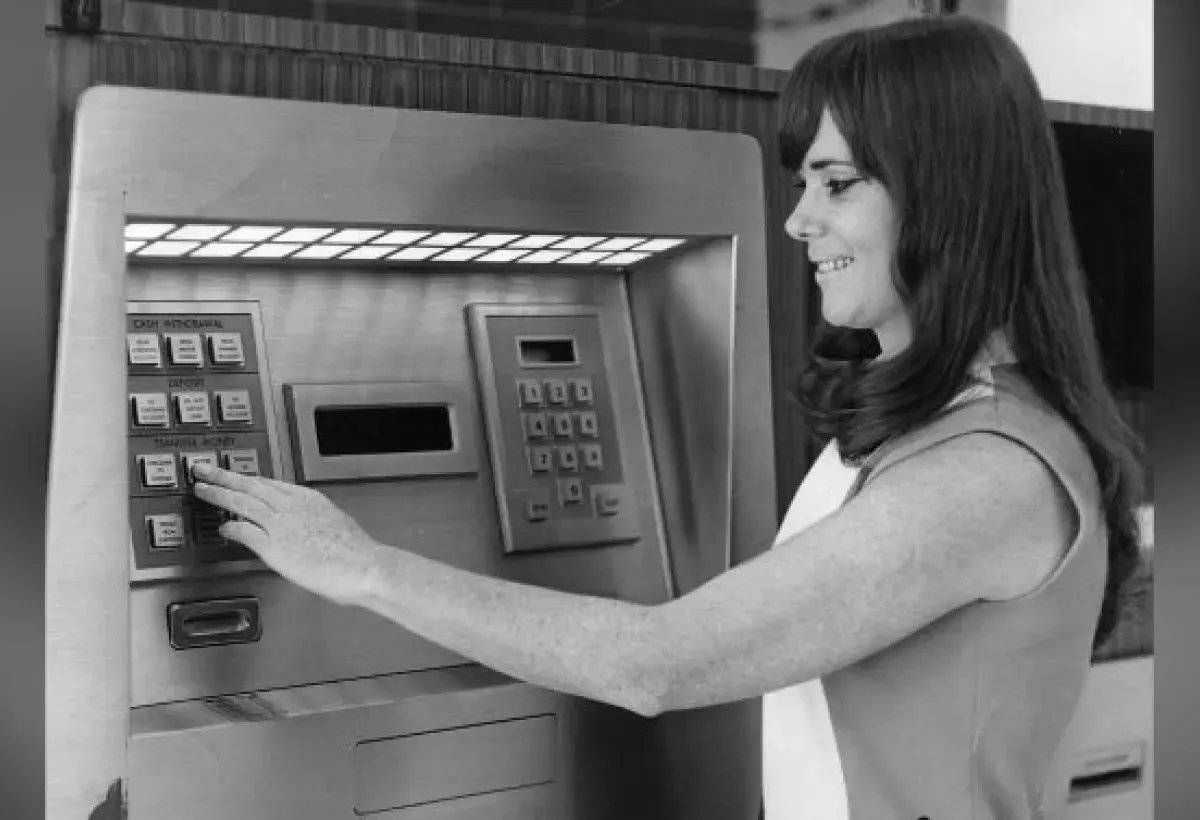
John Shepherd Barron introduced the first automated teller machine in 1967 for Barclays Bank in London. The inspiration behind this groundbreaking invention came from chocolate vending machines. He realized that if a machine could dispense candy, then it could also dispense cash using a similar mechanism. Instead of using modern cards, the first ATMs relied on special paper vouchers. These vouchers were coated with radioactive ink that allowed the machine to recognize and authenticate them. Customers inserted the voucher and entered a personal identification number, which was a concept that eventually became standard worldwide.
This invention changed the way people accessed money. Before ATMs existed, customers were limited by bank operating hours. They had to visit branches in person to withdraw cash or perform basic transactions. With the introduction of the ATM, people could now access their money at any time of the day. This new convenience pushed banks to expand their services and eventually install thousands of ATMs across cities and countries. The success of this invention also encouraged the development of digital banking technologies we use today.
ATMs helped shape the modern financial ecosystem. They gave customers independence and encouraged shifts in spending behavior. Travelers could access funds in different countries without waiting for banks to open. Businesses could operate late at night while knowing their customers had access to cash. This idea opened the door to a future where machines and technology support every aspect of financial activity. The chocolate inspired origin of the ATM proves that innovative thinking can transform everyday experiences.
3. Piggy Banks Really Came from Pygg Jars
Image

The famous pig shaped savings container that many people grow up using is not based on pigs at all. The term piggy bank originated from the medieval word pygg which referred to a type of orange clay. This clay was commonly used to create jars for storing household items including coins. Over time, the word pygg became associated with savings storage. Potters eventually began crafting these jars in the shape of actual pigs as a playful interpretation of the name. This simple visual pun began one of the most recognizable traditions in personal finance.
These pig shaped containers became symbols of responsible money saving habits. Families encouraged children to place coins inside the piggy bank to learn the value of saving. Adults also used these containers because they provided a simple and reliable method to store spare money. The imagery of a pig became linked to prosperity and gradual financial growth. As cultures evolved, the piggy bank became a universal symbol representing savings and financial planning.
Today the idea continues through digital versions of the piggy bank. Many savings apps use pig icons to represent savings goals, budgeting progress, and financial targets. Although the method has changed from clay jars to mobile screens, the symbolism remains meaningful. People still recognize the pig image as a reminder to save consistently. The transformation from medieval pygg jars to modern pig shaped containers shows how language, craftsmanship, and tradition can influence financial culture for centuries.
4. Banks Once Issued Their Own Money
Image
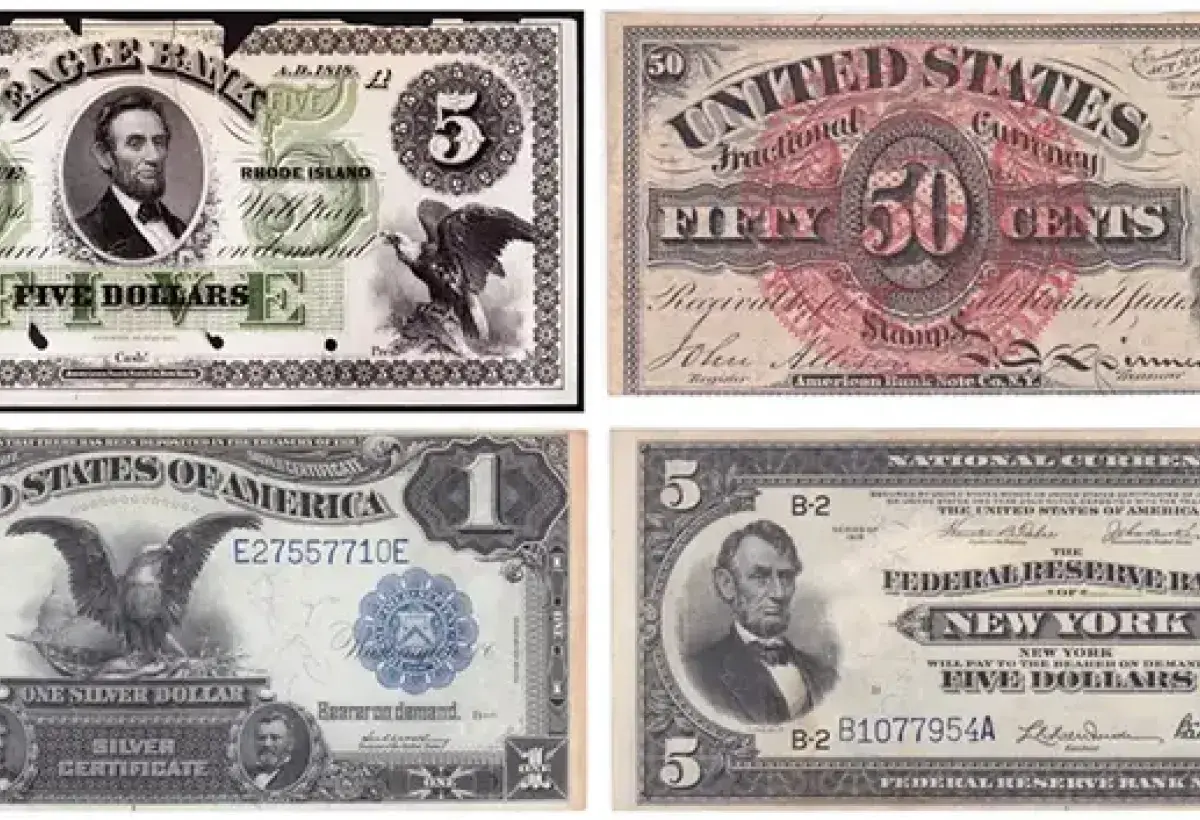
Before national currencies were standardized, many banks printed their own banknotes. This happened widely in the United States during the nineteenth century when thousands of banks operated independently across various states and regions. Each bank issued its own unique design, style, and value. These banknotes were used for everyday transactions, but they caused significant confusion because there was no unified monetary system. People who traveled from one region to another often struggled to determine the real value of the notes they carried.
The lack of standardization also created opportunities for counterfeiting. With so many different designs in circulation, it was easy for criminals to produce fake notes that looked convincing enough to pass through local markets. Merchants had to develop experience in identifying which banknotes were trustworthy and which ones were risky. Some notes were accepted only at discounted value depending on how stable the issuing bank was at the time.
Eventually governments recognized the need for a centralized currency system that would create consistency, trust, and predictability. National currencies were introduced to replace individually issued notes. This shift allowed economies to grow more efficiently because people could engage in trade without worrying about conflicting values. Today these historical banknotes are collectible artifacts. They give us a glimpse into a period when money looked very different depending on where you banked. These old notes remind us how much financial systems have evolved and how centralization created the stable monetary environment we rely on today.
5. Banks Have Vaults Big Enough to Hold Cities Gold
Image

Some bank vaults are so large and heavily protected that they resemble secure underground fortresses. One of the most famous examples is the vault located in the Federal Reserve Bank of New York. This vault stores thousands of tons of gold belonging to countries around the world. It sits deep below the surface at a depth of about eighty feet beneath the city streets. The vault is protected by immense layers of security including a massive steel cylinder door that rotates into place to seal the chamber completely.
The storage of gold in this location demonstrates how banks play essential roles in maintaining global stability. Countries rely on secure vaults to protect their national reserves. The presence of gold in a trusted institution provides reassurance to governments and financial systems during times of uncertainty. The vault is not only a storage facility but also a symbol of strength, trust, and confidence in international finance.
While most people will never have the opportunity to see inside this secure chamber, the idea of enormous underground vaults sparks curiosity and fascination. The scale and engineering behind these structures show how seriously banks take security. These vaults represent the ultimate example of wealth protection, built to withstand both physical threats and sophisticated attempts at infiltration. Their continued operation highlights the importance of safeguarding assets in a world where financial stability depends on trust in secure infrastructure.
6. Mobile Banking Is Older Than You Think
Image

Today mobile banking is associated with smartphone apps, fingerprint login systems, and instant transfers. However the origins of mobile banking date back to the late nineteen nineties when early systems used basic mobile phones. Banks first introduced simple SMS based services that allowed customers to check their balances and transfer small amounts of money. This was an important development, especially in places where physical bank branches were limited or difficult to reach.
The early adoption of mobile banking helped expand financial access to remote communities. Many people who had never used traditional bank facilities began using mobile financial services to manage their income. Banks recognized the potential of this new approach and invested in creating more advanced systems. As technology improved, mobile banking grew to include online interfaces, account management features, and eventually full service applications.
Today mobile banking supports biometric security, rapid online payments, digital wallets, and real time notifications. In many regions mobile banking usage exceeds traditional banking. This shift shows how technology can transform financial inclusion by reaching customers regardless of geographic limitations. The evolution from basic SMS services to powerful mobile platforms demonstrates how innovation can reshape entire industries. Mobile banking has opened doors for millions of people and continues to push the boundaries of financial convenience.
7. Banks Funded Some of History’s Biggest Adventures
Image

Banks have played significant roles in some of the greatest explorations in human history. From ancient trade caravans to famous voyages like Christopher Columbus journey to the New World, many expeditions were made possible by financial institutions that provided loans and support. Explorers and merchants relied on banks to fund risky and ambitious ventures. Without financial backing, these journeys would have been too costly or dangerous to attempt.
Banks understood that supporting exploration could lead to expanded trade routes, new markets, and increased economic activity. By investing in expeditions, they indirectly shaped the development of civilizations. These voyages brought new goods, ideas, and cultural exchanges that influenced societies across continents. The involvement of banks in exploration highlights how finance and adventure intersected to change the world.
Throughout history many major achievements depended on financial support. Cities grew, trade networks expanded, and economies flourished because banks were willing to take risks on bold ventures. This partnership between finance and exploration remains a powerful example of how economic structures influence global progress. Banks that took chances on explorers helped create a world connected through commerce, discovery, and shared ambition.
8. Some Banks Operate Without Physical Branches
Image

Digital only banks, also known as neobanks, have emerged as a modern alternative to traditional institutions. These banks do not operate physical branches. Instead they provide all services through mobile apps or online platforms. Well known examples include Monzo, N26, and Chime. The absence of branches allows these banks to reduce operating costs which often leads to lower fees and faster services for customers.
The rise of digital banking reflects changing consumer preferences. Many people prefer the convenience of twenty four seven access to their accounts. Digital banks offer instant sign ups, fast notifications, flexible budgeting tools, and user friendly interfaces. Customers can manage their finances entirely from their smartphones without needing to visit a branch.
While some people still appreciate the personal interaction of traditional banking, the popularity of neobanks continues to grow. These digital institutions have contributed to a broader shift toward financial technology innovation. They encourage competition in the banking sector by pushing traditional banks to update their services and adopt modern features.
Digital banks show how different financial institutions can adapt to new expectations and technological advancements. They prove that banking does not always need a physical location to provide reliability and convenience. The success of neobanks demonstrates how modern consumers shape the future of financial services.
9. Bank Robberies Are Less Common Than You Think
Image

Bank robberies used to be frequent subjects of stories, films, and dramatic news events. Historical figures such as Jesse James became legendary because of their daring heists. However the reality of modern banking looks very different. Today bank robberies are far less common due to the presence of advanced security systems. Banks use silent alarms, surveillance cameras, security guards, and electronically controlled entry points.
The main threat banks face today is cybercrime. Criminals attempt to access accounts or financial systems through digital methods. Many banks invest heavily in cybersecurity, encryption, fraud monitoring, and digital protection systems. While physical robberies once captured the public imagination, cyber related risks have become the primary focus of modern security teams.
The decline in physical robberies reflects how effective modern security has become. Technology makes it difficult for criminals to walk into a bank and escape with stolen money. In many cases attempts are stopped before they can begin. This shift from traditional robbery to digital threats shows how crime evolves along with technology.
Banks today focus heavily on protecting digital assets. The image of a masked robber entering a bank has been replaced by concerns about online breaches. This transformation highlights the importance of evolving security strategies. While physical robberies have become rare, the need for advanced cybersecurity continues to grow.
10. Banks Have Bankers Hours for a Reason
Image

The term bankers hours refers to the limited working hours that banks traditionally followed. In earlier times banks opened for only a few hours in the morning. This schedule existed because staff needed the rest of the day to organize records, count cash, reconcile accounts, and balance the books. Before modern technology existed these tasks took significant time and effort. Banks needed the afternoons to ensure every transaction was recorded correctly.
As technology improved and automated systems were introduced, banks were able to extend their hours. Today most banks offer longer schedules or even twenty four seven online access through mobile apps and digital platforms. Despite these changes the phrase bankers hours remains in use. People still use it to describe a short or easy workday, even though the original meaning has faded.
This phrase serves as a reminder of how much the banking industry has transformed. The tasks that once required hours of manual effort can now be completed instantly by software. While the modern customer expects flexibility and convenience, the historical roots of banking show a time when accuracy and careful bookkeeping were the top priorities. Understanding the origin of bankers hours provides a clearer picture of how banking operated before digital systems became the norm.
Banks are more than just financial institutions where people deposit money or apply for loans. They are complex systems shaped by centuries of innovation, cultural influence, and global development. Every fun fact about banks reveals another layer of how deeply the financial world is connected to history, language, technology, and human creativity. The oldest banks teach us about resilience and trust. The origin of the first ATM shows how simple inspiration can lead to a global transformation. The story behind piggy banks reflects how traditions form from unexpected sources. The era when banks issued their own money demonstrates how important standardization became for economic growth.
The massive vaults that store gold remind us of the critical role banks play in protecting national wealth. The early creation of mobile banking shows how quickly people adapt to new technology when it brings convenience. The involvement of banks in historical exploration reveals how finance supported human ambition. The rise of digital only banks shows how modern innovation continues to reshape the financial world. The decline of physical robberies and the transition to digital threats prove how both criminals and security systems evolve. Finally the phrase bankers hours reflects a time when bank operations depended on slow and careful manual processes.
Together these facts highlight how dynamic and influential the banking world truly is. Understanding these stories can change the way you see your own financial experiences. Instead of viewing banks as simple service providers, you may now see them as historic institutions that carry the weight of centuries of human progress. The past and present of banking continue to shape the future of money, technology, and global society.