



Blockchain continues to grow as one of the most talked about innovations in the digital world because it offers new ways to record, protect, and share information. It began as the foundation for Bitcoin but has matured into something much more influential. Today, blockchain inspires conversations in finance, technology, art, entertainment, logistics, science, and many more fields. People everywhere are discovering that blockchain is not only about digital currencies but also about creating systems that provide greater confidence in how data is handled. The idea that information can be stored in a shared digital ledger that everyone can view but no single person controls has captured the attention of governments, corporations, and individuals. This shared control gives blockchain a special ability to prevent manipulation or unauthorized changes, which is why many view it as a possible building block for the next era of the internet.
Blockchain’s appeal comes from its structure, which allows information to be stored in a sequence of connected blocks that are verified by many independent participants. This creates a strong sense of trust. People can rely on the fact that once information is recorded in the blockchain, it stays there unless a large majority agrees to change it. This is something traditional databases cannot easily offer. As new industries explore blockchain, more people understand that it can simplify complex processes, remove unnecessary steps, and allow faster and more accurate transactions. Even people with little knowledge of technology are becoming curious about how blockchain works.
The potential of blockchain continues to expand as new projects challenge old ways of doing things. Every year more companies test blockchain for tasks such as verifying goods in a supply chain, protecting identity information, or securing digital artwork. These ideas are shaping conversations about what the future may look like. Many experts believe that blockchain creates the foundation for systems where people regain control over their digital lives. Whether used for banking, business, entertainment, or personal communication, blockchain is building a future where information is reliable, secure, and easier to understand. This article explores interesting facts about blockchain and explains how it continues to influence many areas of modern life.
1. Blockchain Isn’t Just for Cryptocurrency
Image

While blockchain became famous for powering Bitcoin, it is now recognized as a flexible technology with many important uses outside digital currency. The same qualities that make blockchain suitable for cryptocurrency also make it valuable for industries that need dependable and secure ways to track information. For example, supply chain systems use blockchain to record the movement of products from factories to stores. This helps companies confirm where items come from and ensures that customers receive authentic goods. The food industry also benefits because blockchain makes it easier to trace ingredients back to their sources, which helps improve safety.
Healthcare organizations explore blockchain to store medical data in a way that reduces risks of tampering. When records are stored in a shared digital ledger, doctors and hospitals can access consistent information while preventing unauthorized modifications. Voting systems in several countries are testing blockchain to create more transparent election processes. Each vote becomes a secure entry in the ledger, making the counting process more trustworthy. Even artists and collectors turn to blockchain to authenticate digital artwork and prevent copies from being passed off as originals.
These examples highlight how blockchain allows information to be managed without depending on a single authority. Instead of relying on one central system, data is stored across many participants, which strengthens security. The idea of decentralization gives industries confidence that once information is recorded, it will not be altered secretly. This feature is especially useful for businesses that need verifiable data when dealing with partners around the world.
Blockchain has evolved into a powerful tool that supports fairness, transparency, and reliability. It helps industries simplify operations and reduce the chances of errors or fraud. By supporting everything from farming records to global finance, blockchain shows that its true strength lies not only in cryptocurrency but in its ability to store and share accurate information across a connected digital network.
2. The First Blockchain Was Created in 2008
Image
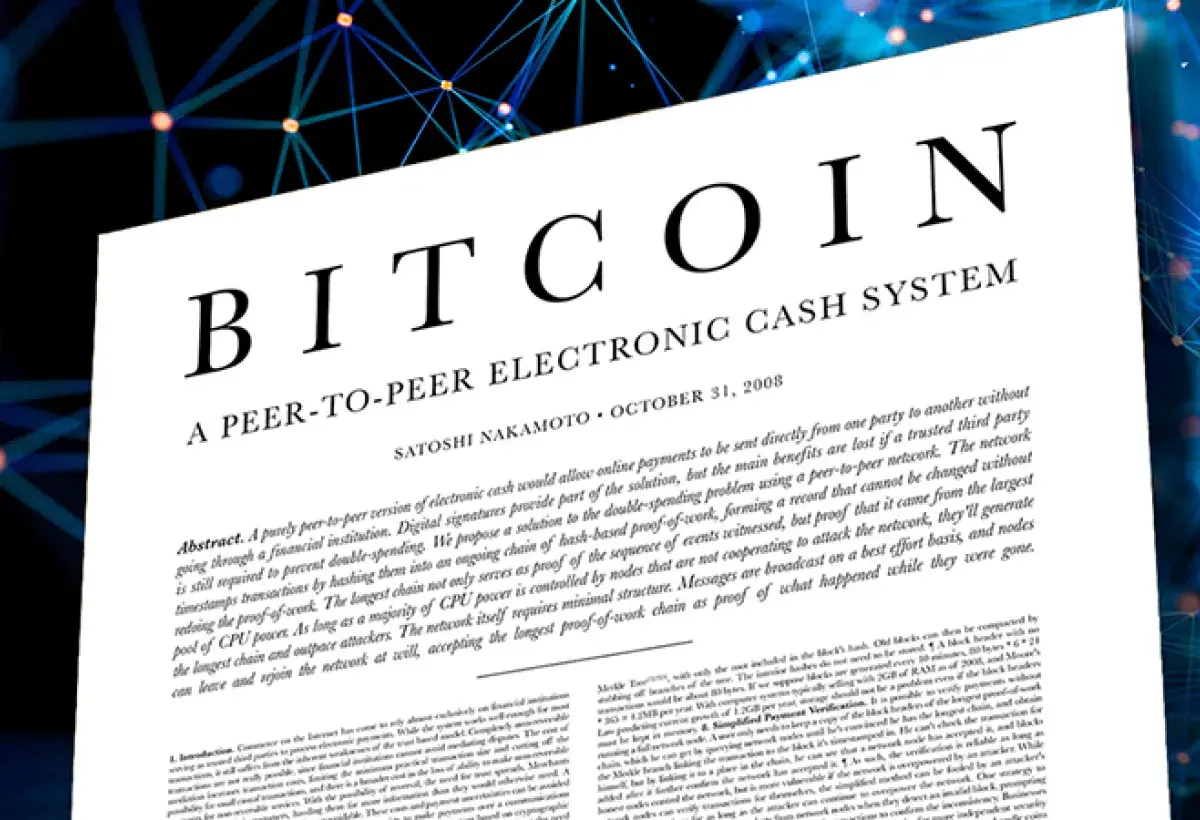
Blockchain began in 2008 when an unknown person or group known as Satoshi Nakamoto introduced a digital currency system supported by a new method of recording transactions. This introduction came in the form of the Bitcoin whitepaper, which described a digital ledger that could operate without a controlling authority. The goal was to allow people to send money directly to each other without relying on banks or governments to verify the exchange. The blockchain served as the foundation that made this vision possible.
The brilliance of the early blockchain design lies in its combination of cryptography, decentralization, and consensus. Every transaction is grouped into a block, and each block is digitally connected to the previous one. This connection forms a chain that cannot be altered without affecting all the blocks that come after it. The network of computers participating in blockchain verification ensures that everyone agrees on the legitimacy of each block. This collective verification process makes the system extremely secure.
Satoshi Nakamoto’s creation offered a solution to a problem known as double spending, which refers to the possibility of using the same digital currency twice. Traditional systems prevent this by depending on a central authority. Satoshi introduced a method where many participants observe and confirm transactions, removing the need for a central figure. This new approach allowed Bitcoin to function reliably as a decentralized digital currency.
Over time, this early blockchain inspired many developers to explore how the same principles could be used in other fields. New blockchains emerged with different features and purposes. Some focused on enabling smart contracts, while others focused on improving speed or reducing energy consumption. Even though Satoshi Nakamoto remains a mystery, the design introduced in 2008 continues to influence innovation in countless industries. The first blockchain laid the groundwork for systems that prioritize security, transparency, and the idea of shared control rather than dependence on a single authority.
3. Blockchain Transactions Are (Almost) Immutable
Image
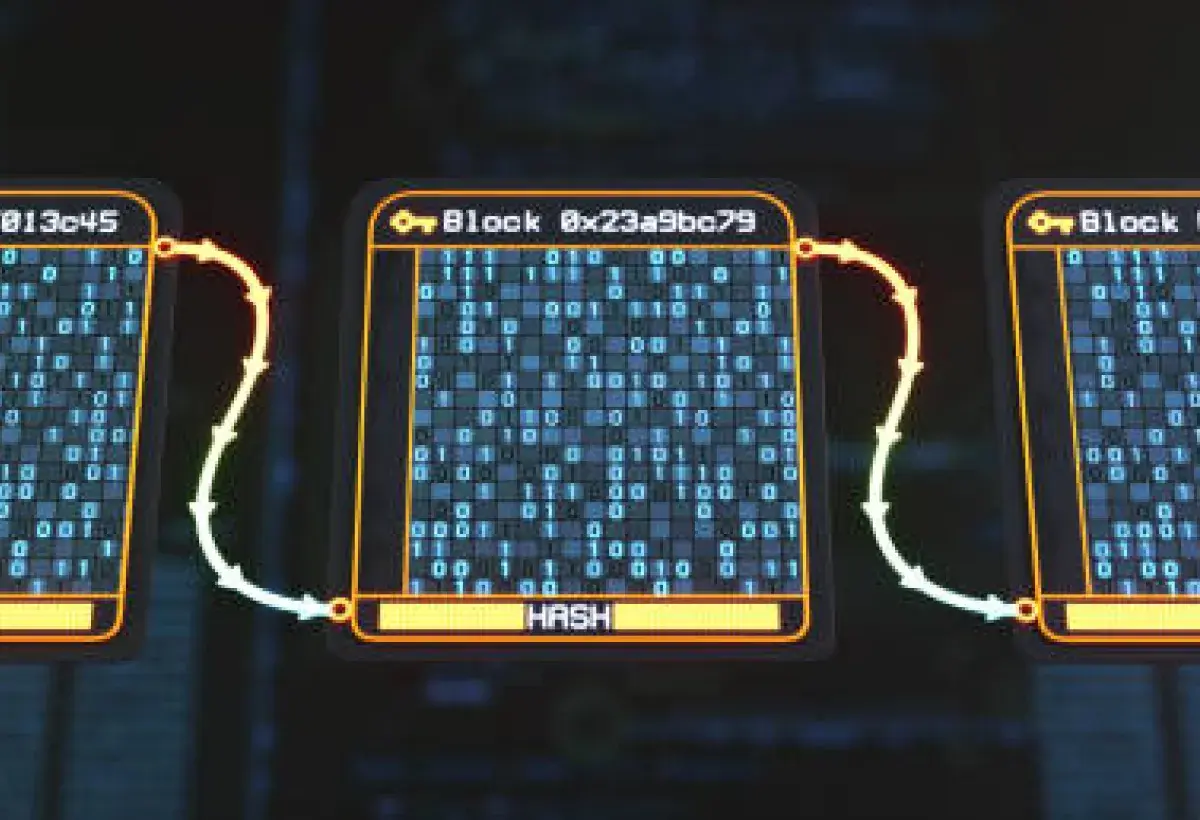
One of the most important characteristics of blockchain is the difficulty of altering recorded transactions. When information is placed into a block, it becomes connected to the previous block through a cryptographic hash. A hash is a unique digital fingerprint of the block. If someone tries to change the information inside any block, the hash also changes. This change would immediately break the link between blocks, making the alteration obvious to the entire network.
For a blockchain to remain trustworthy, many participants must maintain identical copies of the ledger. When someone attempts to introduce a false version, the majority of the network rejects it because it does not match their verified copies. This makes tampering extremely difficult. It would require someone to control an overwhelming portion of the network to force their modification to be accepted. For large blockchains with many participants, this is nearly impossible.
This immutability allows industries to use blockchain for sensitive records. For example, companies rely on blockchain to track valuable goods or store legal agreements. When information is written to the ledger, everyone involved can trust that it will stay unchanged. Hospitals and clinics can use blockchain to record medical information securely, giving patients confidence that their health data is preserved accurately.
However, immutability does not mean absolute perfection. Some blockchains allow rare adjustments through processes known as forks. A fork may occur when the network decides to update or improve the system. These updates can create versions of the blockchain with different rules. Even so, such changes require community agreement, which preserves transparency. The idea that information is almost impossible to alter remains one of the strongest reasons people trust blockchain systems. It provides a firm foundation for transactions and records that must remain reliable over time.
4. Blockchain Uses a Lot of Energy
Image

Many well known blockchains use a method called proof of work to verify transactions. This method depends on powerful computers solving complex mathematical puzzles. The computer that solves the puzzle first adds the new block to the chain and receives a reward. This process is called mining. Although it keeps the network secure, it also requires large amounts of electricity because miners compete by running their machines continuously at high speed.
The energy consumption of proof of work systems has become a major topic of discussion. Critics say the electricity used for mining could be redirected to more important needs. They also raise concerns about the environmental impact when the electricity comes from non renewable sources. Mining operations in some regions have even caused increased demand on local power grids.
Supporters of blockchain argue that the situation is improving. Many mining operations are turning to renewable energy sources like hydroelectric power, solar power, and geothermal energy. Some mining companies set up their equipment in areas with surplus energy or near power plants that produce low cost electricity. These strategies help reduce environmental impact and improve efficiency.
The search for more sustainable blockchain solutions has led to new verification methods such as proof of stake. Unlike proof of work, proof of stake does not require massive computing power. Instead, participants lock up some of their cryptocurrency to earn the right to validate transactions. This method uses far less energy. When Ethereum switched from proof of work to proof of stake in 2022, its energy use dropped dramatically. This shift showed that blockchain networks can evolve to become greener while maintaining security and reliability.
Energy consumption remains an important issue, but ongoing improvements continue to shape the future of blockchain. The push for cleaner, more efficient systems ensures that blockchain can grow without harming the environment.
5. You Don’t Have to Store Everything on the Blockchain
Image

Blockchain is powerful, but it is not designed to store huge files or large amounts of detailed information. Instead, blockchains work best when they store essential records or digital fingerprints that prove data authenticity. Developers often use a combination of on chain and off chain storage to achieve both security and efficiency. On chain storage keeps the most important parts of the information, such as transaction details or proofs of data existence. Off chain storage keeps the larger files somewhere else.
This approach creates a balanced system. For example, a medical record platform might store the complete files in a secure central database while storing a digital fingerprint of each record on the blockchain. When a doctor needs to check a patient history, the system compares the off chain file with the on chain fingerprint. If they match, the doctor knows the file has not been altered. This combination preserves accuracy without slowing down the blockchain.
Companies in logistics use the same method. They store primary data on chain to verify authenticity while keeping detailed information like documents, photos, and shipment descriptions off chain. Artists use off chain storage for digital artworks while storing ownership rights on the blockchain. This prevents large images or videos from filling up the ledger.
Using off chain storage allows blockchains to remain fast and manageable even as more people use them. If every piece of data were stored directly on the chain, the ledger would grow too quickly, leading to slower performance and higher storage costs. Hybrid models solve this issue by separating what must be verified from what must be stored long term.
This method shows the flexibility of blockchain. It does not replace all traditional databases but works with them to improve security and trust. By storing only the most important data on chain, developers ensure that blockchain remains efficient while still offering powerful verification capabilities.
6. Blockchain Is Highly Transparent
Image
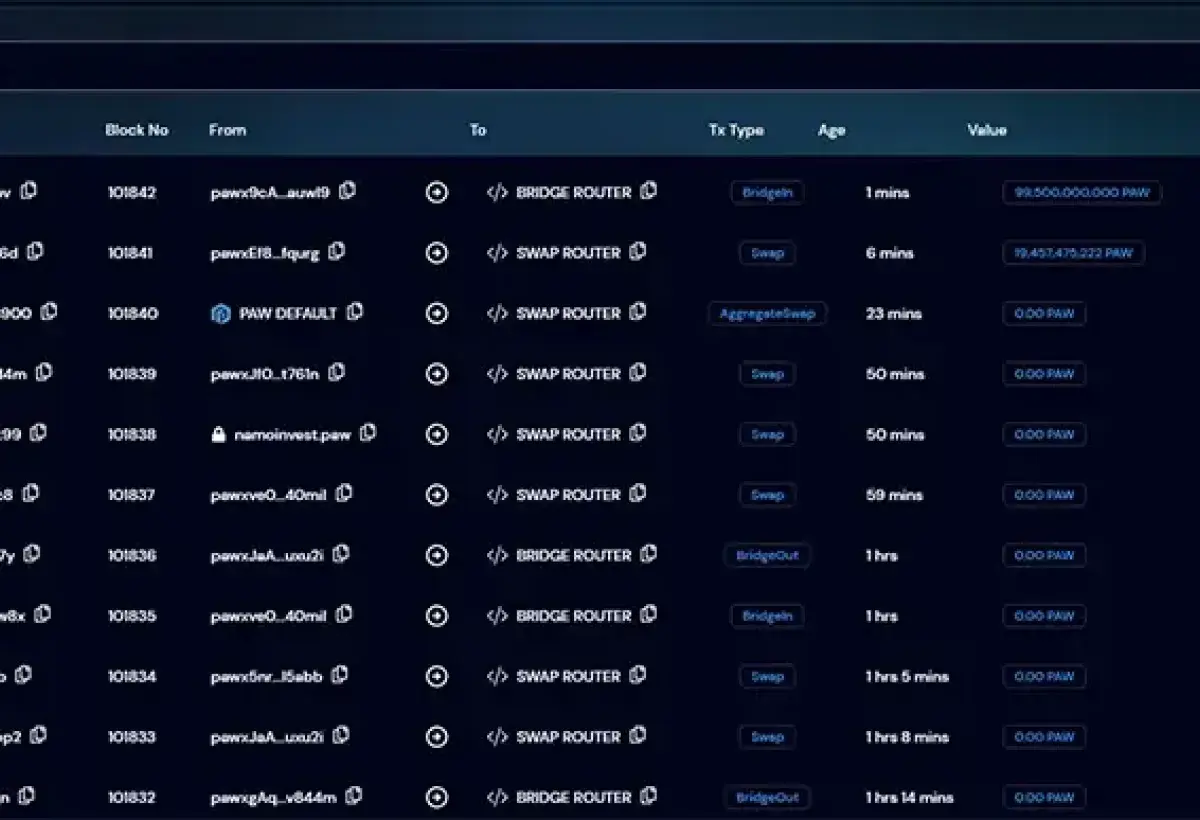
Public blockchains allow anyone to view the full history of transactions. This openness creates a level of transparency that traditional systems cannot easily match. When transactions are open to inspection, there is less room for hidden manipulation. Participants trust that the information they see has not been altered. This transparency builds confidence among users, businesses, and organizations.
In supply chain management, transparency is essential. Companies use blockchain to track products from their point of origin to their final destination. Customers can verify where an item was made, how it was transported, and whether it meets quality standards. This helps prevent fraud and counterfeit goods. Even industries like agriculture benefit. Farmers record details about crops, and consumers can verify how the food was grown and processed.
Although blockchains are transparent, they also offer a degree of privacy. Transactions do not display real names. Instead, they use digital addresses that are not directly linked to personal identities unless the user reveals them. This allows blockchain to provide both accountability and privacy at the same time.
Governments and nonprofit organizations explore blockchain as a tool for boosting public trust. When records are visible to everyone, it becomes harder to manipulate budgets, donations, or public spending. Charities use blockchain to show how contributions are distributed, giving donors confidence that their money is used properly.
Transparency also helps when resolving disputes. Because blockchain stores an unchanging record of activity, disagreements about transactions can be settled by checking the ledger. Everyone sees the same version of the truth. This consistency helps reduce conflicts and speeds up decision making.
The combination of openness and secure privacy sets blockchain apart from many other technologies. It creates a system where information can be verified without giving complete control to any single party. This level of transparency continues to drive blockchain adoption in industries that rely on trust and accountability.
7. Smart Contracts Automate Agreements
Image
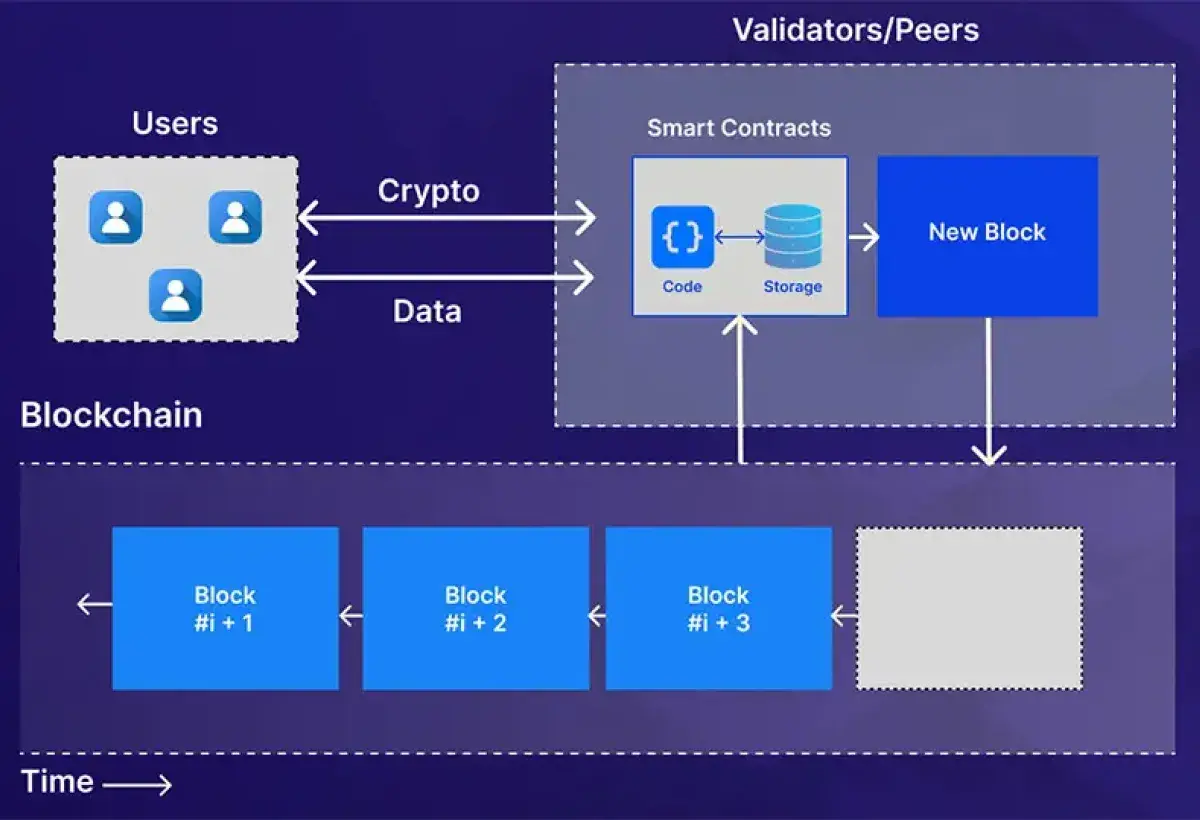
Smart contracts are computer programs stored on a blockchain that automatically execute when certain conditions are met. They help remove unnecessary intermediaries and make transactions faster. When the required conditions occur, the contract completes its action without waiting for approval from banks, lawyers, or brokers. This automation reduces mistakes, speeds up processes, and lowers costs.
For example, a shipping company might use a smart contract that releases payment to a supplier as soon as the tracking system confirms delivery. This eliminates delays caused by manual checks. In online marketplaces, smart contracts help manage ownership transfers by verifying payments and instantly updating digital records. These functions keep the process consistent and transparent.
Smart contracts are widely used in decentralized finance. Instead of depending on traditional institutions, people use blockchain based systems to borrow, lend, and trade digital assets. The smart contracts ensure that rules are followed and transactions occur as expected. They also protect users by automatically enforcing agreements.
Gaming platforms use smart contracts to manage digital items. When players purchase virtual assets, the smart contract updates ownership records on the blockchain. This gives players full control of their items and prevents unauthorized alterations. In the world of NFTs, smart contracts handle royalties so that creators receive payments whenever their digital artwork changes hands.
Because smart contracts run on the blockchain, they inherit the same transparency and security. Everyone can view the contract code, and once it is deployed, it becomes very difficult to change. This prevents unauthorized modifications. However, it also means developers must write the contract carefully to avoid mistakes.
Smart contracts continue to expand the possibilities of blockchain by enabling systems that act automatically and reliably. They help people and organizations interact in ways that are more efficient and fair, demonstrating how blockchain technology can improve everyday digital transactions.
8. Not All Blockchains Are Public
Image
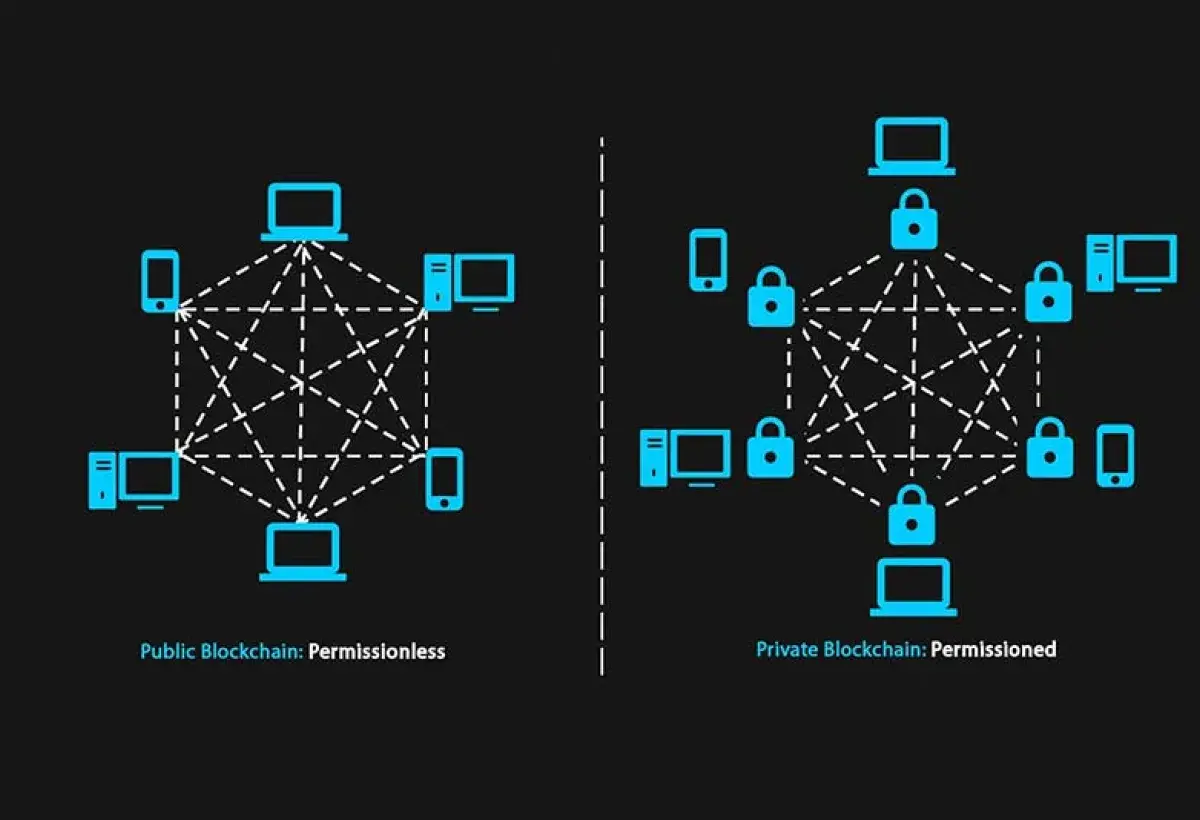
While Bitcoin and Ethereum are well known public blockchains that anyone can join, many organizations prefer systems that restrict access. These are private blockchains. Participants must be approved before they can view or add information. This makes private blockchains ideal for businesses that handle sensitive data. Banks, healthcare companies, and government agencies often choose private blockchains to maintain confidentiality while still gaining the benefits of a shared digital ledger.
There are also consortium blockchains. These networks are controlled by several organizations rather than one. This shared control allows groups of companies to work together. For example, a group of banks might use a consortium blockchain to speed up international payments. Because all members share responsibility, the system remains transparent while protecting internal data.
Private and consortium blockchains offer advantages like faster transactions and more predictable performance. Since only approved participants join the network, there is less activity competing for processing power. These systems can also enforce strict rules to ensure that only authorized actions occur. This level of control is useful for industries that follow heavy regulations.
Even though private blockchains are more controlled, they still maintain the core idea of shared verification. Participants must still agree on changes, which prevents unauthorized tampering. The blockchain structure ensures that records remain consistent, accurate, and secure.
Choosing between public, private, or consortium blockchains depends on the needs of the project. Public blockchains support open participation and maximum transparency. Private blockchains support confidentiality. Consortium blockchains balance openness and control by giving multiple organizations shared authority. This variety makes blockchain flexible enough to support everything from global financial networks to specialized internal databases.
9. Blockchain Is Resistant to Censorship
Image

Because blockchain networks are decentralized, no single authority can easily stop them or block specific transactions. The information is stored on many independent computers, so shutting down one server does not affect the entire system. This resilience makes blockchain attractive for people who need reliable access to their financial resources or personal data even during disruptions.
In countries with unstable currencies, residents sometimes use blockchain based assets to preserve the value of their money. If a government restricts access to traditional banking systems, blockchain still allows people to move funds. This creates opportunities for financial independence even under difficult circumstances.
Journalists, activists, and organizations that rely on free communication use blockchain based platforms to store information that cannot be easily erased. Because blockchain records cannot be modified secretly, they help protect important data from censorship or deletion.
However, blockchain does not guarantee complete freedom from regulation. Governments can create laws around the use of blockchain platforms. They can also regulate exchanges where digital assets are traded. What they cannot do is erase information that is already recorded on a widely distributed blockchain. That immutability gives users confidence that their transactions and records will remain accessible.
Censorship resistance is one of the qualities that attracts people to decentralized technologies. It helps ensure that individuals can maintain access to their digital property and information even when facing external pressures. Blockchain continues to serve as a powerful tool for preserving openness and protecting access in an increasingly digital world.
10. Blockchain Could Power the Future of the Internet
Image

Many experts believe blockchain will play an important role in shaping the next stage of the internet known as Web3. This vision imagines an online world where people have greater control over their identities, assets, and data. Instead of relying on large corporations that store user information on centralized servers, Web3 platforms allow individuals to manage their own digital properties through blockchain based accounts.
In a decentralized internet, applications could run on blockchain networks instead of private data centers. This gives users more transparency about how their information is used. For example, social media platforms built on blockchain would allow users to own their posts and profiles instead of handing control to a single company. People could transfer accounts between platforms without losing content because their data remains linked to their blockchain identity.
Developers are already building decentralized storage systems, finance platforms, and communication tools. These services aim to reduce dependency on central authorities and create online environments that are more secure and democratic. Blockchain also makes it possible to give users direct ownership of digital items. This includes everything from game assets to digital artwork.
Although Web3 is still in development, it continues to gain attention from companies, investors, and creators who believe the future of the internet will focus on user empowerment. Blockchains provide the foundation for this future by offering transparency, security, and shared control. If Web3 grows as predicted, blockchain may become the main technology supporting how people interact online.
Blockchain stands at the center of a major shift in how information is stored, verified, and exchanged. Its ability to build trust without relying on a single authority gives it a unique advantage in the digital age. As more industries explore blockchain, they discover new ways to improve accuracy, security, and efficiency. From global finance to digital art to medical systems, blockchain offers solutions to challenges that once required complex frameworks and multiple layers of verification. The idea that information can be shared and confirmed by a decentralized network continues to inspire developers around the world.
The growth of blockchain demonstrates how technology evolves in response to modern needs. It provides a fresh approach to data management that encourages transparency and fairness. People increasingly understand blockchain not as a temporary trend but as a long lasting tool for building stronger digital systems. Its principles of decentralization, immutability, and shared verification offer a foundation for future innovations that focus on security and user empowerment.
As the world becomes more connected, the demand for reliable digital structures increases. Blockchain is rising to meet that demand. It supports new forms of economic activity, protects digital identities, and ensures the integrity of important information. Whether through smart contracts, decentralized applications, or new forms of secure record keeping, blockchain continues to expand opportunities for individuals and organizations. The future of technology will likely depend on systems that people can trust. Blockchain is already proving that such systems are possible, setting the stage for a more transparent and reliable digital world.