


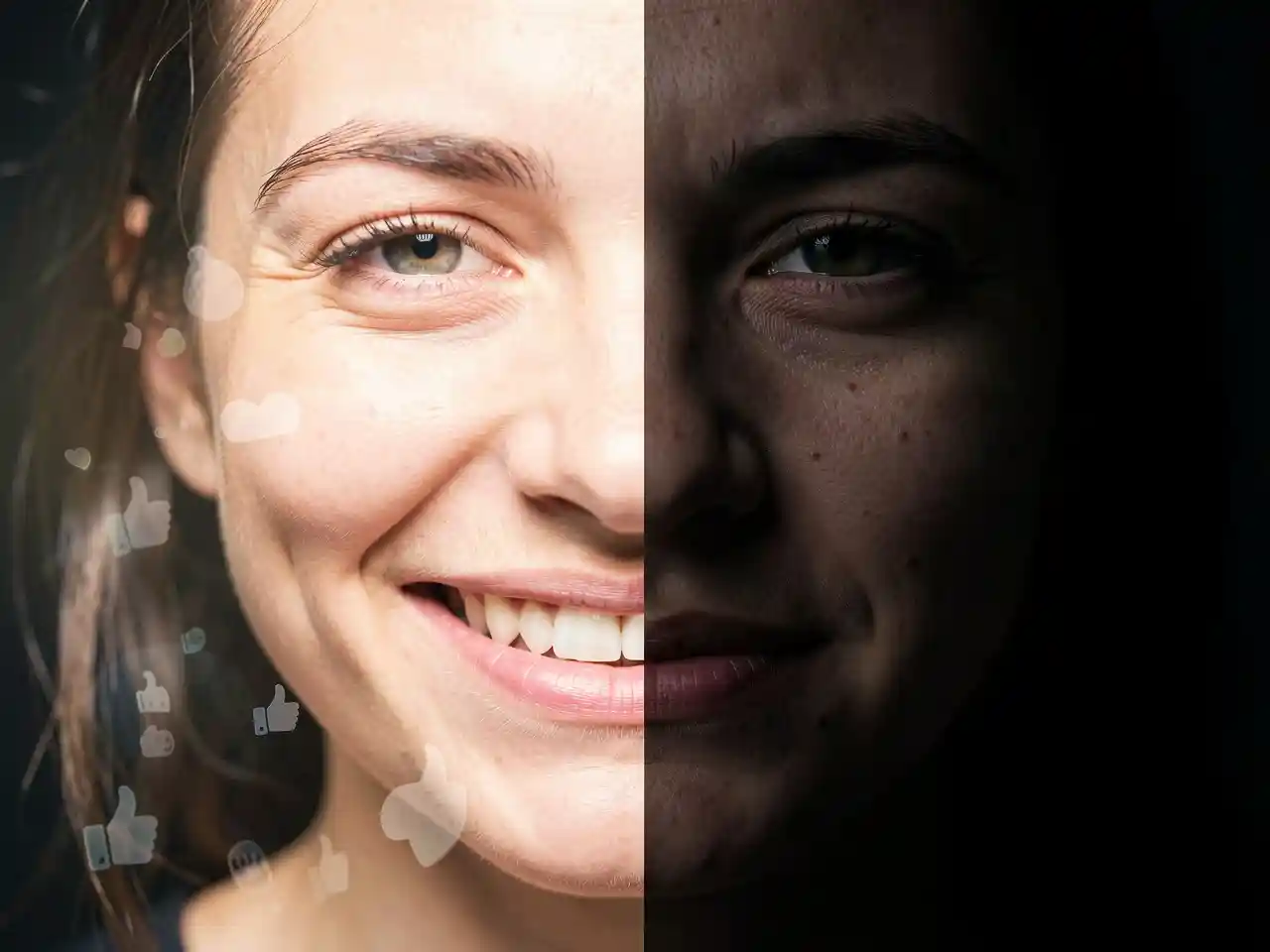
Series 2 of 5: The Eternal Quest for Happiness and Its Beautiful Lies
Forced optimism has become the new form of oppression. Modern psychology shows that toxic positivity does not heal pain. It often makes it worse. Here is how to break free from the “good vibes only” culture that keeps us pretending everything is fine.
Introduction: The Smile That Broke You
“Just think positive,” they said. So you did.
You made vision boards, posted #Gratitude, and repeated affirmations until your voice was sore. Yet here you are, crying in a Starbucks bathroom, wondering why pretending to be happy made you feel so empty inside.
This is the dark side of what can be called the Happiness Industrial Complex. It is a multi-billion-dollar system that convinces us joy is not just a feeling but an obligation.
Every motivational reel, self-help book, and corporate wellness seminar preaches the same idea: your worth depends on how happy you appear. Yet the truth is that forcing yourself to be happy can lead to more anxiety, deeper sadness, and stronger feelings of isolation.
1. The Positivity Industrial Complex
Happiness was once something spontaneous and real. Today it has been packaged, priced, and sold as a lifestyle product.
A 2024 meta-analysis revealed that about 68 percent of people felt more shame after consuming “good vibes only” content. Constantly comparing yourself to filtered smiles and perfect sunsets leads to a silent but dangerous belief: if you are not happy, you are failing at life.
Influencers, wellness coaches, and brands profit from this belief. They have transformed emotional well-being into a commodity. Your sense of peace can now be bought for a few hundred dollars in a “manifestation masterclass” or through a monthly subscription to a meditation app.
This is not the pursuit of happiness. It is the monetization of your fear of unhappiness.
Even those selling the dream are not immune. Many influencers and coaches have privately admitted to exhaustion, panic attacks, and emotional numbness. They spend their days smiling for strangers while quietly falling apart.
We are witnessing a global performance that rewards the illusion of joy. The world applauds constant happiness and punishes emotional honesty. Behind every perfect post often lies someone desperate to rest.
2. The Science of Suppression
Toxic positivity is more than emotionally draining. It is physically harmful.
A study published in the Journal of Psychological Science found that repressing emotions can raise cortisol levels by up to forty percent. Cortisol is a stress hormone that weakens immunity and increases the risk of mental illness.
The body always tells the truth. Brain scans show that forced smiling activates the same neural pathways as physical pain. In simple terms, your nervous system recognizes false happiness and reacts as if you are under attack.
This cycle of suppression creates emotional distance. When every conversation must end with “I’m fine,” we lose the comfort of honesty. We stop connecting with others, and over time, we stop connecting with ourselves.
The more we hide our struggles, the more we feel alone. Loneliness grows quietly behind every cheerful mask.
Image
3. Radical Authenticity
The cure for toxic positivity is not negativity. It is honesty.
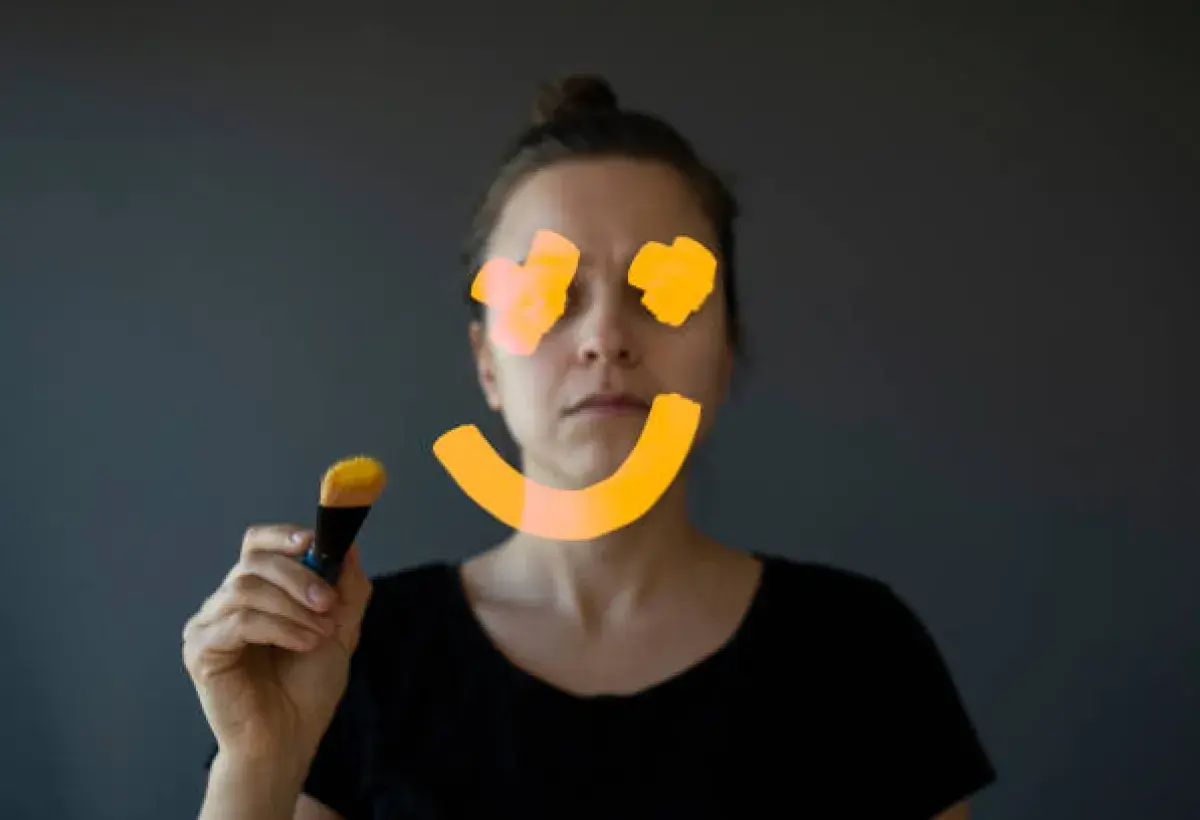
Psychologists call this radical authenticity. It means allowing yourself to tell the truth about how you feel without apology or shame. Being authentic does not mean surrendering to despair. It means acknowledging your reality and giving yourself permission to exist as you are.
Therapists often suggest starting with simple statements such as “I am not okay, and that is human.” This kind of truth-telling is not weakness. Research shows that labeling emotions helps the brain regulate them and reduces their intensity.
Some societies are already embracing this philosophy. In Iceland, a movement called the “Bad Mood Café” encourages people to gather and talk openly about their frustrations. There is no forced cheerfulness, only connection through honesty. The result is not greater sadness but deeper understanding and solidarity.
When we normalize emotional variety, we reclaim our humanity. Real strength does not come from pretending to be happy. It comes from allowing yourself to feel the full range of emotions that make life real.
Closing Rebellion
The Happiness Industrial Complex survives on silence. It depends on your fear of being labeled as negative and on your willingness to perform joy for approval.
But there is power in refusing to play along.
Stop performing.
Let your voice tremble.
Let your tears fall.
Let your truth be seen.
Share this message with someone who is tired of pretending to be fine. Then take a moment to admit one emotion you have been suppressing. Say it out loud, without shame.
Happiness was never designed to be a permanent state. It is a visitor that comes and goes. Let it visit, and let it leave when it must.
True peace begins when you stop chasing permanent joy and start accepting temporary truth.
Image

Author’s Note
This article is an original work published under Clarity Edited, with the help of AI-assisted research and editing tools.
The piece combines data-backed insights with genuine human reflection. While technology supported its refinement, every message and perspective was shaped by human experience and intention.