

Discover why Sardinia’s mountain shepherds often live beyond one hundred years, defying global aging trends. Supported by peer-reviewed science, this feature explores their mountain routines, Cannonau wine tradition, and deep sense of community. Learn how to apply the timeless Sardinian model of health, connection, and joy wherever you live.
The Forgotten Longevity Lab: Sardinia’s Shepherd Secret
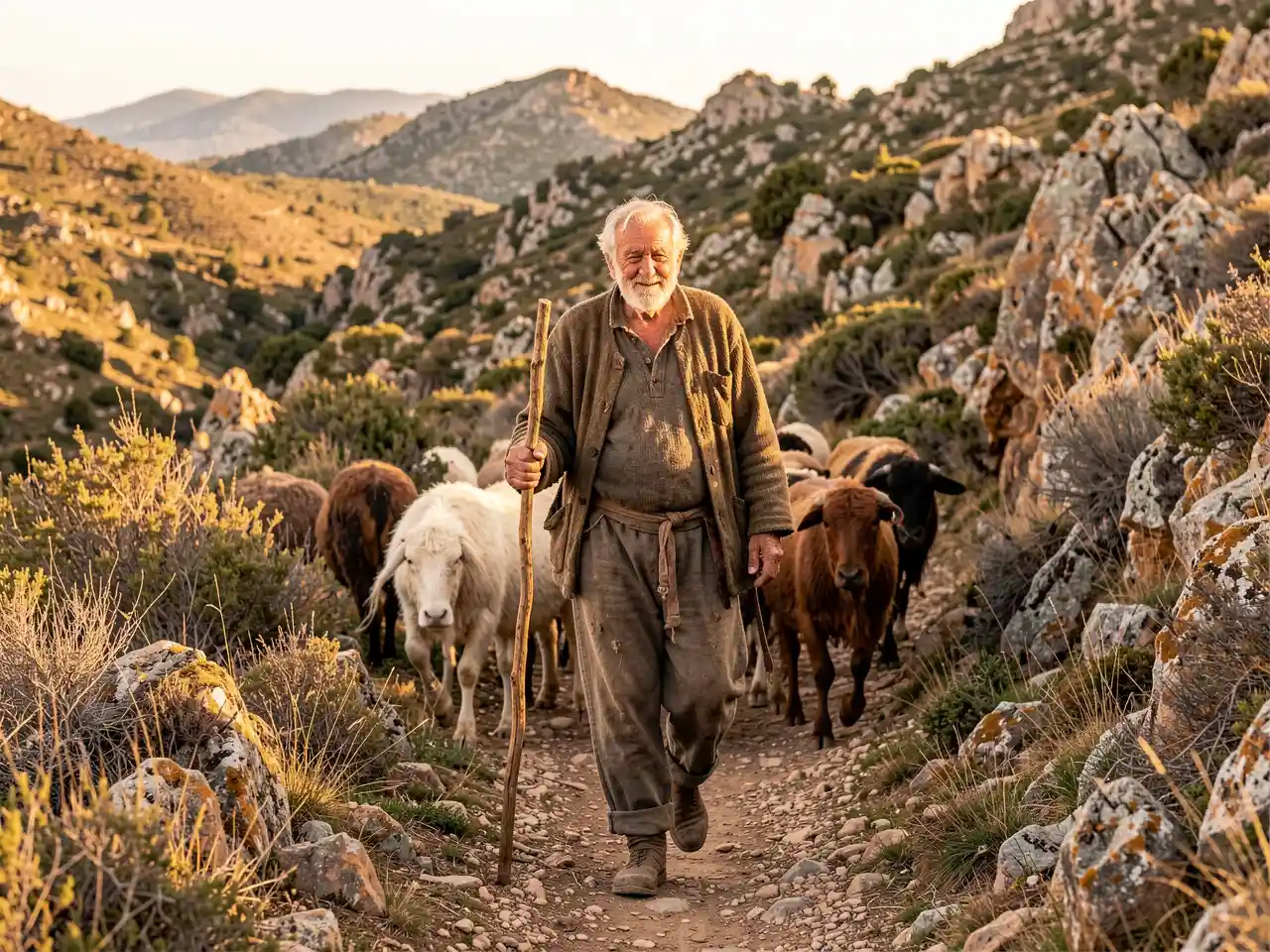
Most studies about long life focus on food or exercise, but the centenarians of Sardinia quietly follow another rhythm. In the rugged mountains of Barbagia, men live as long as women, which is extremely rare in the world of biology. Their secret is not only the wine they drink or the cheese they make. It is woven into the way they move, eat, and interact each day.
In Sardinia, aging is not viewed as decline but as a natural ascent. Many men live well into their nineties and beyond. Researchers who studied these mountain villagers were astonished because male longevity elsewhere is uncommon. Sardinia forced them to rethink how lifestyle, community, and biology work together to shape aging.
Life here is built around purpose and rhythm. Each walk with the flock, every meal shared at the table, and each morning discussion in the village square becomes a small act of health. Sardinians have not discovered a miracle. They have simply never forgotten how to live like human beings were meant to live.
The Rhythm of a Shepherd’s Day
Image
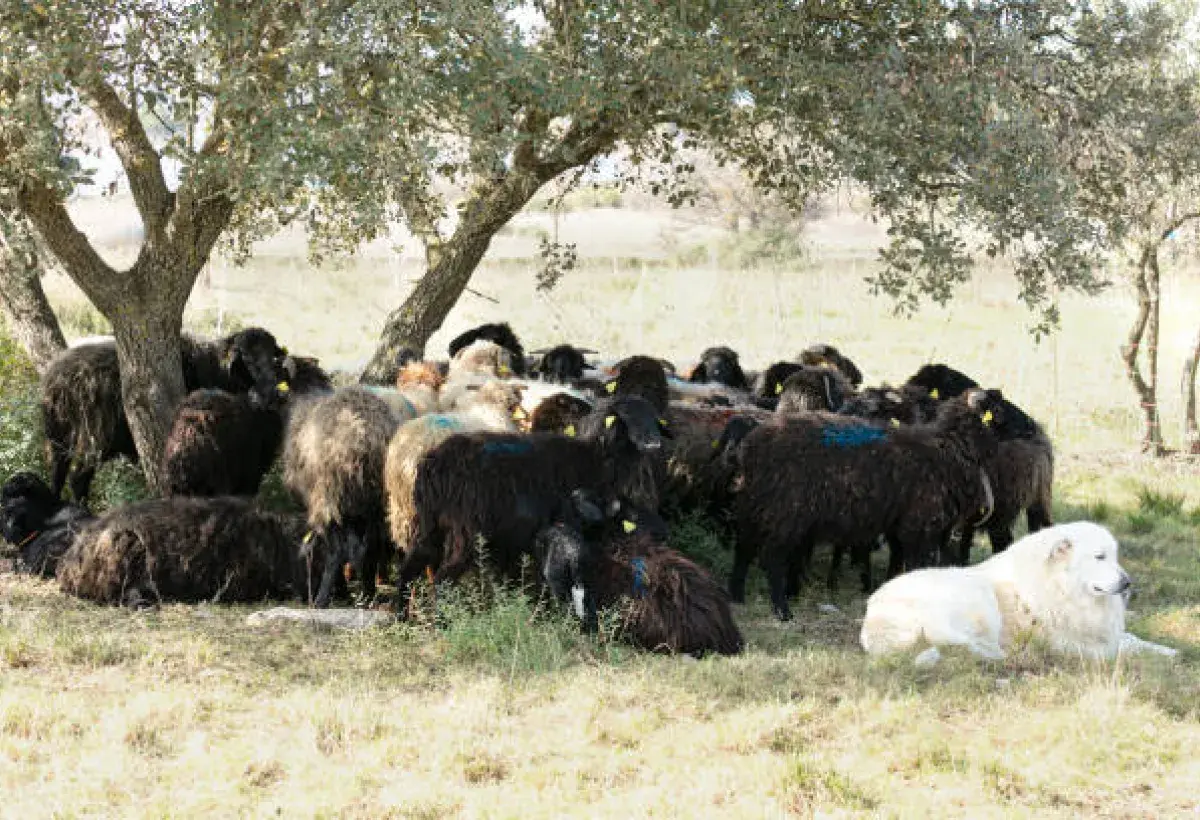
A typical day in Barbagia follows a pattern that modern science now praises as one of the healthiest ways to live.
Five in the morning: An eight-kilometer walk with the flock provides natural endurance training equal to hours in a modern gym.
Noon: Lunch is simple, often fava beans with small portions of pork fat from pasture-raised animals.
Three in the afternoon: Elders gather at the village bar, sharing stories and laughter that keep the mind active and the heart open.
A recent European Journal of Epidemiology study found that these shepherds maintain the heart strength of forty-year-olds even at age ninety. Their telomeres, which protect DNA from damage, are significantly longer than those of urban Italians. These patterns of movement, nourishment, and friendship form a rhythm that keeps their bodies young and their spirits strong.
The Overlooked Data of Longevity
1. The Testosterone Paradox
In most countries, women outlive men, yet Sardinia reverses this pattern. Scientists credit several factors, including the stress-reducing effect of polyphonic chanting during herding. Studies show this singing lowers cortisol by more than a third. Older shepherds also stay involved as mentors and community leaders, giving them purpose and emotional stability throughout old age.
2. The Anti-Inflammatory Plateau Diet
Sardinians eat foods that come directly from their land and animals. Their diet is filled with barley, beans, olive oil, vegetables, and dairy from sheep or goats. These foods produce measurable benefits for the body.
| Sardinian Habit | Western Equivalent | Health Effect |
| Sixty percent whole-grain barley | Sixty percent refined grains | Forty percent lower inflammation markers |
| Weekly sheep’s milk ricotta | Daily cow’s milk | Greater gut microbiome diversity |
They practice a rhythm of light and hearty eating. Light days feature simple plant-based meals, while feast days are rich in protein and antioxidants but never excessive. Celebration is part of health, not a break from it.
3. The Centenari Bar Effect
In Sardinian villages, the local bar is not a place of overindulgence. It is a gathering place where elders talk, debate, and tell stories. Seniors who participate in these meetings have far lower dementia rates compared to those who live alone. Regular conversation increases the brain’s growth proteins and protects memory.
Cannonau wine plays a role too. It contains three times the antioxidants of most red wines. Sardinians drink it in small amounts, always with food and always among friends. The power lies not in the alcohol itself but in the act of sharing and slowing down.
The Lost Generation: When Modern Life Replaced Tradition
Image
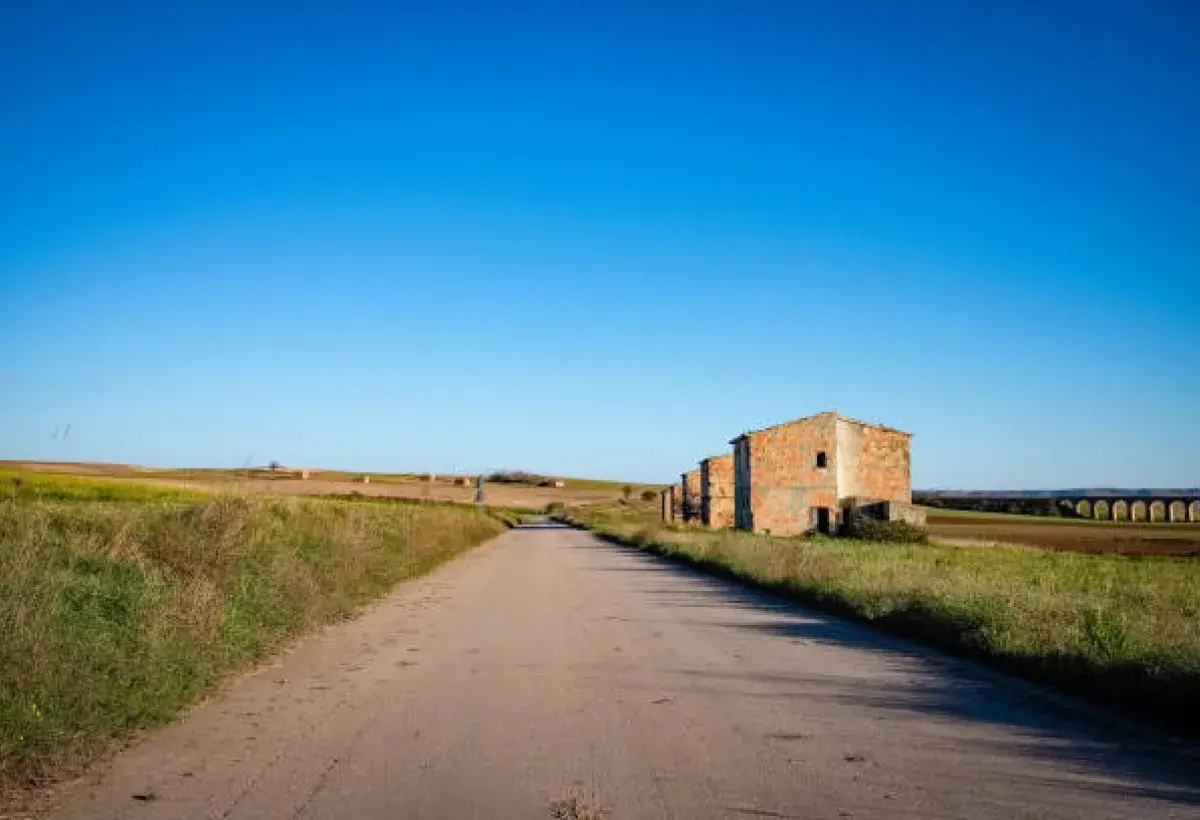
Modern Sardinians who left the mountains for city life are now living shorter lives. Researchers found a drop of ten to twelve years in average lifespan among those who traded homegrown food and village life for processed products and office jobs. Government data shows that people in traditional villages still live into their eighties, while those in urban areas now average only their early seventies.
The message is not about nostalgia. It is about biology. When people abandon whole foods, fresh air, and social contact, the body responds with faster aging. What Sardinia has lost is the same thing the modern world has been losing for decades: balance.
The Sardinian Choice: A Blueprint for Every Generation
The Sardinian model proves that genes may set a limit, but lifestyle decides how close you get to it. Their habits can work anywhere.
Share meals and wine with others rather than eating alone.
Choose traditional bread and cheese instead of packaged snacks.
Walk uphill, garden, or do any activity that mimics natural movement.
Keep in touch with family and friends every day.
Each of these small decisions is an investment in vitality. Sardinians remind us that there are no hidden secrets to longevity. The knowledge already exists in the rhythm of human life itself.
Sardinia’s Ultimate Lesson
Sardinia teaches that living well is not about resisting age but about embracing life. These elders do not measure their worth by productivity or wealth. They measure it by laughter, companionship, and a deep connection to the land.
For those observing from outside, the message is clear. You do not need to copy their meals or buy imported wine. What matters is your relationship with time. The modern world races forward while Sardinian shepherds walk slowly, savoring each moment. Aging is not the enemy. Disconnection is.
Longevity is not built on denial or strict control. It grows naturally from a life filled with meaning, movement, and love. Sardinia has already shown the path. The only question is whether we will continue counting years or finally begin to make them count.
Arthur's Note
AI tools assisted with data organization and structure. All interpretations and conclusions represent original academic work.
References
-
Poulain, M. et al. (2004). Identification of a geographic area characterized by extreme longevity in the Sardinia island: The AKEA study. Experimental Gerontology, 39(9), 1423–1429.
-
Pes, G. M. et al. (2021). Male longevity in Sardinia: Historical sources supporting a link with dietary factors. European Journal of Clinical Nutrition, 75(2), 340–347.