

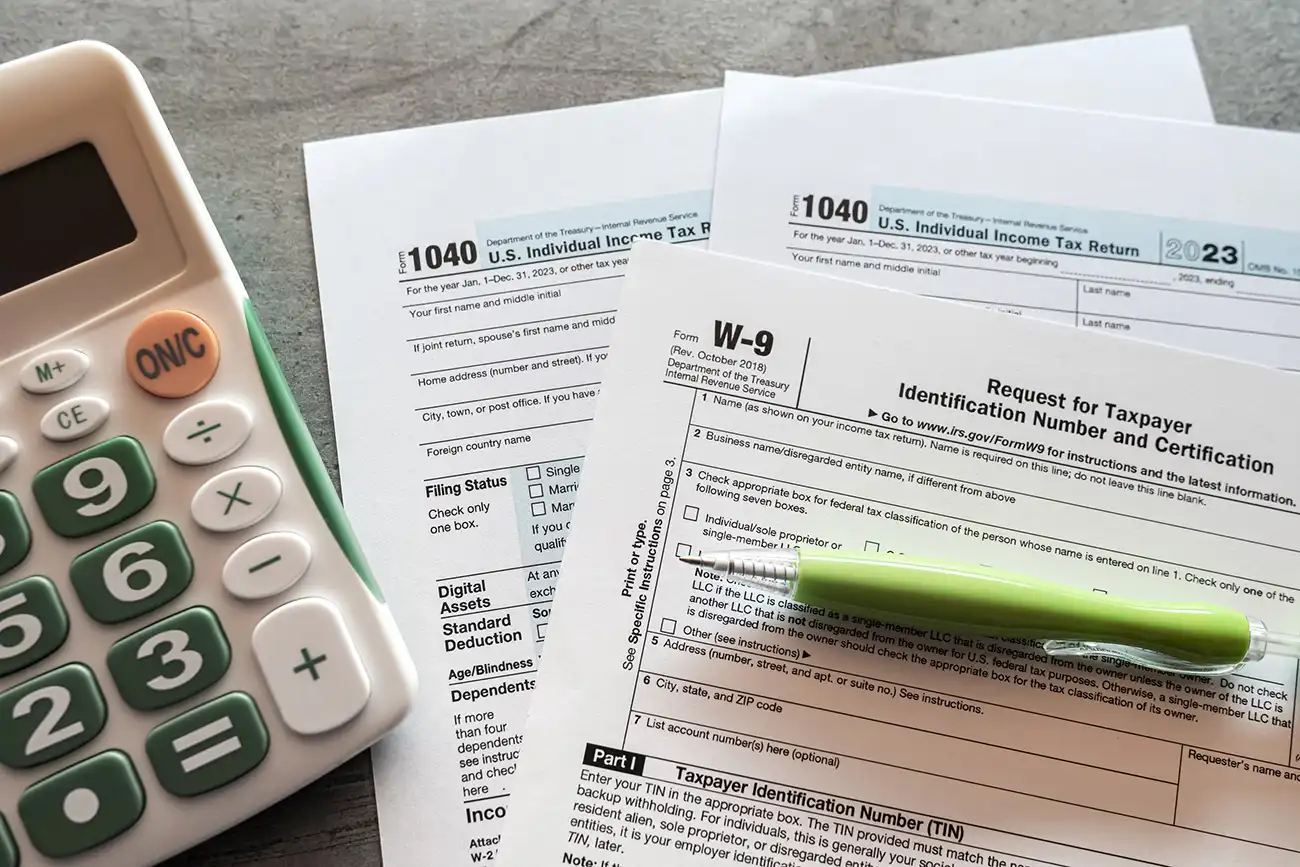
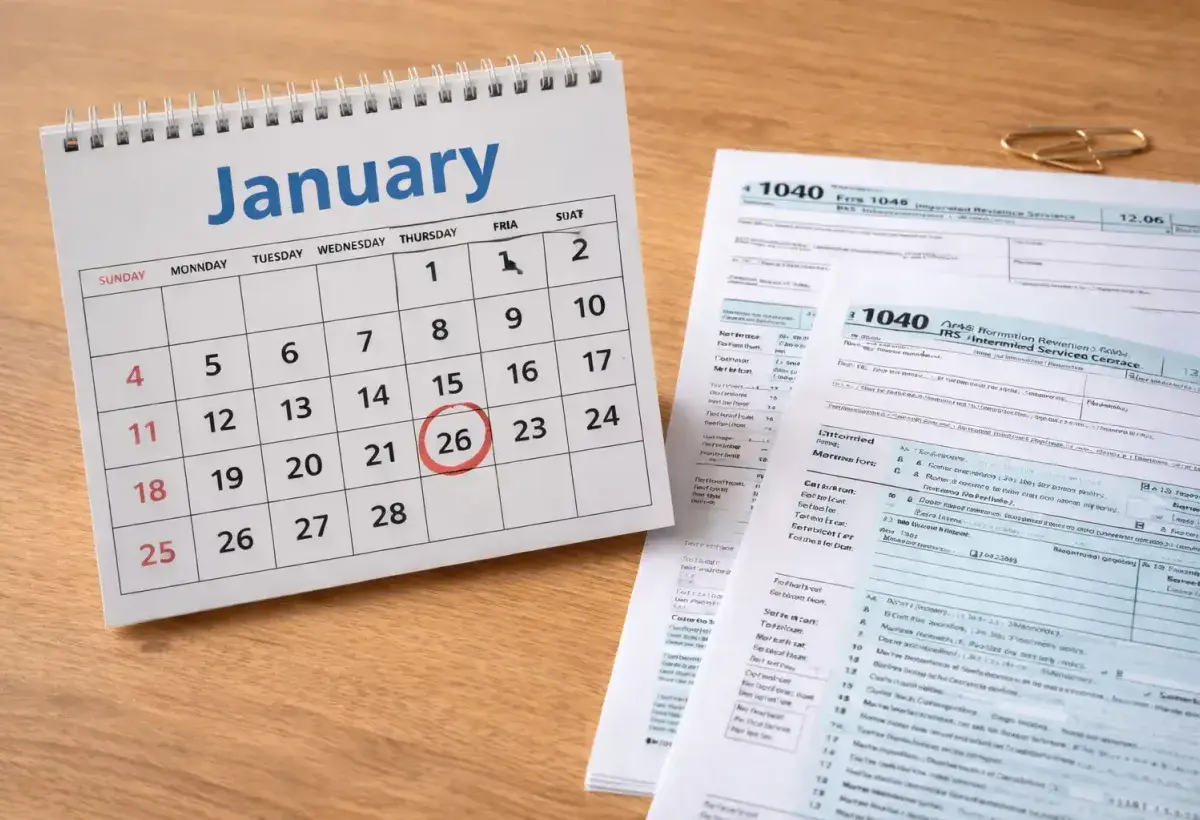
This time of the year is what is known as tax season. Officially it began on January 26. For many people, that date marks more than just the start of paperwork. It signals the beginning of a financial ritual that comes around with clockwork precision. It is a period filled with anticipation, spreadsheets, receipts, and that magic phrase that seems to light up conversations everywhere. Tax refund.
For some, it feels like a celebration. For others, it brings a quiet tension. But for almost everyone who files, tax season carries weight. It has become a cultural moment as much as a financial one. There is something about the idea of getting money back that creates a sense of possibility.
January is already a month of resets. People make resolutions, join gyms, organize closets, and plan their goals for the year. Then comes tax season, and it adds another layer to the reset narrative. It is financial reflection time. It is accountability time. It is the moment when the numbers tell the story of the past year.
Tax season officially began on January 26, but emotionally it starts much earlier. As soon as the calendar flips to the new year, people begin checking mailboxes for forms. They watch for notifications from employers and financial institutions. They refresh their inboxes looking for tax documents. There is an unspoken countdown.
The psychology behind the tax refund is powerful. When people hear the word refund, they hear reward. Even though it is technically money that was already theirs, the feeling resembles winning something. It feels like a bonus. It feels like found money.
Why does it feel that way?
Because most people do not see the withholding that happens throughout the year. Taxes are quietly deducted from paychecks. That money leaves before it ever reaches a bank account. When the refund arrives, it feels like a surprise deposit. It feels separate from regular income.
Image

There is also the emotional element of relief. Filing taxes can be stressful. It requires gathering documents, reviewing income, confirming deductions, and ensuring accuracy. Once everything is submitted, there is a sense of completion. When the refund is approved, that relief transforms into excitement.
Conversations shift during tax season. Friends ask each other whether they have filed yet. Social media fills with posts about refunds hitting accounts. Financial advice circulates widely. Some encourage paying off debt. Others suggest investing. Some plan vacations or home upgrades.
For households operating on tight budgets, tax refunds can be significant. They can cover overdue bills. They can repair a car. They can catch up on rent. They can provide breathing room after months of careful budgeting. In those moments, tax season becomes more than paperwork. It becomes a lifeline.
The origins of modern tax season trace back to the formalization of income tax systems. In the United States, the income tax structure was solidified after the ratification of the Sixteenth Amendment in 1913. Since then, annual filing has become a fixture of financial life. Similar systems exist across many countries, each with its own rules and timelines.
Despite its long history, tax season still feels surprisingly personal. It is a snapshot of your year. It reflects your income growth or decline. It shows investments. It reveals business ventures. It captures life changes such as marriage, children, or home ownership.
Each number tells a story.
For freelancers and entrepreneurs, tax season carries a different tone. Instead of waiting for refunds, many are calculating payments owed. They have tracked expenses carefully throughout the year. They understand deductions and write offs. For them, January 26 marks the beginning of reconciliation.
For employees with steady withholding, it often feels simpler. Documents arrive, numbers are entered, and software does much of the heavy lifting. The anticipation centers on one question. How much will the refund be?
Image

That question drives behavior. Some people mentally spend their refunds before filing. They plan upgrades. They schedule purchases. They imagine the extra room in their accounts. This forward looking mindset can be motivating, but it can also be risky if expectations do not match reality.
The reality is that a tax refund is not free money. It represents overpayment throughout the year. When withholding exceeds actual tax liability, the difference is returned. Financial advisors often suggest adjusting withholding to better match obligations. Doing so increases monthly take home pay rather than waiting for a lump sum.
Yet many people prefer the lump sum. It functions like a forced savings plan. Small amounts withheld each paycheck accumulate quietly. Then once a year, they return in a visible and tangible way. For individuals who struggle to save consistently, this system works psychologically.
Tax season also sparks learning. People become more aware of deductions and credits. They learn about educational credits, child related benefits, home office deductions, and retirement contributions. Filing becomes an annual financial education course.
The timing of January 26 is symbolic. It arrives just after the holiday spending season. Credit card statements reflect December purchases. Bills feel heavy. The idea of a refund becomes hopeful. It feels like balance being restored.
Image

For families, tax refunds often become strategic tools. Some allocate portions to savings accounts. Others pay down high interest debt. Some invest in home improvements that increase long term value. Some create emergency funds. The choices made during this period can influence the rest of the year.
There is also a cultural celebration attached to the phrase tax refund. In some communities, it is viewed almost like a bonus season. Businesses advertise refund sales. Retailers promote big purchases. Car dealerships often time promotions to coincide with refund deposits.
Marketing strategies align closely with tax season because companies understand consumer behavior. They know that when people feel financially empowered, they are more likely to spend. The refund becomes a trigger for economic activity.
However, there is another side to this season. Anxiety.
Not everyone receives a refund. Some owe additional taxes. For them, January 26 signals preparation for payment. It may require rearranging finances or setting up installment plans. The emotional experience is different. Instead of celebration, there may be concern.
This contrast highlights a broader truth. Tax season amplifies financial realities. It reveals patterns in income and spending. It shows the consequences of financial decisions made throughout the year. It can motivate change.
For young adults filing for the first time, tax season feels like an initiation. It marks a step into financial independence. They learn new terminology. They discover what withholding means. They understand the difference between gross and net income.
For older adults, the process may feel routine. Yet even routine rituals carry meaning. Each year filed is another chapter completed. It is another year measured and documented.
The phrase this time of the year carries nostalgia. It reminds people that life moves in cycles. Seasons change. Income changes. Goals evolve. Tax season is part of that rhythm. It arrives consistently, regardless of external events.
Image
There is also a sense of accountability embedded in tax season. Governments use taxes to fund infrastructure, education, healthcare, and public services. Filing taxes connects individuals to broader systems. It reminds people that their financial lives intersect with society.
At the same time, the personal focus remains dominant. Most people concentrate on their own return. Their own refund. Their own numbers. It is a deeply individual experience within a collective system.
Technology has transformed tax season significantly. Online filing systems allow people to submit returns from home. Refund tracking tools provide real time updates. Mobile apps notify users when deposits are issued. The process that once required physical visits to tax offices can now be completed digitally.
This digital shift has reduced barriers but increased speed. Refund expectations are faster. People check status updates frequently. They look for confirmation that funds are on the way. The anticipation window has shortened, but the excitement remains.
Financial literacy conversations tend to peak during this time. Experts publish articles advising responsible use of refunds. They suggest building emergency funds that cover several months of expenses. They encourage investing in retirement accounts. They recommend paying down high interest obligations first.
Despite the advice, spending patterns vary widely. Some choose immediate gratification. Others prioritize long term stability. Both choices reflect personal values and circumstances.
Ultimately, tax season is less about forms and more about reflection. It asks a simple question. How did your financial year unfold?
It encourages evaluation. Did income increase. Did savings grow. Were debts reduced. Were goals achieved. The numbers provide clarity.
As January 26 marks the official beginning, the emotional season extends far beyond that date. It influences conversations, marketing campaigns, budgeting decisions, and personal aspirations.
The magic word tax refund holds power because it symbolizes potential. It represents options. It creates space. Whether that space is used for celebration, relief, investment, or correction depends on individual choice.
In many ways, tax season acts like a second new year. It offers another opportunity to reset. Another chance to adjust. Another moment to plan intentionally.
And perhaps that is why so many people anxiously wait for it each year. Not just for the money, but for the message it carries. A chapter has closed. The numbers are in. A new financial year begins.
The forms will be filed. The calculations will be completed. Deposits will arrive. Payments will be made. Life will continue moving forward.
But for a brief period starting January 26, the entire country pauses to look at the math of their lives.
And in that pause, there is power.