


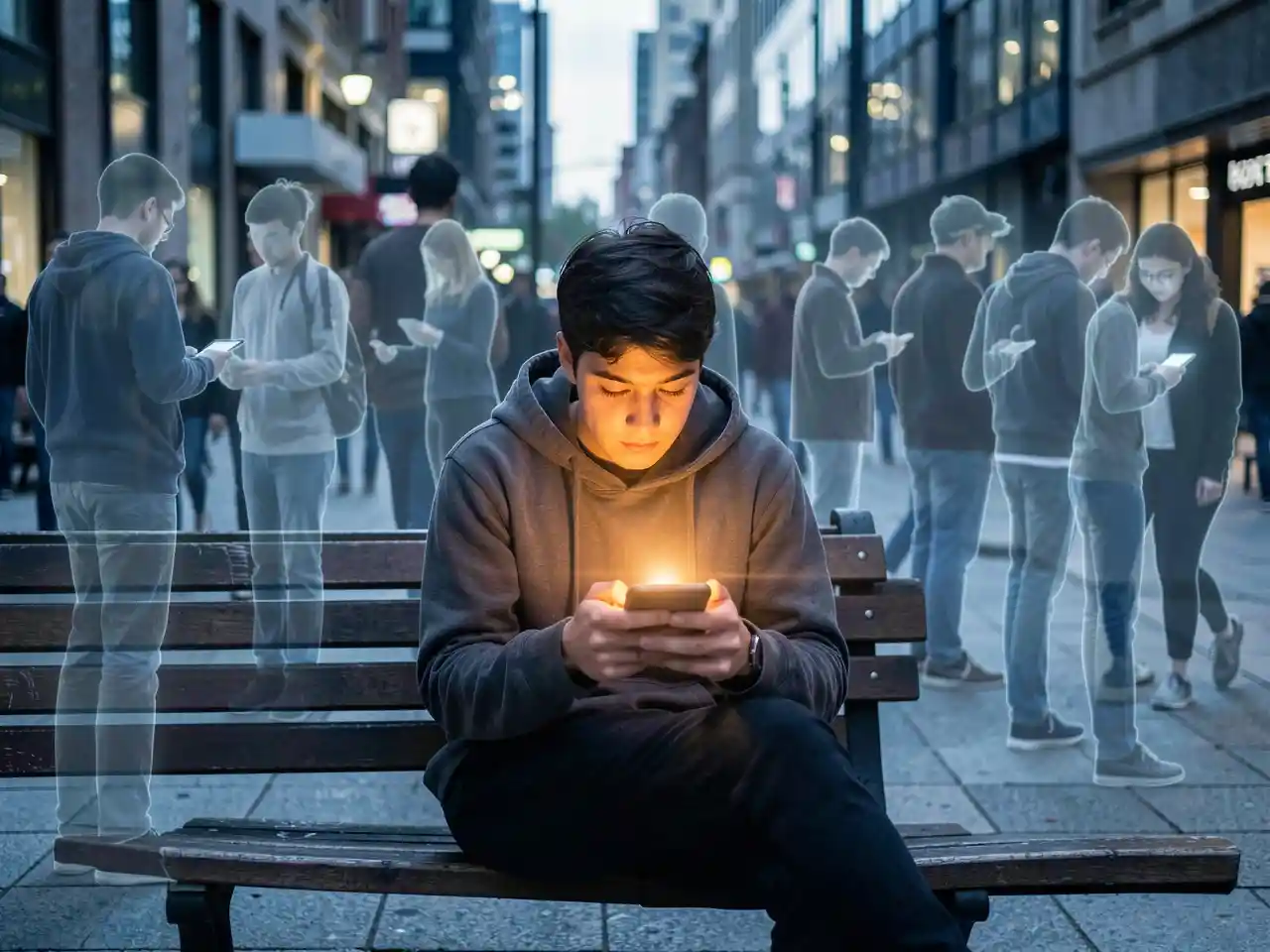
Despite thousands of online connections, people today are lonelier than ever. Part three of the "Human Connection in Decline" series explores how social media approval-seeking has replaced real-life intimacy and why reclaiming genuine connection is essential for emotional wellbeing.
We live in a world where every moment can be shared, from morning coffee to gym routines, from carefully curated outfits to personal opinions. What used to be private is now public, broadcast to friends, followers, and strangers alike. At the heart of this shift is not just the desire to connect but the urgent need to be seen and approved.
Every selfie is edited, every caption carefully crafted, and every post waits for likes, shares, and hearts, small tokens of validation from a world watching through screens. Despite the constant presence of others online, many people report feeling lonelier than ever before.
The Illusion of Intimacy
It is common to have hundreds or even thousands of friends on social media platforms. We participate in group chats, comment threads, and virtual communities. Yet when something heavy happens in real life, grief, heartbreak, or a quiet mental health struggle, who do we truly turn to? Often, the answer is no one.
Sherry Turkle, in her book Reclaiming Conversation, describes this phenomenon as being “alone together.” We are plugged in but emotionally distant. We have mastered sharing highlight reels but avoid sharing heartbreaks. People post memes about pain yet rarely speak about their struggles directly. We know how to get attention, but we have forgotten how to ask for help.
Approval Over Authenticity
The need for digital validation runs deep. Posting has become a ritual that defines self-worth. Experiences are no longer enough to feel real; they must be documented and approved by others. Filtered photos, rehearsed reactions, and copied trends all contribute to visibility, yet each layer of performance distances us from authentic connection.
In tailoring our online presence for applause, the real self often remains unseen even to ourselves. We perform for digital audiences instead of engaging with those who genuinely know us. Authentic conversation requires vulnerability, and that vulnerability is often absent when life is curated for approval.
The Cost of Shallow Relationships
This obsession with validation comes at a high cost. Psychologist Jean Twenge, in iGen, found that the more teens and young adults engaged with social media, the less happy they reported being. Online friendships grew, but real-world satisfaction declined.
Research by Holt-Lunstad and colleagues indicates that loneliness is a major public health concern, rivaling smoking and obesity as a risk factor for mortality. Humans are not meant to thrive without meaningful, face-to-face relationships. Yet modern digital life often replaces these essential connections with superficial engagement, leaving emotional needs unmet.
Stories from the Digital Age
Consider Ana, a college student who has over twelve hundred Instagram followers. Every morning she scrolls through notifications, feeling a mix of satisfaction and anxiety. Her online friends cheer her achievements, but when her grandfather falls ill, she finds herself reaching out to no one. Her online network cannot offer the comfort she needs in real life.
Image

Similarly, Mark, a mid-thirties professional, spends evenings in video calls and group chats with coworkers and friends. Yet he confesses that he has not had a deep personal conversation in months. Online visibility has replaced genuine interaction. The pressure to perform digitally makes it difficult to ask for support or show weakness, reinforcing isolation rather than alleviating it.
A Call to Reclaim the Real
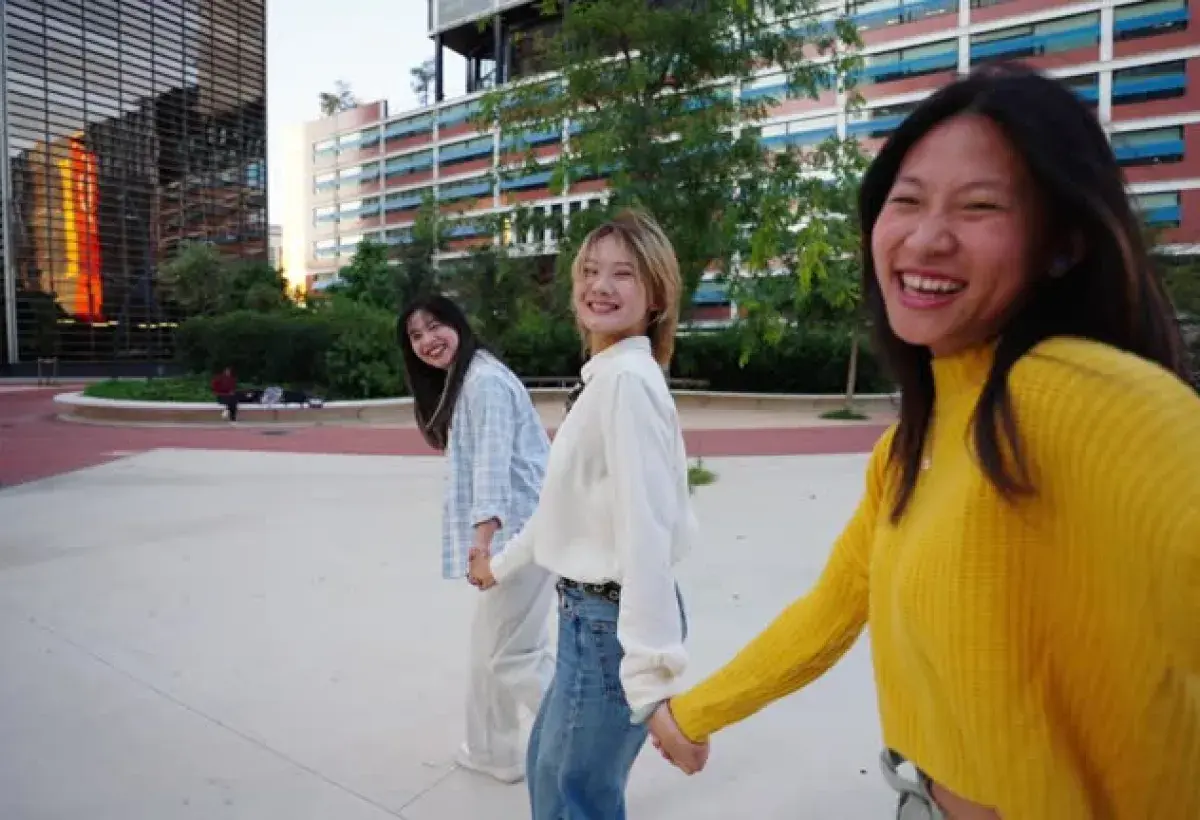
You do not need to be seen by everyone. You need to be truly known by a few. Genuine connection does not ask you to post the best version of yourself. It invites you to show up as you are.
The next time you feel the urge to post for likes or comments, pause and ask yourself who can you call, visit, or meet in person instead. Real connection happens in shared presence, not through screens. The warmth of someone who truly sees you, not the filtered version, cannot be replicated digitally.
Every conversation, every shared moment, and every act of genuine listening reinforces intimacy in ways no number of likes or reactions ever can. It is not the quantity of friends that matters but the depth of relationships you cultivate.
Image
References
Holt-Lunstad, J., Smith, T. B., Baker, M., Harris, T., & Stephenson, D. (2015). Loneliness and social isolation as risk factors for mortality. Perspectives on Psychological Science, 10(2), 227–237.
Turkle, S. (2015). Reclaiming conversation: The power of talk in a digital age. Penguin Books.
Twenge, J. M. (2017). iGen: Why today’s super-connected kids are growing up less rebellious, more tolerant, less happy. Atria Books.