

Part 4 of 5: “Human Connection in Decline.”
In an age of content creators and viral videos, public spaces are no longer safe from the spotlight. This article explores the loss of privacy, solitude, and human respect in today’s camera-ready culture.
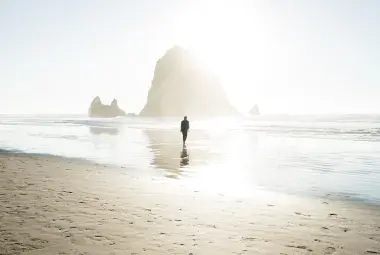
"We used to fear being alone...
Now we fear being seen, without knowing we were watched."
There was a time when you could walk outside, stand in a line, ride an escalator, or sit on a bench and simply exist. You could be present, anonymous, and private.
But today, even that is disappearing.
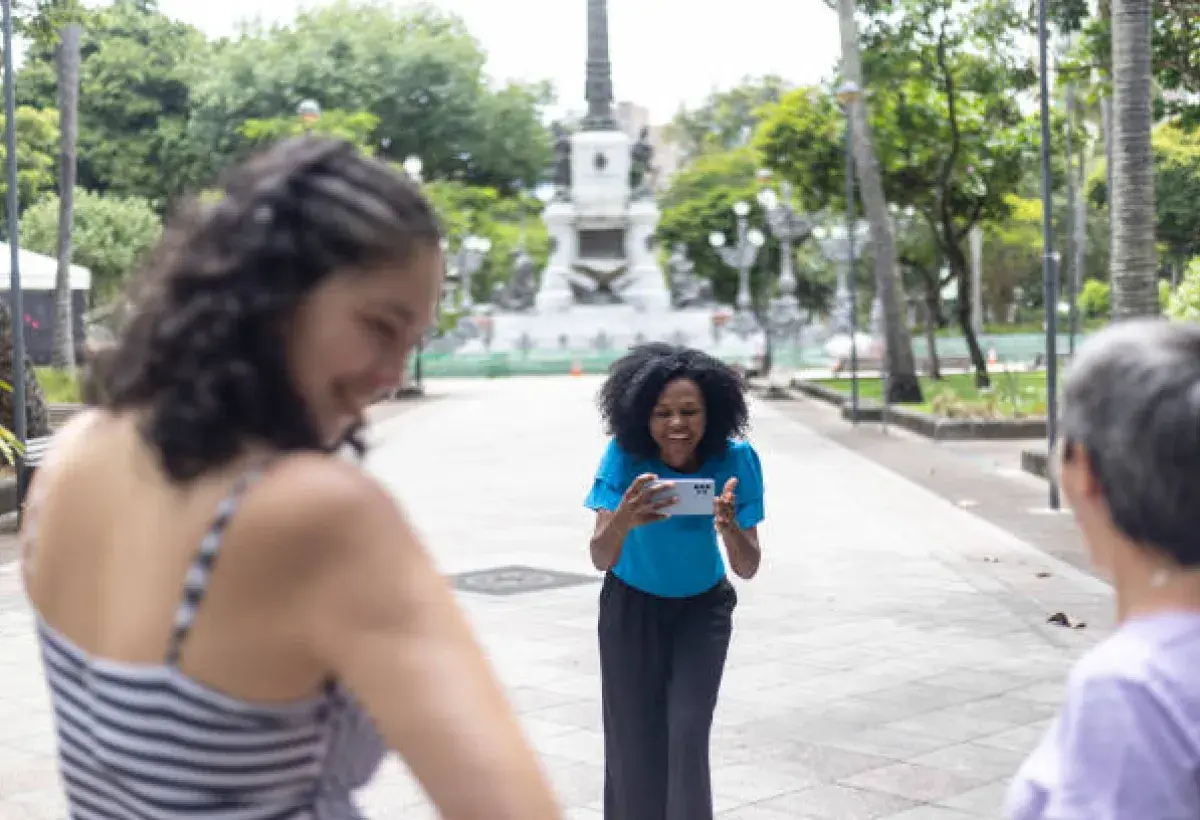
In the digital age, everyone holds a camera. Anyone can be content, with or without your consent.
We now live in a world where people chase “likes” with such hunger that they are willing to cross boundaries that once felt sacred. Your privacy, your peace, and your right to exist unnoticed have become collateral in the race for attention.
Spotlight Culture: When Content is King, Consent Doesn’t Matter
Imagine a couple quietly descending an escalator. On the other side, a young man rides up, then suddenly reaches across to touch the woman’s face. She is startled. Her partner reacts instantly and confronts the stranger.
Then comes the punchline.
“It’s a video, man! It’s just a video! Look, there’s the camera!”
The so-called creator is not apologizing for violating their space. He is defending his content.
This is not an isolated moment. It is a cultural symptom.
Every week, awkward or painful public encounters go viral, captured without consent, edited for effect, and posted for views. Strangers are turned into punchlines. Ordinary people are ambushed by the digital spotlight without ever asking to be on stage.
From Presence to Performance
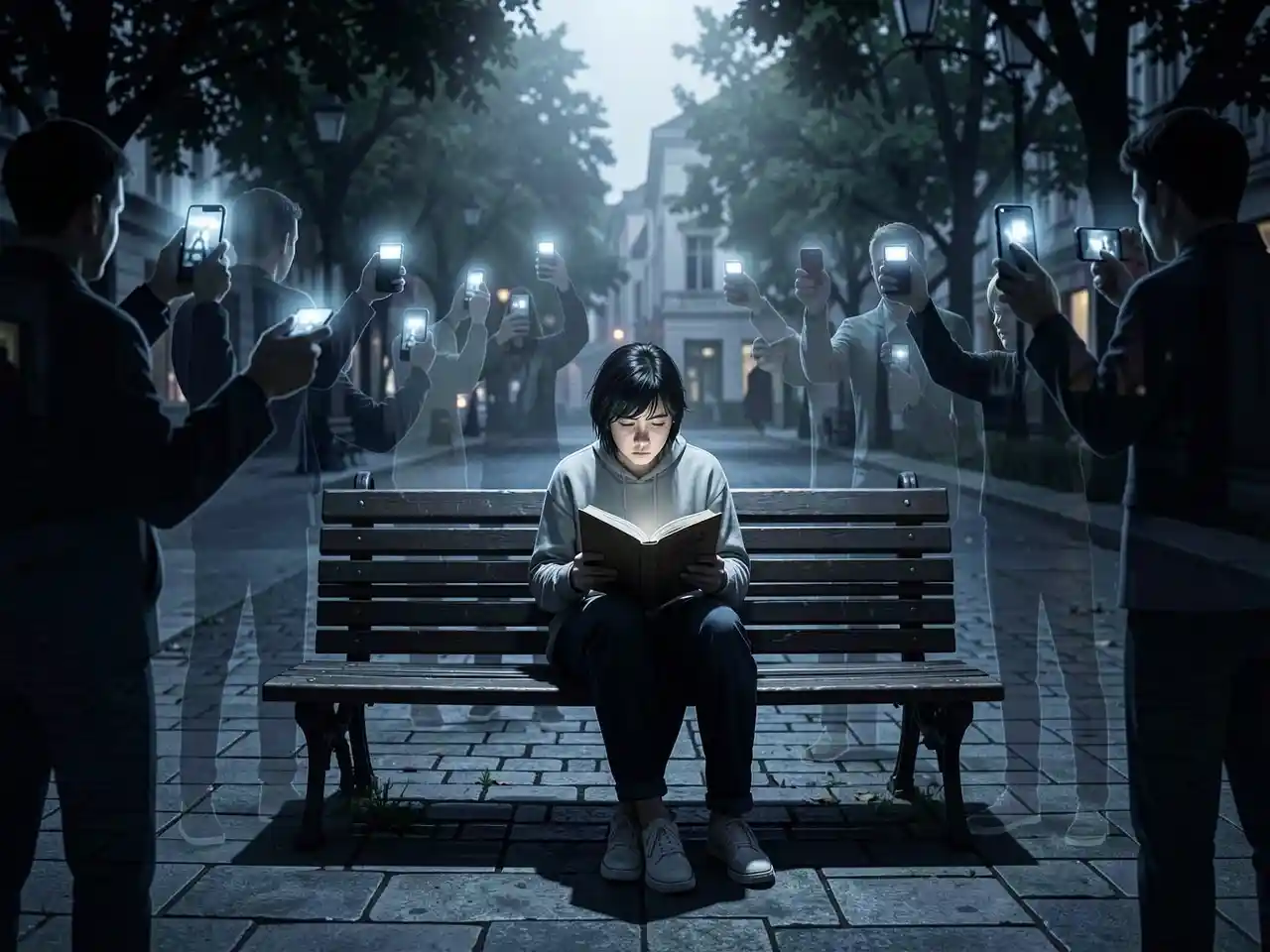
What once was solitude has turned into surveillance. Even in public spaces, we used to find a kind of personal sanctuary: headphones in, thoughts to ourselves, minds adrift. Now there is always a chance someone is watching, filming, or preparing to turn your presence into engagement.
Creators in pursuit of virality often forget a basic human truth: people are not props.
Unlike actors in a scripted scene where everyone understands their role and purpose, these new forms of digital performance turn unsuspecting bystanders into unknowing participants. Real emotions, confusion, and discomfort are harvested for laughs, likes, or outrage.
This quiet shift is redefining authenticity. It teaches people to see others not as individuals with dignity, but as potential material.
Mental Fallout: Living in a Perpetual Spotlight
This invisible camera culture is reshaping how we think and feel. We have become hyper-aware, guarded, and anxious about being caught in an unflattering or viral moment.
It erodes trust in public. It makes going out feel unsafe, not because of crime but because of exposure.
The more we internalize this surveillance, the more we self-censor. We adjust how we walk, talk, and act even when no camera is visible. Gradually, our real lives stop feeling like our own. They become potential clips waiting to be exploited for someone else’s audience.
Being in public should not mean being public property.
Image
Why Presence Feels Off-Center
We now associate solitude with being disconnected, missing out, or irrelevant. But solitude is not withdrawal. It is restoration. It is where we recharge, reflect, and return to ourselves.
Because we have been conditioned to always be seen, stillness now feels wrong. We equate visibility with value. If no one is watching, we begin to wonder if we still matter.
This fear of invisibility is why many people cannot stay offline for long. It is why silence feels uneasy. Presence, once a grounding experience, now feels misplaced and incomplete.
A Return to Respect and Quiet
It is time to restore boundaries. To value presence without performance. To respect privacy even in public spaces.
The solution is not to reject technology but to center humanity. We can record responsibly. We can ask before sharing. We can give others the dignity of consent.
The more we chase content at the expense of humanity, the more disconnected we become from others and from ourselves.
Let us make solitude sacred again.
Image

Author’s Note
This piece was thoughtfully created by Clarity Edited, blending personal reflection and human insight. While AI assisted in refining the content, the voice, values, and message are entirely human-directed.
Citations
-
Newport, C. (2019). Digital Minimalism: Choosing a Focused Life in a Noisy World.
On reclaiming intentional solitude in the digital age. -
Zuboff, S. (2019). The Age of Surveillance Capitalism.
Examines how our behaviors are commodified, often without consent. -
Goleman, D. (2013). Focus: The Hidden Driver of Excellence.
Explores how overstimulation erodes attention, mindfulness, and empathy.