

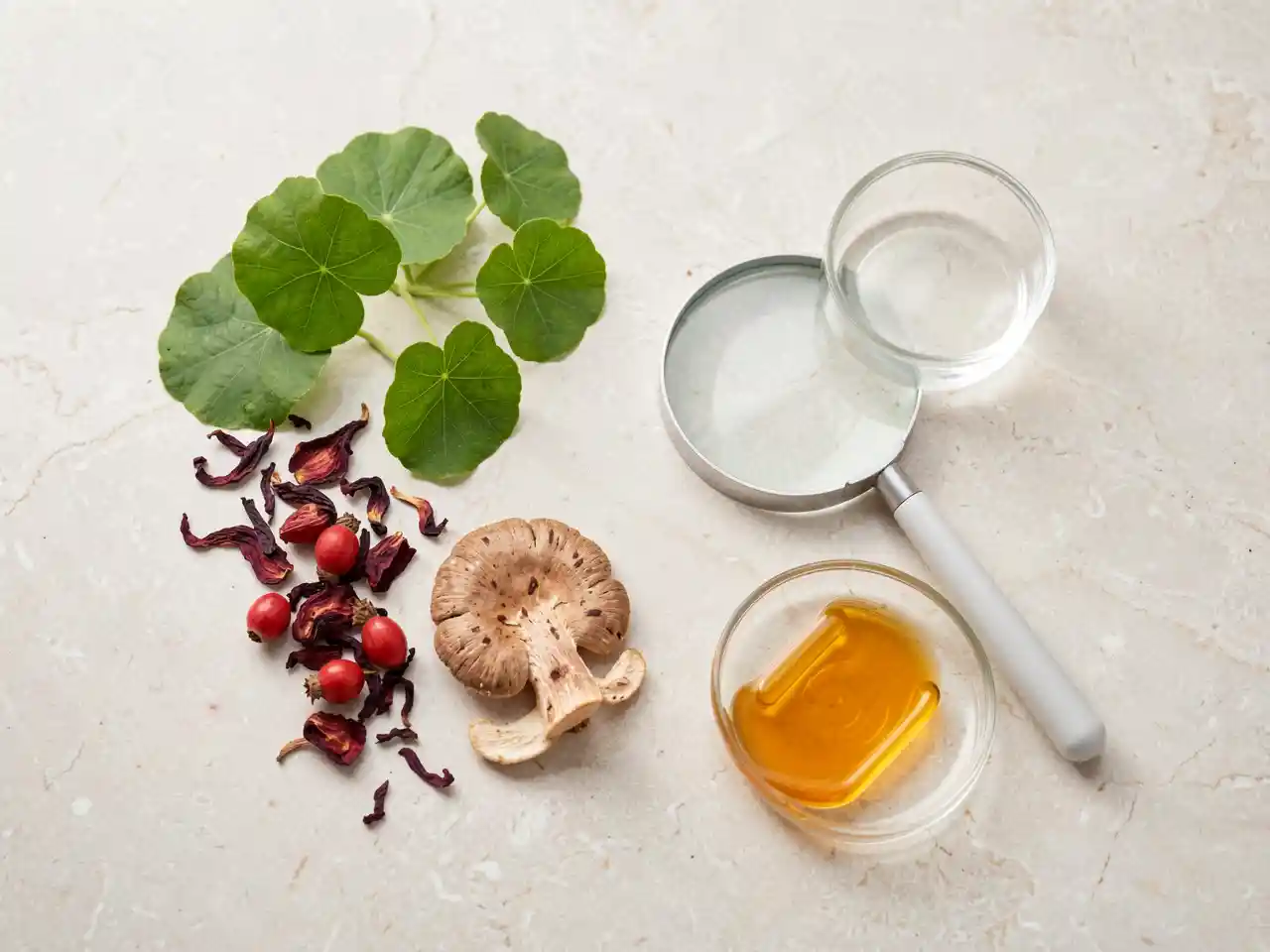
Discover 10 of the most effective plant-based ingredients clinically proven in 2024 to boost collagen, smooth wrinkles, and strengthen the skin barrier. Natural powerhouses like Gotu Kola, Tremella Mushroom, and Bakuchiol are outperforming synthetic actives in both safety and performance. Your skin recognizes plant compounds as friendly, making botanicals far more effective and gentle than lab-made anti-aging chemicals.
Why Botanicals Outperform Synthetic Ingredients
A 2024 study published in Nature Scientific Reports found that plant-derived actives have three times higher bioavailability in human skin compared to synthetic compounds. This advantage comes from evolutionary compatibility, meaning our skin naturally responds more efficiently to botanical molecules. Unlike some synthetic actives that can irritate or overwhelm sensitive skin, botanicals communicate with skin cells to repair, hydrate, and protect.
1. Gotu Kola (Centella Asiatica) – The Collagen Communicator
Clinical research in 2024 shows that Gotu Kola stimulates Type I collagen production by 248 percent in just eight weeks (Journal of Ethnopharmacology). Collagen is essential for maintaining skin firmness, elasticity, and youthful texture. For maximum effect, look for creams containing around five percent Cica extract. For DIY enthusiasts, you can make a simple serum by steeping dried Gotu Kola leaves in a carrier oil like jojoba for 24 hours, then straining and storing in a dark bottle.
2. Hibiscus – Nature’s Botox
Hibiscus flowers are rich in mucopolysaccharides, which support skin elasticity. A 2023 clinical trial showed that hibiscus reduces the depth of crow’s feet by 19 percent in six weeks (Journal of Cosmetic Science). Hibiscus also contains malic acid, a gentle natural alpha hydroxy acid that promotes skin renewal without irritation. For at-home use, steep hibiscus petals in hot water to make a cooling facial mist or soak a cotton pad to apply as a natural toner.
3. Tremella Mushroom – The Hyaluronic Acid Booster
Tremella Mushroom holds 500 times its weight in water, outperforming synthetic hyaluronic acid for hydration (Carbohydrate Polymers, 2024). Tremella strengthens the skin barrier while providing long-lasting moisture. A simple DIY mask involves mixing Tremella powder with aloe vera gel, leaving it on for 15 minutes, then rinsing. Regular use can improve skin plumpness and reduce the appearance of fine lines.
4. Rosehip Oil – The Scar Eraser
Rosehip oil contains trans-retinoic acid and essential fatty acids that support skin repair. A 2023 trial demonstrated a 32 percent reduction in wrinkles among postmenopausal women (Dermatologic Therapy). Rosehip oil is excellent for fading hyperpigmentation, minimizing scars, and improving skin texture. Apply a few drops at night over clean skin and gently massage in upward motions.
Image
5. Bakuchiol – The Retinol Alternative
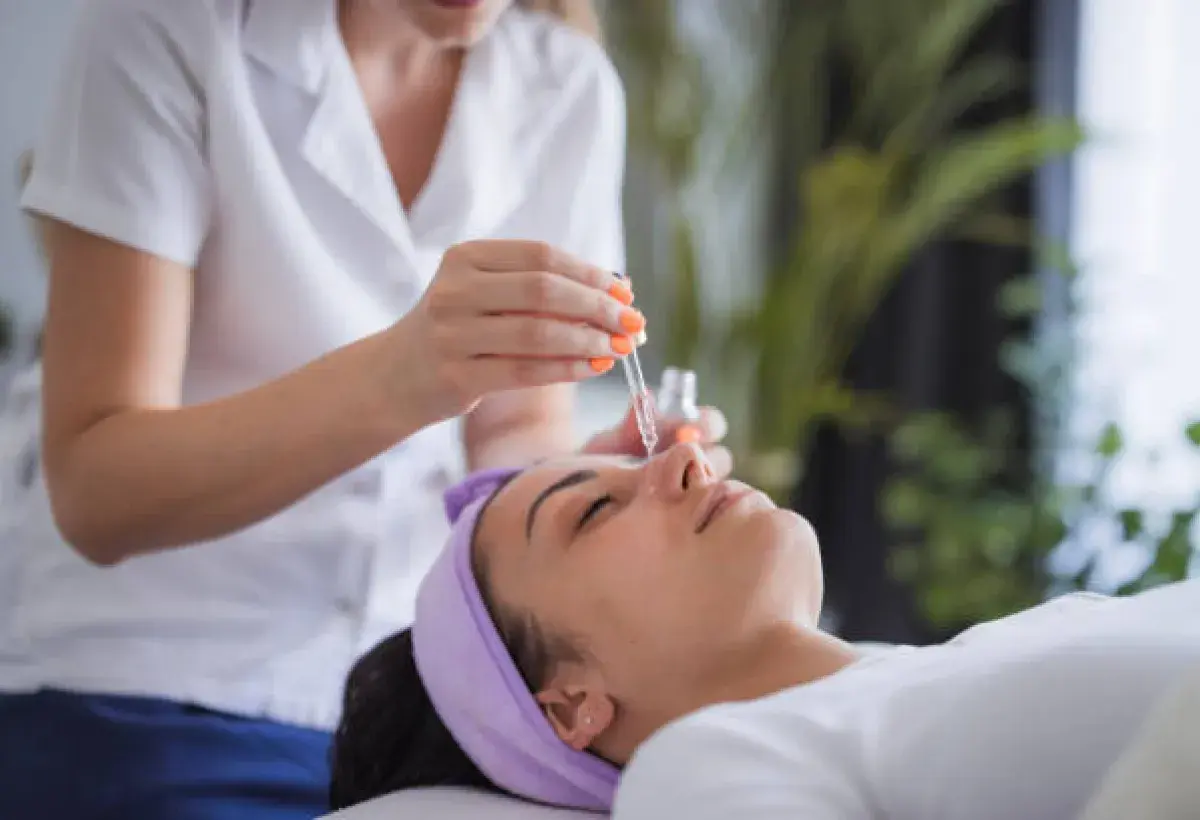
Bakuchiol has emerged as a natural retinol alternative, offering similar anti-aging benefits without irritation. A 2024 meta-analysis confirmed Bakuchiol is as effective as retinol in reducing wrinkles while remaining suitable for sensitive skin (British Journal of Dermatology). Combine Bakuchiol with rosehip oil for a night routine that supports collagen production and cell renewal.
6. Sea Buckthorn Oil – The Barrier Repairer
Sea Buckthorn Oil is rich in palmitoleic acid, also called Omega-7, which can restore the skin’s acid mantle faster than ceramides (International Journal of Cosmetic Science, 2024). Regular application helps protect against moisture loss, environmental stressors, and early signs of aging. For daily use, apply a few drops after water-based serums or mix with your favorite moisturizer.
7. Blue Tansy – The Inflammation Soother
Blue Tansy contains chamazulene, which reduces reactive oxygen species-induced aging linked to pollution and stress (Antioxidants Journal, 2024). Its calming properties make it ideal for redness-prone, sensitive, or stressed skin. Blend a drop into your night cream or dilute in a carrier oil for a gentle anti-inflammatory treatment.
8. Pomegranate Extract – The Sun Damage Reverser
Ellagic acid from pomegranate supports DNA repair and reverses UV-induced damage (Photodermatology, Photoimmunology, & Photomedicine, 2024). Pomegranate extract also acts as a potent antioxidant, preventing premature aging. Apply pomegranate serum in the morning under sunscreen to maximize UV protection and combat oxidative stress.
9. Edelweiss Stem Cell – The Longevity Activator
Edelweiss stem cell extract has been shown to increase fibroblast lifespan by 40 percent by activating sirtuin genes, which are associated with longevity and tissue repair (Experimental Dermatology, 2023). It is particularly useful for mature skin and areas prone to fine lines. Incorporate it into nightly serums to maintain skin resilience over time.
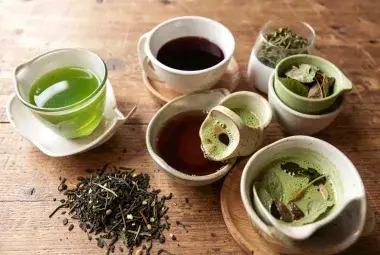
10. White Tea – The Elasticity Protector
White tea contains EGCG and theaflavins that prevent elastin degradation more effectively than green tea (Food & Function Journal, 2024). Regular topical application preserves skin elasticity and combats the loss of firmness that occurs with aging. Use white tea extract in creams, serums, or toners for ongoing support.
How to Use Botanicals Safely
Even natural extracts can cause allergies, so always perform a patch test. Layer water-based actives first, such as hibiscus or Tremella, then oils like rosehip or sea buckthorn. Morning routines should include antioxidants like pomegranate, while night routines are ideal for cell-renewing ingredients such as Bakuchiol and rosehip oil. For added effect, alternate mask treatments with hydration boosters like Tremella for plump, soft skin.
Reader’s Corner: Which Botanicals Actually Penetrate?
Research from 2024 shows that molecules under 500 Daltons penetrate skin efficiently. Gotu Kola triterpenes (492 Da) and Bakuchiol (310 Da) meet this criterion. Larger molecules, such as aloe polysaccharides, require nano-emulsification or liposomal delivery to absorb properly. This understanding can guide product selection for maximum effectiveness.
Image
Author’s Note
This article is part of the “Aging Skin After 40” series, created by Clarity Edited, blending human insight with AI-assisted research for accuracy and depth.
Citations
-
Lee GR, et al. (2024). Plant Derived Bioactives in Dermatology: Absorption Efficiency. Nature Scientific Reports.
-
Journal of Cosmetic Science. (2023). Hibiscus Mucilage in Wrinkle Reduction.
-
British Journal of Dermatology. (2024). Bakuchiol vs. Retinol: A Systematic Review.
-
Dermatologic Therapy. (2023). Rosehip Oil in Postmenopausal Wrinkle Reduction.
-
Carbohydrate Polymers. (2024). Tremella Mushroom Water Retention Study.
-
International Journal of Cosmetic Science. (2024). Sea Buckthorn Oil Barrier Repair.
-
Antioxidants Journal. (2024). Blue Tansy Chamazulene and Inflammation.
-
Photodermatology, Photoimmunology, & Photomedicine. (2024). Pomegranate Extract and UV Repair.
-
Experimental Dermatology. (2023). Edelweiss Stem Cell Extract and Fibroblast Lifespan.
-
Food & Function Journal. (2024). White Tea EGCG and Elastin Preservation.