


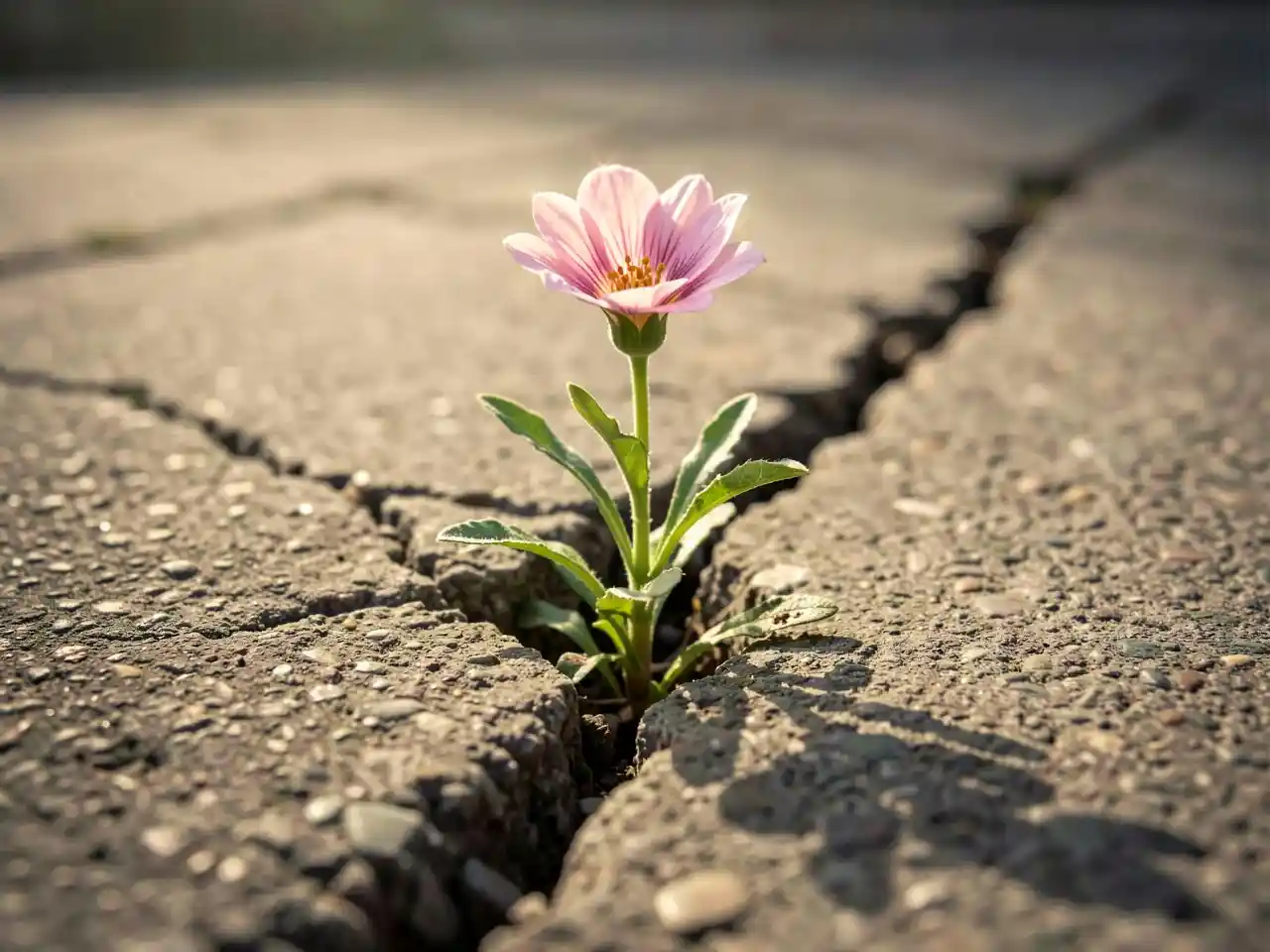
#KnowledgeIsPower, #DreamsUnbroken, #ResilienceInAdversity
Full of dreams.
Full of knowledge.
Diminished by prejudice.
Left with bitterness, yet still reaching.
-- Michael Lynn
Knowledge is a gift, a tool, and a form of power. It opens doors, sparks imagination, and fuels dreams. Dreams give our lives direction and purpose, while knowledge provides the ability to navigate toward them. Yet, in a world where prejudice persists, even the most capable individuals can find their efforts undervalued. Knowledge can be diminished not by its own merit but by biases and limitations imposed by others. The initial bitterness that arises from being dismissed or overlooked is real, yet it does not have to define the journey.
Prejudice is often subtle. It appears in overlooked opportunities, undervalued ideas, or assumptions about who is capable. A student might excel academically yet face repeated doubt because of their background. An employee might offer innovative solutions that are ignored in favor of more conventional voices. These experiences create a sense of unworthiness that feels deeply personal, even though the root cause is external. The knowledge they hold remains intact, but recognition of it is delayed or denied. Dreams can feel fragile in these circumstances, and bitterness can naturally take root.
Despite these challenges, there is an enduring truth: knowledge, when paired with resilience, cannot be destroyed. Even when external circumstances diminish its recognition, the power of understanding and curiosity persists. Those who experience prejudice often gain a sharper awareness of the world, a deeper empathy for others, and a renewed determination to pursue their goals. The bitterness that emerges is not wasted; it can serve as a catalyst for growth, reflection, and action.
History is filled with individuals whose knowledge and dreams were initially dismissed. Inventors, writers, scientists, and leaders have all faced moments of being underestimated or overlooked. Their brilliance may have been questioned, their contributions undervalued, yet they persisted. Over time, their work reshaped industries, inspired communities, and demonstrated that talent and insight cannot remain hidden indefinitely. The bitterness they faced was not the endpoint; it became the soil in which resilience, creativity, and determination grew.
The poem captures this journey concisely, highlighting the tension between dreams, knowledge, and societal bias, but also pointing to the quiet power of persistence. It reminds us that even when recognition is withheld, it is possible to continue reaching, learning, and contributing. This subtle optimism is essential. It acknowledges struggle while emphasizing endurance.
For those navigating a world that does not always value knowledge equally, persistence is essential. It is not enough to hold dreams and understanding silently; action is required. Knowledge must be applied, shared, and defended. Dreams must be pursued even when the path is obstructed. Bitterness can exist as a companion, but it should not dictate choices or outcomes. Instead, it can fuel a deeper commitment to creating change, both personally and for others facing similar barriers.
There is also a broader societal lesson. The unworthiness of knowledge is not inherent; it is imposed. Prejudice and bias prevent communities from benefiting fully from the insights, creativity, and talents of individuals. By fostering inclusivity, equity, and recognition of merit, society can allow knowledge and dreams to flourish without restriction. The ripple effects of this recognition extend beyond the individual, strengthening communities, economies, and cultures.
In closing, the poem returns in a transformed form. It reflects not only the struggle but also the triumph of persistence:
Full of dreams, still alive.
Full of knowledge, still growing.
Challenged by prejudice, yet unbroken.
Bitterness acknowledged, yet reaching higher than before.
This evolution of the original lines underscores the human capacity to endure, adapt, and rise above obstacles. Knowledge and dreams may be challenged by prejudice, but they persist, expand, and find new ways to flourish. Reaching does not end with recognition; it continues as an expression of resilience, courage, and hope.
Image