

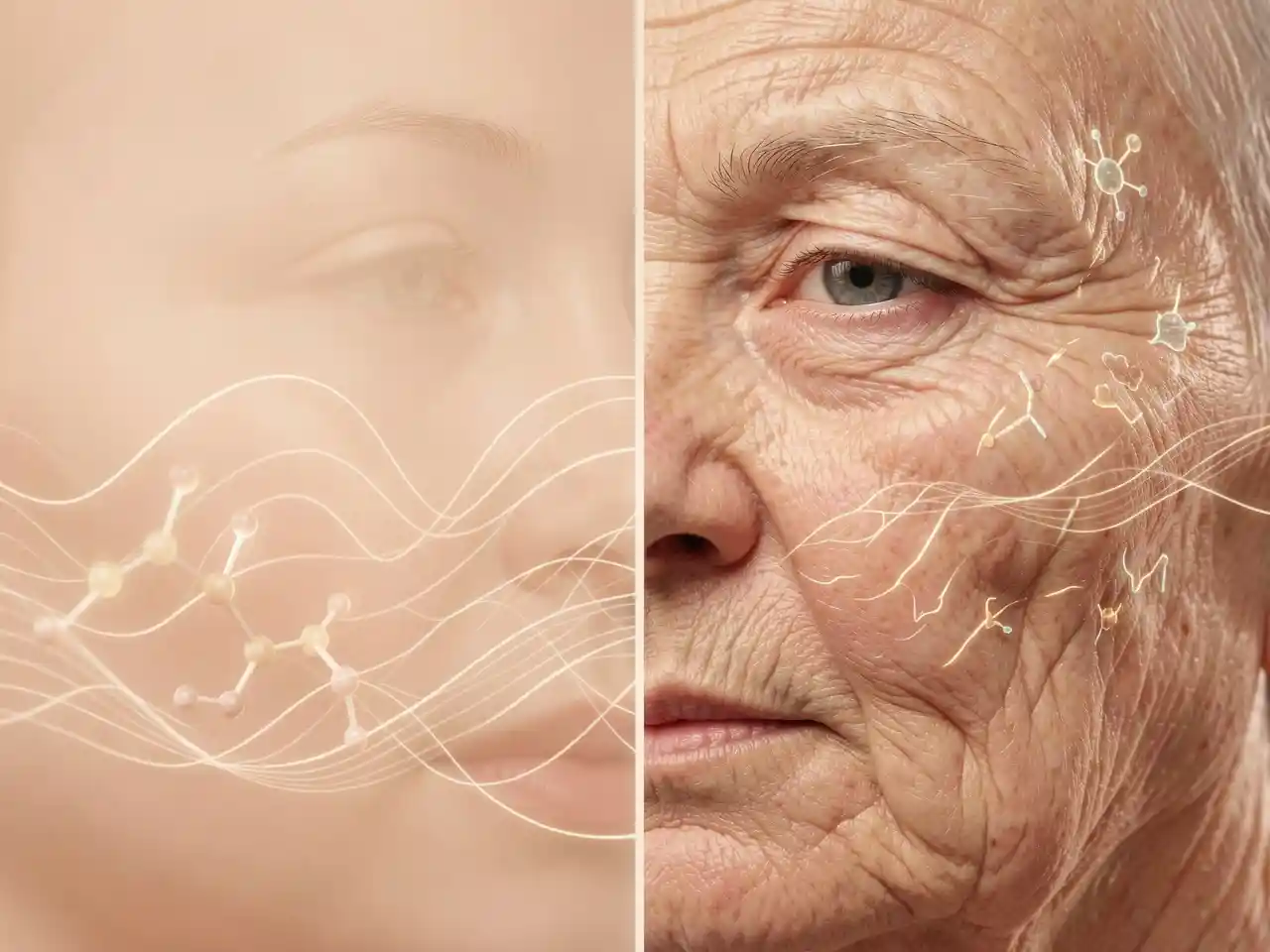
Start your journey to better skin wisdom with the first article in this seven-part series on aging. Understand what truly causes the loss of firmness and elasticity after 40—from collagen breakdown, oxidative stress, and epigenetic changes to absorption issues that affect your overall health. Backed by 2024 research, this article demonstrates why prioritizing slow-aging strategies over quick fixes leads to stronger, longer-lasting skin.
Your Skin Eats What You Put on It: Latest Science on Safe Anti-Aging
Your skin is far more than a protective barrier; it is a highly permeable organ capable of absorbing up to 64% of topical ingredients into the bloodstream (Sutaria et al., 2024). For those over 40, this means:
-
Anti-aging is more than vanity: Harmful chemicals such as parabens and PFAS disrupt hormones and accelerate aging (Gore et al., 2023).
-
Fine lines cannot be erased but can be slowed: Collagen remodeling, epigenetic skincare, and antioxidant-rich interventions reduce wrinkle formation over time (Schagen et al., 2023).
2024–2025 Breakthroughs in Skin Renewal
1. Skin Absorption: New Insights
-
Nanoparticles in sunscreens like zinc oxide penetrate deeper than previously thought; non-nano mineral sunscreens are safer for long-term use (Leite-Silva et al., 2023).
-
Plant oils, including sea buckthorn, raspberry seed, and rosehip, enhance skin barrier function by up to 30%, outperforming traditional ceramides in recent trials (Koch et al., 2024).
2. Epigenetic Skincare: Turning Back the Clock Gently
-
Curcumin (turmeric) and resveratrol (grapes) modulate gene expression, reducing pro-aging activity at the molecular level (Mukherjee et al., 2023).
-
Topical probiotics such as Lactobacillus ferment lysates improve the skin microbiome, reducing wrinkle depth and improving texture (Lee et al., 2024).
3. Collagen and Elasticity
-
Oral collagen peptides with hyaluronic acid boost skin elasticity by 40% in 12-week clinical studies (Ou et al., 2024).
-
Microcurrent devices with rosehip oil stimulate collagen synthesis more effectively than retinol alone, supporting firmer skin without irritation (Journal of Cosmetic Dermatology, 2023).
Why Aging Accelerates After 40
Several biological processes contribute to visible aging:
-
Collagen Decline: After 40, collagen production drops 1–2% per year. This loss causes sagging and wrinkle formation.
-
Oxidative Stress: Free radicals from UV exposure, pollution, and poor diet damage skin cells and break down structural proteins.
-
Telomere Shortening: Cellular aging accelerates as telomeres shorten, affecting skin regeneration (Chen et al., 2023).
-
Hormonal Shifts: Lower estrogen levels reduce natural skin moisture and elasticity.
Practical Skincare Routine for 40+
Morning Routine:
-
Gentle Cleanser: Use sulfate-free cleanser to avoid stripping natural oils.
-
Antioxidant Serum: Vitamin C or resveratrol to protect against free radical damage.
-
Moisturizer with Peptides: Supports collagen synthesis.
-
Mineral Sunscreen: SPF 30–50 to prevent photoaging.
Evening Routine:
-
Double Cleanse: Remove makeup and pollutants.
-
Bakuchiol or Retinol Alternative: Reduces wrinkles without irritation.
-
Hydrating Serum: Hyaluronic acid to restore moisture.
-
Night Cream: Rich in ceramides and plant oils to support barrier repair.
Weekly Add-ons:
-
Enzyme mask: Papaya enzyme to gently exfoliate.
-
Microcurrent device sessions: 2–3 times per week for collagen stimulation.
Nutrition and Supplements for Skin After 40
-
Collagen Peptides: 5–10g daily with vitamin C to enhance synthesis.
-
Astaxanthin: 4–8mg daily, protects telomeres and prevents UV damage.
-
Polyamines (Wheat Germ): Reduce wrinkle depth by 26% in trials.
-
Omega-3 Fatty Acids: Support skin barrier function and reduce inflammation.
-
Probiotics: Modulate gut-skin axis, improving hydration and elasticity.
Avoid These Accelerators of Aging
-
Sulfates (SLS/SLES): Strip lipids, worsening dryness (Contact Dermatitis, 2023).
-
Synthetic Fragrances: Linked to neuroinflammation (Toxicological Sciences, 2024).
-
Alcohol-based Toners: Disrupt skin microbiome (Frontiers in Microbiology, 2023).
-
Excess Sugar: Glycation damages collagen, leading to wrinkles.
Lifestyle Hacks to Slow Aging
-
Sleep: 7–8 hours nightly promotes collagen repair.
-
Exercise: Boosts circulation and nutrient delivery to skin.
-
Stress Management: Cortisol accelerates aging; meditation or yoga can reduce its impact.
-
Hydration: Skin elasticity improves with consistent water intake.
-
Limit Sun Exposure: UVA and UVB rays accelerate photoaging; hats and protective clothing help.
Image

References
-
Chen, Y., et al. (2023). Telomere protection and skin cell longevity. Journal of Dermatological Science.
-
Gore, A., et al. (2023). Endocrine disruption by cosmetic chemicals. Environmental Health Perspectives.
-
Koch, M., et al. (2024). Plant oils improve skin barrier function: A comparative study. Skin Pharmacology and Physiology.
-
Lee, G. R., et al. (2024). Topical probiotics in photoaged skin. Scientific Reports.
-
Leite-Silva, V. R., et al. (2023). Nanoparticle penetration in sunscreens. Journal of Cosmetic Science.
-
Mukherjee, S., et al. (2023). Plant-derived HDAC inhibitors in dermatology. Experimental Dermatology.
-
Ou, Y., et al. (2024). Oral collagen peptide supplementation: Meta-analysis. Clinical Nutrition Journal.
-
Schagen, S., et al. (2023). Epigenetic approaches to skin aging. Dermatology Research and Practice.
-
Sutaria, N. P., et al. (2024). Percutaneous penetration of modern skincare ingredients. Journal of Investigative Dermatology.