


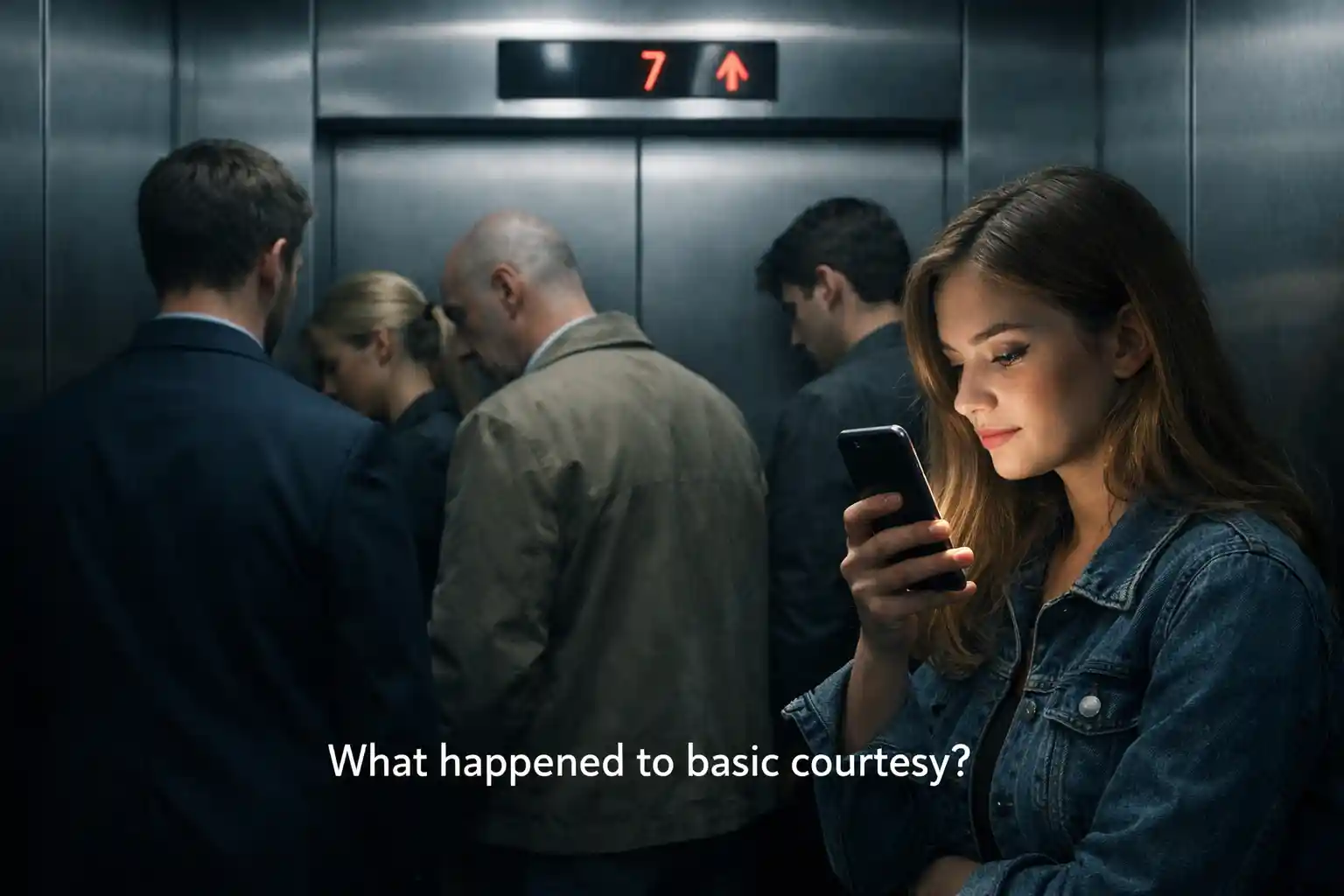
It happened in a moment that felt strangely familiar and yet deeply frustrating.
I was standing inside an elevator waiting for the doors to close. It was the kind of quiet pause most people experience dozens of times every week. People stood facing forward. Some looked at the floor numbers. Others stared quietly at their phones.
Then the doors opened and a young woman stepped in.
She was holding her phone up near her face, watching a video on Facebook. That alone was not unusual. Nearly everyone scrolls through videos while waiting for something these days.
What made the moment impossible to ignore was the volume.
The sound from her phone filled the entire elevator. Every laugh track, every spoken word, every background sound echoed in the small metal space as if the phone itself had been connected to a speaker system. No headphones. No earphones. Just a full volume video playing for everyone to hear.
No one said anything.
Everyone stood there quietly, trapped in the same awkward moment, pretending not to notice while clearly noticing everything.
And as the elevator slowly moved upward floor by floor, one thought kept running through my mind.
What happened to basic courtesy?
A Simple Rule That Used to Exist
There was a time when this situation would almost never happen.
Not because technology did not exist, but because there was an unspoken social rule.
If you were listening to music or watching something in public, you used headphones.
It was automatic.
No one had to ask. No one had to enforce it. It was simply understood that other people did not need to hear what you were listening to.
The rule was so widely accepted that breaking it would feel almost embarrassing.
You would immediately notice the looks from people around you. Someone might politely ask if you had headphones. Most of the time you would quickly lower the volume or turn the device off.
That shared understanding created a certain quiet respect for public spaces.
It meant that even crowded trains, buses, or waiting rooms could maintain a sense of calm.
Today that rule seems to have disappeared.
The Walkman Era and the Birth of Personal Listening
To understand the shift, it helps to remember how personal listening first became popular.
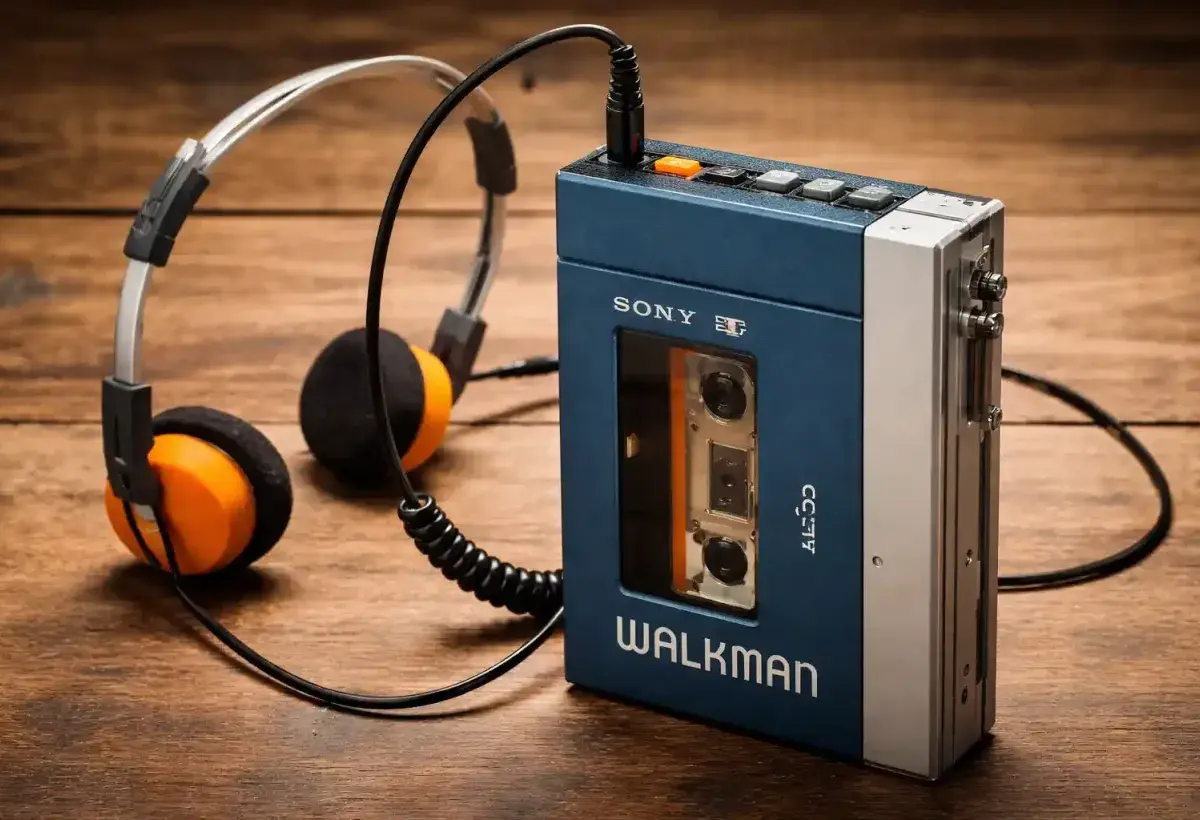
Back in the late twentieth century, the arrival of the Sony Walkman changed how people experienced music. Suddenly you could carry your favorite songs anywhere.
But there was one important design detail.
Headphones were part of the experience.
Listening was meant to be personal. The music existed inside your own little world. The rest of the environment remained peaceful for everyone else.
Later devices like the Apple iPod continued the same tradition.
White earphones became iconic. They were everywhere. On trains, on sidewalks, inside offices, and in coffee shops.
The message was clear.
Your music was yours. Everyone else had the right to their own quiet space.
Image
The Smartphone Changed Everything
The arrival of smartphones brought incredible convenience.
With one device people could watch videos, listen to music, read news, play games, and communicate with the entire world.
Platforms like Facebook, YouTube, and TikTok turned short videos into one of the most common forms of entertainment.
Suddenly people were watching media everywhere.
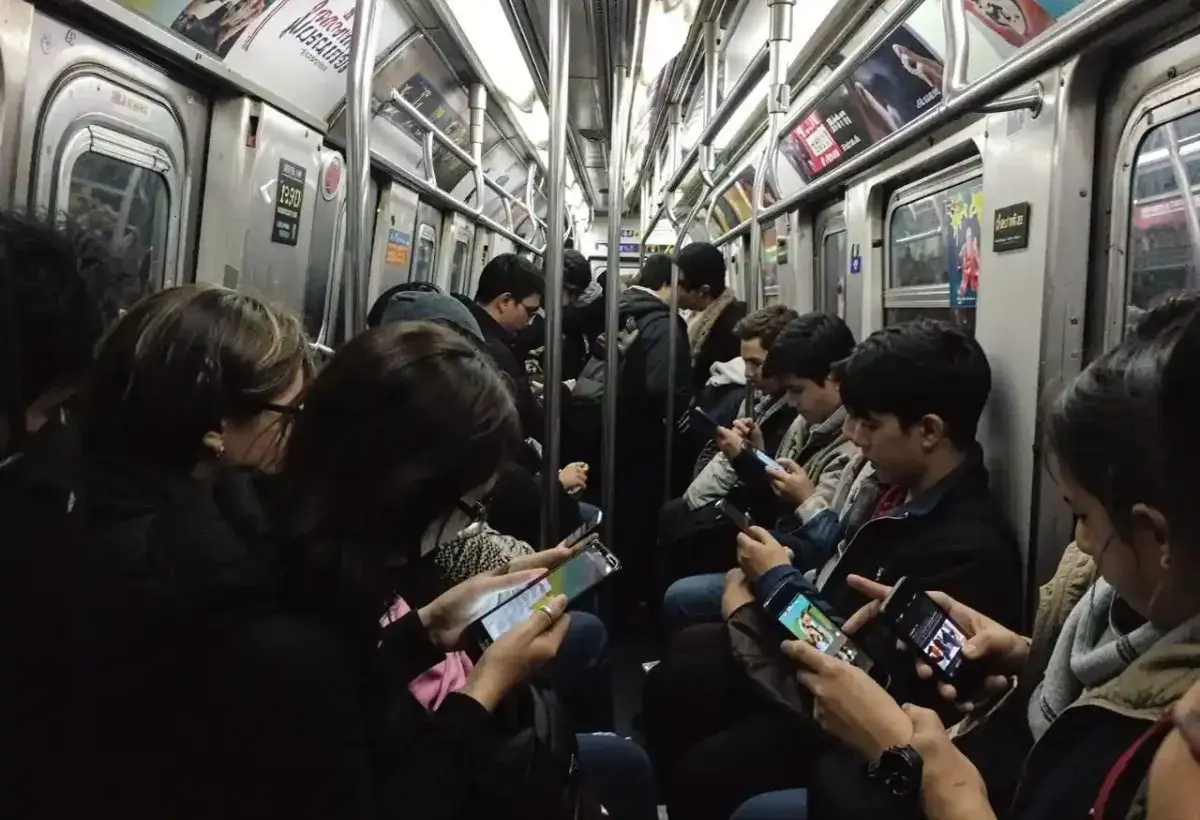
Elevators. Buses. Restaurants. Waiting rooms. Grocery store lines.
But somewhere along the way, the headphone habit disappeared.
Instead of keeping audio private, many people simply let their phones play out loud. Sometimes the volume is low. Sometimes it is loud enough for everyone nearby to hear.
The shift feels subtle but the social impact is surprisingly large.
Public spaces that once had a quiet rhythm now often sound like a mix of dozens of tiny speakers competing with each other.
The Elevator Moment That Says Everything
Elevators are a perfect example of how uncomfortable this behavior can become.
Unlike a street or a park, an elevator is a shared space that people cannot easily escape. Once the doors close, everyone inside becomes part of the same temporary environment.
When someone begins playing audio loudly, the entire group becomes an unwilling audience.
No one asked to watch the video.
No one chose the soundtrack.
Yet everyone is forced to participate.
The result is not anger so much as silent discomfort.
People look at the floor numbers. They pretend to check messages. They wait for the doors to open so they can leave the situation behind.
It is a small moment, but it reflects a larger change in how we treat shared spaces.
Remembering a Different Kind of Rule
Moments like that elevator ride always remind me of a place from years ago.
Back in the early 2000s I used to work in New York City. Like many people in the city, the workday could be intense and exhausting.
After particularly long days I had a small ritual.
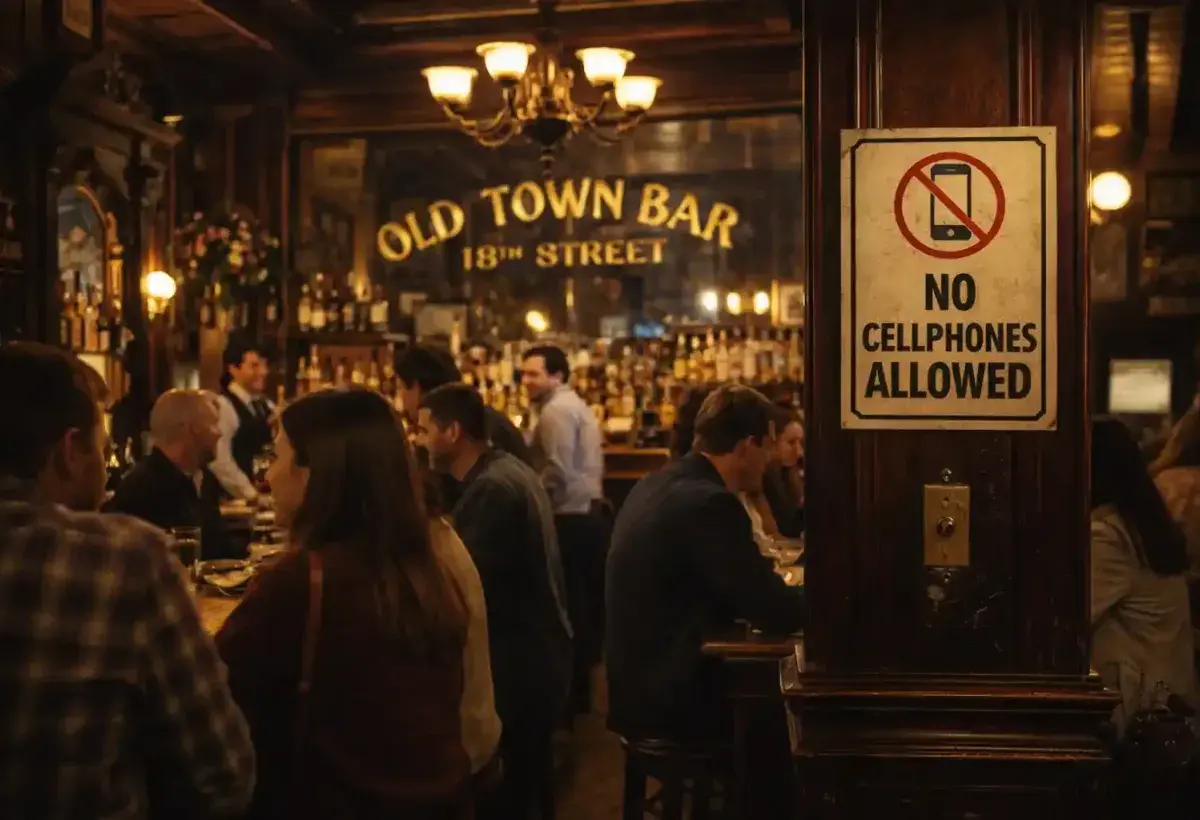
I would stop by a place called Old Town Bar on 18th Street before heading back to my apartment.
It was one of those classic New York establishments that seemed frozen in time. Dim lighting, wooden interiors, and a calm atmosphere where people could sit down, relax, and breathe for a while.
But what made the place special was one simple rule.
Cellphones were not allowed.
At first it sounded strict. Almost strange in a city filled with constant noise and communication.
Yet once you experienced it, the rule felt brilliant.
Without phones ringing or videos playing, the entire space felt different. Conversations flowed naturally. People actually looked at each other when they talked. The background noise of digital life disappeared.
You could enjoy a drink and simply exist for a moment without interruption.
It was one of the most relaxing environments in the city.
Image
The Power of a Phone Free Space
Places like that bar demonstrated something important about human behavior.
Rules shape environments.
When a space encourages quiet attention, people adjust naturally. They lower their voices. They focus on conversations. The atmosphere becomes calmer almost immediately.
When there are no expectations at all, the opposite often happens.
Every person brings their own habits into the space. One person plays a video. Another answers a call on speaker. Someone else scrolls through clips with the sound on.
Individually the actions seem small.
Together they transform the environment.
The difference between a peaceful public space and a chaotic one often comes down to simple shared expectations.
The Disappearance of Common Courtesy
Courtesy used to operate like invisible social glue.
It was not about strict rules or legal enforcement. It was about a basic awareness of other people around you.
Lower your voice in quiet places.
Hold the door for the person behind you.
Do not block the sidewalk.
Use headphones when listening to music.
These behaviors were not complicated. They were simply part of living among other people.
Today the speed of technology sometimes outruns those cultural habits.
New tools arrive before society has time to establish shared expectations for using them.
As a result, people follow their own preferences instead of collective etiquette.
The loud phone in the elevator becomes just another example of this shift.
Image
Should There Be Laws About It
The idea might sound extreme at first.
But what if governments introduced simple regulations for phone audio in shared public spaces?
Imagine a rule stating that if you are listening to media on a phone in a confined public area, you must use earphones or headphones.
Airplanes already have similar expectations. Many libraries enforce quiet device policies. Hospitals often request silent devices.
Extending that principle to places like elevators, trains, buses, and waiting rooms could restore a sense of calm.
Of course enforcement would be difficult. Cultural habits matter more than legal ones.
Still, the conversation itself may be worth having.
When technology changes daily life this dramatically, societies sometimes need new norms to maintain balance.
The Psychology Behind Loud Phones
There may also be psychological reasons behind the shift.
Many people simply do not notice how loud their phones are in public environments. The screen captures their attention while the outside world fades into the background.
Others may have grown up in an environment where constant audio is normal.
For younger generations who experienced smartphones from childhood, the idea of silent shared spaces may feel less familiar than it did for people who grew up before mobile internet.
Neither group is intentionally trying to be rude.
They are simply operating under different assumptions about public behavior.
Understanding that difference may help society rebuild new etiquette for the digital era.
Technology Can Solve the Problem Too
Ironically, technology itself may provide the solution.
Wireless earbuds are now smaller, cheaper, and more common than ever before. Devices like Apple AirPods and other wireless options make private listening effortless.
Many phones also include automatic prompts suggesting headphones when media begins playing in certain environments.
As these technologies become universal, the return of personal listening may happen naturally.
The tools for courtesy already exist.
People simply need to use them.
Image

Why Small Courtesies Matter
It is easy to dismiss moments like the elevator incident as trivial.
After all, it lasted less than a minute.
Yet small social habits accumulate over time. They shape the emotional tone of everyday life in cities and communities.
A polite environment feels calmer. People feel respected. Shared spaces become easier to navigate.
A noisy environment filled with competing audio signals feels stressful even if no one intends harm.
Courtesy reduces friction between strangers.
And in dense urban environments, reducing friction matters more than most people realize.
The Quiet World We Can Rebuild
The good news is that courtesy does not disappear permanently.
Social norms evolve. They fade and return as cultures adjust to new technologies.
There was a time when loud ringtones dominated public spaces too. Eventually people began switching their phones to silent mode.
The same shift could happen with video audio.
All it takes is awareness.
The next time someone reaches for their phone in an elevator, on a train, or in a waiting room, a simple choice can change the atmosphere for everyone nearby.
Plug in headphones.
Lower the volume.
Respect the quiet.
Those small decisions can restore something valuable that once existed naturally in shared spaces.
A little peace.
A little awareness.
And the simple reminder that we are all sharing the same elevator.