


Bikini waxing often feels like a modern beauty ritual tied to summer vacations, swimsuits, and glossy magazine trends, but the reality is far more interesting. Long before social media influencers and beauty salons made waxing a mainstream service, people were already finding creative ways to remove body hair. What started as a cultural and hygienic practice slowly evolved into a personal grooming choice that blends beauty, comfort, confidence, and sometimes a little bravery. Today bikini waxing sits at the crossroads of self care and personal expression, shaped by history, fashion, and changing attitudes toward the human body.
For some, bikini waxing is about cleanliness and practicality. For others, it is about confidence, aesthetics, or simply personal preference. It can be empowering, routine, intimidating, or even humorous depending on who you ask. Despite the myths and exaggerated horror stories, many people find the experience surprisingly manageable and even satisfying once they understand the process. Over time, bikini waxing has become less taboo and more openly discussed, turning what was once a whispered salon service into a widely accepted beauty option for people of all genders.
This topic also carries cultural significance. Hair removal standards have shifted dramatically across eras and regions. What was once associated with status, ritual, or hygiene is now influenced by fashion trends, swimwear designs, and media representation. Bikini waxing reflects how beauty standards evolve and how individuals adapt those standards to fit their own comfort levels. It is not about following a rule but about making a choice that feels right for the individual.
Let's explore ten fun and fascinating facts about bikini waxing that go beyond the surface. From ancient origins to modern techniques, from pain myths to surprising benefits, these facts reveal why bikini waxing has endured for centuries. Whether you are curious, experienced, or simply amused by the topic, these insights offer a deeper look into a beauty practice that is far more complex and interesting than it first appears.
Image

1. It’s older than you think
Bikini waxing may feel like a product of modern beauty culture, but its roots stretch far back into ancient history. Long before electric razors or disposable blades existed, people were already experimenting with ways to remove unwanted hair. In ancient Egypt, hair removal was closely tied to hygiene, social status, and even spirituality. Smooth skin was often associated with cleanliness and refinement, especially among the upper classes. Women and men alike used natural substances such as beeswax, sugar based pastes, and even resin to remove hair from various parts of the body.
Archaeological evidence and historical texts suggest that hair removal was not limited to aesthetics. In hot climates, removing body hair helped reduce heat and discouraged parasites. This practical benefit reinforced the practice and helped it spread across different civilizations. Ancient Greeks and Romans also embraced hair removal, viewing excessive body hair as uncivilized. They used primitive waxing methods, pumice stones, and tweezers to maintain smooth skin. These early techniques laid the foundation for modern waxing methods, including bikini waxing.
What makes this history particularly interesting is how similar some ancient methods are to what we use today. Sugaring, for example, remains popular and closely resembles the sugar pastes used thousands of years ago. The idea of pulling hair from the root to achieve longer lasting smoothness has not changed much, even as tools and techniques have improved. Bikini waxing, in this sense, is part of a long human tradition rather than a fleeting trend.
Understanding the ancient origins of waxing can shift how people perceive the practice. It is not a new invention driven by fashion alone but a time tested grooming method that has adapted to cultural norms and technological advancements. When someone walks into a salon today, they are unknowingly participating in a ritual that connects them to generations of people who valued smooth skin for reasons that went far beyond appearance.
Image

2. The Brazilian made it big
The Brazilian wax is one of the most recognizable and talked about styles in bikini waxing today, and its rise to popularity has a fascinating story. While hair removal existed long before, the Brazilian wax as we know it entered mainstream culture relatively recently. It gained attention in the late nineteen eighties when seven Brazilian sisters opened a salon in Manhattan. Their approach to bikini waxing was inspired by the beach culture of Brazil, where smaller swimwear designs made more extensive hair removal common and practical.
What set the Brazilian wax apart was not just the amount of hair removed but the confidence it represented. At the time, many people in the United States were unfamiliar with such a bold style. The sisters introduced it as both a beauty service and a lifestyle choice, emphasizing comfort, cleanliness, and confidence. As celebrities and fashion models began adopting the style, media coverage followed, and curiosity quickly turned into demand.
The Brazilian wax became especially popular during the rise of low rise jeans and minimalist swimwear in the nineteen nineties and early two thousands. Fashion trends played a major role in normalizing the style, making it less shocking and more aspirational. Over time, what was once considered daring became a standard option on salon menus around the world.
Today, the Brazilian wax is no longer tied exclusively to fashion trends. Many people choose it for personal comfort or convenience rather than external expectations. Its popularity also helped open conversations about body hair choices, making it easier for individuals to discuss grooming preferences without embarrassment. The success of the Brazilian wax shows how a single cultural influence can reshape global beauty standards and transform a niche service into a worldwide phenomenon.
Image

3. It’s not just for summer
A common misconception about bikini waxing is that it only matters during swimsuit season. While it is true that many people book their first wax before a beach trip or vacation, a large number continue the practice year round. For them, bikini waxing is not about showing skin but about personal comfort and consistency. Maintaining a regular waxing routine can make the process easier over time, as hair tends to grow back finer and sessions become quicker.
Year round waxing also supports better skin care habits. Regular waxing encourages exfoliation and helps reduce the buildup of dead skin cells. This can lead to smoother skin and fewer ingrown hairs when combined with proper aftercare. People who wax consistently often find that their skin adjusts, making the experience less uncomfortable than sporadic waxing tied only to summer events.
There is also a psychological aspect to year round bikini waxing. Many individuals report feeling more confident and put together when they maintain their grooming routine regardless of the season. This sense of confidence is personal and does not depend on external visibility. It is about feeling comfortable in one’s own body, whether wearing jeans, workout clothes, or pajamas at home.
From a practical standpoint, winter waxing can actually be beneficial. Skin is often less exposed to sun and chlorine during colder months, which can reduce irritation and discoloration. This makes it an ideal time to establish or maintain a waxing routine. By the time summer arrives, the skin is already accustomed to waxing, avoiding the stress of last minute appointments.
Ultimately, bikini waxing has evolved from a seasonal beauty task into a year round self care choice for many people. It reflects a shift toward personal comfort and long term grooming strategies rather than short term aesthetic goals.
Image

4. Different styles, different names
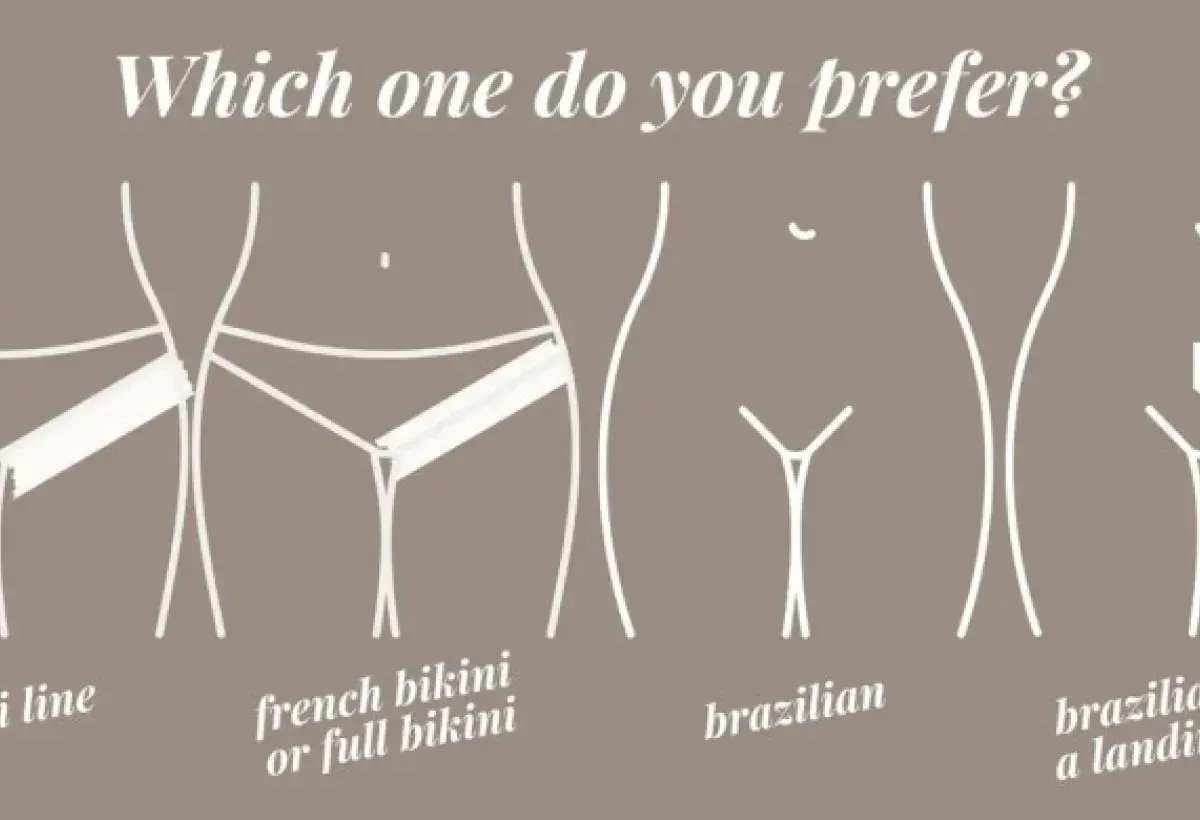
Bikini waxing is far from a one size fits all service. Over time, a variety of styles have emerged, each with its own name and level of hair removal. The classic bikini wax focuses on removing hair that extends beyond the edges of standard underwear or swimwear. This option is often chosen by beginners or those who prefer a more natural look while still maintaining a neat appearance.
The French wax removes more hair than the classic bikini wax but leaves a small strip or shape at the front. It offers a balance between minimal grooming and a cleaner look. The Brazilian wax goes further, removing nearly all hair from the front, back, and everything in between. Some variations allow for a small landing strip or triangle, depending on personal preference.
The Hollywood wax removes all hair completely, resulting in a fully smooth area. This style has gained popularity among those who prefer a hair free feel or want to avoid any maintenance between waxes. Beyond these well known options, creative styles also exist. Some people choose shaped designs, symbols, or decorative enhancements often referred to as vajazzling. These styles turn grooming into a form of self expression.
The wide range of options highlights how personal bikini waxing truly is. There is no right or wrong choice, only what feels comfortable and appropriate for the individual. Salons typically encourage open communication so clients can choose a style that aligns with their comfort level and lifestyle.
Understanding the different styles can help reduce anxiety for first timers. Knowing that there are flexible options makes the experience feel less intimidating. Bikini waxing is not about meeting a standard but about choosing what works best for each person’s body and preferences.
Image
5. Hair grows back softer kind of
One of the most talked about benefits of waxing is the way hair grows back afterward. While waxing does not permanently change hair texture, many people notice that regrowth feels softer and finer compared to shaving. This happens because waxing removes hair from the root. When new hair grows in, it has a tapered tip rather than the blunt edge created by a razor.
This difference in regrowth texture can make a noticeable impact on comfort. Softer hair is less likely to cause itching or stubble related irritation. It also tends to look less noticeable, which can extend the time between waxing sessions. Over repeated waxes, some people experience slower hair growth or sparser areas, although results vary from person to person.
It is important to manage expectations. Waxing does not eliminate hair permanently unless combined with treatments like laser hair removal. However, for many people, the smoother regrowth is enough to make waxing preferable to shaving. The absence of daily maintenance is another major advantage. Instead of dealing with stubble every few days, waxing offers weeks of smoothness.
Proper aftercare plays a key role in how hair grows back. Regular exfoliation and moisturizing help prevent ingrown hairs and keep the skin healthy. When the skin is well cared for, regrowth tends to be more comfortable and even. This reinforces the perception that waxing leads to better long term results.
The idea that hair grows back softer is not just a myth, but it is also not a guarantee. Individual hair type, hormones, and consistency all influence the outcome. Still, for many people, the difference is significant enough to make bikini waxing a preferred grooming method.
Image
6. Men wax too
Bikini waxing is no longer seen as a service exclusively for women. In recent years, more men have embraced waxing as part of their grooming routine. Male bikini and Brazilian waxing, often referred to as manzilian waxing, has grown steadily in popularity across different age groups and cultures. This shift reflects broader changes in how society views male grooming and self care.
Many men choose bikini waxing for practical reasons. Athletes, swimmers, and bodybuilders often prefer smooth skin for comfort and performance. Others appreciate the cleanliness and reduced irritation compared to shaving. Just like women, men experience longer lasting results with waxing, which reduces the need for frequent maintenance.
There is also a confidence factor involved. Grooming choices can influence how people feel about their bodies, and waxing offers a clean and polished appearance that some men prefer. As conversations about body hair become more open, the stigma around male waxing continues to fade. Salons have responded by offering specialized services and training to ensure comfort and professionalism for male clients.
The technique for male waxing is similar to female waxing, though hair density and skin sensitivity may differ. Experienced estheticians adjust their approach accordingly. Communication is key, as comfort levels and style preferences vary widely. Many men start with a basic bikini wax and gradually explore other options once they feel more comfortable.
The rise of male bikini waxing highlights how grooming practices evolve alongside cultural attitudes. It reinforces the idea that personal care is not defined by gender but by individual choice. As more men share their experiences openly, waxing becomes just another accepted aspect of modern self care.
Image

7. Sugar can do the trick
Sugaring is an alternative hair removal method that has gained popularity, especially for sensitive areas like the bikini line. Although it feels like a modern trend, sugaring is actually one of the oldest hair removal techniques in history. The paste is typically made from sugar, water, and lemon juice, creating a natural and biodegradable product that appeals to those seeking a gentler option.
Unlike traditional wax, sugar paste is applied at body temperature, which reduces the risk of burns. It adheres primarily to the hair rather than the skin, making it less irritating for many people. The paste is removed in the direction of hair growth, which can result in less breakage and fewer ingrown hairs. These factors make sugaring especially attractive for those with sensitive skin or low pain tolerance.
Another advantage of sugaring is ease of cleanup. Since the paste is water soluble, any residue can be washed away easily. This also makes it a more environmentally friendly option compared to some waxes that require chemical removers. Many people appreciate the simplicity and transparency of the ingredients used.
Results from sugaring are similar to waxing in terms of smoothness and longevity. Hair is removed from the root, allowing several weeks of hair free skin. With regular sessions, some people notice finer regrowth over time. While sugaring may take slightly longer than waxing in some cases, many find the comfort trade off worthwhile.
Choosing between waxing and sugaring often comes down to personal preference. Both methods are effective, and trying each can help individuals determine which suits their skin and lifestyle best. Sugaring adds another dimension to bikini hair removal, proving that traditional methods still have a place in modern beauty routines.
Image

8. It can be quick
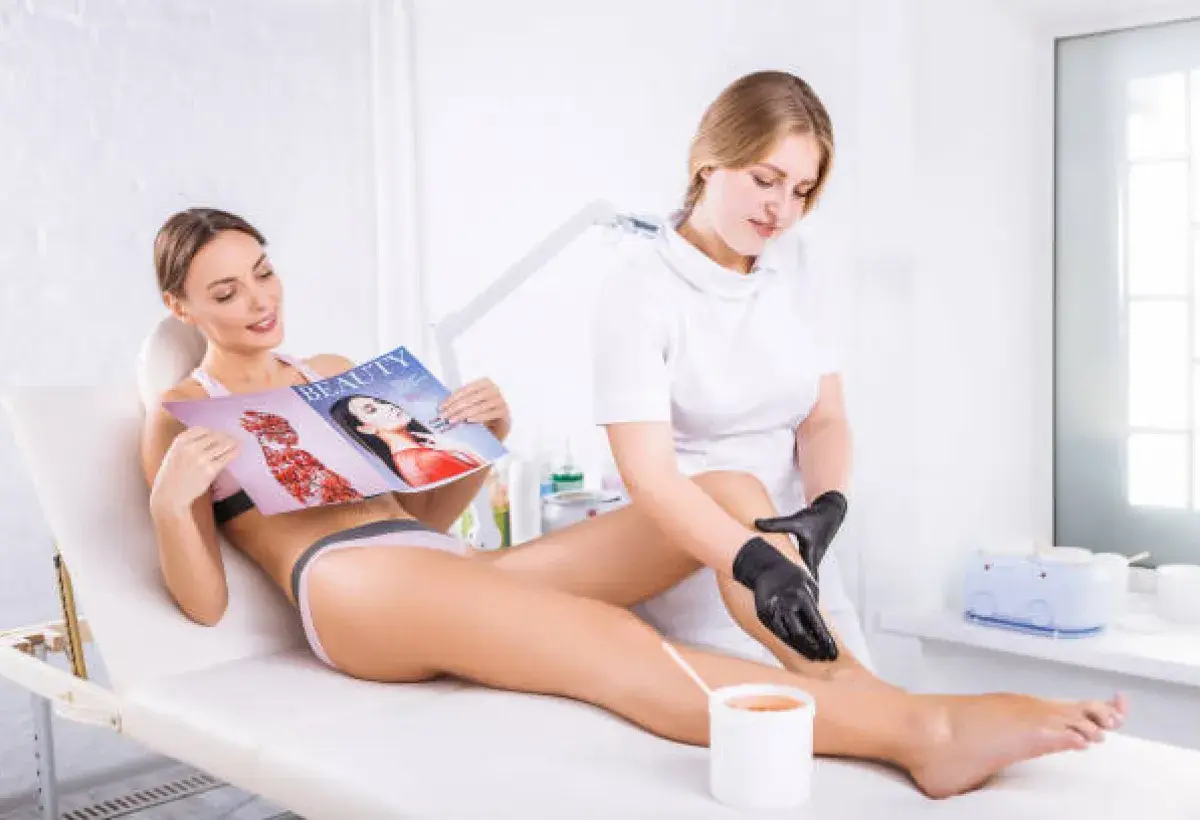
One of the most surprising facts about bikini waxing is how fast it can be when performed by an experienced professional. While first timers often imagine a long and uncomfortable process, the reality is usually much more efficient. A basic bikini wax can take as little as fifteen minutes, while more extensive styles may take up to thirty minutes. This efficiency is the result of proper technique, preparation, and familiarity with the process.
Professional estheticians are trained to work methodically while minimizing discomfort. They apply wax in small sections and remove it quickly, which reduces prolonged pain. Clear communication also helps speed up the session, as clients know what to expect and how to position themselves. Over time, regular clients often find appointments become even faster as hair growth patterns stabilize.
Preparation plays a key role in keeping sessions short. Arriving with clean, dry skin and hair at the recommended length allows the esthetician to work efficiently. Avoiding lotions or oils before the appointment also helps the wax adhere properly. These small steps can make a noticeable difference in the overall experience.
The quick nature of bikini waxing makes it easier to fit into busy schedules. Many people book appointments during lunch breaks or between errands. Knowing that the process is efficient can reduce anxiety and make the decision to wax feel more manageable.
Speed does not mean sacrificing quality. In fact, experienced professionals often deliver better results in less time. This combination of efficiency and effectiveness is one reason bikini waxing continues to grow in popularity. It proves that smooth skin does not require hours of effort, just the right approach.
Image
9. It exfoliates too
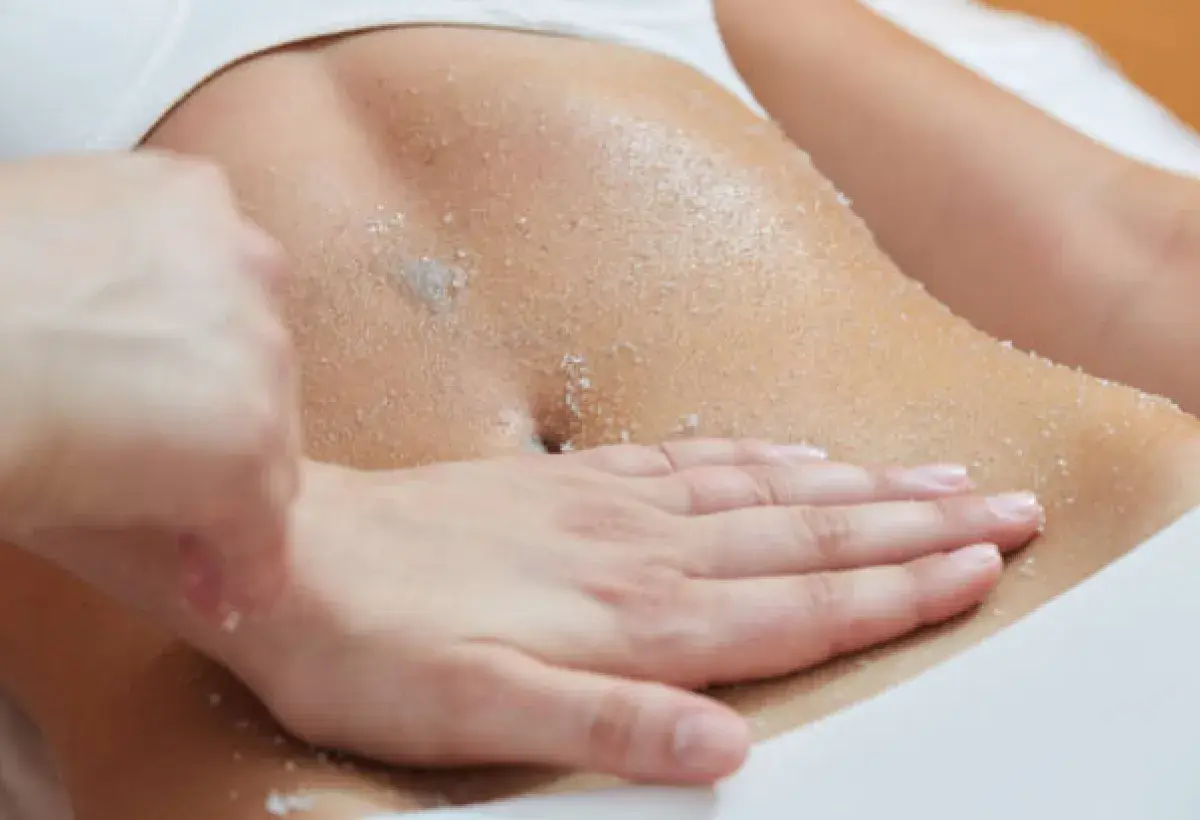
Beyond hair removal, bikini waxing offers an often overlooked benefit: exfoliation. When wax is removed, it pulls away dead skin cells along with the hair. This leaves the skin feeling smoother and looking more even. For many people, this exfoliating effect is one of the reasons waxing feels more satisfying than shaving.
Regular exfoliation helps prevent clogged pores and reduces the risk of ingrown hairs. By removing the top layer of dead skin, waxing allows new skin cells to surface. This can improve overall skin texture and make moisturizers more effective. Over time, consistent waxing combined with good aftercare can contribute to healthier looking skin.
It is important to balance this exfoliation with proper care. The skin may be temporarily sensitive after waxing, so gentle products are recommended. Avoiding harsh scrubs for a few days allows the skin to recover while still benefiting from the exfoliating effect. Once the skin calms down, light exfoliation can be reintroduced to maintain smoothness.
The exfoliating aspect of waxing also enhances the longevity of results. Smooth skin tends to stay hair free longer and feels more comfortable during regrowth. This added benefit makes waxing appealing to those who prioritize skin care as much as hair removal.
Understanding waxing as both a grooming and skin care practice can change how it is perceived. It is not just about removing hair but about maintaining healthy skin. This dual benefit helps explain why many people remain loyal to waxing despite the temporary discomfort.
Image
10. Pain is part of the legend
Pain is often the first thing people associate with bikini waxing, and while discomfort is real, it is often exaggerated. The sensation varies widely depending on individual pain tolerance, hair thickness, and experience level. For most people, the discomfort is brief and localized, lasting only a few seconds with each pull. Many describe it as intense but manageable.
Interestingly, the pain tends to decrease over time. With regular waxing, hair grows back finer and less densely, making removal easier. The skin also becomes more accustomed to the sensation. First sessions are usually the most uncomfortable, while subsequent appointments feel more predictable and less intimidating.
Mental preparation plays a significant role in pain perception. Knowing what to expect and trusting the professional can reduce anxiety, which in turn reduces discomfort. Breathing techniques and relaxation help the body respond better to the process. Many estheticians also use techniques and products designed to minimize pain.
It is worth noting that pain is subjective. What feels intense to one person may feel mild to another. This is why open communication with the esthetician is essential. Adjustments can be made to suit individual comfort levels, whether through pacing, technique, or product choice.
The reputation of bikini waxing as unbearably painful often discourages people from trying it. However, those who do often find the reality far less dramatic than the stories suggest. The short lived discomfort is frequently outweighed by the long lasting smoothness and confidence that follow.
Image
Bikini waxing is far more than a fleeting beauty trend or a seasonal ritual. Its deep historical roots, diverse styles, and evolving cultural acceptance reveal a practice shaped by practicality, personal preference, and self expression. From ancient civilizations using natural pastes to modern salons offering tailored experiences, bikini waxing has adapted to meet changing needs while maintaining its core purpose.
What makes bikini waxing especially interesting is how personal it is. There is no universal standard or obligation. Some people wax year round, others only occasionally, and many choose alternatives like sugaring or trimming. The growing acceptance of male waxing further highlights how grooming choices are becoming less about gender norms and more about individual comfort.
The benefits go beyond smooth skin. Exfoliation, reduced irritation compared to shaving, and longer lasting results make waxing appealing to those who value efficiency and skin health. While discomfort is part of the experience, it is often temporary and manageable, especially with regular sessions and proper care.
Ultimately, bikini waxing is a choice rooted in confidence and self awareness. Whether approached with curiosity, humor, or commitment, it reflects how people engage with their bodies on their own terms. Understanding the facts behind the practice helps replace myths with clarity and empowers individuals to make informed decisions that align with their comfort and lifestyle.
Image