

For many visitors to the United States, one of the first cultural shocks is the expectation of tipping. Whether dining at a restaurant, getting a haircut, or taking a taxi, tipping is almost always expected. In some countries, tipping is optional or even frowned upon, but in the US, it is a deeply embedded practice. Understanding why Americans tip for everything requires examining historical, economic, and social factors that make tipping more than just a polite gesture—it is an essential part of the economy and social norms.
The History of Tipping in America
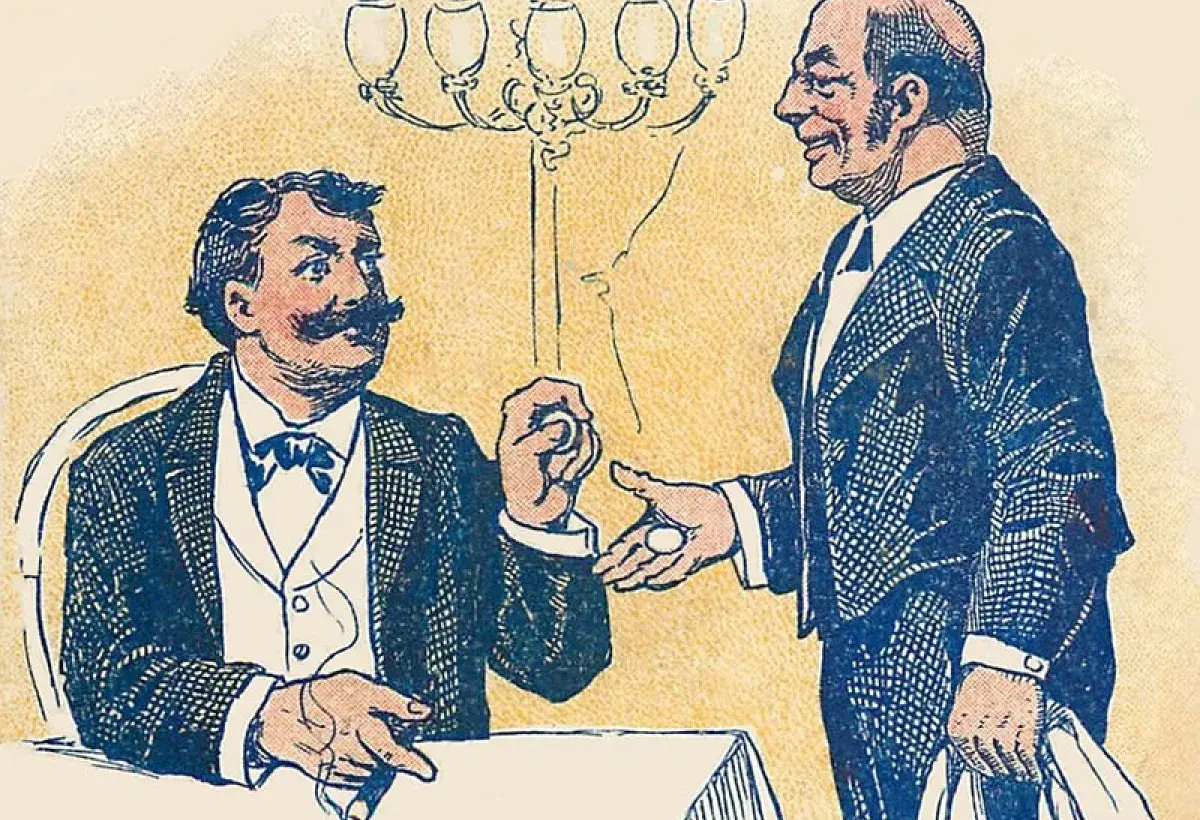
Tipping in the United States has a complex history. The practice originated in Europe, where aristocrats would leave extra money for services. However, in the late 19th century, wealthy Americans traveling in Europe adopted tipping. When they returned to the US, they brought the custom with them.
Initially, tipping was controversial. Some Americans saw it as un-American, preferring wages to cover all labor. Yet, by the early 20th century, tipping became widespread in restaurants, hotels, and other service industries. Laws and regulations did little to stop it, and it eventually became expected in many areas.
Image
Economic Reasons Behind Tipping
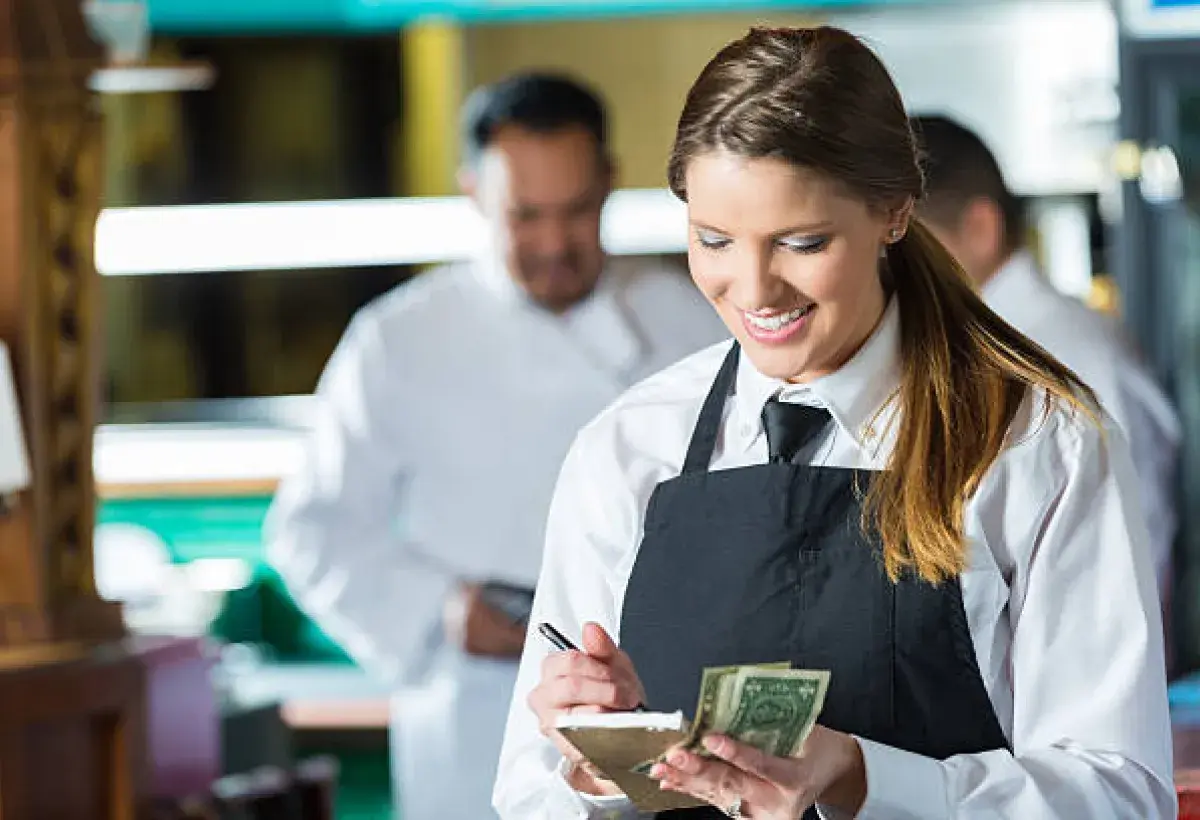
One major reason tipping is so prevalent in America is the structure of wages in the service industry. In many service jobs, including restaurants, servers are paid a base wage that is significantly lower than the standard minimum wage. The expectation is that tips will make up the difference.
For example, the federal tipped minimum wage in the United States is only seven dollars and twenty-five cents per hour, though many states have higher requirements. This means servers rely on tips to earn a living wage. The system incentivizes good service but also puts the responsibility of compensation partially on customers rather than employers.
Image
Social Norms and the Pressure to Tip
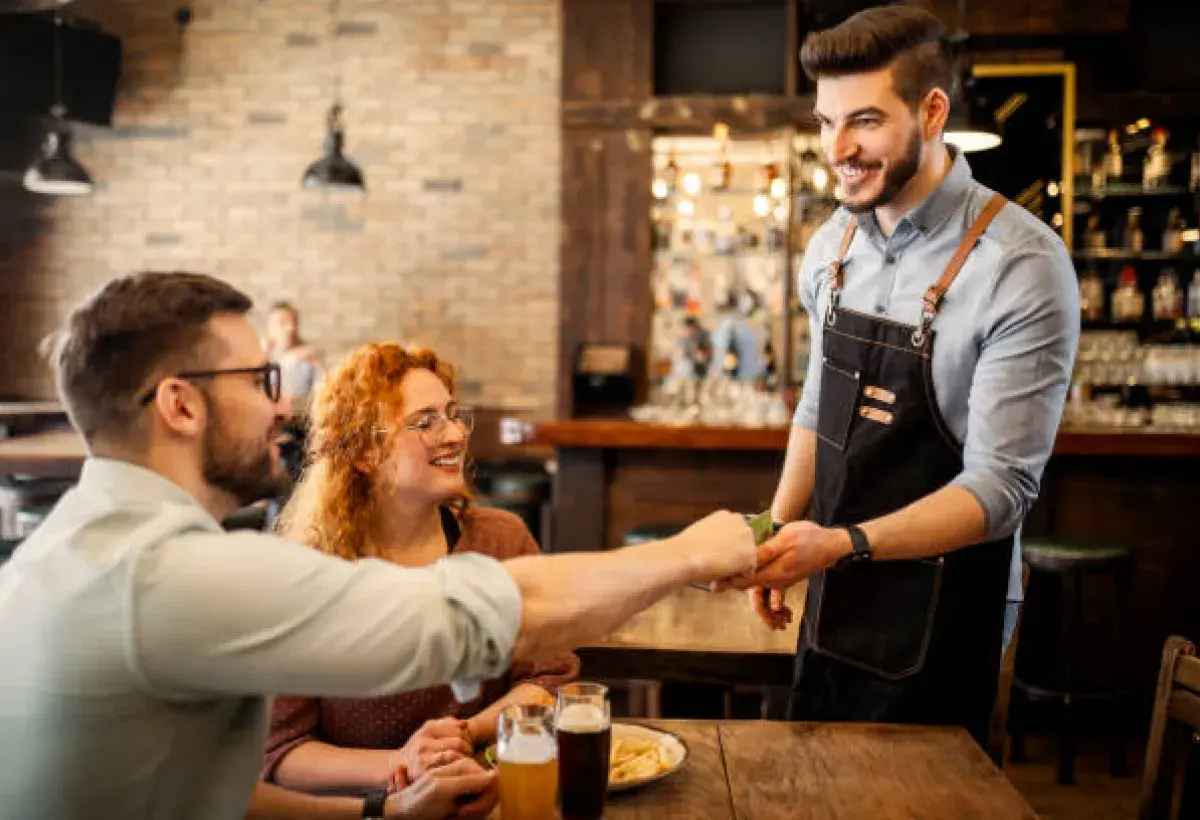
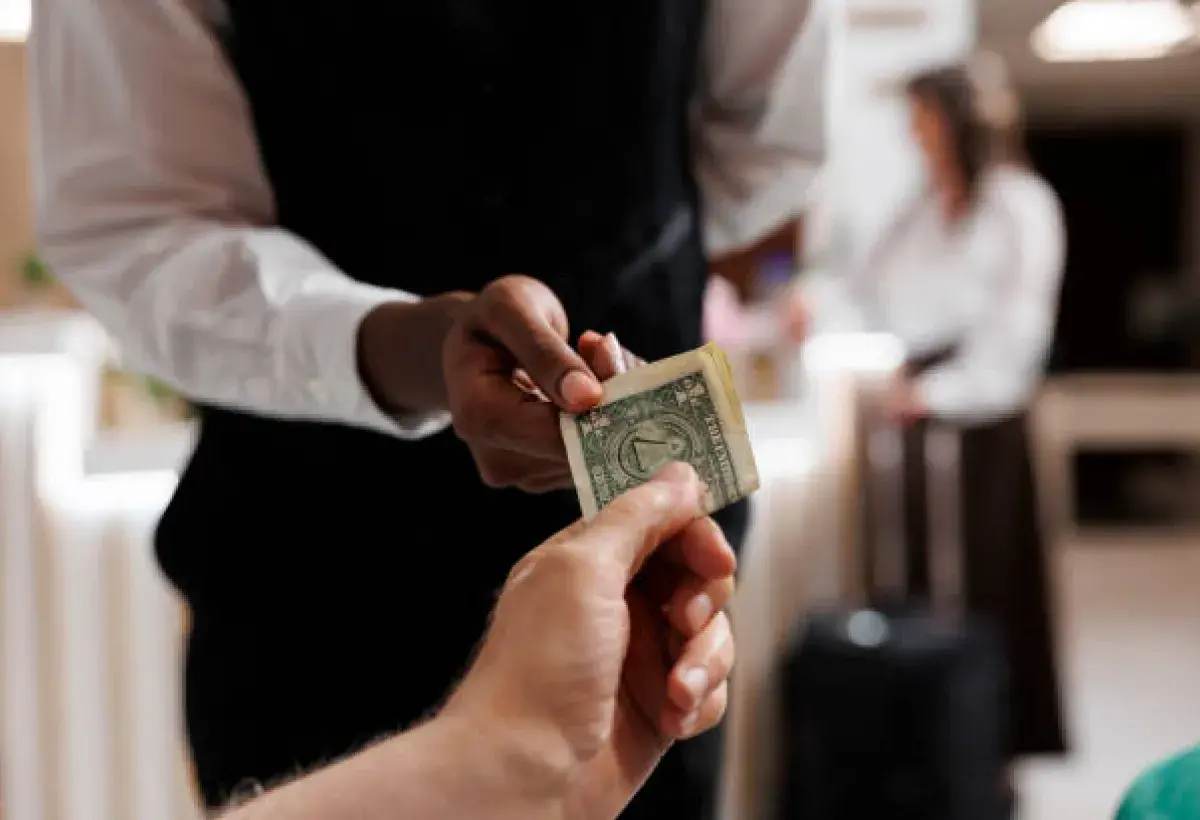
Tipping is not only economic but also social. In the US, leaving a tip signals appreciation and respect for service. Failing to tip is often perceived as rude or disrespectful. This social pressure reinforces tipping across various services, from food delivery to hairstyling.
The expected tip percentage can vary depending on the service. In restaurants, fifteen to twenty percent of the bill is standard, while baristas, taxi drivers, and delivery workers may expect smaller amounts. Even services where tipping is optional in other countries, such as hotel housekeeping, are typically tipped in America.
Image
Why Tipping Extends Beyond Restaurants
In the US, tipping extends far beyond restaurants. Hair stylists, barbers, valet attendants, bartenders, tour guides, taxi and rideshare drivers, and even coffee baristas often receive tips. This widespread practice has multiple causes:
-
Low base wages: Many of these professions have low hourly pay, making tips an essential part of income.
-
Service quality incentive: Tipping rewards good service and encourages staff to perform at a high level.
-
Cultural expectation: Over time, tipping became a social norm, making it expected almost everywhere.
Image

Comparing American Tipping to Other Countries
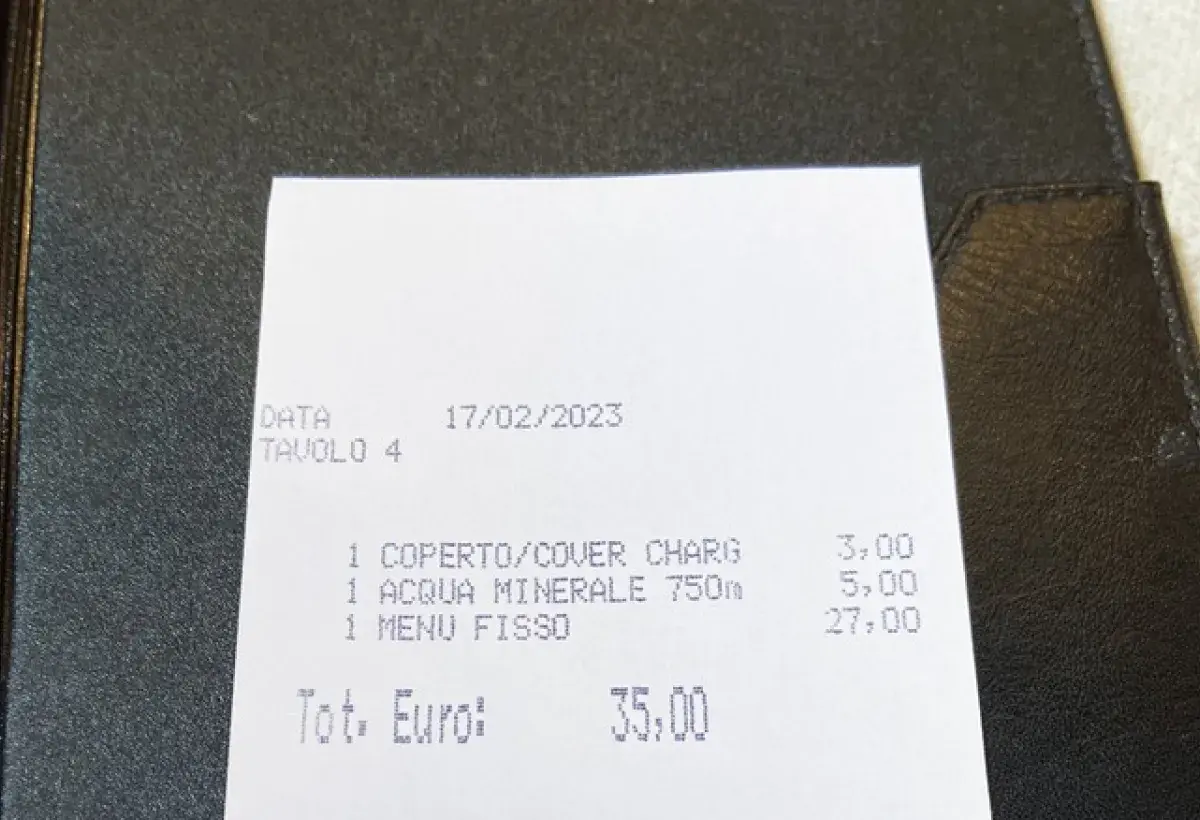
Unlike the United States, many countries pay service staff higher wages, reducing the need for tipping. In countries like Japan, Australia, and France, service charges are often included in the bill, and tipping is minimal or discouraged. In Japan, for instance, leaving a tip can even be considered insulting because excellent service is considered standard.
The American model shifts the responsibility for fair compensation from the employer to the customer. This approach creates a unique tipping culture that surprises travelers and can be confusing for newcomers.
Image
The Psychology Behind Tipping
Tipping is also a psychological phenomenon. People often tip more when they feel personal connection, gratitude, or obligation. In the US, tipping has become a social signal, indicating that a customer recognizes and values the labor of the service worker.
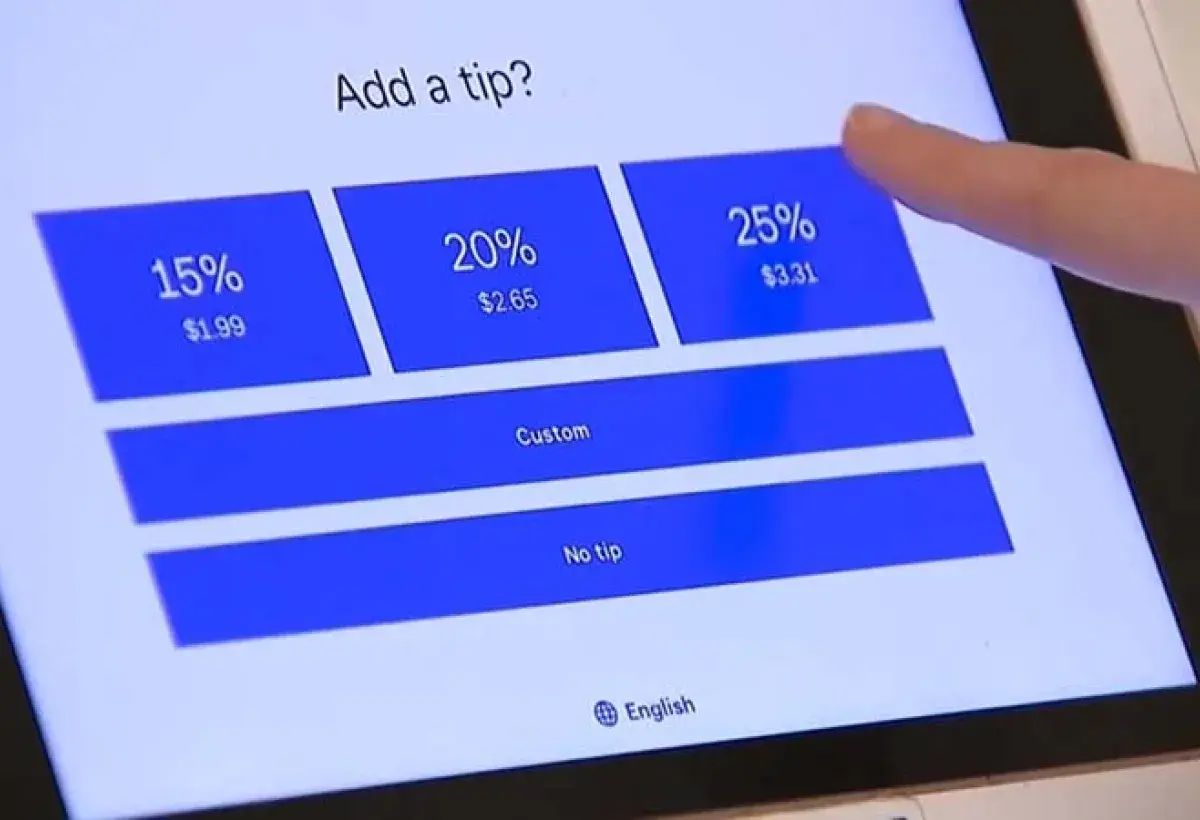
Digital payment systems have also changed tipping behavior. Many apps and point-of-sale systems prompt customers to tip even for small purchases, reinforcing the expectation that tipping is standard across services.
Image Cue: Insert image of a digital payment screen with tip options.
Alt Title:
Image
Controversies Around Tipping
Despite being ingrained in American culture, tipping is not without controversy. Critics argue that relying on tips for income can be unpredictable and unfair. Workers may experience income disparities based on location, clientele, and even appearance.
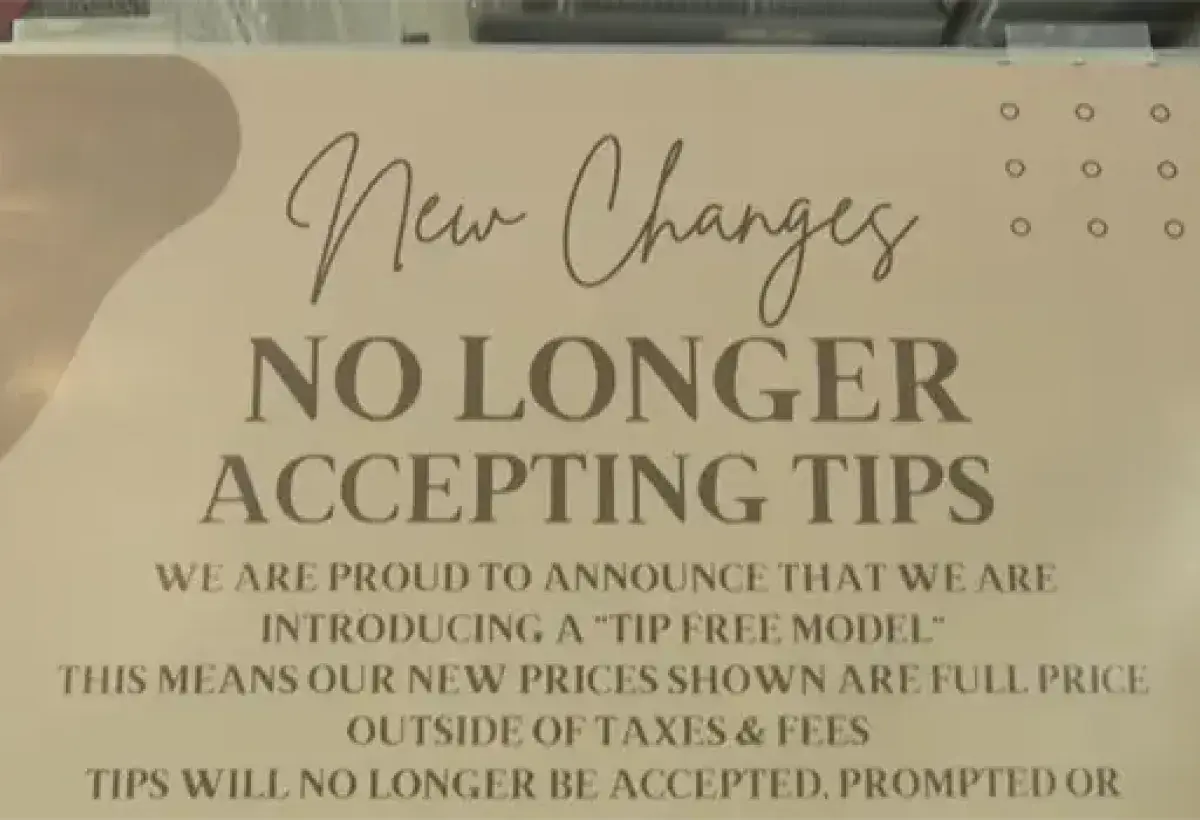
Some restaurants have experimented with eliminating tipping and raising menu prices to pay staff higher wages. While this approach guarantees more predictable earnings, it has met resistance from both consumers and staff accustomed to the tipping system.
Image
Tips for Tipping in the United States
For those unfamiliar with American tipping culture, here are some practical tips:
-
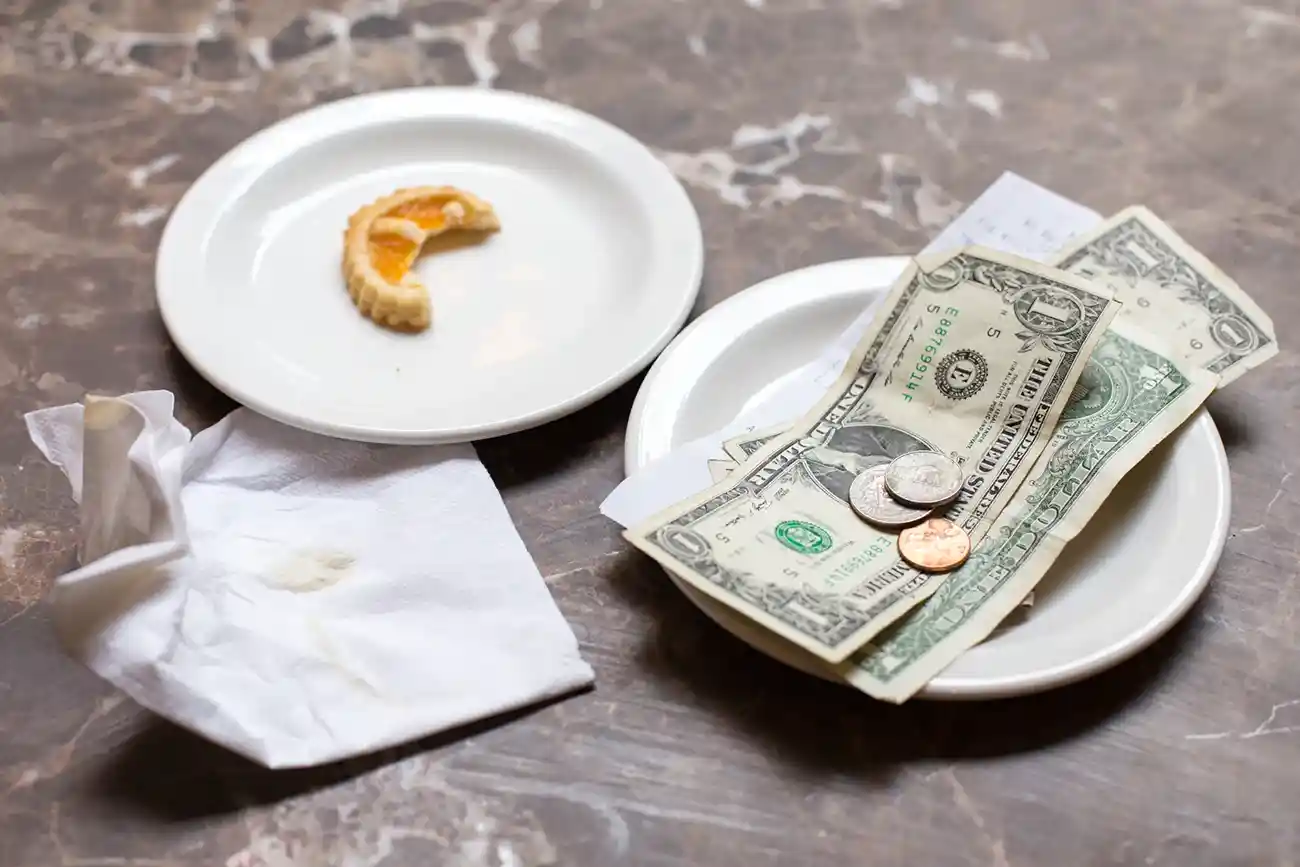
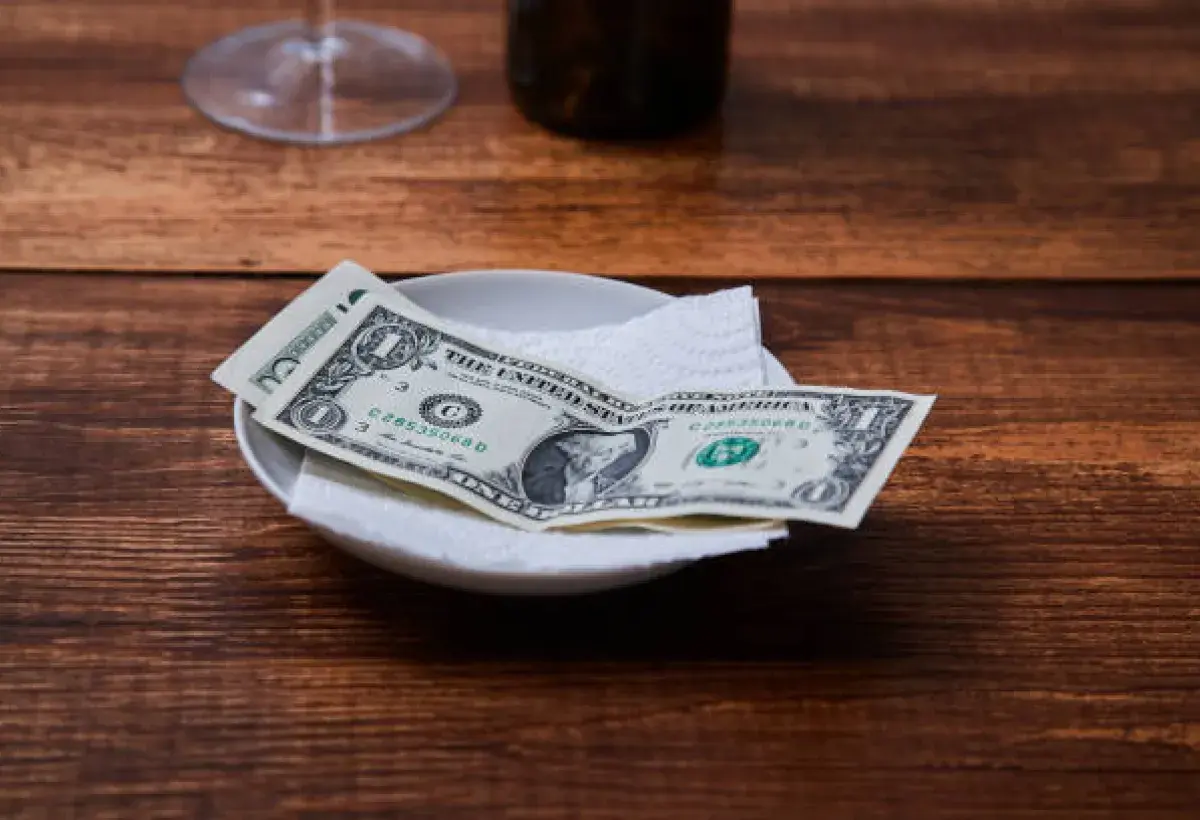
Know standard percentages: Fifteen to twenty percent in restaurants, one to two dollars for coffee or small services.
-
Consider service quality: Exceptional service may warrant higher tips, while poor service may justify less.
-
Use cash when possible: Some workers prefer cash tips to avoid credit card processing fees.
-
Tip in other service areas: Hotels, taxis, delivery, hair salons, and valet services usually expect tips.
-
Check for service charges: Some restaurants include gratuity, especially for large parties.
Following these guidelines ensures that you navigate American tipping culture respectfully and avoid social faux pas.
Image
Tipping is a defining feature of American culture and economy. It is rooted in history, shaped by economic necessity, and reinforced by social norms. In the United States, tipping is not just a gesture of gratitude—it is often an essential part of a worker’s income. Understanding the reasons behind tipping for nearly every service can help visitors and residents navigate American society while appreciating the economic and social forces at play.
While tipping can seem confusing or excessive to outsiders, it reflects the intersection of culture, economics, and social expectation unique to the United States. By following standard practices and understanding the motivations behind tipping, customers contribute to a system that supports millions of service workers across the country.
Image