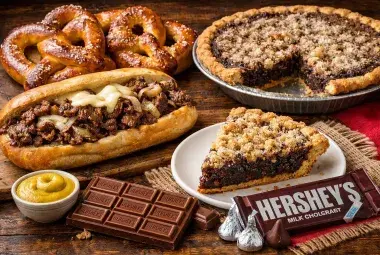


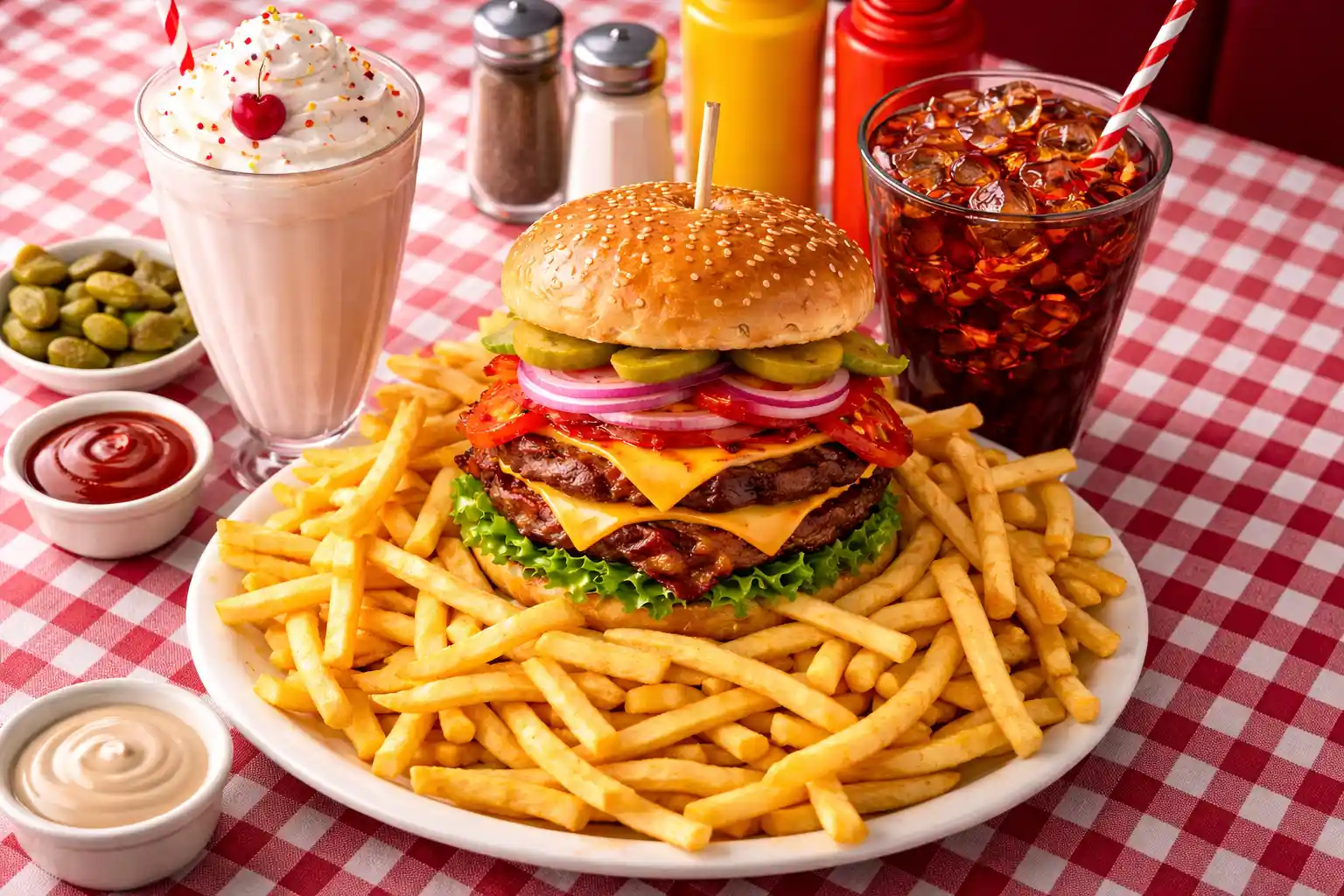
Visitors often describe their first American meal as a moment of quiet astonishment. A plate arrives and it looks more like a landscape than a meal. Drinks appear in tall towers of ice and syrup. Fries gather in generous heaps. Burgers stand like short sculptures. It creates an impression that stays in memory because it breaks expectations shaped in many other parts of the world.
Portion size in the United States did not grow by accident. It expanded through centuries of cultural habits, agricultural abundance, restaurant competition, economic strategy, and consumer psychology. What appears to be a simple meal is the final chapter of a very long story. Understanding that story reveals why American plates became so large and why they continue to grow even when conversations about nutrition and health move in the opposite direction.
Early Abundance and the American Identity
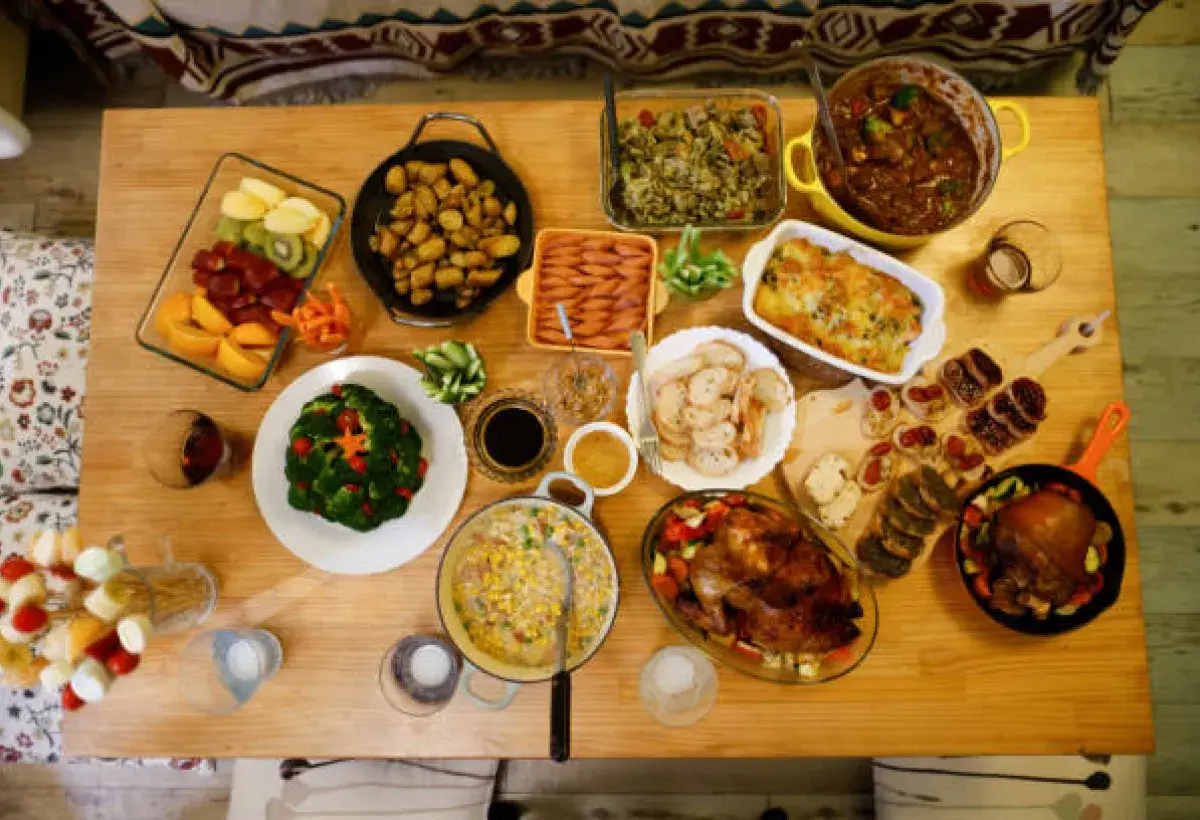
The foundation of oversized portions in the United States began with plentiful land. Early settlers found soil that responded eagerly to cultivation. Crops grew in generous volume. Livestock thrived. The expanding frontier created a national imagination shaped by wide landscapes and the idea that there was always more ahead.
Abundance became symbolic. A full table became a quiet expression of success and comfort. Families served large meals because they could. Communities celebrated holidays with feasts that reflected gratitude and security. The plate grew into a cultural signpost for welcome.
This link between abundance and hospitality influences American dining even today. Many families still view a small serving as an uncomfortable gesture. Restaurants know this and often build their menus around the expectation that guests want to feel the generosity of the house.
Image
The Restaurant Industry and the Race for Bigger Value
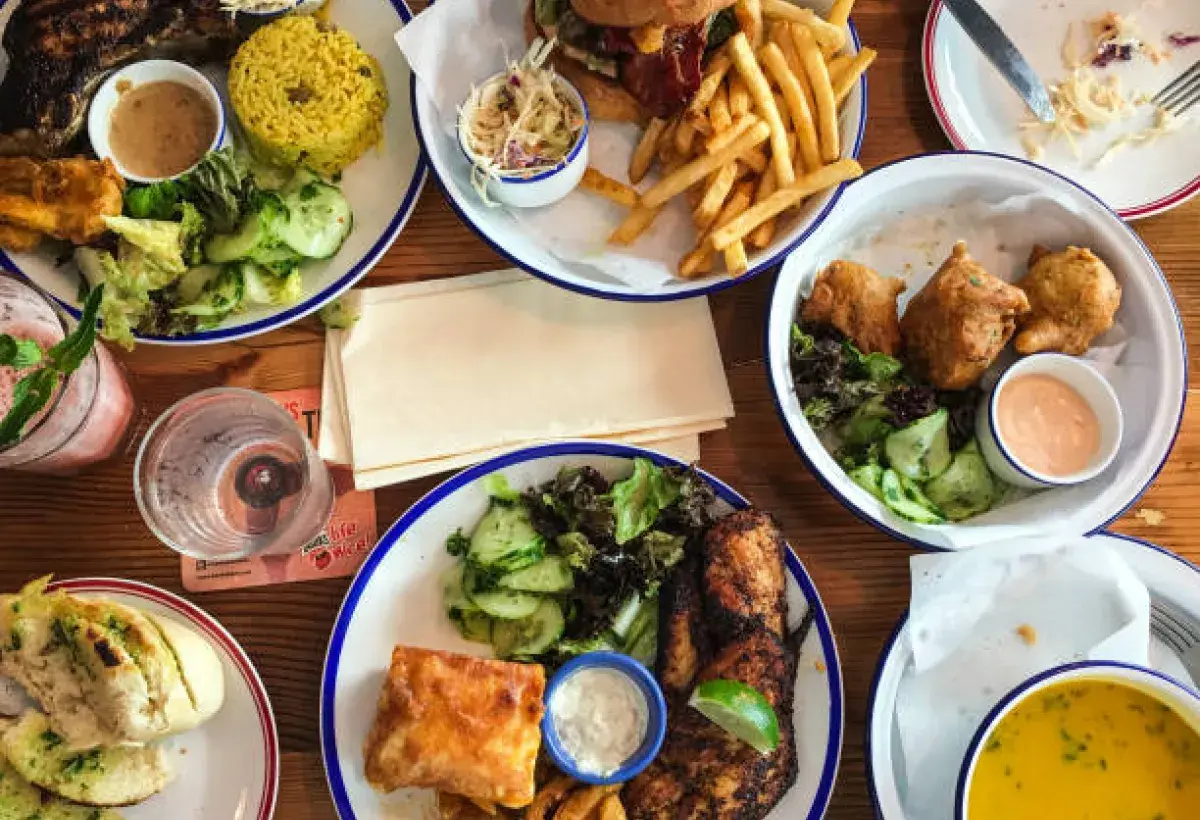
Modern portion inflation began once restaurants shifted from small local kitchens to organized commercial systems. As dining out became normal rather than a rare treat, restaurants searched for ways to stand out. Serving larger portions became a simple method to satisfy customers without raising prices too sharply.
Large servings create an instant sense of value. A person does not need an itemized explanation to feel they are getting a good deal. The plate tells its own story. Restaurants discovered that customers rarely complain about too much food yet often complain about too little. So the safest path was always to add more.
This habit accelerated when chain restaurants spread across the country. Chains needed a uniform method to keep customers returning. Bigger portions solved that challenge. They created predictable satisfaction.
Image
The Fast Food Era and the Culture of Upgrades
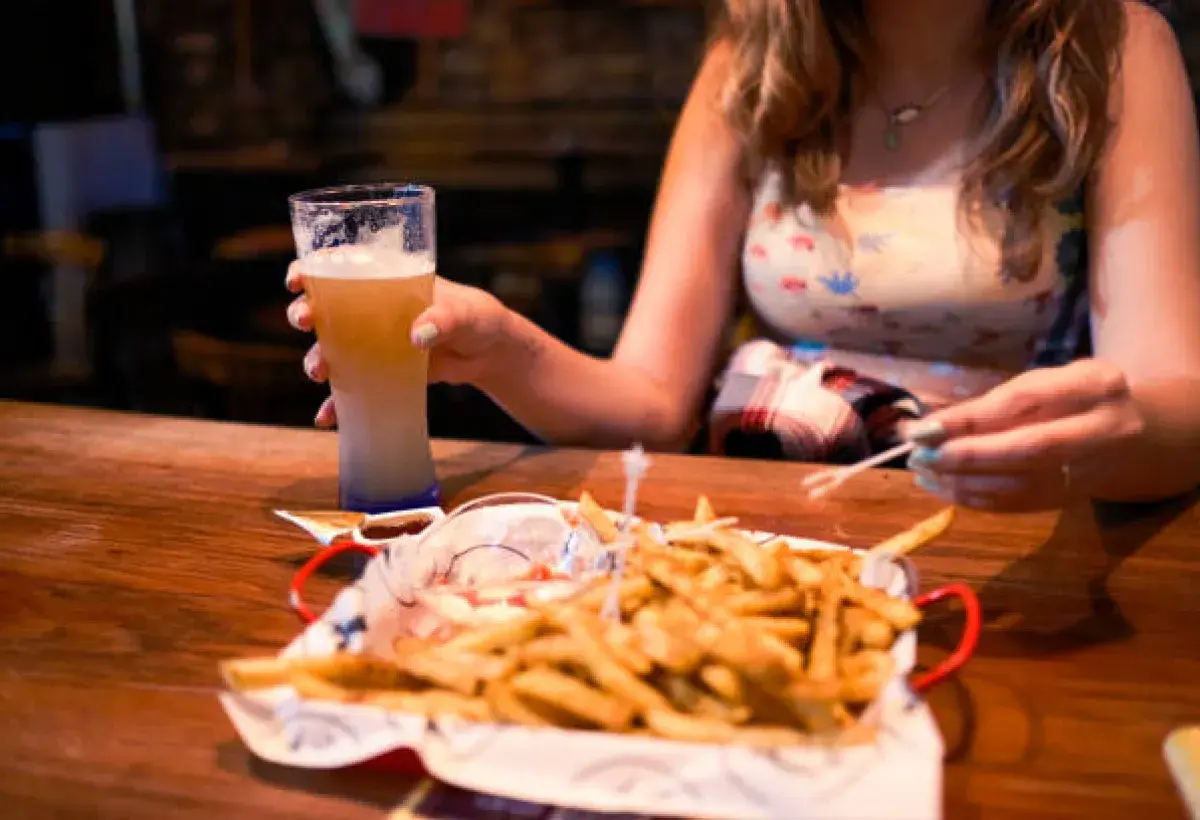
The rise of fast food produced a dramatic change in portion strategy. Competition among chains centered on price, speed, convenience, and above all quantity. If one chain increased the size of its fries, another raised the size of its drinks. Customers loved the feeling of receiving more without paying much more.
Large soft drinks and oversized combo meals cost restaurants very little to produce. The profit margin on an extra large drink is enormous. Fries are also low in cost but powerful in customer appeal. This allowed chains to offer very big servings at a price that looked irresistible.
American fast food culture also shaped daily habits. People began to expect meals that felt strong, filling, and energizing. Oversized servings became part of the rhythm of busy schedules.
Image
Marketing Techniques and the Psychology of Size
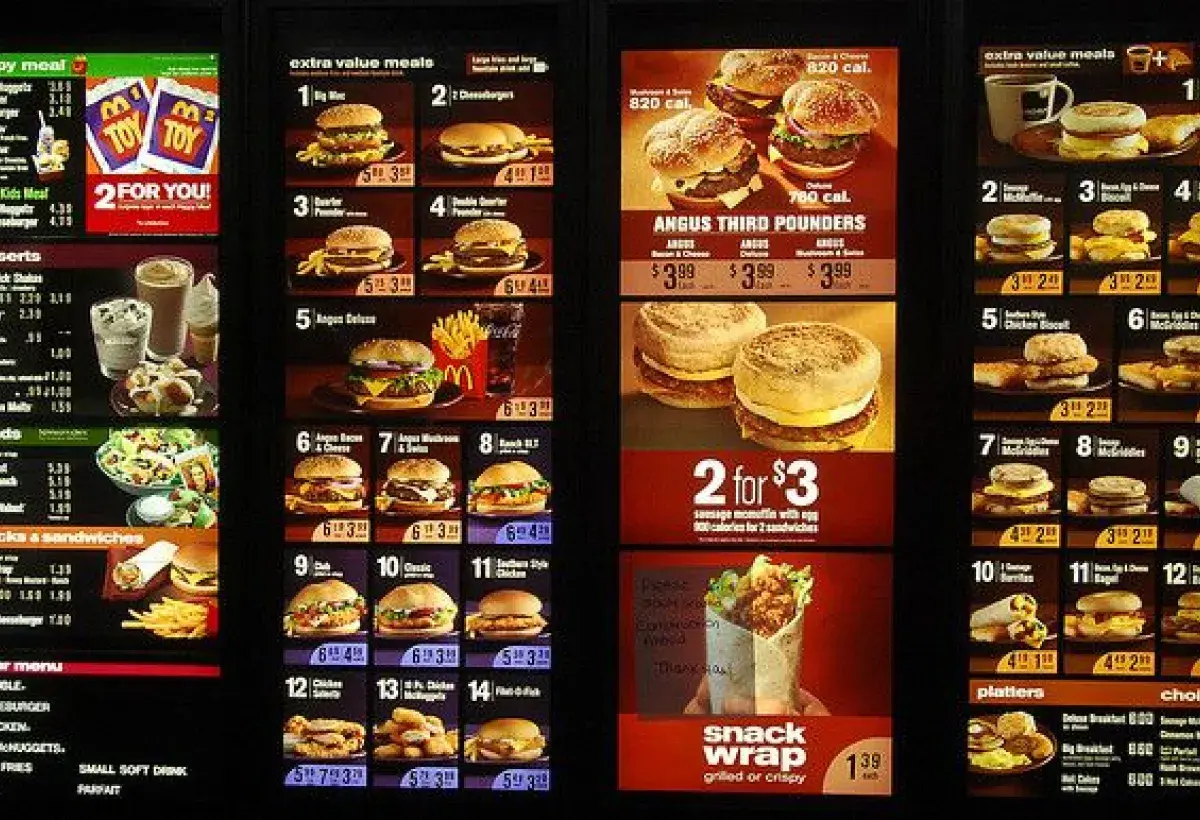
Portion size taps directly into human psychology. Bigger portions create the feeling of a win. People often choose the option that appears to offer more even when it is unnecessary. Restaurants studied this behavior and responded with menus that quietly guide customers toward larger items.
Many menus use strategic placement to highlight plates that appear abundant. Words like platter, feast, combo, and family style signal advantage. Guests often choose these items because they create a story of smart spending.
Studies show that people tend to finish whatever is on the plate regardless of true hunger. This gives large servings a hidden effect on national eating patterns. The plate size itself shapes consumption. In many places in the United States, large plates and large cups are common, so the cycle continues.
Image
Influence of Supermarkets and the Normalization of Large Packages
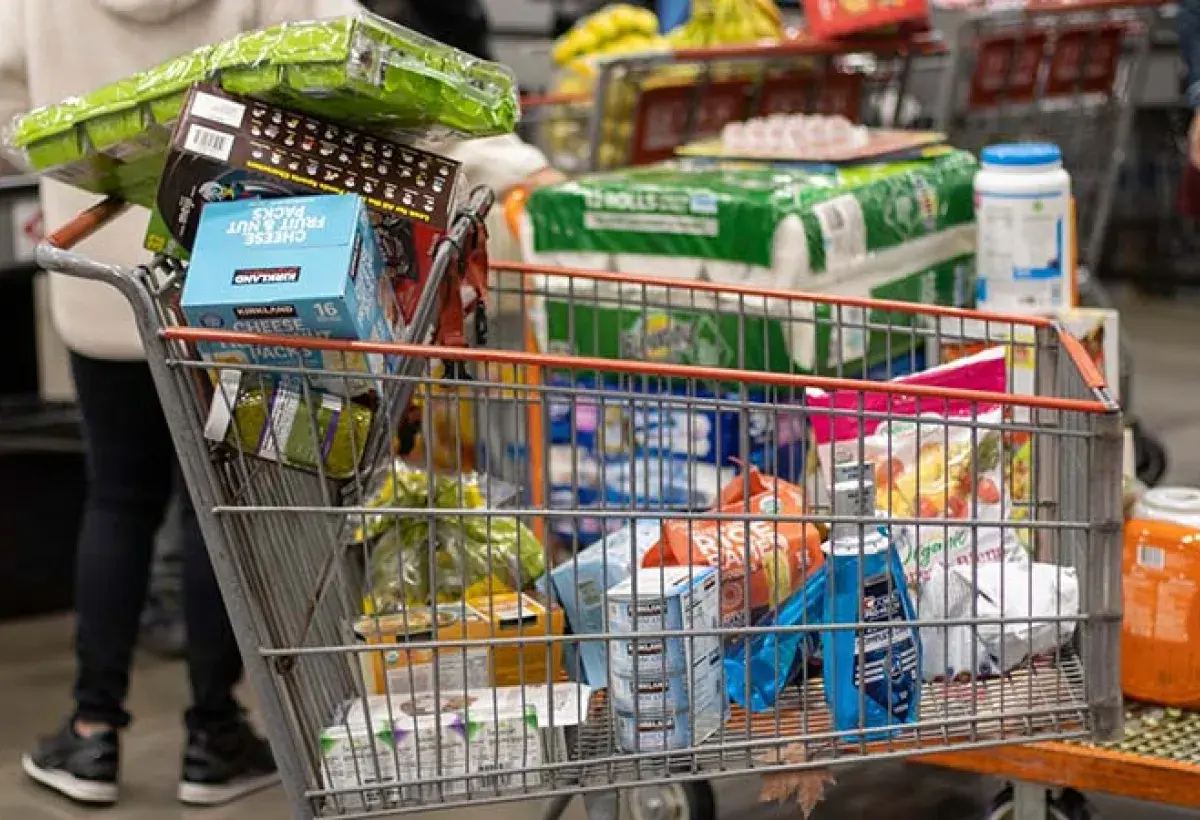
American supermarkets played a major role in shaping expectations. Large family size packaging became normal decades ago. Cereal in giant boxes, snacks in huge bags, gallon beverages, bulk frozen meals, trays of meat for multiple days, and multipack desserts all created an everyday environment where large quantities are standard.
This teaches customers to think in generous units. When the home environment is built around big servings, restaurants must match that scale to avoid disappointing customers. A small serving in a restaurant feels strange when the pantry at home is stocked with bulk items.
This supermarket culture is especially strong in suburban areas where people live in larger homes with ample storage space. The expectation of abundance becomes part of ordinary life.
Image
Regional Traditions that Celebrate Large Meals
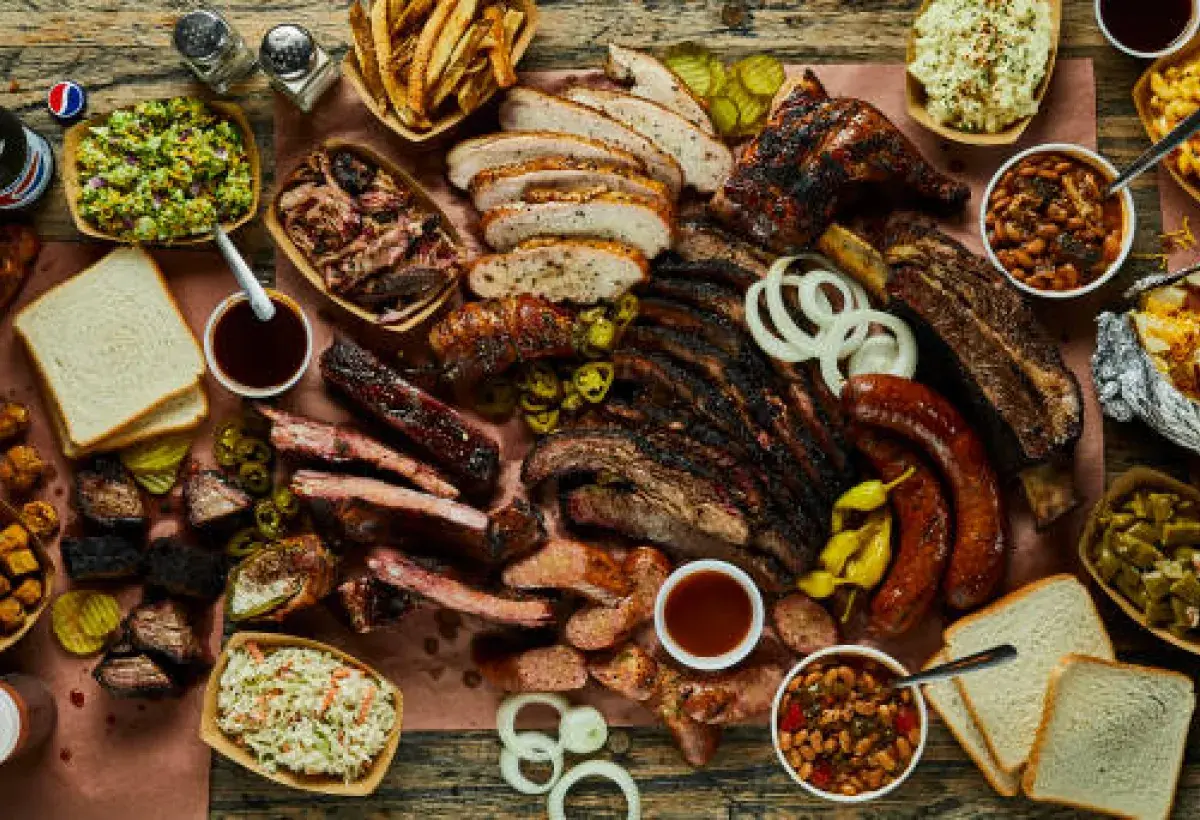
Certain regions in the United States celebrate food as a social ritual, and large servings are part of that ritual. Texas barbecue often arrives in trays that resemble celebratory banquets. Coastal seafood boils pile ingredients into community sized displays. Midwestern diners place pancakes on plates that seem too small to contain them. Southern gatherings center meals around generous helpings that welcome everyone at the table.
These traditions are built on community, shared identity, and long standing celebration. Abundance creates a warm and familiar rhythm. Smaller plates feel out of place because they interrupt the ritual. This regional culture reinforces national expectations.
Image
Convenience Culture and the Demands of Busy Schedules
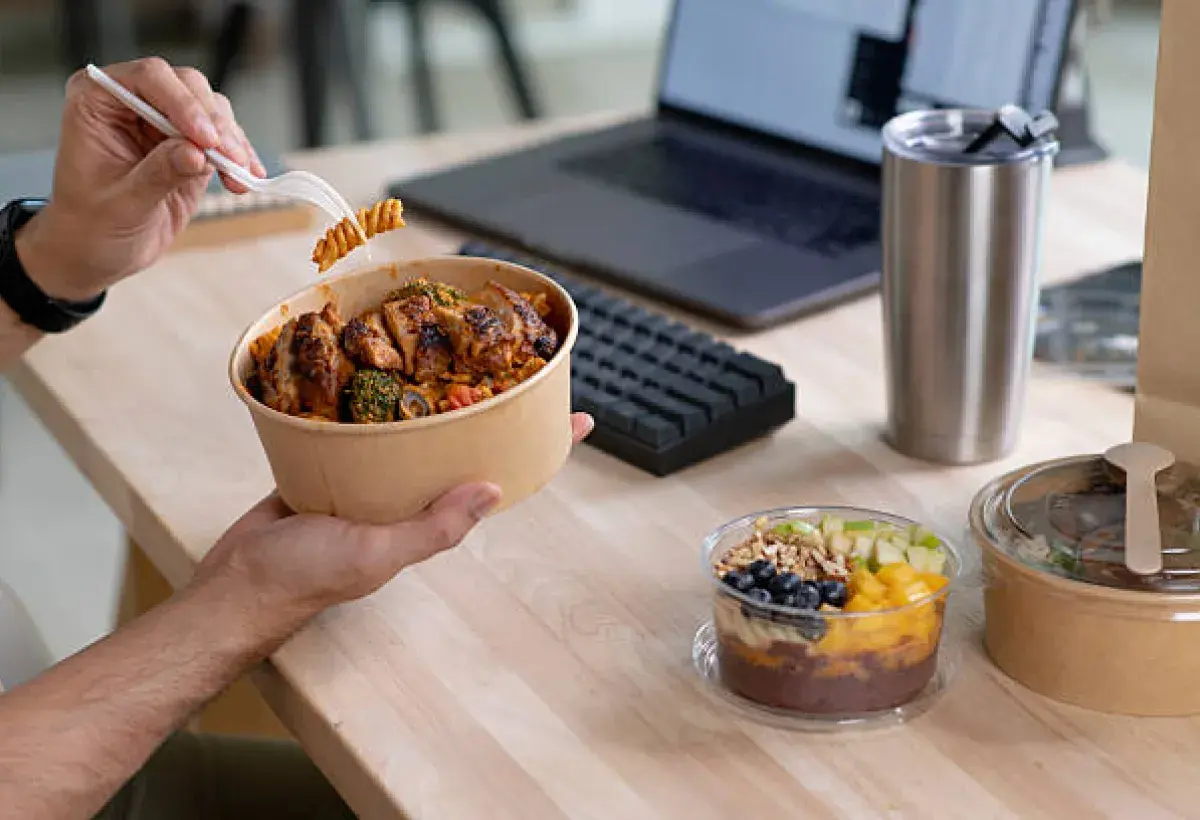
American life involves long work hours, spread out cities, extended commutes, and tight schedules. Many people eat breakfast or lunch in the car or at a desk. The idea of a meal that carries someone through a long stretch of the day feels practical. A small serving offers little security while a large serving provides both energy and the sense of being prepared for the next part of the day.
This rhythm encourages restaurants to serve meals that feel sturdy and substantial. Portions grow to match the pace of daily life. Takeout meals in particular have grown because customers prefer items that travel well and remain filling even after long delays.
Image
Economics and the Logic of Profit
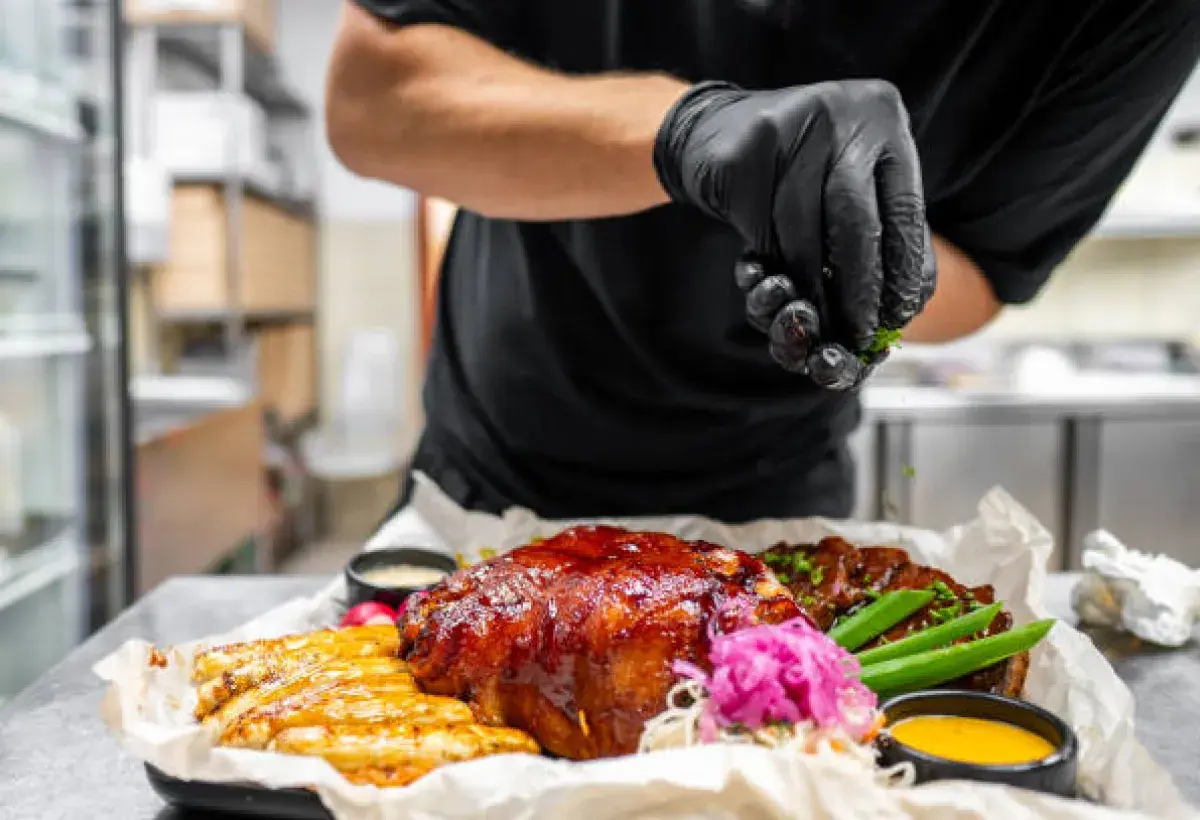
Restaurant economics reward larger portion sizes. Food cost is only one part of the expense. Labor, rent, equipment, marketing, insurance, and utilities make up the majority of overhead in many restaurants. Adding more fries or a larger drink barely changes the cost yet increases the perception of value.
Many restaurants discovered that customers were more willing to accept higher menu prices when the portion looked generous. A large serving makes the total bill feel reasonable even when the price creeps upward. This removes friction from the dining experience and minimizes complaints.
Oversized servings also reduce the number of customers who leave the restaurant feeling unsatisfied. Satisfaction helps encourage repeat visits, which are crucial to survival in a highly competitive industry.
Image
Health Awareness and the Slow Push for Portion Control
There is growing awareness about the impact of portion size on health. Nutritionists have drawn attention to the difference between recommended servings and actual servings in the United States. Some restaurants offer smaller options for people who prefer lighter meals, and some cities have explored policies that encourage healthier choices.
Yet the cultural and economic forces that built large portions over many generations continue to shape the market. Many customers still associate small servings with poor value, which limits widespread change.
Progress is slow, but the conversation continues. There is increasing interest in balanced dining, plant forward meals, and mindful eating. Still, large servings remain the mainstream because they are tied to tradition, convenience, and the national sense of value.
Image
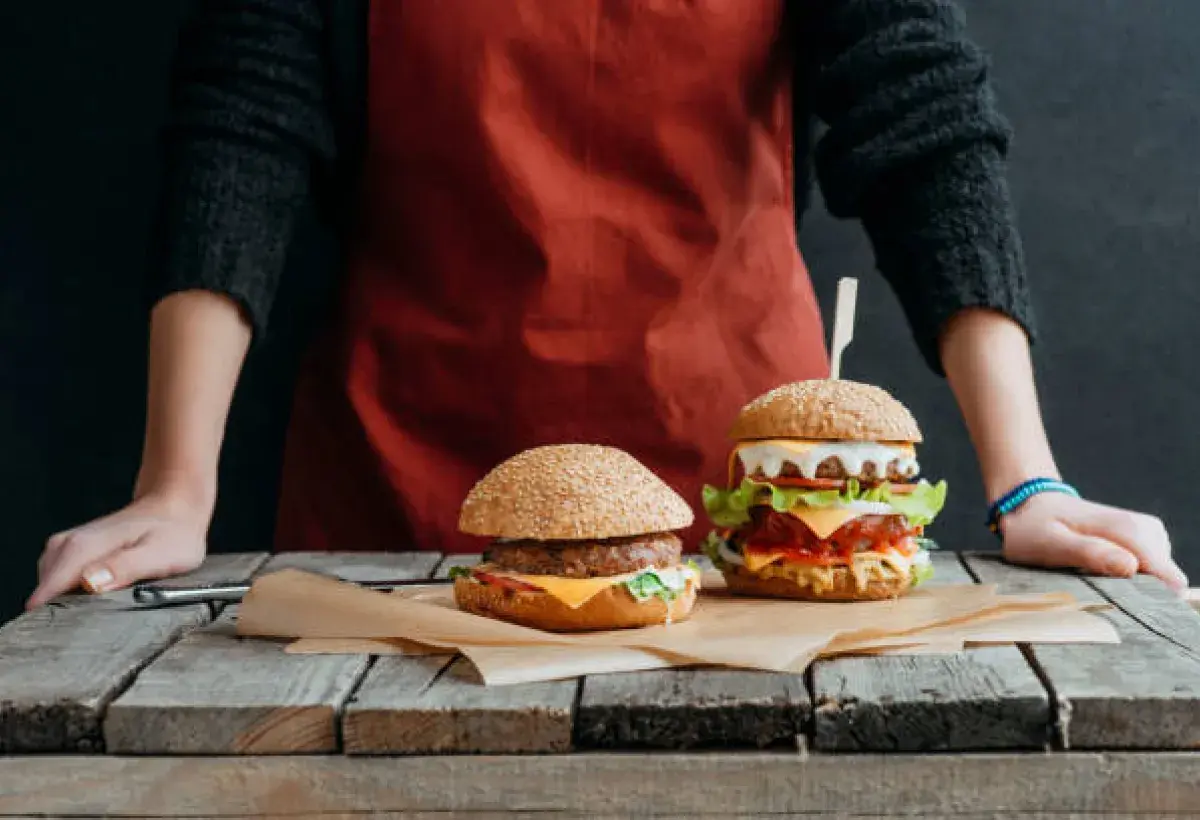
Portion size in the United States grew through a long series of cultural habits, economic pressures, emotional triggers, and marketing strategies. The plate became a symbol long before it became a product. Abundance shaped identity. Restaurants amplified expectations. Supermarkets normalized volume. Busy schedules demanded convenience. Psychology rewarded the feeling of a bigger deal. All these threads wove together until the oversized American meal became part of everyday life.
Understanding this story reveals more than food trends. It shows how environments shape choices, how habits shape expectations, and how culture grows around the table just as it grows around language, history, and community.
For anyone curious about why meals in the United States feel so grand, the answer is simple. The plate carries a shared history of plenty, pride, comfort, competition, and convenience. In many ways, each large portion is a small portrait of American life.