


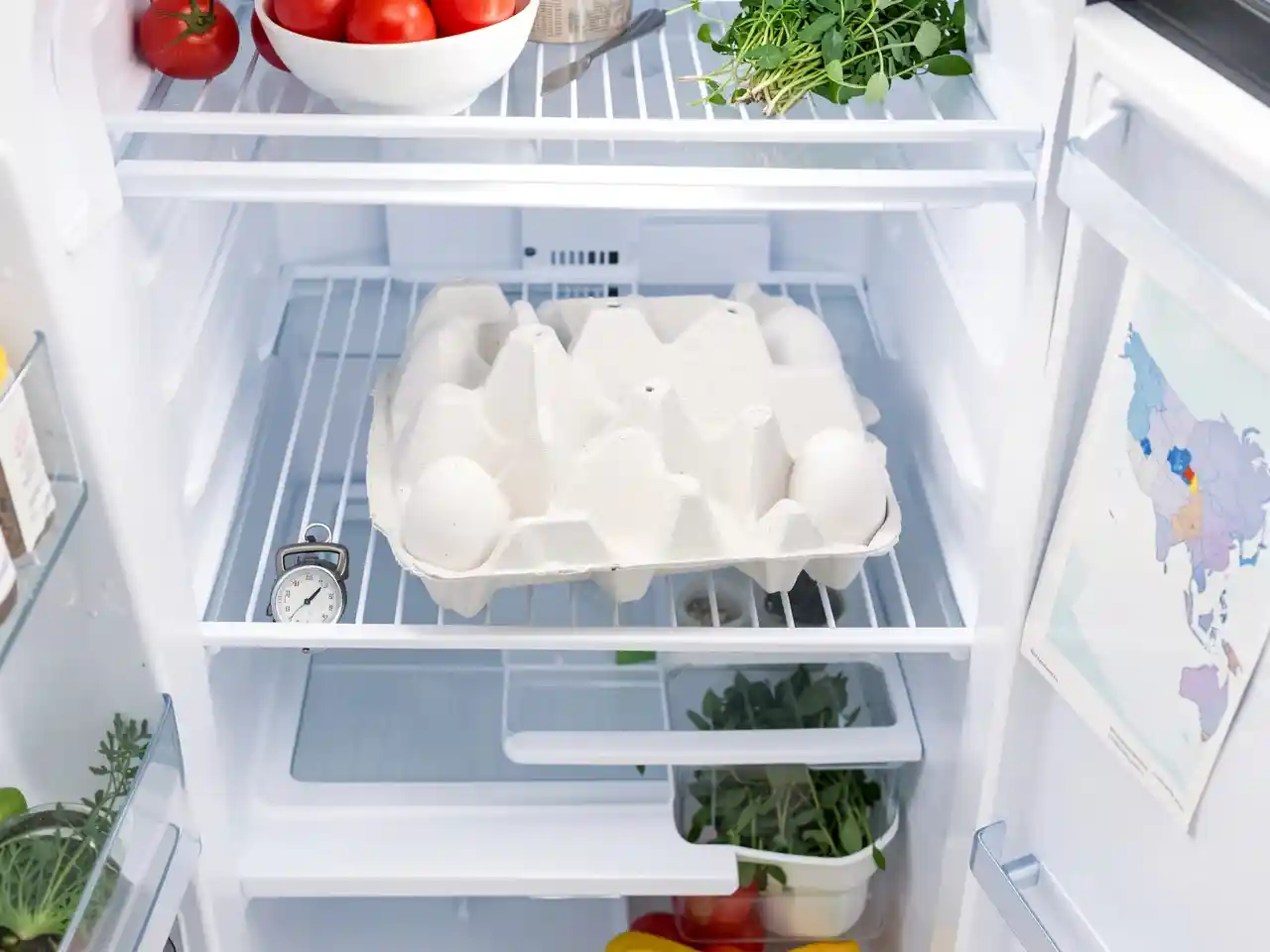
When it comes to kitchen habits, one thing that often surprises visitors to the United States is that Americans refrigerate eggs. This practice is not as common in many other countries, where eggs may sit comfortably on the counter for days or even weeks without concern. But in North America, eggs in the fridge are the norm, and there is a scientific reason behind it. Understanding why Americans refrigerate eggs involves exploring food safety standards, the way eggs are processed, and how these practices compare to the rest of the world.
The Science of Eggs and Bacteria
Eggs are a nutritious staple, rich in protein, vitamins, and minerals. However, they can also be a source of Salmonella, a bacteria that can cause serious foodborne illness. Salmonella naturally occurs on the shells of some eggs and sometimes inside the egg itself. This is why proper handling and storage are essential.
In the United States, eggs are washed and sanitized before they reach stores. While this cleaning process removes dirt and bacteria, it also strips away a natural protective coating called the cuticle. This coating normally helps prevent bacteria from entering through the eggshell. Once it is removed, eggs become more vulnerable to contamination, which is why refrigeration is necessary to slow bacterial growth.
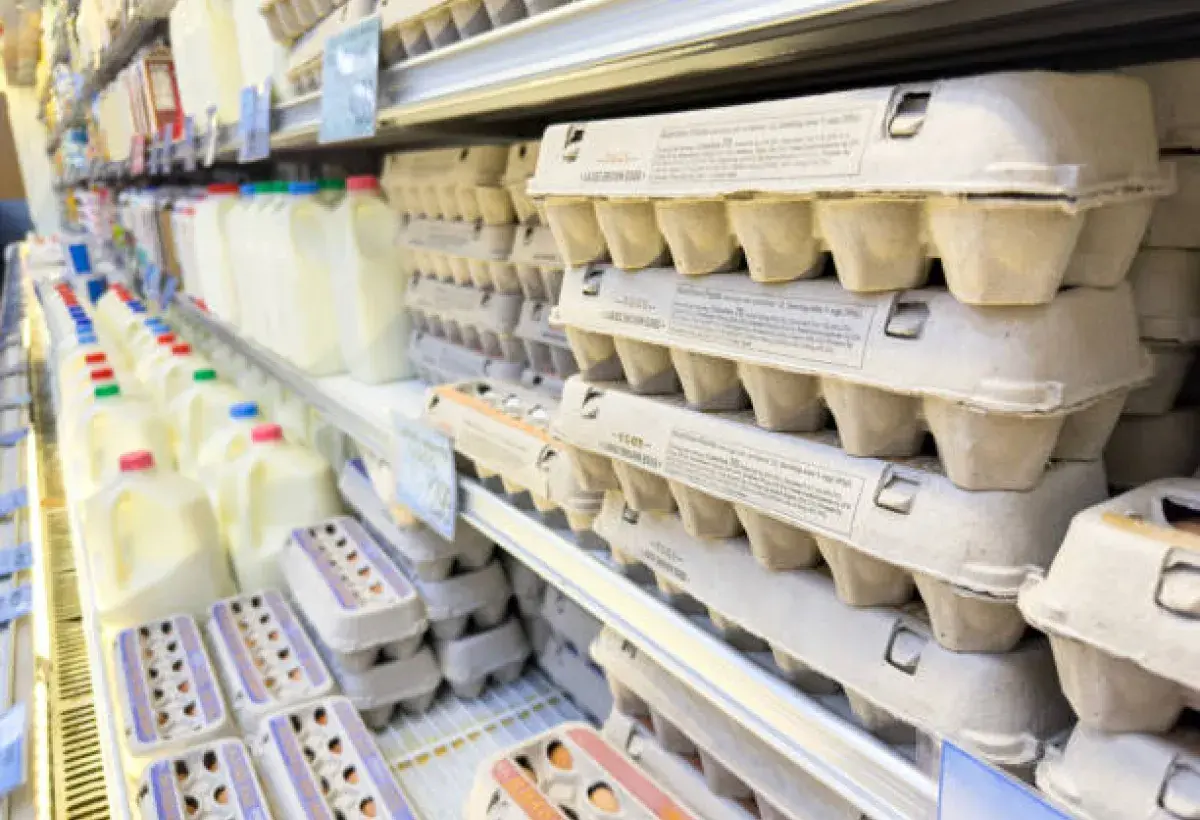
Refrigerating eggs at a temperature below forty degrees Fahrenheit keeps them safe for consumption and prolongs their freshness. According to the United States Department of Agriculture (USDA), eggs should always be stored in the refrigerator as soon as possible after purchase. This standard is not just a guideline; it is a food safety requirement in North America.
Image

How Americans Handle Eggs Differently
In many European countries, eggs are not washed before sale. They retain their natural cuticle, which helps protect against bacteria. This means that in countries like France, Germany, and Italy, eggs are often stored at room temperature without risk of contamination. In contrast, American eggs are considered more vulnerable after washing, making refrigeration a critical step.
Another factor is the US food safety system. The United States has strict regulations to prevent outbreaks of foodborne illness. By refrigerating eggs, supermarkets, restaurants, and homes maintain consistent safety standards. This practice reduces the risk of illness, especially during summer months when higher temperatures can accelerate bacterial growth.
Image
The Role of Refrigeration in Egg Freshness
Refrigeration is not just about safety; it also affects egg freshness and quality. Eggs contain natural proteins and fats that can deteriorate at room temperature. Over time, this can impact the taste, texture, and cooking properties. Refrigerated eggs maintain their firmness and are less likely to develop off flavors.
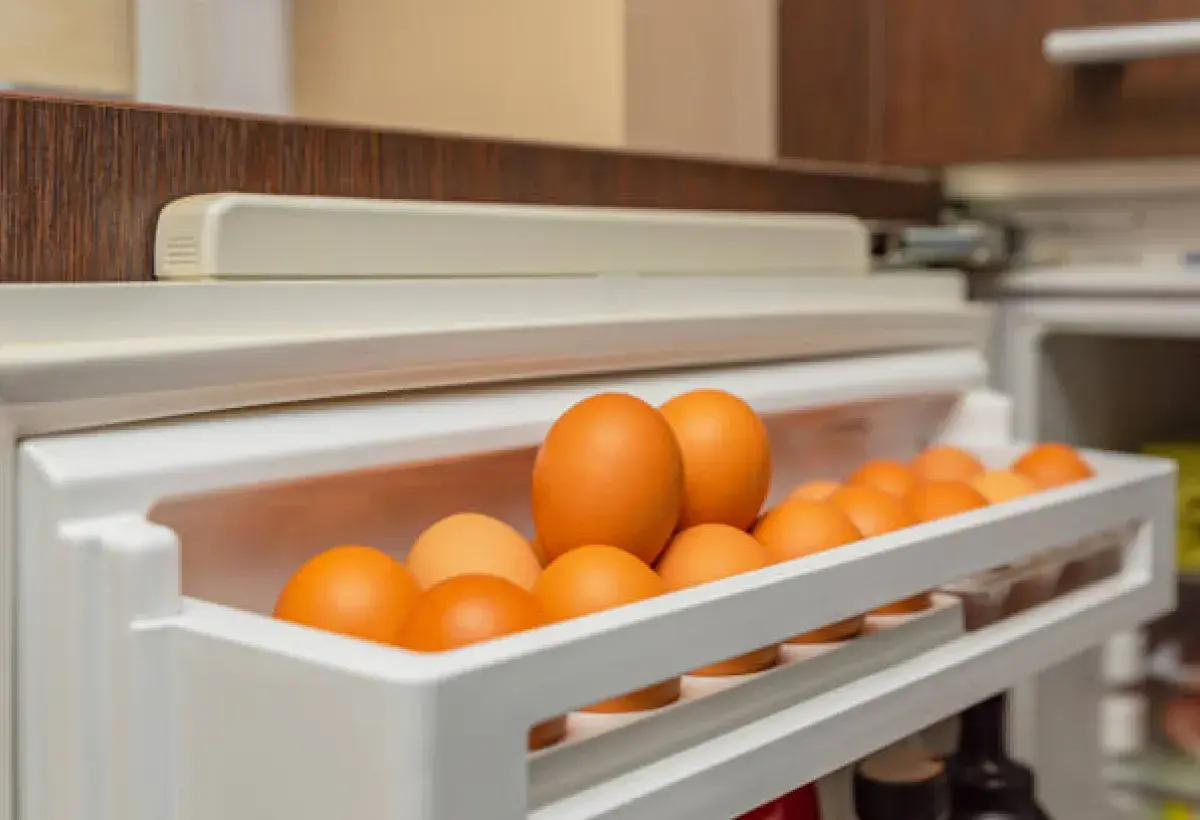
Storing eggs in the main body of the fridge, rather than the door, helps maintain a stable temperature. The door experiences frequent temperature fluctuations, which can shorten the shelf life of eggs. Keeping eggs in their carton also prevents them from absorbing strong odors from other foods.
Image
Common Misconceptions About Egg Storage
Many people assume that room temperature is always safe for eggs. While this may be true in some countries, in the United States, it is not recommended. Leaving eggs out at room temperature for more than two hours can encourage bacterial growth.
Some home cooks worry that refrigeration may dry out eggs or affect baking. However, studies show that refrigerated eggs perform just as well in recipes as those kept at room temperature. For baking purposes, eggs can be brought to room temperature for a short period before use without compromising safety.
Image

The Cultural Influence
The American practice of refrigerating eggs is also influenced by convenience and lifestyle. Refrigerators are widely available in homes, stores, and restaurants. This easy access encourages people to adopt consistent storage habits.
American consumers are also very safety-conscious. Public awareness campaigns, school lessons, and government recommendations emphasize the importance of keeping eggs cold. Over time, this has become a cultural norm that distinguishes North American egg storage practices from those in other parts of the world.
Image

Tips for Proper Egg Storage in North America
For those looking to keep their eggs safe and fresh, here are some practical tips:
-
Keep eggs in their carton: The carton protects eggs from absorbing odors and moisture.
-
Store eggs in the main fridge compartment: Avoid the door to reduce temperature fluctuations.
-
Check expiration dates: Use eggs before the date printed on the carton for optimal safety.
-
Avoid washing eggs at home: Unless necessary, washing can remove the protective cuticle.
-
Separate cracked eggs: If an egg is cracked, cook it immediately or discard it to prevent contamination.
Following these guidelines ensures that eggs remain safe and tasty for daily meals.
Image

Common Questions About Refrigerating Eggs
Can You Freeze Eggs?
Yes, eggs can be frozen for longer storage. Whole eggs should be beaten together before freezing, while yolks and whites can be separated and frozen individually. Properly frozen eggs can last up to a year and are safe for cooking and baking once thawed.
Are Refrigerated Eggs Healthier?
Refrigerated eggs are not inherently healthier, but they are safer. The primary benefit is the reduced risk of bacterial contamination. Nutritional content remains largely unchanged whether eggs are refrigerated or stored at room temperature in countries where it is safe to do so.
Why Do Some People Store Eggs at Room Temperature in the US?
Some home cooks prefer room temperature eggs for baking because they mix more easily into batters. While this is acceptable for short periods during meal preparation, eggs should still be stored in the refrigerator between uses to maintain safety.
Image

The practice of refrigerating eggs in the United States is rooted in food safety, science, and culture. By washing eggs, the natural protective coating is removed, making refrigeration essential to prevent the growth of harmful bacteria such as Salmonella. In addition, refrigeration preserves freshness, texture, and taste, which benefits both cooking and baking.
While many countries store eggs at room temperature without issue, American consumers rely on the refrigerator as a safeguard for daily life. Understanding these practices helps explain why eggs in North America are treated differently and emphasizes the importance of proper food storage to prevent illness.
Whether you are a home cook, a parent, or someone exploring American food habits, knowing why eggs are refrigerated helps make informed choices in the kitchen and ensures that every meal is safe, fresh, and delicious.
Image