

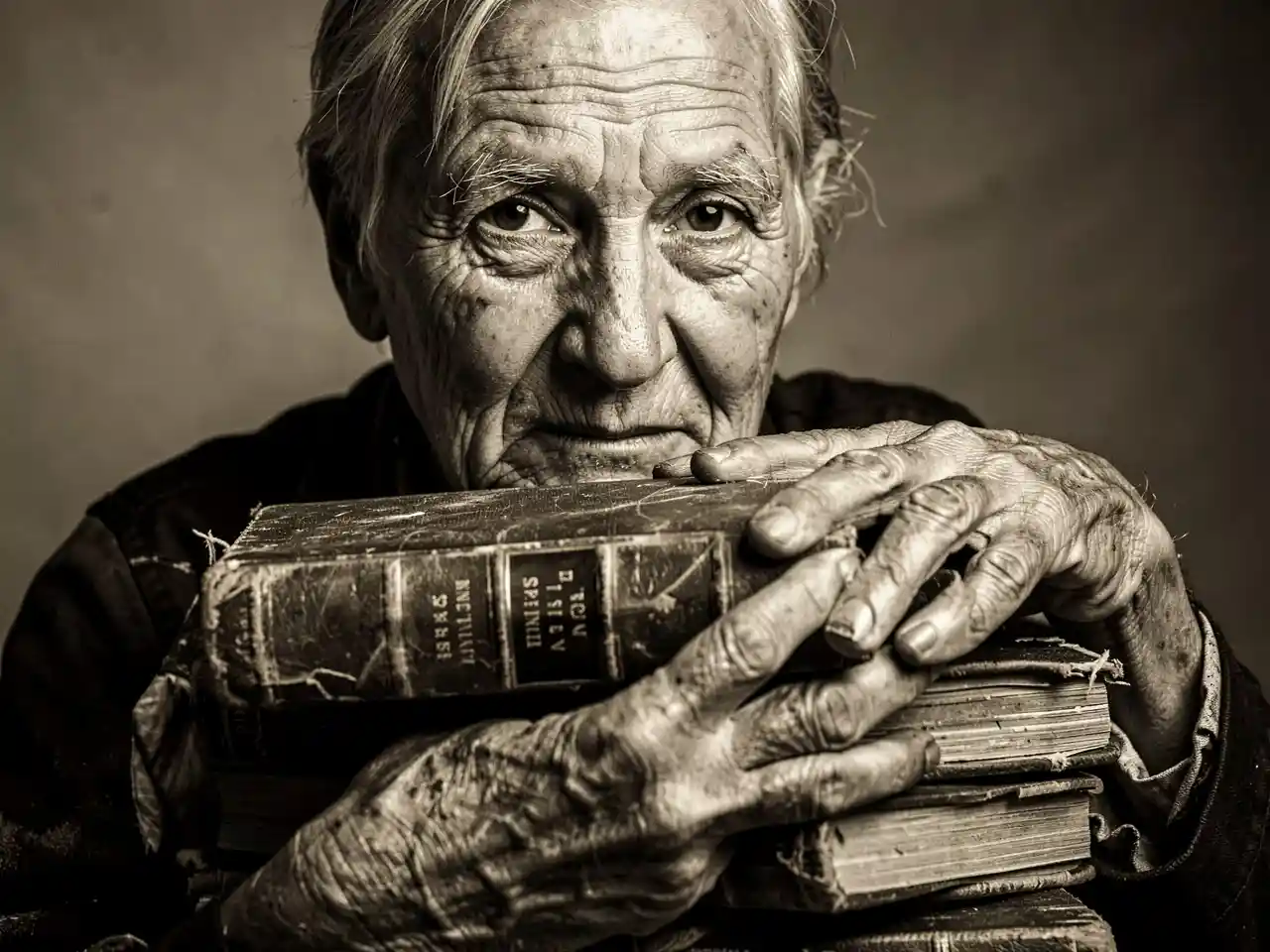
This is the second article in the SILVER CHALLENGES and OPPORTUNITIES series. Older adults are not simply elders—they are pillars of society, carrying a torch of tacit knowledge forged through decades of lived experience. Behind every senior citizen is a library that may never be read, a repository of life-tested wisdom, judgment, and skill. This article makes the case for honoring and harnessing their wisdom before it is too late.
The Silent Library of Our Elders
In today’s fast-moving world, we celebrate novelty, disruption, and speed. Innovation is often valued above experience, and in the process, society risks discarding the old, the tried, and the tested. Yet this discarded knowledge is not trivial. It forms the foundation of culture, ethics, and practical wisdom.
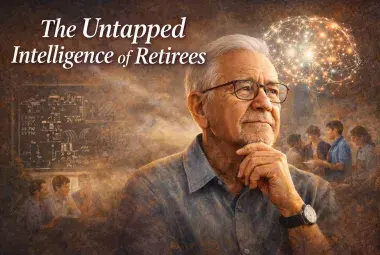
Tacit knowledge, a term popularized by Michael Polanyi in 1966, refers to deeply rooted, intuitive wisdom that cannot be fully articulated, codified, or captured in manuals. It is learned only through experience, trial and error, resilience, and the slow accumulation of understanding. Unlike explicit knowledge, which can be written down, tacit knowledge vanishes when its holder is gone.
The SECI model, developed by Nonaka and Takeuchi in 1995, reinforces this idea. Tacit knowledge is a cornerstone of innovation, serving as the foundation upon which new ideas are built. Without it, younger generations risk reinventing the wheel or repeating avoidable mistakes.
In workplaces, older professionals preserve organizational memory and guide decision-making. In communities, elders safeguard cultural identity, values, and ancestral wisdom. Yet in a youth-driven, technology-obsessed world, this living archive is too often undervalued until it disappears entirely.
The challenge is urgent: we must act now to ensure this treasure is not buried with the people who hold it.
Global Data on Aging and Underutilization
The World Health Organization estimates that the global population aged sixty and above will double from one billion in 2020 to 2.1 billion by 2050 (WHO, 2022). In Southeast Asia, UNESCAP reports that by 2040, one in four people will be over sixty, signaling an unprecedented demographic shift.
Yet despite this growing population, the OECD Skills Outlook (2023) notes that over sixty percent of older workers report that their skills and experience are underutilized in the workplace. Many retirees express a desire to remain engaged in meaningful activities and contribute to society. This mismatch represents a lost opportunity for both economic productivity and cultural continuity.
Image
Tacit Knowledge in Practice
Tacit knowledge manifests across multiple domains:
-
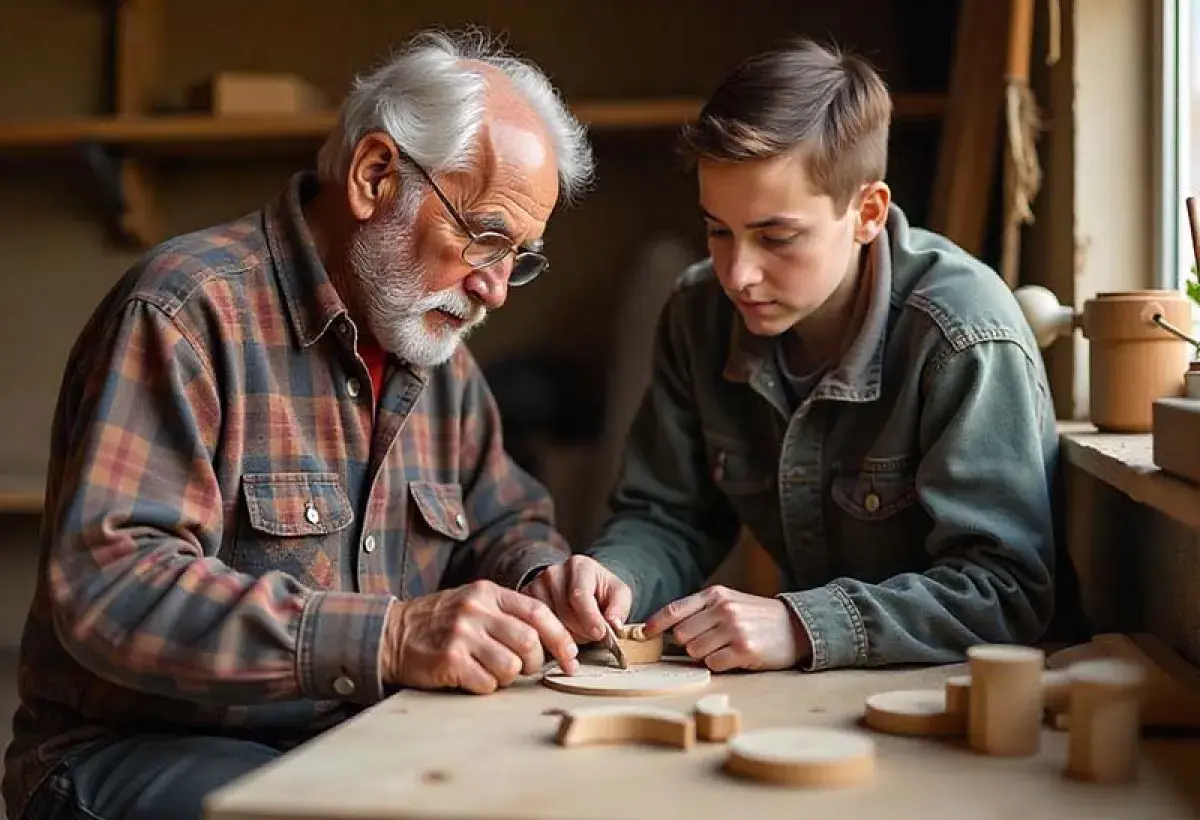
Craftsmanship and Trade Skills: Master artisans, farmers, engineers, and technicians instinctively know when materials are flawed or when conditions are optimal. These insights are gained only through observation, experience, and practice.
-
Negotiation and Leadership: Experienced managers and community leaders can read social dynamics, sense political undercurrents, and anticipate outcomes in ways that data analytics cannot replicate.
-
Cultural Storytelling: Elders hold oral histories, traditions, and cultural narratives that bind communities together and transmit values across generations.
Technological acceleration has widened the generation gap. A 2023 Pew Research Center study shows that younger generations are adept at digital skills but often lack historical context, situational judgment, and interpersonal wisdom—areas where older adults excel.
The loss of tacit knowledge is not only cultural but also economic. A 2022 Harvard Business Review article found that companies with active knowledge-transfer programs outperform peers in innovation by up to thirty percent. Without deliberate efforts to capture tacit wisdom, organizations and societies risk repeating costly mistakes and losing strategic advantages.
Unlocking Tacit Knowledge: Evidence and Insight
Conclusion from the World Health Organization: Older adults are not merely beneficiaries of social support. Their involvement in mentorship, civic engagement, and policy consultation strengthens community resilience and intergenerational solidarity (WHO, 2022).
Conclusion from Nonaka and Takeuchi: Tacit knowledge cannot easily be reconstructed once lost. Continuous interaction between tacit and explicit knowledge is necessary for innovation. Without elder participation, the knowledge cycle breaks, and society loses a critical foundation for growth (Nonaka & Takeuchi, 1995).
Building Intergenerational Knowledge Bridges
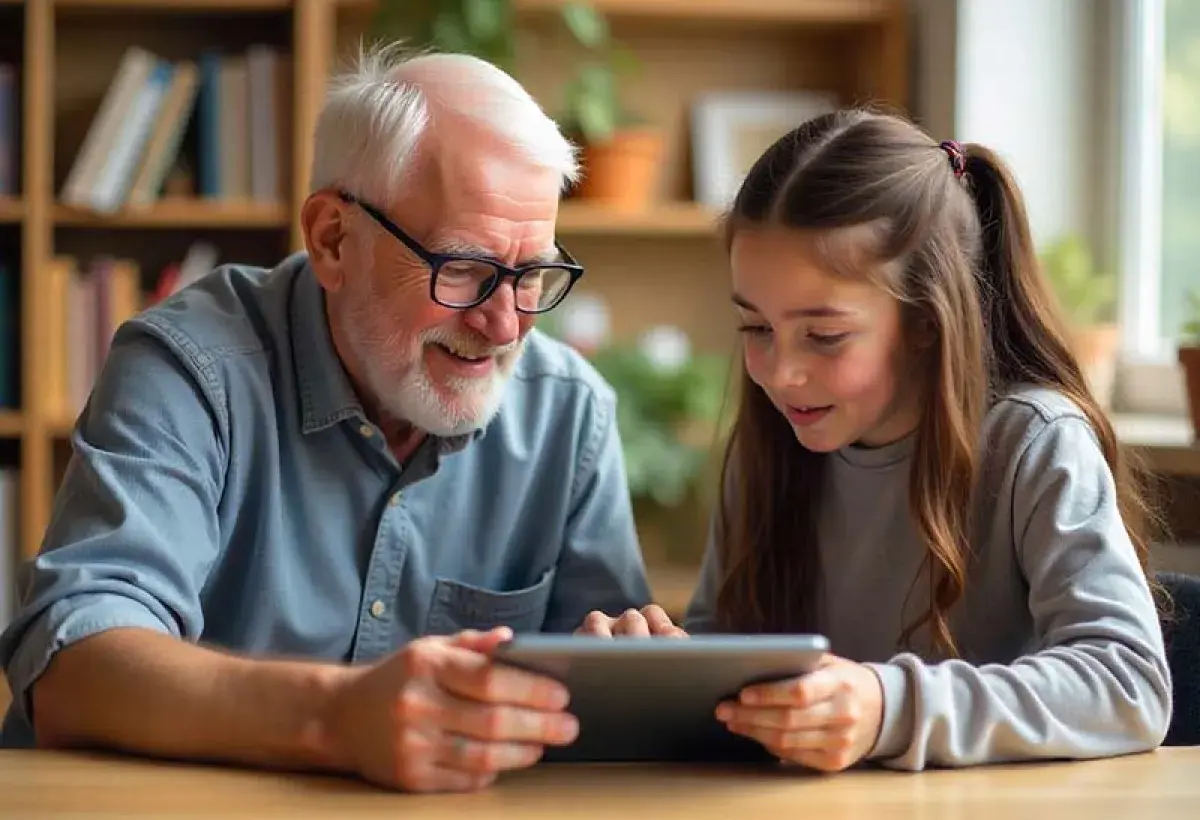
To truly safeguard the wisdom of our aging population, structured platforms for knowledge exchange are essential. Such platforms allow elders to impart mentorship in life skills, leadership, and cultural continuity while younger participants offer guidance on digital literacy, emerging technologies, and contemporary trends.
This exchange produces a symbiotic bridge:
-
For elders: A renewed sense of relevance, purpose, and belonging.
-
For youth: Accelerated maturity, contextual intelligence, and access to wisdom that cannot be Googled.
Practical implementation could include:
-
Storytelling circles where elders share life lessons and historical knowledge.
-
Cross-generational apprenticeships linking young learners to seasoned professionals.
-
Community mentorship hubs integrating skills, cultural understanding, and civic engagement.
Such programs do more than preserve memory. They embed wisdom into the living fabric of society, enabling older adults to remain active contributors rather than passive recipients.
Image
When wisdom dies in silence, so does progress. When shared, it provides both roots and wings. The aging population is not a burden to be managed. It is a strategic asset to be unlocked. Every “living library” holds knowledge essential for societal innovation, cultural continuity, and human flourishing. Ensuring that this library is read before its final chapter closes is perhaps the most important innovation we can achieve.
Authors Note
This article "The Wisdom We Keep Ignoring - Unlocking the Tacit Knowledge of the Aging Population" is part of the author’s dissertation. Based on verified data, peer-reviewed literature, and insights from national and global agencies, with AI-assisted deep research support.
References:
-
World Health Organization. 2024. Ageing and health.
-
World Health Organization. n.d. Ageing presents both challenges and opportunities [Public health overview].
-
Polanyi, M. 1966. The tacit dimension. Routledge & Kegan Paul.
-
Grant, K. A. 2007. Tacit knowledge revisited. The Electronic Journal of Knowledge Management, 5(2), 173–180.
-
Nonaka, I., & Takeuchi, H. 1995. The knowledge-creating company: How Japanese companies create the dynamics of innovation. Oxford University Press.
-
Lejeune, M. 2011. Tacit knowledge revisited: “Knowing how” and tacit knowledge in practice. McGill Journal of Education, 46(1), 95–113.
-
Kuyken, K., & Schropp, R. 2023. Rethinking intergenerational knowledge transmission in the context of Industry 4.0. Management International, 27(6), Article 09032.