

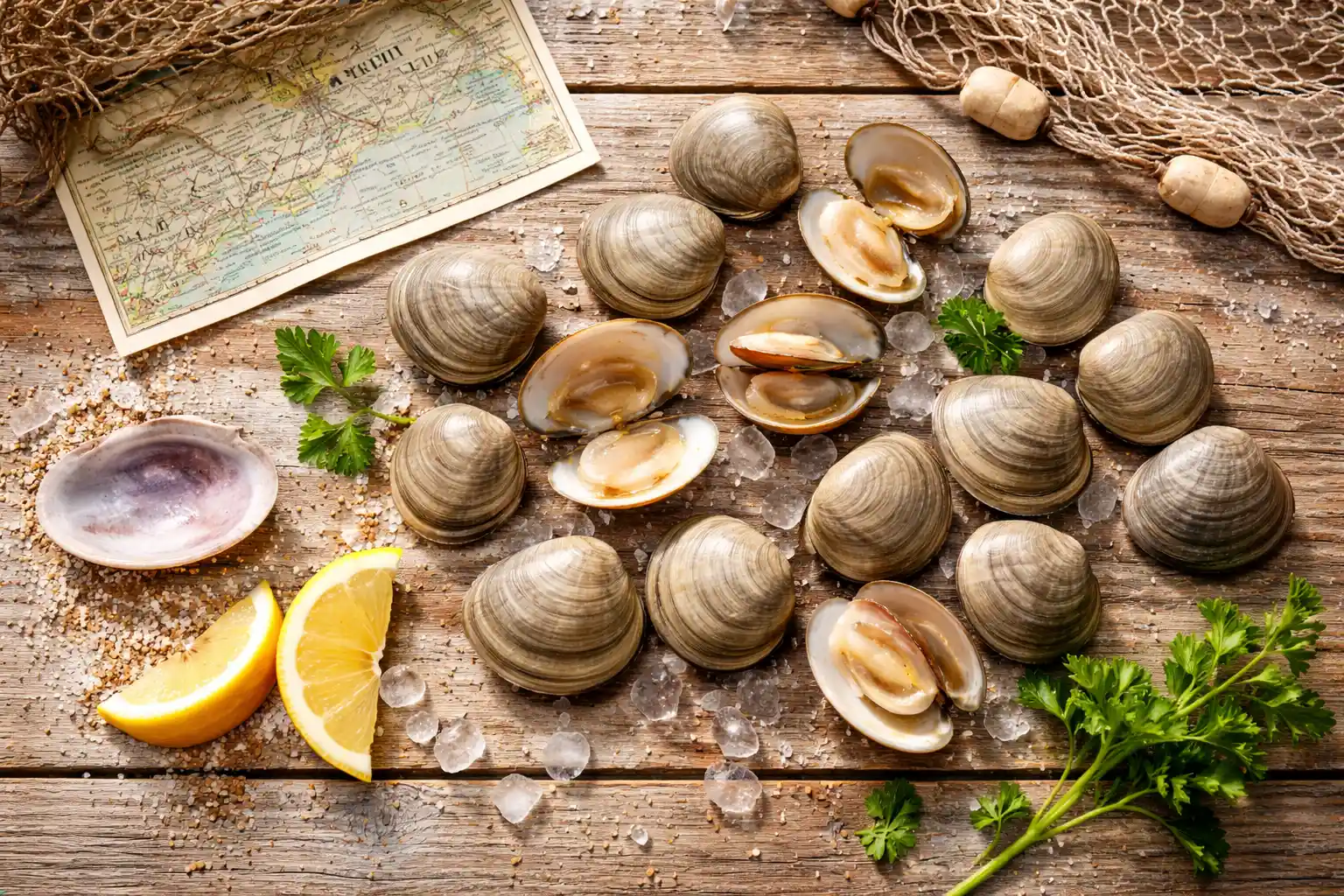
Little neck clams are more than just a favorite seafood treat; they are fascinating marine creatures that tell a story of history, ecology, and sustainability. These small, round-shelled mollusks live quietly along the sandy shores of the Atlantic coast, playing an important role in keeping ocean waters clean while delighting people around the world with their delicate flavor. Their story reaches back centuries, connecting culinary traditions, natural ecosystems, and even the history of New York.
While many recognize little neck clams for their sweet and briny taste, few realize how significant they are to the environment and coastal communities. Their ability to filter water, adapt to habitats, and sustain marine ecosystems makes them one of nature’s most efficient environmental engineers. Fishermen, chefs, and seafood lovers alike celebrate their tender texture and versatile use in recipes ranging from clam chowder to raw bar platters.
Exploring the world of little neck clams reveals their hidden side: ancient lineage, unique anatomy, and extraordinary life span. These creatures have been quietly shaping coastlines for thousands of years, serving both ecological and culinary purposes. From their origins in Long Island to their role in sustainable fishing practices today, little neck clams are a symbol of balance between nature and nourishment.
Get ready to dive deep into the world beneath the waves. Here are ten fascinating facts about little neck clams that you probably never knew but will definitely appreciate the next time you see them on your plate.
Image
1. Named After Little Neck, New York
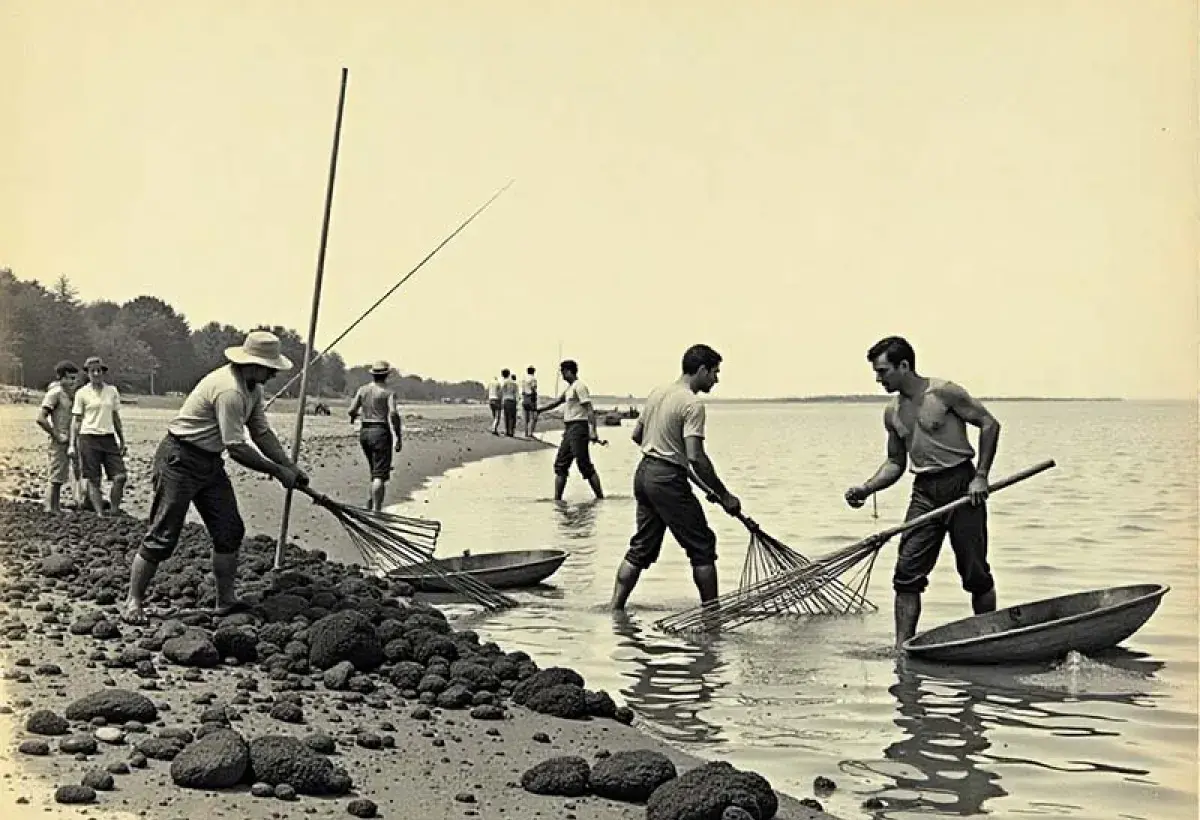
The name “little neck” originates from Little Neck Bay on Long Island, New York. During the nineteenth century, small and sweet hard clams from that area became a sensation among New York City’s finest restaurants. They were praised for their tender meat and mild flavor, making them a delicacy in upscale dining circles. The popularity of these small clams grew so much that “little neck” became synonymous with quality and freshness.
Eventually, the term spread beyond New York, and it is now used to describe a specific size of the hard clam species Mercenaria mercenaria. No matter where they are harvested today, clams that meet this small, tender size are proudly called little necks. This origin story reflects how regional seafood traditions can evolve into national culinary favorites.
Image
2. “Little Neck” Isn’t a Species, It’s a Size
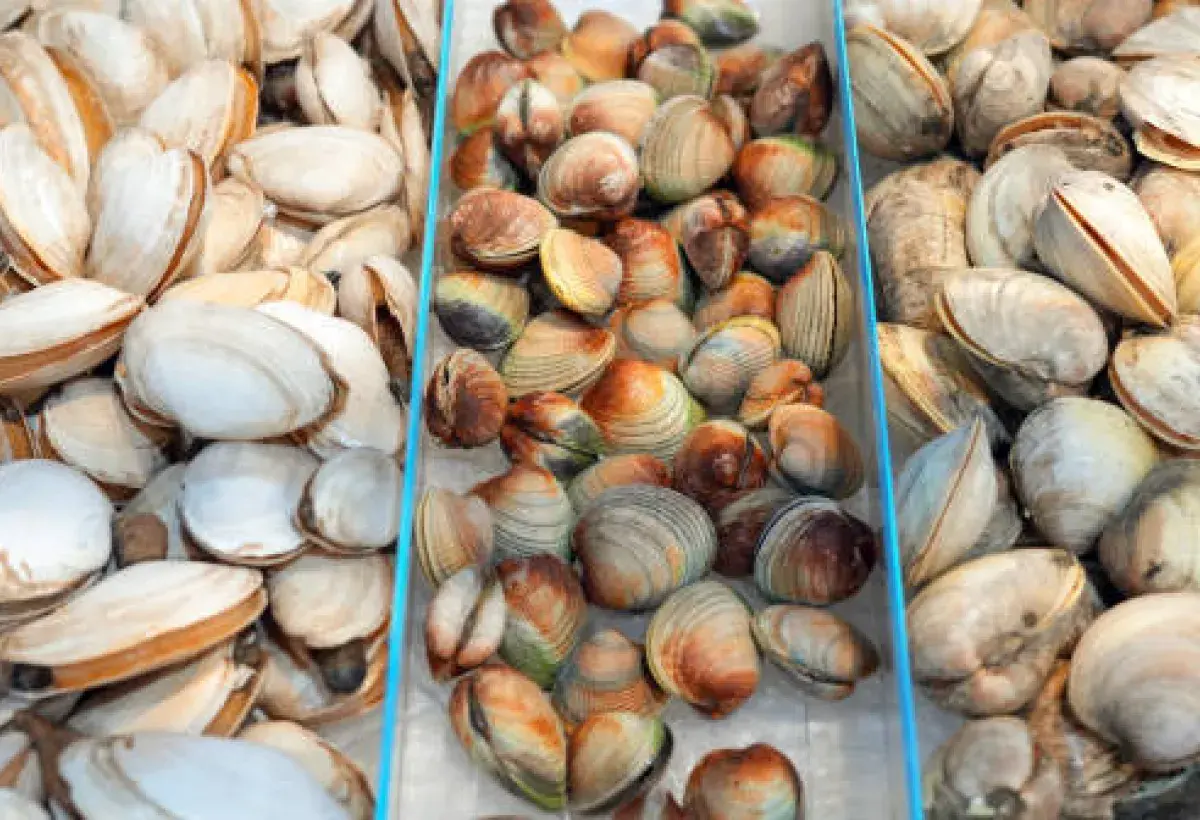
One of the most surprising facts about little neck clams is that they are not a separate species at all. The term simply refers to the size of the clam rather than its type. All little necks belong to the same species as cherrystones and chowder clams. The only difference lies in their size and age. Little necks are the smallest and most tender, while cherrystones are medium-sized and chowder clams are the largest.
This distinction is important for seafood lovers because it influences both taste and texture. Little necks are prized for their delicate sweetness and easy chew, which makes them perfect for eating raw or lightly steamed. Understanding this size classification helps consumers make better choices depending on the recipe. It also highlights how subtle differences in size can change the entire culinary experience.
Image
3. Natural Water Filters
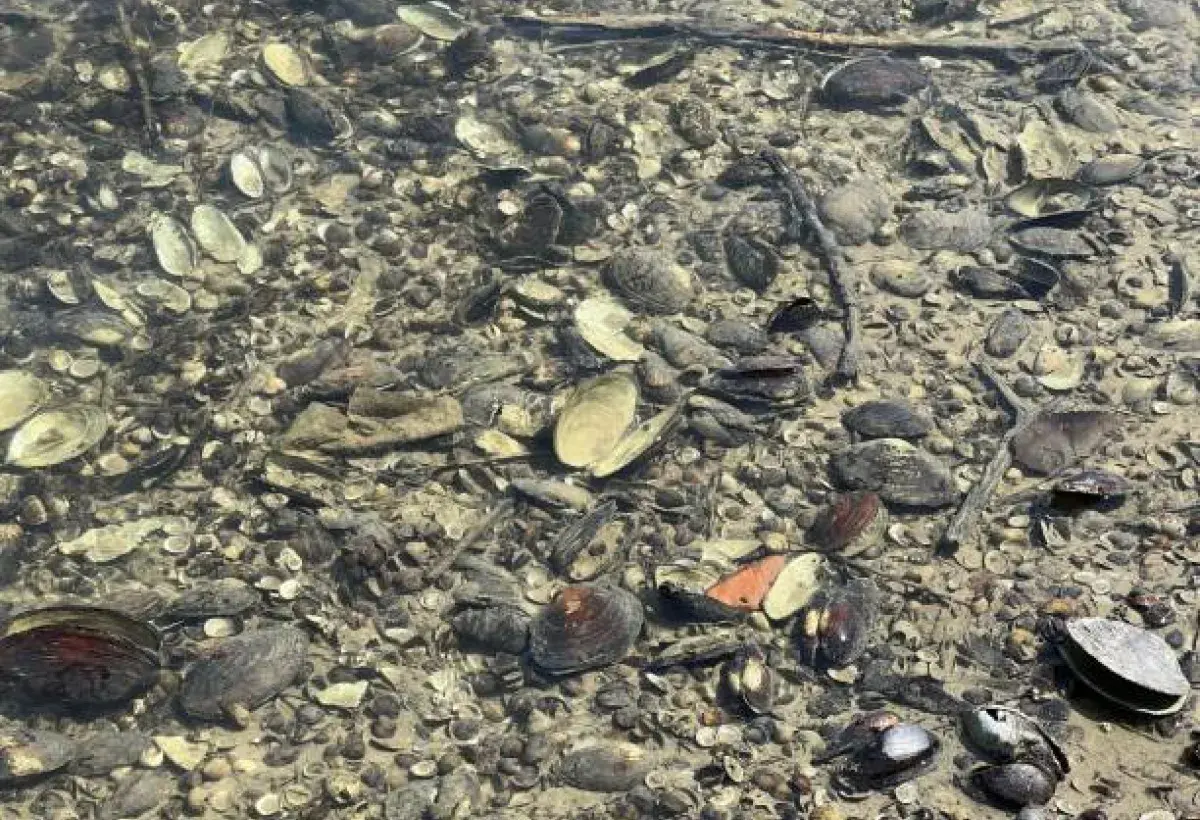
Each little neck clam is a living water filter. These creatures feed by drawing seawater through their siphons, trapping tiny particles of algae and plankton, and releasing clean water back into the environment. In doing so, a single clam can filter several gallons of water each day. This process helps maintain the balance of coastal ecosystems, improving water clarity and reducing harmful algal blooms.
Scientists often use clam populations as indicators of environmental health because cleaner waters usually support thriving shellfish beds. Their filtering action not only benefits marine plants and fish but also helps coastal communities that depend on clean water for tourism and fishing. Little neck clams play a silent yet vital role in keeping coastal ecosystems vibrant and sustainable.
Image
4. They Dig Down to Stay Safe
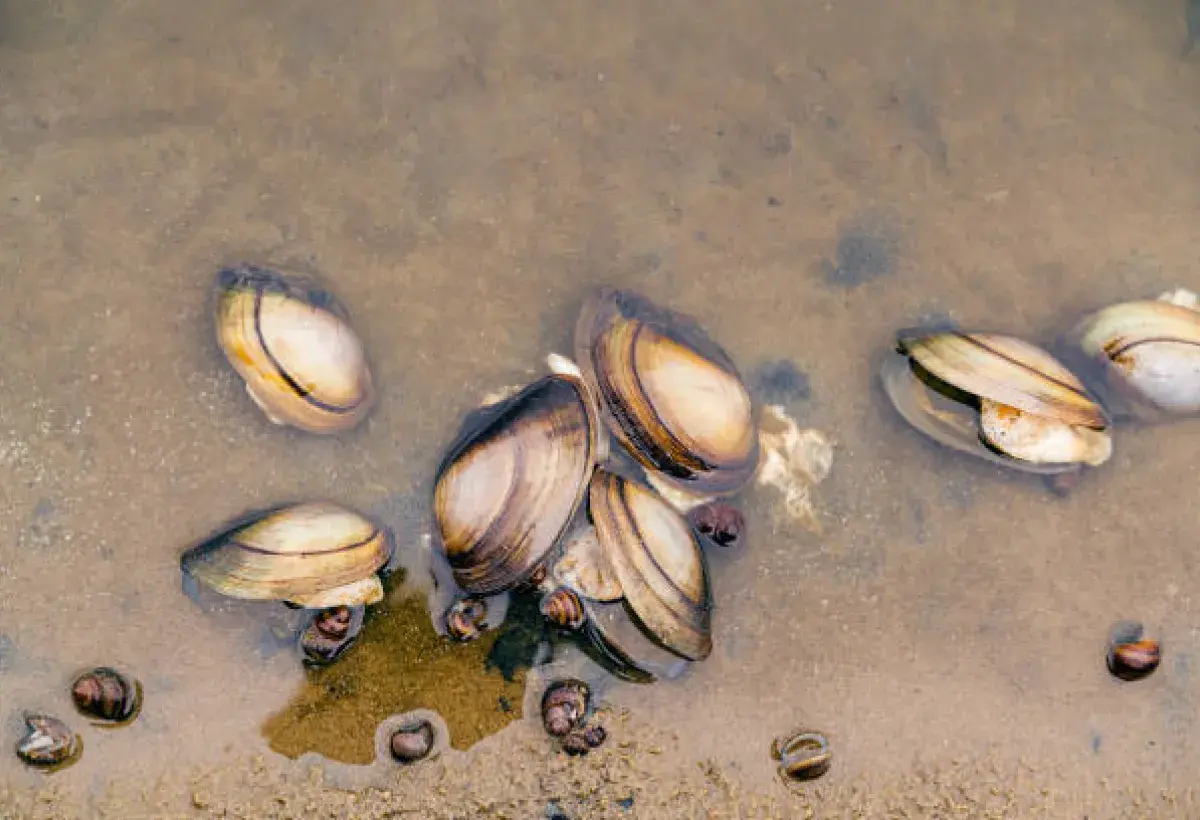
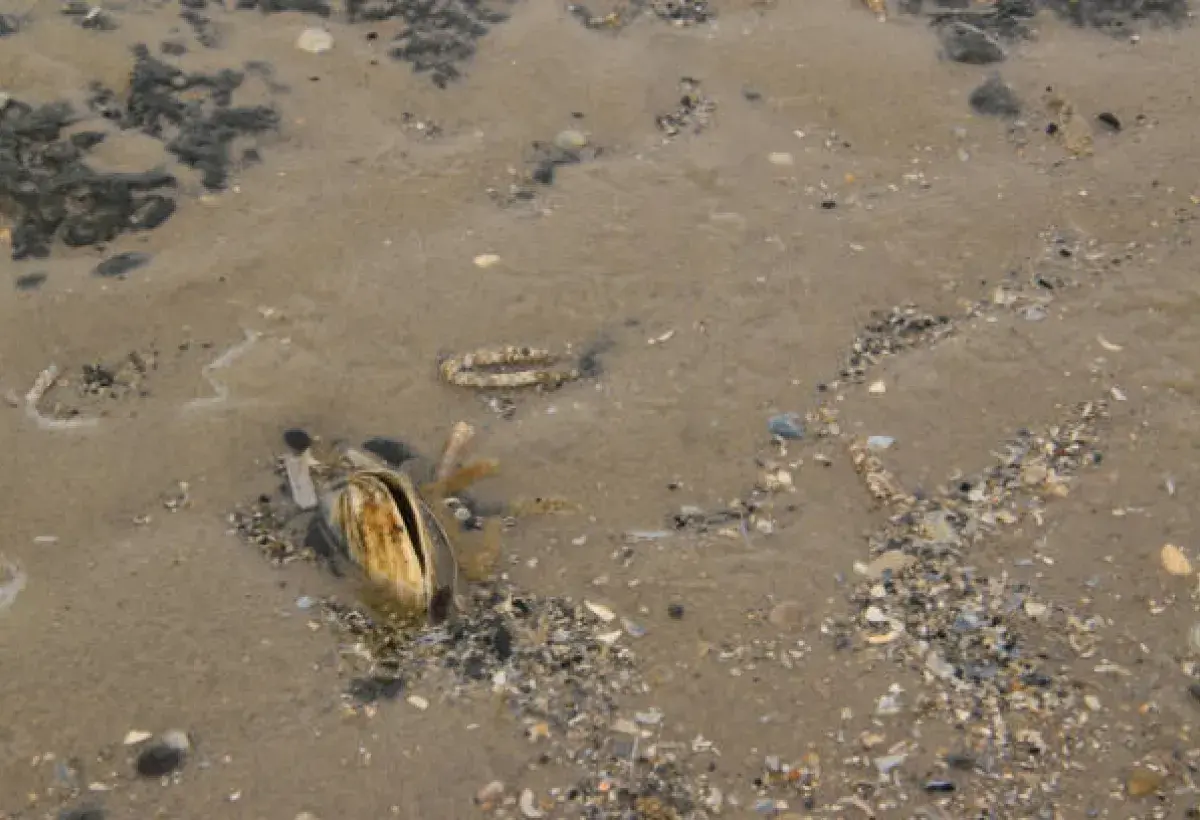
When danger approaches, little neck clams rely on their strong muscular “foot” to dig deep beneath the sand or mud. This simple yet effective defense mechanism helps them avoid predators such as crabs, fish, and seabirds. Within minutes, a clam can bury itself several inches below the surface, leaving only its siphons exposed to continue feeding.
This behavior also protects them from harsh weather and changing tides. By burrowing into the sediment, they find stability and moisture, allowing them to survive even when the tide goes out. Their natural ability to hide beneath the ocean floor is an impressive adaptation that has allowed them to thrive for millions of years.
Image
5. They Can Live a Long Time
While most little neck clams are harvested when they are small and tender, their wild counterparts can live much longer. Some have been known to reach ages of thirty or even forty years in the right conditions. Their slow growth and long lifespan make them fascinating examples of marine endurance.
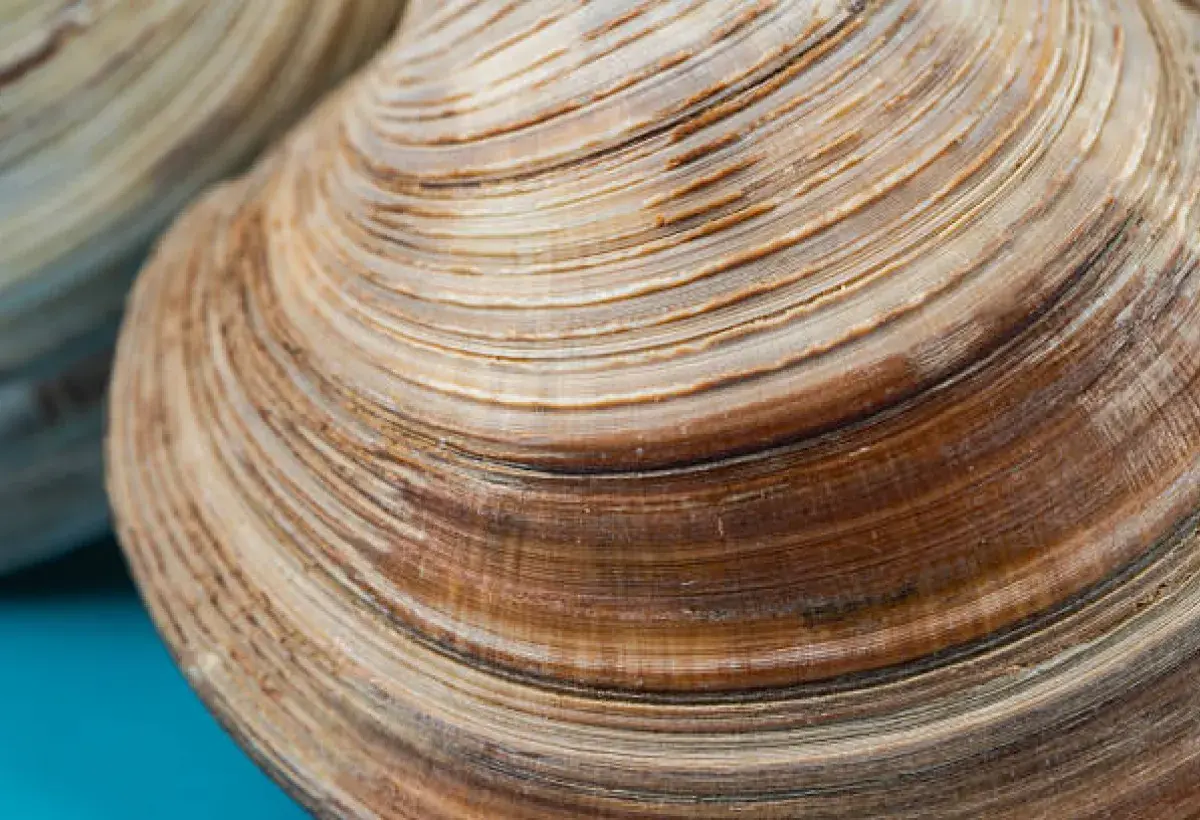
The age of a clam can be determined by counting the rings on its shell, much like counting the rings of a tree. Each ring represents a year of growth. Older clams often develop thicker shells and more complex markings, revealing stories of changing tides and seasons. The longevity of little neck clams adds depth to their already remarkable ecological role.
Image
6. Sensitive to Water Quality
Because clams filter water, they are directly affected by pollution and toxins in their environment. If the surrounding water becomes contaminated, they can absorb harmful substances, making them unsafe for human consumption. This sensitivity makes them reliable indicators of environmental health.
Coastal managers regularly test clam habitats to ensure water quality meets safety standards. Healthy clams thrive only in clean, oxygen-rich waters, which is why sustainable harvesting practices and pollution control are essential. Protecting these environments not only ensures delicious seafood but also preserves the natural balance of coastal ecosystems.
Image

7. Popular Raw or Lightly Steamed
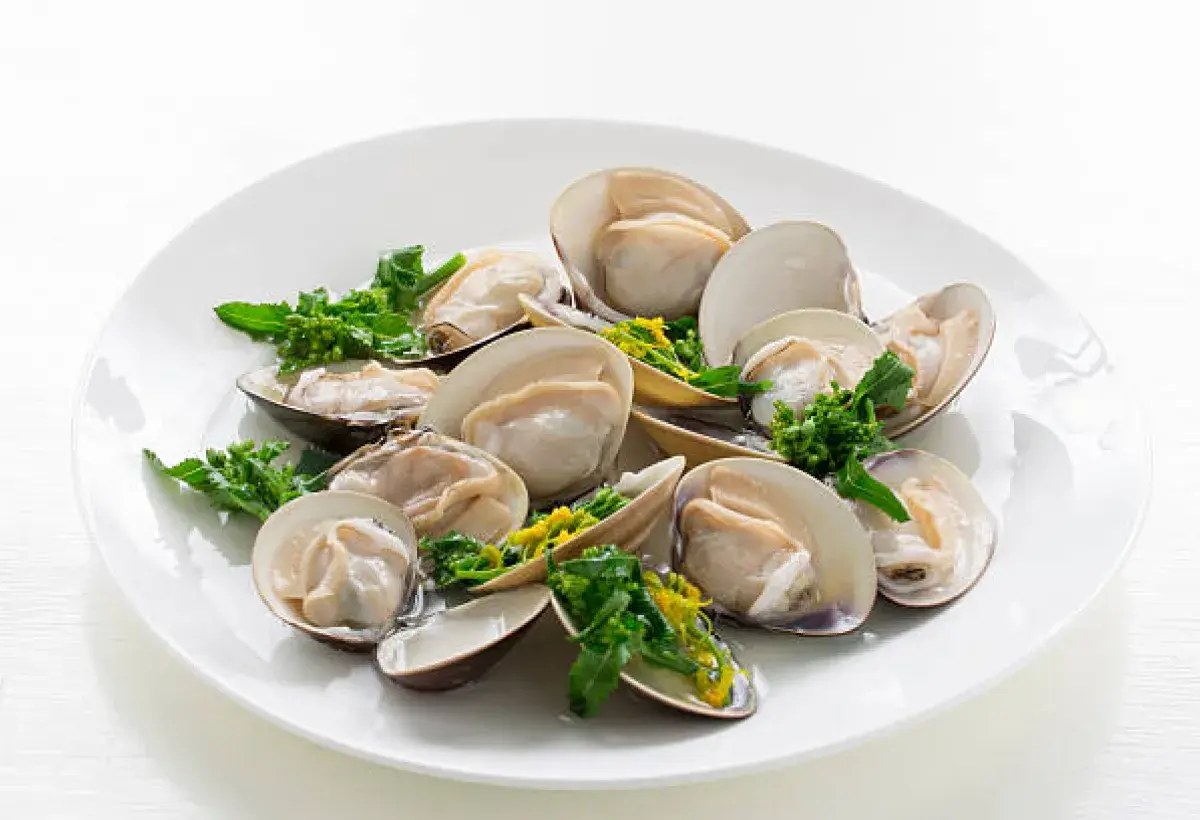
Little neck clams are celebrated for their sweet, briny flavor and tender meat. They are versatile and can be served in many ways, from raw on the half shell to steamed with garlic and white wine. Their delicate texture makes them ideal for light dishes where the natural ocean flavor shines through.
Seafood lovers often enjoy them at raw bars or paired with lemon juice, cocktail sauce, or mignonette. Their versatility extends to pastas, soups, and grilled preparations. Regardless of how they are cooked, little neck clams remain a star ingredient in coastal cuisine for their purity of taste and connection to the sea.
Image
8. Unique Anatomy
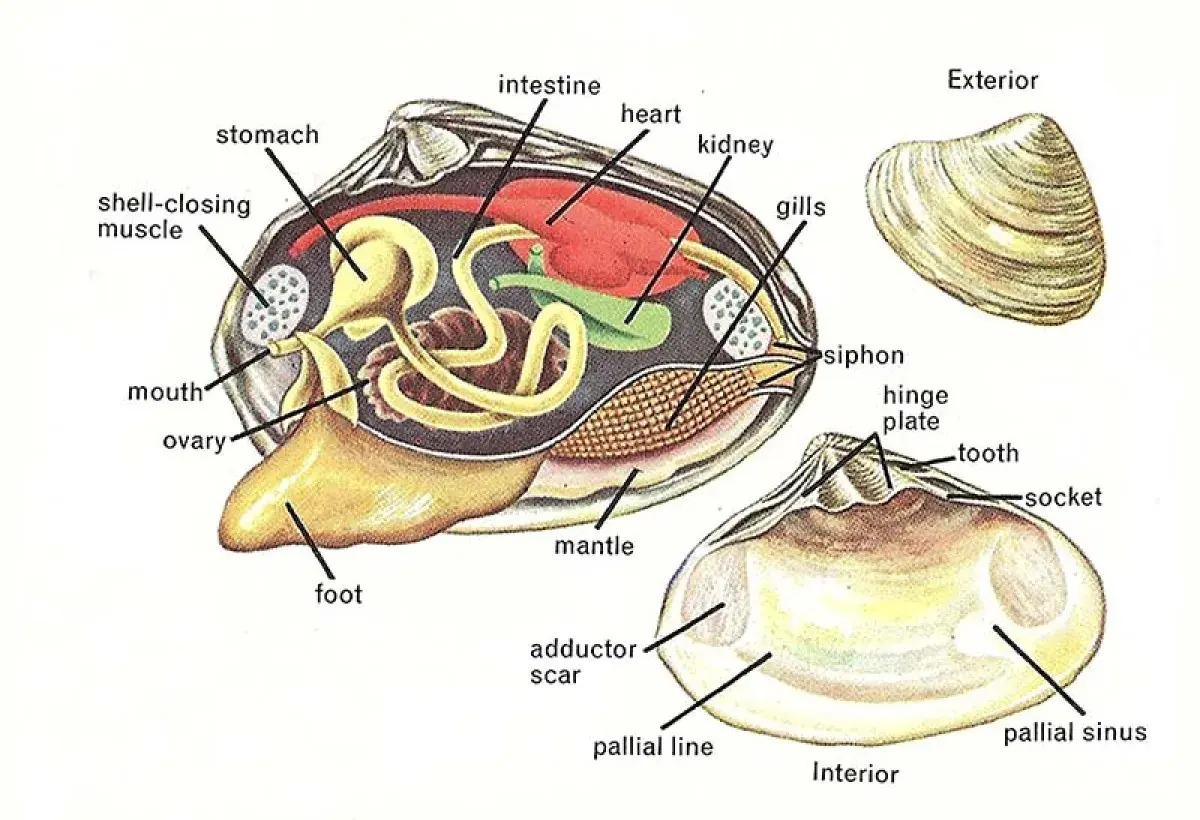
A closer look at a clam reveals its incredible design. Each clam has a sturdy shell for protection, a strong foot for digging, and siphons for drawing in water. Inside, specialized organs separate food from sand and send it to the stomach for digestion. Their adductor muscles are responsible for snapping the shell tightly shut, protecting the clam from threats.
Despite their simple appearance, little neck clams are marvels of biological engineering. Their anatomy allows them to survive in ever-changing marine environments, adapting to tides, temperature, and salinity. Every part of their body serves a vital purpose in maintaining their life cycle and ecological role.
Image
9. Part of the “Quahog” Family
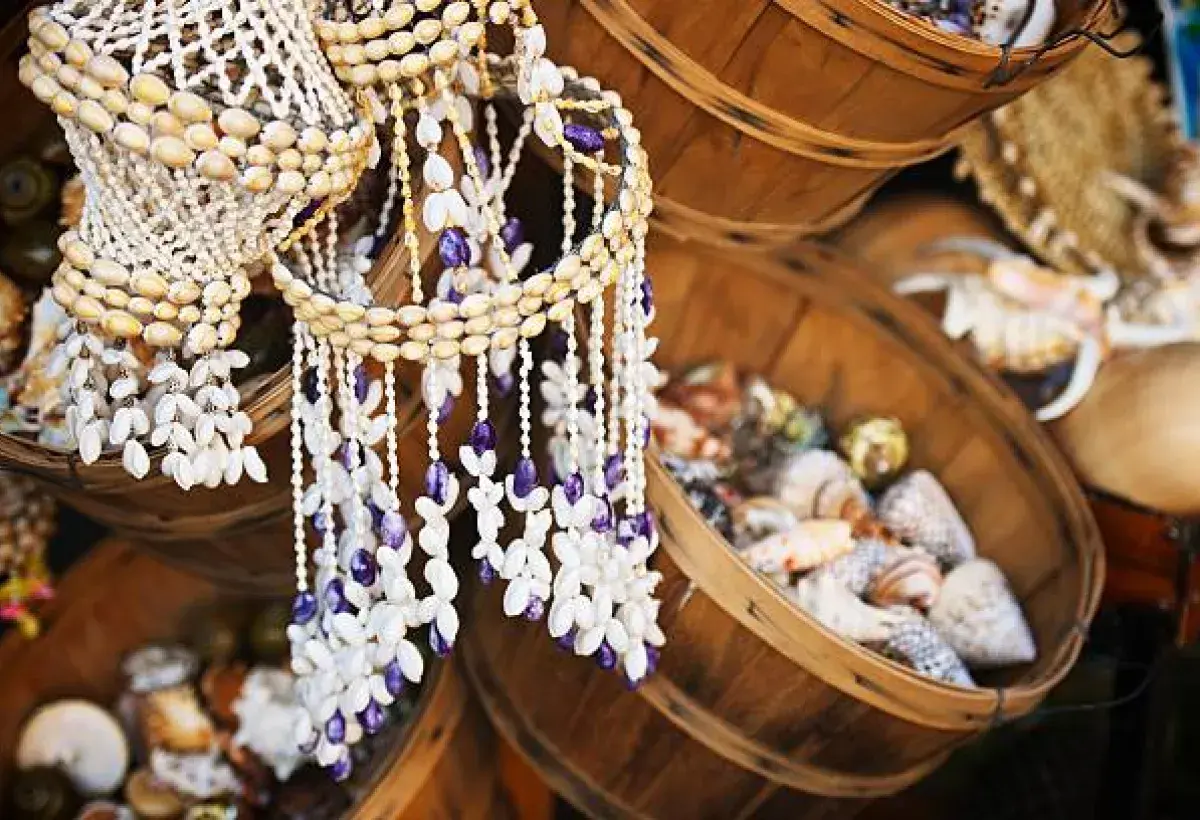
Little neck clams belong to the Mercenaria mercenaria species, commonly known as hard clams or quahogs. This family has deep roots in New England history and cuisine. Native American tribes once used quahog shells to make wampum beads, which held both cultural and monetary value.
The hard clam family is prized for its versatility and rich flavor. Whether small little necks or large chowder clams, each size offers a unique texture and taste profile. This connection between history, culture, and cuisine highlights how something as simple as a clam can hold profound meaning across generations.
Image
10. Harvested the Old-Fashioned Way
Despite modern technology, many little neck clams are still harvested by hand using rakes and tongs. This traditional method ensures minimal damage to the fragile coastal habitat. Responsible harvesting supports sustainability and allows future generations to enjoy these precious resources.
Clam diggers often work during low tide, feeling for clams buried beneath the sand. The practice requires skill, patience, and respect for the ocean’s rhythm. This connection to nature is what makes eating fresh little neck clams a truly special experience. Each bite carries the flavor of the sea and the history of generations who have relied on it.
Image

Little neck clams are remarkable not only for their taste but also for their ecological and cultural importance. They filter the water, nurture marine ecosystems, and connect people to centuries of coastal tradition. Their quiet existence beneath the sand hides a world of fascinating behavior, resilience, and biological perfection.
Learning about little neck clams deepens appreciation for the food on our plates and the natural systems that sustain it. These small mollusks embody the harmony between environment and cuisine, showing how nature and human culture intertwine beautifully.
Next time you enjoy a plate of steamed clams or a raw bar sampler, take a moment to remember the journey of these extraordinary creatures. Their story is a reminder that even the smallest lives beneath the waves can teach us about sustainability, history, and the simple joys of the ocean.
Image