

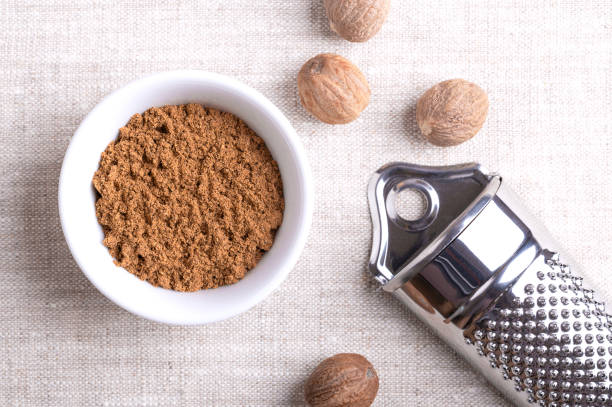
Nutmeg is one of those spices that carries more history, culture, and intrigue than most people realize. Its warm, aromatic scent evokes memories of baking, festive desserts, and exotic culinary adventures. While many of us are familiar with nutmeg as a kitchen staple, the story behind this humble seed stretches across continents and centuries. From its origins on tropical islands to its influence on global trade and medicine, nutmeg has shaped human history in unexpected ways. This tiny seed has inspired legends, fueled conflicts, and even transformed economies. Understanding its background not only adds flavor to your recipes but also deepens appreciation for the natural and cultural world that nurtures it.
Nutmeg’s appeal is not limited to its flavor. It has been valued for its medicinal properties, its psychoactive compounds, and its versatility in both sweet and savory dishes. This spice has traveled from the Spice Islands to European markets, colonial plantations, and modern kitchens around the globe. Today, it continues to captivate chefs, historians, and spice enthusiasts alike. Learning about nutmeg means uncovering a story of botany, commerce, and culinary ingenuity that spans thousands of years.
Whether you are a food lover, a curious historian, or someone looking to enhance your cooking skills, these insights will enrich your understanding and appreciation of nutmeg. You may find yourself reaching for a freshly grated seed next time you prepare a meal, knowing that behind its warm aroma lies a legacy of adventure, discovery, and human creativity.
Image
1. Nutmeg Comes from a Tropical Evergreen
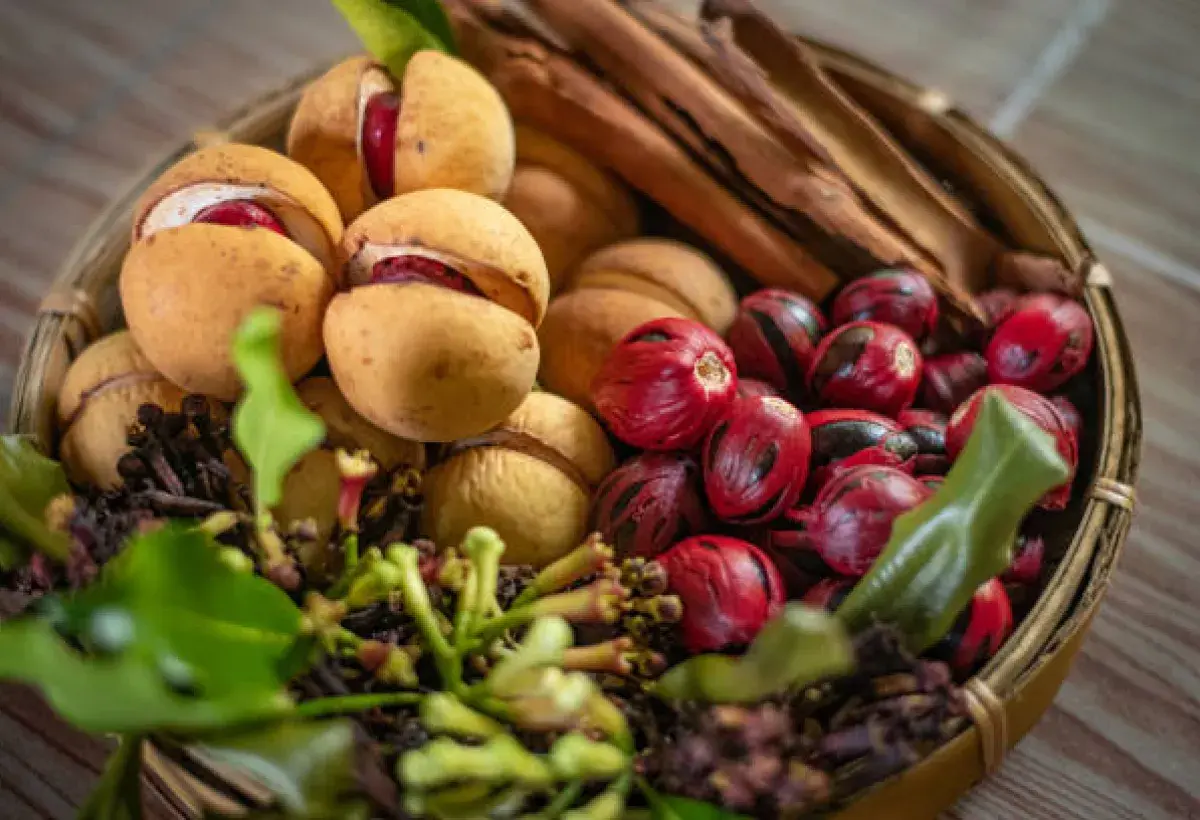
Nutmeg is not simply a spice. It originates from the Myristica fragrans tree, a tropical evergreen that thrives in hot, humid climates. Native to the Spice Islands of Indonesia, this tree produces both nutmeg and mace, two different spices from the same fruit. Nutmeg comes from the seed while mace is harvested from the thin, lacy covering that surrounds the seed. This dual-spice feature makes the tree especially valuable in culinary and commercial contexts.
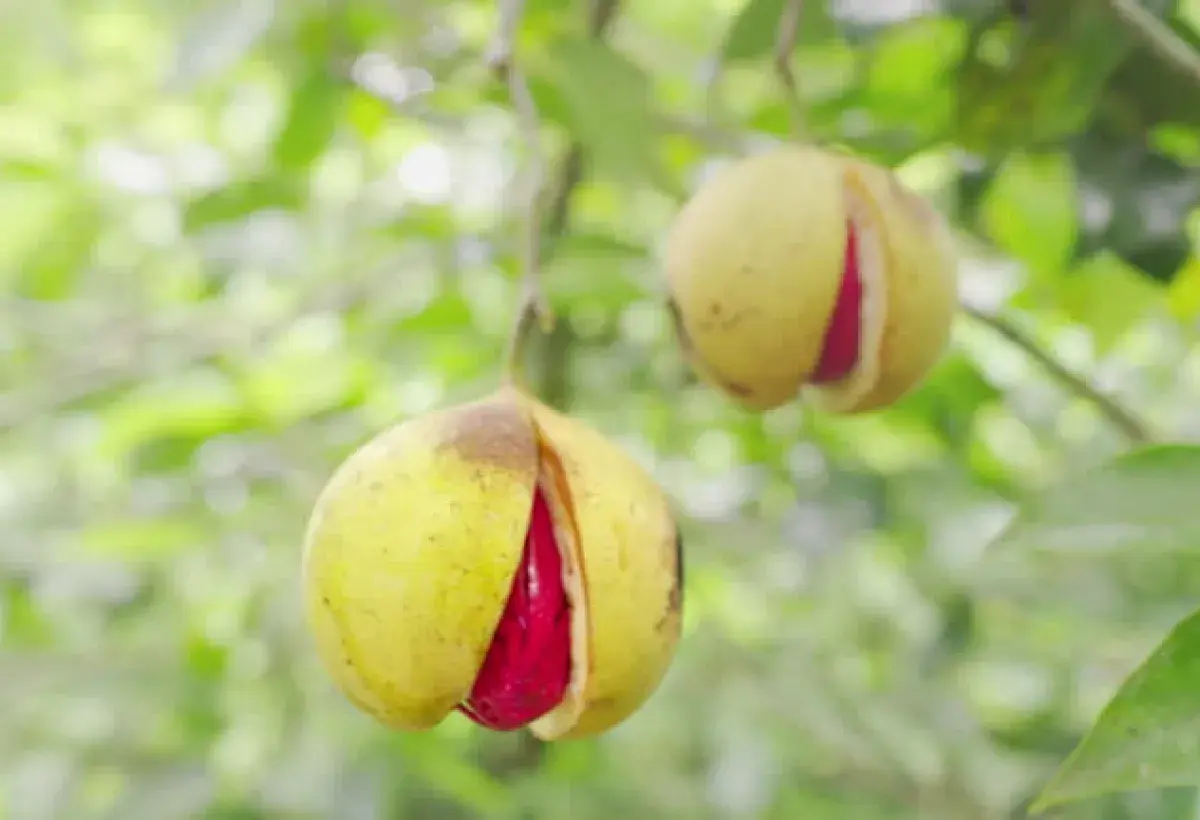
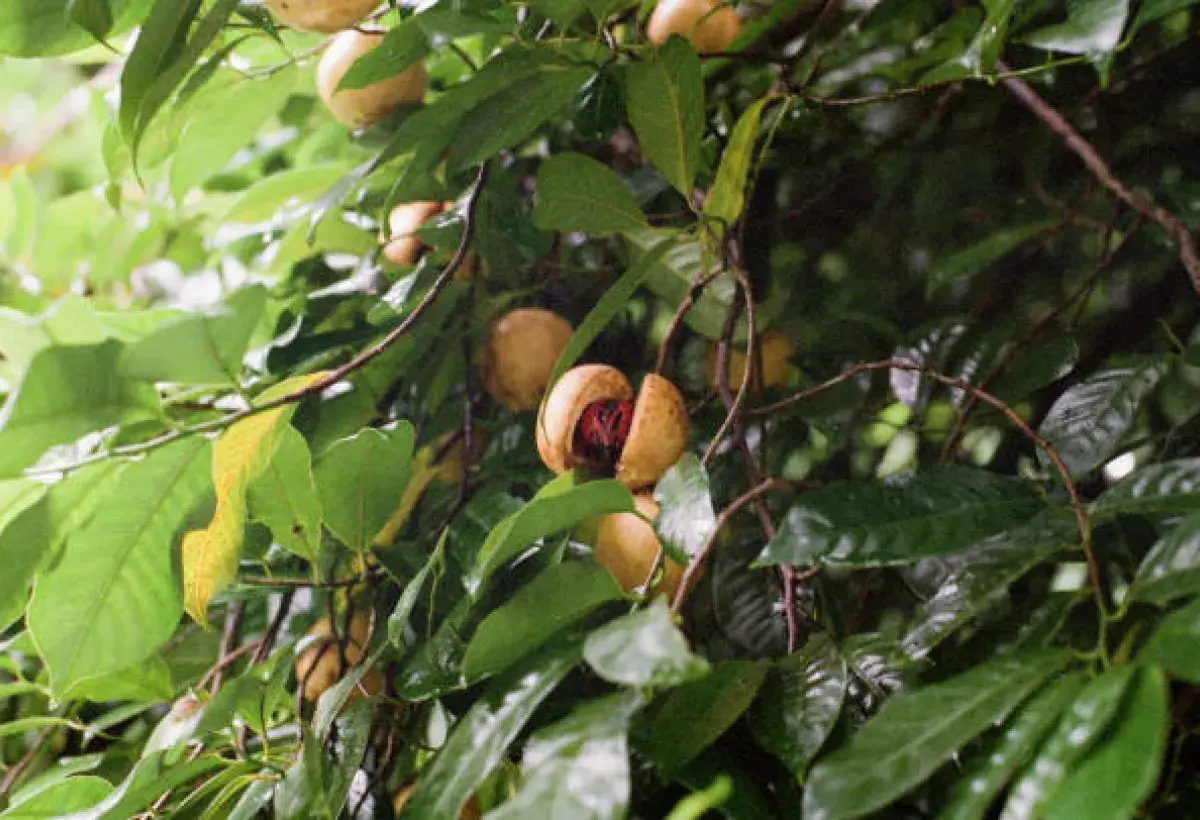
The Myristica fragrans tree can grow up to sixty feet tall and produces hundreds of fruits annually once mature. The fruits resemble small apricots that split open when ripe, revealing the seed and its vibrant red aril. Nutmeg’s warm, sweet, and slightly nutty flavor is directly linked to its tropical origins. The soil, humidity, and temperature of the region contribute to the intensity of its aroma and taste. Historically, the Spice Islands were considered a precious source of wealth because of nutmeg and other exotic spices that could only be cultivated there.
Farmers and botanists continue to value this tree for its remarkable yield and the quality of the spices it produces. Nutmeg’s journey from seed to kitchen involves careful harvesting, drying, and processing to preserve its potent aroma. Understanding the botanical source of nutmeg allows us to appreciate the craftsmanship involved in cultivating this spice and the complex ecosystem that supports it. Each seed carries with it the essence of a tropical rainforest and centuries of cultivation expertise.
Image
2. Nutmeg Was Once Worth More Than Gold
During the sixteenth and seventeenth centuries, nutmeg was considered more valuable than gold in Europe. Its rarity and high demand fueled intense competition among colonial powers, including the Portuguese, Dutch, and British. Control over the Spice Islands meant dominance in the lucrative spice trade. Conflicts arose frequently, as nations sought to secure access to nutmeg production. In one extraordinary example, the Dutch traded Manhattan to the British in 1667 in exchange for a tiny Indonesian island that produced nutmeg.
The high value of nutmeg was not only financial. It represented social status and wealth. Wealthy European families displayed nutmeg as a luxury, often using it in elaborate dishes or carrying it in personal pouches as a symbol of prestige. Its scarcity meant that even a few seeds could command immense prices, prompting colonial powers to invest in military expeditions, plantations, and monopolies to control supply. The history of nutmeg is thus intertwined with stories of exploration, trade, and diplomacy, reflecting how a single spice can influence global politics.
Modern kitchens can now purchase nutmeg affordably, but understanding its history adds a layer of appreciation. Every pinch of nutmeg reminds us of a time when this aromatic seed held the power to influence empires, alter maps, and spark fierce rivalries. Its journey from exotic commodity to household spice illustrates the extraordinary impact that plants can have on human societies.
Image

3. Nutmeg Contains a Natural Compound That Can Be Toxic
Nutmeg is beloved for its flavor, but it contains a natural compound called myristicin that can be toxic in large quantities. Consuming more than a few teaspoons of nutmeg can lead to dizziness, nausea, hallucinations, and in severe cases, organ damage. While rare, instances of misuse highlight that this spice is both potent and powerful. Historically, some cultures experimented with nutmeg for its psychoactive properties, but modern science strongly cautions against such practices.
In culinary contexts, nutmeg is perfectly safe when used sparingly. A pinch or two can enhance dishes without any risk to health. The presence of myristicin demonstrates that spices are not just flavor enhancers but complex chemical agents that interact with the body in significant ways. Nutmeg’s chemical composition includes essential oils and compounds that contribute to its aroma, taste, and potential medicinal effects. This duality of benefit and risk underscores the importance of moderation.
Chefs and home cooks alike should respect nutmeg as both an ingredient and a potent natural substance. Its ability to transform a dish comes from these very compounds, which release aromatic oils when grated or cooked. Understanding nutmeg’s chemical properties enhances appreciation for the spice and highlights the delicate balance between culinary art and natural science.
Image
4. Mace and Nutmeg Are Siblings
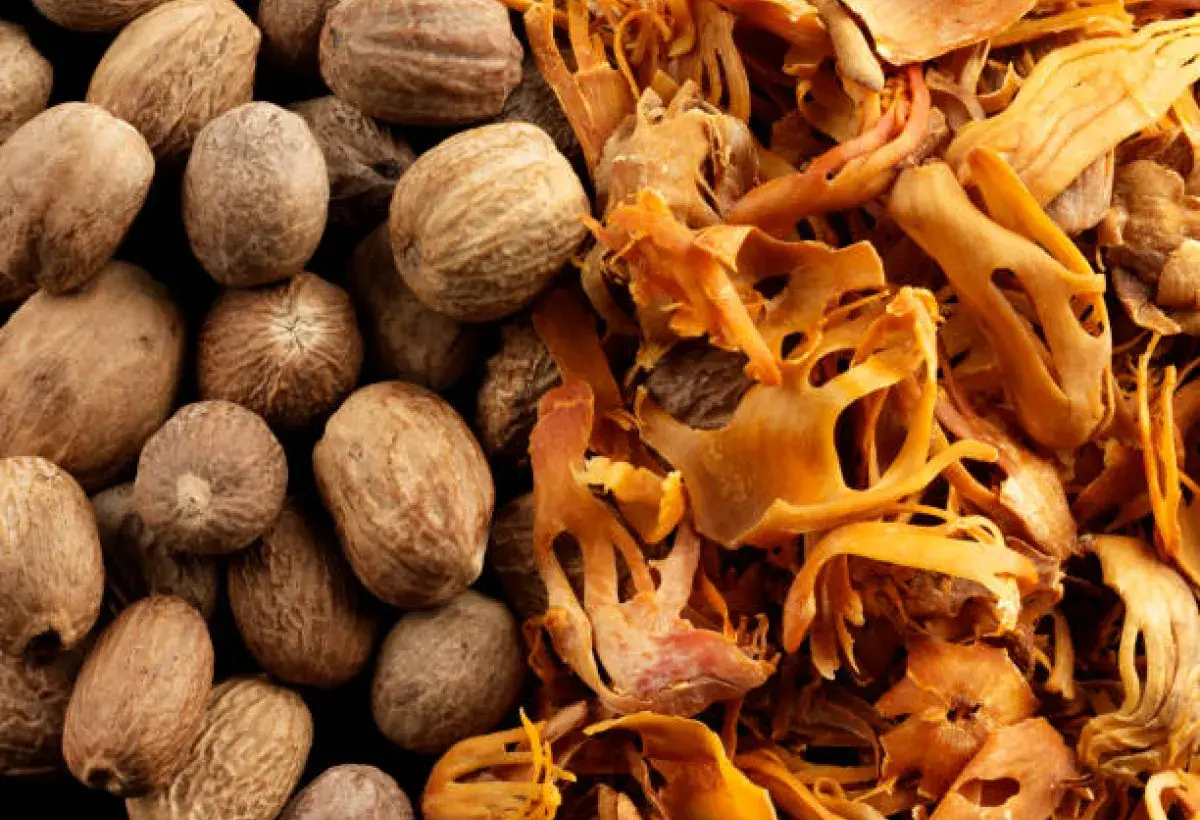
The fruit of the Myristica fragrans tree produces both nutmeg and mace, two distinct spices with unique flavors. When the fruit splits open, it reveals a seed covered in a bright red, lacy layer called the aril. Drying the aril creates mace, which has a lighter, slightly peppery flavor compared to nutmeg’s warm sweetness. Cooks often use mace in light-colored dishes because it does not alter the color of the food while still adding aromatic depth.
This sibling relationship highlights the ingenuity of nature and the versatility of a single fruit. Both spices are used in diverse cuisines, from European desserts to Middle Eastern spice blends, showcasing how small variations in plant parts can create dramatically different flavors. Nutmeg and mace together provide a broad palette for chefs to experiment with textures, aromas, and tastes. Their shared origin also made the Myristica fragrans tree particularly valuable historically, as it offered two commercially important spices from one source.
Understanding the relationship between nutmeg and mace deepens culinary knowledge. Each spice brings complementary notes to dishes, whether sweet or savory, and can be used in tandem or individually. This duality of flavor enhances the creative possibilities in cooking and reminds us of the fascinating complexity that can exist within a single plant.
Image
5. Nutmeg Has Ancient Medicinal Uses
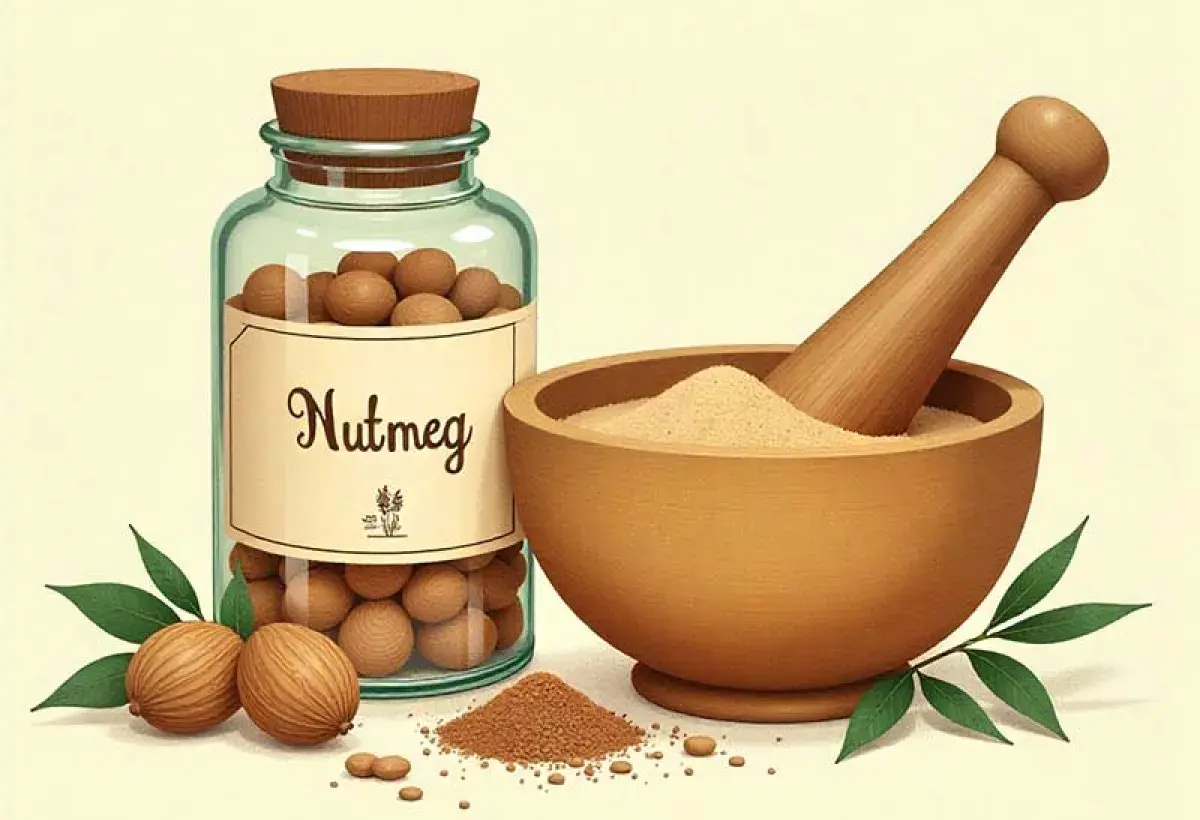
Nutmeg has been valued not only for its taste but also for its medicinal properties. In traditional Asian and Middle Eastern medicine, it was used to improve digestion, alleviate pain, and support cognitive function. Ayurvedic practitioners consider nutmeg a warming spice that can balance the body’s energies and promote overall wellness. Remedies included using nutmeg to combat insomnia, freshen breath, and treat minor ailments, reflecting the spice’s multifunctional role in health practices.
Modern research confirms that nutmeg contains compounds with antioxidant and anti-inflammatory properties. These substances can support digestive health and help reduce oxidative stress in the body. Despite these benefits, moderation remains essential due to nutmeg’s potent chemical composition. Culinary use of the spice naturally aligns with traditional medicinal practices, allowing people to enjoy its aroma and flavor while potentially gaining mild health benefits.
Nutmeg’s long-standing role in both cooking and healing demonstrates its cultural importance. The knowledge of its therapeutic effects has been passed down for centuries, influencing not only kitchens but also the practices of herbalists and healers. Recognizing nutmeg as both a spice and a medicinal ingredient offers a deeper appreciation for its contributions to human culture and health.
Image
6. The Dutch Guarded Nutmeg Trees with Extreme Secrecy
In the seventeenth century, the Dutch established a tight monopoly on nutmeg cultivation. Nutmeg trees were planted only on select islands in Indonesia, and strict measures were taken to prevent the spread of seeds. Foreigners were forbidden from entering the plantations, and stealing nutmeg could be punished by death. To further secure their control, the Dutch sometimes coated seeds in lime to prevent germination if smuggled.
Despite these efforts, the cultivation eventually spread to other regions, breaking the monopoly and making nutmeg more accessible worldwide. The Dutch strategy illustrates the lengths nations would go to dominate trade and protect valuable resources. Nutmeg was not simply a culinary commodity but a geopolitical asset that could influence wealth, alliances, and power structures.
Today, the Dutch legacy lives on in historical accounts and the global presence of nutmeg. Understanding this history enriches the story of the spice, reminding us that human ambition and innovation have shaped how and where plants are grown. Nutmeg’s journey from secret plantations to kitchens across the world reflects both the persistence of nature and the impact of human enterprise.
Image

7. Grenada is Known as the “Island of Spice”
Grenada, a Caribbean nation, is one of the largest nutmeg producers in the world and is proudly called the Island of Spice. Nutmeg was introduced to Grenada in the nineteenth century, where the tropical climate provided ideal growing conditions. The spice became a central part of the island’s economy, cuisine, and cultural identity. Visitors can explore nutmeg plantations, sample nutmeg syrup, and purchase a variety of nutmeg products, experiencing firsthand the island’s deep connection to this spice.
The economic and cultural significance of nutmeg in Grenada is reflected in its national flag, which features a nutmeg symbol at the center. The cultivation process is labor-intensive and requires careful care to maintain quality and flavor. Grenadian farmers have developed expertise over generations, ensuring that the island remains a global leader in nutmeg production.
This association between a nation and a spice highlights the profound impact that a single plant can have on society. Grenada’s identity is intertwined with nutmeg, and the spice continues to play a vital role in tourism, local cuisine, and international trade. The story of Grenada underscores the power of agriculture to shape culture, economy, and national pride.
Image
8. Nutmeg Can Enhance Both Sweet and Savory Dishes
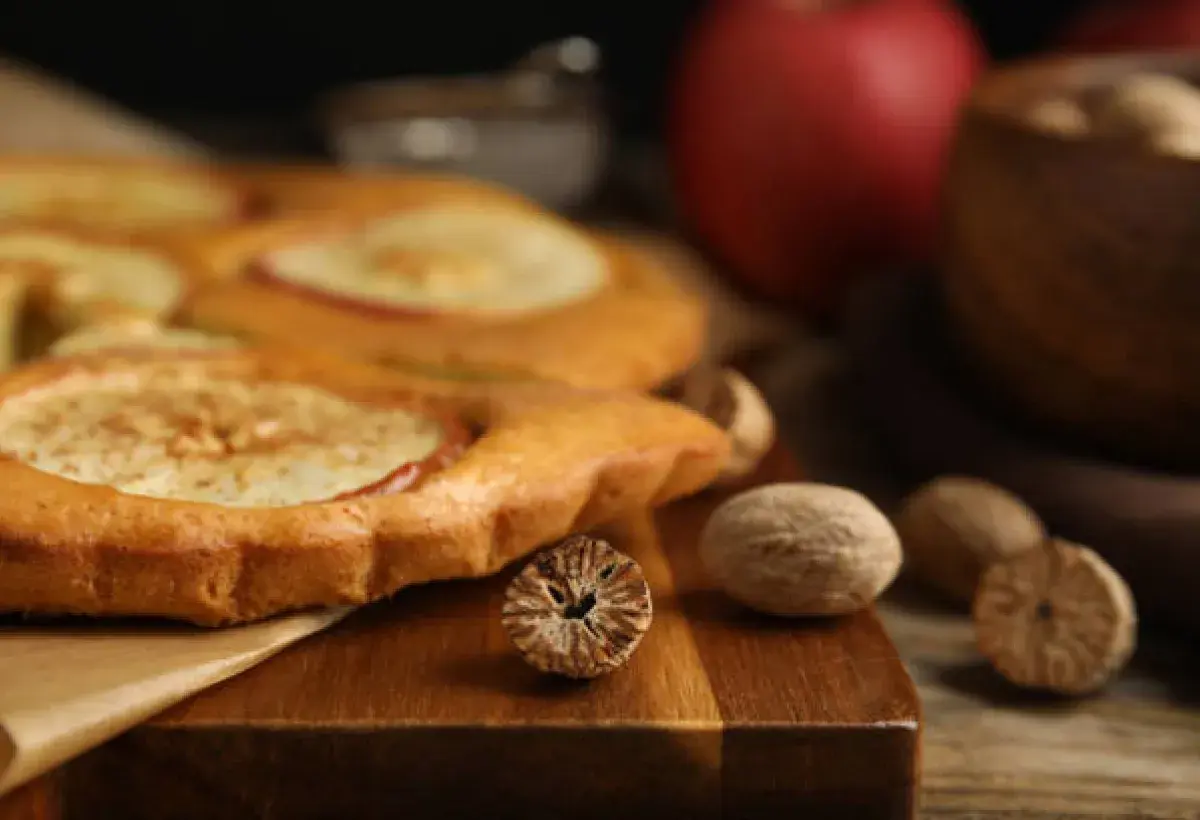
Nutmeg is remarkably versatile in the kitchen. It is widely recognized for its role in desserts such as pies, custards, and cookies, where it adds warmth and complexity. However, nutmeg also elevates savory dishes. A pinch can enhance creamy sauces, mashed vegetables, roasted meats, and even pasta fillings. Italian and Middle Eastern cuisines both utilize nutmeg to deepen flavors in meat and vegetable dishes, demonstrating its adaptability.
The key to nutmeg’s versatility lies in its balanced flavor profile. Its warm, slightly sweet aroma complements other spices without overpowering them. Chefs often use it in combination with cinnamon, cloves, and allspice for desserts, while pairing it with cumin, coriander, or black pepper in savory recipes. The subtlety of nutmeg allows it to blend seamlessly, enhancing taste while leaving the primary ingredients prominent.
Experimenting with nutmeg in everyday cooking can transform ordinary dishes into something memorable. Its dual application in sweet and savory recipes is a testament to its culinary importance. By understanding how and when to use nutmeg, cooks can fully appreciate the spice’s potential to enrich flavors and bring cohesion to complex dishes.
Image
9. Nutmeg Was Once Believed to Ward Off Plague
In Europe during plague outbreaks, nutmeg was thought to protect against disease. People carried it in pomanders or wore it around their necks, believing the spice could purify the air and ward off illness. Wealthy families often displayed nutmeg in their homes, both as a symbol of affluence and as a supposed health safeguard. These beliefs highlight how spices were intertwined with social, medicinal, and cultural practices.
While modern medicine shows that nutmeg cannot prevent disease, this historical perspective demonstrates its perceived value and importance. Nutmeg was more than a culinary item; it was considered a talisman, reflecting the human desire to find protection and control in uncertain times. The role of nutmeg during plague periods also illustrates how societies attach symbolic meaning to natural resources, imbuing them with both practical and spiritual significance.
Today, the notion of nutmeg as a protective charm may seem quaint, but it underscores the spice’s historical prestige and how deeply it was woven into daily life. Understanding these beliefs adds context to the rich story behind the nutmeg seed.
Image

10. Freshly Grated Nutmeg Tastes Very Different from Pre-Ground
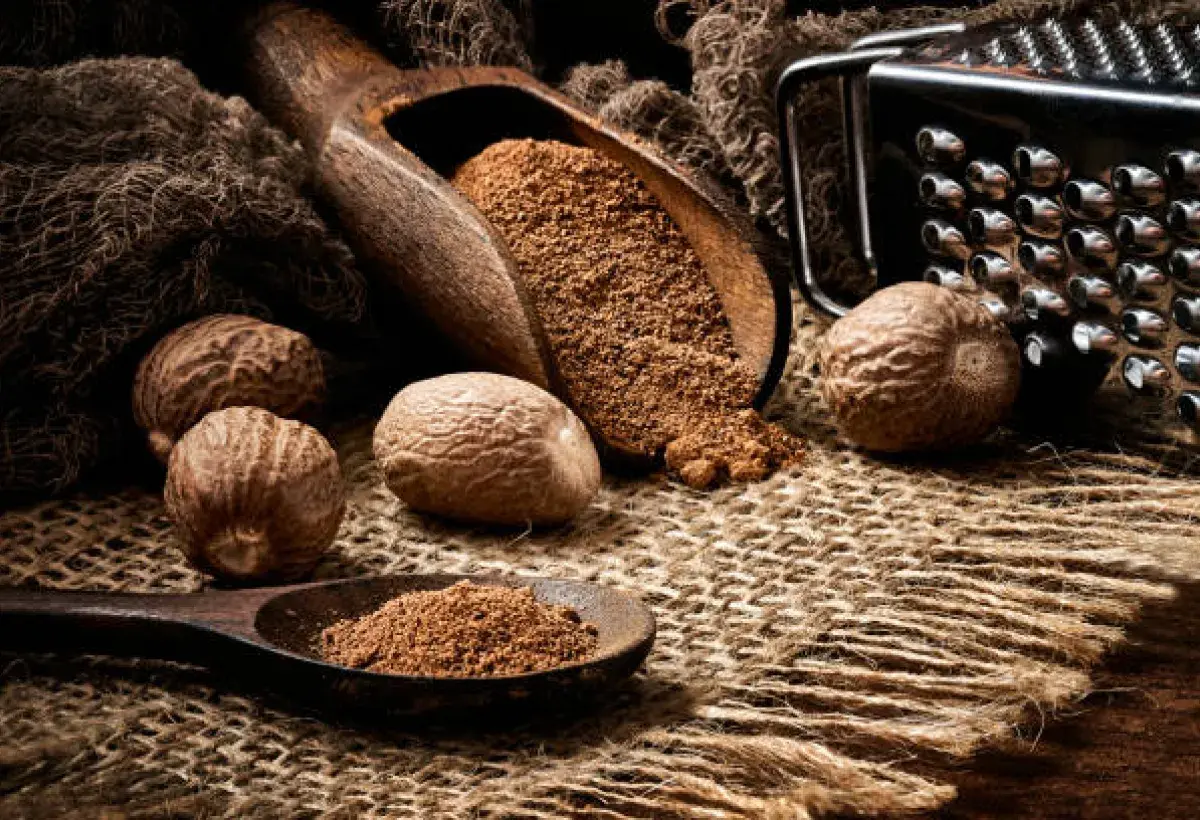
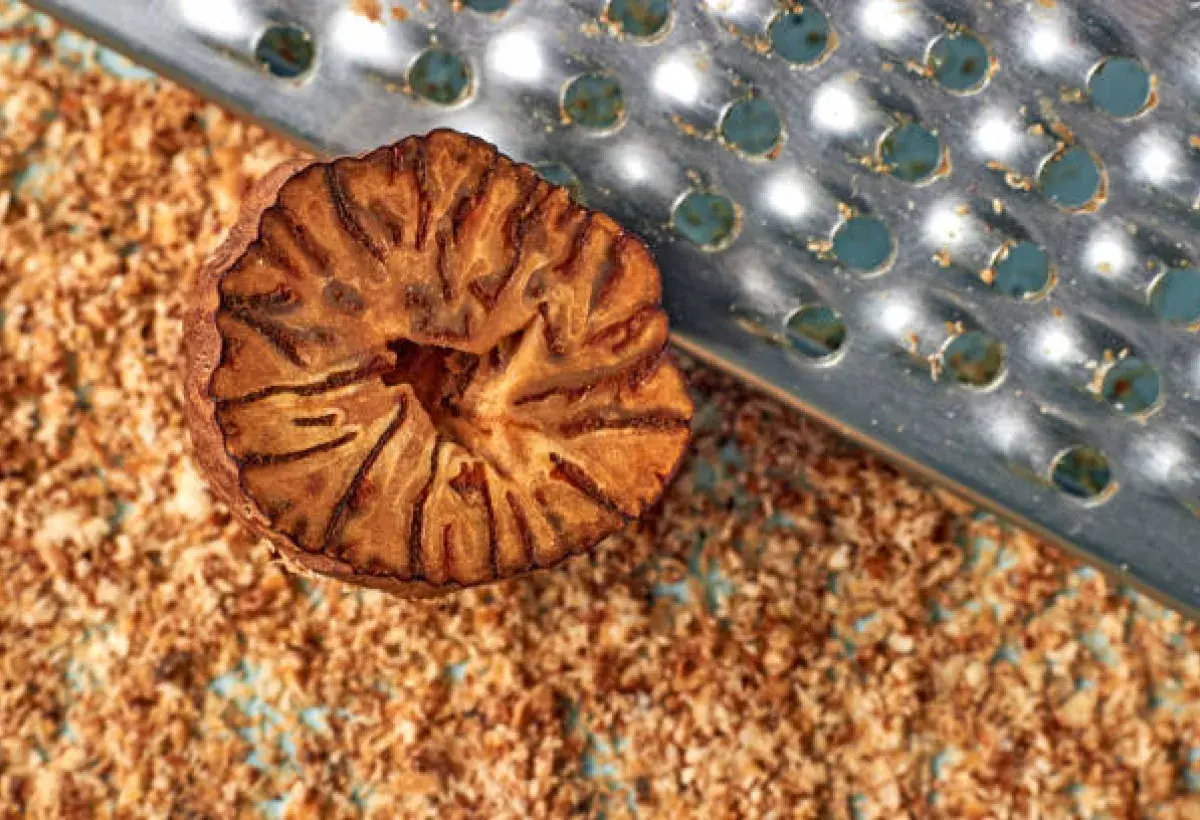
Freshly grated nutmeg offers a flavor and aroma that far surpass store-bought pre-ground varieties. Whole nutmeg seeds can be stored for years without losing potency, but once ground, essential oils begin to dissipate quickly. Grating fresh nutmeg releases these oils, producing a more vibrant, warm, and nutty flavor. Professional chefs and bakers often keep small nutmeg graters handy to ensure dishes achieve maximum aroma and taste.
The difference in flavor is striking. Desserts become more aromatic, sauces richer, and even beverages more flavorful with freshly grated nutmeg. The practice of grating nutmeg fresh preserves its natural oils and maintains the integrity of the spice. For anyone who has only used pre-ground nutmeg, switching to freshly grated seeds can dramatically elevate the quality of home cooking.
Understanding the sensory difference between fresh and pre-ground nutmeg reinforces the importance of ingredient quality. It also highlights a broader lesson in cooking: small changes in preparation and sourcing can create a profound impact on the final result. Nutmeg, when used thoughtfully, transforms ordinary recipes into memorable experiences.
Image
Nutmeg is far more than a common kitchen spice. Its story encompasses tropical botany, historical trade, medicinal practices, culinary innovation, and cultural significance. From its origin as a seed on a tropical evergreen to its global role in kitchens and economies, nutmeg has inspired fascination across centuries. Its dual identity as both nutmeg and mace highlights the complexity and versatility of nature’s creations.
Understanding nutmeg’s rich history enhances appreciation for its presence in everyday cooking. It is a reminder that ingredients carry stories, cultures, and chemical properties that shape how they interact with food, health, and society. Modern chefs and home cooks continue to benefit from nutmeg’s aromatic qualities, using it to elevate flavors in both sweet and savory dishes. Its medicinal benefits, historical significance, and culinary versatility make nutmeg a truly remarkable spice.
Next time you grate a seed over a dish, you are connecting with centuries of history, culture, and craftsmanship. Nutmeg is a spice that engages the senses, informs the mind, and enriches meals. Its enduring appeal ensures that this small, aromatic seed will continue to inspire wonder, creativity, and flavor for generations to come.
Image