

Apples have been a part of human life for thousands of years, appearing in mythology, medicine, art, and everyday meals across the globe. They are one of the most recognizable fruits in the world, yet most people never stop to think about how fascinating they really are. What seems like a simple snack holds centuries of history, layers of science, and an impressive list of nutritional benefits. Whether someone enjoys apples for their crisp bite, refreshing sweetness, or bright tartness, the fruit remains a favorite for both health enthusiasts and everyday snack lovers.
There is something timeless about apples. They have traveled with explorers across oceans, served as symbols in ancient stories, and played roles in scientific discoveries. Even today apples continue to be one of the most widely consumed fruits in North America. Many families keep them on kitchen counters, tuck them into school lunches, or chop them into salads without realizing just how complex the world of apples really is. Each apple holds a small world of flavor, natural engineering, and surprising quirks that reveal how nature creates wonders in the most familiar places.
While apples are often associated with simple comfort and tradition, the truth is that this fruit has a global story filled with journeys, innovations, and unexpected adventures. Farmers, scientists, explorers, and astronauts have all played a part in shaping the apple’s place in human culture. From orchards that stretch across continents to experiments conducted in outer space, apples have become a symbol of nourishment, discovery, and resilience.
1. There are over 7,500 apple varieties grown around the world
Image

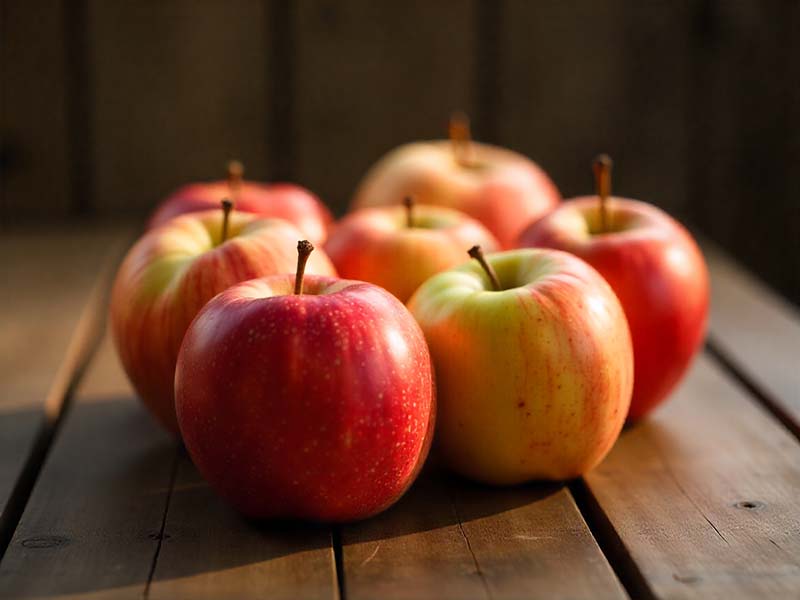
There are over seven thousand five hundred apple varieties grown across the planet and this number continues to evolve with new hybrids and improved cultivars. The diversity of apples is one of the most impressive features of this fruit. Each variety has its own unique balance of sweetness, acidity, crispness, aroma, and color. Some grow best in colder climates while others thrive in warm regions. Some apples are perfect for eating raw while others are best for baking, juicing, or preserving.
In the United States alone more than two thousand five hundred varieties exist and many of them are grown specifically for different culinary purposes. A Honeycrisp apple offers an explosive crunch that makes it ideal for fresh eating. A Granny Smith offers sharp tartness that stands out in pies and salads. A Fuji delivers sweetness that feels almost floral. A McIntosh melts into soft texture when heated which makes it a favorite choice for applesauce. Many people only know a handful of common apples found in grocery stores, but farmers and apple enthusiasts often cultivate lesser known varieties that have been passed down for generations.
Historically, apples spread across continents through explorers and settlers who carried seeds during their travels. These seeds grew into entirely new varieties because apple seeds do not produce trees identical to the parent apple. Instead they create unique apples with unpredictable traits. This natural genetic diversity has allowed apples to survive in challenging environments and develop into countless flavors and styles. Apple breeders later used this diversity to create varieties with stronger disease resistance, longer storage life, and better taste.
Today apple orchards around the world celebrate this diversity by offering seasonal tastings, pick your own experiences, and educational tours that teach visitors how different varieties came to exist. Farmers often work closely with researchers to protect heirloom apples that might otherwise disappear. This preservation effort ensures that future generations can experience the full range of apple flavors that nature and human ingenuity have created.
From deep red apples to golden varieties and even naturally green or almost black apples, the sheer number of types proves that apples are one of the most versatile fruits ever grown. Every variety offers a new experience and a new appreciation for how complex and rich the world of apples truly is.
2. Apples are 25 percent air and that is why they float
Image
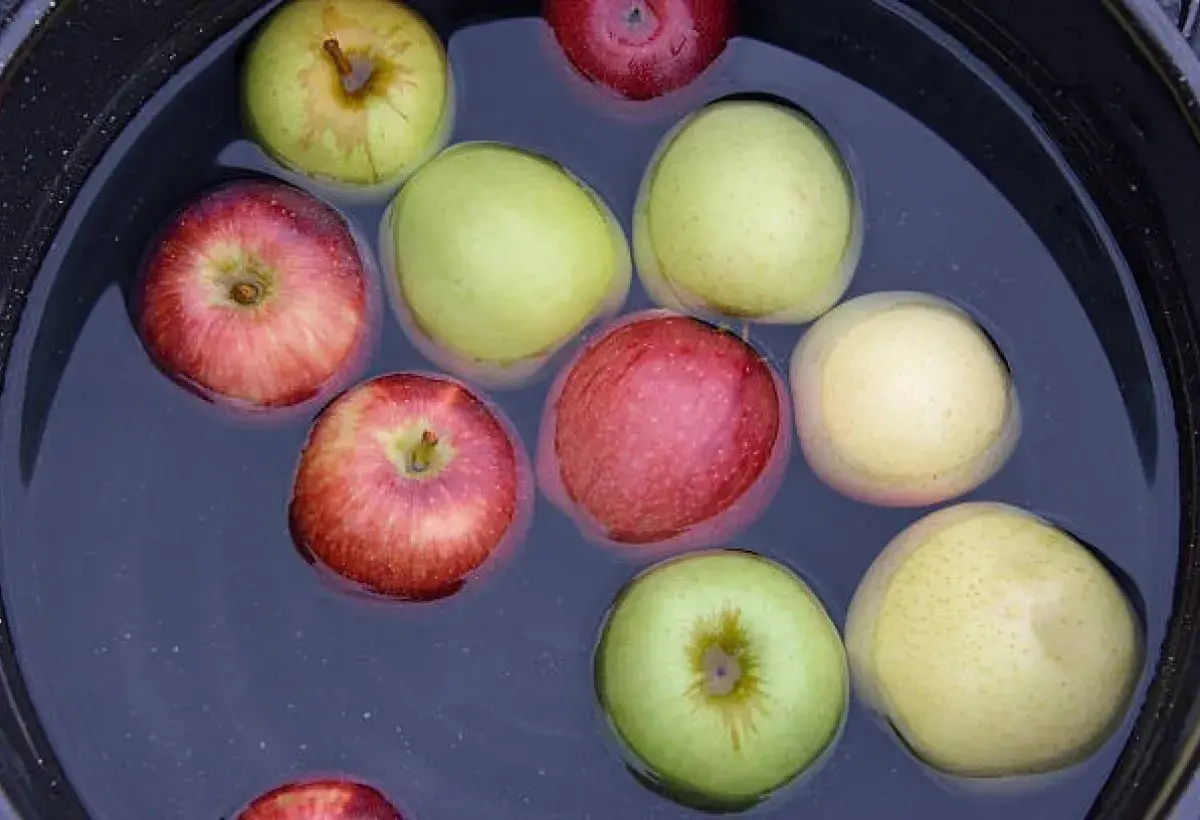
Apples float because approximately one quarter of their composition is air. This surprising scientific fact explains why apple bobbing became such a popular activity during festivals and celebrations. The spongy cells inside the fruit contain tiny pockets of air that help the apple stay buoyant when placed in water. These air pockets form naturally as the fruit grows on the tree. They help maintain the apple’s structure, firmness, and crisp bite.
The presence of air in apples is one of the reasons the fruit can stay fresh for extended periods. The pockets help regulate moisture and protect the apple from becoming too dense or mushy. If apples contained no air they would feel much heavier and would sink immediately when placed in water. The air filled cells also contribute to the satisfying crunch people love when they bite into the fruit. When you take a bite, you are actually popping thousands of tiny air filled chambers that release aroma and create the signature apple sound.
The buoyancy of apples has practical uses in agriculture. Farmers often use water channels to transport apples gently through sorting and packaging systems. Since apples float, they can move smoothly along the water without bruising. This method reduces handling damage and helps maintain quality during processing. Water flumes are especially common in large apple packing facilities in North America, where millions of apples are sorted by size, shape, and color every season.
The fact that apples contain so much air also affects their flavor. Varieties with more air tend to have a lighter texture and milder taste. Varieties with denser flesh and fewer air pockets tend to be firmer and sometimes more tart. For example, a Honeycrisp apple has a unique cell structure that allows it to hold more juice without losing crispness, which is part of the reason it became so popular.
Understanding the science behind apple buoyancy adds a fun and unexpected layer to everyday fruit knowledge. The next time you see apples floating at a fall festival or drifting gently in a water filled orchard flume, you will know that the secret lies in the remarkable natural engineering inside the fruit. Nature designed apples to be light, crisp, and perfectly suited for both enjoyment and practicality.
3. The science of growing apples is called pomology
Image

Pomology is the scientific study of fruit and fruit trees, and it includes everything involved in growing apples. Pomologists are experts who dedicate their careers to understanding how fruit develops, how trees respond to their environment, and how new varieties can be created through selective breeding. Their work is essential because apples depend on delicate balances of climate, soil, genetics, and care to grow successfully.
A pomologist studies the entire life cycle of fruit trees. This includes flowering, pollination, fruit formation, diseases, and environmental factors. Since apples grow in regions that experience significant changes throughout the year, pomologists often work closely with farmers to help orchards adapt to challenges such as unpredictable weather, pests, or new plant diseases. Their research allows growers to produce apples that are not only delicious but also healthy and long lasting.
Pomology also plays a major role in developing new apple varieties. Whenever a new variety appears in grocery stores such as the Sweetango or the Cosmic Crisp it is the result of years of scientific work. Pomologists test cross breeding combinations, analyze fruit characteristics, and evaluate which traits are most desirable. They look for apples that stay crisp longer, resist disease naturally, offer better flavor, or grow efficiently in modern orchards.
This science has a long history. Early civilizations experimented with grafting techniques to improve fruit trees and preserve successful varieties. Grafting allows farmers to reproduce a specific apple variety by attaching a branch from one tree onto the rootstock of another. This ensures that the new tree produces apples identical to the original. Pomologists continue to refine these techniques, making apple production more sustainable and more efficient.
In the modern era pomology also includes advanced technologies. Researchers use climate data, genetic mapping, and controlled environment studies to understand how apples respond to heat, cold, and humidity. This helps farmers plan orchards in ways that protect crops from environmental stress. As climate patterns change around the world, pomology becomes even more important for safeguarding apple production.
Through pomology, the apple industry continues to grow and innovate. This science ensures that people can enjoy a wide range of apple varieties year after year, each offering its own flavor profile and cultural story. Pomologists play a quiet but essential role in keeping the apple world thriving and evolving.
4. The world’s heaviest apple weighed over 4 pounds
Image

The world record for the heaviest apple belongs to a massive fruit grown in Japan that weighed over four pounds and one ounce. This enormous apple earned its place in the Guinness World Records in 2005. To put its size in perspective, an average apple weighs around six to seven ounces. The record apple was nearly ten times heavier than the apples found in most grocery stores. It was roughly the size of a small melon and required significant care to reach such an extraordinary weight.
Growing an apple of this size takes both knowledge and luck. Apple growers who aim for record breaking fruit must carefully manage every stage of growth. They often thin the tree early in the season by removing some apples from each branch. This allows the tree to concentrate its energy on fewer apples, which can grow much larger than normal. Growers also monitor soil nutrients, watering schedules, and sunlight exposure to encourage maximum growth.
The Japanese grower who achieved the record was known for his dedication to tending fruit trees with patience and attention to detail. In regions of Japan, farmers take pride in producing exceptionally large or beautifully shaped fruits, which often become luxury gifts. These fruits can be found in specialty markets and are valued not only for size but also for flavor, texture, and appearance.
The record breaking apple demonstrates the incredible potential of nature when supported by human knowledge and care. Even though most apples will never grow to this size, the conditions that produce giant fruit can also help improve the overall health of apple trees. Balanced nutrition, proper pruning, and effective pest management contribute to stronger orchards capable of producing consistently high quality fruit.
This remarkable apple also serves as a reminder of how diverse fruits can be. People often think of apples as uniform in size, but the reality is that apples can vary dramatically depending on environmental factors and cultivation practices. While most apples remain within a predictable range, the existence of this giant fruit shows that apples can surprise us with their potential.
The world’s heaviest apple remains a celebrated achievement in fruit growing history. It demonstrates the combination of skill, dedication, and natural growth power that farmers around the world continue to pursue as they cultivate new apples each season.
5. Apples are part of the rose family
Image
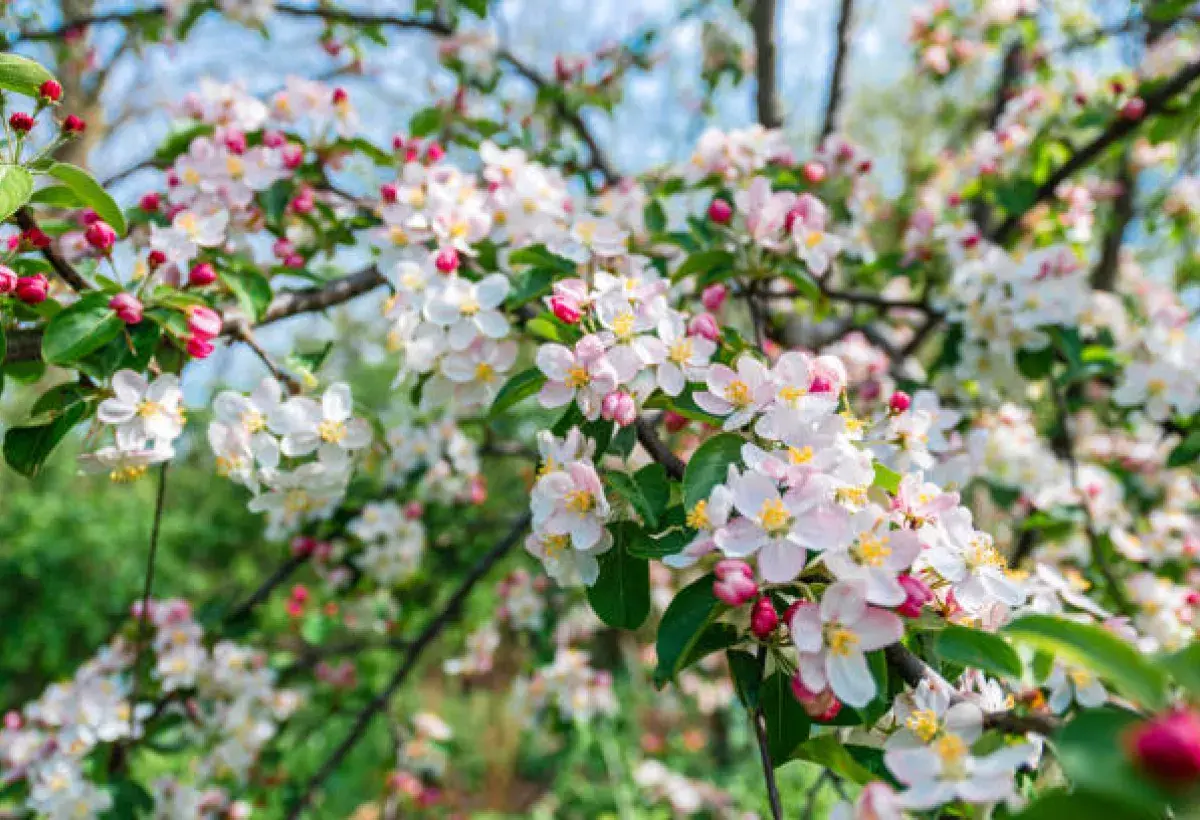
Apples belong to the same botanical family as roses. This family, known as the Rosaceae family, includes a wide variety of plants such as pears, cherries, strawberries, peaches, blackberries, and roses. Most people never think of apples as relatives of popular garden flowers, but the connection becomes clear when you look closely at apple blossoms. The delicate white or pink petals and the arrangement of stamens resemble miniature versions of rose flowers.
The link between apples and roses reveals how plants can evolve in remarkable ways while maintaining shared genetic traits. Members of the Rosaceae family often produce fruits with complex flavors, fragrant blossoms, and seeds encased within a protective structure. These features make them attractive to both humans and pollinators. Bees in particular are drawn to the fragrant blossoms that appear on apple trees every spring. Pollination during this period determines how many apples the tree will produce later in the season.
Apple blossoms are celebrated in many cultures because they symbolize renewal, beauty, and the arrival of warmer weather. Festivals dedicated to apple blooming season attract visitors to orchards where entire landscapes transform into seas of white and pink flowers. These blossoms not only contribute to the tree’s beauty but also play a vital role in the development of the fruit. If the blossoms are damaged by frost or insects during spring, the harvest for that year can be significantly reduced.
Understanding the apple’s place within the rose family helps explain some of its qualities. For example, apples contain natural compounds that give the fruit its pleasant fragrance, similar to the aromatic oils found in roses. The slight floral note that some apple varieties possess is not a coincidence but a result of their shared family lineage. Even the structure of the apple’s core including its seeds and the shape of the fruit relates to botanical traits found in other members of the Rosaceae group.
The relationship between apples and roses highlights the diversity and beauty of plant evolution. It reminds us that fruits and flowers often share deeper connections than we realize. The next time you enjoy the scent of apple blossoms or admire a rose garden you can appreciate the surprising bond that links these beloved plants together.
6. The first apple orchard in America was planted in 1625
Image

The first known apple orchard in America was planted in 1625 by Reverend William Blaxton, an early English settler who established himself near present day Boston. At the time, apples were not native to North America. The only similar fruit available was the crabapple which native communities had used for generations. European settlers, however, brought apple seeds and grafting knowledge with them because apples were an essential part of their diet and daily life.
Apple trees became vital to early American settlements because they offered a reliable source of food and drink. Apples could be eaten fresh, dried for storage, pressed into cider, or cooked into preserves that lasted through winter. Cider in particular was extremely important because it provided a safer alternative to often contaminated water sources. Many households eventually planted their own small orchards, and apple trees spread rapidly across the colonies.
Apple seeds were easy to transport and were often traded or shared among settlers. Because apple seeds produce unpredictable varieties, new types of apples quickly emerged across the region. Some varieties were delicious while others were best suited for cider or vinegar. As orchards expanded, settlers refined grafting techniques to preserve the best tasting apples and multiply them. This method allowed them to develop orchards filled with consistent and reliable fruit.
Reverend Blaxton’s orchard marked the beginning of a long and fruitful history of apple cultivation in America. The tradition grew as more immigrants arrived from Europe bringing seeds, cuttings, and knowledge from their homelands. By the eighteenth and nineteenth centuries apples had become a staple crop across the United States. Entire communities relied on apples for food security and economic growth.
Some of the earliest American apple varieties are still grown today. Heirloom apples preserve the history of the country’s agricultural development and offer flavors that differ from modern commercial varieties. Many orchards and heritage farms continue to keep these old varieties alive through grafting and careful cultivation.
The establishment of the first orchard in 1625 laid the foundation for one of the most iconic fruits in American culture. Today apples remain deeply woven into the nation’s traditions, from pies at holiday gatherings to autumn harvest festivals. The journey from that first orchard to today’s thriving industry is a remarkable chapter in the story of American agriculture.
7. Apples ripen ten times faster at room temperature
Image

Apples ripen significantly faster when kept at room temperature, sometimes up to ten times faster than apples stored in a refrigerator. This happens because apples naturally produce ethylene, a plant hormone that triggers ripening. When apples are left at room temperature the ethylene gas builds up more quickly around them, accelerating changes in texture, color, and sweetness. As the ripening process speeds up the apple becomes softer and can lose its crisp texture.
Storing apples in the refrigerator slows down this process by reducing the activity of enzymes responsible for ripening. Cold temperatures limit the production and effect of ethylene gas, allowing apples to stay firm and fresh for much longer. This is why grocery stores and commercial storage facilities keep apples in cold environments before sending them to shelves. Some apples can be stored for months under controlled conditions that also manage humidity and oxygen levels.
For people who regularly buy apples in bulk, storing them in the refrigerator is the best way to maintain their flavor and crunch. Apples kept in the crisper drawer last significantly longer than those left on countertops. If you enjoy apples with a cold refreshing bite, refrigeration provides the added benefit of chilling the fruit for a more satisfying eating experience.
Ethylene sensitivity is not limited to apples. Other fruits such as bananas, pears, and avocados also release or respond to ethylene. This creates interesting interactions when different fruits are stored together. For example, placing a ripe apple next to an unripe avocado can speed up the avocado’s ripening. While this can be helpful in some situations, it can also cause fruits that spoil easily to go bad sooner. Understanding how ethylene works helps reduce food waste and allows you to manage produce more effectively.
Farmers also use their knowledge of ethylene to plan harvest and storage strategies. Apples harvested later in the season often produce more ethylene naturally, which means they require careful storage to prevent premature ripening. Controlled atmosphere storage facilities fine tune oxygen and carbon dioxide levels to slow ripening even further. These advanced storage methods ensure that apples remain crisp throughout the year and do not lose their nutritional value.
The speed at which apples ripen is a reminder of how dynamic and delicate fresh produce can be. Temperature plays a powerful role in preserving fruit quality and knowing how to store apples properly ensures you can enjoy them at their best for a much longer time.
8. Eating apples helps clean your teeth naturally
Image
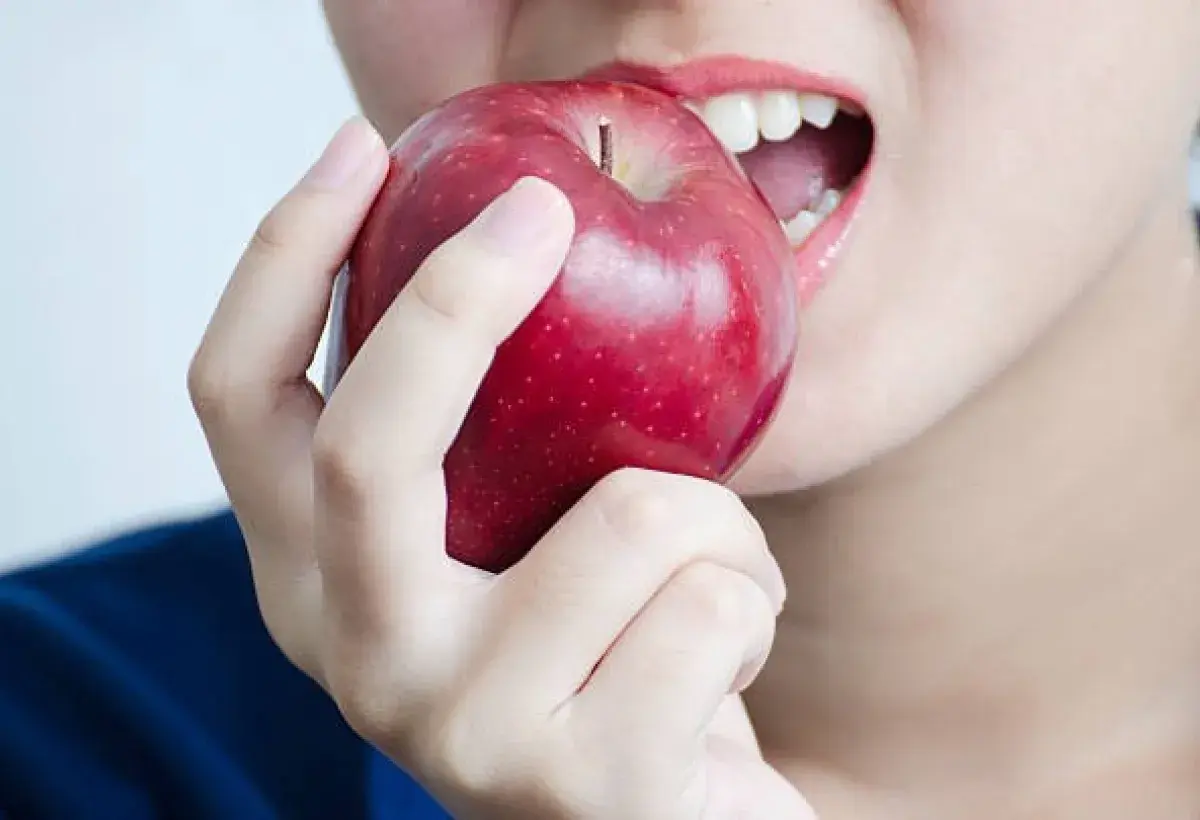
Eating apples can help clean your teeth naturally due to their crunchy texture and gentle acidity. While apples do not replace brushing or flossing, they provide a mild scrubbing effect that removes some plaque from the surface of the teeth. When you bite into an apple your teeth sink into firm flesh that brushes away debris. This mechanical action is similar to how certain vegetables like carrots and celery help promote oral cleanliness.
Apples stimulate saliva production which plays a major role in maintaining oral health. Saliva neutralizes acids in the mouth, washes away leftover food particles, and reduces the growth of harmful bacteria. When you chew an apple the natural increase in saliva acts like a rinse that refreshes your mouth and reduces dryness. This contributes to a cleaner feeling and may help improve breath temporarily.
The mild acidity in apples also contributes to their cleaning effect. It helps break down some of the biofilm that forms on teeth throughout the day. However, it is important to note that any acidic food can weaken enamel if consumed too frequently without proper dental care. For this reason dentists recommend drinking water after eating apples to help wash away residue and balance the acidity.
Nutritionally apples support oral health due to their high fiber content. Fiber rich foods require more chewing which strengthens jaw muscles and stimulates gums. Healthy gums are essential for maintaining strong teeth and preventing gum related issues. Apples also provide vitamins such as vitamin C which supports gum health and helps your body maintain tissues around the teeth.
Throughout history apples were often referred to as nature’s toothbrush because they offered a simple way to refresh the mouth when dental tools were not readily available. While modern oral hygiene practices are more effective, apples still offer a convenient natural boost to mouth cleanliness during the day. They are especially useful as a snack that leaves you feeling refreshed rather than coated with sugar or residue.
Choosing crisp apple varieties such as Honeycrisp or Fuji enhances the cleaning effect because these types maintain firmness longer. Soft apples provide less friction and may not offer the same level of gentle scrubbing. By incorporating apples into your diet you not only enjoy a delicious and nutritious fruit but also support better oral health in a simple and natural way.
9. The saying an apple a day keeps the doctor away started in 1860s Wales
Image
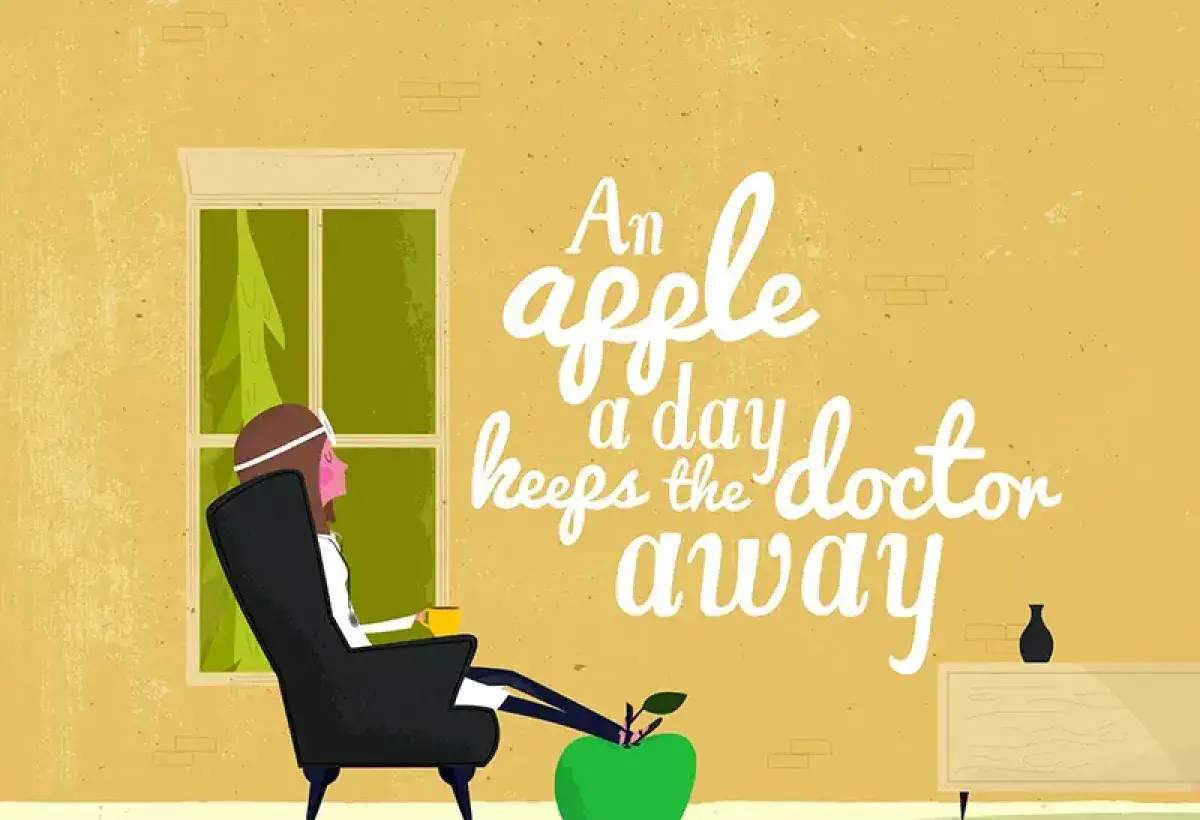
The familiar saying an apple a day keeps the doctor away originated in Wales in the 1860s. The original version of the proverb was quite different from the modern phrase. It was written as Eat an apple on going to bed and you will keep the doctor from earning his bread. Over time the phrase evolved into the shorter version that people use today. The message however has remained consistent for more than a century. It highlights the belief that apples offer health benefits strong enough to support overall well being.
During the nineteenth century apples were one of the most accessible fruits available to families throughout Europe and North America. They were easy to store, widely grown, and could be preserved in many ways. This made apples a practical symbol for everyday nutrition. People believed that eating apples daily could strengthen the body, improve digestion, and help prevent common illnesses. Although medical knowledge at the time was limited, the proverb captured the idea that consistent healthy eating leads to fewer medical problems.
Modern science supports some aspects of the saying. Apples contain fiber, antioxidants, vitamins, and plant compounds that contribute to heart health, improved digestion, and better metabolic function. The soluble fiber in apples known as pectin helps lower cholesterol levels. Antioxidants in apple skins support immune health and protect cells from damage. When eaten regularly apples can become part of a balanced diet that supports long term wellness.
The proverb’s lasting popularity shows how deeply apples are embedded in cultural traditions. Many families teach children the saying from a young age as a simple reminder that fruits and healthy habits matter. Schools often use apples as symbols of good health and many public health campaigns include apples in their materials because of their universal recognition.
The saying also demonstrates how folklore and nutrition often intersect. People long before the rise of modern health science recognized the importance of eating whole foods and maintaining healthy routines. The apple proverb expresses this wisdom in a memorable and poetic form that has survived for generations.
While an apple alone cannot prevent all illness, the spirit of the saying encourages consistent healthy choices. Apples remain a nutritious and versatile fruit that supports wellness in many ways. The proverb from nineteenth century Wales continues to remind us that simple daily habits can have powerful effects on long term health.
10. Apples have been to space with NASA astronauts
Image

Apples have traveled to space as part of the fresh food supplies carried by NASA astronauts on various missions. These fruits are ideal for space travel because they are lightweight, nutritious, and easy to handle in zero gravity. Apples do not require utensils and they do not create crumbs that could interfere with equipment on the spacecraft. Their natural packaging the skin keeps the fruit clean and contained even in a weightless environment.
NASA includes apples in astronaut diets because they provide vitamins, hydration, fiber, and natural energy without added sugars. Eating fresh fruits helps maintain physical health during missions that may last weeks or months. Since astronauts burn significant energy performing tasks, monitoring systems, and maintaining physical fitness, nutritious foods like apples become essential. Apples also offer a psychological benefit. Fresh foods give astronauts a feeling of connection to home and earth which can lift morale during long missions.
Preparing food for space is a complex process. All items must meet strict safety and storage standards. Apples chosen for space missions are carefully inspected, cleaned, and packaged to prevent contamination. They must also withstand the conditions of launch and the long journey to orbit. NASA often selects firm apple varieties that can remain fresh for extended periods. These apples are stored in special containers that keep them safe until needed.
The presence of apples in space highlights the ongoing effort to support astronauts with balanced and familiar food options. In addition to apples space menus can include fresh oranges, carrots, tortillas, and other produce when conditions allow. Through research and testing NASA continues to explore how fresh foods can be grown or maintained in space for future long term missions such as journeys to Mars.
The idea of apples floating freely in a spacecraft moving around with a gentle push from an astronaut’s fingertip offers an interesting image of how everyday objects behave in microgravity. It shows how simple foods become fascinating when taken out of their usual environment. The sight of apples drifting in the cabin has even become a popular visual during space documentaries and mission videos.
Bringing apples to space reinforces their reputation as one of the most practical and nutritious fruits available. Whether on earth or orbiting high above the planet apples continue to serve as a reliable source of nourishment and comfort for those who rely on them.
Image
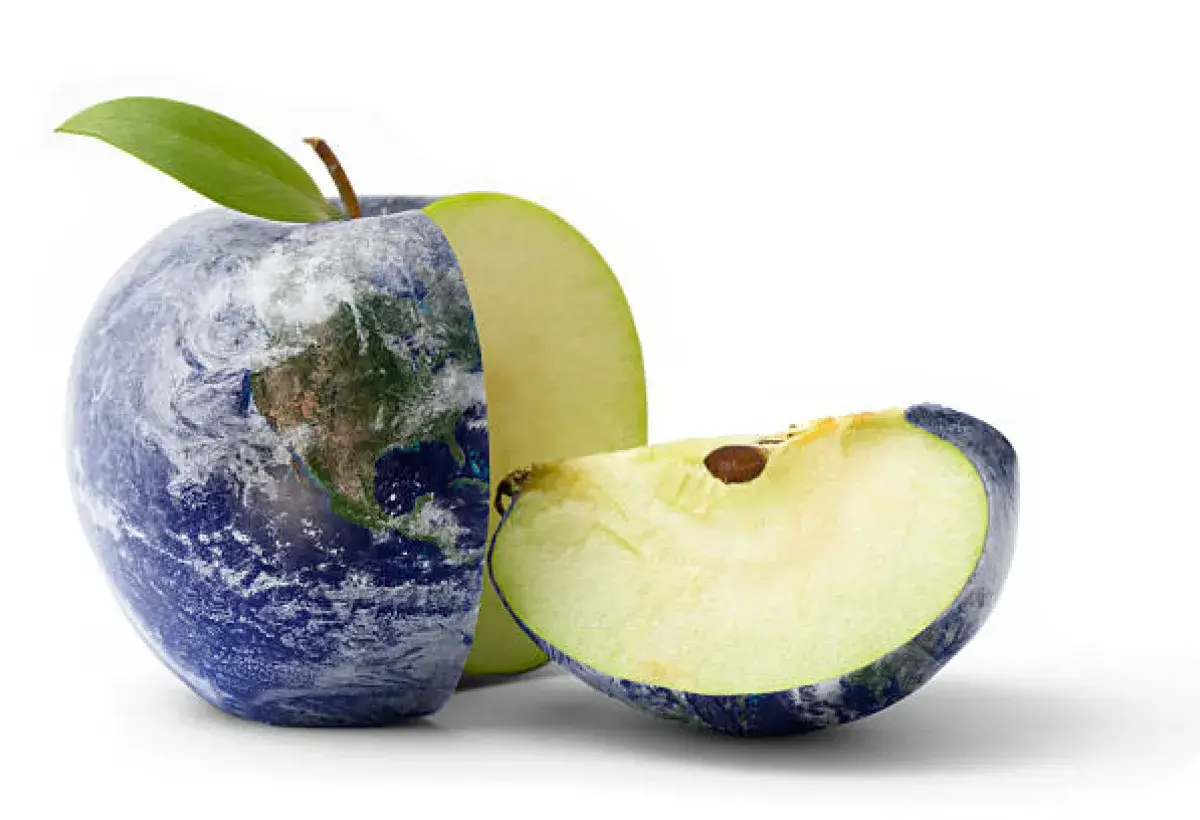
Apples remain one of the most beloved fruits in the world because they offer so much more than a simple snack. Their journey from ancient orchards to modern farms and even into space reveals the remarkable impact they have had on cultures across continents. Each fact in this expanded guide sheds light on a different aspect of the apple’s world from its incredible variety and natural engineering to its cultural significance and scientific importance. Whether grown by early settlers in America or preserved through the careful work of pomologists apples have shaped human history in surprising and meaningful ways.
The diversity of apples reflects the adaptability of nature. With thousands of varieties available each apple carries a unique story of flavor, climate, and cultivation. Their ability to float, ripen at different speeds, and scrub teeth naturally shows how complex and multifunctional this fruit truly is. Even the apple’s connection to roses reveals a side of botanical heritage that many people never consider. These small details elevate the apple from a common fruit to a symbol of natural brilliance.
Apples continue to inspire curiosity and innovation. They have traveled with astronauts into space, served as symbols in proverbs, and remained central to traditions in homes and communities throughout North America. Their nutritional value enhances health in ways that support modern wellness needs while their cultural presence connects people to history and heritage. The apple remains both ordinary and extraordinary at the same time which is why it continues to capture interest generation after generation.
The next time you bite into a crisp apple you can appreciate the layers of science, tradition, and natural wonder behind that simple moment. Apples have earned their reputation as a superfruit not just because of their flavor or health benefits but because of their rich story that spans centuries and reaches beyond the earth itself. By understanding these juicy facts you gain a deeper appreciation for a fruit that has quietly become one of nature’s most fascinating gifts.