


Tiny, silver, and often underestimated, canned sardines have quietly earned their place as one of the most fascinating foods in modern kitchens. Long before they became a budget friendly protein or a favorite among health conscious eaters, sardines were already shaping food history, global trade, and even military logistics. Their journey from coastal fishing villages to supermarket shelves is filled with innovation, culture, and surprising versatility.
Canned sardines are not simply a convenience food. They represent one of the earliest successes of food preservation technology. The ability to seal fresh fish in metal containers and store them safely for long periods changed how societies approached nutrition, travel, and survival. This innovation allowed people far from the sea to enjoy fish rich in essential nutrients while reducing waste and spoilage.
Beyond practicality, sardines have also carried cultural significance. In parts of Europe, especially along the Mediterranean and Atlantic coasts, sardines symbolize tradition, celebration, and shared meals. They appear in festivals, artwork, and regional cuisines where they are treated with care and pride rather than as an afterthought. Even today, specialty sardine shops display tins like works of art.
From a nutrition standpoint, sardines are remarkable. They offer high quality protein, healthy fats, vitamins, and minerals in a compact serving. Unlike many processed foods, canned sardines remain close to their natural state, benefiting from minimal handling and simple ingredients. This makes them appealing to people seeking straightforward, whole food options.
What makes sardines especially interesting is how much story fits inside a small tin. Each can reflects science, history, sustainability, and taste coming together in a way few foods can match. Below are ten surprising and fun facts that reveal why canned sardines deserve far more appreciation than they usually receive.
Image

1. They’re Cooked in the Can
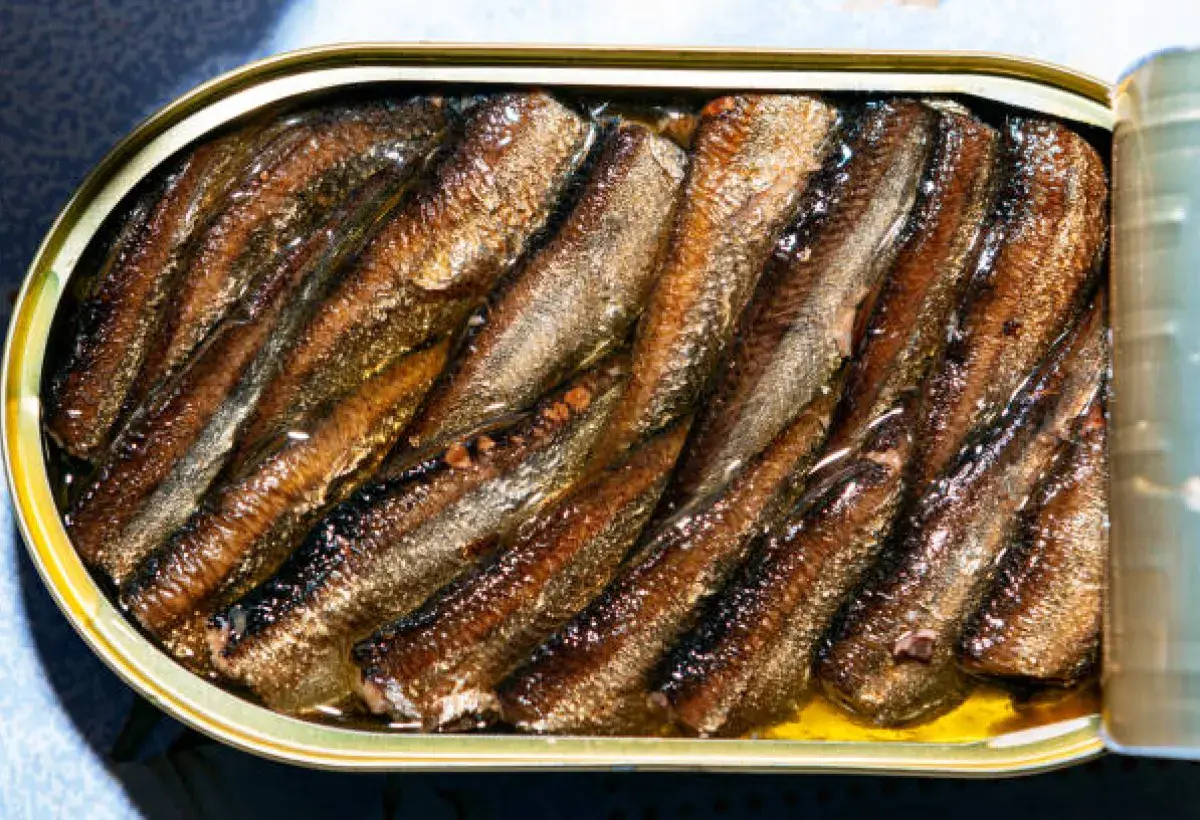
One of the most surprising facts about canned sardines is that they are fully cooked inside the can itself. After the fish are cleaned and placed into tins, the cans are sealed and heated under high pressure. This process cooks the sardines thoroughly while also sterilizing the contents, making them safe for long term storage.
Cooking sardines this way locks in moisture, flavor, and nutrients. Because the fish are not exposed to open air or excessive handling, they retain their natural oils and tenderness. This is why canned sardines have a soft texture that flakes easily and tastes rich without needing additional preparation.
The pressure cooking process also transforms parts of the fish that might otherwise be considered undesirable. Bones soften completely, skin becomes tender, and connective tissues break down into easily digestible components. This creates a more enjoyable eating experience while preserving valuable minerals like calcium and phosphorus.
Another advantage of cooking in the can is consistency. Each tin delivers a predictable result, whether it was packed yesterday or several years ago. This reliability helped canned sardines gain popularity among sailors, soldiers, and households that needed dependable food sources.
From a food safety perspective, this method was revolutionary. It reduced the risk of spoilage and foodborne illness at a time when refrigeration was limited or nonexistent. Even today, the same core process remains largely unchanged, proving how effective and efficient it truly is.
Image
2. Not All “Sardines” Are Actually Sardines
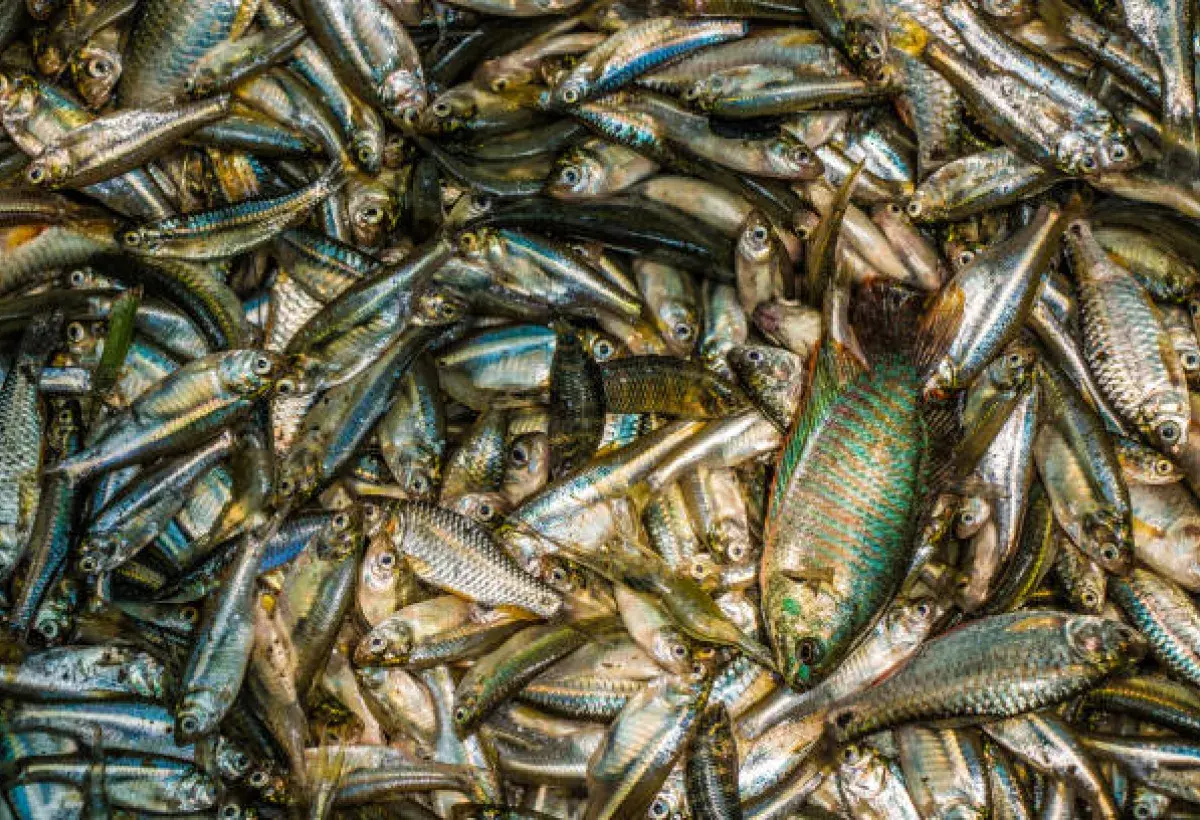
The word sardines does not always refer to a single species of fish. Instead, it is a broad term used for several types of small oily fish that share similar size, texture, and culinary uses. Depending on where you are in the world, a can labeled sardines may contain pilchards, sprats, or even young herrings.
This naming flexibility developed over time as fishing industries adapted to regional ecosystems. Coastal communities used the fish most abundant in their waters, preserving them using similar techniques. As canned seafood became globally traded, the name sardines became a convenient umbrella term understood by consumers everywhere.
Regulations vary by country, which is why ingredient labels are important for curious eaters. Some regions have strict definitions, while others allow multiple species under the sardine label as long as they meet size and preparation standards.
Despite these differences, the nutritional profile remains largely consistent. These fish are typically rich in healthy fats, protein, and micronutrients. Their small size also means they are lower on the food chain, which reduces concerns about accumulated contaminants.
Understanding this fact can deepen appreciation rather than cause confusion. It highlights how sardines represent a category shaped by geography, tradition, and practicality rather than a single biological identity.
Image
3. Napoleon Popularized Canned Sardines
Canned sardines owe much of their existence to Napoleon Bonaparte and his military ambitions. In the early nineteenth century, Napoleon offered a reward to anyone who could develop a reliable way to preserve food for his armies. Long campaigns required nourishment that could travel long distances without spoiling.
This challenge led to the advancement of canning technology in France. Once the method proved successful, it was quickly applied to foods like fish, including sardines. Coastal regions began producing canned sardines not only for soldiers but also for civilian markets.
The popularity of sardines grew rapidly as people realized the convenience and safety of preserved fish. France became a leader in sardine canning, exporting tins across Europe and beyond. This helped establish sardines as a staple rather than a luxury.
Over time, the practice spread to other countries, each adding its own culinary touches. Flavored oils, sauces, and seasonings emerged, turning simple preserved fish into diverse products.
What began as a military solution became a global food tradition. Every time a can of sardines is opened today, it carries a small piece of this historical innovation.
Image

4. You Can Eat the Bones
Many people are surprised to learn that the bones in canned sardines are completely edible. The pressure cooking process softens them to the point where they blend seamlessly into the fish. When eaten, they add a subtle texture that most people hardly notice.
These softened bones are an excellent source of calcium. For individuals who do not consume dairy products regularly, sardines provide a natural alternative to support bone health. The calcium in fish bones is easily absorbed by the body.
In addition to calcium, sardine bones contain trace minerals such as magnesium and phosphorus. These nutrients play important roles in muscle function, nerve signaling, and overall skeletal strength.
Eating the whole fish also aligns with traditional food practices that emphasize minimal waste. Many cultures value using every edible part of an animal, and sardines naturally support this philosophy.
Rather than being something to avoid, the bones are one of the reasons sardines are considered such a nutrient dense food. Their presence turns a simple meal into a powerful source of essential minerals.
Image
5. They’re Naturally Shelf Stable for Years
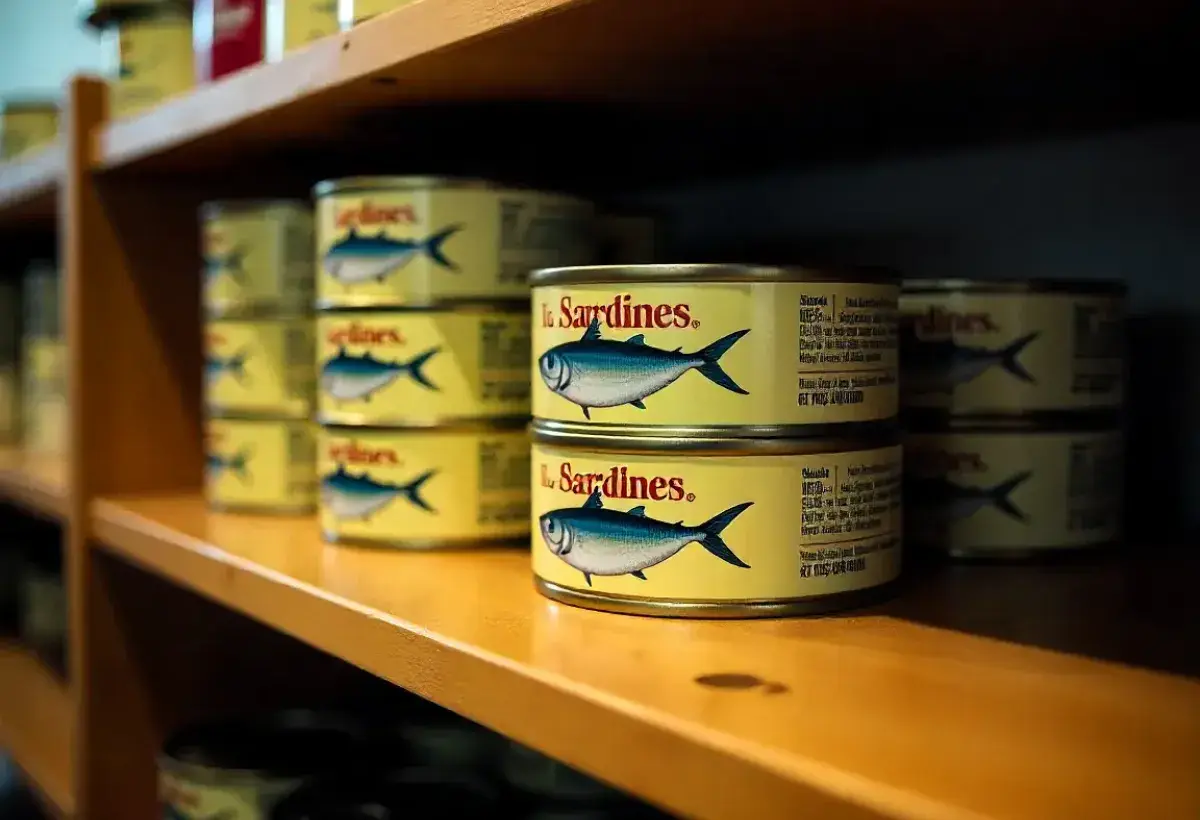
Canned sardines are known for their impressive shelf life. When stored properly, they can remain safe and flavorful for several years. This makes them a dependable food choice for households, travelers, and emergency preparedness.
The combination of airtight sealing and heat processing prevents bacteria and spoilage. Unlike many preserved foods, sardines do not rely heavily on artificial preservatives. The method itself is enough to protect the contents.
Interestingly, some sardine enthusiasts believe that certain tins improve with age. Much like wine or cheese, the flavors can deepen and mellow over time, especially in sardines packed in oil.
This long shelf life has practical benefits beyond convenience. It reduces food waste and allows people to keep nutritious options on hand without frequent shopping. In uncertain situations, this reliability is invaluable.
Sardines prove that preserved food does not have to mean compromised quality. With proper storage, they remain a trustworthy and nourishing option for years.
Image
6. 🍷 They Pair Well with Wine
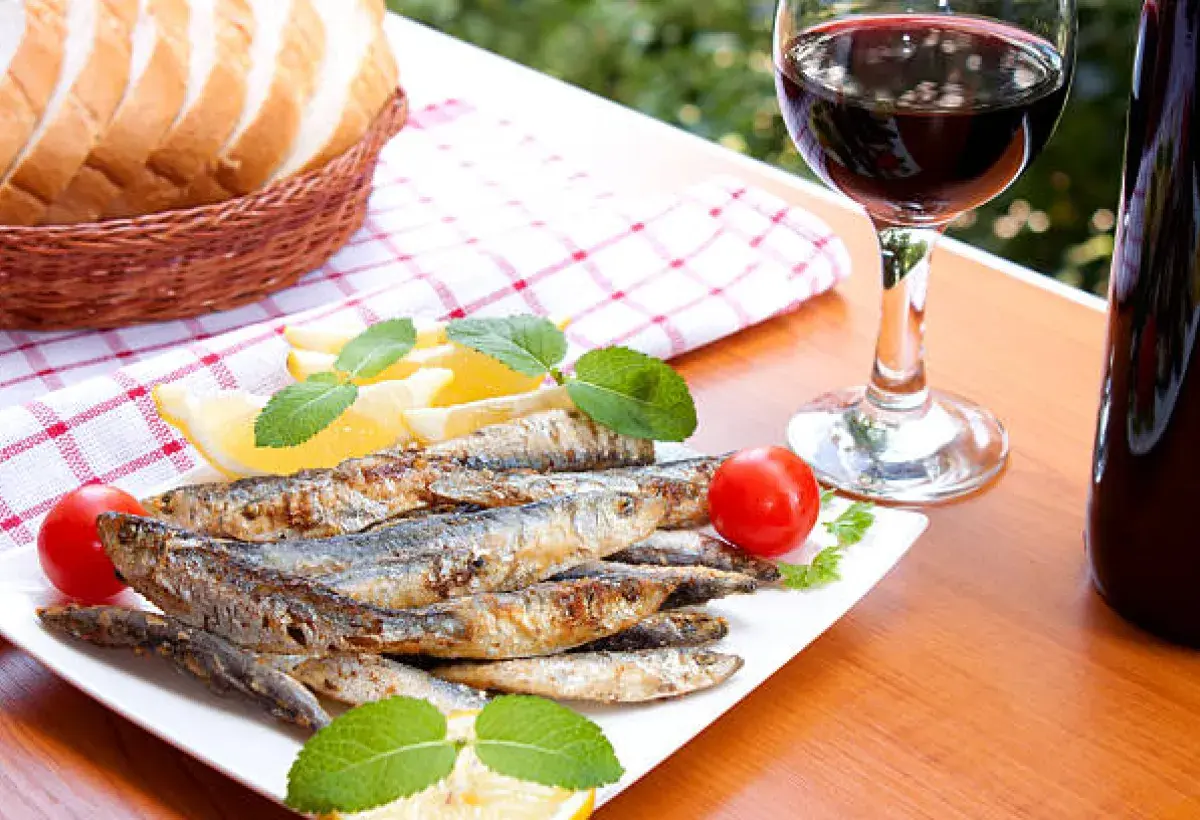
In countries like Portugal, Spain, and France, canned sardines are often enjoyed as part of a relaxed social meal. They are paired with wine, bread, and simple accompaniments that highlight their natural flavors rather than overpower them.
The richness of sardines works particularly well with crisp white wines or light reds. The acidity in wine balances the natural oils of the fish, creating a satisfying contrast on the palate.
This pairing tradition reflects a broader appreciation for sardines as a delicacy rather than a fallback food. Specialty shops curate selections of sardines much like wine merchants curate bottles.
Sharing sardines with wine encourages slow eating and conversation. It transforms a humble tin into an experience centered on enjoyment and connection.
This cultural approach reminds us that good food does not have to be complicated or expensive. Thoughtful pairing can elevate even the simplest ingredients.
Image
7. They Were Once a Fancy Treat
At the beginning of the twentieth century, sardines held a more luxurious reputation. They appeared at cocktail parties and formal gatherings, served on elegant plates as appetizers. Their convenience and novelty made them fashionable.
During this period, beautifully designed tins added to their appeal. Packaging was colorful and artistic, signaling quality and sophistication. Offering sardines showed awareness of modern food trends.
Over time, changes in economy and mass production shifted their image. Sardines became more affordable and widely available, which reduced their status as a luxury item.
Despite this shift, traces of their refined past remain. High end sardine brands still focus on presentation and sourcing, appealing to consumers who value craftsmanship.
The history of sardines shows how food trends evolve. What was once considered fancy can become everyday, without losing its inherent value.
Image

8. A Protein and Omega 3 Powerhouse
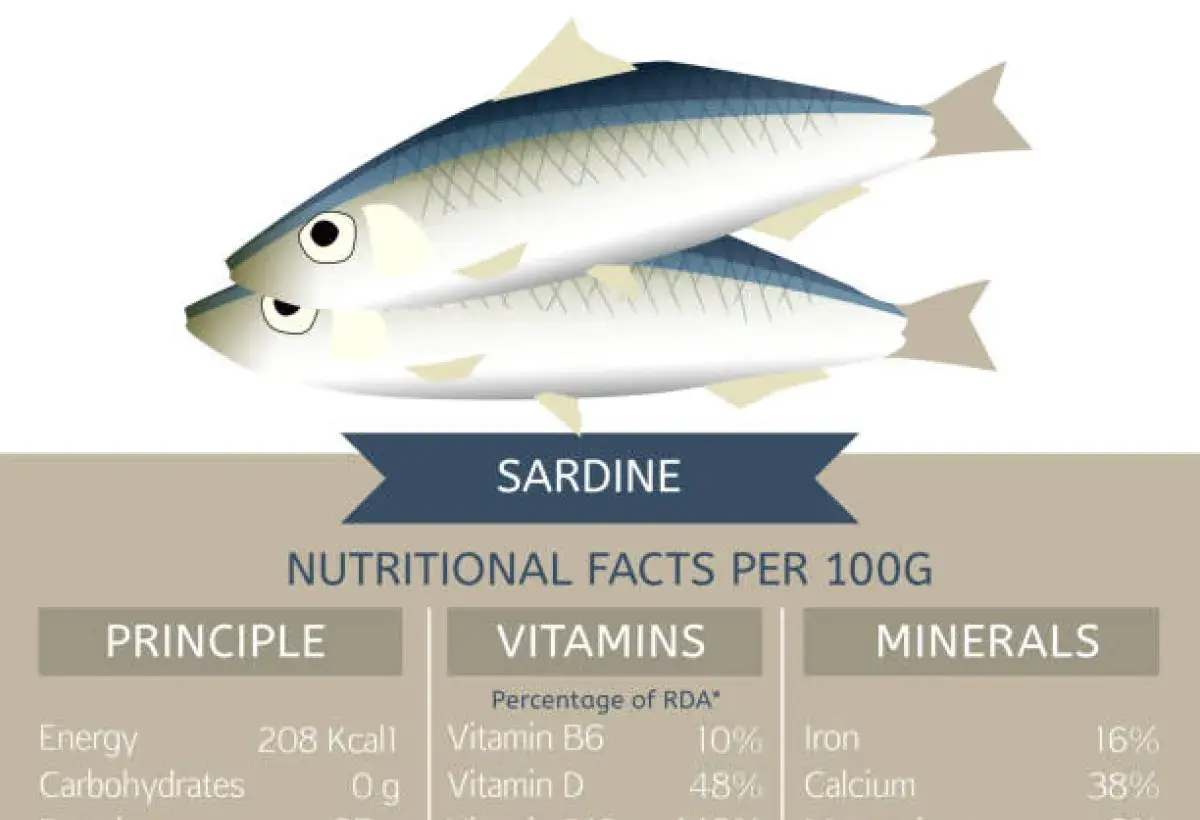
Sardines are widely recognized for their impressive nutritional profile. They provide high quality protein that supports muscle maintenance, immune function, and overall energy levels.
In addition to protein, sardines are rich in omega 3 fatty acids. These healthy fats are associated with heart health, brain function, and reduced inflammation. Few foods deliver them so efficiently.
Sardines also contain vitamin B12, vitamin D, and selenium. These nutrients support nerve health, mood regulation, and antioxidant defense.
Because sardines are eaten whole, they retain more nutrients than many processed foods. Their simplicity is part of their strength.
This combination of nutrients makes sardines one of the most balanced options available in a can. They are small, but their impact on health is significant.
Image
9. Some Sardine Cans Are Collector’s Items
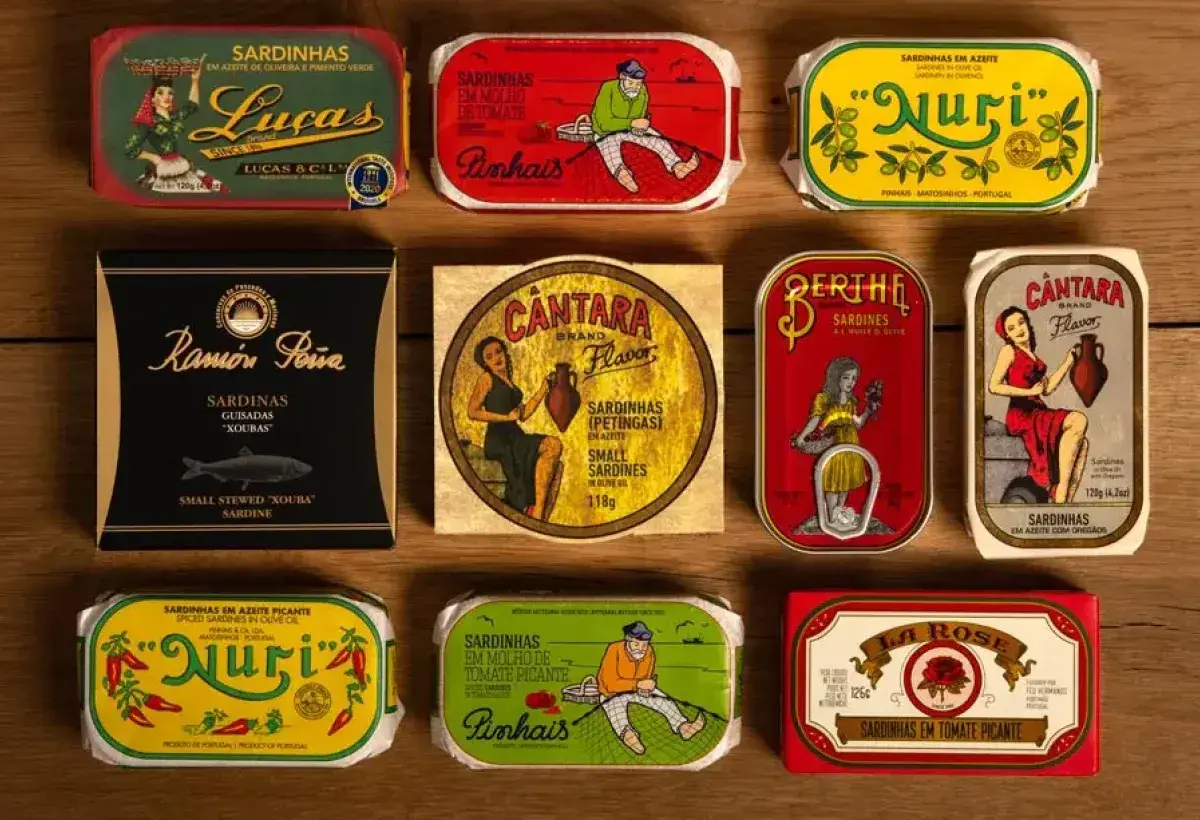
Sardine tins are not just containers. Many are considered collectible art pieces. Vintage tins from Europe are especially valued for their intricate designs and historical charm.
Collectors seek tins that reflect specific eras, brands, or artistic styles. Some feature hand drawn illustrations, bold typography, and regional motifs.
This collectibility highlights how packaging once played a central role in branding. Before digital advertising, the tin itself was the message.
Even modern sardine producers embrace this tradition by releasing limited edition designs. These tins appeal to both food lovers and design enthusiasts.
What began as simple packaging has become a cultural artifact. Sardine tins tell stories beyond what is inside them.
Image
10. Sardine Festivals Exist!
In parts of Portugal, sardines are celebrated with full scale festivals. Cities like Lisbon and Setúbal host events dedicated to this iconic fish, drawing locals and tourists alike.
These festivals include music, parades, and open air grilling. The aroma of sardines fills the streets as people gather to eat and celebrate together.
Such events honor the role sardines play in regional identity and economy. They acknowledge the fishermen, traditions, and culinary heritage connected to the fish.
Sardine festivals also highlight sustainability. By celebrating small, abundant fish, communities promote responsible seafood choices.
These gatherings show that sardines are more than food. They are a symbol of culture, history, and shared joy.
Image

Canned sardines may appear modest, but their story is anything but small. From shaping food preservation history to supporting modern nutrition and sustainability, they represent an intersection of practicality and culture. Each tin carries lessons about innovation, resourcefulness, and appreciation for simple foods done well.
Their versatility allows them to fit seamlessly into different lifestyles, whether as a quick meal, a gourmet snack, or a pantry essential. Sardines remind us that value is not always tied to size or price.
As interest in whole foods and traditional eating grows, sardines continue to earn renewed respect. They offer nourishment, history, and enjoyment in equal measure.
The next time a can of sardines is opened, it is worth remembering the journey behind it. Few foods can claim such a rich legacy in such a small package.