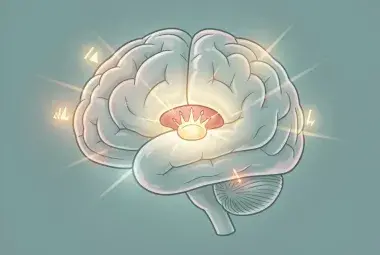



Burnout is often mistaken for simple fatigue. People say they are burned out when they mean they need a good night of sleep or a long weekend away. But real burnout is not solved by rest alone. It is not fixed by a vacation, a spa day, or a temporary digital detox. Burnout is deeper. It reshapes how you think, how you feel, and how you relate to the world around you.
At first it whispers. You feel slightly more tired than usual. You lose enthusiasm for tasks that once energized you. Your patience grows thin. You assume it is just a busy season. You tell yourself everyone feels this way sometimes. But slowly, almost invisibly, burnout shifts from being a phase into becoming your baseline.
And that is where the real danger begins.
Burnout is a state of emotional, physical, and mental exhaustion caused by prolonged stress. According to the research of Christina Maslach and Michael Leiter in Understanding the Burnout Experience, burnout is not merely about workload. It is about chronic misalignment between you and what you are doing. It is about values, fairness, recognition, and community. When those disconnect for too long, the system begins to break down.
You are not just tired. You are running on empty.
The Burnout You Do Not See Coming
Most people expect burnout to look dramatic. They imagine breakdowns, tears, or sudden resignation letters. In reality, burnout is subtle. It hides behind productivity. It hides behind responsibility. It hides behind high achievement.
You may still be performing well. You may still be meeting deadlines. You may even be praised for your dedication. But internally, something has shifted.
Image

One of the earliest red flags is cynicism. You start to feel detached from your work. Tasks that once felt meaningful now feel pointless. Meetings feel like theater. Conversations feel scripted. You may notice sarcasm creeping into your thoughts. This is not simply negativity. It is emotional self protection.
Another overlooked sign is that small tasks feel overwhelmingly hard. Answering emails becomes exhausting. Simple decisions feel paralyzing. You stare at your to do list and feel a wave of resistance. It is not laziness. It is depletion.
Then comes numbness. This may be the most dangerous stage. You stop feeling intensely stressed, but you also stop feeling joy. You move through your day on autopilot. You are functioning, but not living. You are surviving, not thriving.
These signs are easy to dismiss because they are quiet. There is no dramatic collapse. Just a slow erosion of engagement.
Why Rest Alone Does Not Fix Burnout
Many people attempt to solve burnout with short term relief. They book a vacation. They unplug for a weekend. They promise themselves they will sleep more. While rest is essential, burnout is not simply about physical fatigue.
Image

Burnout is about chronic stress without adequate recovery combined with a loss of meaning or control. If you return from a break to the same toxic environment, unrealistic expectations, or value misalignment, your body and mind quickly slip back into survival mode.
Think of burnout as a battery that is not only drained but also damaged. Charging it briefly does not repair the underlying wear.
Burnout develops when stress is prolonged and unrelenting. It builds when boundaries are repeatedly crossed. It grows when effort is not matched by recognition. It intensifies when you feel trapped or powerless.
Sleep restores the body. It does not restore a sense of agency.
Burnout Versus Depression
Image

One of the most important distinctions to understand is the difference between burnout and depression. The two share symptoms such as exhaustion, reduced motivation, and difficulty concentrating. However, their roots and patterns differ.
Burnout is typically tied to specific external stressors. Work is a common source, but caregiving, academic pressure, or prolonged financial strain can also trigger it. When you are removed from the stressor, you may feel temporary relief.
Depression, on the other hand, affects all areas of life. It is not limited to one domain. The heaviness does not lift when you step away from a particular responsibility. It follows you everywhere. Even activities that once brought joy feel empty.
This distinction matters because the solutions differ. Burnout often requires structural change. Depression may require clinical intervention such as therapy or medical support.
That said, untreated burnout can evolve into depression. When prolonged stress continues without change, it can reshape brain chemistry and emotional regulation. That is why early awareness is critical.
If your exhaustion feels pervasive and constant regardless of environment, seeking professional support is not a sign of weakness. It is a sign of wisdom.
The Energy Audit That Changes Everything
One of the most powerful tools therapists recommend is the energy audit. Instead of tracking time, you track energy.
Image
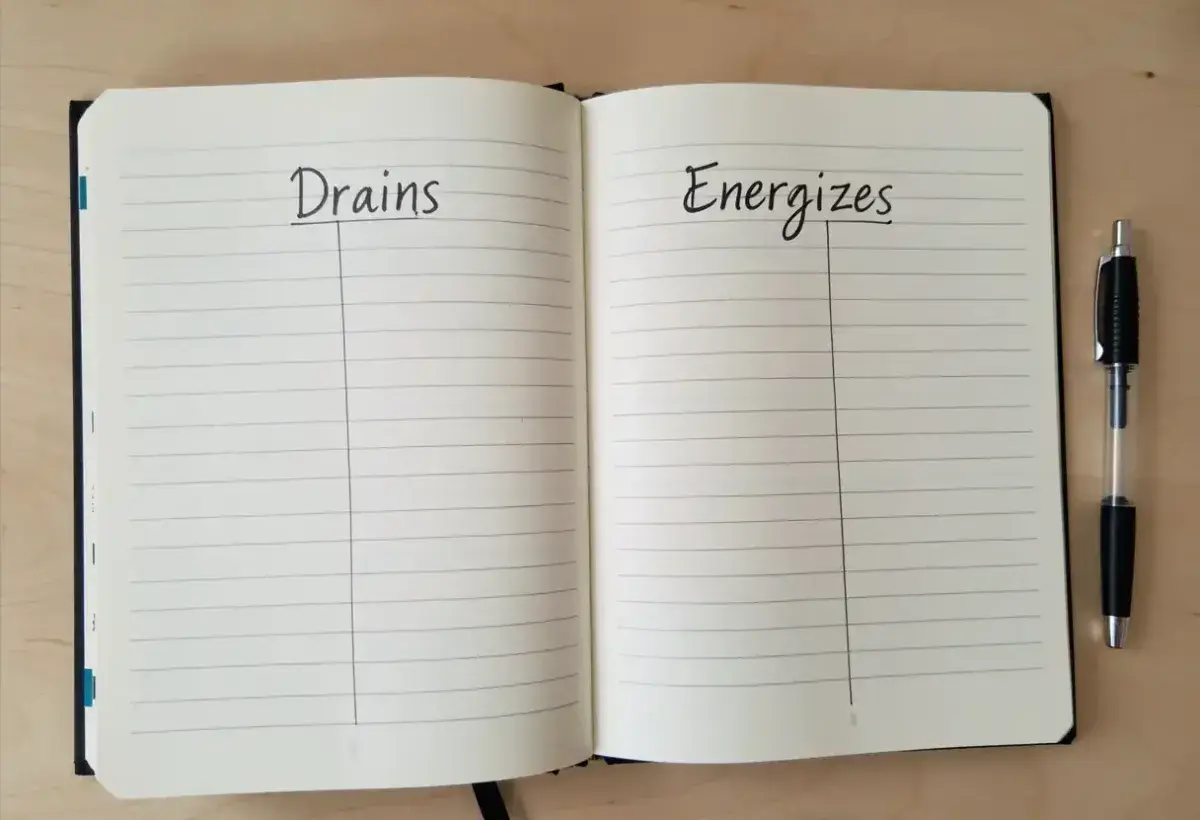
For one week, pay attention to what drains you and what energizes you. Notice how you feel after specific meetings, tasks, conversations, or environments. Some activities may consume less time but leave you completely depleted. Others may take longer yet leave you feeling fulfilled.
Burnout recovery is not about doing less of everything. It is about doing less of what drains and more of what restores.
This requires honesty. You may discover that certain commitments no longer align with your values. You may realize that constant availability has become a habit rather than a necessity. You may see that your schedule reflects obligation rather than intention.
An energy audit helps you identify where your life is out of balance.
Once you see it clearly, you can begin to shift it.
Learning to Say No Without Guilt
Many people who experience burnout are high achievers. They are responsible, reliable, and helpful. They say yes because they care. They say yes because they do not want to disappoint others. They say yes because they believe their worth is tied to productivity.
But constant yes is a fast track to depletion.
Saying no does not require a long explanation. You do not owe anyone a detailed defense of your boundaries. A simple statement such as I am not able to take that on right now is enough.
Image

Boundaries protect your energy. They are not barriers against love or commitment. They are filters that ensure your time and effort are invested in what truly matters.
At first, saying no may feel uncomfortable. You may fear judgment. But over time, it becomes empowering. Each no to something misaligned is a yes to something meaningful.
Burnout often grows in the space where boundaries are absent.
Recovery Days Without Guilt
Image

Scheduling recovery days is not indulgent. It is preventative care.
A recovery day is not about catching up on errands or tackling postponed tasks. It is intentional space for restoration. That might mean sleeping in, walking in nature, journaling, reading, or simply doing nothing.
The key is removing guilt. If you spend your recovery day worrying about productivity, your nervous system does not truly relax. Restoration requires psychological permission.
In a culture that glorifies hustle, rest can feel rebellious. But sustainable performance depends on cycles of effort and renewal. Elite athletes understand this. They train intensely, but they also prioritize recovery.
Your mind and emotions require the same rhythm.
Reconnecting With Meaning
At the core of burnout is often a loss of meaning. You may be working hard, but you no longer feel connected to why you started. The tasks may remain, but the purpose has faded.
Reconnecting with meaning does not always require changing careers. Sometimes it requires redefining your relationship to your work. Ask yourself what impact you want to have. Identify the aspects of your role that align with your values. Seek small ways to make your contributions more personal and authentic.
If alignment truly no longer exists, deeper change may be necessary. Burnout can be a signal. It can indicate that the path you are on no longer fits who you are becoming.
Image

Ignoring that signal prolongs suffering. Listening to it opens possibility.
The Nervous System Factor
Burnout is not only psychological. It is physiological. Chronic stress keeps your nervous system in a heightened state of alert. Over time, this constant activation leads to exhaustion.
You may notice tension in your shoulders, digestive issues, headaches, or disrupted sleep. These are not random. They are signs your body has been operating in survival mode for too long.
Regulating your nervous system is essential for recovery. Practices such as slow breathing, mindfulness meditation, gentle stretching, and time in nature help shift your body out of fight or flight.
Image
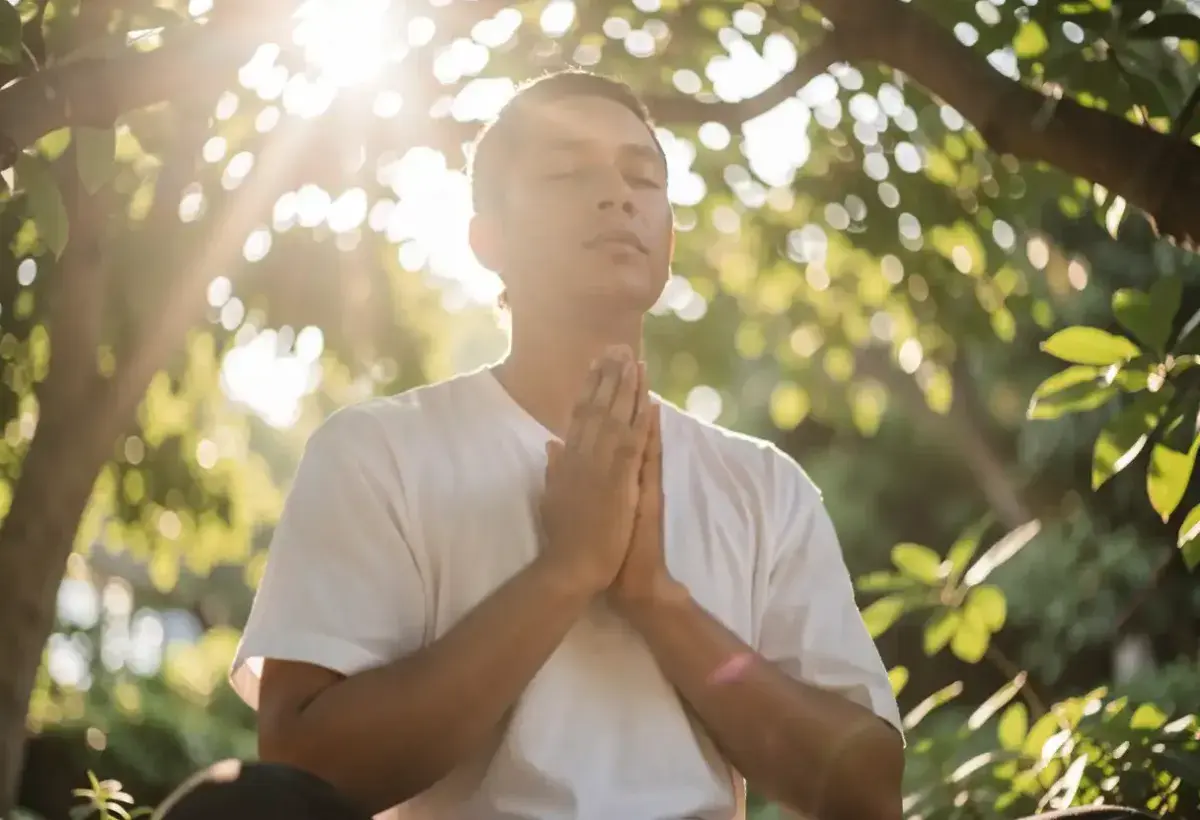
When your nervous system feels safe, your mind can think clearly again.
Burnout recovery is both mental and physical.
Doing What Truly Matters
The final piece many people miss is that recovery is not about doing less. It is about doing what truly matters.
If you eliminate draining tasks but fill the space with distractions, you may still feel empty. True recovery involves clarity. What do you value. Who do you want to show up as. What kind of life are you building.
Burnout strips away illusions. It forces you to confront unsustainable patterns. It reveals where you have overextended and where you have undernourished your own needs.
Recovery is not a quick fix. It is a recalibration.
You learn to protect your energy. You learn to align your actions with your values. You learn that productivity without purpose leads to emptiness.
And slowly, engagement returns.
Not the frantic energy of overdrive. Not the anxious push of proving yourself. But a steady, grounded sense of involvement.
You wake up with a bit more clarity. Tasks feel manageable again. You experience moments of genuine interest. You begin to feel present rather than numb.
Burnout does not define you. It signals that something needs to change.
If you are feeling detached, overwhelmed, or emotionally flat, do not dismiss it as weakness. It may be your mind and body asking for a different way of living.
Listen closely.
The missing piece is not more effort. It is alignment, boundaries, recovery, and meaning.
And that is where healing begins.