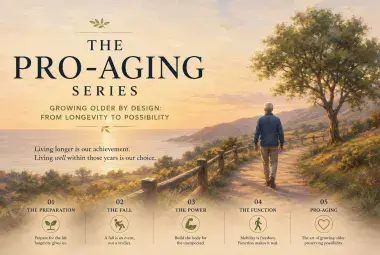
Retirement is often Imagined as a Reward
Retirement is the long exhale after decades of labor, framed as freedom. Golf courses, grandchildren, and slow ritual of coffee mornings. A life finally lived at one’s own pace.
But for many men, retirement is not an arrival . . . but a rupture.
Across cultures, work has never been merely about income. It has been about identity. About usefulness. About structure. In many societies, masculinity has long been tied to productivity, provision, and visible contribution. When the daily rhythm of employment suddenly stops, something deeper than routine is disrupted. What disappears is not just a job title, it is a role. A social anchor. A mirror that reflects worth. And when that mirror is gone, many men are left quietly asking: Who am I now? This is not a poetic exaggeration. It is increasingly supported by contemporary research.
Retirement Is Not Always Protective
Retirement affects individuals differently. For some, especially those who retire voluntarily and with strong social engagement, it can enhance well-being. But for others, particularly men whose identity is deeply intertwined with work, retirement can become psychologically destabilizing.
A longitudinal study published in The Lancet Healthy Longevity found that retirement’s impact on mental health depends significantly on pre-retirement work identity and post-retirement social engagement. When retirement leads to reduced purpose and weakened social ties, depressive symptoms increase (Schmitz et al., 2023). Similarly, data from the Survey of Health, Ageing and Retirement in Europe (SHARE) demonstrate that retirees who experience declines in social participation show higher levels of depressive symptoms within a few years of retirement (Börsch-Supan et al., 2022). The issue is not retirement itself it is what replaces it.
When structure disappears and nothing meaningful fills the space, vulnerability begins to surface.
Image

The Quiet Erosion of Social Networks
One of the most significant risk factors emerging from recent literature is social isolation. After leaving the workforce, many men experience a contraction of social networks. Workplace relationships often their primary source of daily interaction diminish rapidly. Unlike women, who statistically maintain broader emotionally intimate networks across the lifespan, men’s social connections tend to revolve around shared activities or professional environments. Once employment ends, so do many of those connections.
A pivotal study in The Lancet Psychiatry demonstrated that social disconnectedness predicts subsequent symptoms of depression and anxiety among older adults (Santini et al., 2020). The effect was particularly pronounced when individuals lacked emotionally supportive relationships.
The evidence has only strengthened in recent years. A 2022 systematic review in International Journal of Geriatric Psychiatry concluded that social isolation and perceived burdensomeness are among the strongest predictors of suicidal behavior in older adults, particularly men (Fässberg et al., 2022). The danger lies not only in being alone, but in feeling unnecessary.
When men who have spent decades as providers suddenly feel invisible or unneeded, the psychological consequences can be profound.
Masculinity and the Reluctance to Seek Help
If retirement creates emotional vulnerability, traditional masculine norms often prevent men from addressing it. Research consistently shows that men are significantly less likely than women to seek psychological support. A 2021 meta-analysis in Psychology of Men & Masculinities found that adherence to traditional masculine norms particularly self-reliance and emotional control is strongly associated with reduced help-seeking behavior (Seidler et al., 2021).
In other words, the very identity that once provided pride becomes a barrier to healing.
A review in American Journal of Men’s Health emphasized that depression in men often manifests through irritability, withdrawal, or somatic complaints rather than overt sadness, making it more difficult to detect and treat (Oliffe et al., 2022). Among retired men, distress may appear as silence, anger, or physical fatigue rarely as a direct confession of emotional pain.
Families may notice changes but struggle to name them. Policymakers may design broad aging programs without recognizing gender-specific vulnerabilities. And men themselves may internalize distress as personal failure rather than a treatable health condition.The result is underdiagnosis. And sometimes, tragedy.
Image
The Hard Reality of Suicide Risk
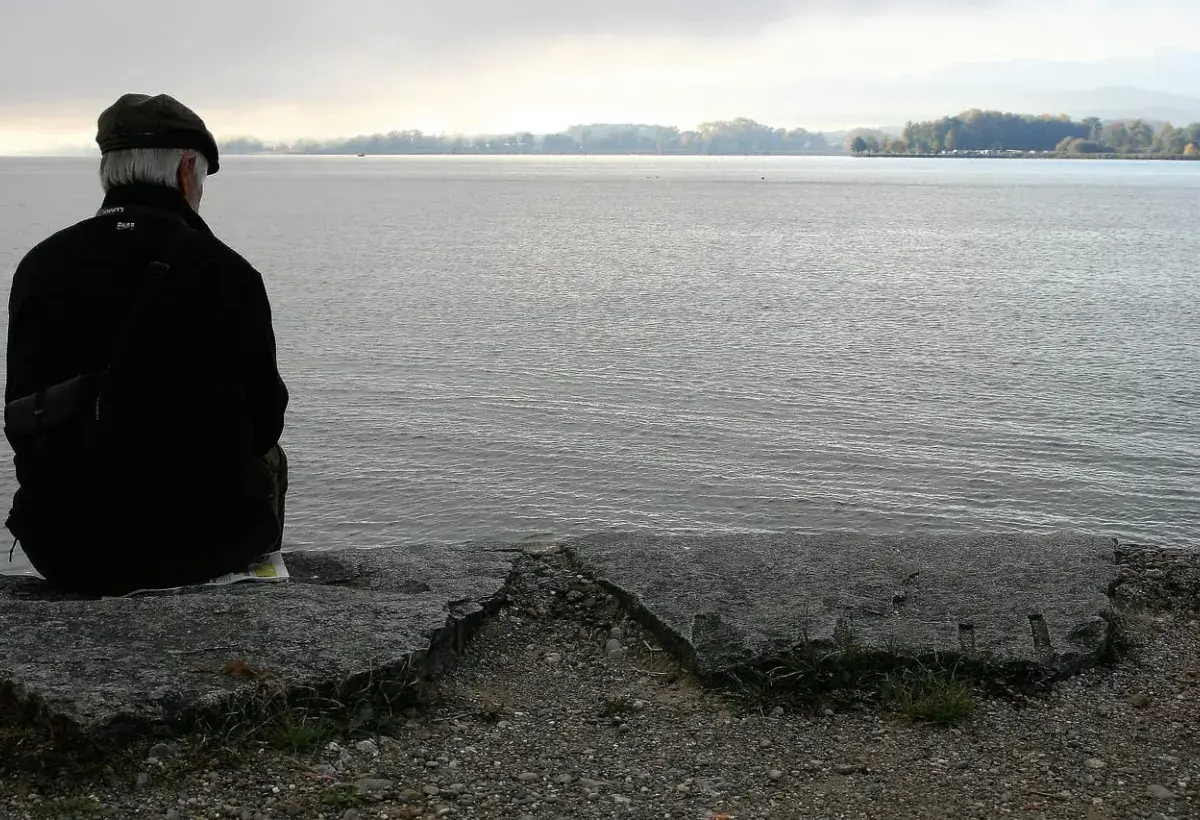
Globally, older men consistently have some of the highest suicide rates of any demographic group.
According to the World Health Organization (2024), men aged 60 and above account for a disproportionately high percentage of suicide deaths worldwide. The organization identifies social isolation, untreated depression, and major life transitions including retirement as key contributing factors. Data from the Centers for Disease Control and Prevention (2024) show similar patterns in high-income countries, where men aged 65 and older have suicide rates significantly higher than women of the same age group.
A comprehensive review in Neuroscience & Biobehavioral Reviews confirms that in older men, suicide risk is strongly associated with social disconnection, perceived loss of purpose, and major role transitions (Conejero et al., 2021). It is not simply aging that increases risk. It is isolation combined with unaddressed psychological distress. And what makes this particularly painful is how preventable many of these deaths are.
The Post-Pandemic Amplification
The COVID-19 pandemic intensified an already fragile situation. Lockdowns and social distancing measures disproportionately affected older adults, particularly retirees who relied on community gatherings, religious activities, or informal social routines. While pandemic restrictions have lifted in many countries, their long-term psychosocial impact remains visible.
The World Health Organization (2023) issued a global advisory highlighting loneliness as a significant public health concern, linking it to depression, anxiety, cognitive decline, and premature mortality. For retired men who had already experienced shrinking networks, the pandemic accelerated isolation.
The question now facing communities is whether those networks will be rebuilt intentionally or whether silence will continue.
Image

Where Policy Falls Short
Despite the strength of current evidence, policy responses remain largely age-based rather than gender-sensitive. The United Nations Department of Economic and Social Affairs (2023) acknowledges the rapid aging of global populations and the socioeconomic implications of retirement. However, mental health frameworks rarely focus specifically on retired men as a high-risk subgroup.
Most retirement programs emphasize financial planning, very few address identity reconstruction, very few normalize conversations about masculinity and emotional vulnerability, and very few provide structured post-retirement engagement programs designed to restore purpose.
Yet the research is clear: structured social participation significantly reduces depressive symptoms among retirees (Schmitz et al., 2023). Meaningful engagement whether through volunteerism, mentorship, community leadership, or intergenerational programs buffers against isolation. The absence of targeted intervention is not due to lack of data. It is due to lack of integration.
Families and Communities: The First Line of Prevention
While policymakers deliberate, families remain the immediate protective factor. Recognizing subtle changes matters such as withdrawal from conversation, loss of interest in previously valued activities, showing persistent irritability, and an expressions of hopelessness masked as humor.
Open conversations matter even more. Older men may not initiate emotional dialogue, but many respond when approached with respect rather than confrontation. Research consistently shows that perceived social support reduces suicide risk (Fässberg et al., 2022). Community structures faith groups, civic organizations, retirement clubs, peer groups can provide powerful protective effects when intentionally inclusive of men who may not naturally gravitate toward emotional sharing. Sometimes prevention begins not with therapy, but with belonging.
Image
Reframing Retirement: From End to Transition
What if retirement were reframed not as an end, but as a structured transition? The literature increasingly supports the idea that mental health outcomes improve when retirement includes preparation beyond finances. Identity continuity, purpose reconstruction, and social engagement planning significantly shape post-retirement well-being (Schmitz et al., 2023).
What if we stopped treating retirement as simply a financial milestone and started treating it as a life transition that deserves preparation? Not just pension planning nor investment strategies but emotional preparation. Identity preparation. Imagine if retirement counseling included something deeper.
What if, before a man left his workplace for the last time, someone sat with him and asked: What will give your days meaning now? That is purpose mapping. Not a grand philosophical exercise, but a gentle, practical exploration of what still matters what skills remain valuable, what wisdom can still be shared, what passions have long been postponed.
What if we intentionally strengthened social networks before retirement rather than after loneliness sets in? Encouraging men to build friendships beyond the office. To cultivate circles that are not dependent on job titles. To stay connected not because of work but because of belonging.
What if retirement planning included designing a volunteer pathway? Not random busyness, but structured contribution. Community boards. Skills-based volunteering. Advisory roles. Places where experience is not retired, but redirected.
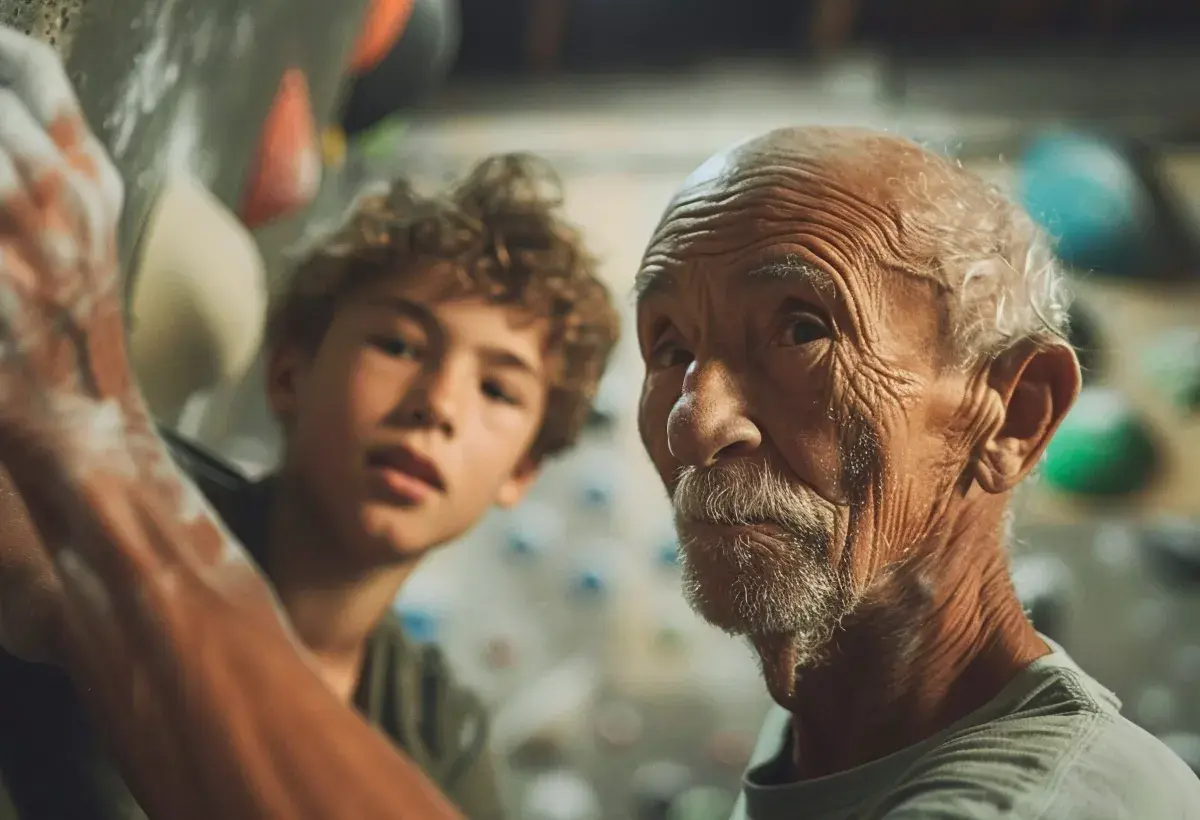
And what if intergenerational mentorship became a normal expectation of retirement rather than an exception? Older men guiding younger entrepreneurs. Coaching students. Teaching trades. Sharing lessons learned not from textbooks, but from decades of lived responsibility.
These are not sentimental ideas but structural safeguards. Because the problem many retired men face is not aging. Aging is natural. Aging can even be powerful. The deeper issue is disconnection from purpose, from community, from identity. When structure disappears and nothing meaningful replaces it, silence grows. But when purpose is mapped, relationships are strengthened, and contribution is reimagined, retirement stops feeling like an ending. It begins to feel like a second chapter.
Image
A Collective Responsibility
This silent struggle belongs to all of us. Retirees who feel lost are not weak, they are navigating one of the most profound role transitions of adult life. Families who feel uncertain about how to help are not failing they are often uninformed.
Policymakers who overlook gender-specific risk are not indifferent, they may simply be guided by incomplete frameworks. But the data is no longer incomplete. From peer-reviewed journals to global health agencies, the message is consistent: Retired men facing social isolation and untreated depression are at elevated risk for suicide.
And this risk is preventable.
When structure is restored, when connection is rebuilt, when masculinity is allowed to expand beyond productivity into mentorship, wisdom, and community contribution the narrative changes. Retirement does not have to be disappearance, it can become transformation. But transformation requires intentional design.
The silent struggle is only silent because we have not been listening closely enough. Now we are. And what we do next as families, communities, and policymakers will determine whether retirement becomes a season of decline or a season of renewed significance.
Image

Thank you to the contributors on Pixabay and FreePik for the photos used in this article.
References
-
Börsch-Supan, A., et al. (2022). Data resource profile: SHARE wave 8. European Journal of Epidemiology, 37(2), 115–122.
-
Conejero, I., et al. (2021). Suicide in older adults. Neuroscience & Biobehavioral Reviews, 127, 103–118.
-
Fässberg, M. M., et al. (2022). Social factors and suicidal behavior in older adulthood. International Journal of Geriatric Psychiatry, 37(3).
-
Oliffe, J. L., et al. (2022). Men’s depression and suicide risk. American Journal of Men’s Health, 16(2).
-
Santini, Z. I., et al. (2020). Social disconnectedness and depression. The Lancet Psychiatry, 7(4), 318–327.
-
Schmitz, H., et al. (2023). Retirement and mental health. The Lancet Healthy Longevity, 4(2).
-
Seidler, Z. E., et al. (2021). Masculinity and help-seeking. Psychology of Men & Masculinities, 22(3).
-
World Health Organization. (2023–2024). Loneliness and suicide global updates.
-
Centers for Disease Control and Prevention. (2024). Suicide data and statistics.
-
United Nations Department of Economic and Social Affairs. (2023). World population ageing 2023.