

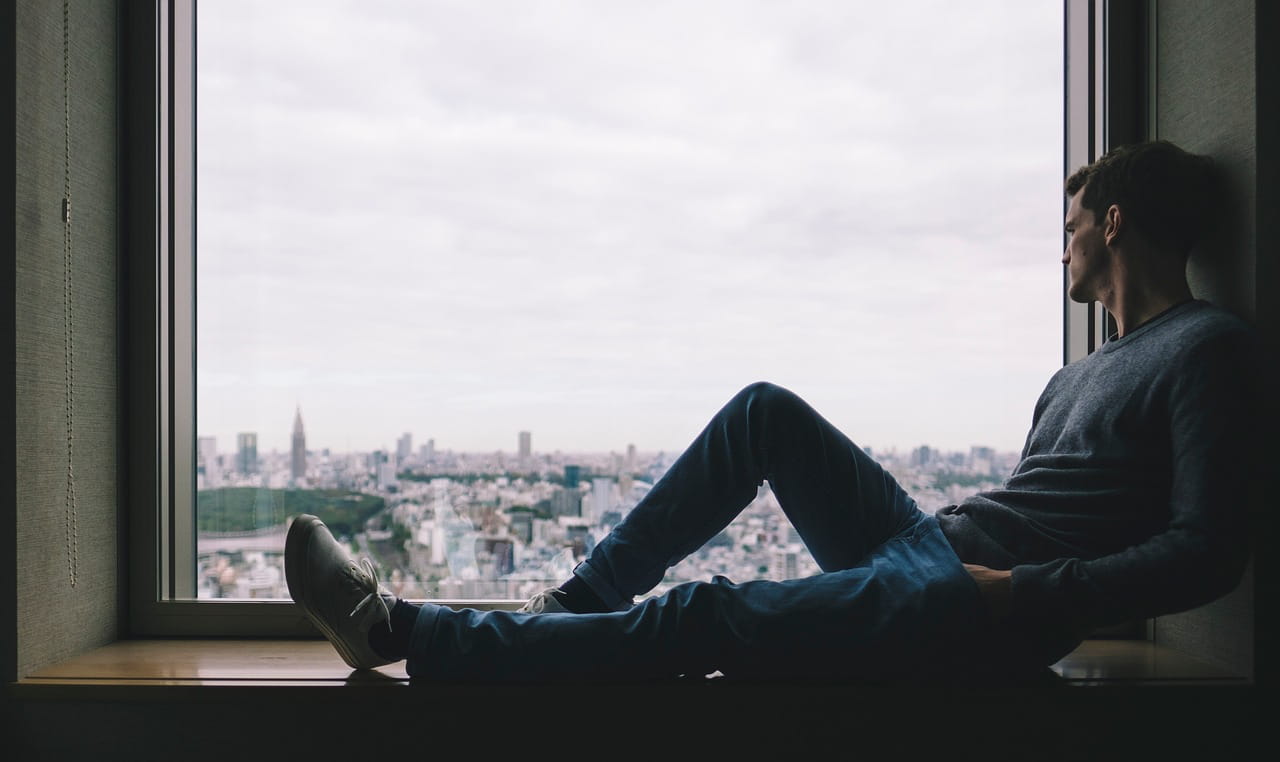
“Do you still own your life?”
That question came to me one evening without hesitation almost as if it slipped in quietly, asking for permission rather than attention.
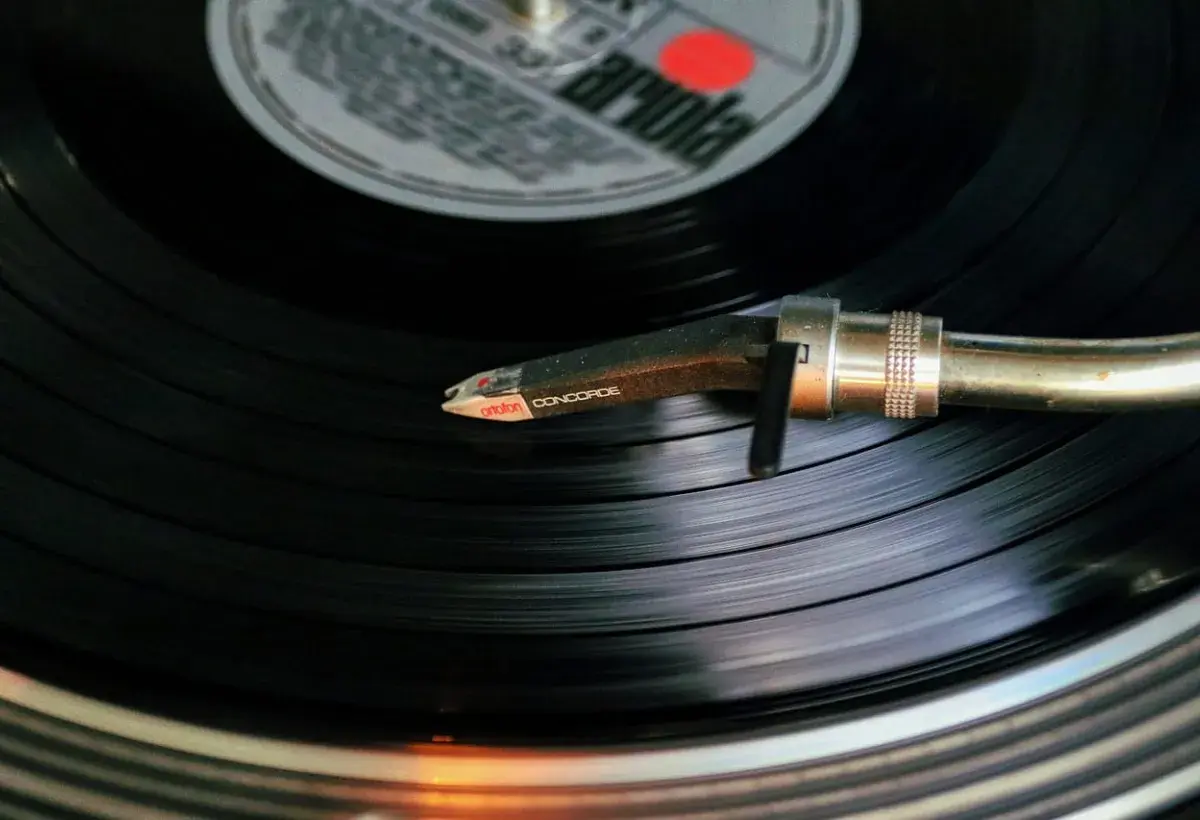
I was sitting alone, listening to soft, calming songs from a 1960s vintage collection the kind of music that slows time the moment it begins. I grew up with my grandmother, who herself had the rare gift of growing up with my great-grandmother. Through them, I inherited more than stories. I inherited sounds, rhythms, and silences. I was too young then to understand genres or decades. I only knew how the music made me feel.
The voices were low and tender. The melodies moved gently, unhurried, as if they were in no rush to end. The room felt spacious. There was no sense of chasing time, no pressure to multitask, no demand to respond. I sipped my tea, my mind unusually undisturbed, and allowed the lyrics to drift through the room rather than command it.
One line lingered:
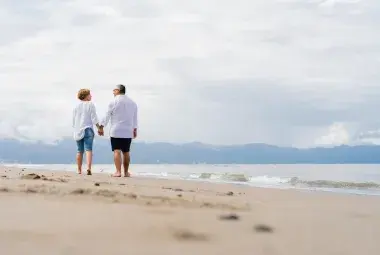
“We walked under the rain, holding hands both soaking wet but we didn’t realize it until we stood at the doorstep of your house.”
That was the poetry of love then. The singer delivered it so delicately that I didn’t merely hear it I saw it. Two people walking through the rain, hands entwined, so absorbed in each other that even discomfort faded into the background. Holding hands felt endless. Love existed in a space where presence itself was enough.
Image
Later, almost unintentionally, I heard a song from today.
Its lyrics were explicit, direct describing bodies, acts, private moments with nothing left to suggest or imagine. The images arrived instantly, without invitation. There was no room to linger, no space to interpret, no silence between the lines. These were only two small encounters among countless choices now available to us served endlessly, effortlessly, at the tap of a finger or the sound of a command. And somewhere in that contrast, something deeper surfaced.
Noticing that… today we live in a profoundly complex world.
Not merely complex in systems or technology, but complex in how constantly it reaches into us. Images, sounds, opinions, desires, fears arriving faster than we can process them. Some comfort, some created that excitement, overwhelming, and some quietly invade. And between nostalgia and modernity, between slowness and speed, I found myself asking:
“How do we keep our sanity intact in all of this? Do we still own our lives through the choices we make?
Or are many of those choices quietly shaped suggested, repeated, normalized by the world around us?"
This is not a question of right or wrong. It is not a moral judgment neither, but a question of awareness. Human beings today are not only living; we are constantly responding. Responding to notifications, expectations, trends, crises, and comparisons. Life increasingly feels like a series of reactions rather than a series of choices. And when everything is competing for our attention, the most vulnerable thing the one thing most easily eroded is our freedom to choose consciously. Not because it is taken from us outright but because it is slowly replaced by convenience.
Image
So when did we stop choosing slowly?
When did we stop noticing how what we consume shapes us our imagination, our nervous system, our sense of intimacy, even our tolerance for silence?Much of modern life does not demand reflection. It rewards speed. It encourages immediacy. It offers answers before questions fully form.
Over time, this can create a subtle drift where decisions feel personal, yet originate elsewhere; where desires feel authentic, yet were quietly planted; where life moves forward, but not always intentionally. Awareness, I am realizing, is not about withdrawing from the modern world. It is not about rejecting technology, progress, or change. It is simply the ability to pause long enough to notice what is happening inside us as we move through it.
To consciously ask:
What am I allowing into my inner world?
What occupies my imagination?
What shapes my sense of meaning, intimacy, and enoughness?
Image
What am I no longer noticing because I am always occupied?
We are bombarded daily not only with information, but with subtle instructions on how to live, what to value, what to desire, what to fear, and what to ignore. None of this is inherently malicious. Much of it is simply the byproduct of a loud, fast, interconnected world. But without awareness, it becomes easy to build an entire life from borrowed scripts.
In such a landscape, choice becomes something fragile, and maybe that is why it matters. Owning your life today may no longer mean escaping the noise. Few of us can. Perhaps it means noticing how deeply that noise enters us and deciding, gently, what we allow to stay.
Not every decision needs to be optimized.
Not every moment needs commentary.
Not every silence needs filling.
There is a quiet form of freedom in realizing that you are still allowed to choose what nourishes you. Still allowed to protect certain inner spaces from constant occupation. Still allowed to move gently in a world that often rushes. Moving forward does not require rejection it simply requires discernment.
The freedom to curate an inner life with care.
To notice when you are acting on habit rather than intention.
To recognize when your attention has been borrowed for too long.
To remember that imagination, subtlety, and presence are not obsolete they are simply less advertised.
Image
Owning your life may begin in very small moments:
in noticing what you reach for when you are tired,
in observing what you consume when you are lonely,
in sensing what brings quiet expansion rather than constant stimulation.
Not as a rule.
Not as a goal.
Just as awareness.
And perhaps that is where sanity now lives, not in silence, nor in certainty but in the steady remembering that even in a loud, fast, complex world, you are still allowed to pause. . . long enough to listen, to feel, and to choose what kind of life you are quietly building.
Author’s Note
This piece was written as a quiet space rather than an argument. It does not seek to persuade, instruct, or draw conclusions for the reader, but simply to pause and notice how modern life moves, how choices are formed, and how easily awareness can be replaced by momentum. The reflections here are not a critique of the world we live in, nor a call to resist it, but an invitation to sit briefly with one’s own experience and observe it without judgment. If the essay offers anything, it is not an answer, but room: room to notice, to breathe, and to recognize that reflection itself remains a form of freedom.
Image
With thanks to the photographers of Pixabay for sharing these quiet moments.