

Your brain is the control center of everything you do, from thinking and learning to remembering important details and staying emotionally balanced. While many people focus on productivity tools, supplements, or mental exercises to improve brain power, one of the most powerful influences on cognitive performance is often overlooked. That influence is nutrition. The foods you eat every day directly affect how well your brain functions, how clearly you think, and how effectively you retain information.
The brain consumes a significant amount of energy compared to other organs, which means it relies heavily on a steady supply of nutrients to perform at its best. When your diet lacks essential vitamins, minerals, healthy fats, and antioxidants, mental fatigue, poor concentration, and memory lapses can become more common. On the other hand, choosing foods that nourish the brain can support sharper focus, improved learning ability, and long term cognitive health.
Scientific research continues to reveal strong connections between specific foods and brain performance. Certain nutrients help protect brain cells from oxidative stress, support communication between neurons, and improve blood flow to the brain. These benefits are especially important in a world where stress, screen exposure, and long working hours place constant demands on mental clarity and attention.
Whether you are a student preparing for exams, a professional juggling complex tasks, or someone who simply wants to stay mentally sharp as the years go by, your daily food choices matter more than you may realize. You do not need extreme diets or expensive supplements to support your brain. Instead, consistently including proven brain friendly foods can make a noticeable difference over time.
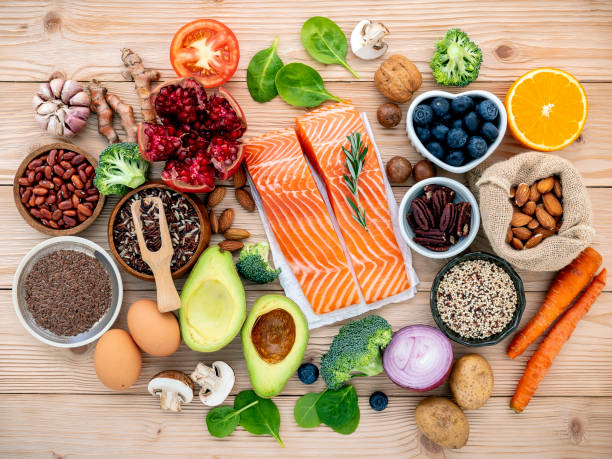
The following ten superfoods are backed by science and widely recognized for their ability to support memory, focus, and overall brain health. Each one offers unique nutrients that work together to fuel your mind naturally. Adding these foods to your regular meals is a practical and sustainable way to invest in long term mental performance and cognitive resilience.
1. Blueberries
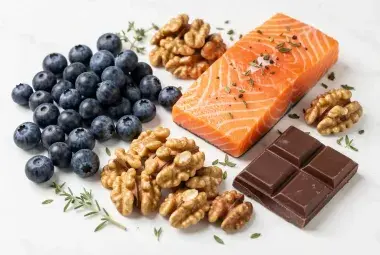
Blueberries are often described as one of the most powerful brain friendly fruits, and for good reason. They are packed with antioxidants, particularly flavonoids, which help protect brain cells from oxidative stress. Oxidative stress can damage neurons over time and is linked to memory decline. By reducing this damage, blueberries help preserve mental sharpness and support long term brain health.
Research has shown that the compounds in blueberries can improve communication between brain cells. This enhanced signaling supports learning and memory formation, especially short term memory. Regular consumption of blueberries has been linked to improved recall and faster cognitive processing in both younger and older adults.
Another key benefit of blueberries is their ability to support healthy blood flow to the brain. Improved circulation ensures that oxygen and nutrients reach brain tissue efficiently, which is essential for maintaining focus and alertness. This makes blueberries particularly useful during mentally demanding periods such as studying, problem solving, or extended work sessions.
Blueberries are also easy to incorporate into everyday meals. They can be added to smoothies, oatmeal, yogurt, or eaten on their own as a snack. Fresh or frozen varieties both offer brain benefits, making them accessible year round.
Beyond memory support, blueberries may also play a role in slowing age related cognitive decline. Their protective effects help maintain brain structure and function over time, making them a smart choice for anyone focused on long term mental wellness.
Image

2. Fatty Fish (Salmon, Mackerel, Sardines)
Fatty fish are among the most important foods for brain health due to their high content of omega three fatty acids. These healthy fats are essential building blocks of brain cells and play a critical role in maintaining the structure of neurons. A brain rich in omega three fats is better equipped for learning, memory retention, and emotional balance.
Omega three fatty acids also support communication between brain cells by improving the flexibility of cell membranes. This flexibility allows signals to pass more efficiently, which enhances cognitive processing and reaction time. People who regularly consume fatty fish often show better attention and problem solving abilities.
Another benefit of fatty fish is their anti inflammatory properties. Chronic inflammation can negatively affect brain function and has been linked to cognitive decline. The nutrients in salmon, mackerel, and sardines help reduce inflammation, creating a healthier environment for the brain to operate.
Fatty fish are also associated with improved mood and reduced risk of depression. Since mental health and cognitive performance are closely connected, supporting emotional well being contributes to better focus and productivity.
Including fatty fish in your diet two to three times per week can provide meaningful benefits. Grilling, baking, or lightly pan cooking preserves nutrients while offering a satisfying and nourishing meal.
Image

3. Walnuts
Walnuts are one of the few nuts that visually resemble the human brain, and their benefits truly live up to that symbolism. They are rich in healthy fats, antioxidants, and plant based omega three fatty acids that support brain performance. These nutrients work together to protect neurons and enhance cognitive function.
One of the standout components of walnuts is their DHA content, a type of omega three fat linked to improved learning and memory. DHA supports the structure of brain cells and helps maintain efficient communication between neurons. This makes walnuts especially beneficial for tasks that require sustained concentration and mental clarity.
Walnuts also contain compounds that help reduce inflammation and oxidative stress in the brain. By limiting these harmful processes, walnuts contribute to long term cognitive health and may help slow age related mental decline.
Another advantage of walnuts is their role in supporting overall circulation. Improved blood flow ensures that the brain receives the oxygen and nutrients it needs to function optimally. This can translate into better alertness and mental endurance throughout the day.
Adding walnuts to your diet is simple. They can be eaten on their own, mixed into salads, blended into smoothies, or added to breakfast dishes. Even a small daily serving can contribute to noticeable brain health benefits over time.
Image

4. Leafy Greens (Spinach, Kale, Broccoli)
Leafy green vegetables are nutritional powerhouses that provide essential vitamins and antioxidants for brain health. Spinach, kale, and broccoli are especially rich in vitamin K, lutein, folate, and beta carotene. These nutrients are strongly associated with slower cognitive decline and improved memory.
Vitamin K plays an important role in brain cell signaling and the formation of compounds involved in memory. Folate supports the production of neurotransmitters, which are chemicals that allow brain cells to communicate. Together, these nutrients help maintain mental sharpness and processing speed.
Leafy greens are also high in antioxidants that protect the brain from oxidative damage. This protection is particularly important as the brain ages, since accumulated damage can affect memory and attention.
Another benefit of leafy greens is their support for overall vascular health. Healthy blood vessels improve circulation to the brain, ensuring consistent delivery of oxygen and nutrients. This contributes to better focus and reduced mental fatigue.
Incorporating leafy greens into daily meals can be easy and versatile. They can be added to salads, soups, stir fries, smoothies, or lightly steamed as a side dish. Regular intake supports both short term mental performance and long term brain resilience.
Image

5. Dark Chocolate
Dark chocolate is more than a satisfying treat. It contains powerful compounds that support brain health when consumed in moderation. Rich in flavonoids, antioxidants, and small amounts of caffeine, dark chocolate can enhance focus, memory, and mood.
Flavonoids in dark chocolate help improve blood flow to the brain. Increased circulation supports better oxygen delivery, which is essential for alertness and cognitive performance. This effect can lead to improved attention and mental clarity shortly after consumption.
Dark chocolate also supports brain plasticity, which refers to the brain ability to adapt and form new connections. This is especially important for learning and memory formation. Over time, this adaptability contributes to better cognitive flexibility and problem solving skills.
The presence of compounds that stimulate endorphin release can also improve mood. A positive mood is closely linked to improved focus and motivation, making dark chocolate a helpful addition during mentally demanding tasks.
To gain the most benefit, choose dark chocolate with a high cocoa content and minimal added sugar. Enjoying a small portion regularly can provide brain benefits without excessive calories.
Image

6. Eggs
Eggs are a nutrient dense food that plays an important role in brain health. One of their most valuable nutrients is choline, which is essential for producing acetylcholine. This neurotransmitter is involved in memory formation, learning, and mood regulation.
Adequate choline intake supports efficient communication between brain cells. This can improve memory recall and enhance the ability to concentrate on complex tasks. Many people do not get enough choline in their diet, making eggs a particularly valuable addition.
Eggs also provide B vitamins that help reduce levels of homocysteine, a compound linked to cognitive decline. Lower homocysteine levels support brain health and may reduce the risk of memory problems over time.
Another advantage of eggs is their protein content, which helps stabilize blood sugar levels. Stable energy levels are essential for maintaining focus and avoiding mental crashes during the day.
Eggs are versatile and easy to prepare. They can be boiled, scrambled, poached, or added to meals in countless ways. Including eggs regularly supports both immediate mental performance and long term cognitive health.
Image

7. Oranges
Oranges are an excellent source of vitamin C, a powerful antioxidant that protects the brain from oxidative stress. Oxidative damage can impair memory and cognitive performance, making vitamin C essential for maintaining mental clarity.
One medium orange provides the daily requirement of vitamin C, supporting brain cell protection and overall neurological health. Vitamin C also plays a role in the production of neurotransmitters that regulate mood and focus.
Adequate vitamin C intake has been linked to reduced risk of cognitive decline as people age. By protecting neurons and supporting healthy brain chemistry, oranges contribute to long term mental resilience.
Oranges also support hydration, which is important for brain function. Even mild dehydration can affect concentration and memory, so consuming water rich fruits like oranges helps maintain optimal mental performance.
Enjoying oranges as a snack, in salads, or as freshly squeezed juice can be an easy way to support daily brain nutrition.
Image

8. Pumpkin Seeds
Pumpkin seeds are small but packed with minerals that support brain health. They contain magnesium, iron, zinc, and copper, all of which are essential for nerve signaling and cognitive function.
Magnesium supports learning and memory by regulating neurotransmitter activity. Zinc plays a role in communication between brain cells and is important for memory formation. Iron helps deliver oxygen to the brain, while copper supports nerve signaling.
Deficiencies in these minerals can negatively affect concentration and mental clarity. Including pumpkin seeds in your diet helps ensure that your brain has the resources it needs to function efficiently.
Pumpkin seeds also contain antioxidants that protect the brain from oxidative stress. This protection supports long term cognitive health and mental sharpness.
They can be eaten raw, roasted, or added to salads, yogurt, or baked dishes. A small daily serving can provide meaningful cognitive benefits.
Image

9. Grapes (Especially Red and Purple)
Grapes, particularly red and purple varieties, contain resveratrol, a powerful antioxidant linked to improved brain health. Resveratrol helps protect brain cells from damage and supports healthy blood flow to the brain.
Improved circulation enhances oxygen and nutrient delivery, which supports memory, focus, and mental endurance. This makes grapes a helpful snack during periods of intense mental activity.
Resveratrol has also been studied for its potential role in supporting learning and slowing cognitive decline. By protecting neurons and reducing inflammation, grapes contribute to long term brain health.
Grapes are also hydrating and naturally sweet, making them an easy and enjoyable addition to a brain supportive diet. Fresh grapes or natural grape products can be included in meals or snacks.
Image

10. Whole Grains (Oats, Brown Rice, Quinoa)
Whole grains provide a steady source of glucose, which is the brain primary fuel. Unlike refined grains, whole grains release glucose slowly, supporting sustained energy and focus throughout the day.
Consistent energy supply helps prevent mental fatigue and supports concentration during long periods of work or study. Whole grains also contain B vitamins that support brain function and nerve health.
Fiber in whole grains helps regulate blood sugar levels, reducing energy crashes that can impair attention and memory. This stability is essential for maintaining mental clarity.
Including oats, brown rice, and quinoa in meals provides both immediate cognitive support and long term brain health benefits. These grains are versatile and can be used in breakfast, lunch, or dinner dishes.
Image

Supporting your brain does not require complicated strategies or extreme lifestyle changes. It begins with making intentional food choices that provide the nutrients your brain needs to perform at its best. The ten superfoods highlighted here offer a powerful combination of antioxidants, healthy fats, vitamins, and minerals that directly influence memory, focus, and long term cognitive health.
When these foods are consumed regularly, they help protect brain cells, improve communication between neurons, and support healthy blood flow. Over time, these benefits add up, leading to clearer thinking, improved learning ability, and greater mental resilience. Small daily choices can have a lasting impact on how your brain functions throughout your life.
It is important to remember that brain health is not built overnight. Consistency is key. Including a variety of these foods across meals ensures that your brain receives a broad range of nutrients working together in harmony. Pairing good nutrition with adequate sleep, physical activity, and stress management further enhances cognitive performance.
Whether your goal is sharper focus at work, improved academic performance, or maintaining mental clarity as you age, these superfoods provide a natural and sustainable foundation. By feeding your brain well today, you invest in better thinking, stronger memory, and long term mental vitality for years to come.