

Vodka is a spirit that has intrigued people for centuries. Its simple appearance hides a rich history and a complex production process that spans continents. From the icy plains of Russia to the fertile fields of Poland, vodka has left a mark on culture, cuisine, and even science. While many people know vodka as a common ingredient in cocktails or a drink served neat at celebrations, there is far more to this versatile beverage than meets the eye.
The story of vodka begins long before modern distillation techniques made it smooth and easy to drink. Early versions of the spirit were often harsh and unrefined, used primarily for medicinal purposes. Over time, vodka evolved into a symbol of hospitality, celebration, and craftsmanship. Its neutral taste makes it one of the most adaptable spirits, suitable for mixing with flavors or enjoying on its own.
Vodka’s influence stretches beyond the glass. Its cultural significance is seen in rituals, traditions, and even politics in the countries that claim it as their own. This spirit is not only a social lubricant but also a tool for culinary creativity and household solutions. Bartenders, chefs, and even scientists have found unique ways to harness vodka’s properties.
Whether you are a casual drinker or a spirit connoisseur, the history, production, and surprising uses of vodka make it an endlessly fascinating subject. In this article, we explore ten fun and unusual facts about vodka that will deepen your appreciation for this iconic drink. These insights range from historical trivia to modern innovations, showing why vodka continues to capture the imagination of people all over the world.
1. Vodka’s Name Means “Little Water”
The word vodka comes from the Slavic term “voda,” meaning water, with the diminutive form roughly translating to “little water.” This name is fitting because vodka is clear, colorless, and can easily be mistaken for plain water. Written records of the term date back to the 14th century, showing how long the drink has been part of Eastern European culture.
Early vodka was far from smooth. It had a harsh taste and was primarily consumed for medicinal purposes or as a preservative for herbs and other remedies. People often believed that it could heal wounds, reduce fever, and alleviate various ailments. Over centuries, distillation methods improved, allowing for a cleaner, more refined spirit that is enjoyed worldwide today.
The simplicity of the name reflects vodka’s unpretentious character. While making high-quality vodka requires skill, patience, and precision, its appearance and concept remain straightforward. Vodka’s clear nature represents purity and neutrality, making it a universal base for cocktails and infusions. It also symbolizes a shared cultural heritage that spans borders and centuries.
Image
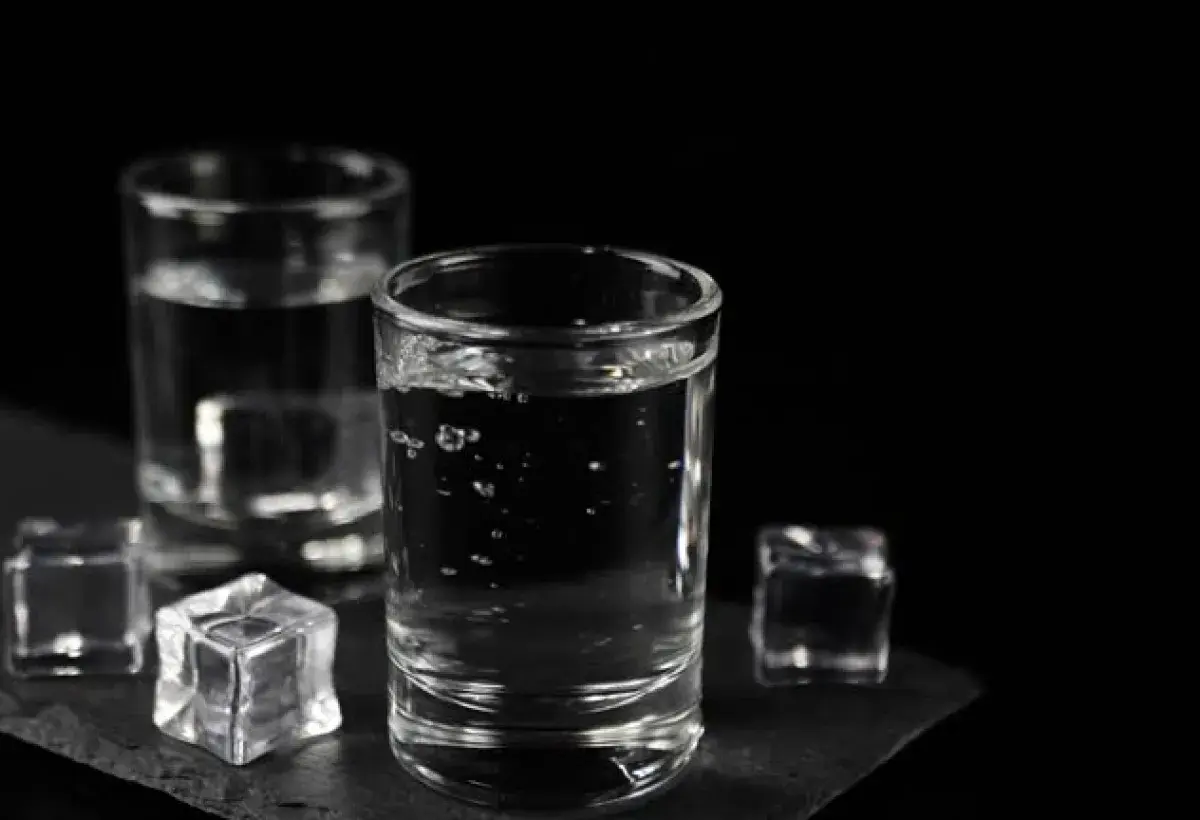
2. Russia and Poland Both Claim to Have Invented Vodka
There is a long-standing debate between Russia and Poland about who first created vodka. Historical documents from Poland indicate vodka production as early as the eighth century, while Russian records mention it in the late ninth century. Both countries developed their own production styles, flavors, and traditions.
In Russia, vodka became deeply integrated into social and cultural rituals, often enjoyed neat during toasts and celebrations. In Poland, vodkas were sometimes infused with herbs, fruits, and spices to enhance flavor. This friendly rivalry continues to this day, with both nations taking pride in their vodka heritage.
The international popularity of vodka has grown regardless of its origin story. Each country’s unique approach to production has contributed to the global diversity of flavors and techniques. Vodka has evolved into a universal spirit that transcends borders, providing a common cultural thread for enthusiasts and casual drinkers alike.
Image
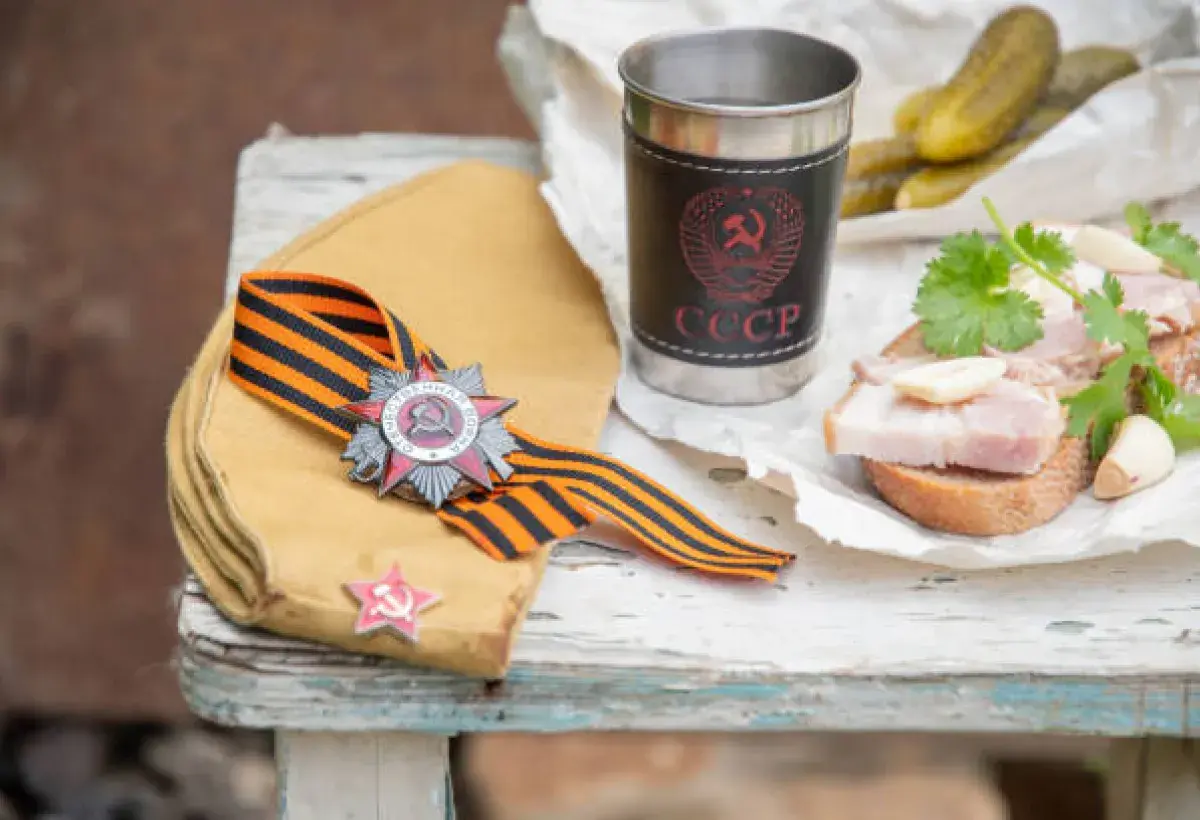
3. Vodka Can Be Made from Almost Anything
Vodka is remarkably versatile in terms of ingredients. While grains such as wheat, rye, or barley are traditional, it can also be distilled from potatoes, corn, grapes, or beets. The essential requirement is that the base ingredient contains starch or sugar, which can be fermented.
This adaptability allows vodka production to thrive in different regions around the world. Some craft distillers experiment with unusual bases like quinoa or maple sap, producing unique flavor profiles while maintaining vodka’s smoothness. The ability to use a wide range of ingredients also makes vodka accessible to local producers, allowing regional variations to flourish.
Vodka’s neutral flavor profile makes it a favorite among mixologists. Its versatility enables it to blend seamlessly into classic cocktails or inspire new creations. Even unflavored vodka showcases subtle characteristics based on its base ingredients, offering a nuanced drinking experience for those who explore the details.
Image

4. Vodka Is the World’s Most Popular Spirit
Vodka consistently ranks as the most consumed spirit worldwide. It is particularly popular in Eastern Europe, North America, and parts of Asia. Its neutral taste makes it a perfect base for a wide array of cocktails, including martinis, screwdrivers, and Moscow mules.
In countries like Russia, vodka is traditionally served neat in small glasses, often accompanied by food or during ceremonial toasts. Its popularity extends beyond casual drinking, playing a role in celebrations, holidays, and formal events. Vodka’s global dominance reflects both its versatility and its cultural significance in various societies.
The spirit’s ability to pair with almost any mixer ensures that it appeals to a broad spectrum of consumers. From casual gatherings to high-end bars, vodka remains a go-to choice for many drinkers. Its widespread availability and adaptability make it a true staple of the modern liquor world.
Image

5. The Strongest Vodka in the World Is 96% Alcohol
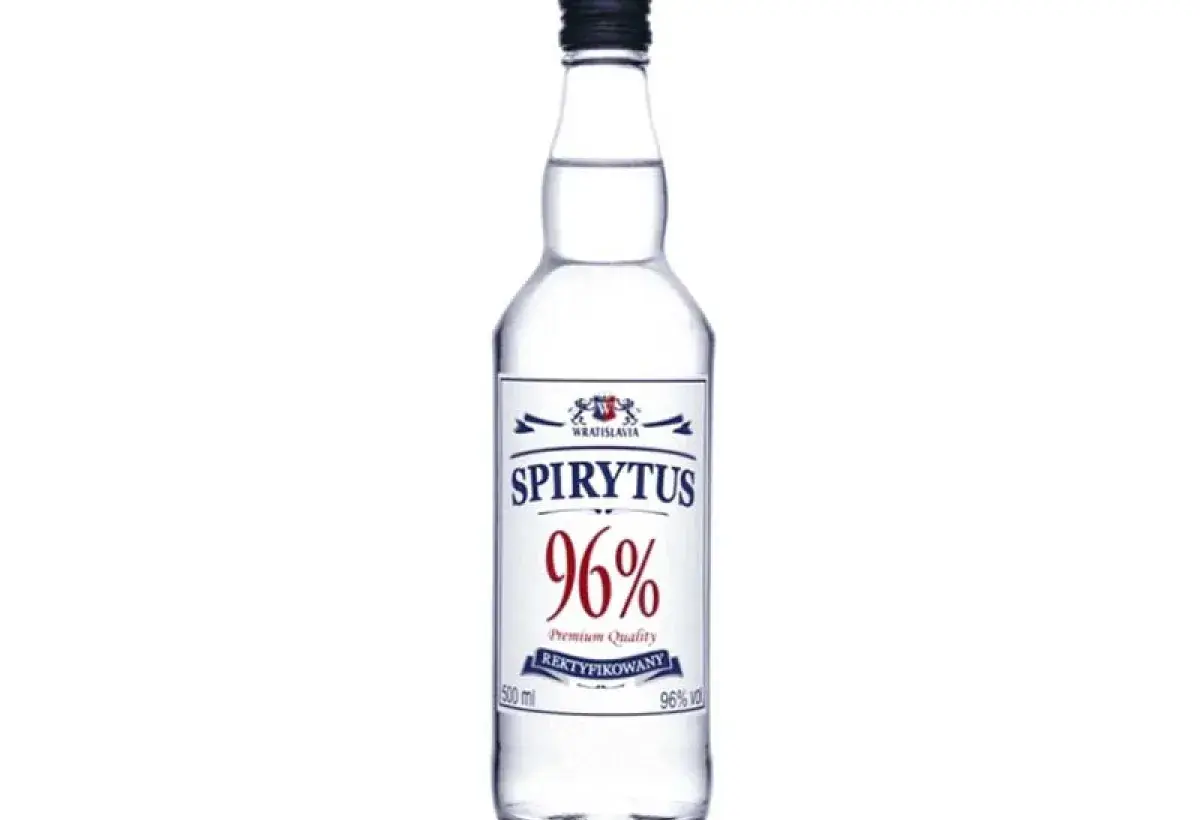
Most commercial vodkas are bottled at 40 percent alcohol by volume. Some extreme versions, however, push the boundaries. The strongest vodka recorded is Spirytus Rektyfikowany from Poland, which has an astonishing 96 percent alcohol content.
This high-proof vodka is not meant for casual consumption. Drinking it undiluted can be dangerous, so it is usually used sparingly in cocktails or for making homemade liqueurs. This ultra-strong vodka demonstrates the capabilities of modern distillation techniques. It is a reminder that while strength is impressive, it does not necessarily equate to drinkability.
High-proof vodkas like this are often of interest to collectors, enthusiasts, and those experimenting with mixology. They provide insight into the science of alcohol concentration and how extreme methods can produce unique spirits.
Image
6. Vodka Was Once Used as Medicine
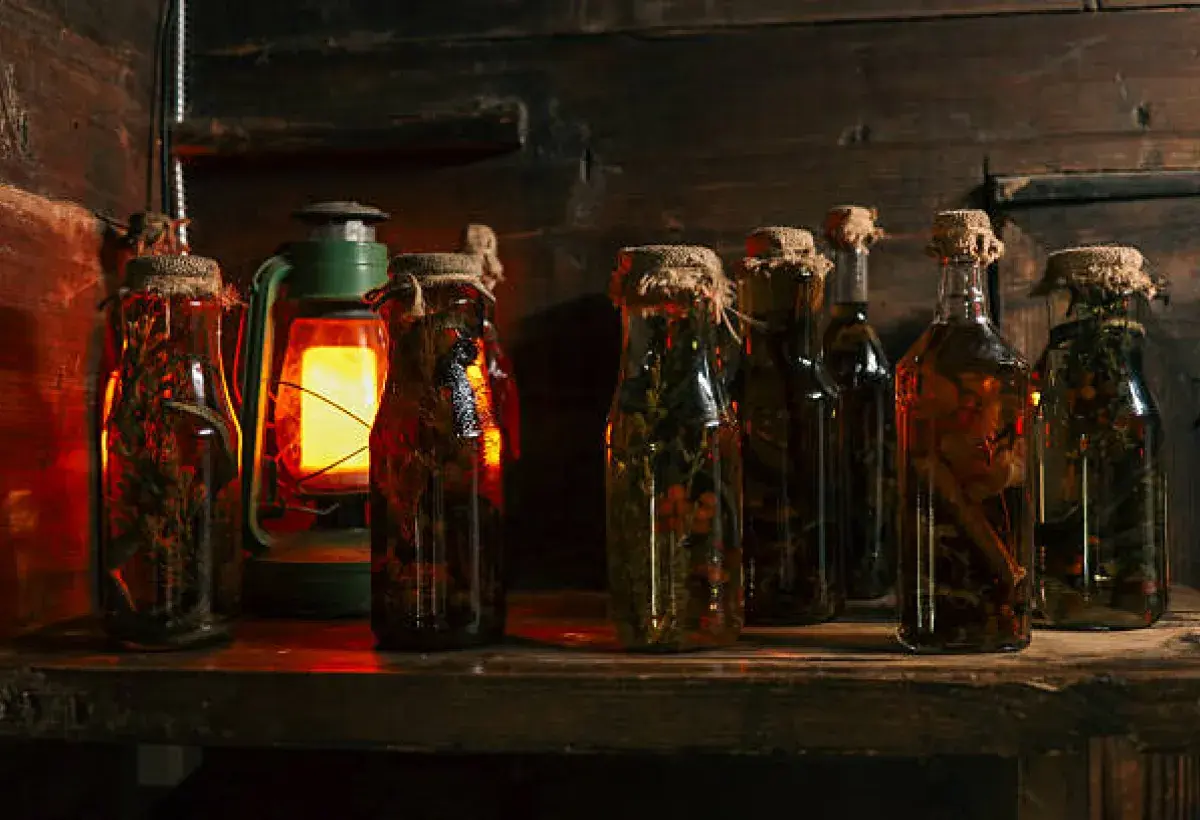
In the past, vodka was not just a recreational beverage but also a form of medicine. In medieval Russia and Poland, it was used to disinfect wounds, reduce fever, and relieve toothaches. Apothecaries often infused it with herbs to enhance its perceived healing properties.
During wartime, vodka was even issued to soldiers as both a disinfectant and morale booster. The belief in its curative qualities shows how integral it was to daily life and healthcare practices before modern medicine became widespread.
This medicinal history adds depth to vodka’s story. It was more than just a drink; it was a trusted remedy that people relied on for both minor and serious ailments. Understanding this context gives a new perspective on vodka’s historical importance.
Image
7. Vodka Freezes at Extremely Low Temperatures
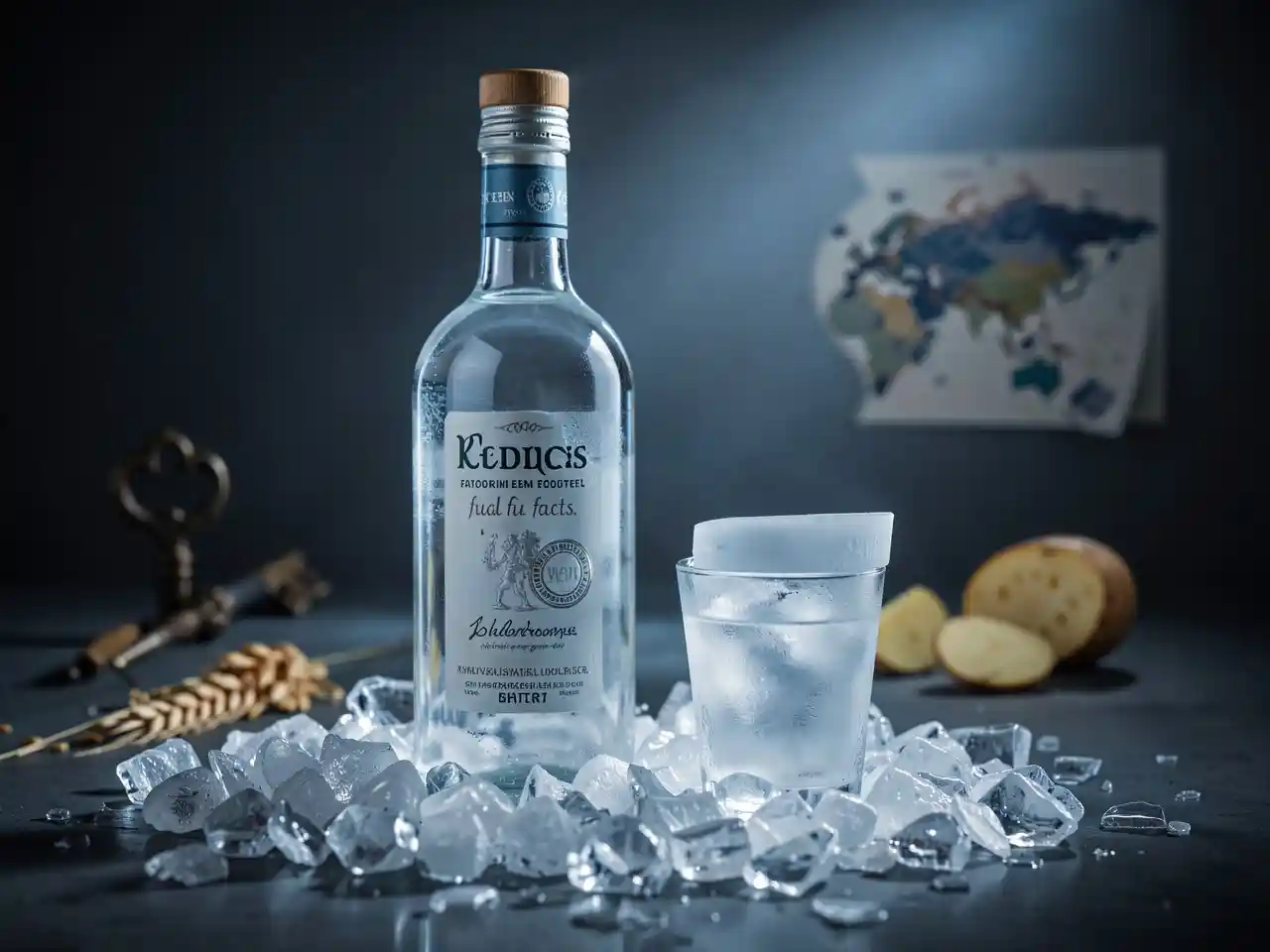
Unlike water, vodka does not freeze in a standard home freezer. While a typical freezer reaches minus eighteen degrees Celsius, vodka usually freezes closer to minus twenty-seven degrees due to its alcohol content.
This property allows vodka to be stored in the freezer without turning solid, often resulting in a thicker, smoother texture. Many enthusiasts prefer chilled vodka because it reduces harshness and enhances the clean taste. Its ability to remain liquid at very low temperatures makes it ideal for ice-cold shots and cocktails.
Vodka’s unique freezing point is another example of how its chemical properties contribute to its versatility and enjoyment. It is a drink designed to perform well in a variety of serving conditions.
Image
8. Vodka Can Be Used for Cleaning and Cooking
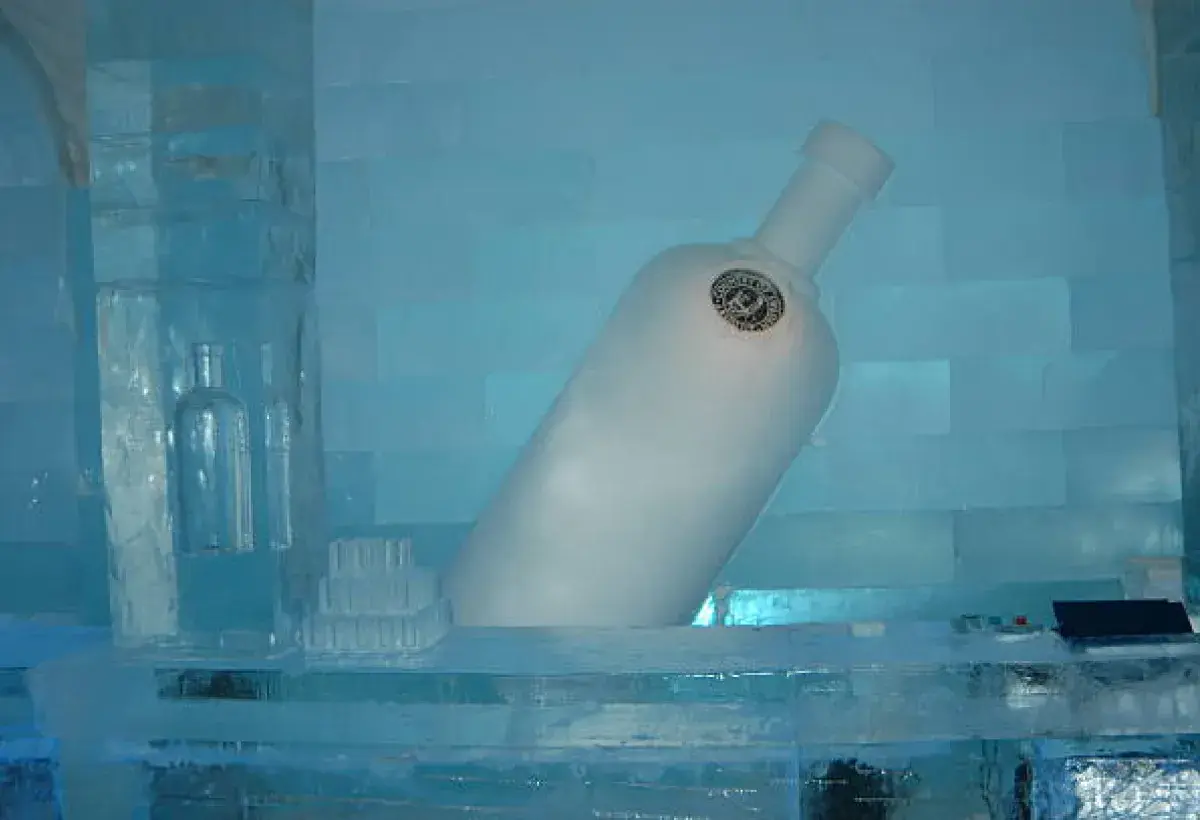
Vodka’s high alcohol content and neutral aroma make it surprisingly useful beyond drinking. It can clean glass, disinfect surfaces, remove stains, and even preserve flowers. Its applications extend into kitchens and households where a pure, strong liquid is needed.
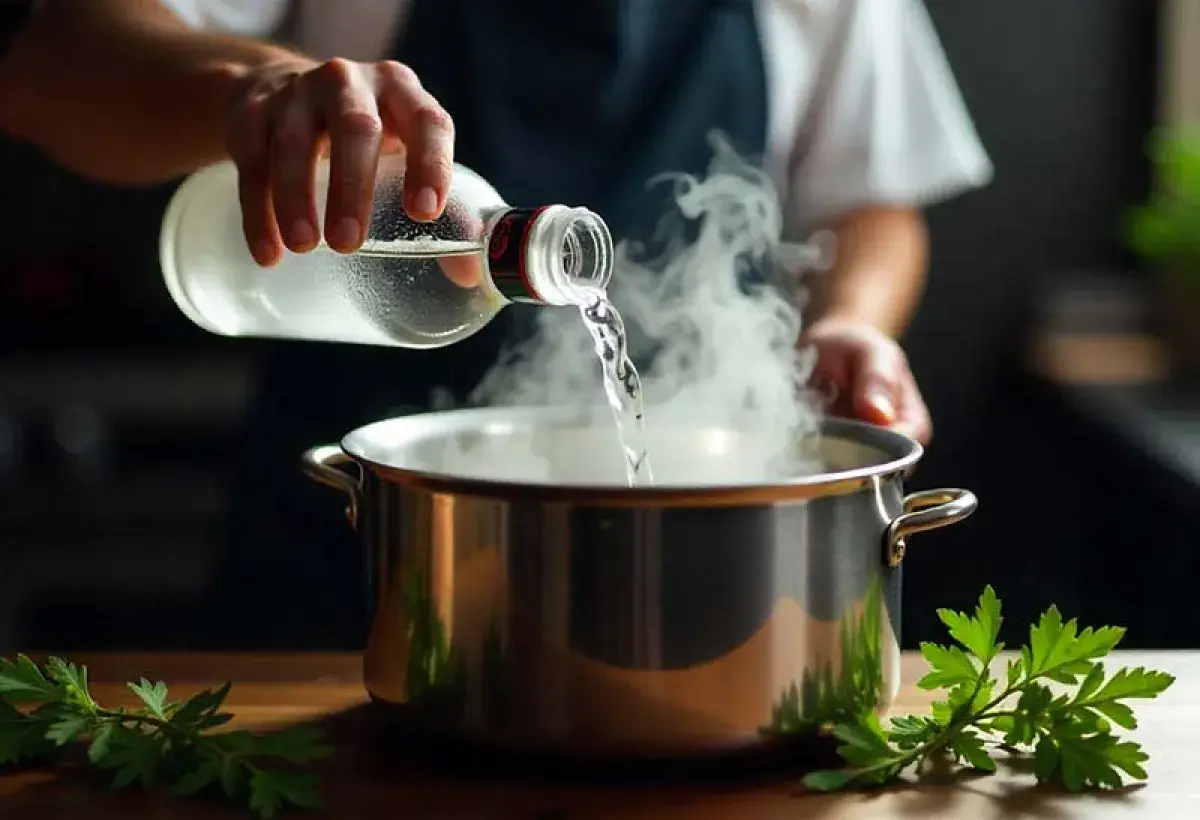
In cooking, vodka appears in recipes such as vodka sauce, where it helps release flavors from tomatoes and herbs that are otherwise locked in fat. Bartenders use it for homemade extracts, infusions, and flavor experiments. This demonstrates that vodka is not just a beverage but a multipurpose ingredient with practical benefits.
Its utility in both cleaning and culinary contexts reflects its chemical properties, making it a valuable liquid outside the bar or drinking glass.
Image
9. Vodka Has Inspired Strange Flavors
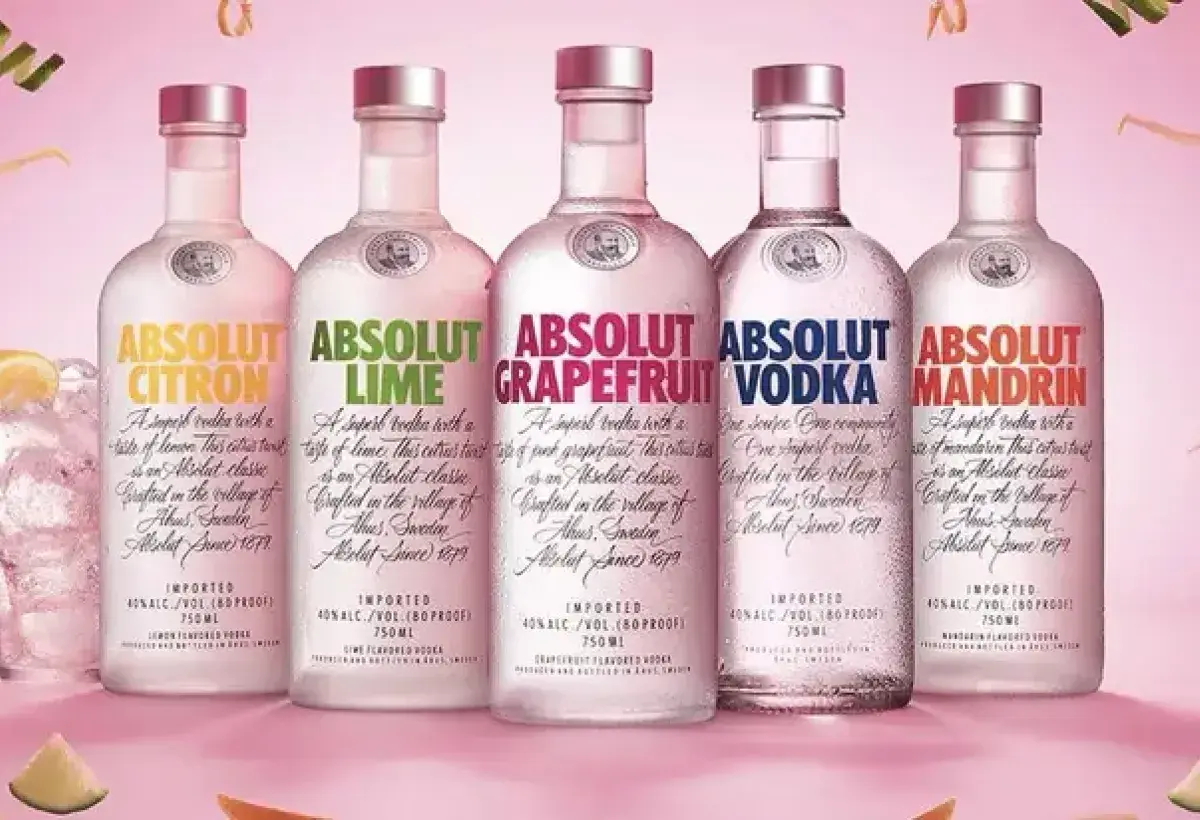
Over time, vodka producers have created a wide variety of unusual flavors. Beyond common fruit and vanilla infusions, there are vodkas flavored with bacon, smoked salmon, wasabi, and even birthday cake. Some premium editions include edible gold flakes or come in unique packaging such as skull-shaped bottles.
While purists prefer traditional vodka, these creative varieties appeal to adventurous drinkers and collectors. Flavored vodka offers a fun, experimental experience for parties, gifts, and cocktail innovation. It highlights the ongoing evolution of vodka, showing that even a simple clear spirit can be endlessly reinvented.
Image
10. Vodka Has a Role in Space Exploration
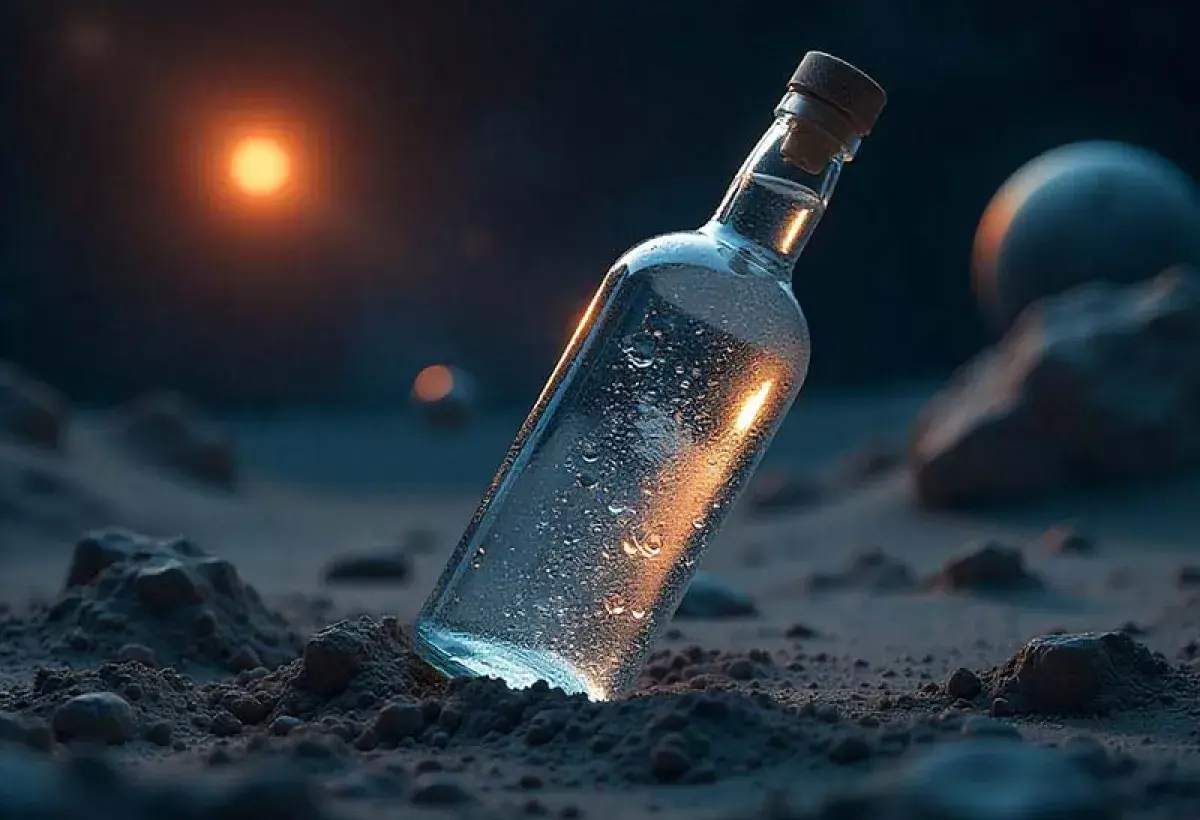
Vodka has even found its way into space history. Some Soviet-era cosmonauts reportedly smuggled small amounts aboard spacecraft as a morale booster. Vodka has been symbolically used during launches and celebrations, linking it to significant scientific milestones.
Experiments on Earth have tested vodka’s behavior in microgravity, including alcohol evaporation and distillation. Whether legend or fact, vodka’s association with space travel adds a playful and extraordinary element to its already rich history. It shows that vodka is a spirit that travels far beyond the bar, inspiring curiosity and imagination in unexpected ways.
Image
Vodka is more than a simple spirit. Its clear appearance masks a rich cultural history, fascinating scientific properties, and surprising versatility. From its early use as a medicine to its role in culinary arts and even space exploration, vodka continues to captivate people around the world.
The stories behind its name, origins, and production reveal a beverage deeply connected to human tradition. Its neutral flavor and adaptability make it a cornerstone of cocktail culture, while its unique characteristics allow for practical applications beyond drinking. Vodka’s evolution demonstrates the creativity and innovation of distillers, mixologists, and enthusiasts alike.
Understanding these ten fun and fascinating facts about vodka provides a new appreciation for this iconic spirit. Whether you enjoy it neat, in a cocktail, or in a culinary creation, vodka remains a drink that is both timeless and endlessly intriguing. Its journey from little water to global fame shows that even the simplest-looking spirits can hold extraordinary stories within.
Image