


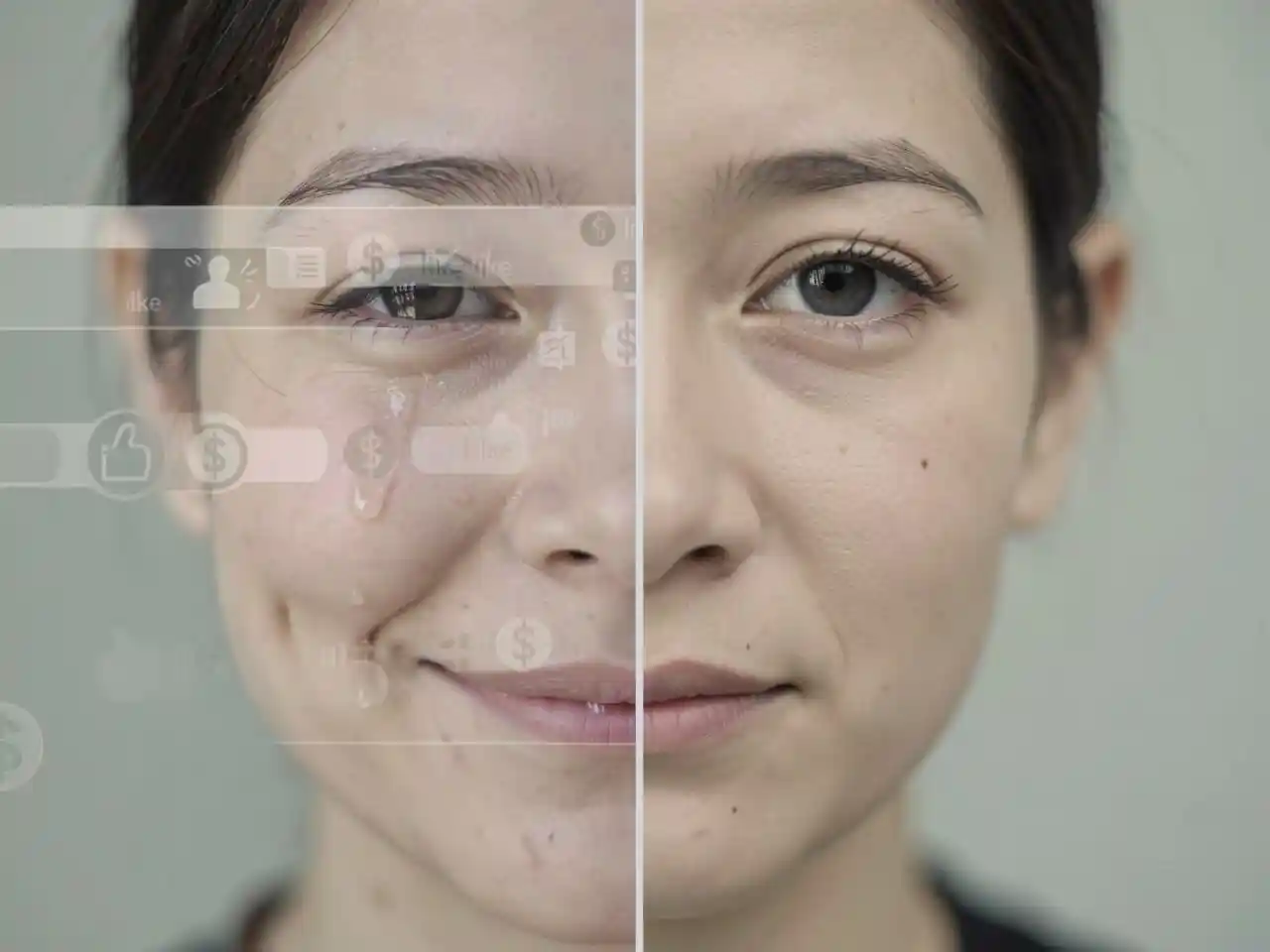
We have been sold empty promises about happiness. This series exposes the truth behind why success, positivity, and self-optimization often lead to deeper emptiness, and what we can do instead. It is for those ready to trade illusions for truth and find meaning that cannot be purchased or performed.
A five-part series for anyone tired of chasing what does not exist.
You’ve Been Lied To About Happiness (Here’s the Truth)
You followed the rules. You worked hard. You chased the promotions. You repeated the affirmations and forced the gratitude. You filled journals, attended seminars, and bought the courses.
And yet, you still feel empty.
The truth is simple but uncomfortable: almost everything you have been taught about happiness is a carefully constructed illusion.
For decades, society has packaged happiness as a product. We have been convinced that joy can be achieved through status, self-improvement, or the perfect mindset. But the pursuit itself has become the trap.
In our rush to fix, optimize, and perfect ourselves, we forgot how to simply be.
What This Series Is About
The Happiness Lie is a five-part exploration of the modern myth of happiness and how the constant chase for it has left millions anxious, restless, and unfulfilled.
Each part pulls back a different layer of illusion. Using insights from neuroscience, philosophy, and the lived confessions of the “successful but miserable,” this series dismantles the false equations between happiness, wealth, and perfection.
We are not here to promise another magic formula. We are here to ask harder questions.
Image
What You Will Discover
1. Billionaires Cry in Private
The truth behind why even the wealthiest people cannot buy fulfillment. Drawing from recent psychology research and real-life stories, we uncover how the pursuit of money and status often replaces meaning instead of creating it.
2. The Happiness Industry Is Scamming You
From life coaches to mindfulness apps, an entire industry profits from keeping you in a cycle of self-doubt and dependency. This article exposes the marketing psychology behind the multi-billion-dollar happiness economy.
3. The Dark Side of Mindfulness
Mindfulness is a powerful tool, but it has been commercialized into a performance. We explore how the modern wellness movement sometimes deepens isolation by turning self-awareness into another form of self-judgment.
4. Addicted to Self-Improvement
When self-help becomes self-harm. This part examines how the obsession with constant upgrading can erode authenticity, leaving people trapped in a permanent cycle of “almost enough.”
5. The Radical Alternative
The final piece reveals a new definition of contentment — one that does not depend on chasing, fixing, or comparing. It is about returning to presence, purpose, and genuine connection instead of pursuing perfection.
Who This Series Is Not For
This is not for those who still believe that money automatically equals joy.
It is not for those who think “good vibes only” is a philosophy.
It is not for those unwilling to question everything they have been told about what it means to live a good life.
But If You Are Someone Who…
-
Feels that something is off about the endless happiness chase
-
Suspects there is more to life than this emotional treadmill
-
Is ready for truth over comfort, depth over dopamine
Then this series is for you.
It will not flatter you. It will challenge you. It may even unsettle you. But if you let it, it might also free you.
Because real happiness is not found in chasing, fixing, or optimizing. It is found in clarity, the quiet knowing that you are already enough, even when life is not perfect.
The Bigger Picture
The illusion of happiness is not accidental. It is a system built on comparison, consumption, and control. By keeping us searching for “more,” the system ensures we never stop buying, scrolling, or striving.
True happiness, however, does not require permission from anyone. It is found when the noise fades when you stop performing for others and start living for yourself.
It begins when you stop asking, “How do I become happy?” and start asking, “What if I already am?”
Image