

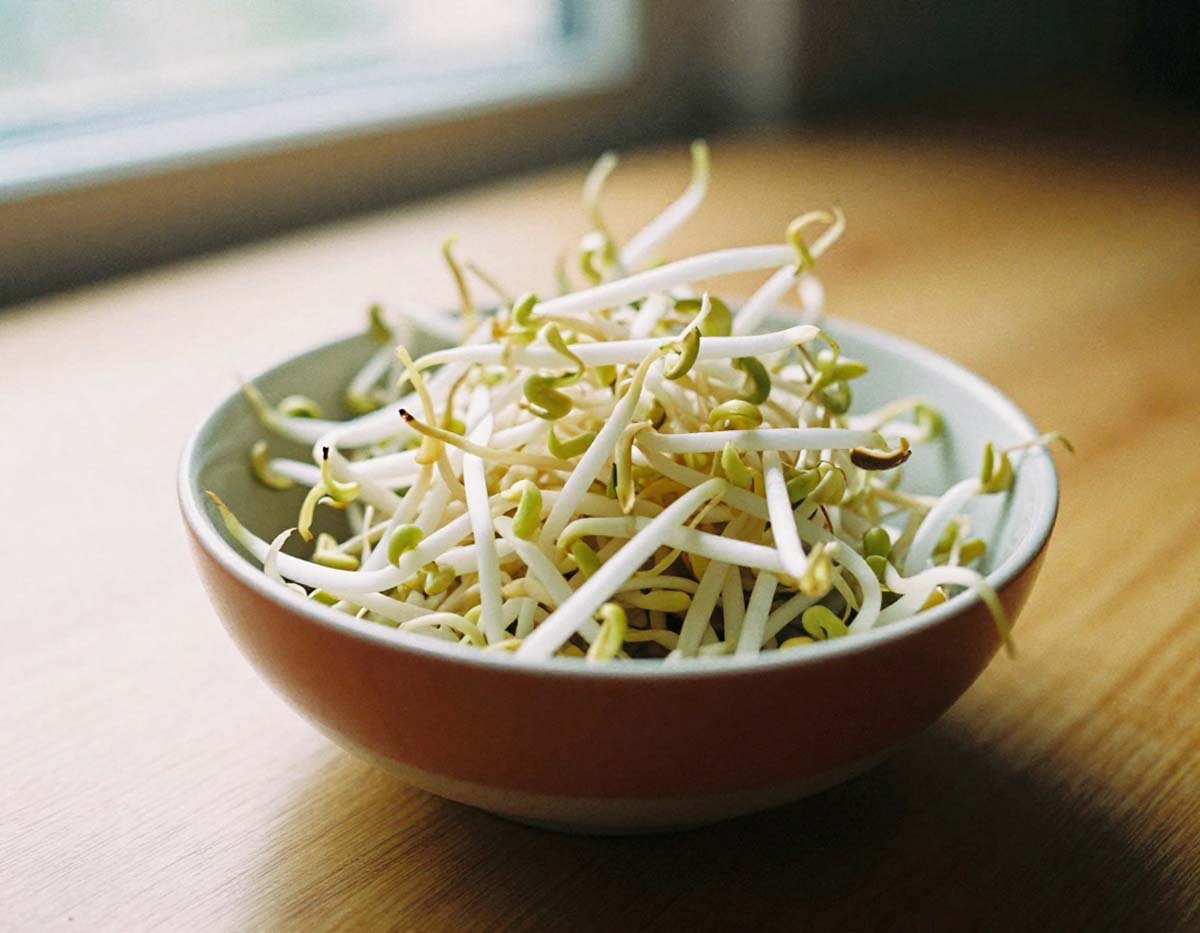
Bean sprouts are often overlooked in the world of healthy eating, but these tiny greens pack a serious nutritional punch. Despite their delicate appearance, they provide a wide array of vitamins, minerals, antioxidants, and plant compounds that support overall health.
These crunchy greens are versatile and easy to include in meals. They can help improve digestion, support heart health, promote glowing skin, and even assist in managing weight. Their crisp texture makes them perfect for salads, stir-fries, soups, and sandwiches.
Bean sprouts are also an excellent source of plant-based protein, making them a valuable addition to vegetarian and vegan diets. Their high water content helps with hydration, and the combination of nutrients and antioxidants contributes to long-term wellness.
Explore ten compelling reasons to add bean sprouts to your diet. From boosting digestion to promoting radiant skin, these tiny greens deliver big health benefits that are easy to enjoy every day.
1. Rich in vitamins and minerals
Bean sprouts are full of essential vitamins and minerals that support your body in many ways. They provide vitamin C, which strengthens the immune system, promotes wound healing, and supports collagen production for healthy skin.
Vitamin K is also abundant in bean sprouts, helping with blood clotting and bone health. Folate, another important nutrient, supports cell growth and DNA synthesis.
In addition to vitamins, bean sprouts contain minerals like iron, manganese, magnesium, and phosphorus. Iron helps transport oxygen in the blood, while manganese supports metabolism and bone formation. Magnesium aids in nerve and muscle function, and phosphorus helps maintain strong bones and teeth.
Adding bean sprouts to your meals is an easy way to fill nutritional gaps and enjoy a variety of vitamins and minerals without consuming extra calories.
Image

2. Boost digestion naturally
Bean sprouts are high in dietary fiber, which supports healthy digestion. Fiber helps regulate bowel movements and promotes a balanced gut environment.
These greens also contain natural enzymes that make nutrients easier to absorb. This can help reduce bloating and improve overall digestive comfort.
Fiber-rich foods like bean sprouts contribute to feelings of fullness, making them helpful for weight management. Whether eaten raw in salads or lightly cooked in soups, bean sprouts are gentle on the digestive system while supporting gut health.
Image
3. Low in calories, high in nutrients
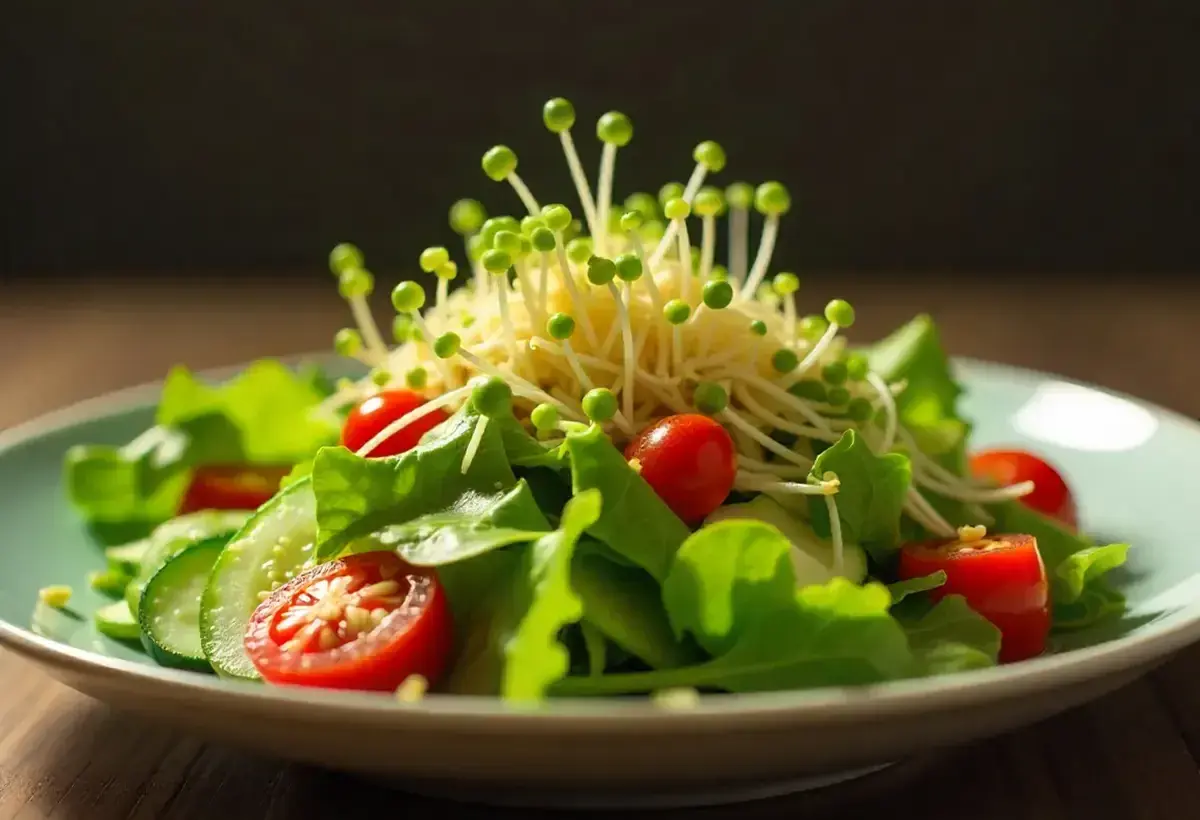
Bean sprouts are low in calories but rich in essential nutrients, making them ideal for healthy weight management. They provide vitamins, minerals, and antioxidants without adding extra calories.
Their high water content helps you feel full and satisfied, reducing the tendency to overeat. Unlike processed foods, bean sprouts offer real nutrition while being light and refreshing.
You can easily add them to salads, wraps, soups, or stir-fries to boost nutrient intake without consuming excess calories. Regular consumption helps support energy, immunity, and overall wellness.
Image

4. May help control blood sugar
Bean sprouts may support healthy blood sugar levels. Some studies suggest that nutrients and plant compounds in bean sprouts can improve insulin sensitivity.
Their fiber content slows the absorption of sugar, preventing spikes in blood glucose. This is especially beneficial for individuals at risk of diabetes or insulin resistance.
Adding bean sprouts to meals can stabilize energy levels and support metabolic health. They pair well with salads, soups, or stir-fries for a balanced approach to blood sugar management.
Image
5. Packed with antioxidants
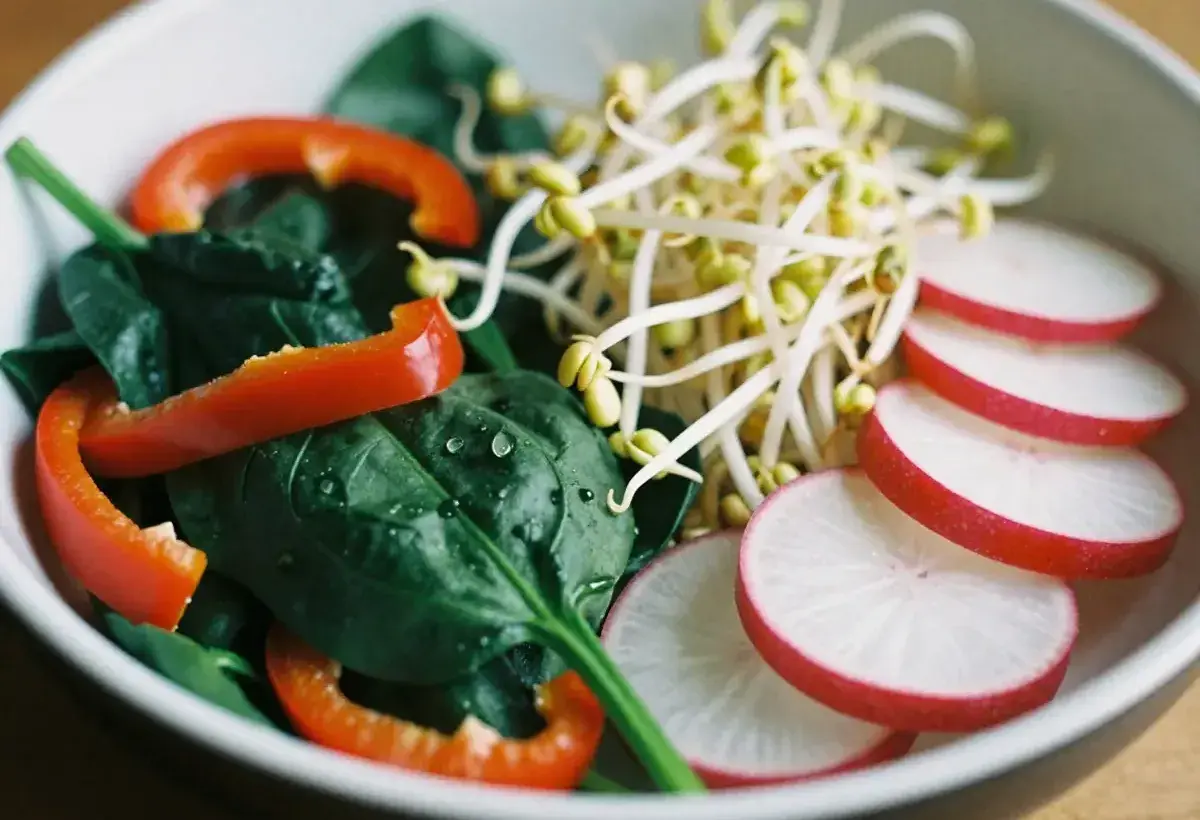
Bean sprouts contain antioxidants that help protect your body from oxidative stress. Vitamin C, vitamin K, and other phytonutrients neutralize free radicals that can cause cell damage and inflammation.
Antioxidants also help reduce the risk of chronic diseases, including heart disease and some cancers. They support skin health, promote cellular repair, and contribute to a youthful appearance.
Including bean sprouts in your diet is an easy way to harness antioxidant benefits while adding a crisp and refreshing ingredient to meals.
Image
6. Good for heart health
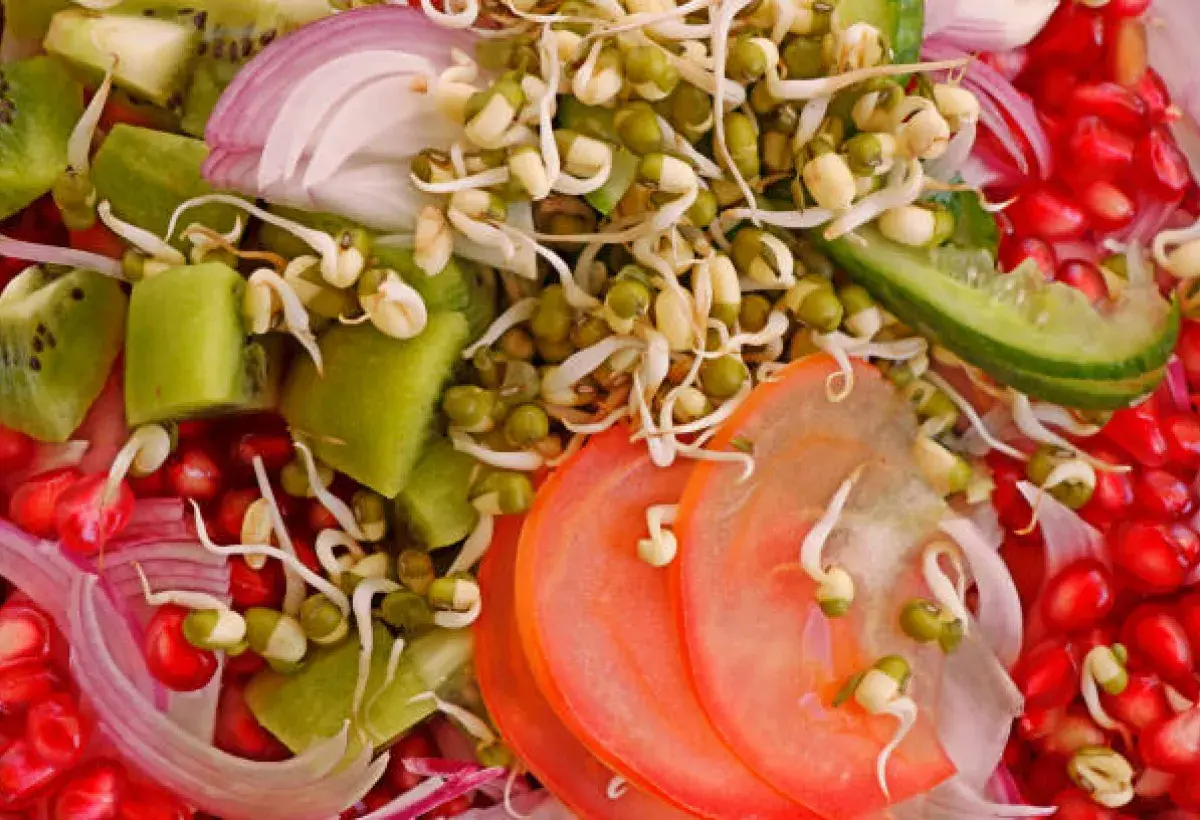
Bean sprouts support heart health in several ways. The fiber helps lower cholesterol, reducing the risk of plaque buildup in arteries. Plant compounds with anti-inflammatory properties protect cardiovascular function.
Fiber also supports healthy blood pressure by promoting proper circulation and fluid balance. Including bean sprouts in salads, soups, or stir-fries adds a heart-friendly ingredient that complements a balanced diet.
Regular consumption may reduce the risk of cardiovascular disease while promoting overall vitality and wellness.
Image
7. Natural source of plant protein
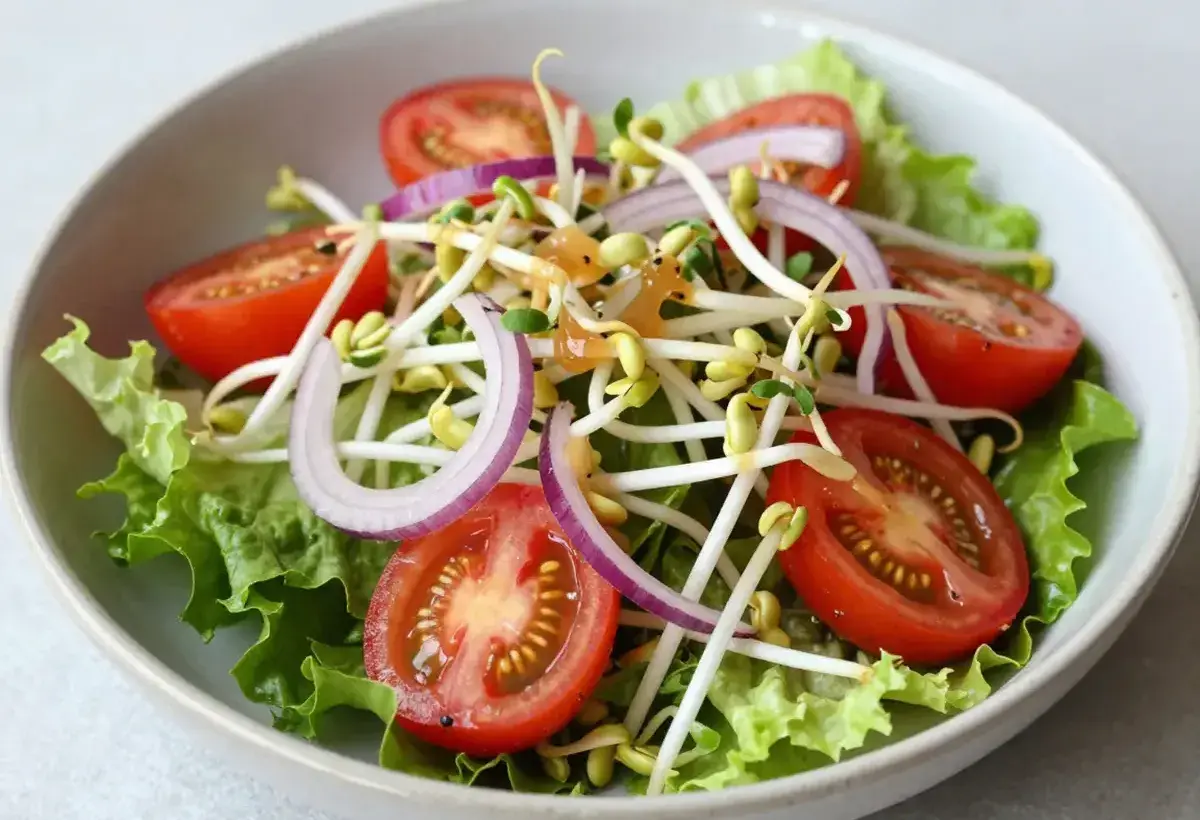
Bean sprouts provide plant-based protein, which is essential for muscle repair, tissue growth, and immune support. They are particularly helpful for vegetarians and vegans.
Although they are not as protein-dense as legumes, bean sprouts are easy to digest and complement other plant proteins. Pairing them with grains, tofu, or legumes boosts protein intake.
Adding bean sprouts to meals supports energy, satiety, and muscle maintenance while contributing to a balanced, plant-based diet.
Image

8. Support bone health
Bean sprouts contain vitamin K, magnesium, phosphorus, and other minerals essential for strong bones. Vitamin K helps the body absorb calcium and maintain bone density.
Magnesium and phosphorus contribute to bone structure and strength. Regular consumption can reduce the risk of fractures and support skeletal health, especially as we age.
Bean sprouts can be easily added to salads, soups, and stir-fries to provide a natural boost to bone health.
Image
9. Hydrating and refreshing
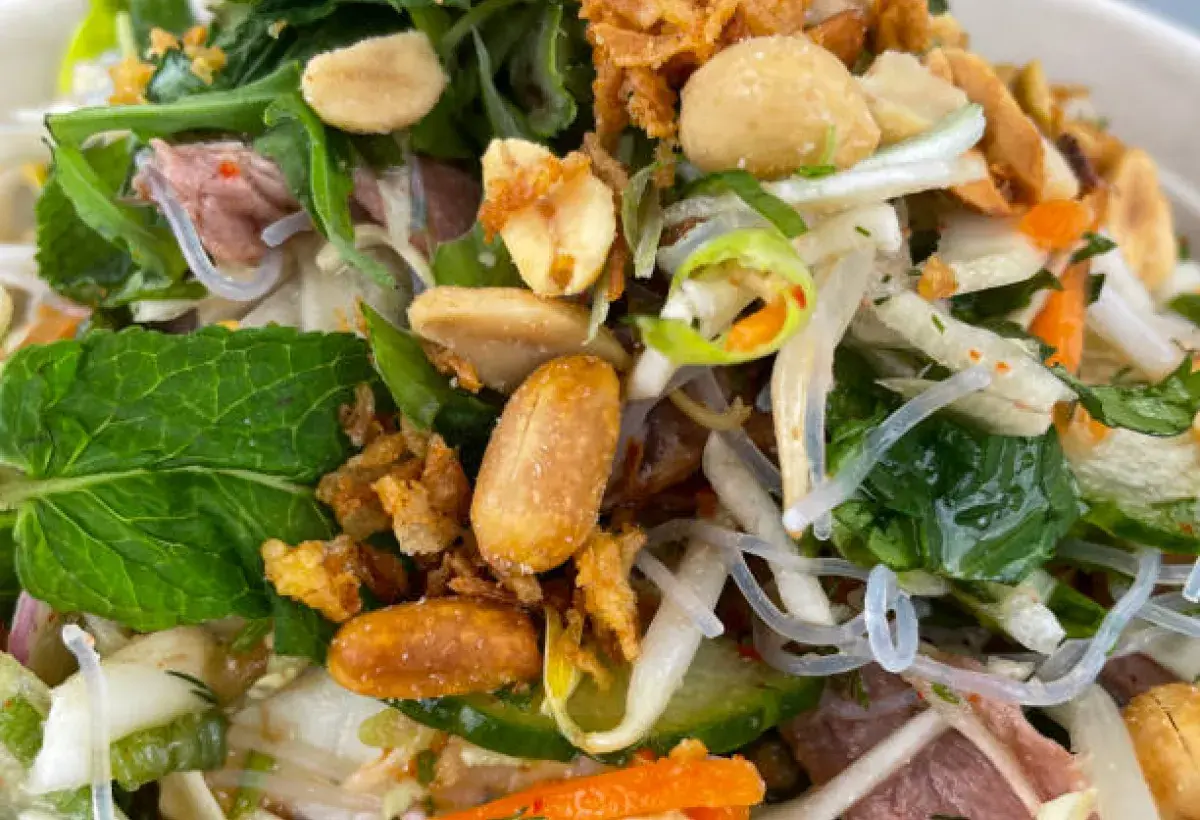
Bean sprouts have high water content, which helps with hydration and maintaining fluid balance. Hydration supports skin health, digestion, circulation, and energy levels.
These crisp greens are refreshing, making them perfect for warm weather or physical activity. Incorporate them into salads, wraps, or cold dishes for a hydrating nutrient boost.
Eating bean sprouts is an easy way to support hydration while adding flavor, texture, and essential nutrients to your diet.
Image
10. Promote healthier skin
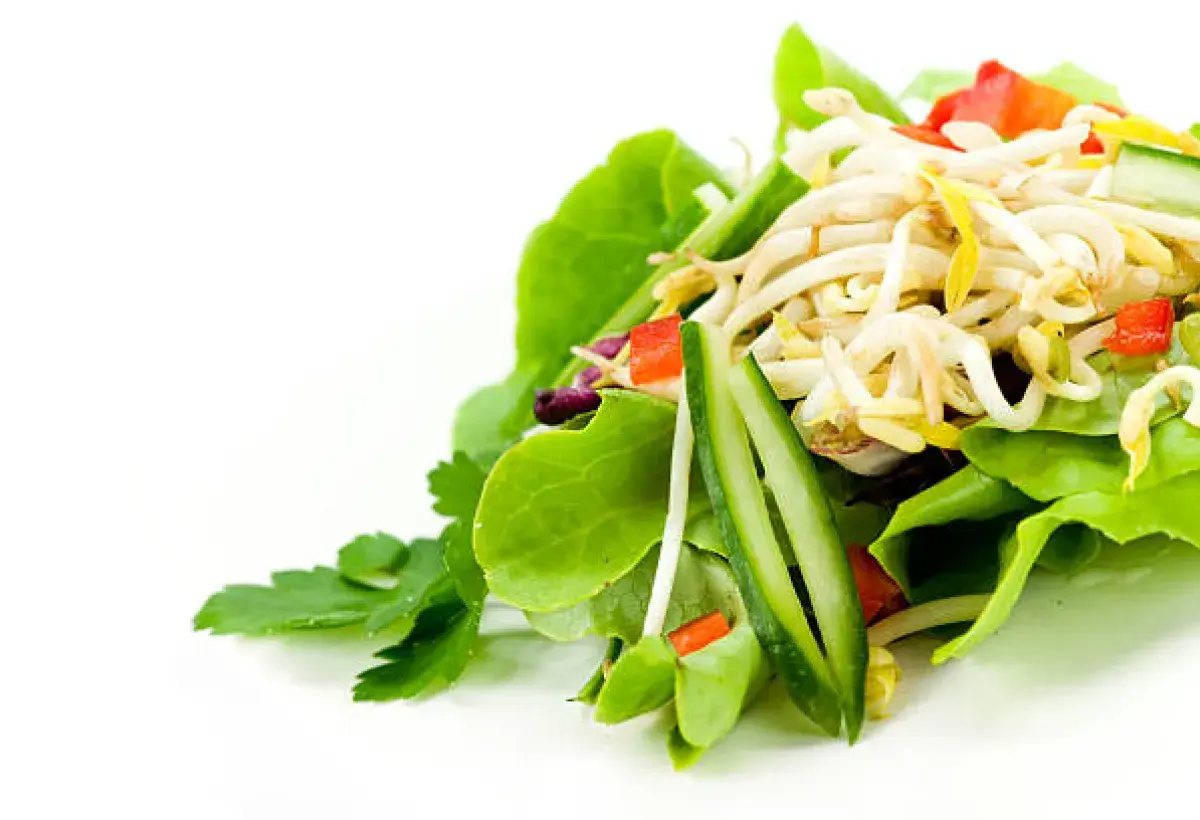
Bean sprouts support skin health through vitamins, antioxidants, and hydration. Vitamin C promotes collagen production, while antioxidants reduce oxidative stress that can damage skin cells.
The water content helps keep skin hydrated, and the nutrients help reduce inflammation and support a clear, radiant complexion.
Including bean sprouts in salads, smoothies, sandwiches, or stir-fries nourishes skin naturally and enhances overall appearance. These tiny greens can make a noticeable difference in skin health over time.
Image
Bean sprouts may be small, but they are a nutritional powerhouse. They provide essential vitamins, minerals, antioxidants, and plant protein that support digestion, heart health, skin, bones, and overall wellness.
Their low calorie content, high water content, and nutrient density make them perfect for any diet. Adding bean sprouts to meals is an easy way to boost nutrition, support metabolic health, and enjoy flavorful, refreshing food.
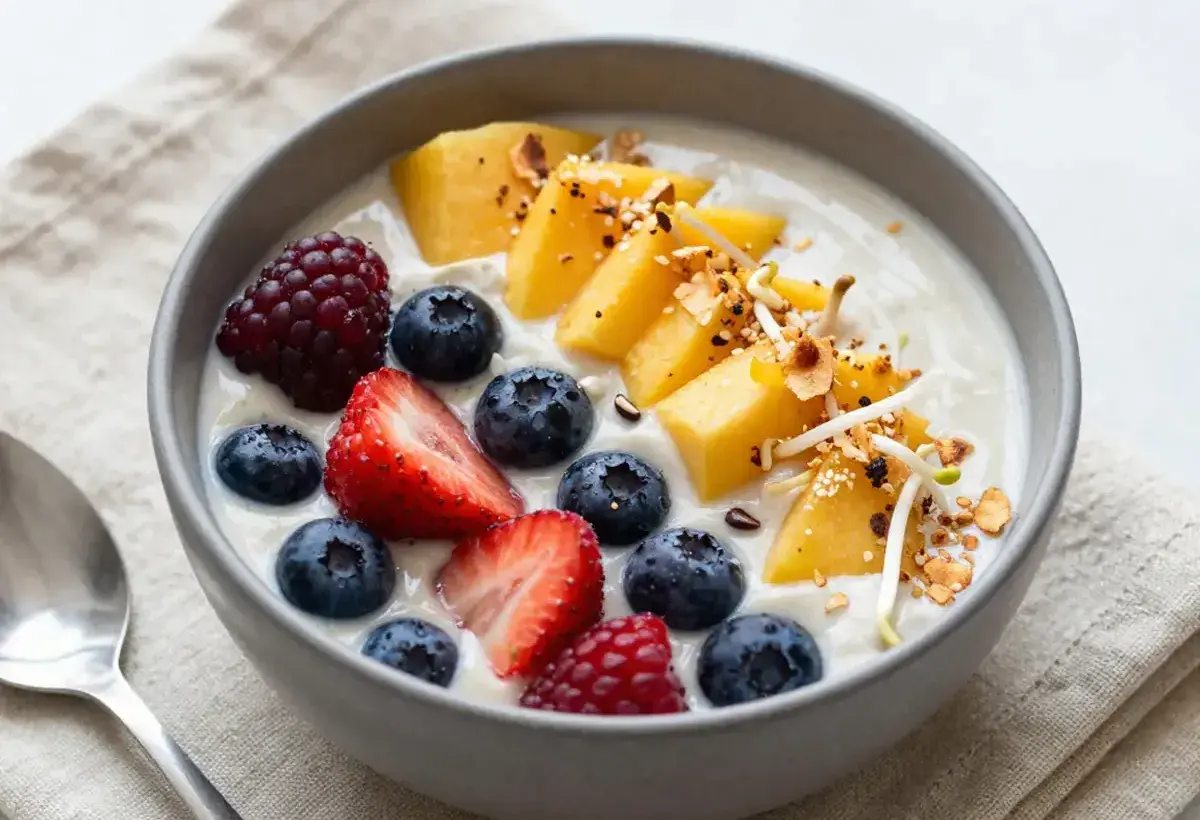
Whether raw or lightly cooked, bean sprouts can be incorporated into salads, soups, stir-fries, and smoothies. Making them a regular part of your diet is a simple way to enjoy the many health benefits these tiny greens provide while adding freshness and texture to your meals.