



Animated films are often seen as lighthearted stories for children, but they hold profound lessons that resonate across all ages.
Disney-Pixar’s Luca is one such film. On the surface, it tells a charming tale of sea monsters discovering life on land. Beneath the whimsical visuals and humor, it explores curiosity, friendship, family, and courage. Watching this film gave me several "aha moments," reflections that continue to echo in my life.
Innocence, Curiosity, and Obedience
The story begins with Luca’s fascination with the human world. When objects from boats fall into the sea, his eyes light up with childlike wonder. This scene beautifully captures the innocence of discovery—the curiosity to explore what lies beyond the familiar. Yet, alongside this spark lies the struggle of obedience. His elders consistently warn him against venturing too far, insisting that they "know better" without explanation. This conflict mirrors a universal tension: the push and pull between curiosity and caution, between seeking answers ourselves and following rules passed down without clarity. Innocence allows us to see possibilities adults may overlook, and Luca reminds us that curiosity, when guided with care, opens the door to growth.
The Magnetism of Friendship
Luca’s world changes when he meets Alberto, the bold and independent sea monster already experimenting with life on land. Alberto embodies freedom and exploration, dreaming big, unafraid to take risks, and savoring each moment. Luca is naturally drawn to this magnetism, even as part of him longs to return home. The film captures the inner battle between safety and the exhilarating space that friendship creates. The bond between Luca and Alberto reflects how friendships awaken parts of ourselves we did not know existed. They challenge us, make us braver, and sometimes help us dream beyond what our families or traditions have prepared us for.
Image

Parental Assumptions and Disconnect
One poignant element in Luca is his parents' response to his curiosity. Instead of asking, listening, and understanding his experiences, they make decisions out of fear. This disconnect widens the gap between Luca and his family. It reflects a broader truth: assumptions can easily silence connection. Parents, even with the best intentions, may shut down conversations by dictating rather than dialoguing. The film illustrates that genuine connection grows when families seek to understand, not control.
Hiding and Becoming Human
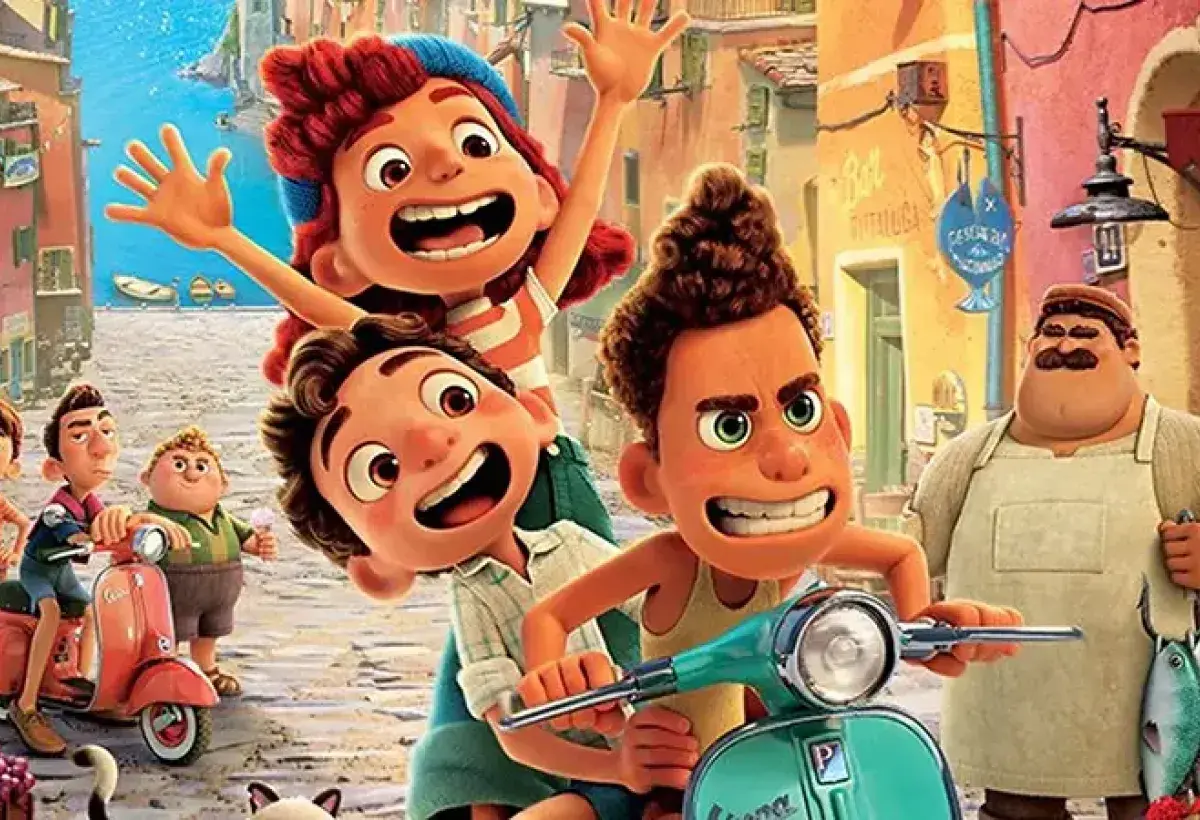
When Luca and Alberto enter the human world, they carry both dreams and fears. Their shared goal is simple yet symbolic: to own a Vespa. The Vespa becomes more than a bike; it represents freedom, exploration, and identity. But in pursuit of this dream, they hide their true selves, afraid of rejection. Alberto even mistakes the word "stupido" for something cool, highlighting the innocence of trying to belong. This struggle mirrors the universal experience of assimilation, where people conceal parts of themselves to fit into a world that may not readily accept them. The film reminds us that identity and authenticity are fragile, especially when survival depends on acceptance by others.
Silencio Bruno: Overcoming Inner Doubts
Perhaps the most memorable takeaway from Luca is the mantra "Silencio Bruno." Alberto teaches Luca to silence the negative voices in his head, the fears that prevent him from taking a leap forward. This resonated deeply with me. We all carry our own "Bruno"—that voice of doubt, insecurity, or fear of failure. Telling that voice to be silent, louder and louder, until we can hear only encouragement, is a practice I now hold close. When Luca declares that he hears only Alberto’s voice, it symbolizes trust, courage, and the liberating power of silencing self-doubt. This life lesson goes far beyond childhood play.
Alberto’s Pain and the Power of Love
The film also uncovers Alberto’s hidden pain. His father abandoned him, leaving him to wait in vain. This heartbreak shaped Alberto’s toughness, need for control, and fear of losing Luca. Beneath his bravado was a boy longing for love and stability. This reminded me how family experiences mold character, strength, fears, and coping mechanisms. Despite his pain, Alberto shows true love by convincing Luca’s parents to allow him to go to school, knowing that education is Luca’s path to growth. This sacrifice speaks volumes: love sometimes means letting go, even if it hurts.
A Welcoming Community and Universal Lessons
Toward the end, the community, initially wary of sea monsters, opens its heart to Luca and Alberto because of the trust and respect shown by those around them. This resolution captures a timeless truth: what matters is not appearance or origin, but how we live with heart, integrity, and respect. Acceptance and belonging are built on love and trust, not appearances.
Image
Conclusion: Living with Heart and Courage
Reflecting on Luca, I see more than a delightful film. It mirrors life’s struggles: curiosity versus obedience, friendship versus fear, assumptions versus understanding, authenticity versus assimilation, doubt versus courage. The mantra "Silencio Bruno" serves as a reminder to silence negativity and embrace courage. Alberto’s story teaches us to see hidden pains that shape people and respond with compassion. Luca’s acceptance reinforces that communities built on respect and love can welcome differences.
In the end, Luca is not just a story of two sea monsters who dream of a Vespa. It is a call to live with wonder, nurture friendships, listen deeply within families, and walk into the world with courage and authenticity. That is its most powerful take-home lesson.
Author's Note
Inspired by Disney-Pixar’s Luca (2021). All rights to the film, story, and characters belong to Disney-Pixar. This reflection is original commentary.