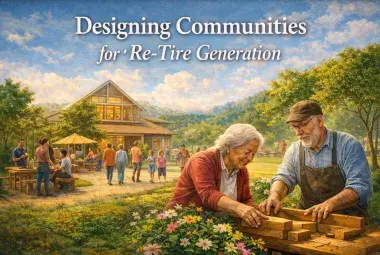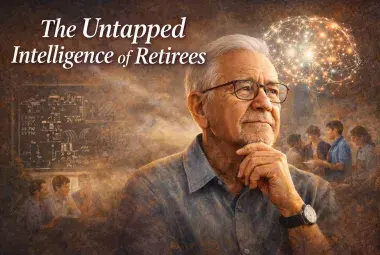



A Global Guide to Aging with Dignity, Security, and Joy
Part 6 of the Silver Migration Series concludes this global exploration of aging by offering a practical yet deeply human guide for older adults, caregivers, and families. Rather than prescribing destinations, it provides a framework for evaluating whether any country is truly prepared to support aging with dignity, security, and meaning in a rapidly changing world.
The New Meaning of Retirement
Retirement today no longer signifies withdrawal from life. For many, it marks a transition into a period of renewed agency one shaped by health, values, relationships, and purpose. As longevity increases and mobility becomes more accessible, the question of where to grow old has become one of the most consequential decisions of later life.
Older adults today are not seeking invisibility. They are seeking environments that respect experience, protect health, and allow continued participation in community life. This shift has elevated considerations that once seemed secondary healthcare continuity, long-term care, legal security, cultural compatibility, and affordability into central determinants of well-being.
This final chapter brings together global research, policy insights, and lived realities to form what we call the Silver Migration Framework: a guide not to destinations, but to discernment.
1. Health, Care, and Continuity
At the foundation of aging with dignity lies healthcare not only access to treatment, but continuity of care across the later stages of life. A country’s readiness for aging can be measured by whether older adults can move seamlessly from preventive care to chronic disease management, rehabilitation, and long-term support without disruption or financial hardship.
Countries that perform well in this regard tend to integrate long-term care into their national health systems, recognizing aging as a continuum rather than a crisis. Nations such as Japan, Canada, and Netherlands have demonstrated how coordinated healthcare and long-term care systems can preserve independence while supporting families and caregivers. In Asia, Malaysia has taken steps toward positioning itself as a retirement hub by expanding home- and community-based care services.
Equally important is cultural and linguistic accessibility. Healthcare systems that fail to communicate effectively with older patients particularly migrants often undermine trust and outcomes, regardless of technical quality.
Image

2. Affordability and Financial Sustainability
A dignified retirement depends not on luxury, but on predictability. Housing, food, healthcare, and daily necessities must remain affordable over time, especially as income stabilizes or declines. Countries that attract retirees often combine moderate living costs with reliable healthcare access and a supportive social environment.
For example, Portugal and the Philippines have gained attention for offering a balance of affordability, safety, and lifestyle quality. In such settings, many retirees report maintaining a comfortable standard of living on modest monthly incomes, without sacrificing access to care or community life.
However, affordability must be assessed alongside inflation trends, healthcare costs, and the availability of social pensions or tax incentives for older adults. What appears affordable at entry can become precarious without long-term policy stability.
3. Legal Status and Residency Security
Peace of mind in retirement is closely tied to legal clarity. Countries that offer transparent, renewable, and age-appropriate residency pathways allow retirees to plan their lives without constant uncertainty. Jurisdictions such as Thailand, the Philippines, Malaysia, and Panama have developed retirement or long-stay visa programs tailored to older residents. These programs vary in financial requirements and benefits, but their strength lies in predictability and recognition of retirees as long-term contributors to local economies.
Equally important is whether such visas allow for family members or caregivers, acknowledging that aging rarely occurs in isolation.
4. Age-Friendly Communities and Infrastructure
The experience of aging is shaped as much by the built environment as by policy. Walkable streets, accessible public transport, safe housing, and inclusive public spaces enable older adults to remain independent and socially engaged.
Cities that embrace universal design principles such as Singapore, Denmark, and parts of Japan demonstrate how infrastructure can quietly support dignity. In these environments, aging does not require retreat; it allows continued presence in public life. Cultural attitudes also matter. Societies that value intergenerational connection and respect for elders often provide informal social protection that complements formal systems.
Image

5. Law, Protection, and Institutional Respect
Legal frameworks reveal how societies value their aging populations. Countries with explicit aging policies, elder protection laws, and systematic data collection tend to respond more effectively to vulnerability and abuse. Models such as Sweden and Canada illustrate the role of strong institutions in safeguarding older adults through comprehensive welfare systems, transparent governance, and continuous monitoring of aging outcomes.
Where such protections are absent, older adults often remain invisible in policy debates, excluded from planning despite their growing numbers.
6. Quality of Life, Purpose, and Safety
A meaningful retirement extends beyond physical health. Opportunities for learning, volunteering, creativity, and social participation contribute significantly to emotional well-being. Equally critical are mental health services, community programs, and a stable social environment. Countries such as Costa Rica and New Zealand consistently rank highly in global happiness and sustainability indices, reflecting environments where older adults can live peacefully, remain active, and stay connected to nature and community.
Political stability, environmental resilience, and reliable emergency systems further shape the sense of safety essential to aging well.
7. The Personal Dimension
No framework can replace personal judgment. Proximity to family, cultural familiarity, language, digital accessibility, and end-of-life care preferences often weigh more heavily than any policy index. Choosing where to grow old is not simply a financial or medical decision. It is deeply personal, influenced by values, relationships, and emotional well-being. Beyond policies and systems, personal factors make the biggest difference in day-to-day living.
-
How close will you be to family or trusted friends?
-
Can you adapt to the local language and culture?
-
Are digital tools such as telehealth, online banking, and e-government services accessible to seniors?
-
What are the end-of-life care options, including palliative support and dignity laws?
-
How reliable are emergency and evacuation systems?
8. Your Age, Your Agency
Retirement is not an end to relevance. It is a reorientation toward wisdom, service, and intentional living. The decision of where to spend these years deserves the same care and foresight given to earlier life choices. The Silver Migration Framework offers orientation, not instruction. It helps clarify what to look for but values and priorities determine what truly matters. Aging with dignity requires more than comfort. It requires systems that respect individuality, protect rights, and recognize that contribution does not end with employment.
To age well is to retain agency to live not as someone society has set aside, but as someone still shaping their story with purpose and joy.
Author’s Note
This article concludes the Silver Migration Series and forms part of my dissertation, “Designing a Purpose-Driven Retirement Model Based on the Ikigai Philosophy.” It integrates global policy research, healthcare indicators, and lived perspectives to support older adults, families, and caregivers in evaluating destinations for meaningful and dignified aging.
Image
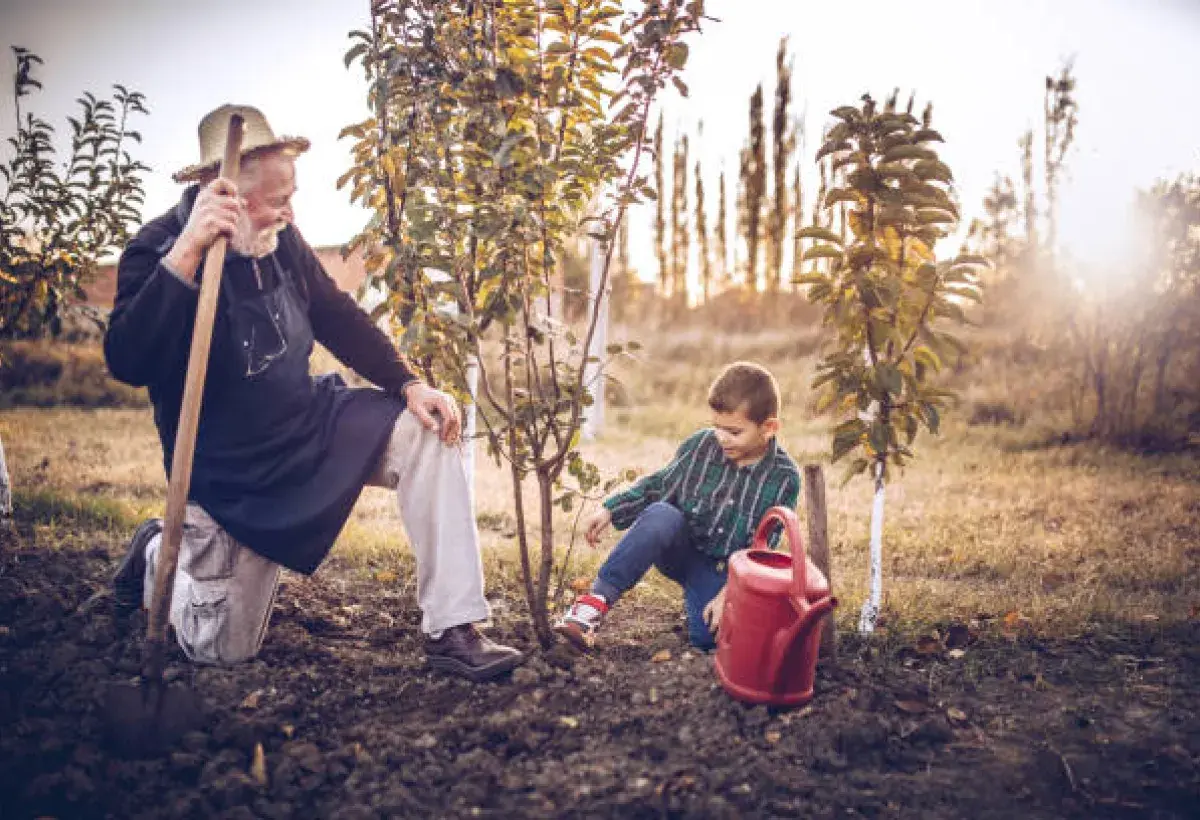
Acknowledgment: The author gratefully acknowledges Pixabay for the use of royalty-free images.
References
-
World Health Organization (2023). Progress Report on the United Nations Decade of Healthy Ageing (2021–2023).
-
United Nations Department of Economic and Social Affairs (2024). World Population Ageing 2023 Highlights.
-
Organisation for Economic Co-operation and Development (2023). Long-Term Care Indicators.
Image

Acknowledgment: Photos used in this article were sourced from Pixabay (Saint & Polifoto), and FreepPik.