

Desserts are usually associated with comfort, sweetness, and familiar flavors that bring a sense of nostalgia or celebration. Yet around the world, desserts can also be playful, surprising, and sometimes downright confusing at first glance. What one culture considers strange, another may see as a treasured childhood treat or a festive delicacy shared during important holidays. These desserts often reflect local ingredients, history, climate, and cultural creativity, turning what seems unusual into something deeply loved and widely enjoyed.
Traveling through global dessert traditions shows how flexible the idea of sweetness really is. In some places, cheese or vegetables appear in desserts without hesitation. In others, texture takes priority over flavor, resulting in jiggly, chewy, or pudding like creations that challenge expectations. Some desserts even blur the line between savory and sweet, creating combinations that surprise the tongue but still feel balanced to those who grew up eating them.
What makes these desserts truly fascinating is not just how they look or what they are made of, but the stories behind them. Many were born from necessity, using ingredients that were readily available. Others evolved from royal kitchens or religious traditions, later becoming street food favorites. Over time, these recipes became symbols of national identity and pride, even if outsiders raise an eyebrow at first bite.
Explore ten desserts that may seem odd to newcomers but are very real and very popular where they come from. Each one offers a glimpse into how diverse global food culture can be, especially when it comes to sweets. Whether you are an adventurous eater or simply curious, these desserts prove that deliciousness does not always follow familiar rules.
1. Cheese Ice Cream Philippines
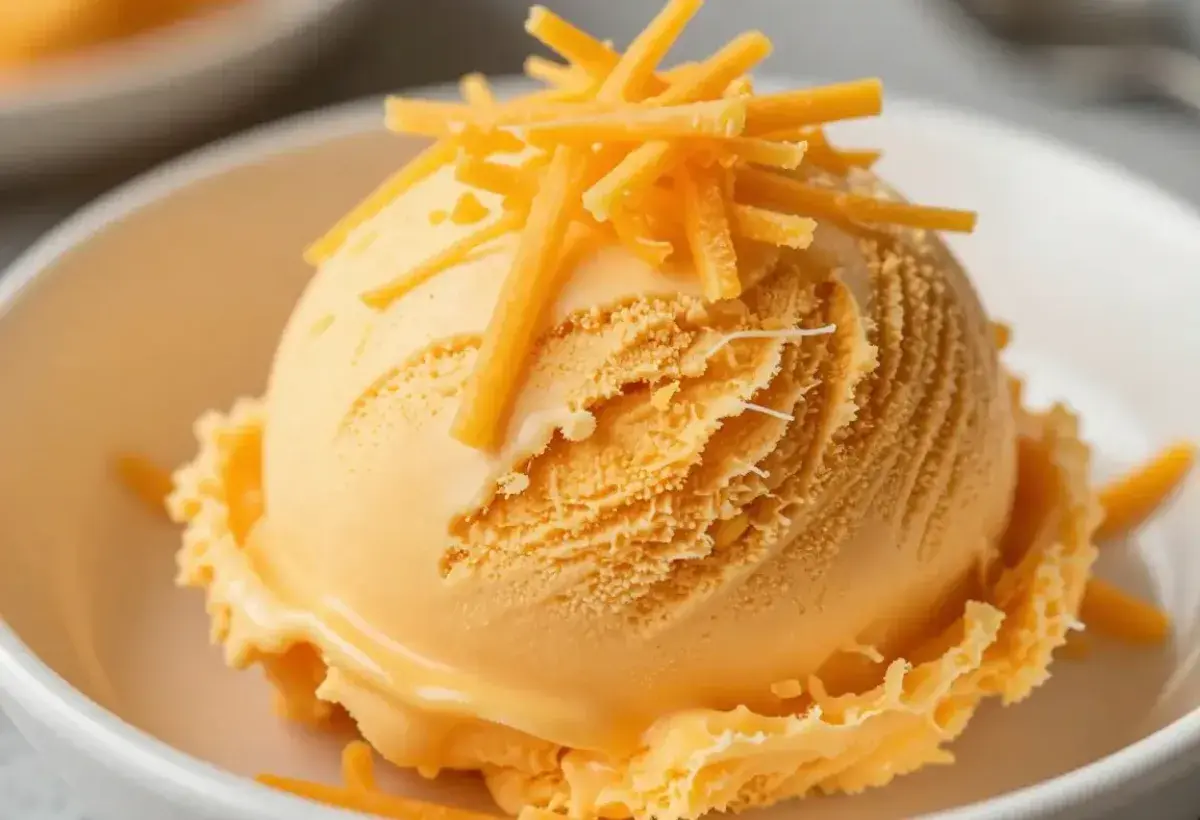
Bright orange and unmistakable at first sight, cheese ice cream from the Philippines often surprises visitors before they even taste it. The base is a creamy sweet milk ice cream, but what truly sets it apart is the generous addition of shredded cheddar cheese mixed throughout. The result is a dessert that balances sweetness with a light salty bite, creating a flavor that locals find comforting and nostalgic.
This dessert is commonly sold by street vendors pushing colorful carts through neighborhoods, especially during hot afternoons. For many Filipinos, cheese ice cream is tied to childhood memories of summer days, loose change saved for a quick treat, and sharing scoops with friends. The bright color itself adds to the fun, making it instantly recognizable among other frozen snacks.
The use of cheese in desserts is not unusual in Filipino cuisine. Cheese frequently appears in sweet breads, cakes, and holiday treats. In ice cream form, it becomes even more playful. The cheese softens as it freezes, adding texture rather than overpowering the base flavor. Instead of tasting sharp, it offers a mellow contrast that keeps each bite interesting.
Visitors often expect the cheese flavor to be overwhelming, but many are surprised by how gentle and balanced it is. The saltiness enhances the sweetness rather than competing with it. For locals, it is not strange at all, but rather a reminder that desserts can be fun, affordable, and deeply rooted in everyday life.
Image
2. Bird’s Nest Soup China
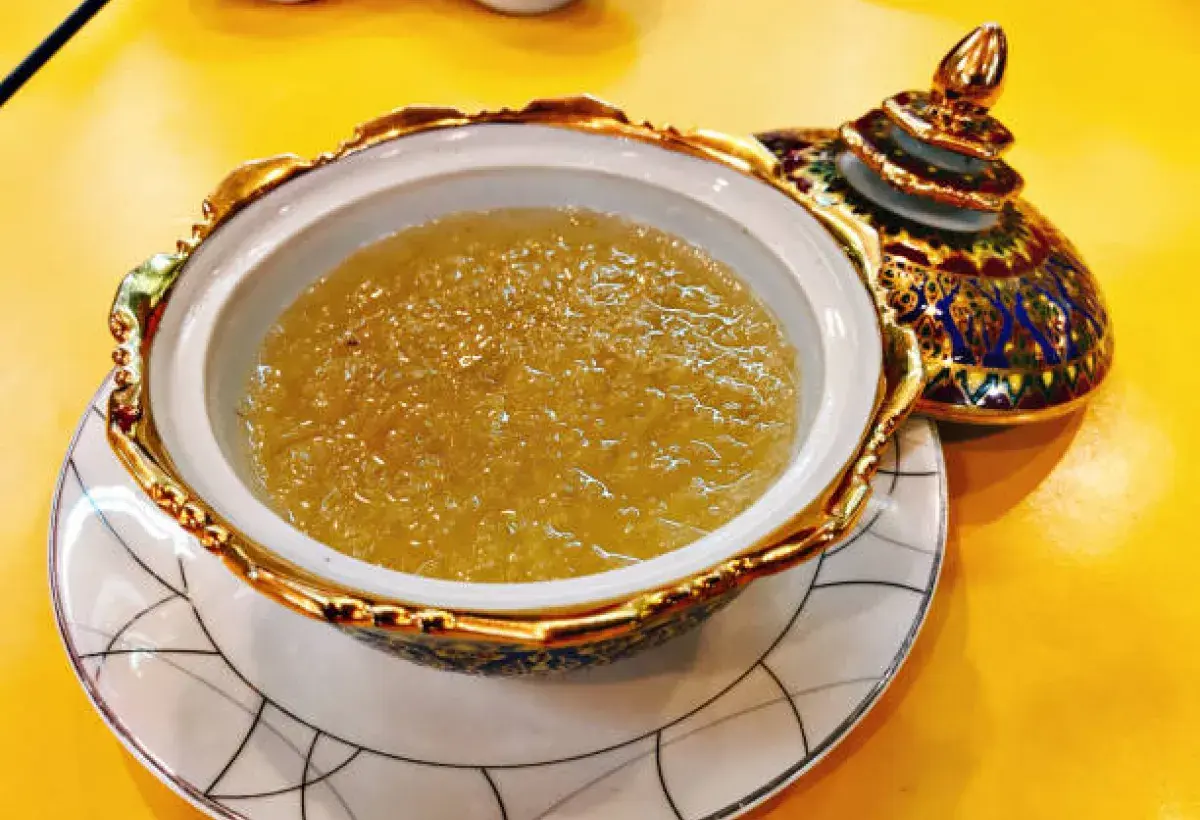
Bird’s nest soup is one of the most unusual desserts for those unfamiliar with Chinese culinary traditions. It is made from the nests of swiftlet birds, which are constructed almost entirely from the birds’ hardened saliva. Once cleaned and cooked, the nests dissolve into a gelatinous texture that is both delicate and smooth.
Traditionally, bird’s nest soup is served sweet, often with rock sugar and sometimes with added ingredients like red dates or goji berries. The flavor itself is very mild, allowing the texture and symbolism to take center stage. Rather than being about bold taste, this dessert is appreciated for its subtlety and refinement.
For centuries, bird’s nest soup has been associated with luxury and health. It was once reserved for emperors and nobility, valued for its supposed benefits to skin, immunity, and overall vitality. Even today, it is often given as a gift or served during important family celebrations. Its high cost adds to its reputation as a special occasion food.
To outsiders, the idea of eating a bird’s nest can feel strange. To those who grew up with it, however, it represents care, tradition, and respect. The dessert reflects how cultural values shape what people consider comforting or indulgent, even when the ingredients seem surprising.
Image
3. Fried Milk Spain
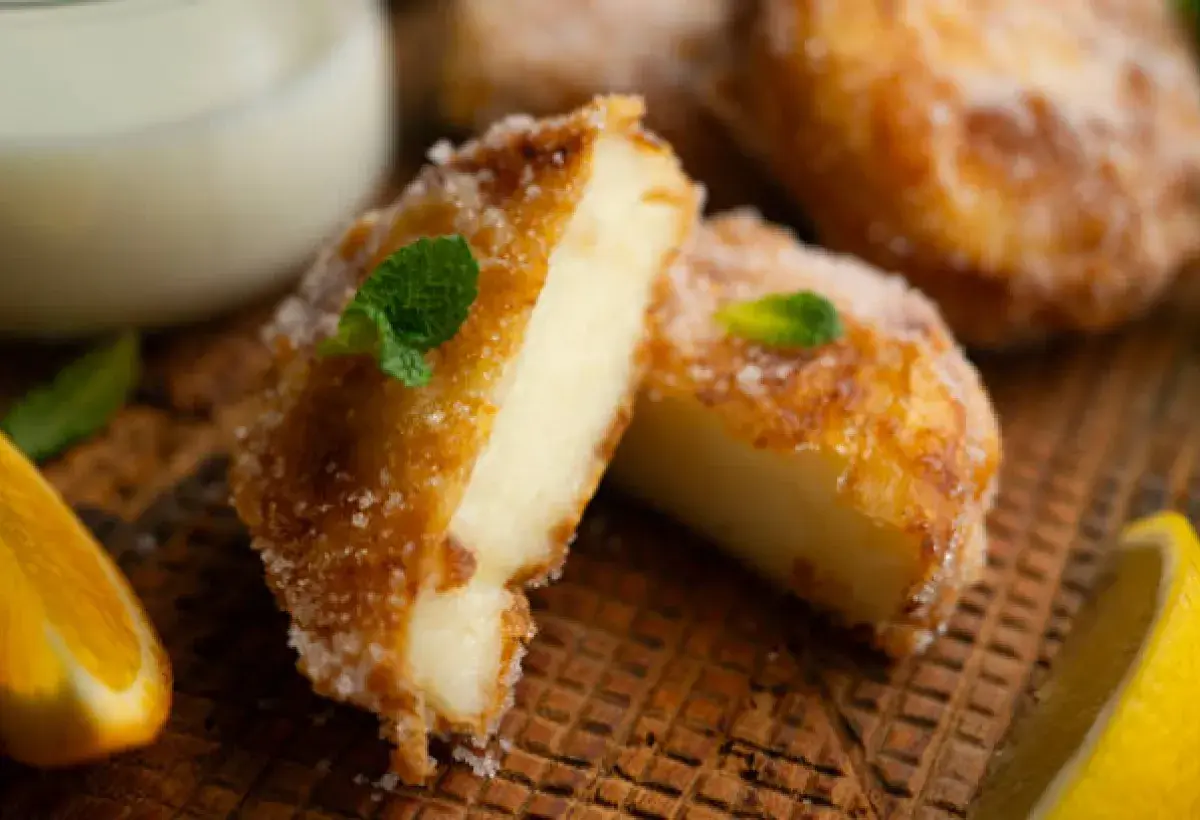
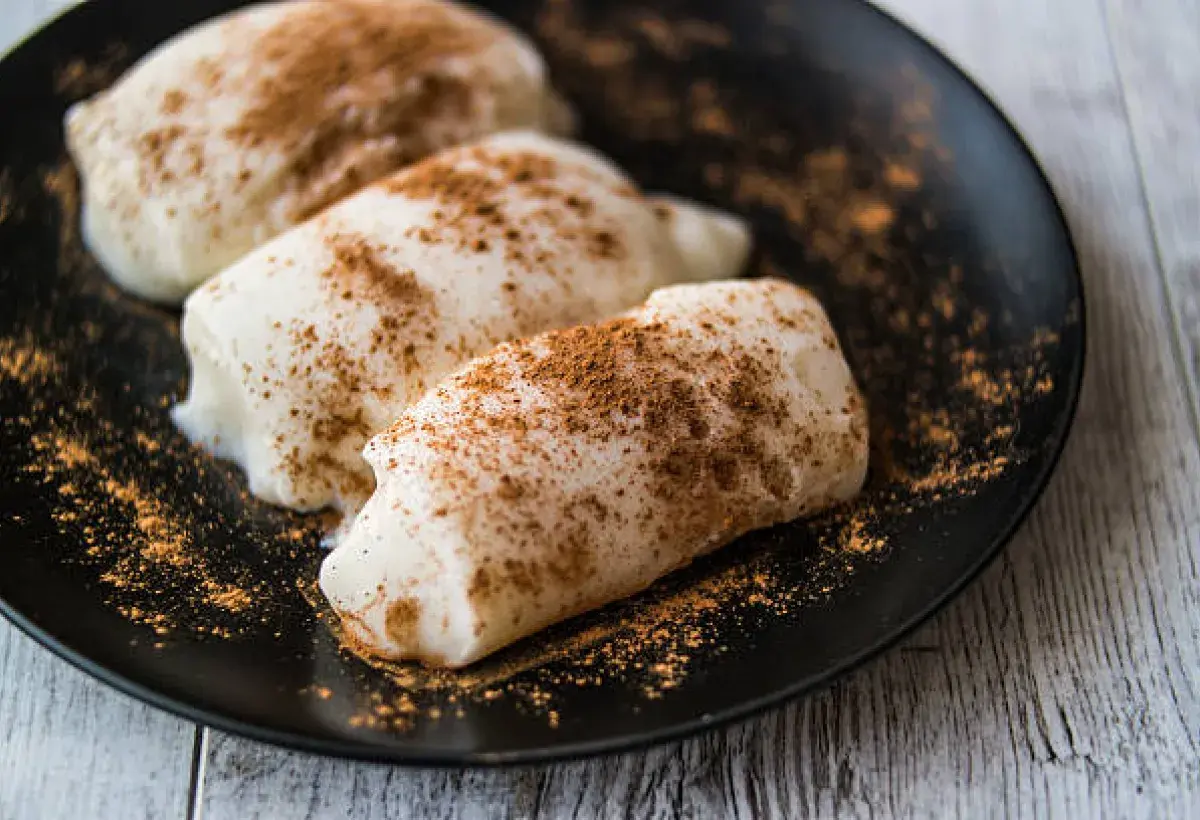
Fried milk is a dessert that sounds impossible until you see it prepared. In Spain, milk is gently cooked with sugar and thickening ingredients until it becomes firm enough to slice. These slices are then coated, cooked until golden, and finished with a dusting of sugar or cinnamon.
The contrast is what makes this dessert special. The outside is warm and lightly crisp, while the inside remains soft and creamy. Each bite delivers comfort and richness without being overly heavy. It is often enjoyed during festivals or family gatherings, especially in regions where traditional sweets are deeply valued.
Fried milk has roots in home kitchens, where cooks found creative ways to turn simple pantry staples into something memorable. Milk, sugar, and starch were affordable and accessible, making this dessert a practical treat that could still feel indulgent. Over time, it became a beloved classic rather than a novelty.
For visitors, the idea of milk transformed into a solid dessert can feel odd. After tasting it, however, many quickly understand why it has lasted for generations. It proves that even the most familiar ingredient can become something surprising with a bit of imagination.
Image
4. Wasabi Ice Cream Japan
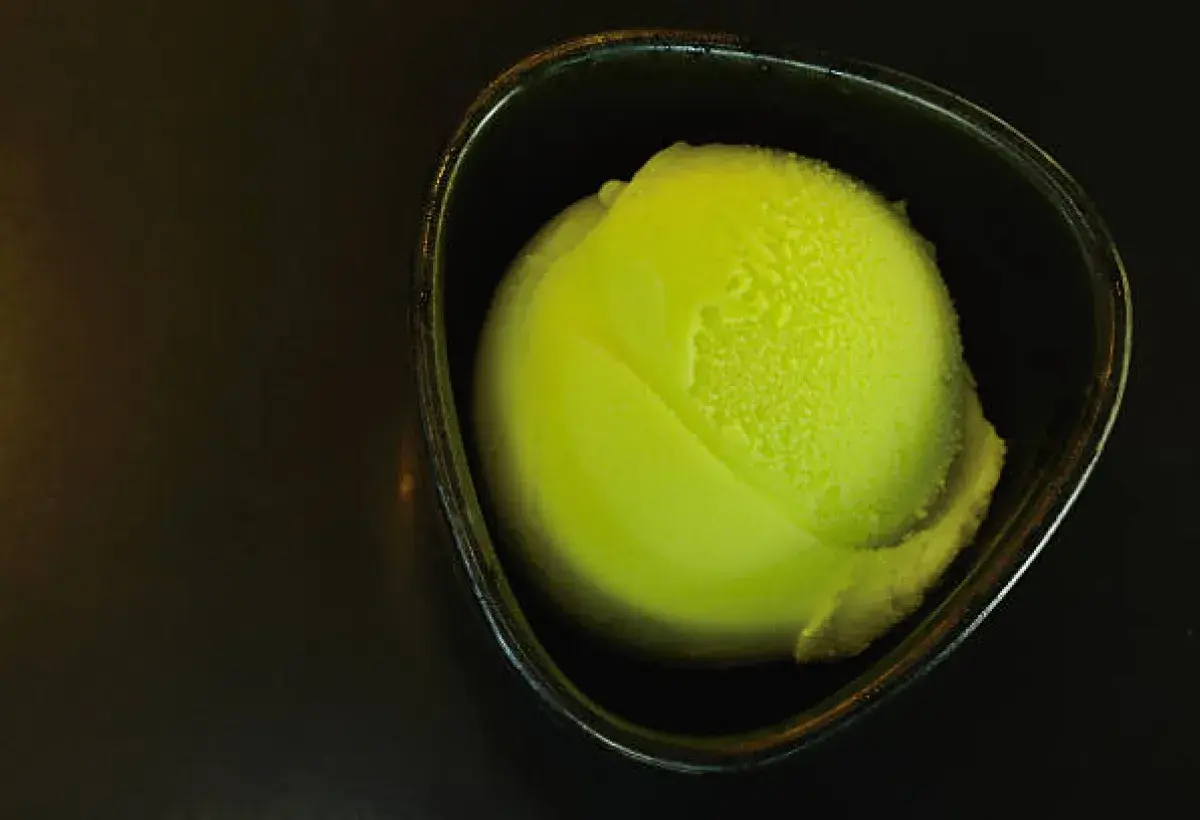
Wasabi ice cream is a perfect example of Japan’s playful approach to flavor. At first glance, it looks like ordinary green ice cream, but the first bite reveals a gentle heat that slowly spreads through the mouth. Instead of overwhelming spice, the wasabi adds a sharp freshness that contrasts with the sweetness of the cream.
This dessert is often found in tourist areas or specialty shops, where visitors seek out unusual food experiences. Locals enjoy it as well, appreciating how it reflects the balance often found in Japanese cuisine. Sweetness and heat coexist without canceling each other out.
The wasabi used in ice cream is usually milder than what is served with savory dishes. This allows the flavor to complement the dessert rather than dominate it. The result is refreshing rather than painful, leaving a clean finish that surprises first time tasters.
Wasabi ice cream shows how desserts do not need to be purely sweet to be enjoyable. By borrowing from savory traditions, it creates something unique that still feels carefully crafted and intentional.
Image
5. Avocado Shake Vietnam
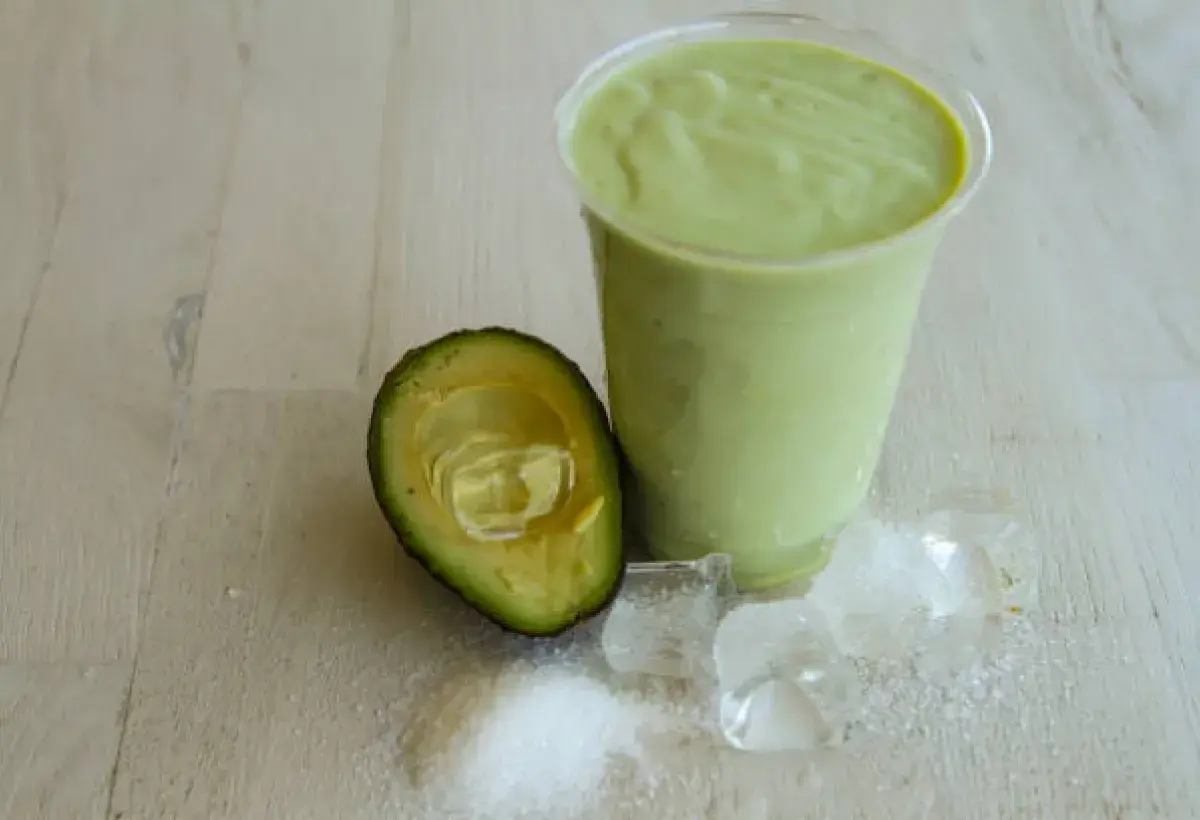
Avocado shake is a dessert that challenges Western ideas about how avocados should be used. In Vietnam, ripe avocados are blended with condensed milk and ice to create a thick, creamy drink that is naturally rich and satisfying.
The mild flavor of avocado works beautifully in sweet form. Instead of tasting vegetal, it becomes smooth and buttery, acting as a perfect base for sweetness. The texture is often compared to a milkshake, though it feels more nourishing and filling.
This dessert is popular at street stalls and cafes, especially during warm weather. It is affordable, refreshing, and widely loved by people of all ages. For many locals, it is not considered strange at all, but rather a normal and comforting treat.
Visitors are often surprised by how quickly they grow to love it. Avocado shake highlights how cultural context shapes taste, turning a familiar ingredient into something entirely unexpected.
Image
6. Mämmi Finland
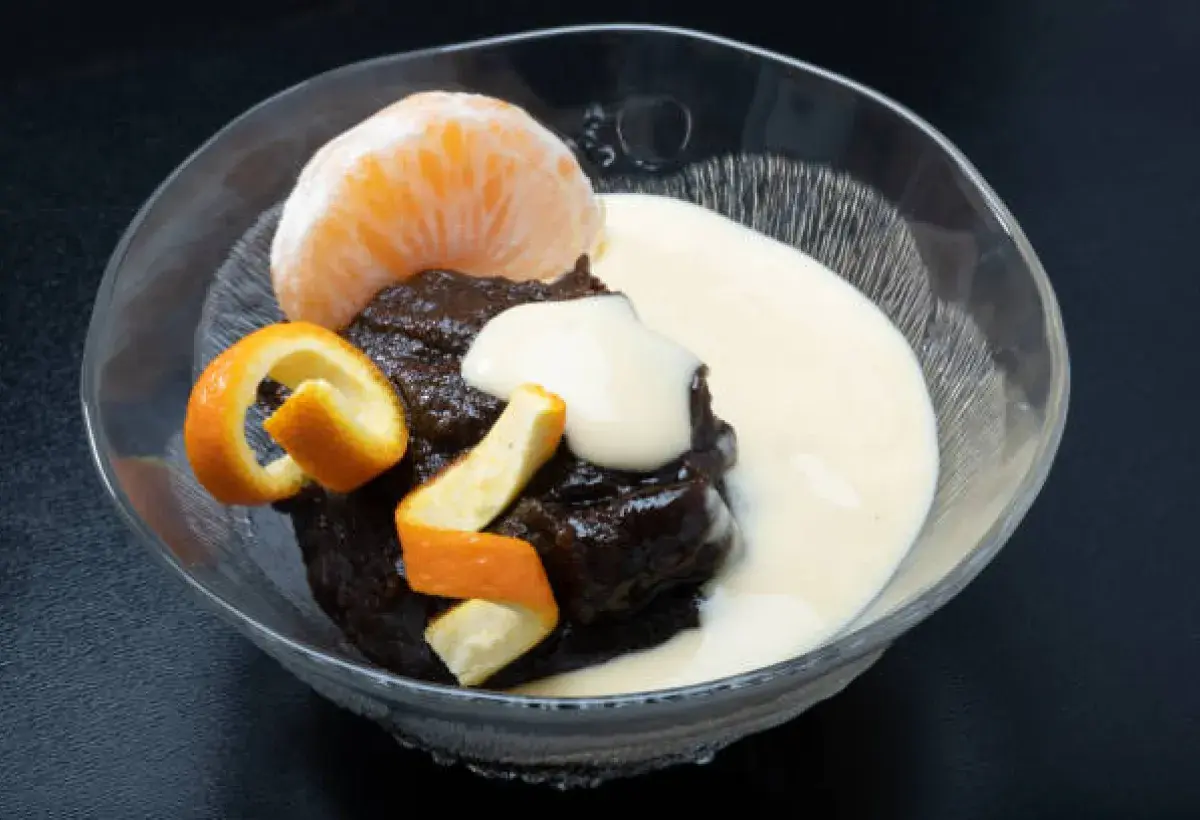
Mämmi is a traditional Finnish dessert that often shocks newcomers with its appearance. Dark brown and thick, it resembles something closer to mud than dessert. Despite this, it holds a special place in Finnish culture, especially during Easter.
Made from rye flour and malt, mämmi has a deep, earthy sweetness. It is usually eaten cold, served with cream or milk and a sprinkle of sugar. The flavor is subtle and malty, rewarding those who approach it with an open mind.
Historically, mämmi was a practical food, as it could be stored for long periods. Over time, it became associated with holiday traditions and family meals. Today, it remains a symbol of Finnish heritage rather than a dessert meant to impress visually.
While its look may deter some, those who try it often find comfort in its simplicity. Mämmi reminds us that desserts do not always aim to be flashy, sometimes they simply preserve tradition.
Image
7. Spaghettieis Germany
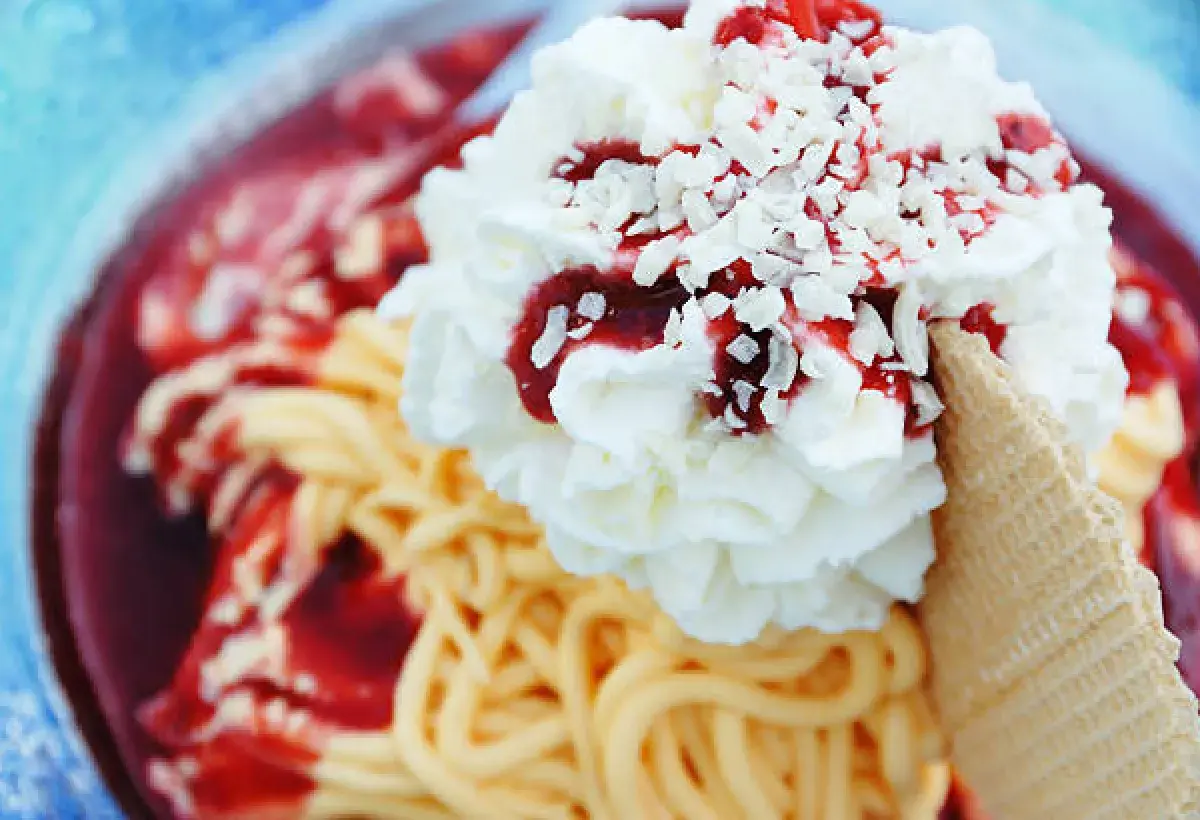
Spaghettieis is a dessert that looks like a savory meal but tastes entirely sweet. Vanilla ice cream is pressed through a tool to resemble noodles, then topped with strawberry sauce and white chocolate shavings.
The visual trick is part of the fun. Children and adults alike enjoy the surprise of seeing something familiar transformed into dessert form. Despite its playful appearance, the flavors are classic and comforting.
Created in Germany in the twentieth century, spaghettieis quickly became a favorite in ice cream parlors. It combines creativity with familiarity, making it accessible even to those who might hesitate at more unusual ingredients.
This dessert proves that weirdness can be joyful rather than shocking. By focusing on presentation, it turns a simple ice cream into an experience.
Image
8. Tavuk Göğsü Turkey
Tavuk göğsü is a milk pudding that includes finely shredded chicken breast. While this sounds alarming to many, the chicken is prepared in a way that removes any savory taste, leaving behind texture rather than flavor.
The pudding is smooth, lightly sweet, and often flavored with vanilla. Most people would never guess it contains meat if they were not told. The chicken fibers help create a unique consistency that sets it apart from other puddings.
This dessert dates back to Ottoman cuisine, where cooks experimented with ingredients in inventive ways. It was served in royal kitchens and eventually made its way into everyday life.
Tavuk göğsü challenges assumptions about what belongs in dessert. Its continued popularity shows that tradition can outlast surprise.
Image
9. Chè Ba Màu Vietnam
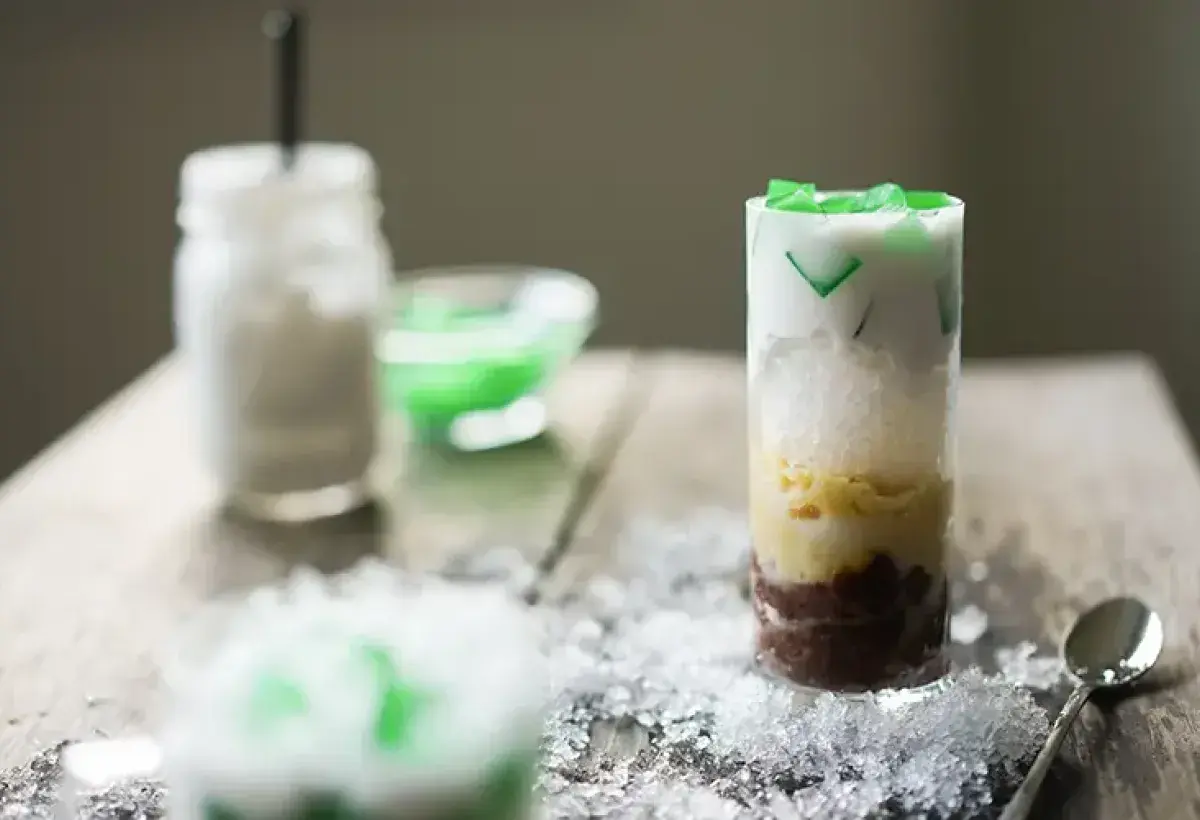
Chè ba màu, meaning three color dessert, is as visually striking as it is sweet. It features layers of beans, jelly, and crushed ice topped with coconut milk, creating a dessert that is both refreshing and filling.
Each layer has its own texture and flavor, from creamy to chewy to icy. Together, they create contrast and balance, making every spoonful different from the last.
This dessert is commonly enjoyed as a street snack, especially in warm weather. Its bright colors make it instantly appealing, drawing people in before they even taste it.
Chè ba màu reflects the Vietnamese love of layered desserts that engage both the eyes and the palate. It is playful, affordable, and deeply rooted in everyday culture.
Image
10. Jelly Cakes USA Asia Fusion 🇺🇸 🌏
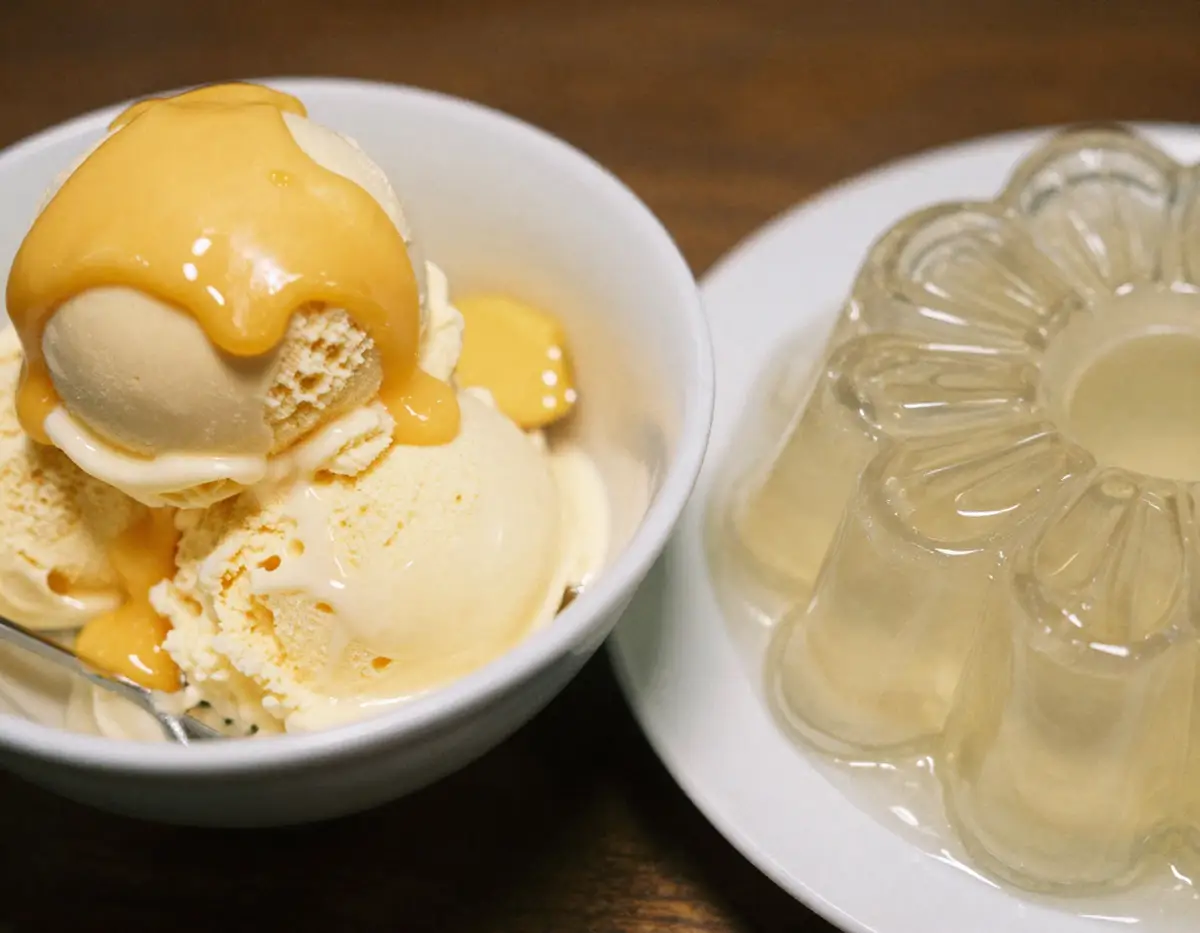
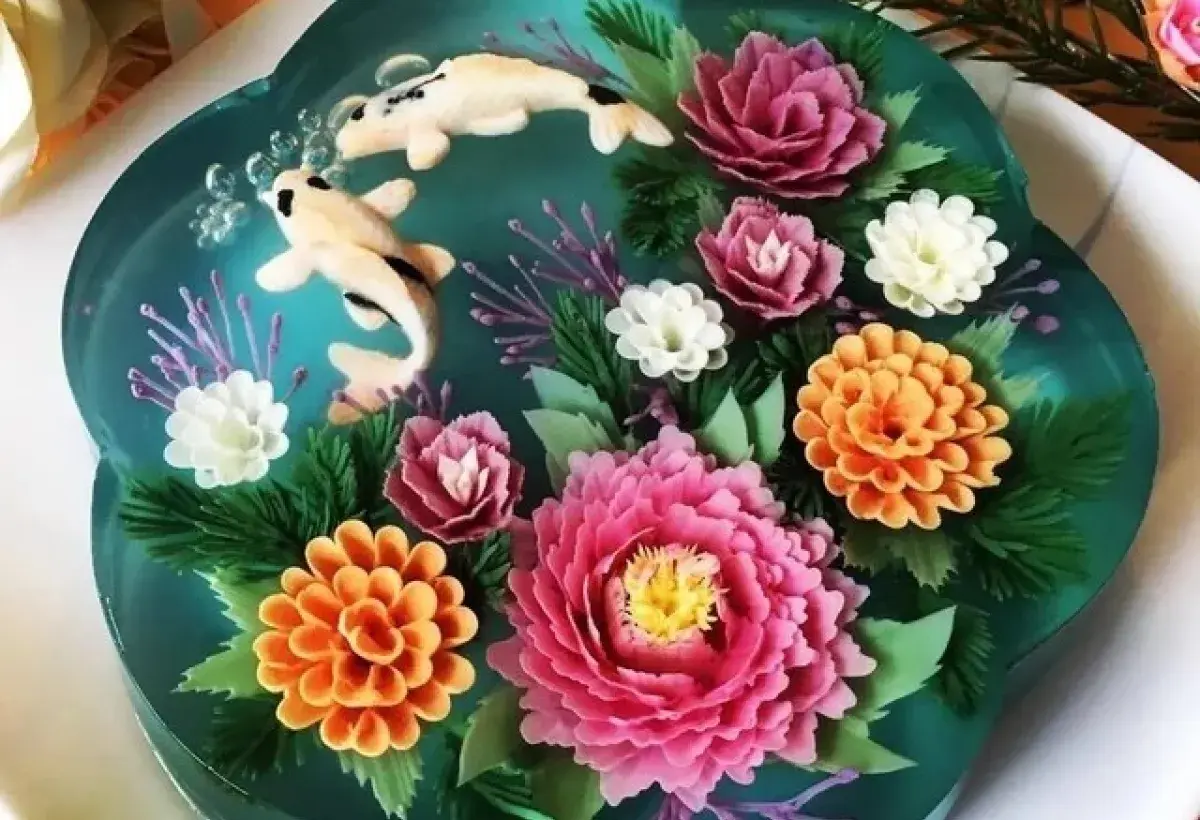
Jelly cakes are modern desserts that focus heavily on appearance. Made using agar agar, these cakes are transparent and often shaped like flowers or intricate patterns suspended inside clear jelly.
The flavor is usually mild and lightly sweet, allowing the visual artistry to shine. Creating these cakes requires patience and precision, making them as much art pieces as desserts.
Popularized through social media, jelly cakes blend Western cake concepts with Asian jelly traditions. They are often served at celebrations where presentation matters as much as taste.
While they may seem delicate and strange, jelly cakes highlight how desserts continue to evolve. They represent creativity, innovation, and the global sharing of ideas.
Image
These strange desserts remind us that food culture is shaped by history, environment, and creativity. What may seem unusual at first often carries deep meaning and tradition for the people who enjoy it. Trying unfamiliar desserts opens the door to understanding different ways of thinking about flavor, texture, and celebration.
Across the world, sweets are more than just treats. They are memories, traditions, and expressions of identity. From street stalls to royal kitchens, these desserts show how diverse and imaginative human taste can be.
Being open to strange desserts is also a way of embracing curiosity. Even if you never grow to love every flavor, the experience itself can be rewarding. Each bite tells a story about where it comes from and why it exists.
In the end, weirdness in desserts is simply another form of creativity. It challenges expectations and invites us to see sweetness through a wider lens. Sometimes, the most surprising treats are the ones that stay with us the longest.