

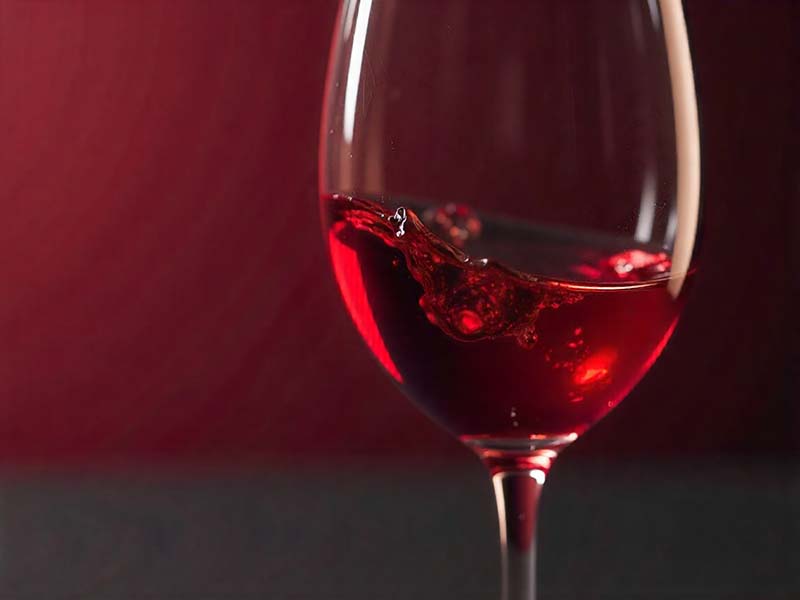
Wine has always occupied a special place in human culture because people enjoy it not only as a beverage but also as a symbol of history, tradition, and celebration. When someone pours a glass of wine, they are experiencing something that carries thousands of years of stories held within each drop. Wine is shaped by land, climate, grapes, and the people who dedicate their lives to growing and crafting it. In many parts of the world, wine is part of daily life, whether enjoyed with dinner, during a gathering of friends, or as part of a quiet moment after a long day. People often think of wine as something simple, yet behind every bottle there is a world of science, agriculture, craftsmanship, and cultural evolution.
From the earliest civilizations to the present day, wine has continued to evolve. The techniques used to produce it have grown more sophisticated while still respecting ancient roots. What makes wine even more fascinating is how it connects people across continents through shared appreciation and diverse traditions. Someone drinking Cabernet Sauvignon in California and someone enjoying Saperavi in Georgia may be thousands of miles apart, yet they are both participating in an experience that humans have valued for millennia.
Wine also invites curiosity because there is always something new to learn. Whether someone is a casual drinker or a knowledgeable enthusiast, there are endless layers of discovery. People often know only the basics such as red, white, or sparkling, but the background behind how wine is made, how grapes develop flavor, and how history shaped global wine culture adds so much depth. Understanding these details often makes each sip more enjoyable.
This wine facts offers a deeper look into the surprising and sometimes unusual stories behind wine. From ancient origins to the scientific reasons behind swirling, from sacred traditions to unexpected historical twists, these facts will help anyone develop a richer appreciation for wine. The more you learn, the more fascinating your next glass becomes.
1. Wine is older than written language
Image
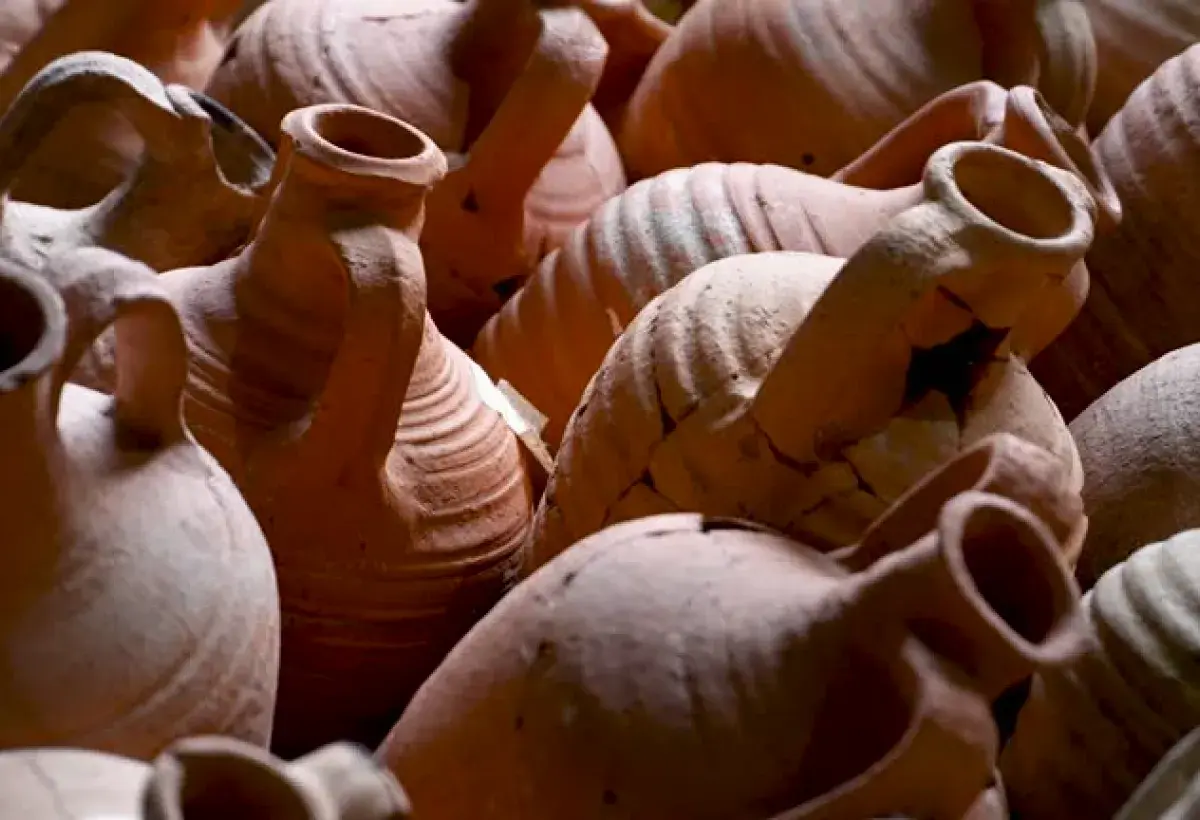
Wine is so ancient that its origins go back beyond the earliest known written languages. When researchers studied archaeological sites in the region of modern day Georgia, they discovered pottery jars that contained residue left behind by fermented grape juice. These jars were dated to around 6000 B C, which means people were making wine thousands of years before any form of writing had been developed. This discovery shows that early humans found ways to cultivate grapes, ferment them, and store the resulting drink long before they created systems to record their daily lives or communicate through written symbols.
This early connection between humans and wine also reflects how important the drink became for both cultural and social reasons. Even without written records, people understood the craft of winemaking through experience and shared knowledge passed verbally across generations. Communities used wine not only for enjoyment but also for rituals, trade, and communal gatherings. As societies grew more advanced, wine began appearing in religious ceremonies, and it became a symbol of hospitality, status, and celebration.
Another interesting aspect of wine predating written language is that it demonstrates the ingenuity of early humans when it came to food and drink preservation. Fermentation allowed people to store grape juice for long periods without spoilage. This made wine not just a luxury but also a practical solution in certain regions where fresh fruit was seasonal. Over time, people learned to refine flavor, control the fermentation process, and choose the best grapes for consistent quality.
Even when written language eventually developed in places like Mesopotamia and Egypt, wine had already deeply established itself as part of daily life. Records from those later periods show that wine was traded widely, valued highly, and often reserved for people of importance. Yet its roots remained simple, grounded in the curiosity and resourcefulness of early humans who discovered that grapes could be transformed into something entirely new. Because of this, modern wine enthusiasts are participating in a tradition older than literature itself, making each glass a reminder of the creativity and persistence of ancient winemakers.
2. The world’s oldest known wine cellar is on the Titanic
Image
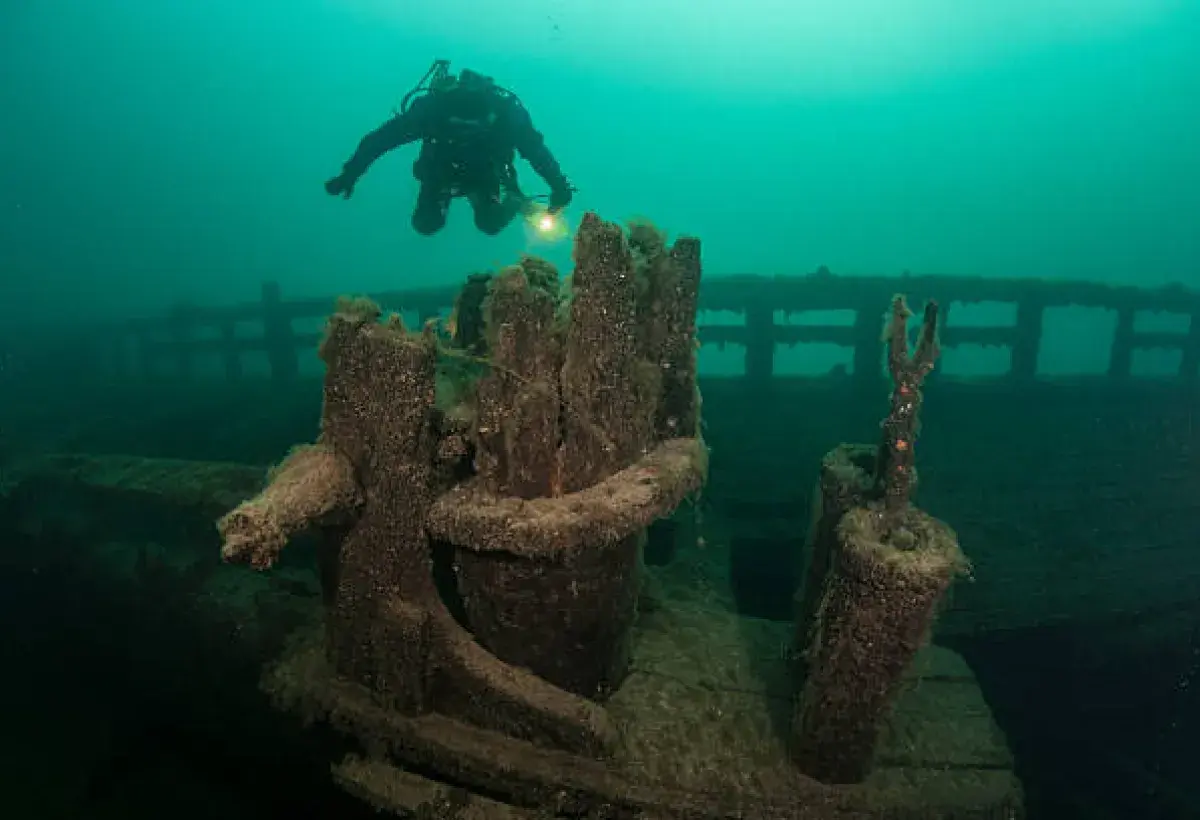
When explorers reached the wreck of the Titanic deep in the Atlantic Ocean, they found something unusual among the remains of the ship. Many of the wine bottles stored in the Titanic’s cellar were still intact. The cold temperature of the ocean combined with the consistent pressure created an environment that helped preserve these bottles for over a century. This unexpected discovery made the Titanic home to the oldest known wine cellar still physically in place, even though it rests at the bottom of the ocean.
The presence of a well stocked wine cellar on the Titanic also reveals how luxurious the ship was intended to be. The Titanic was designed to offer an experience unlike any other ocean liner of its time. The ship carried high quality wines meant for first class passengers who expected fine dining and an elegant atmosphere. Wine lists from the Titanic show that a range of European wines was served, including French Champagne, Bordeaux, Burgundy, and German Rieslings. These selections were carefully curated to complement multi course meals prepared in the grand dining rooms.
What makes the sunken cellar so fascinating is the idea that despite the tragedy and the harsh underwater conditions, many of the bottles survived without breaking. The sediment and cold provided a protective environment, and since the Titanic lies so deep underwater, there is minimal disturbance. Although no one can drink these preserved bottles due to their environment and contamination risk, they still hold historical significance. They offer a glimpse into what luxury dining looked like in the early twentieth century and how important wine culture was even during that period.
The fact that these bottles remain as silent relics of a long lost era is part of what continues to capture global interest in the Titanic. People are intrigued by how something as delicate as glass could survive a massive disaster and more than one hundred years underwater. The Titanic wine cellar serves as a reminder that wine history stretches across oceans and centuries. It connects past lifestyles with present curiosity and adds another layer to the story of one of the most famous ships in history.
3. There are over 10,000 varieties of wine grapes
Image
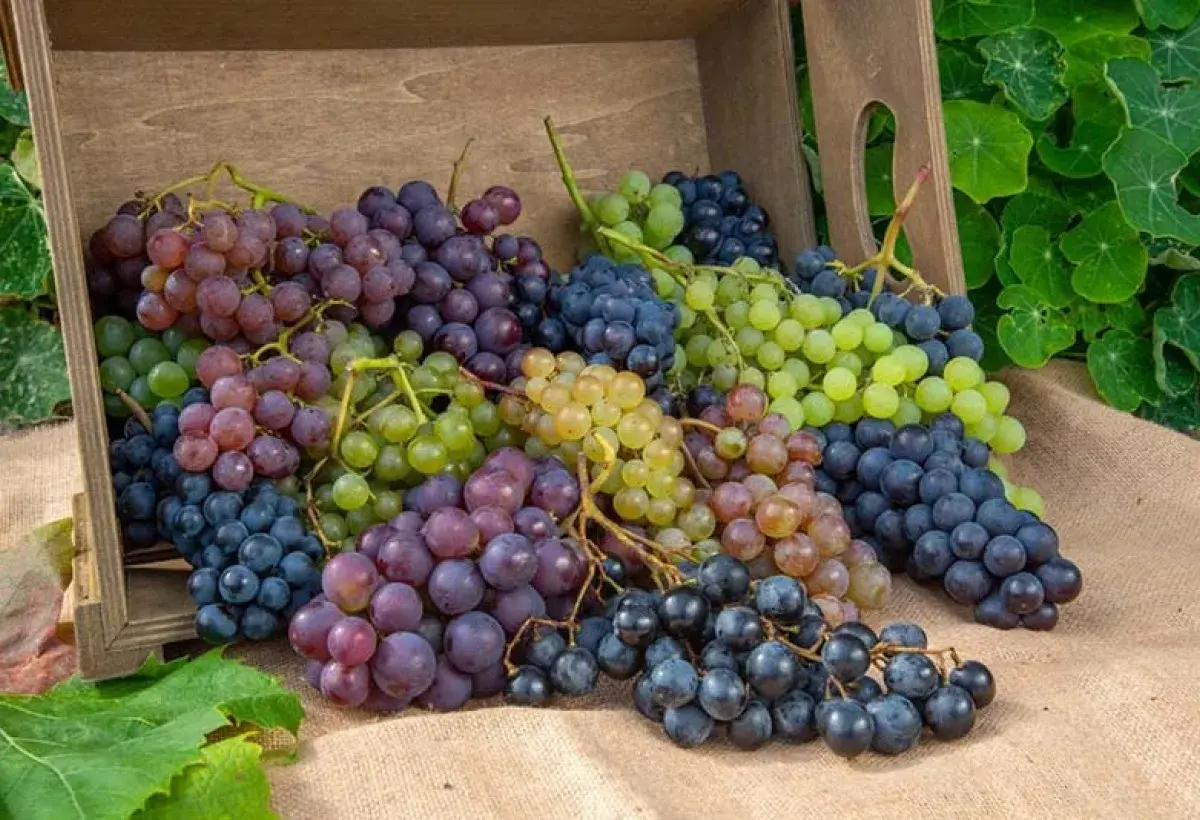
Most people are familiar with popular grape varieties like Cabernet Sauvignon, Merlot, Chardonnay, and Pinot Noir, yet the world of wine grapes is far larger than many realize. There are more than ten thousand varieties that winemakers use, although only a small percentage are widely recognized by consumers. Each grape variety has unique characteristics that influence flavor, aroma, body, acidity, and color. This incredible diversity is one reason wine tastes so different from region to region and from bottle to bottle.
Grapes absorb qualities from their environment, which is why the same variety can produce different flavors depending on where it is grown. Factors like soil, altitude, rainfall, sunlight, and temperature play important roles in shaping the final taste. For example, Chardonnay grown in a cool climate often tastes crisp and citrus forward, while Chardonnay grown in warmer regions produces richer and more tropical notes. These variations encourage winemakers to experiment with different growing conditions and vineyard techniques to bring out the best in each grape.
The reason so many grape varieties exist is partly due to centuries of natural evolution combined with intentional cultivation. Farmers in different regions selected grapes that survived their climates and delivered desirable flavors. Over generations, these grapes became distinct varieties. In some countries such as Italy and Greece, ancient grape varieties still grow today and carry centuries of cultural heritage. Wine lovers who explore these lesser known grapes often discover flavors and aromas that cannot be found in mainstream bottles.
This vast assortment of grape varieties also reflects how deeply connected wine is to geography. Many grapes thrive only in specific areas and cannot be easily replicated elsewhere. This creates a sense of identity for certain regions, making wines from those areas unique. Even in modern winemaking, growers and producers continue to explore forgotten or rare varieties in hopes of bringing back flavors that have been lost over time.
The amazing number of wine grapes ensures that wine will always be a world of discovery. No matter how much someone learns, there is always another grape variety waiting to be tasted. This abundance invites curiosity and encourages wine lovers to explore beyond what they already know, making each new glass an opportunity to experience culture, history, and craftsmanship in a fresh and exciting way.
4. Red wine gets its color from the skin
Image
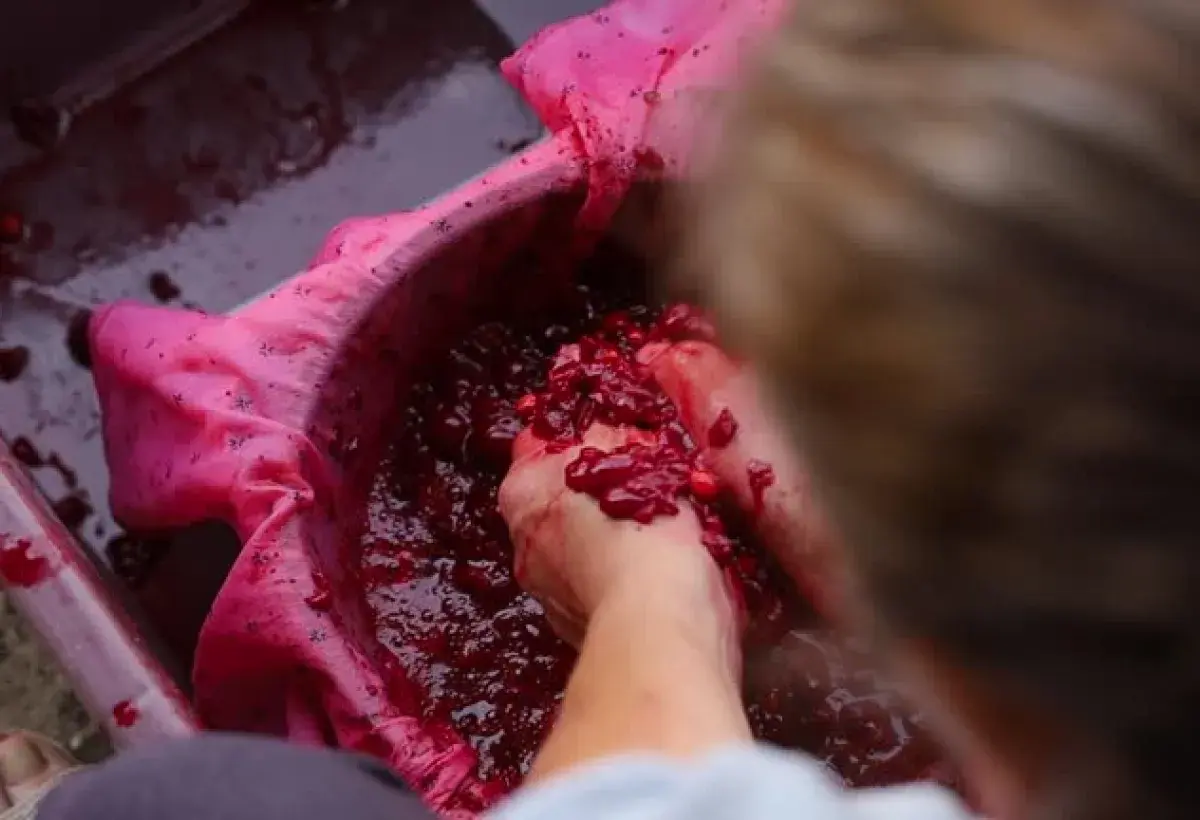
Even though people often assume red grapes naturally produce red juice, the truth is that all grape juice begins as a clear liquid. The deep color found in red wine comes entirely from the grape skins. When grapes are crushed, winemakers choose whether to leave the skins in contact with the juice. The longer the juice remains in contact with the skins, the richer and darker the color becomes. This process also influences the structure, flavor, and aroma of the wine.
The pigment responsible for the color is called anthocyanin. It is found in the skins of red and purple grapes but not in the pulp. During fermentation, the skins float to the top of the tank, forming a thick layer called the cap. Winemakers frequently mix or punch down this cap to ensure the juice absorbs color and tannins evenly. Tannins are natural compounds that contribute to the dry sensation people feel when drinking red wine. They also help the wine age longer and develop more complex flavors over time.
Different grape varieties produce different levels of pigmentation. For example, Syrah and Malbec often create very dark wines, while Pinot Noir produces lighter and more delicate colors. The intensity of color can also indicate what flavors or body style to expect. Darker wines may carry bolder characteristics such as blackberry, plum, and tobacco, while lighter ones often offer brighter notes like cherry, raspberry, and earth.
Temperature and timing during fermentation also influence how deeply the wine extracts pigment from the skins. Some winemakers use cooler fermentation to create softer and more elegant wines, while others use warmer temperatures to encourage richer extraction. These decisions allow winemakers to create a specific style that suits the grape variety and the desired final result.
Understanding that grape skins hold the key to red wine color helps people appreciate the craftsmanship behind each bottle. It demonstrates how even small decisions made during fermentation can strongly affect flavor and appearance. It also highlights how winemaking is a blend of art and science. When someone enjoys a glass of red wine, they are experiencing the transformation of simple grape skins into a complex and flavorful drink that reflects the skill and creativity of the winemaker.
5. The Vatican drinks more wine per person than any other country
Image
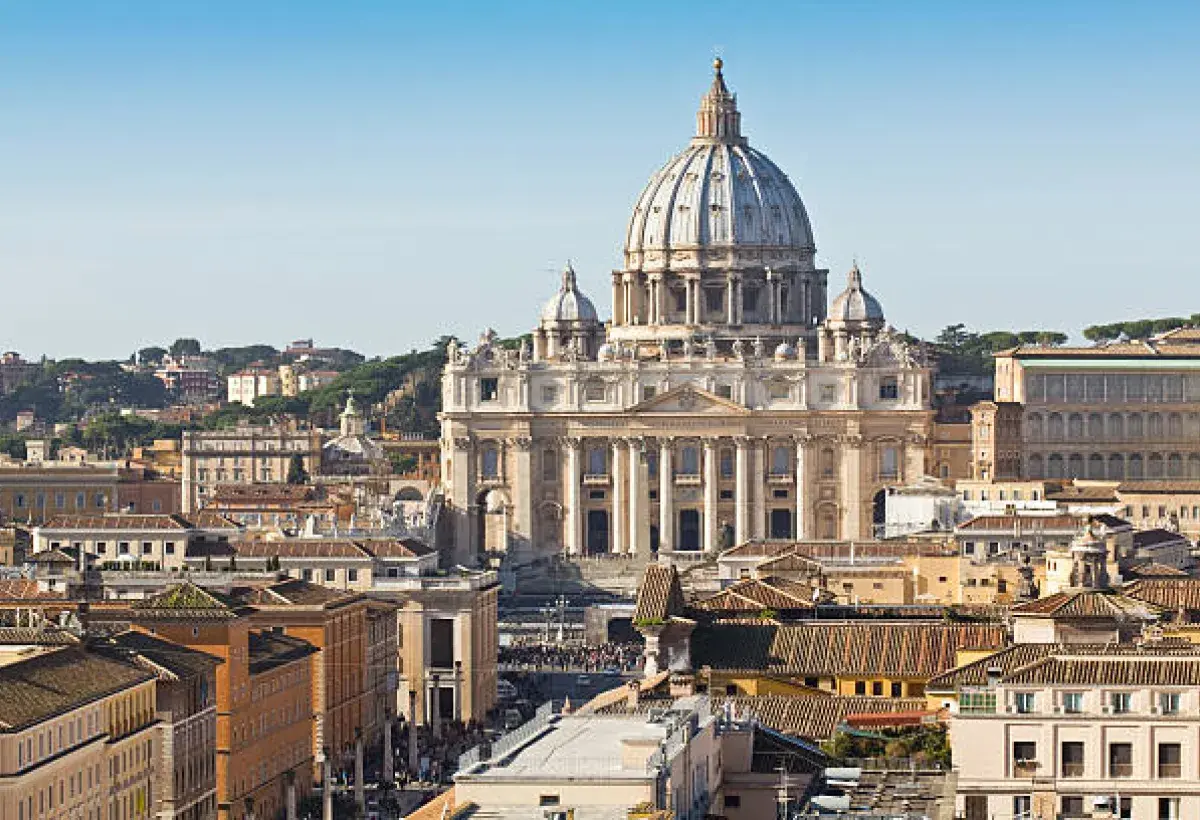
Although Vatican City is the smallest independent state in the world with fewer than one thousand residents, it leads global rankings in wine consumption per person. This statistic often surprises people, but the reasons behind it make sense when the culture and daily practices of the Vatican are considered. Wine holds an important role in Catholic religious ceremonies, particularly during Mass where wine symbolizes sacred tradition. Since these ceremonies occur frequently, there is consistent use of wine throughout the community.
Beyond ceremonial use, Vatican City is home to a population that primarily includes clergy and residents who share communal meals. These meals often follow European dining customs where wine is a common accompaniment. Unlike many parts of the world where wine consumption varies widely depending on personal preference, Vatican residents typically follow traditions that incorporate wine more regularly into their lifestyle. This contributes significantly to the high per capita consumption.
The Vatican also has a strong connection to Italian culture. Italy has one of the richest wine traditions in the world, and it is common for families and communities to enjoy wine at lunch or dinner. Since Vatican City is surrounded entirely by Rome, it shares the same culinary habits. This means wine is more of a staple than a luxury, and consumption remains consistent throughout the year.
What makes this fact interesting is that despite having such a small population, the Vatican still significantly outpaces other wine consuming countries on a per person basis. This does not mean individuals are drinking excessively. Instead, it reflects how central wine is within the religious and cultural structure of the Vatican. It also reminds people that wine has long been tied to spiritual traditions. For centuries, monasteries throughout Europe played important roles in cultivating vineyards and developing winemaking practices. Some of the worlds oldest vineyards were once tended by monks who meticulously documented grape growing methods and fermentation techniques.
Today, the Vatican’s high wine consumption offers a modern reflection of these historical ties. It shows how tradition continues to shape daily life in meaningful ways. When people see Vatican City topping wine consumption charts, they are witnessing the lasting impact of cultural heritage and religious practice on something as simple yet significant as wine.
6. A wine lake once existed in Europe
Image
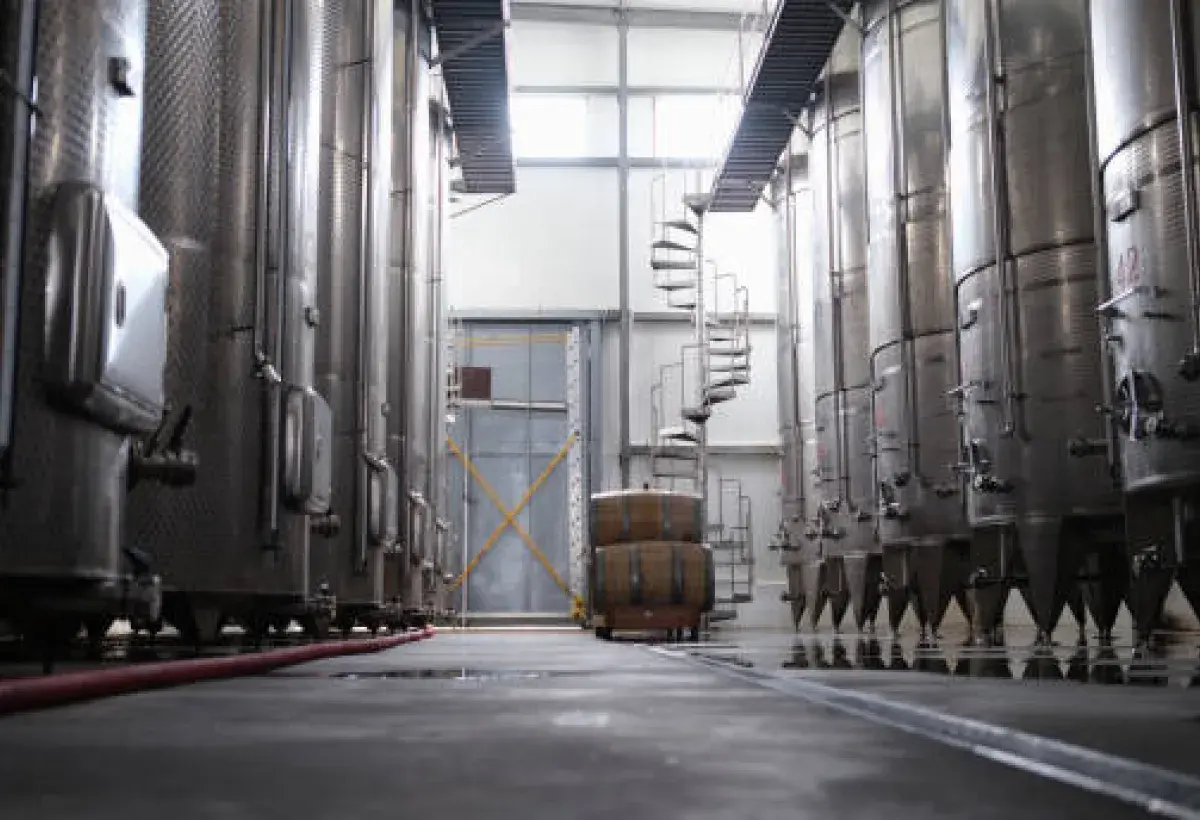
During the early two thousands, Europe experienced such a large surplus of wine that the excess supply had to be stored in massive quantities. This overproduction became so severe that the surplus was described as a wine lake. The term was not a figure of speech but a literal reference to the huge volume of unsold wine accumulating across European storage facilities. The situation arose from a combination of favorable harvests, government subsidies that encouraged high production, and decreased demand for certain types of wine.
The European Union eventually stepped in because the storage and management of this surplus became increasingly costly. Unwanted wine took up valuable space and created financial pressure for producers. To address the issue, the EU launched a crisis distillation program. This program converted the excess wine into industrial alcohol that could be used for products such as cleaning agents, perfumes, and biofuels. The program helped reduce the surplus and prevented further economic strain on winemakers.
The wine lake crisis highlighted how unpredictable the agriculture based wine industry can be. Grapes depend heavily on climate conditions, and a series of strong harvests can produce more wine than the market demands. Additionally, shifts in consumer preferences can quickly impact sales. For example, younger generations began seeking modern wine styles, organic options, or wines from new regions outside Europe. These changes caused traditional European producers to rethink their strategies.
Although the wine lake situation was a challenging moment for the industry, it also encouraged innovation. Many winemakers began focusing on higher quality production instead of high volume. Regions invested in better marketing, sustainable farming, and modern winemaking techniques. The crisis pushed the industry toward quality driven approaches that continue today. It also made producers more aware of the importance of balancing supply with consumer interest.
The idea of an actual wine lake captures attention because it seems almost unimaginable that so much wine could go unused. However, it demonstrates how dynamic and complex the global wine market can be. It also paved the way for improvements that helped European wine stay competitive in a changing world where consumer tastes continue to evolve.
7. Swirling wine is not just fancy it is science
Image
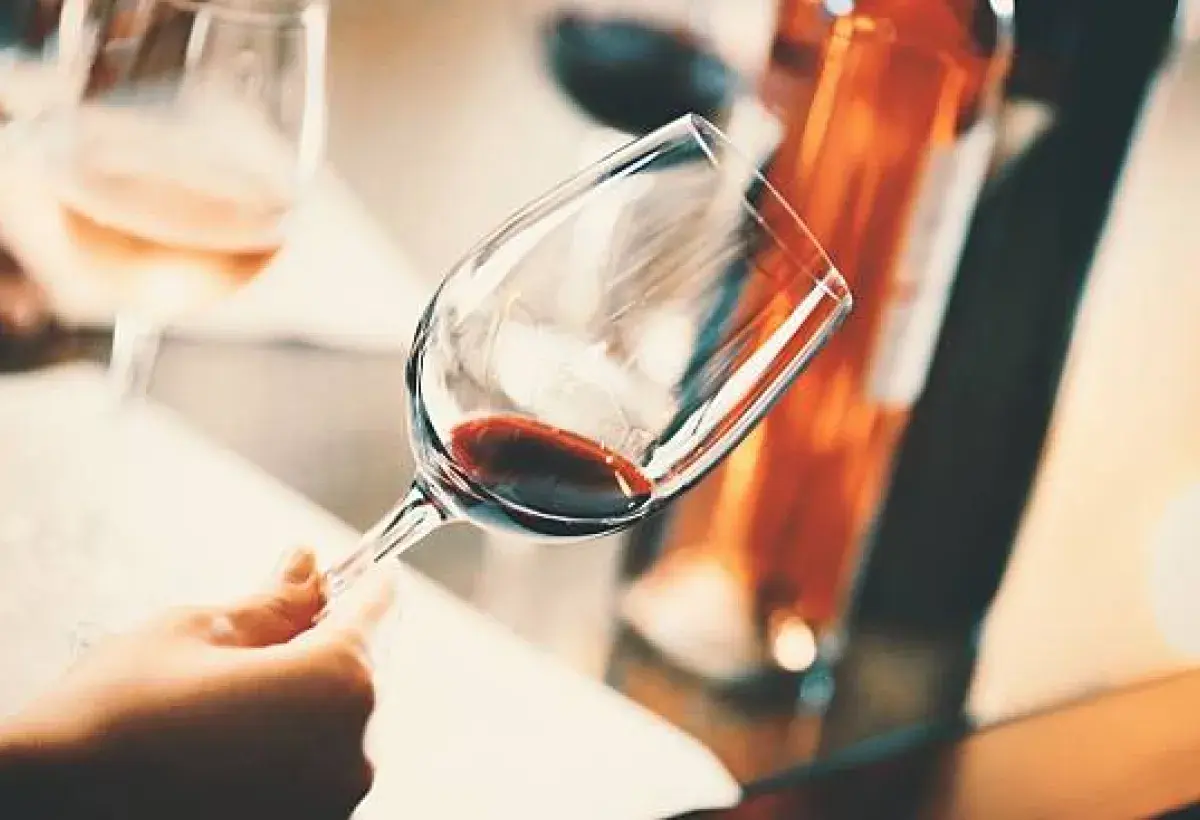
Swirling wine may look like a dramatic gesture used by experts, but it has a scientific purpose that enhances the tasting experience. When someone swirls wine in a glass, the movement introduces oxygen into the liquid. This process is known as aeration, and it helps release aroma compounds that might otherwise remain hidden. Since much of what people perceive as taste actually comes from smell, swirling allows the drinker to experience a fuller and more expressive range of flavors.
The shape of a wine glass also plays an important role in this process. Glasses designed for wine often have a wider bowl that tapers toward the top. When the wine is swirled, the aroma compounds rise upward and become concentrated near the rim. This allows the drinker to capture the scents more easily when bringing the glass close to the nose. For this reason, swirling is commonly used in wine tasting events and by sommeliers who want to evaluate the complexity of a wine.
Swirling also affects the wine in other ways. As oxygen interacts with the wine, it can soften harsh edges, making the drink smoother. This is especially noticeable in young red wines that have strong tannins. A few gentle swirls can help open up the wine and make it more pleasant. In some cases, swirling can reveal layers of flavor that were not noticeable at first sip. This is why many experts encourage people to swirl before drinking, even if they are simply enjoying wine casually.
Another interesting aspect of swirling is that it helps people observe the wine’s legs or tears. These are the streaks that form on the inside of the glass after swirling. While legs do not reveal the wine’s quality, they can indicate alcohol level or sugar content. Higher alcohol wines often form thicker and slower moving legs, while lighter wines form thinner ones. This visual detail adds another dimension to the tasting experience.
Understanding the science behind swirling shows that it is not an unnecessary or pretentious action. It is a practical and effective technique that enhances enjoyment and helps people connect more deeply with their wine. Whether someone is tasting an everyday bottle or a premium vintage, swirling helps unlock the wine’s aromas and flavors, making the entire experience more satisfying.
8. Champagne is not technically wine unless it is from Champagne
Image
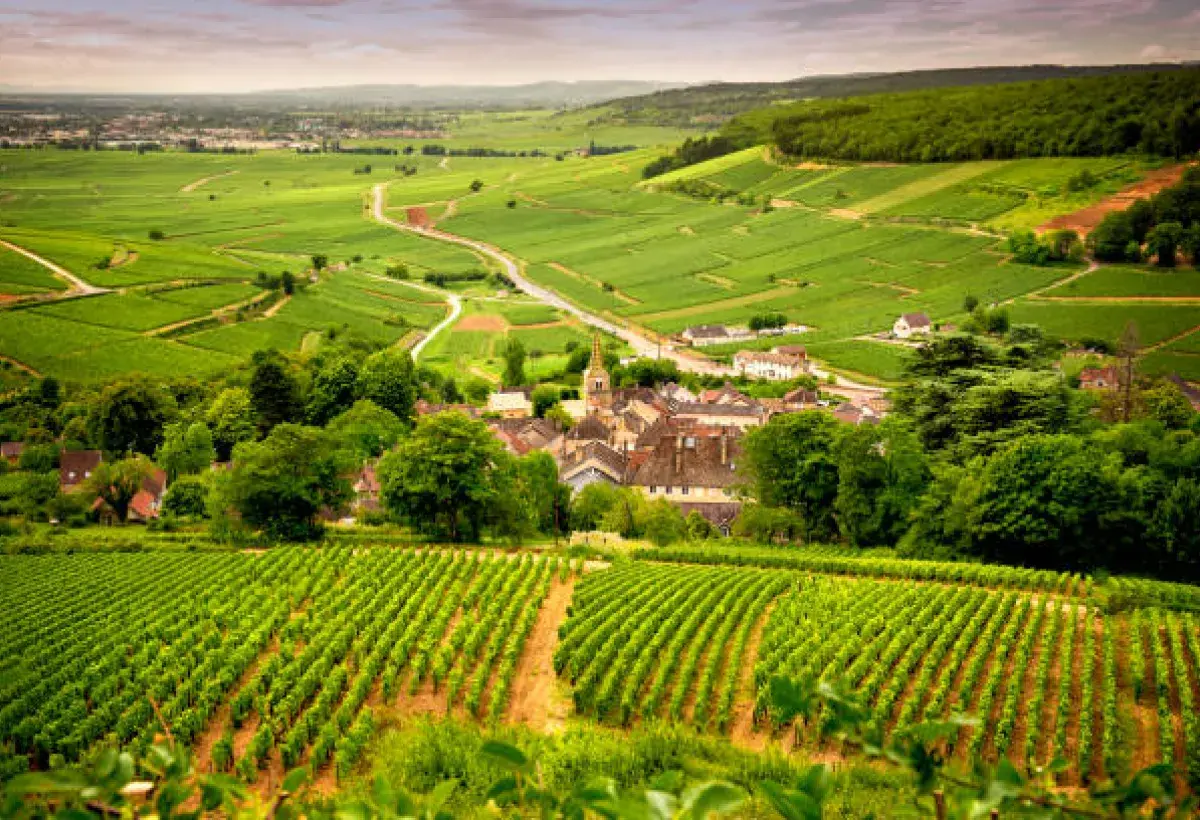
Many people use the term Champagne to describe any sparkling wine, but true Champagne only comes from the Champagne region of France. This strict rule is protected by international regulations that preserve the authenticity and identity of the product. If a sparkling wine is produced outside of Champagne, even within France, it cannot be labeled as Champagne. Instead, it must use a different name such as sparkling wine or regional terms like Crémant.
What makes Champagne unique is a combination of climate, soil, grape varieties, and production methods. The region has cool temperatures that help grapes develop high acidity, which is essential for producing bright and lively sparkling wines. The chalky limestone soil contributes to the signature minerality found in Champagne. These natural elements combine with centuries of expertise to create a style that cannot be easily replicated elsewhere.
The method used to produce Champagne is called the traditional method. This process requires a secondary fermentation inside the bottle that creates natural bubbles. This step is lengthy and labor intensive because the bottles must be rotated and aged for extended periods. The result is a refined sparkling wine with delicate texture, fine bubbles, and distinct aromas that range from citrus and apple to brioche and almond.
The prestige associated with Champagne also comes from its history. For centuries, it has been tied to royalty, celebrations, and important life events. People around the world choose Champagne for weddings, anniversaries, and achievements because it symbolizes joy and success. This cultural association reinforces the idea that Champagne holds a special place among wines.
Although sparkling wines from other regions can be excellent, they cannot legally carry the Champagne name. Many countries have adopted this rule to protect the heritage of regional products and maintain global standards. When someone drinks Champagne, they are experiencing a product deeply connected to the land, traditions, and craftsmanship of a specific region in France. This makes Champagne more than just a sparkling beverage. It is a representation of history, culture, and dedication to quality.
9. Ancient Egyptians included wine in their tombs
Image
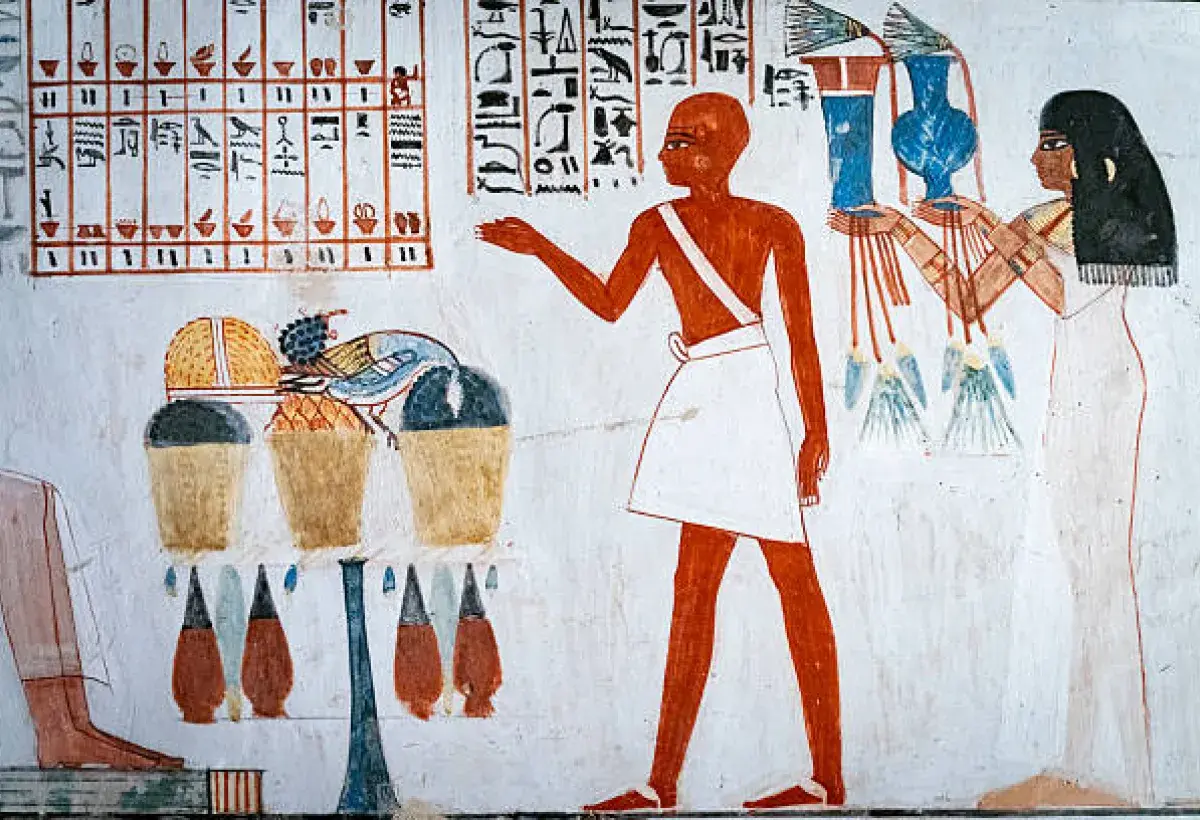
In ancient Egypt, wine played a significant role not only in daily life but also in religious beliefs and afterlife traditions. Archaeologists have discovered wine jars placed inside tombs alongside other valuable items meant to accompany the deceased on their journey to the afterlife. These jars were often carefully labeled with information that included vineyard names, vintage years, and quality descriptions. This practice indicates how highly Egyptians valued wine and how important it was for ceremonial and spiritual purposes.
Wine in ancient Egypt was associated with celebration, ritual, and offerings to the gods. It appeared in festivals, religious ceremonies, and banquets. Wine was also believed to have sacred properties, and its use in tombs reflected the idea that the deceased would continue to need spiritual nourishment in the next life. This belief extended to royalty and nobility who could afford to have high quality wine buried with them. Pharaohs and elites often had entire collections of wine included in their tombs.
The wine consumed in ancient Egypt was typically made from grapes, although some records mention wines made from dates, pomegranates, and other fruits. The winemaking process was documented in tomb paintings that illustrate grape harvesting, pressing, and fermentation. These detailed images provide much of what modern historians know about Egyptian winemaking practices. The scenes show workers treading grapes, storing juice in clay jars, and sealing containers with mud or resin to preserve the contents.
The labeling system used by Egyptians is one of the earliest examples of organized wine classification. Some jars included descriptions such as good wine or wine of the house of a specific vineyard owner. These labels reveal that Egyptians had a strong sense of quality control and recognized the differences between vineyards and vintages. This early attention to detail influenced how later civilizations approached winemaking and wine appreciation.
The inclusion of wine in tombs reminds people that wine has long been connected to both life and death in ancient cultures. It served as nourishment, symbol, and spiritual companion. Today, these discoveries allow historians and wine enthusiasts to understand how foundational wine was to one of the world’s oldest civilizations. It shows that the human relationship with wine stretches far beyond simple enjoyment and reaches into beliefs about eternity and the soul.
10. Wine was once safer to drink than water
Image
In medieval Europe, water sources were often contaminated because sanitation systems were limited and poorly developed. Rivers, wells, and public water supplies could easily become polluted by waste from livestock, households, and nearby farms. As a result, drinking water could carry harmful bacteria that caused sickness or disease. Wine, on the other hand, underwent fermentation which produced alcohol that naturally helped kill bacteria and made the drink safer to consume.
Because of this, wine became a common beverage for people of different social classes. Families often drank diluted wine throughout the day, including during meals. Even children sometimes consumed mildly fermented beverages because they were less likely to cause illness compared to untreated water. Wine not only provided hydration but also served as a source of calories and nutrients, especially in regions where food scarcity was common.
The practice of drinking wine for safety also influenced cultural habits in Europe. Wine became deeply integrated into social interaction, religion, and daily routines. Taverns and wine houses developed as community gathering places. Monasteries contributed significantly by maintaining vineyards and producing large quantities of wine for both sacred and practical use. These institutions preserved winemaking knowledge during periods when much of Europe faced instability.
Although modern sanitation eventually made clean water more accessible, the tradition of drinking wine remained strong. Wine continued to be valued for its flavor, craftsmanship, and cultural significance. Regions like France, Italy, and Spain built global reputations for their winemaking skills, and wine remained an important part of their identity long after its necessity for safety had passed.
Understanding this history reveals how something as simple as drinking wine was once connected to survival and health. It shows that wine’s role in society has been shaped not only by enjoyment but also by practical needs. When people enjoy wine today, they are participating in a tradition born from innovative solutions to historical challenges. It highlights the resilience of past communities and how their practices helped shape modern culture in ways that continue to influence daily life.
Wine embodies a rich and fascinating journey that connects ancient civilizations, cultural traditions, scientific processes, and modern appreciation. Every fact about wine reveals something deeper about human creativity, resourcefulness, and celebration. From the earliest pottery jars in Georgia to the preserved bottles on the Titanic, wine has served as a companion throughout history. It has played roles in spirituality, daily living, trade, and innovation.
Understanding the origins and stories behind wine makes each sip more meaningful. Whether someone is swirling a glass to enhance aroma, comparing grape varieties, or exploring wines from different regions, they are participating in a timeless practice shared across generations. Wine offers endless opportunities for discovery, and with each new fact, people gain a greater appreciation for the craftsmanship and dedication behind every bottle.
These wine facts highlight just how deeply wine is woven into human history. They encourage readers to approach wine with curiosity and respect for the journey it has taken from vineyards to glasses. Whether enjoyed casually or studied with passion, wine will always carry stories that enrich the experience. The next time someone pours a glass, they may find themselves thinking about the ancient origins, the science, and the cultural significance that transformed a simple grape into a worldwide symbol of connection and enjoyment.