


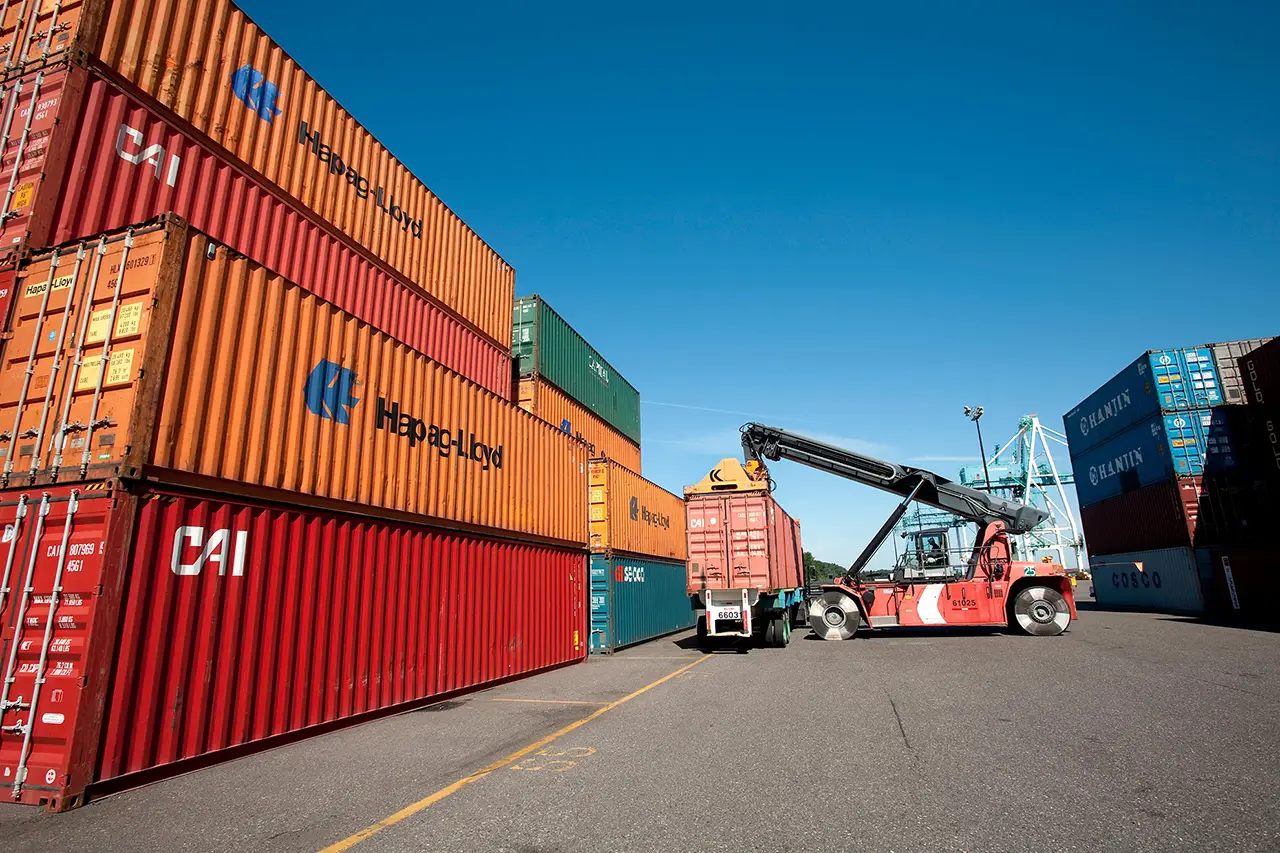
The Real-World Impact of Tariffs Was Far More Complex Than Expected
When President Donald Trump imposed tariffs on imported goods in 2025, economists immediately projected that the American public would experience higher prices and a rapid increase in inflation. The underlying logic seemed simple and intuitive. Tariffs make imported goods more expensive, and businesses that rely on those imports would likely pass these higher costs on to consumers. If prices rose across the board, households would have reduced purchasing power, and overall inflation would accelerate. Economists examined historical trends and saw a familiar pattern. Trade barriers had always led to price increases, particularly for products like electronics, appliances, clothing, and other consumer goods. On paper, the prediction was straightforward and easy to understand.
However, the reality turned out to be far more nuanced than the original economic forecasts suggested. Modern supply chains are highly complex, and businesses have multiple levers they can use to absorb cost shocks or adjust sourcing strategies. Retailers often operate in intensely competitive markets where maintaining price stability is critical to retaining customers. Global market dynamics, currency fluctuations, and strategic decisions by multinational corporations further complicated the expected outcomes. Even within the same product category, different items experienced varied results. Some electronics and home appliances showed hardly any change in price, while clothing prices fluctuated slightly. Everyday household staples, such as groceries and kitchenware, remained largely stable for many months after the tariffs were enacted.
The 2025 tariffs highlighted how economic outcomes rarely follow linear paths. The interactions between government policy, corporate strategy, global supply chains, and consumer behavior create a web of effects that are difficult to predict. While economists were correct that tariffs increase costs somewhere in the economy, the pace and magnitude of their impact on everyday shopping were not immediately visible. For consumers, the first months following the tariff imposition were a lesson in the resilience and adaptability of modern markets. Households experienced few immediate changes, illustrating that the relationship between policy and everyday prices is indirect and mediated by multiple factors.
Image

Economists’ Initial Predictions
Economists expected a straightforward chain of events following the tariffs. They anticipated that imported goods would become more expensive almost overnight. Businesses that depended on these imports were likely to face higher costs for raw materials and finished products. The assumption was that companies would pass these costs on to consumers, leading to higher retail prices. Households would then feel a reduction in their buying power, and inflation would rise across the economy.
Items such as electronics, clothing, home appliances, and household goods were predicted to experience price increases almost immediately. Economists drew on historical precedent, which showed that trade barriers typically followed this pattern. The expectation was that the impact would be direct and uniform across the economy. From a theoretical perspective, this sequence of events seemed logical. If imported products become more expensive, the additional costs would be reflected in higher retail prices. Consumers would then adjust their spending accordingly, creating a measurable effect on overall inflation.
Yet the actual results diverged significantly from these forecasts. Modern retail and global trade practices introduced numerous mitigating factors. Some electronics and household appliances showed little or no increase in price. Clothing categories experienced modest fluctuations, and grocery staples remained largely unaffected. Even within a single product type, different brands responded differently. Businesses absorbed some of the increased costs to maintain competitive market positions, while supply chains adjusted by sourcing materials from other countries unaffected by the tariffs. This highlighted that the journey from policy decision to consumer prices is rarely linear and can be influenced by multiple factors that were not fully accounted for in the initial economic predictions.
Image

The Reality of Tariffs in 2025
In practice, the tariffs enacted in 2025 produced uneven results across different sectors. Electronics, home appliances, and certain clothing categories experienced minimal price changes, despite being highly dependent on imports. Household staples, including kitchenware, toys, and personal care items, remained largely stable for several months. Industries heavily reliant on imports from China, such as solar panels and washing machines, did see moderate price increases, but these were smaller than initially expected.
Businesses and suppliers employed multiple strategies to soften the immediate impact of tariffs. Some companies absorbed additional costs rather than passing them directly onto consumers. Retailers prioritized market share over immediate profitability, delaying any price increases to maintain customer loyalty. Manufacturers adapted supply chains by sourcing products from countries not subject to tariffs, including Vietnam, Mexico, and India. These adjustments significantly reduced the immediate impact on prices.
Consumers experienced little change in their day-to-day expenses during the first months after tariffs were implemented. Grocery bills remained stable, online shopping prices were mostly unaffected, and household spending did not see dramatic shifts. The 2025 tariff scenario illustrated that economic responses are rarely straightforward. Modern supply chains, corporate strategies, and market competition can buffer the effects of policy changes, producing results that are far more complex than simple economic models might predict.
Image
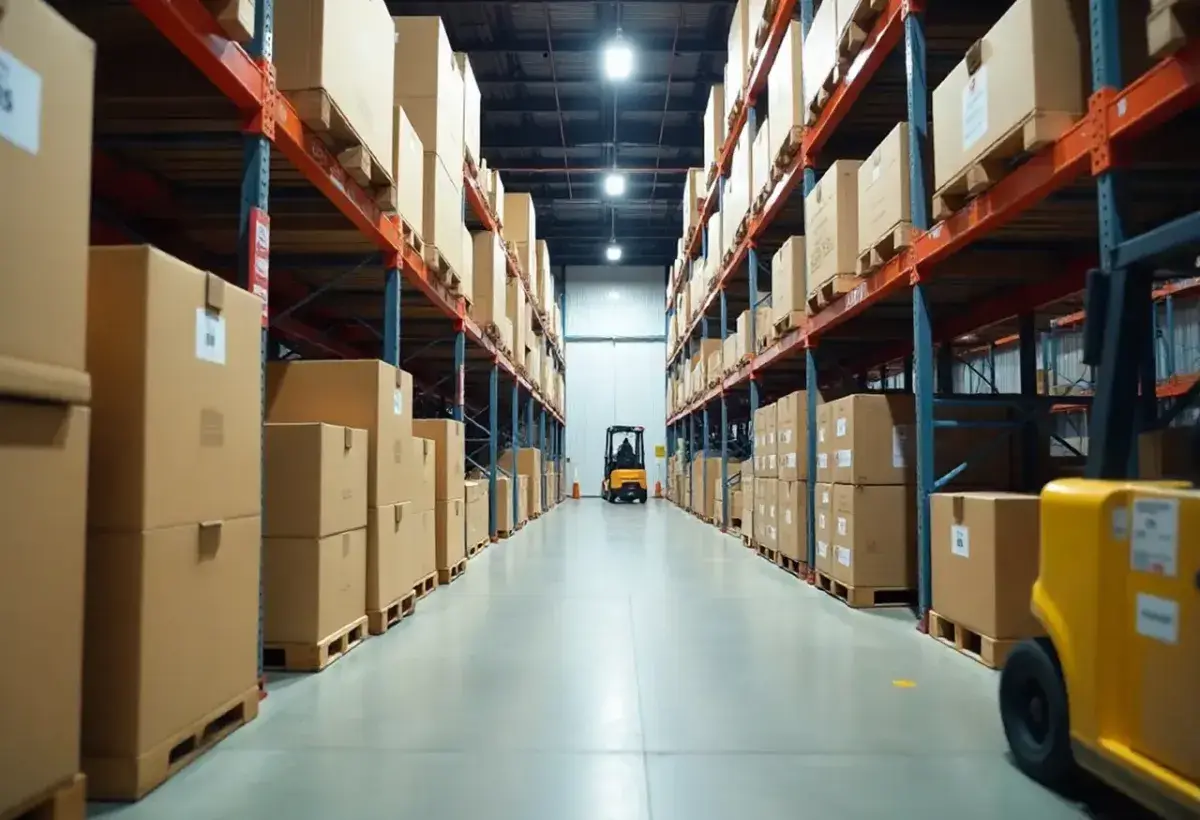
Why Prices Did Not Rise Immediately
Several key factors explain why consumer prices did not spike as expected. First, many companies absorbed the increased import costs to avoid losing customers in a competitive retail environment. Major retailers, including Walmart and Target, often prioritized maintaining stable prices over maximizing short-term profits.
Second, manufacturers adjusted their supply chains. By sourcing products from countries not affected by tariffs, businesses mitigated the potential for price shocks. Third, foreign suppliers themselves sometimes lowered prices to remain competitive in the U.S. market. Fourth, currency fluctuations played a role. A stronger U.S. dollar offset some increases in import costs, reducing the need for immediate price adjustments.
Finally, consumer behavior influenced outcomes. Shoppers compared prices online, avoided bulk hoarding, and maintained regular purchasing patterns. These behaviors discouraged retailers from implementing abrupt price increases. The combination of these factors delayed the inflationary impact of tariffs. For many households, the changes were barely noticeable in the short term, emphasizing that the transmission of costs from policy to retail prices is neither immediate nor uniform.
Image

Do Tariffs Cause Inflation?
While tariffs increase costs in certain areas of the economy, the effects are subtler and more gradual than widely assumed. Firms may slow investment or expansion to offset increased costs. Companies often absorb price increases, which reduces corporate margins rather than raising retail prices immediately. Price adjustments in stores may occur slowly over months instead of overnight. Some businesses even respond by reducing product features or packaging sizes to maintain price points.
Economists were partially correct in predicting that tariffs raise costs. However, how these costs flow through the economy depends heavily on corporate strategies, supply chain adaptations, and market competition. For consumers, this means that the immediate effect on household budgets may be minimal. The real economic impact emerges over time and may manifest in ways that are not immediately visible in store prices. Understanding these dynamics is essential for interpreting how policy decisions translate into everyday consumer experiences.
Image
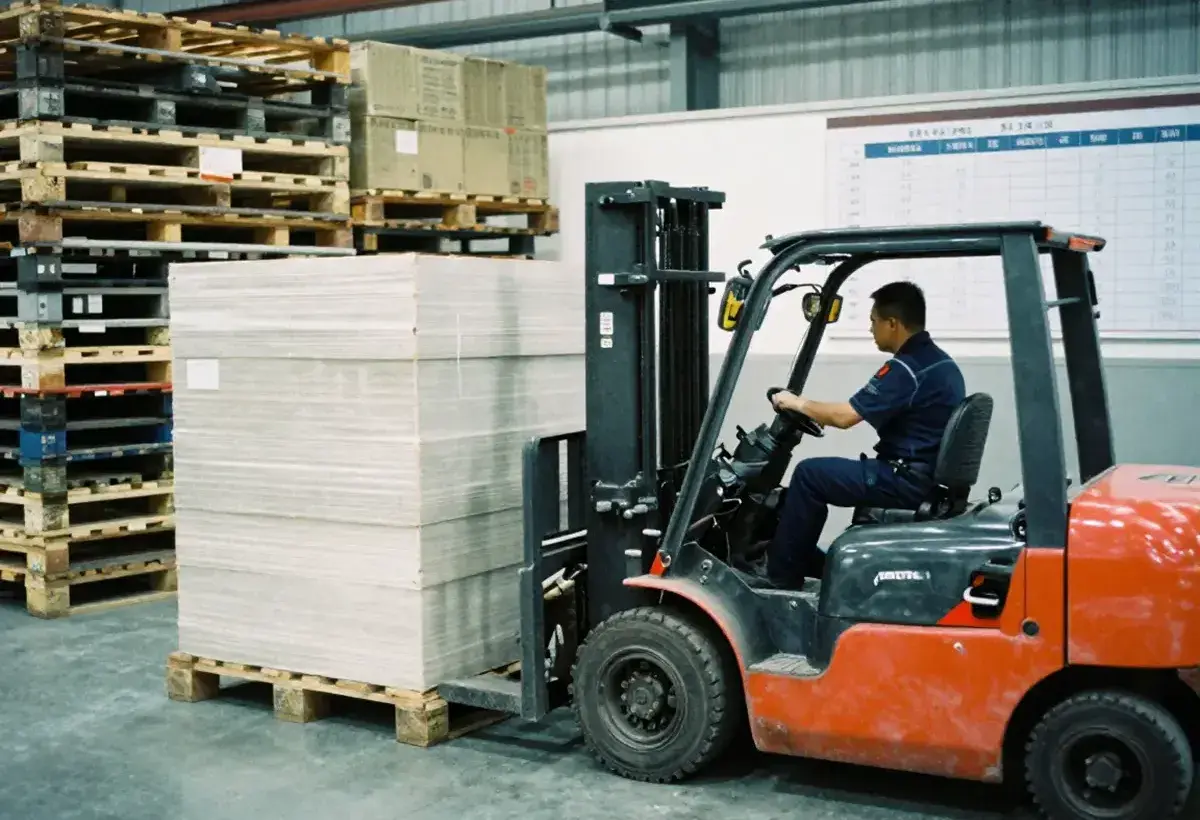
Historical Context Matters
Historical evidence provides insight into the uneven effects of tariffs. Previous U.S. tariff initiatives, including those targeting steel and aluminum, demonstrate similar patterns. Certain sectors experienced rapid price increases, while others absorbed costs, delayed price changes, or adjusted product offerings. Companies frequently adapted through changes in sourcing, operational efficiencies, or product modifications.
This historical perspective underscores a critical point: tariffs alone rarely determine precise consumer outcomes. The interaction between markets, businesses, and consumers produces unpredictable short-term effects. Understanding the broader context is essential to appreciating the delayed or uneven consequences observed in 2025. Policymakers, economists, and consumers alike benefit from recognizing that markets are adaptive and capable of buffering external shocks in ways that simple economic models may not fully capture.
Image
Implications for Consumers
For U.S. households, the experience of tariffs in 2025 offers practical lessons. Consumers should expect gradual rather than sudden price increases. Shopping around and comparing prices, particularly online, can help households avoid paying more than necessary. Over time, product availability, features, or quality may shift as supply chains adjust.
Tariffs are often perceived as a direct threat to household budgets. The reality demonstrates that businesses and global markets frequently buffer these impacts, delaying the effects. By staying informed and monitoring price trends, consumers can adapt their spending habits without panic. Understanding how policy translates into retail outcomes allows for more strategic financial planning and highlights the resilience of modern economies.
Image

Practical Takeaways
Analyzing the real-world impact of tariffs reveals several key lessons. Immediate price hikes are rare; gradual increases are more common. Online marketplaces and price comparison tools empower consumers to make informed choices. Supply chain shifts may influence product variety, features, and long-term availability. Awareness of these factors enables consumers to manage their household budgets more effectively and respond strategically to policy changes.
The broader lesson is that modern economies are highly adaptive. Global supply chains, corporate strategies, and competitive markets can buffer policy shocks and delay their transmission to consumers. Understanding these dynamics allows households and businesses to plan with greater confidence, even in times of economic uncertainty.
The 2025 tariffs highlight the complexity of translating policy decisions into everyday economic outcomes. While economists correctly predicted that tariffs would increase costs, the immediate impact on consumer prices was far less pronounced than expected. Modern supply chains, corporate strategies, global market adjustments, and consumer behavior all played critical roles in mitigating the short-term effects.
For consumers, the key takeaway is that immediate price shocks are uncommon. Shopping strategies, online price comparison, and attention to product availability offer practical ways to navigate policy changes. Over time, prices may rise gradually, and product features or sourcing may shift, but households are unlikely to experience sudden financial strain.
The broader lesson extends beyond tariffs. Modern economies are resilient, flexible, and capable of absorbing external shocks in ways that challenge traditional assumptions. Understanding the nuanced interactions between policy, business strategy, and consumer behavior provides a clearer perspective on how economic forces operate in real time. Consumers and policymakers alike benefit from this perspective, recognizing that the path from policy to pocketbook is indirect, gradual, and highly adaptable.
Image