

An Opening Manifesto
“Where should I grow old and why does it matter more than ever?” If you are approaching to this “retirement age”…is this also a stubborn question in your head?
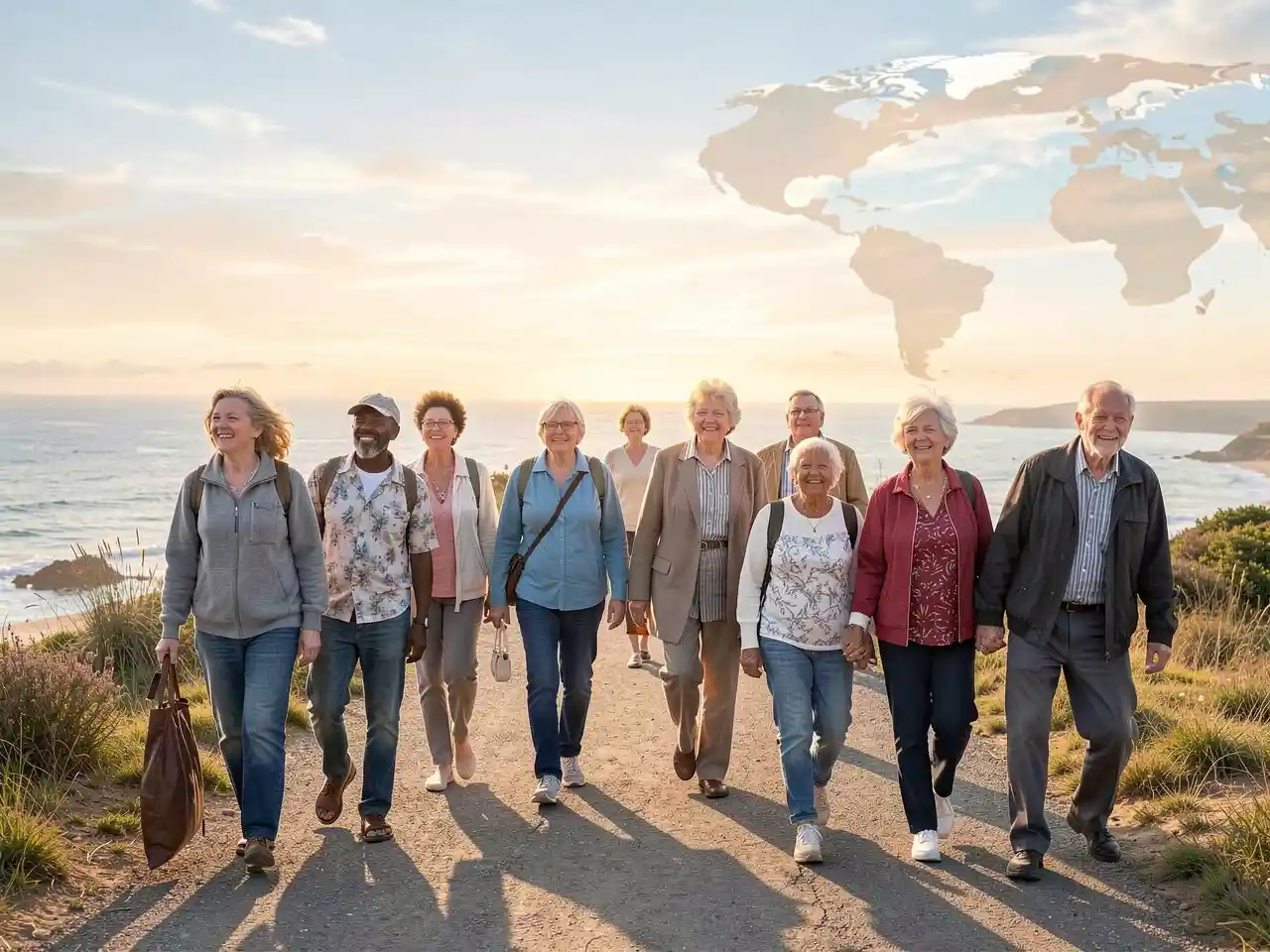
The world is growing older quietly, steadily, and faster than most of us realize. By 2050, people aged 60 and above are projected to reach 2.1 billion globally, more than double the number recorded in 2015 (United Nations Department of Economic and Social Affairs [UN DESA], 2023). For the first time in human history, older adults will outnumber children under the age of 15. This demographic shift is not a projection to be debated. It is a structural reality already reshaping economies, healthcare systems, families, and nations.
Yet while the numbers are clear, readiness is not.
Behind every statistic is a human life. A retired public-school teacher in Manila. A former factory worker in Berlin. A grandmother in Nairobi caring for grandchildren while managing her own aging body. Each carries a simple hope that later life will offer security, dignity, and peace. Whether that hope is fulfilled depends largely on where one grows old. Some countries have invested decades in healthcare systems, pension structures, and long-term care. Others rely heavily on families often without support, training, or financial relief.
Where a person grows old increasingly determines whether later life is marked by security or uncertainty, dignity or dependence, purpose or isolation. Some countries have spent decades building systems that support older adults through pensions, healthcare, housing, and long-term care. Others rely almost entirely on families often without adequate financial, medical, or social support.
This imbalance is not accidental. It reflects policy choices, budget priorities, and cultural values. The Silver Migration Series exists to examine those choices clearly, carefully, and without bias.
Image

Our Purpose
This series was created to bring clarity to a global conversation often clouded by emotion, ideology, or marketing.
We do not promote migration.
We do not sell retirement destinations.
We do not speculate about lifestyle ideals.
We document reality.
Using verified data, public records, and internationally recognized frameworks, we examine how nations prepare or fail to prepare for aging populations. Where evidence is strong, we cite it. Where systems fall short, we state it plainly. Where data is missing, we acknowledge the gap. Behind every policy is a human life. A former worker. A caregiver. A parent. A builder of the society we now inhabit. This series treats aging not as a demographic burden, but as a shared human responsibility. Our commitment is simple: clarity, accuracy, and respect for every life stage.
What This Series Examines
Each feature in the Silver Migration Series takes an in-depth look at a country or region’s aging framework, focusing on what exists in practice not just on paper.
We examine:
-
When and why formal aging policies were introduced
-
The strength of pension systems, healthcare access, and long-term care support
-
Protections for caregivers, older workers, and vulnerable elders
-
The role of technology, housing, and community design in aging well
-
Measurable outcomes, not intentions
-
Structural gaps and reform pressures
-
Realistic considerations for retirees and families making long-term decisions
We also analyze countries with limited or fragmented aging policies, and how international efforts such as the UN Decade of Healthy Ageing (2021–2030) aim to support governments through policy guidance, technical frameworks, and cross-border cooperation (World Health Organization [WHO], 2021).
Comparisons across cost of living, healthcare accessibility, and elder-rights protections are grounded in current data and reputable sources, not anecdote, where relevant articles are supported by current datasets, peer-reviewed studies, and official government or multilateral sources.
Image
Who This Series Is For
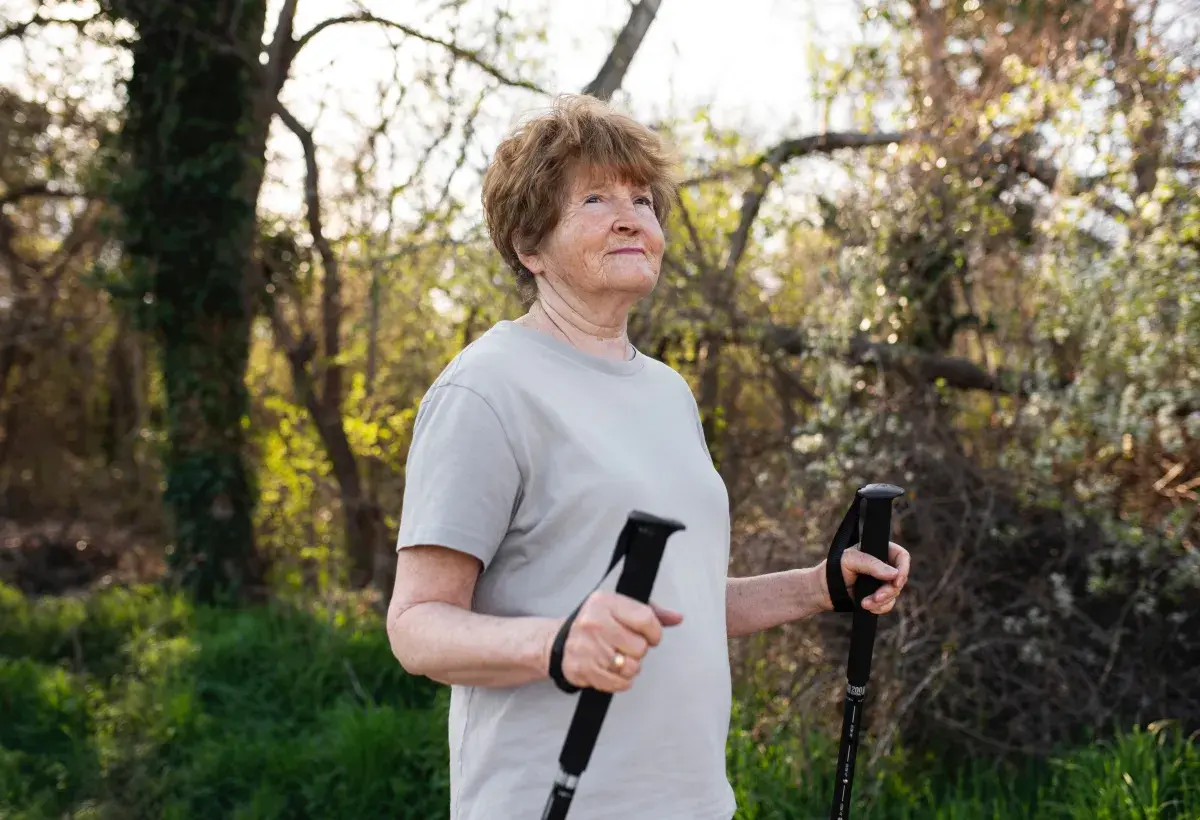
This work is written for:
-
Older adults seeking clarity, not promises
-
Families planning for care, sustainability, and continuity
-
Policymakers benchmarking global best practices
-
Investors and institutions assessing long-term demographic risk
-
Advocates and NGOs working to protect aging populations
It is for those who believe that how a society treats its elders reveals its deepest values.
What We Stand For
The Silver Migration Series is guided by three principles:
1. Truth over comfort
Some systems work. Others do not. We show both.
2. Evidence over opinion
Every claim is sourced. Every comparison is grounded in data.
3. Dignity over productivity
Human value does not end when work ends.
Aging is not only a question of economics or healthcare. It is a question of meaning of whether societies continue to make room for wisdom, contribution, and belonging in later life.
The Global Context: The right to age with dignity is increasingly recognized within international policy frameworks on health, housing, and social protection (United Nations, 2020; WHO, 2021). Yet recognition does not equal implementation. Across the world, aging outcomes remain deeply unequal. This series does not assume convergence. It documents divergence and asks what can be learned from both success and failure.
What Comes Next
The Silver Migration Series is a stand alone article, but together, they form a global map of how humanity is navigating longevity. The series explore the following;
-
Countries with mature aging systems under financial strain
-
Emerging economies adapting rapidly to demographic change
-
Regions where cultural strength offsets weak formal support
-
The Coutries Left Behind: Nations where aging still means vulnerability
-
Global Retirement Checklist: Practical tools for evaluating safety, cost, healthcare, and quality of life
The question is no longer whether the world is aging.
The question is whether societies are prepared to meet aging with honesty, foresight, and care.
To grow old with dignity should not be a privilege. It is a human right one that reflects how humanity honors those who have already given their time, labor, and life to building the world we now share. This series exists to make that reality visible
The Silver Migration Series exists to inform, to hold systems accountable, and to invite a deeper conversation one that recognizes aging not as a burden, but as a shared human journey that deserves foresight, compassion, and respect.
Image
References
-
United Nations Department of Economic and Social Affairs. (2023). World Population Ageing 2023.
-
World Health Organization. (2021). UN Decade of Healthy Ageing 2021–2030: Baseline Report.
-
United Nations. (2020). Policy Brief: The Impact of COVID-19 on Older Persons.