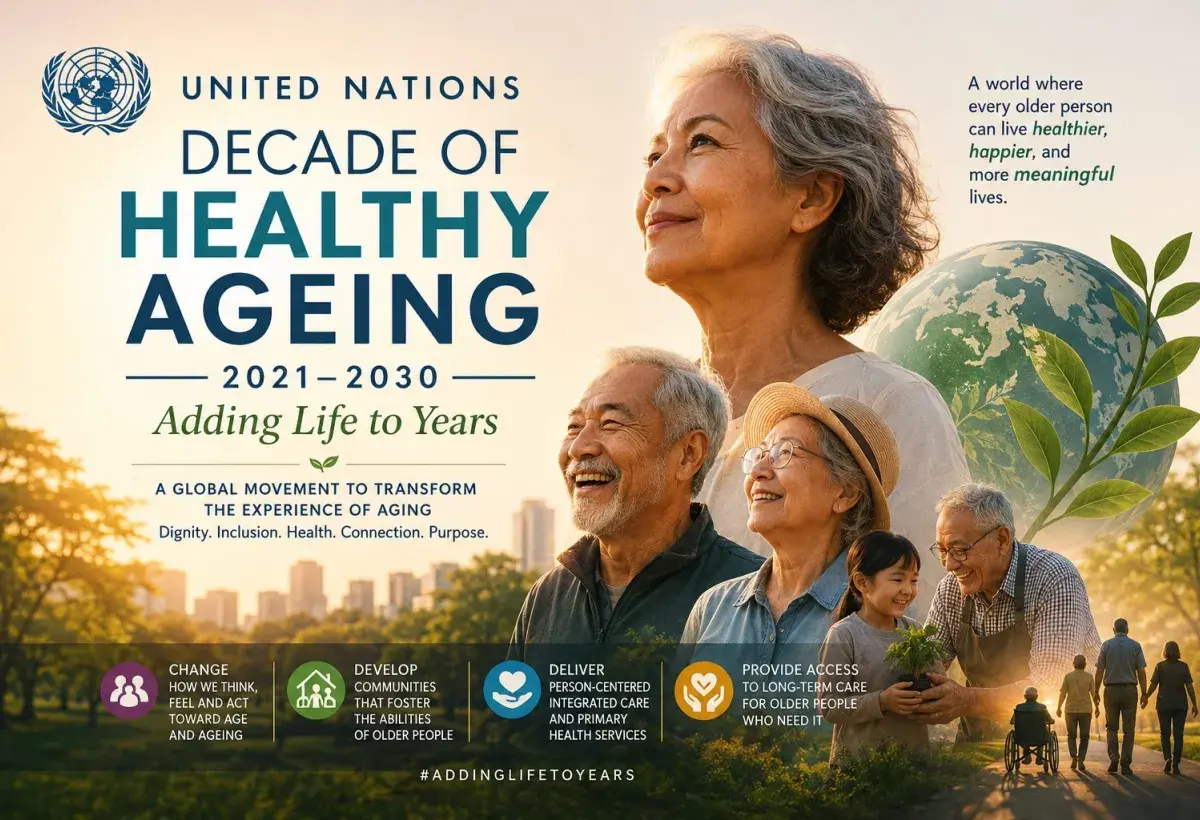
The United Nations Decade of Healthy Ageing (2021–2030): Humanity’s New Promise to an Aging World

Explore the United Nations Decade of Healthy Ageing (2021–2030), a global movement led by the WHO to transform aging through dignity, inclusion, healthy longevity, age-friendly communities, integrated care, and sustainable aging policies for the future of humanity.
Bipolar Disorder - Article 2 of 3: How Does It Develop, What Science Now Understands
Bipolar disorder is more than emotional highs and lows. Explore the science behind how bipolar disorder develops through genetics, trauma, stress, sleep disruption, and brain regulation. Grounded in WHO, NIMH, NHS, and psychiatric research, this article examines modern understanding, early detection, treatment, stigma, and the future direction of mental health science
Menopause and Misinterpretation
A clear, evidence-based discussion of menopause that corrects common misconceptions using verified clinical sources, helping women understand symptoms, risks, and treatment options with accuracy and confidence.
Start Here: Asia Is Aging First (Series)
Asia is aging faster than any region in the world. This introduction explores why longevity is becoming a global concern and guides readers through a three-part series on ageing, active ageing, and how societies must adapt to longer lives.
Rethinking Retirement in the Longevity Era: The Purpose Gap in Aging Societies
Retirement promises freedom, yet many retirees struggle with a loss of identity and purpose. Explore the growing purpose gap in aging societies and why meaning matters for healthy aging.
When Pain Becomes Everyday: Why Chronic Pain With Age Is Often Misunderstood
Understand why chronic pain becomes common with age, which pains are normal or concerning, and what medical science says helps grounded in trusted global research
When Energy Changes: Understanding Fatigue as We Age
Understand what medical science says about fatigue as we age why energy changes, common biological causes, and when tiredness deserves attention grounded in trusted research.
Sleep Changes With Age: What the Science Says, and How to Understand It Calmly
Understand normal sleep changes with age, why rest feels different, and when to pay attention based on trusted medical research, not speculation or fear.
What the World Is Really Doing About Aging in 2026-And Why It Matters to All of Us
An evidence-based overview of how medicine, nutrition, and global institutions are addressing aging in 2026 focused on healthspan, dignity, prevention, and sustainable systems.
Asia Is Aging First: Why the World’s Longest Lives Are Becoming Everyone’s Concern (Part 1 of 3)
Asia is ageing faster than any region in the world, reshaping economies, health systems, and everyday life. Drawing on insights from global institutions, this article explains why longevity is no longer just a demographic trend - but a defining challenge that affects individuals, societies, and the future of how we live and age.
Health Economic: Menopause at a Global Scale
By 2030, 774 million women will be post-menopausal, creating significant health, economic, and social implications. Explore why menopause is a population-level phenomenon and the systemic solutions required to support aging women.
Menopause in a Low-Fertility World: Why It Matters More Than You Think
As global fertility rates decline and life expectancy rises, menopause is becoming a critical societal and economic issue. Explore why supporting midlife women is essential for the future of balanced communities.