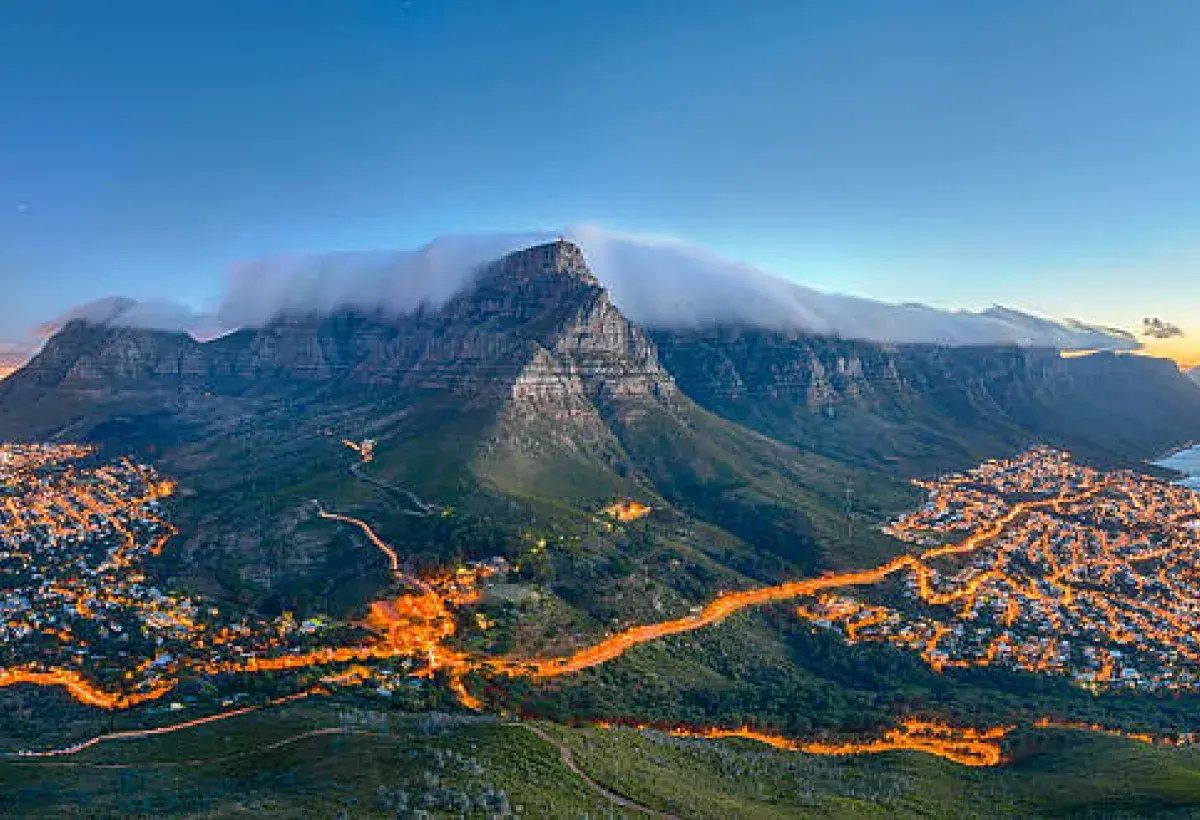


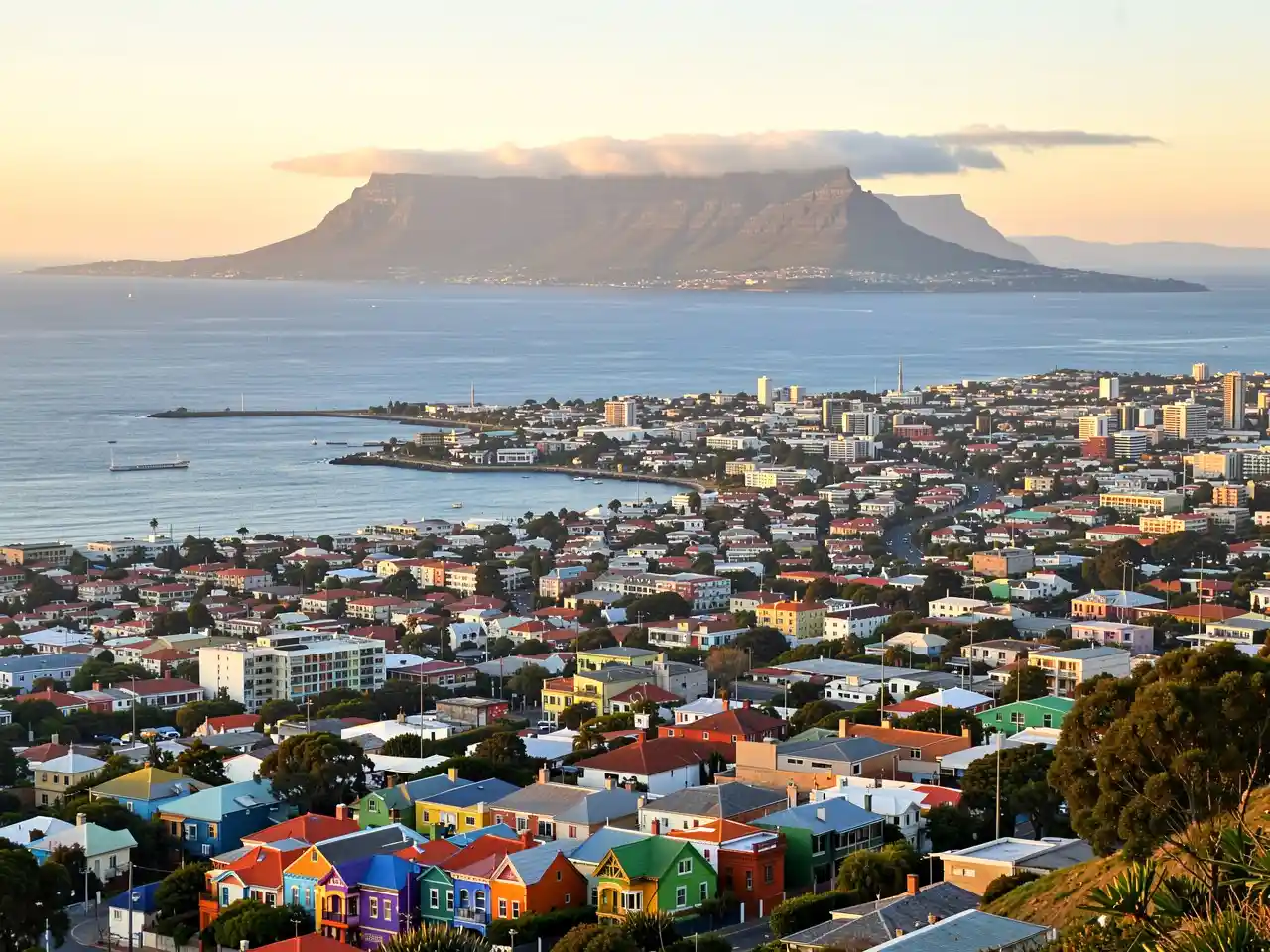
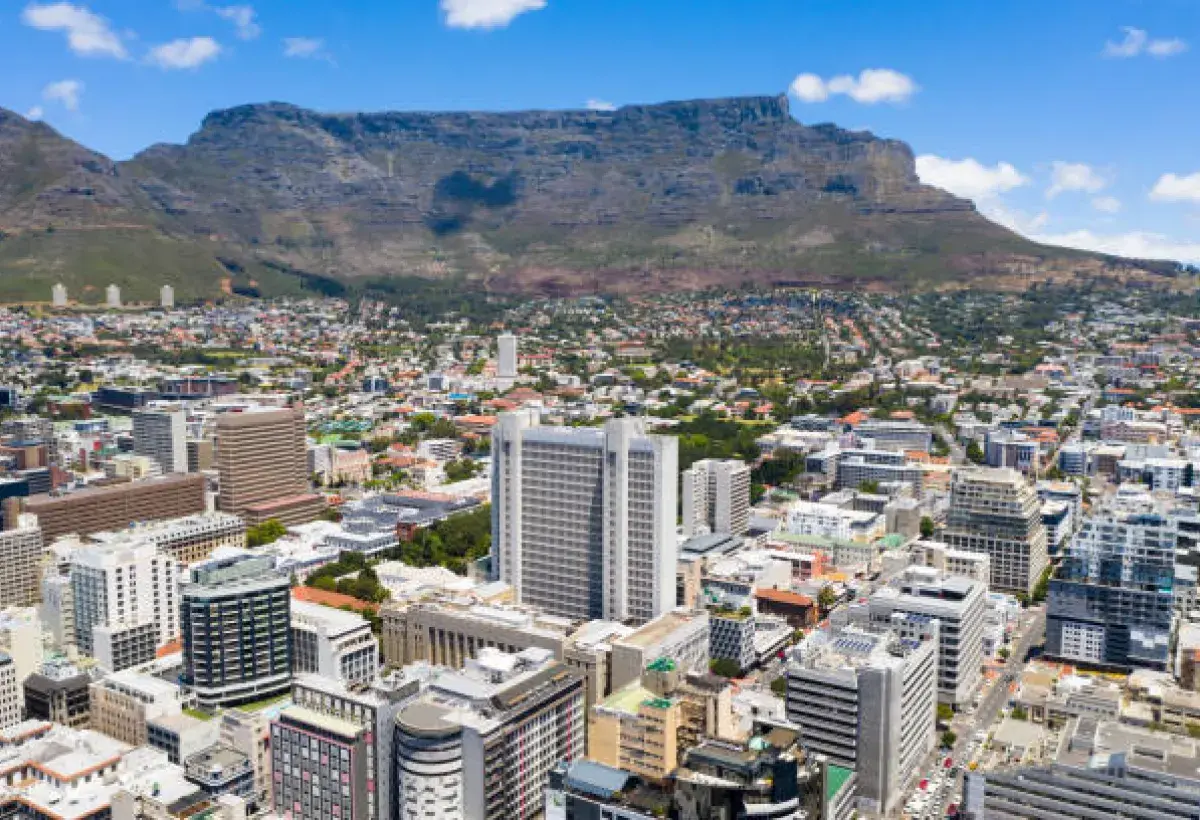
Cape Town is a city of extraordinary beauty, rich history, and diverse culture. Often called the Mother City, it offers a unique blend of natural wonders, vibrant communities, and historical landmarks that capture the hearts of travelers and locals alike. From its striking mountain backdrops to its sprawling beaches and bustling city streets, Cape Town provides an experience that is both breathtaking and inspiring. The city’s story begins centuries ago with the arrival of Dutch settlers and the integration of indigenous Khoisan culture, forming a multi-layered heritage that continues to define its identity.
The city is also home to diverse ecosystems, ranging from the world-famous Table Mountain to the Cape Floristic Kingdom, a global biodiversity hotspot filled with unique flora. Wildlife lovers can delight in encounters with African penguins, seals, and abundant bird species. Cape Town is not only a feast for the eyes but also a culinary and cultural treasure. The city has absorbed influences from Malay, European, African, and Asian communities, creating a melting pot of traditions, foods, and artistic expression.
Beyond natural beauty and heritage, Cape Town has a modern vibrancy that attracts artists, entrepreneurs, and travelers from all over the world. The city’s cultural and historical significance is reflected in its neighborhoods, museums, and landmarks. From heritage sites like Robben Island to the colorful streets of Bo-Kaap, Cape Town tells a story of resilience, creativity, and multicultural harmony. Whether you are exploring the outdoors, sampling local cuisine, or learning about the past, every corner of Cape Town holds a new surprise. This list of ten captivating tidbits will take you on a journey through the city, revealing why the Mother City continues to enchant everyone who visits.
1. Cape Town—Home of the Mother City
Nicknamed the Mother City, Cape Town is widely regarded as South Africa’s cultural and historical center. Established in 1652 by Jan van Riebeeck as a refreshment station for the Dutch East India Company, it quickly developed into a thriving colonial hub. The title Mother City reflects Cape Town’s role in the country’s early settlement and its ongoing influence on culture and society.
Cape Town is a place where indigenous Khoisan traditions blend with European, Malay, and African influences, giving the city its unique character. Architecture, art, and cuisine all carry traces of this multicultural heritage. Landmarks like the Castle of Good Hope and historic districts demonstrate the city’s colonial history while local markets showcase the vibrancy of its contemporary culture.
Visitors can explore a wide variety of experiences, from hiking scenic trails to sampling Cape Malay dishes in Bo-Kaap. Cape Town’s identity is shaped by its people, history, and surroundings, making it a city where past and present coexist harmoniously. This dynamic environment encourages exploration and appreciation of the diverse elements that define the Mother City.
Image
2. Where Two Oceans Almost Meet
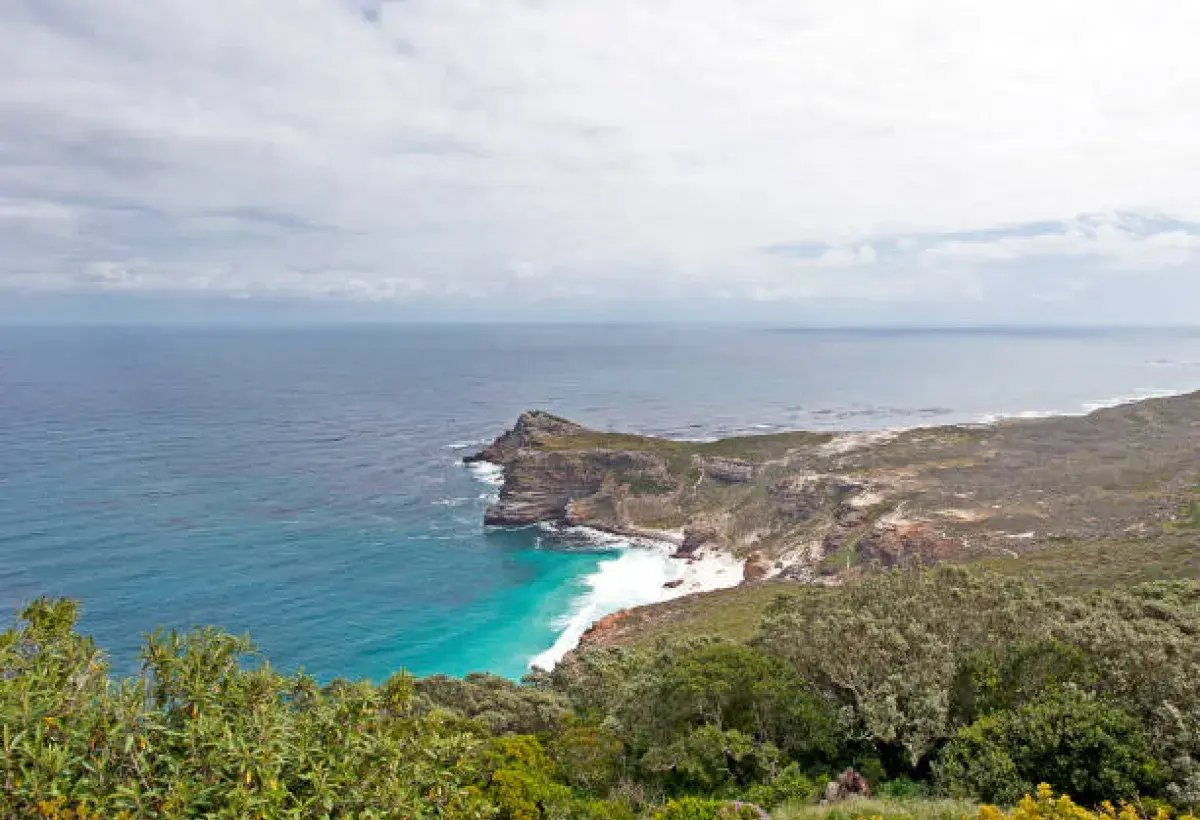
Many travelers associate Cape Point with the meeting of the Atlantic and Indian Oceans, but the actual convergence shifts along the southern coastline, usually near Cape Agulhas. Despite common myths, the oceans do not dramatically collide, yet their currents shape Cape Town’s microclimates and coastal ecosystems.
The interplay of these waters contributes to the city’s unique fynbos vegetation and affects maritime conditions. Strong currents and unpredictable waves have historically posed challenges for sailors navigating the area. The scenic cliffs and panoramic ocean views at Cape Point remain a top attraction, offering both natural beauty and a glimpse into Cape Town’s maritime history.
Tourists often enjoy walking along the rugged coastline, observing the waves, and taking photographs of the dramatic scenery. The ocean’s influence extends beyond visuals, impacting local fishing, weather patterns, and wildlife habitats. The meeting point of these oceans, even if not as dramatic as popular myths suggest, plays a crucial role in shaping the city’s environment and character.
Image
3. The True Southern Tip of Africa
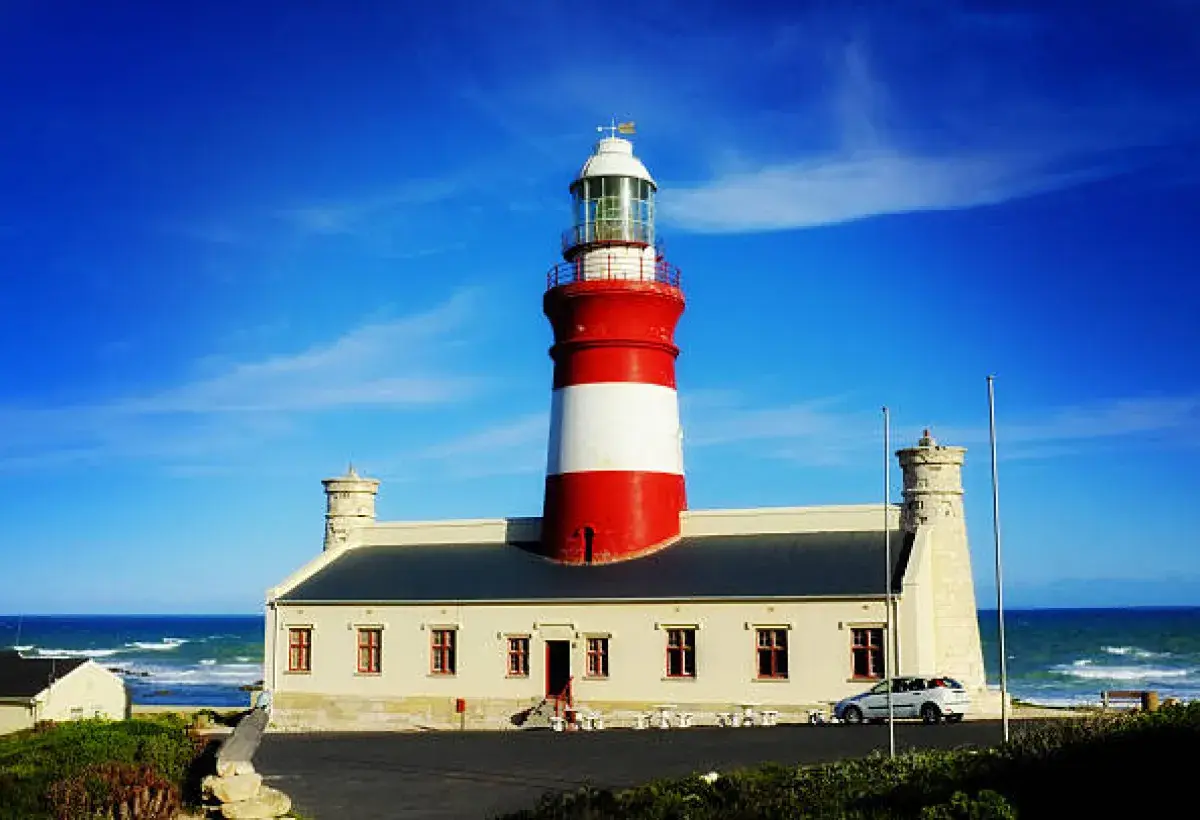
Many assume the Cape of Good Hope marks Africa’s southernmost point, but it is actually Cape Agulhas, located about 176 kilometers southeast of Cape Town. Named from the Portuguese word for needles, Cape Agulhas warns mariners of dangerous reefs and compass fluctuations.
The area is a haven for maritime history enthusiasts. Shipwrecks along the coast tell stories of centuries of navigation challenges, while modern lighthouses guide vessels safely through the treacherous waters. Visitors to Cape Agulhas can experience the striking meeting of land and sea, explore historical markers, and enjoy panoramic ocean vistas.
Cape Agulhas also boasts unique biodiversity, including coastal fynbos and bird species, making it a point of interest for ecotourists. The southernmost tip of Africa symbolizes adventure, exploration, and the enduring human fascination with the edge of the known world.
Image
4. Penguin Parade at Boulders Beach
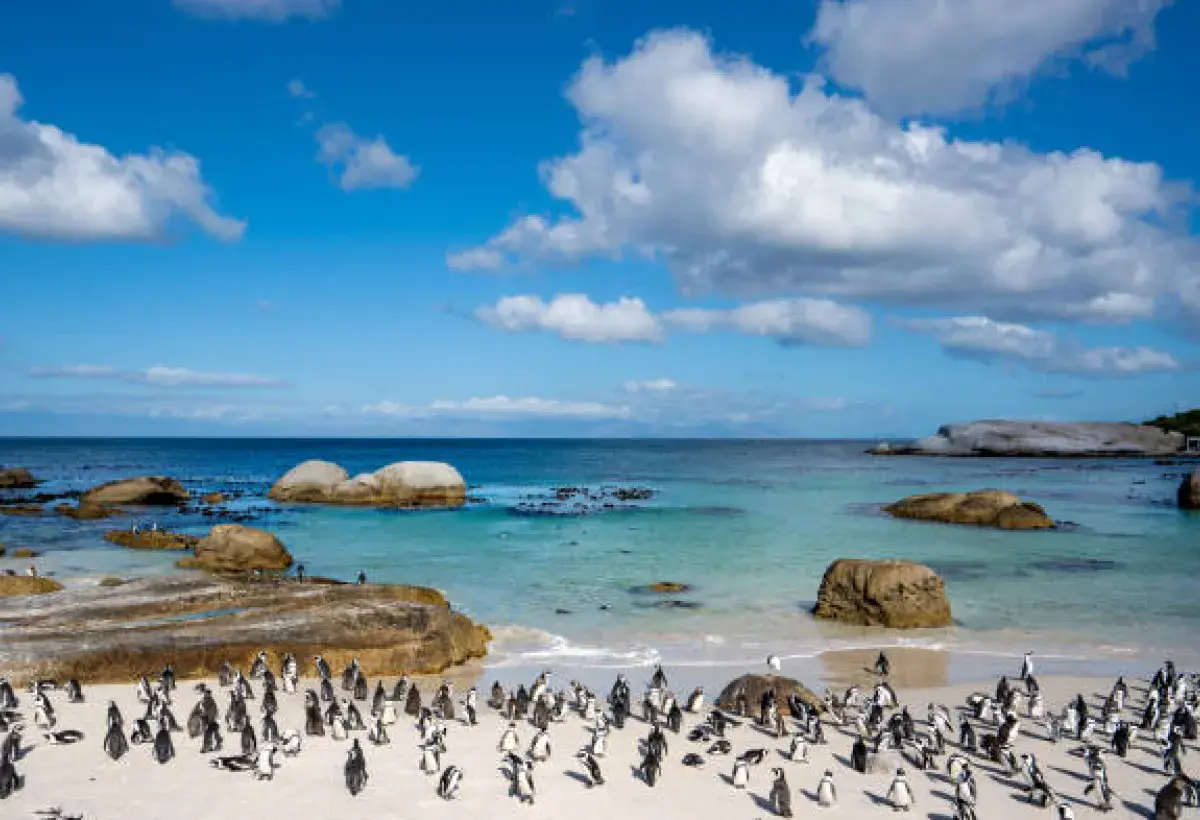
Boulders Beach is home to over 2,000 African penguins, a remarkable increase from just two breeding pairs in 1982. This charming colony offers an opportunity to observe these endangered birds in their natural coastal habitat.
Visitors can walk along boardwalks, watching penguins waddle across sand and interact in their colonies. Swimming near them is possible in designated areas, creating a unique wildlife experience. Conservation efforts have helped protect these penguins, ensuring that future generations can enjoy their presence.
The penguins at Boulders Beach are a major draw for tourists, photographers, and wildlife enthusiasts. They provide both education and entertainment, highlighting the importance of preserving natural habitats and supporting conservation initiatives in Cape Town.
Image
5. A Floral Kingdom in the City
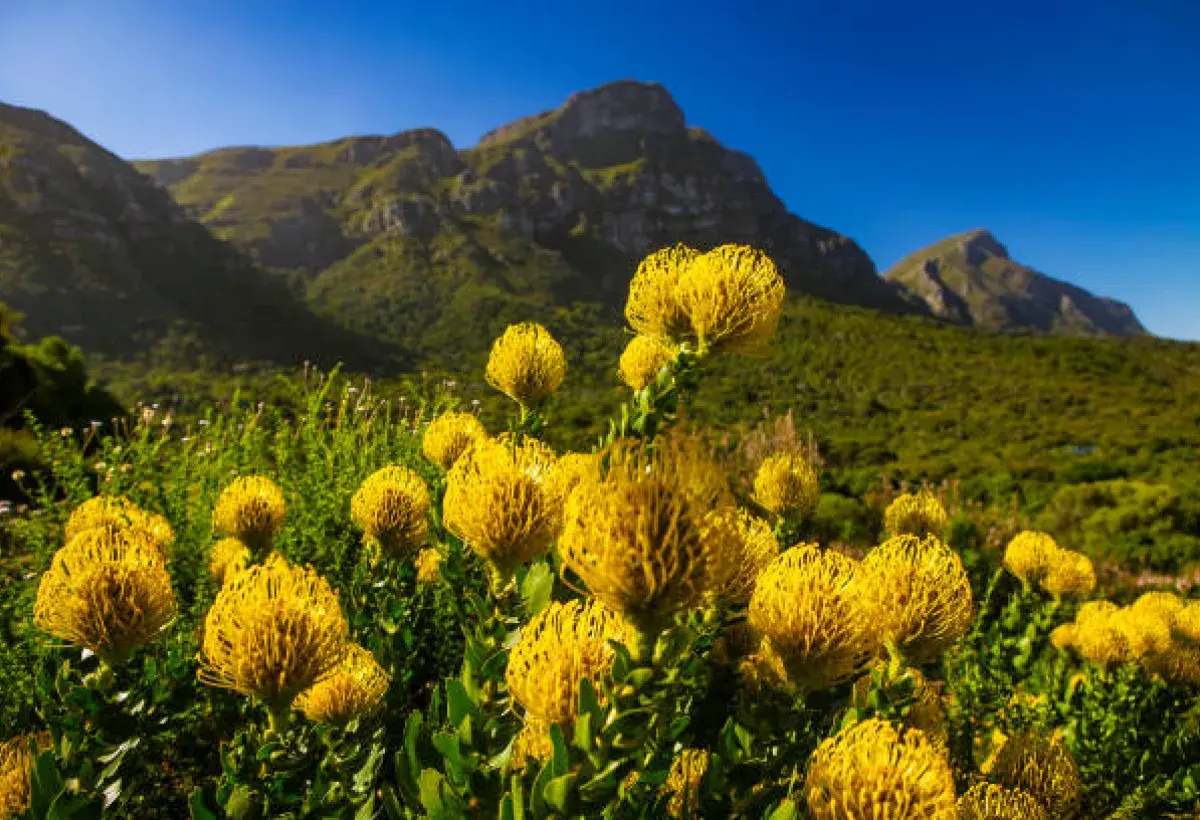
Cape Town is part of the Cape Floristic Kingdom, the world’s smallest yet richest floral region. Home to over 1,100 indigenous plant species, the area is famous for proteas, ericas, and restios.
The biodiversity supports ecotourism, photography, and educational research. The fynbos vegetation creates a striking backdrop for cityscapes and nature trails alike. Annual flower festivals and guided hikes allow visitors to immerse themselves in the unique flora.
This extraordinary plant life not only enhances Cape Town’s natural beauty but also plays a role in sustaining local wildlife. Bees, birds, and small mammals rely on these plants for survival, demonstrating the ecological importance of preserving the region’s botanical wealth.
Image
6. Birthplace of the Cape Malay Community
Cape Town is the birthplace of the Cape Malay community, descendants of Southeast Asian exiles and East African settlers brought to the Cape by colonial powers. This community contributed significantly to the city’s cultural identity.
The Cape Malay influence is visible in architecture, cuisine, music, and art. Traditional dishes like bobotie and bredie reflect a blend of spices and culinary techniques, while cultural events celebrate heritage and resilience. The Cape Malay community’s contributions continue to shape the city’s social and creative landscape.
Exploring Bo-Kaap, attending festivals, and sampling Cape Malay cuisine provide insight into this vibrant community, demonstrating the power of culture to enrich a city over centuries.
Image
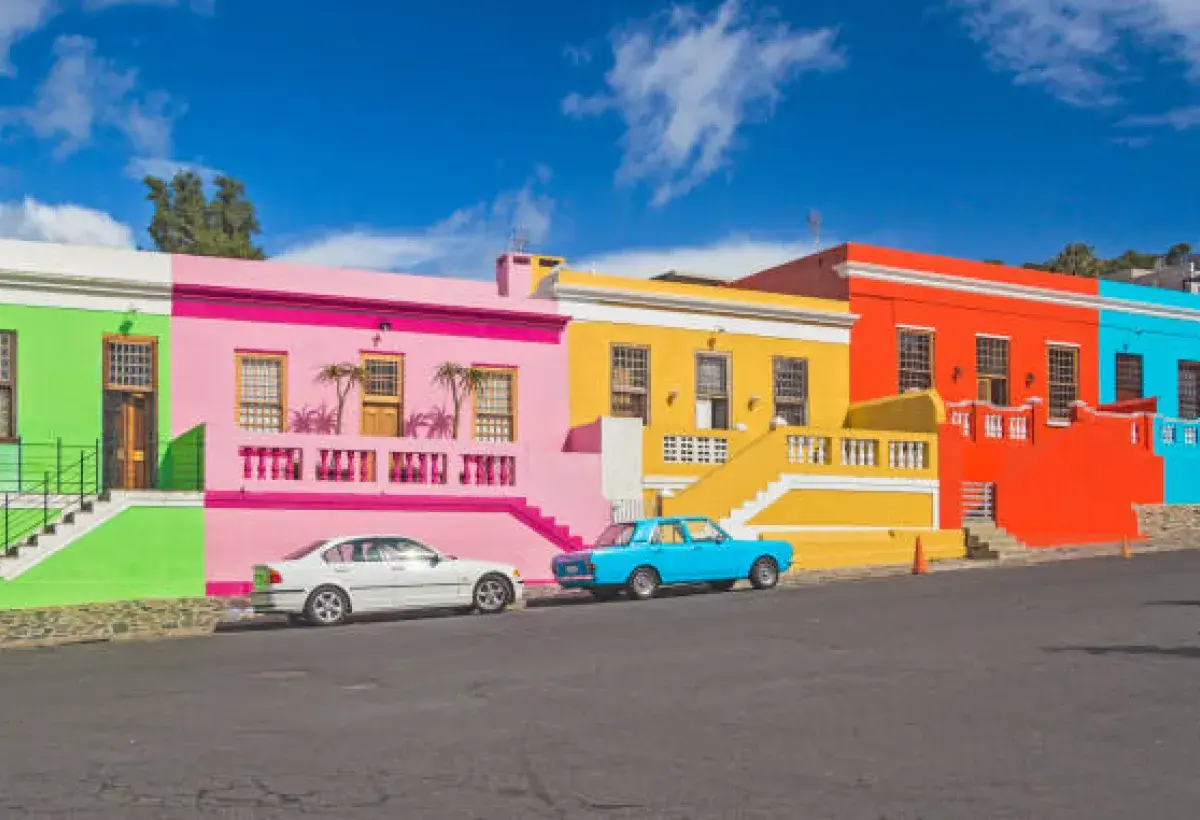
7. Cape Malays Infuse the City With Style and Creativity
Beyond history, Cape Malay descendants actively influence modern fashion, cuisine, and the arts. Local designers, chefs, and artists continue to innovate while honoring traditional practices.
Fashion labels showcase contemporary Cape Malay style, while culinary experts reinterpret heritage dishes with modern twists. Visual artists draw inspiration from history, landscapes, and multicultural heritage to create unique works that resonate locally and internationally.
This fusion of tradition and creativity ensures Cape Town remains a vibrant, evolving cultural hub. Visitors can experience this dynamic energy through galleries, boutiques, food markets, and cultural tours.
Image

8. Table Mountain—A Natural Icon
Table Mountain dominates Cape Town’s skyline and is a cultural and natural icon. Inhabited by Khoisan hunter-gatherers for thousands of years, it continues to draw hikers, climbers, and tourists from around the world.
Its flat top provides panoramic views of the city, ocean, and surrounding mountains. Flora on Table Mountain includes unique species that are part of the Cape Floristic Kingdom. Conservation efforts protect the ecosystem and maintain hiking trails.
Table Mountain is more than a scenic backdrop; it is a symbol of Cape Town’s connection to nature, history, and cultural heritage, making it one of the city’s most beloved landmarks.
Image

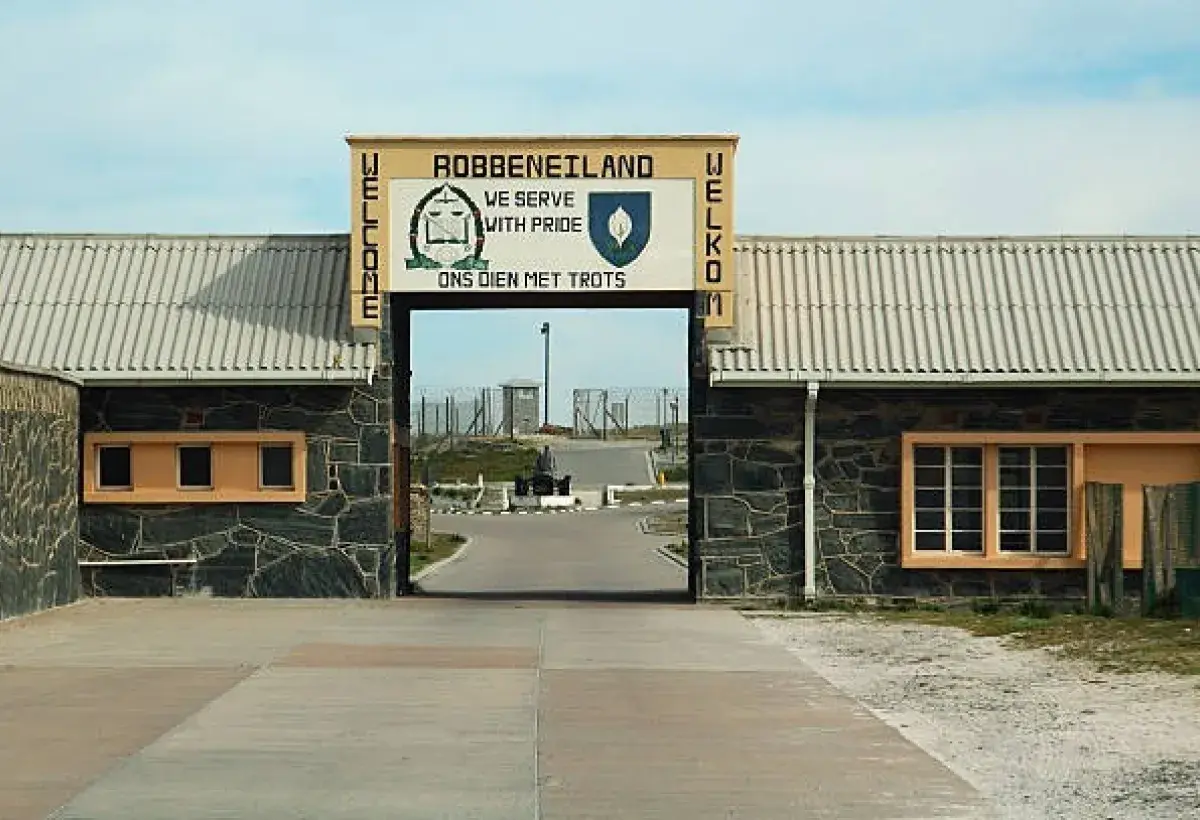
9. Robben Island—From Prison to Heritage Site
Robben Island, located off Cape Town’s coast, is famous for imprisoning Nelson Mandela for 18 of his 27 years behind bars. Today, it is a UNESCO World Heritage site and a symbol of the struggle for freedom and democracy.
Visitors can take guided tours to explore the prison, learn about apartheid history, and hear stories of resilience and hope. The island’s natural environment also supports wildlife, including seabirds and seals, combining history and ecology in one site.
Robben Island demonstrates the transformative power of history and education, reminding the world of the triumph of justice and human spirit over oppression.
Image
10. A Flavorful Fusion of Histories
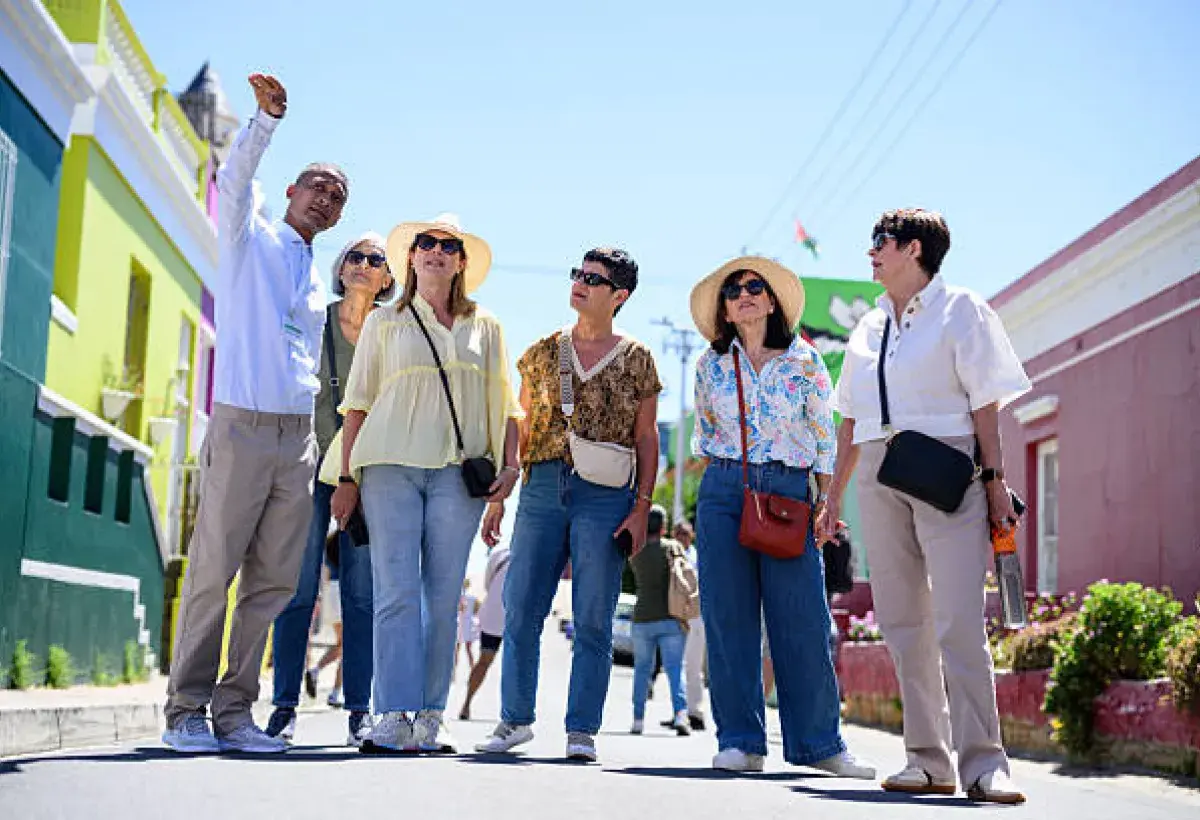
Bo-Kaap is a living testament to Cape Town’s layered history. Its brightly colored houses, cobbled streets, and vibrant culture reflect the Cape Malay heritage. The neighborhood is known for its cultural tours, local crafts, and sweet treats like koeksisters.
Visitors can explore museums, attend cooking classes, and experience traditional music. Bo-Kaap embodies resilience, tradition, and creativity, offering a sensory experience that highlights the city’s multicultural identity. This vibrant area continues to inspire locals and tourists, blending history with modern urban life.
Image
Cape Town is a city that never ceases to amaze. Its combination of natural beauty, rich biodiversity, and deep cultural history creates an experience that is both immersive and unforgettable. From the flat-topped majesty of Table Mountain to the lively streets of Bo-Kaap and the conservation efforts at Boulders Beach, every corner tells a story.
The Mother City is a place where history, heritage, and modern life coexist, offering travelers endless opportunities to explore, learn, and be inspired. Its oceans, mountains, and communities invite visitors to appreciate nature and culture alike. Cape Town is more than a travel destination; it is a living museum of resilience, creativity, and beauty that captures hearts worldwide.
Every visit brings new discoveries, whether encountering African penguins, hiking scenic trails, or tasting the diverse culinary offerings. Cape Town continues to evolve while remaining firmly rooted in its heritage, ensuring it remains a beloved city for generations to come. For anyone seeking adventure, culture, or simply the joy of exploring a remarkable city, Cape Town is an experience that leaves a lasting impression.
Image