


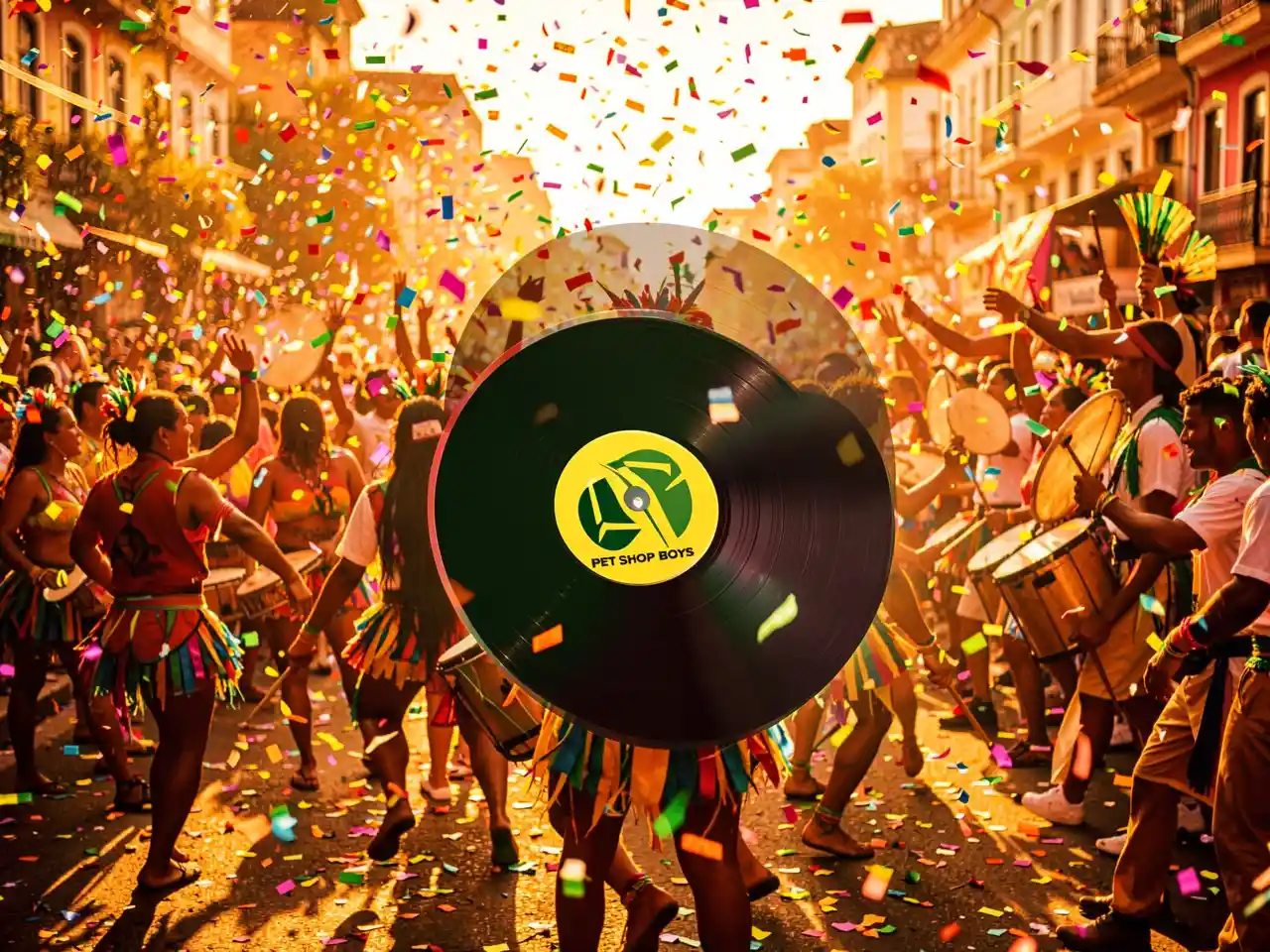
When the Pet Shop Boys released “Se a vida é (That’s the Way Life Is)” in 1996, they did more than drop another synth-pop hit—they redefined their own musical identity. Known for their cool, ironic lyricism and sleek electronic beats, Neil Tennant and Chris Lowe surprised fans by embracing warm, tropical rhythms inspired by Brazilian music. The result was a vibrant blend of cultures, languages, and moods that brought sunshine to dance floors worldwide.
Coming off their Bilingual album, “Se a vida é” stood out with its optimistic tone and Portuguese title—a sharp turn from the duo’s usual detached urban melancholy. It was an anthem that urged listeners to step outside, feel the sunlight, and celebrate life’s unpredictability. Beneath the catchy beats, however, lies an intricate creative journey: international influences, clever linguistic twists, and a daring departure from 1990s Britpop norms.
Nearly three decades later, “Se a vida é” still sparkles. It’s the kind of song that feels both nostalgic and timeless, capable of lifting moods with just a few chords. Whether you’re a die-hard Pet Shop Boys fan or just discovering their catalog, these ten tidbits reveal how this Latin-pop gem became one of the most inspiring, underrated milestones in their career.
1. It’s a Latin-Pop Surprise from a Synth-Pop Duo
Image

By the mid-1990s, the Pet Shop Boys were masters of British synth-pop—but “Se a vida é” took them somewhere totally new. With vibrant Brazilian percussion, sunlit melodies, and bursts of samba rhythm, it introduced a tropical flair few expected from the duo known for cool, urban club anthems. At a time when Britpop acts like Oasis and Blur dominated the charts, this Latin-pop experiment stood out like a bright splash of color on a grey London day. The gamble worked: fans embraced the fresh energy, proving that even established artists can reinvent themselves when they follow curiosity instead of trends. The song’s lush arrangement and breezy optimism gave Pet Shop Boys a renewed global audience and showed their artistry had no borders—just rhythm and joy.
2. Inspired by Olodum’s “Estrada Da Paixão”
Image

Inspiration struck during the Pet Shop Boys’ Discovery Tour in São Paulo, Brazil. Neil Tennant heard a song by Olodum, the celebrated Bahian percussion group famous for their Afro-Brazilian rhythms and collaborations with artists like Michael Jackson. The track, “Estrada Da Paixão,” contained the phrase “Se a vida é…” which caught Tennant’s imagination. He built an entire song around that fragment, merging it with themes of renewal and love. Out of respect for the source material, the duo credited Olodum’s members as co-writers. This gesture reflected both artistic integrity and genuine admiration for Brazilian music culture. The result was a rare international collaboration that crossed not just musical genres but cultural boundaries, turning a local rhythm into a global pop phenomenon.
3. A Top-10 Hit in the UK and Beyond
Image

Released on August 12, 1996, “Se a vida é” became an instant success. It climbed to number eight on the UK Singles Chart and quickly became one of the band’s most-played songs that year. Across Europe, the track found even greater love—soaring into the top five in Finland and Spain. For a duo already legendary for hits like “West End Girls” and “It’s a Sin,” this resurgence marked a welcome reminder of their global appeal. Radio programmers and club DJs alike couldn’t resist its danceable rhythm and infectious chorus. The single’s upbeat energy helped reinvigorate their live shows, where crowds danced, sang, and waved flags as if transported to Carnival. It was proof that a shift in style can revive even the most seasoned artists’ creative spark.
4. A Double A-Side Dance Success in the U.S.
Image
In the U.S., “Se a vida é” was paired with “To Step Aside” as a double A-side single—a strategy that paid off brilliantly. Released in April 1997, the combined single reached number one on Billboard’s Dance Club Play chart and hit number eight on the Maxi-Singles Sales chart. The Pet Shop Boys, known for their loyal club following, found themselves once again dominating American dance floors. DJs praised its layered percussion, breezy vocals, and pulsating beats that seamlessly mixed Latin rhythms with house influences. This success reinforced their status as global dance icons who could transcend genres and languages. Even in a decade filled with electronic innovation, “Se a vida é” stood out as both joyful and sophisticated—a rare feat in dance-pop history.
5. Brazenly Optimistic Lyrics
Image
Pet Shop Boys were famous for their ironic, often melancholic lyrics. But “Se a vida é” shattered that image with unapologetic positivity. Lines like “Come outside and see a brand new day” and “I love you” reflected an unfiltered embrace of happiness. Neil Tennant described the song as a celebration of new beginnings, a reminder that joy doesn’t have to be naive—it can be revolutionary. In an era dominated by grunge and cynicism, this cheerful message was a breath of fresh air. Fans and critics alike found the optimism contagious, marking it as one of their most life-affirming songs. It’s an anthem that continues to inspire—reminding listeners that sometimes, happiness is the boldest statement an artist can make.
6. Misleading Translation That Stuck
Image

The title “Se a vida é” has long been translated as “That’s the Way Life Is,” but that’s not quite accurate. In Portuguese, it actually means “If life is…”—a phrase left open-ended. The Pet Shop Boys’ choice to keep this “mistranslation” added a poetic twist, inviting listeners to interpret the song in their own way. Was it about acceptance, hope, or love? Perhaps all three. The ambiguity only deepened its charm. Linguistic quirks like this often turn pop songs into cultural bridges, sparking curiosity about other languages and expressions. The title’s dual meaning perfectly mirrors the song’s message: life may be uncertain, but that’s what makes it beautiful.
7. A Sunny Video Set at a Water Park
Image

The “Se a vida é” music video radiates summer joy. Directed by Bruce Weber—famous for his elegant yet playful aesthetic—it was filmed at Wet ’n Wild Waterpark in Orlando, Florida. The video follows carefree families, couples, and swimmers basking in sunshine, with quick flashes of the duo performing amidst fountains and laughter. Among the extras was a young Eva Mendes, long before her Hollywood fame. The visual captures the song’s spirit of freedom, spontaneity, and optimism. In a world of brooding ’90s videos, this one stood out for its pure happiness. It became a staple on MTV and VH1, proving that simplicity and sincerity can make a lasting impression.
8. A Rare Latin-Infused Turning Point
Image

At a time when British music was consumed by Britpop rivalry, the Pet Shop Boys took a risk by turning toward Latin influences. Their decision paid off artistically and commercially. “Se a vida é” marked a creative pivot—showing that authenticity and experimentation can coexist. The song’s warm percussion and multilingual lyrics embodied cultural fusion years before “world pop” became mainstream. Critics later recognized this track as a key moment in the band’s evolution, bridging their synth-pop roots with global sounds. It was proof that reinvention doesn’t mean abandoning identity—it means expanding it. And in doing so, they opened doors for future cross-genre collaborations that define pop music today.
9. Rich, Rhythmic Production Elements
Image

Behind the carefree melody lies a complex production tapestry. The song features bright brass sections, guitars, and layered percussion performed by the SheBoom drum ensemble. Producer Chris Lowe balanced electronic beats with organic instruments, creating a sound that felt both human and futuristic. Each element—the whistles, shakers, hand drums—adds texture, building a sonic landscape as vibrant as a Brazilian carnival. This mix of synthetic and acoustic energy gave the track its unique identity. The result wasn’t just a pop song—it was a rhythmic celebration that mirrored life’s unpredictability, joy, and motion. Even decades later, the track’s lush arrangement still sounds fresh and full of life.
10. A Timeless Anthem of Optimism
Image

“Se a vida é” remains one of the Pet Shop Boys’ most beloved songs—not just for its melody, but for its message. Its core idea—that life, with all its ups and downs, is worth celebrating—has aged beautifully. Fans still dance to it, rediscover it, and share it across generations. The song’s enduring magic lies in its simplicity: a reminder to embrace change, cherish the present, and greet each new day with open arms. In a career filled with wit and sophistication, “Se a vida é” shines as a moment of pure, joyful humanity. It’s not just a track—it’s a philosophy.