

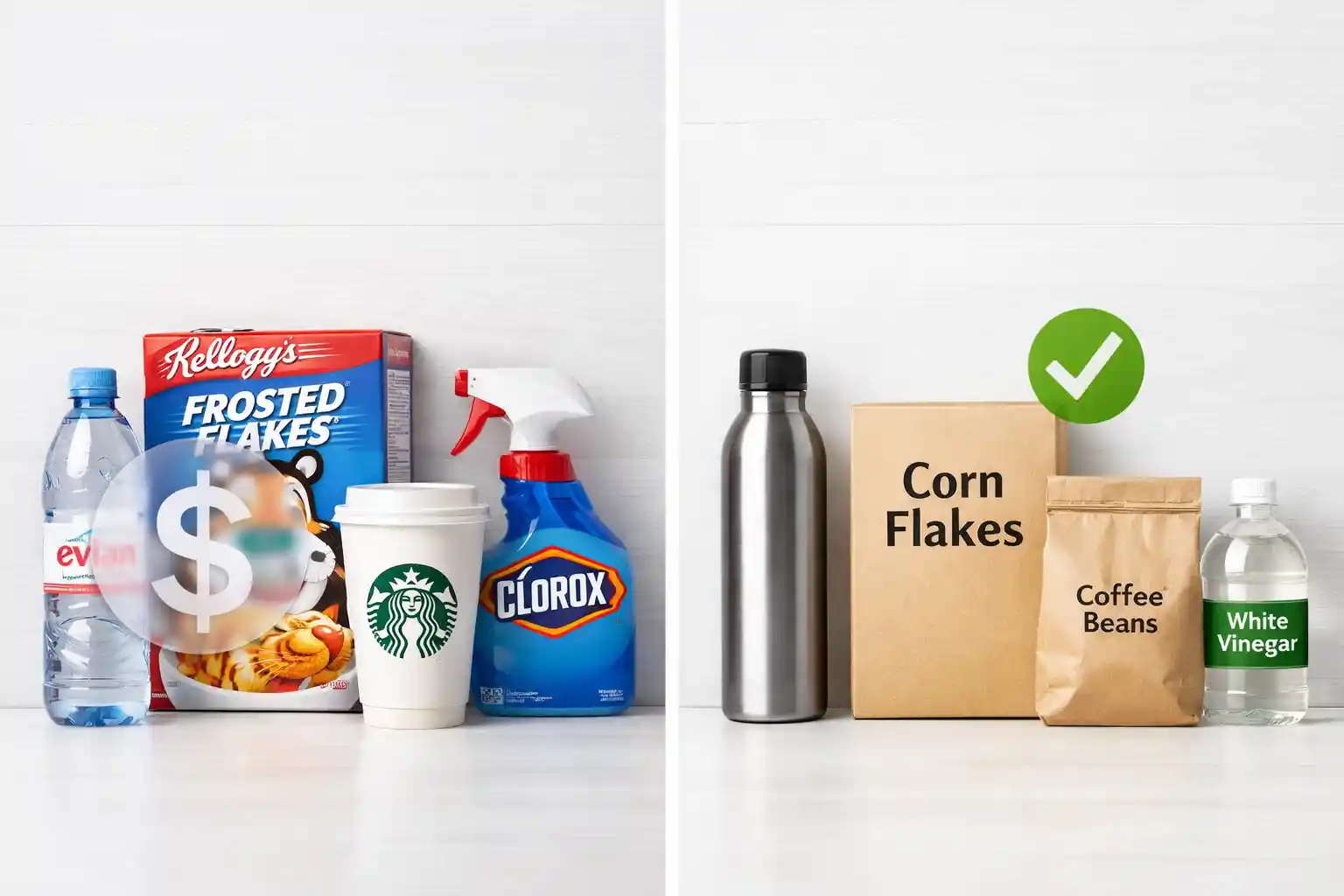
Americans spend thousands of dollars each year on everyday items, often without realizing that they are paying more than necessary. From groceries to household products, many common purchases come with hidden costs that can add up over time. The rise of brand marketing, convenience pricing, and product packaging can make ordinary items seem more valuable than they are. In reality, choosing alternative brands or shopping more strategically can save hundreds of dollars annually without reducing quality or usefulness.
Being aware of items that are frequently overpaid for allows consumers to make better decisions. Simple strategies such as comparing unit prices, buying in bulk, or choosing store-brand alternatives can reduce unnecessary expenses. In some cases, paying attention to subscription services, convenience fees, and seasonal promotions can also uncover opportunities for savings.
Financial experts often emphasize the importance of understanding spending habits. Many people assume that a higher price guarantees higher quality, but that is not always true. Products with flashy packaging, celebrity endorsements, or brand recognition can command premium prices without offering better performance or durability. Consumers who focus on the actual product benefits and value can avoid overpaying for items that perform similarly to less expensive alternatives.
In this guide, we explore ten everyday items that Americans commonly overpay for. We provide insight into why these products are expensive, suggest alternatives, and share practical advice for saving money while still enjoying quality products. By paying attention to everyday purchases, it is possible to maintain comfort, convenience, and quality without overspending.
Image
1. Bottled Water
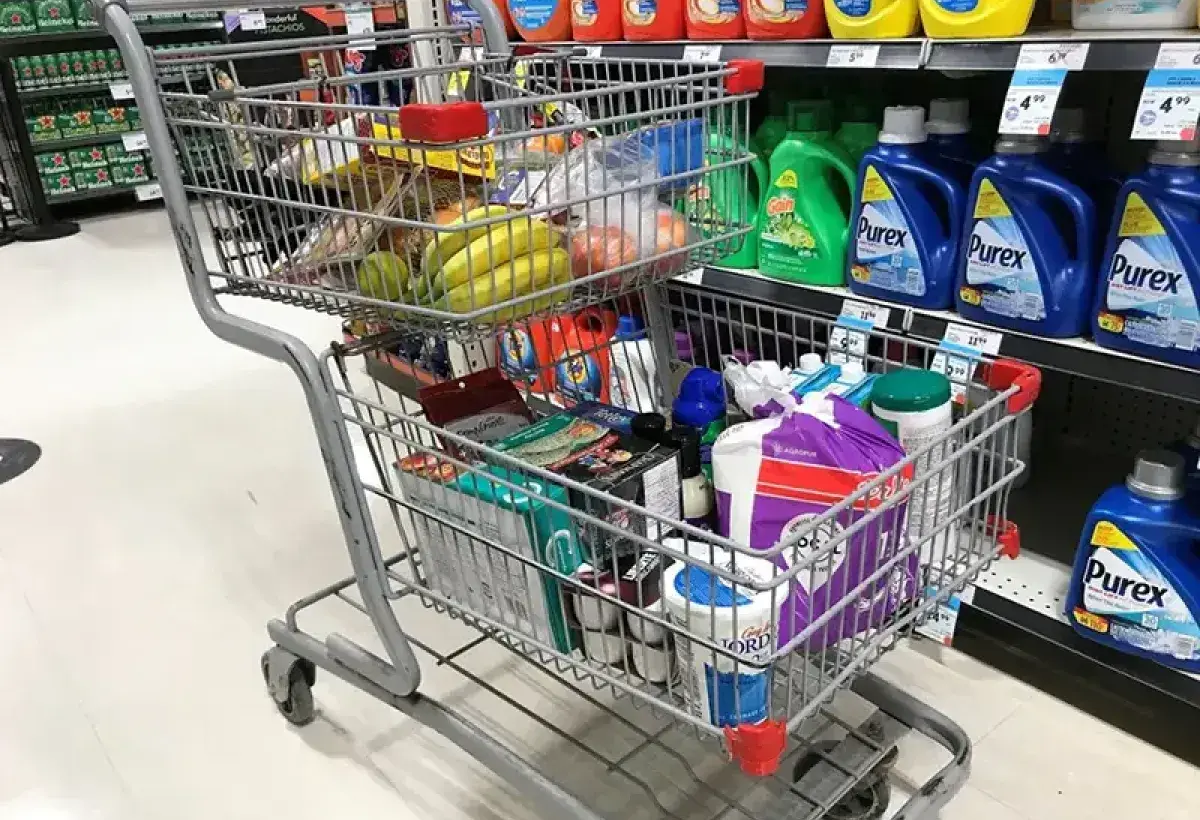
Bottled water is one of the most overpaid items in American households. While convenient, it is often far more expensive than tap water, which is heavily regulated and safe in most regions. Consumers may pay several dollars for a single bottle, yet the same volume from a tap costs only a fraction of a cent.
Reusable water bottles are an effective solution to this problem. Investing in a quality bottle allows individuals to fill it with tap water throughout the day, saving hundreds of dollars annually. Many public places, offices, and schools now provide filtered water stations, making it easier to avoid purchasing bottled water.
Some people choose bottled water for perceived taste or purity, but affordable water filters can deliver similar quality without the high cost. Companies that sell bottled water spend heavily on packaging, branding, and marketing, which drives prices up. By switching to tap water or filtered alternatives, Americans can enjoy hydration without overpaying.
Image

2. Name Brand Medications
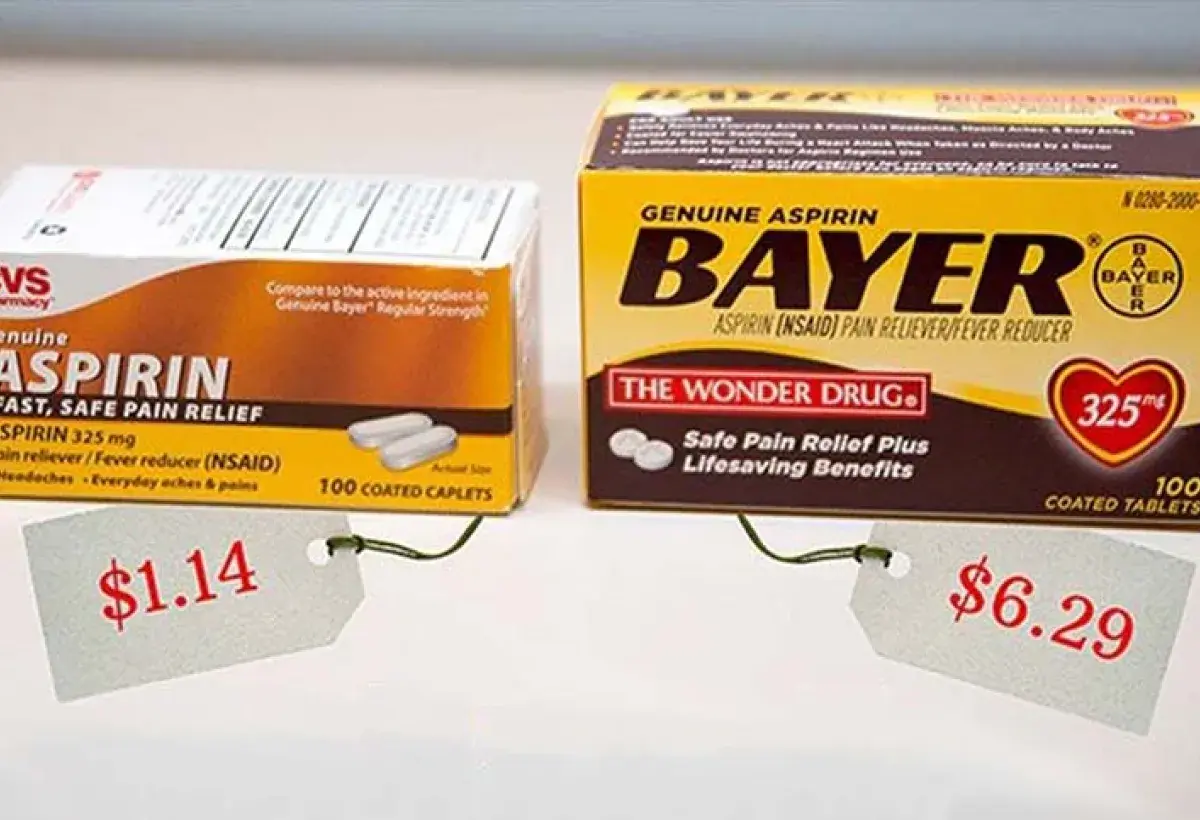
Over-the-counter medications often come with high price tags due to brand recognition. Pain relievers, allergy medicines, and cold remedies frequently cost more when purchased under a well-known brand. Generic versions contain the same active ingredients and are equally effective, often at a fraction of the cost.
Pharmacies typically carry generics that meet FDA regulations, ensuring safety and efficacy. Consumers who compare labels and check active ingredients can save significant money on routine health purchases. Many insurance plans also cover generic medications at lower copays than brand names.
Brand loyalty can make people overlook cheaper options, but informed consumers can enjoy the same benefits without paying extra. By choosing generics or store-brand equivalents, Americans can reduce medical expenses while still maintaining their health.
Image
3. Coffee Shop Drinks
Daily visits to coffee shops are another area where Americans often overspend. Specialty lattes, cappuccinos, and cold beverages can cost five to ten dollars per drink. Over time, frequent purchases can amount to hundreds or even thousands of dollars annually.
Making coffee at home using a coffee maker, French press, or single-serve machine can save a significant amount of money. Bulk coffee purchases and reusable cups further reduce cost per cup. Many coffee chains now offer similar flavors and blends in packaged form for home use.
For people who enjoy convenience, occasional coffee shop visits are fine. However, habitual purchases should be evaluated. Simple adjustments such as brewing at home, taking advantage of store rewards programs, and limiting high-priced extras can help Americans save money while still enjoying their favorite beverages.
Image

4. Brand Name Cereal
Breakfast cereals are heavily marketed and often priced higher than comparable store-brand alternatives. Many popular cereals contain similar ingredients, sugar content, and nutritional value as generic versions.
Switching to store-brand cereals can reduce grocery bills without affecting taste or quality. Bulk purchases and seasonal sales also offer opportunities for additional savings. Parents and individuals alike can enjoy breakfast favorites while spending less.
Marketing, celebrity endorsements, and eye-catching packaging influence consumer choices. By focusing on ingredients, nutritional value, and taste, Americans can make informed decisions and avoid paying a premium for branding alone.
Image

5. Paper Towels
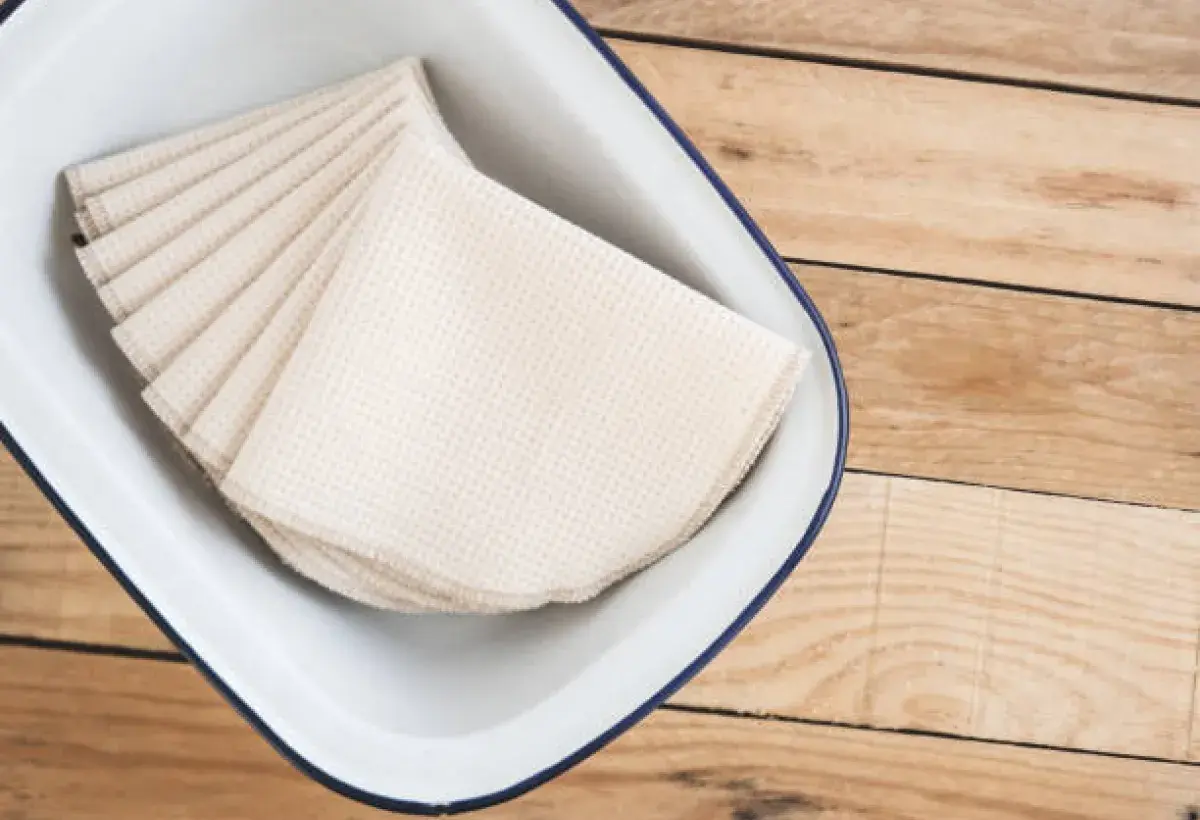
Paper towels are another common item where Americans overpay. Premium brands market themselves as more absorbent or durable, yet store-brand alternatives perform similarly in everyday tasks.
Buying in bulk, using coupons, or switching to reusable cloth alternatives reduces cost. Kitchen towels and microfiber cloths can replace paper towels for cleaning tasks, offering long-term savings.
Consumers often underestimate the total cost of paper towels over time. By choosing less expensive or reusable options, households can reduce recurring expenses significantly without compromising convenience or cleanliness.
Image
6. Bottled Salad Dressings
Bottled salad dressings are convenient, but Americans often pay high prices for ingredients that can be mixed at home. Store-bought dressings frequently contain added sugar, preservatives, and packaging costs that inflate the price.
Making your own dressing is simple and affordable. Basic ingredients like olive oil, vinegar, lemon juice, mustard, and herbs can produce fresh, flavorful dressings. Homemade dressings allow consumers to control ingredients, taste, and nutrition. Batch preparation saves time and reduces waste, making it easier to enjoy salads throughout the week.
Even pre-made options in grocery stores have store-brand versions that are less expensive and often similar in taste and quality to premium brands. Comparing prices per ounce and reading ingredient labels can help shoppers make smarter choices. By preparing dressings at home or choosing affordable alternatives, Americans can maintain a healthy diet while avoiding unnecessary spending.
Image

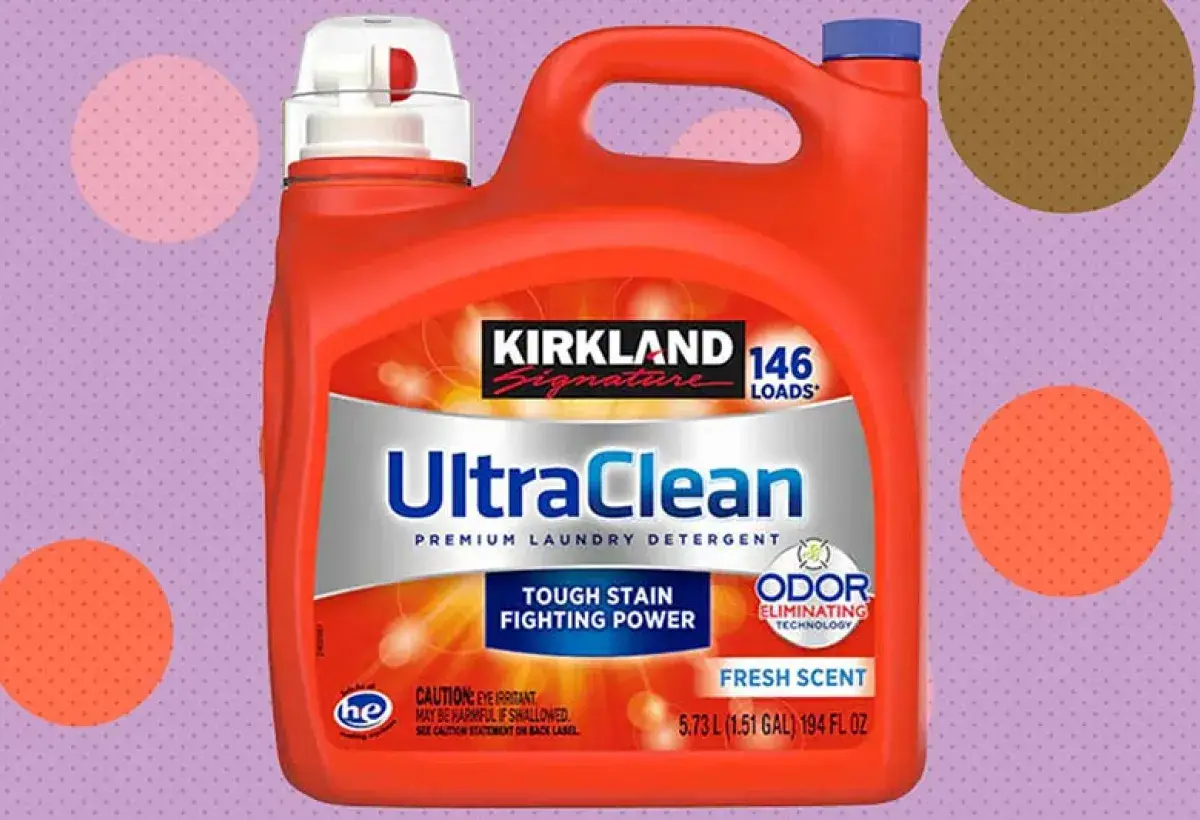
7. Laundry Detergent
Laundry detergent is another area where consumers overpay. Many people purchase premium brands that market themselves as stronger or more effective. In reality, store-brand detergents and generic formulas often clean clothes just as well.
Measuring detergent carefully according to instructions also helps reduce waste and cost. Using too much detergent not only increases expense but may leave residue on clothing and reduce washing efficiency. Bulk purchases or subscription plans can further lower costs over time.
Consumers should look for promotions, coupons, and generic alternatives. Choosing concentrated formulas allows fewer ounces to achieve the same cleaning results. By avoiding overpaying for brand recognition and focusing on effectiveness, households can save money without sacrificing cleanliness.
Image
8. Prepackaged Snacks
Prepackaged snacks, such as chips, cookies, and granola bars, carry high prices due to branding, marketing, and convenience packaging. Many store-brand versions are nearly identical in taste and quality at a fraction of the cost.
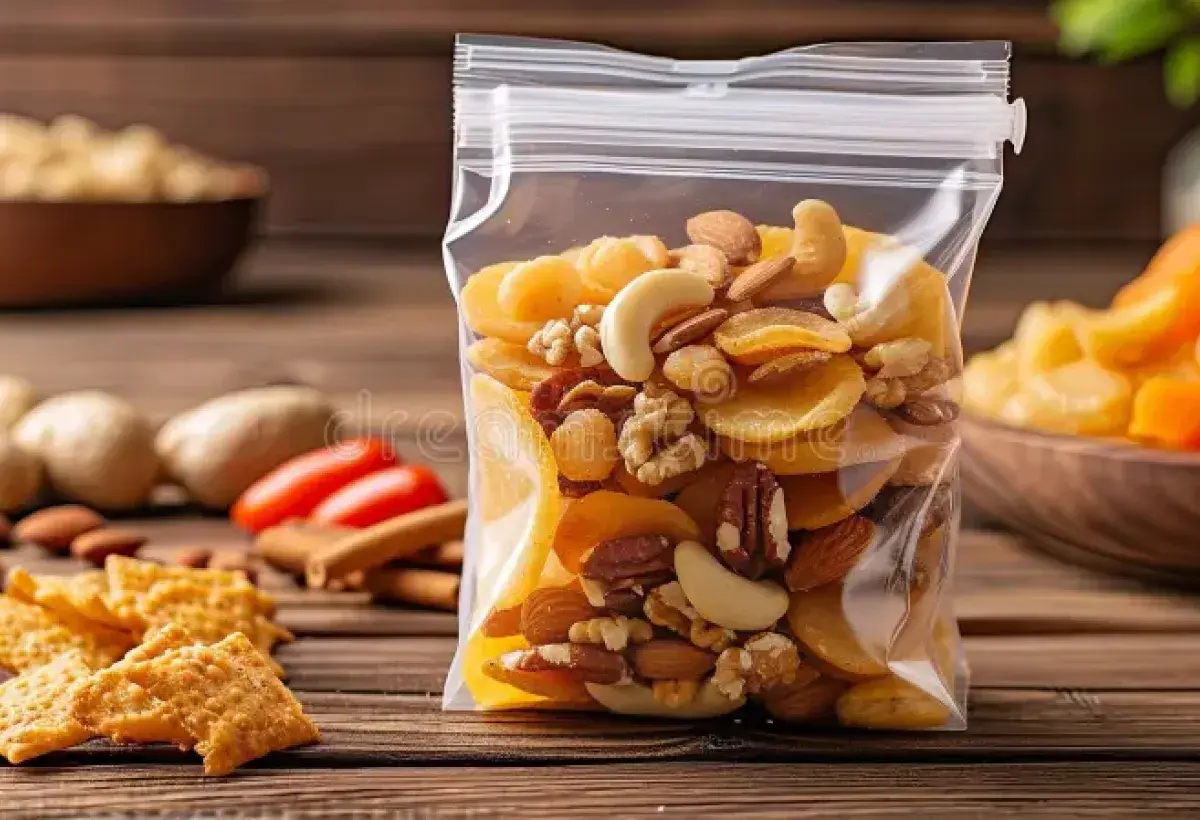
Buying snacks in bulk or making simple treats at home can significantly reduce expenses. Homemade popcorn, trail mix, and baked goods are cost-effective alternatives that allow control over ingredients and portion sizes. Preparing snacks in advance also reduces impulse purchases from vending machines or convenience stores.
Consumers often overlook the cumulative cost of prepackaged snacks. Over time, the extra expense can add up to hundreds of dollars annually. By evaluating alternatives and preparing simple snacks at home, Americans can enjoy their favorite treats without overpaying.
Image
9. Bottled Cleaning Products
Many cleaning products, including sprays, bathroom cleaners, and disinfectants, are overpriced due to branding and marketing. Store-brand alternatives often contain the same active ingredients and perform similarly.
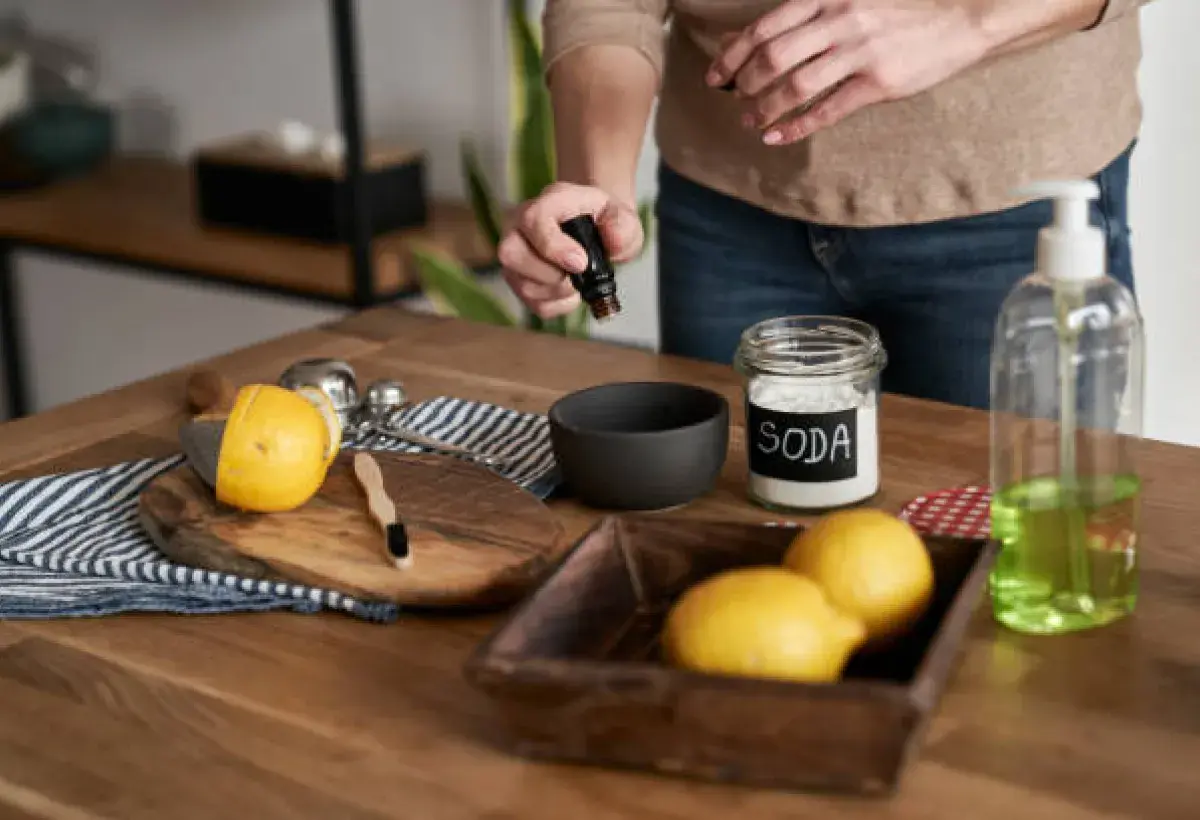
Simple solutions, such as vinegar, baking soda, and mild soap, are effective for everyday cleaning tasks. These ingredients are inexpensive, eco-friendly, and versatile. Mixing your own cleaning solutions can save significant money while reducing exposure to harsh chemicals.
For households that prefer commercial products, comparing prices and choosing generic versions can prevent overpaying. Consumers who pay attention to ingredient lists and cleaning effectiveness will find that they do not need premium-priced items to maintain a clean home.
Image
10. Overpriced Convenience Foods
Convenience foods such as frozen meals, pre-cut vegetables, and ready-to-eat dishes are often significantly more expensive than cooking from scratch. These products save time but come at a premium.
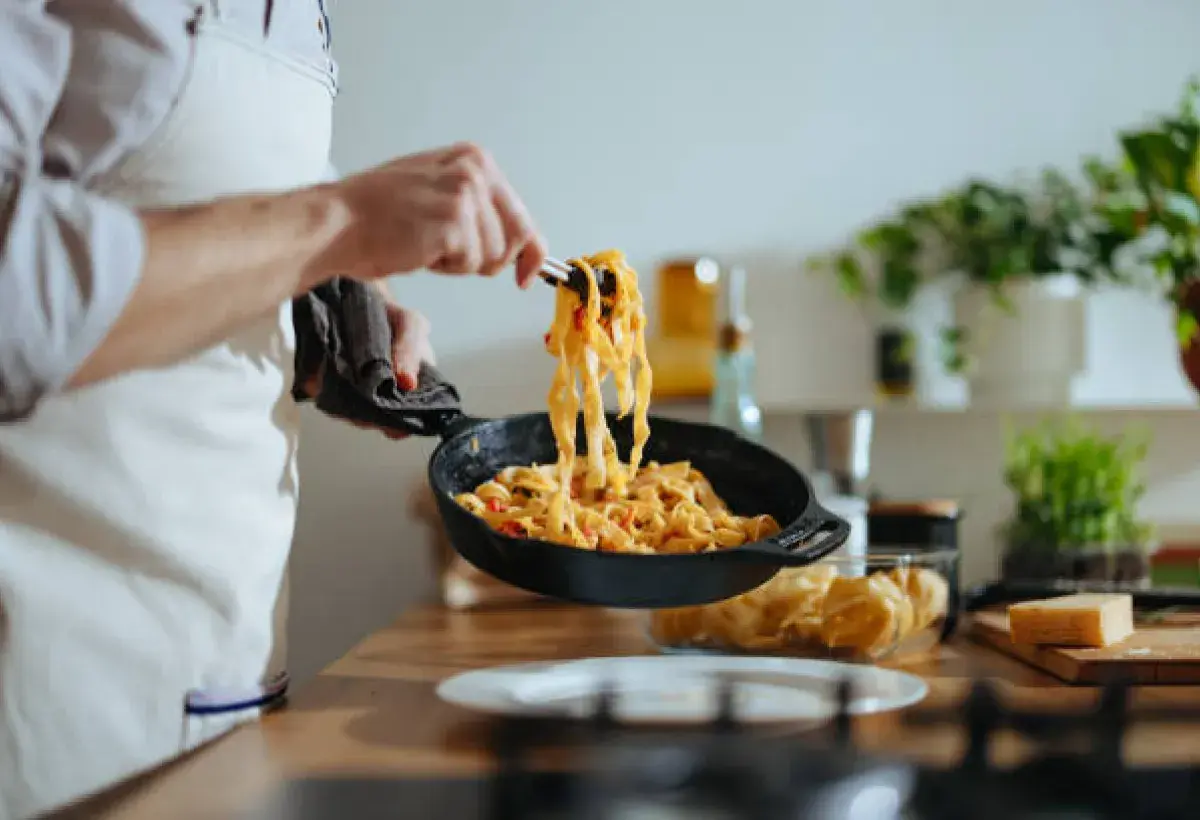
Planning meals, prepping ingredients, and cooking at home can reduce costs while providing healthier options. Bulk purchases of staple ingredients such as rice, pasta, beans, and vegetables offer long-term savings. Simple meal prep strategies make it easier to enjoy convenient meals without relying on expensive packaged options.
Consumers should consider the true cost of convenience. While occasional use of pre-made meals is fine, habitual reliance can strain the budget. By combining home cooking, bulk purchasing, and smart planning, Americans can enjoy convenience without overspending.
Image
Many everyday items come with inflated prices due to branding, marketing, or convenience packaging. Americans often overpay for bottled water, name-brand medications, coffee shop drinks, cereal, paper towels, salad dressings, laundry detergent, prepackaged snacks, cleaning products, and convenience foods. Awareness of these patterns allows consumers to make smarter purchasing decisions that save money without sacrificing quality or convenience.
Simple strategies such as choosing store-brand alternatives, preparing items at home, buying in bulk, and comparing unit prices can reduce expenses significantly. Understanding the difference between perceived value and actual value empowers consumers to spend wisely and make informed choices.
Financial literacy and mindfulness in everyday purchases are key to reducing unnecessary spending. By focusing on products that offer quality and performance rather than paying for marketing or packaging, Americans can maintain comfort, nutrition, and cleanliness while saving hundreds or even thousands of dollars per year. Awareness, preparation, and strategic shopping are the most effective ways to avoid overpaying for everyday items.
[Image Cue: Place an image of a happy family or individual shopping smartly and saving money]
Alt Title: Smart Shopping and Saving Money