

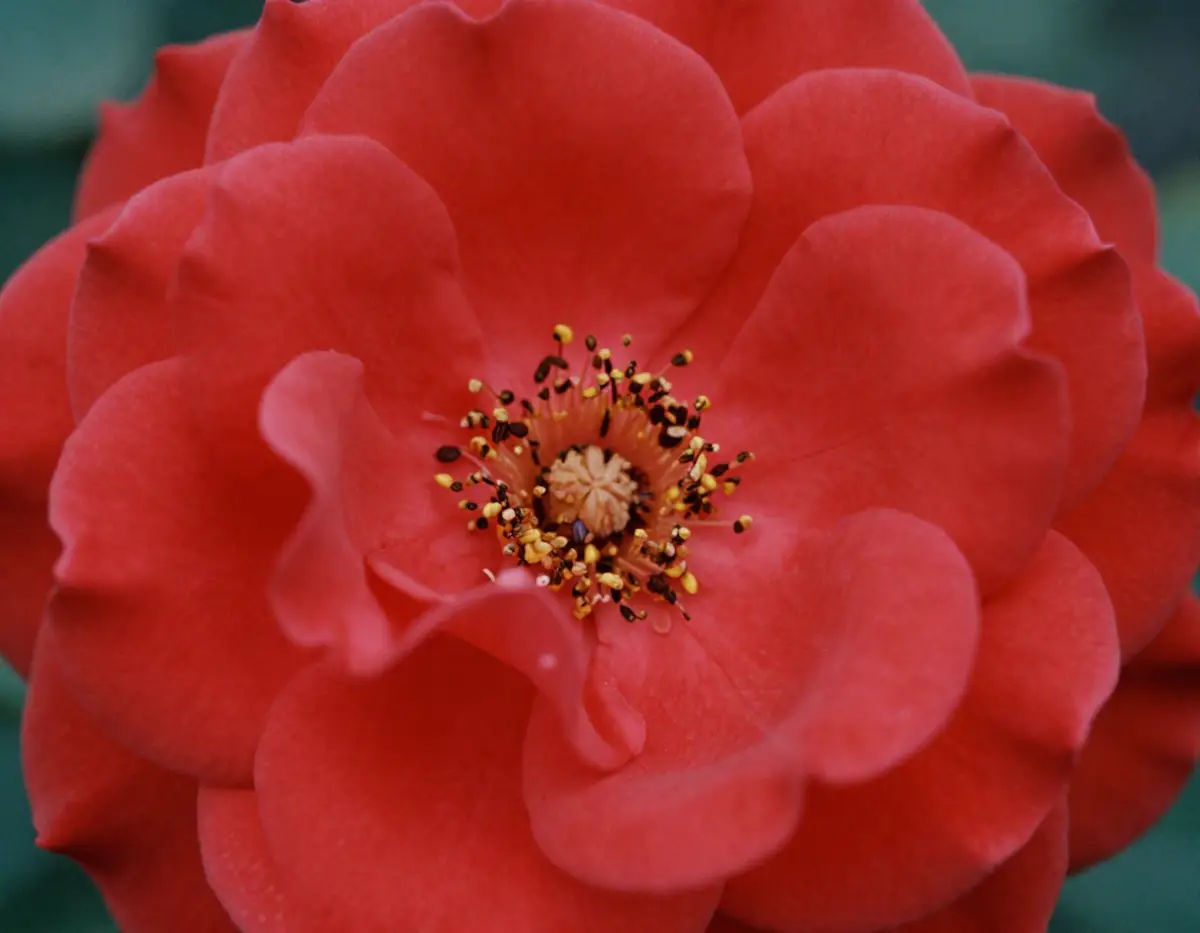
From ancient symbolism to modern science, roses are far more than ornamental flowers admired for their beauty. They have shaped traditions, influenced economies, inspired artists, and even contributed to scientific discovery. Across centuries and continents, roses have been woven into the fabric of human civilization as symbols of love, power, spirituality, and resilience. Their story stretches from prehistoric landscapes to medieval cathedrals and even into outer space, making them one of the most remarkable plants on Earth.
Roses have earned a unique place in gardens and hearts because of their extraordinary adaptability. They thrive in diverse climates, flourish in both wild and cultivated environments, and display an unmatched range of colors, fragrances, and forms. Their ability to evolve through natural processes and human cultivation has resulted in thousands of varieties, each with its own character and purpose. Whether growing quietly along a forest edge or standing proudly in a formal garden, roses carry stories that extend far beyond their petals.
Throughout history, roses have served roles that go well beyond decoration. They have been used in food, medicine, perfumes, religious ceremonies, and political symbolism. Entire industries have been built around their fragrance and beauty, while legends and myths have elevated them to divine status. Even today, roses remain central to life’s most meaningful moments, from celebrations of love to expressions of remembrance and honor.
What makes roses truly fascinating is how they continue to surprise us. Scientific research has revealed their ancient origins, their complex chemistry, and their surprising resilience. Cultural traditions continue to reinterpret their meaning, while modern technology finds new ways to use their natural properties. Each rose carries layers of history, science, and emotion, making it more than just a flower.
Explore the incredible journey of roses through time and space. Each one reveals a different side of this iconic bloom and shows why roses remain one of the most cherished and enduring plants in the world.
1. Roses Are Over 35 Million Years Old
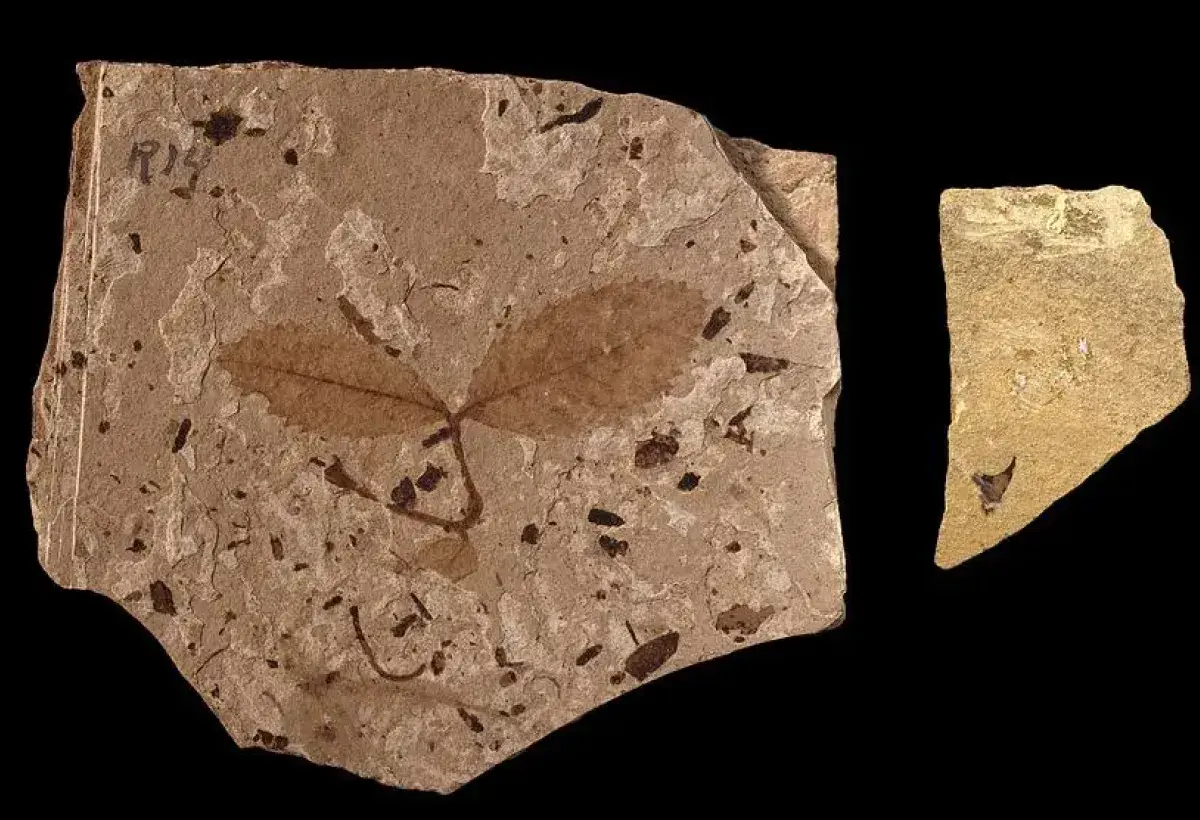
Fossil evidence confirms that roses have existed for more than 35 million years, placing them among the oldest flowering plants still alive today. Paleobotanists have discovered rose fossils in regions that now belong to North America, Europe, and Asia, demonstrating that roses once flourished across vast prehistoric landscapes. These early roses were simpler in structure, featuring fewer petals and growing primarily in the wild without any human influence. Their survival across such immense spans of time highlights their remarkable ability to adapt to changing climates and environments.
Over millions of years, roses evolved alongside shifting ecosystems, enduring ice ages, continental drift, and dramatic changes in weather patterns. Long before humans cultivated gardens, wild roses provided food and shelter for insects and animals, playing an important role in natural ecosystems. Their hardy nature allowed them to spread widely, establishing deep roots that ensured their survival through environmental upheavals.
Human involvement in rose cultivation began thousands of years ago, but it was only a small chapter in their long history. Early civilizations selected roses for beauty, fragrance, and medicinal use, gradually shaping them into more elaborate forms. Through selective breeding, people enhanced desirable traits such as petal count, scent strength, and color intensity. Despite these changes, modern roses still share genetic connections with their ancient ancestors.
Today’s roses are the result of both natural evolution and careful human intervention. While they may look dramatically different from their prehistoric counterparts, their core resilience remains unchanged. The fact that a flower admired in modern gardens has roots stretching back tens of millions of years adds a powerful sense of wonder to every bloom.
Image
2. There Are Over 300 Species of Roses
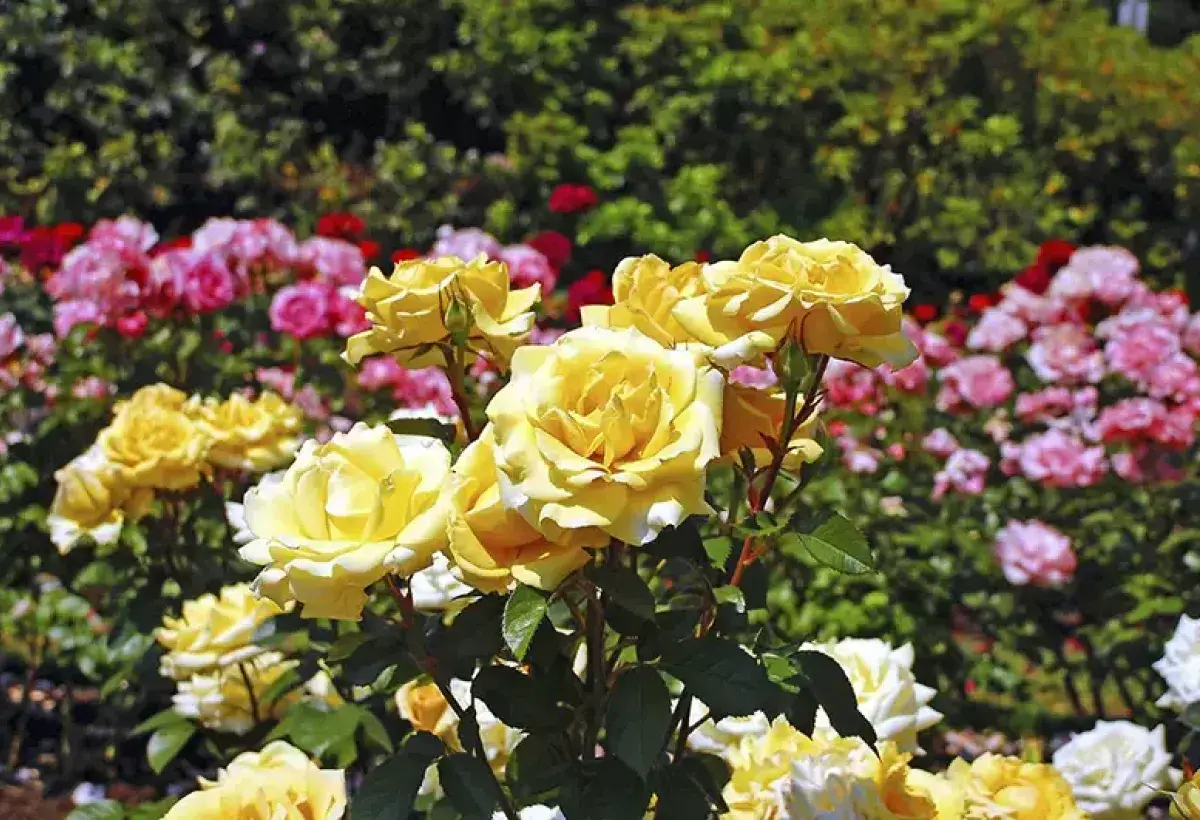
The rose family is incredibly diverse, with more than 300 recognized species and tens of thousands of cultivated varieties developed over centuries. These species range from wild roses growing naturally in forests and mountains to carefully bred garden roses designed for specific climates and aesthetics. Each species brings unique traits, including differences in petal shape, fragrance, growth habit, and blooming cycle.
Some rose species bloom only once per year, offering a brief but stunning display, while others bloom repeatedly throughout the growing season. This variety allows gardeners to select roses that match their preferences and environmental conditions. Climbing roses can cover walls and trellises, shrub roses provide dense foliage and color, and miniature roses thrive in small spaces and containers.
Geographically, roses are found across the Northern Hemisphere, from cold regions of Canada and Scandinavia to warm areas of Asia and North Africa. Their adaptability has allowed them to thrive in a wide range of soils and temperatures. Wild species often possess strong disease resistance and hardiness, traits that breeders use to improve cultivated varieties.
Selective breeding has expanded the rose family far beyond what nature alone created. Hybridization has introduced new colors, extended blooming periods, and enhanced fragrances. As a result, roses remain one of the most popular flowers worldwide, appealing to gardeners, florists, and collectors alike. This incredible diversity ensures that roses continue to evolve, reflecting both natural beauty and human creativity.
Image
3. Roses Have Been Symbols of Love for Centuries
Roses have symbolized love and romance for thousands of years, deeply rooted in mythology, art, and cultural traditions. In ancient Greek mythology, roses were associated with Aphrodite, the goddess of love, while Roman culture linked them to Venus. These early associations helped establish roses as symbols of desire, beauty, and emotional connection.
During the Middle Ages, roses appeared frequently in poetry, paintings, and literature as representations of courtly love and devotion. Knights offered roses as tokens of admiration, while artists used them to convey passion and longing. Over time, specific colors gained distinct meanings, allowing roses to communicate emotions without words.
The tradition of giving red roses as a symbol of romantic love remains strong today. Roses are central to weddings, anniversaries, and Valentine celebrations across cultures. Their symbolism extends beyond romance, representing respect, gratitude, and remembrance in various contexts.
What makes roses particularly powerful symbols is their combination of beauty and fragility. Their delicate petals contrast with their thorny stems, reflecting the complexity of love itself. This layered symbolism has ensured that roses remain timeless messengers of emotion, connecting people across generations and cultures.
Image

4. The World’s Oldest Living Rose Is Over 1,000 Years Old
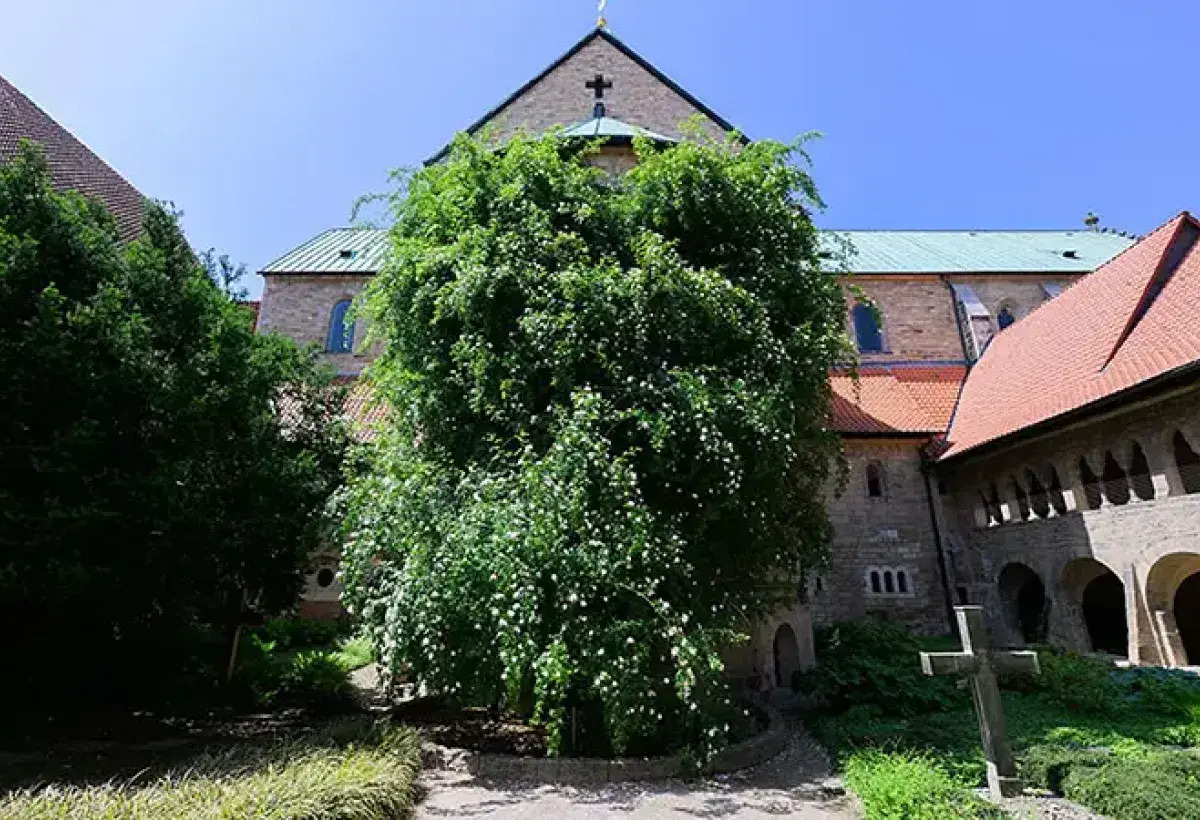
At Hildesheim Cathedral in Germany grows the oldest known living rose bush, believed to be over 1,000 years old. This ancient rose has climbed the cathedral wall for centuries, surviving wars, fires, and natural disasters. According to legend, the cathedral will stand as long as the rose continues to bloom.
During World War II, the cathedral suffered heavy bombing, and much of the structure was destroyed. Remarkably, the rose bush survived underground and began growing again after the war, reinforcing its reputation as a symbol of resilience and hope. Its continued growth serves as a reminder of nature’s ability to endure even the harshest conditions.
This rose bush is not just a botanical wonder but also a living historical monument. It connects modern visitors to centuries of human history, faith, and perseverance. Tourists from around the world visit the cathedral to witness this extraordinary plant.
The survival of this rose highlights the strength and longevity of the species. While many plants live only a few decades, roses have proven capable of surviving for centuries under the right conditions.
Image
5. Roses Come in Almost Every Color
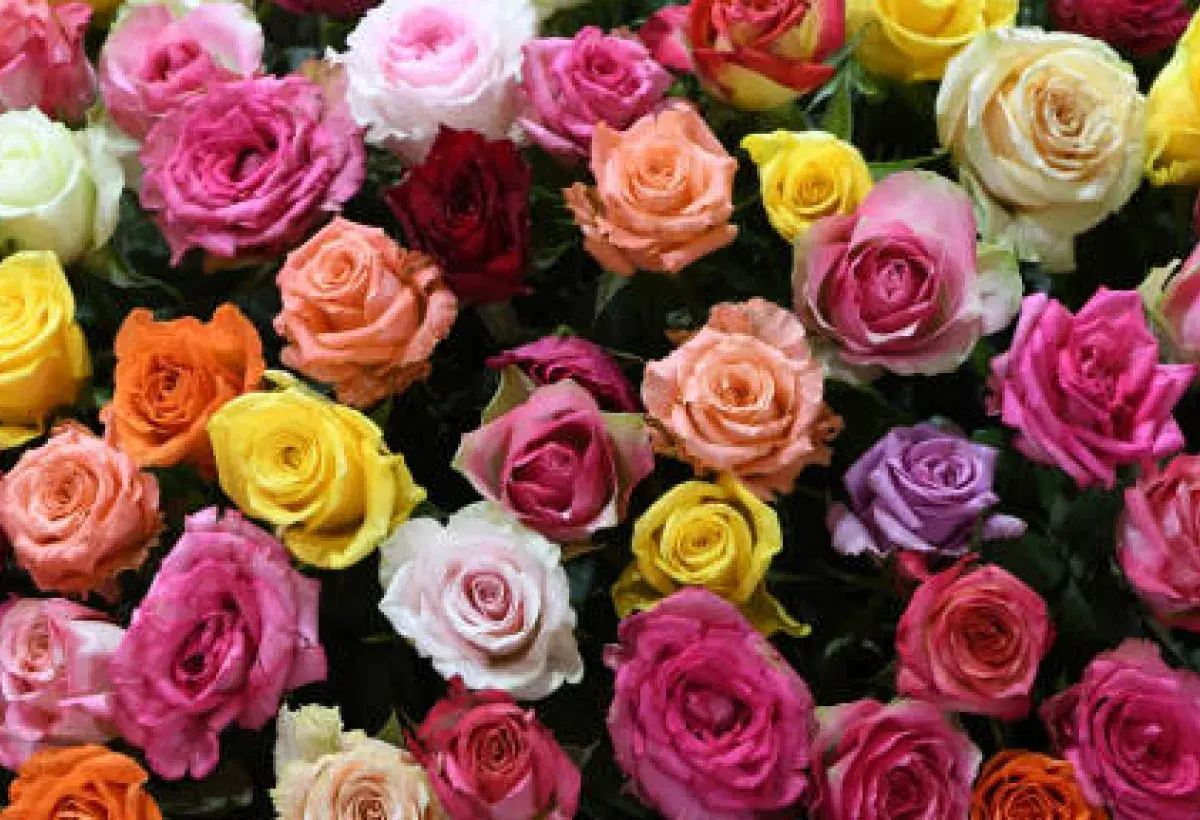
Naturally occurring roses appear in shades of white, pink, red, and yellow, but modern breeding has dramatically expanded their color range. Today, roses exist in orange, lavender, deep purple, and even green tinted varieties. Some roses display multiple colors on a single bloom, creating striking visual effects.
Each rose color carries symbolic meaning that has developed over centuries. Red roses represent love and passion, yellow symbolizes friendship and joy, white stands for purity and remembrance, and pink conveys admiration and gratitude. These associations make roses powerful tools for expressing emotion.
Blue roses do not exist naturally but have been created through genetic engineering and dyeing techniques. Their rarity has made them symbols of mystery and the impossible. This continuous expansion of color demonstrates how human innovation has reshaped the rose’s visual identity.
The vast color palette allows roses to suit countless occasions and personal preferences. Whether subtle or bold, roses continue to communicate emotion through color alone.
Image
6. Rose Oil Is One of the Most Expensive Essential Oils
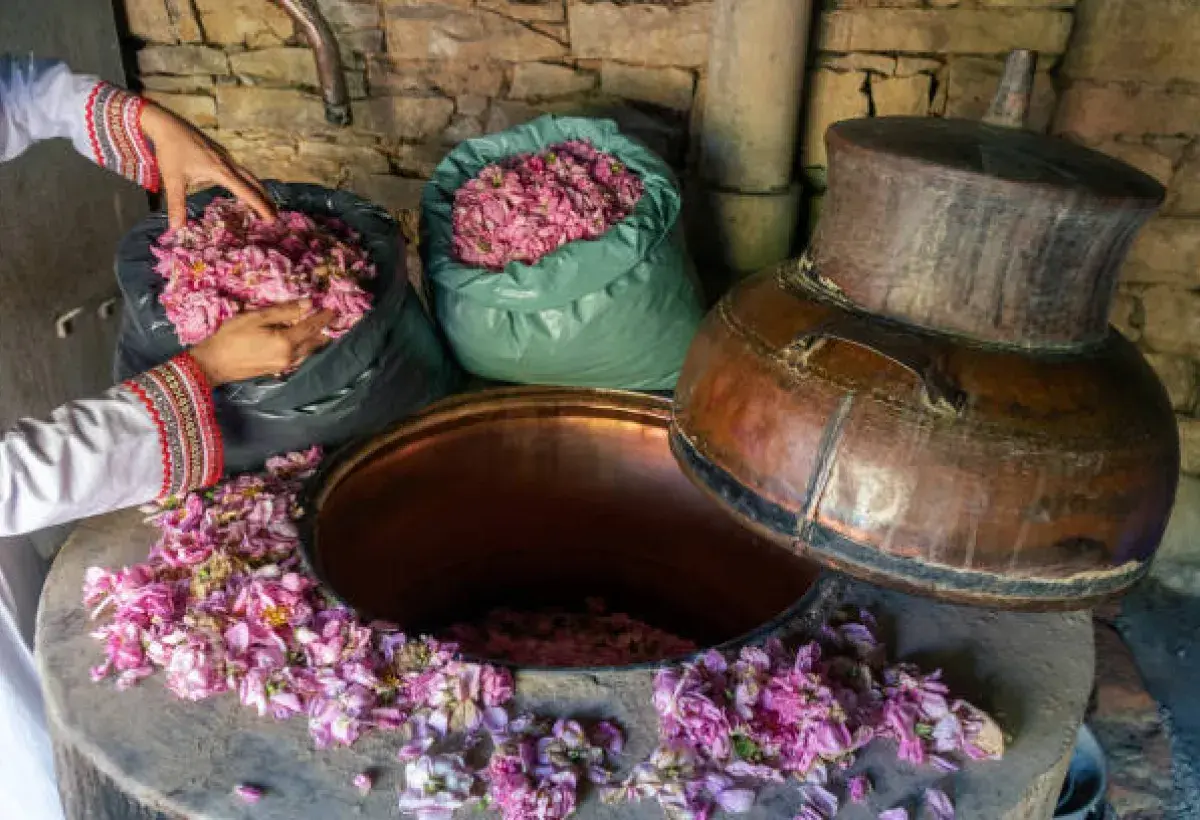
Rose oil is among the most valuable essential oils in the world due to the labor required to produce it. It takes roughly 60,000 roses to create just one ounce of pure rose oil. Harvesting must be done by hand, often early in the morning when fragrance levels are highest.
The petals undergo steam distillation, a delicate process that preserves the complex aromatic compounds. Even slight changes in temperature or timing can affect the final scent. This precision adds to the cost and rarity of true rose oil.
Rose oil is highly prized in perfumery for its rich, layered aroma. It is also used in skincare products for its soothing and hydrating properties. For centuries, it has symbolized luxury and refinement.
The immense effort behind each drop of rose oil reflects the flower’s enduring value and cultural significance.
Image
7. Roses Have Culinary Uses
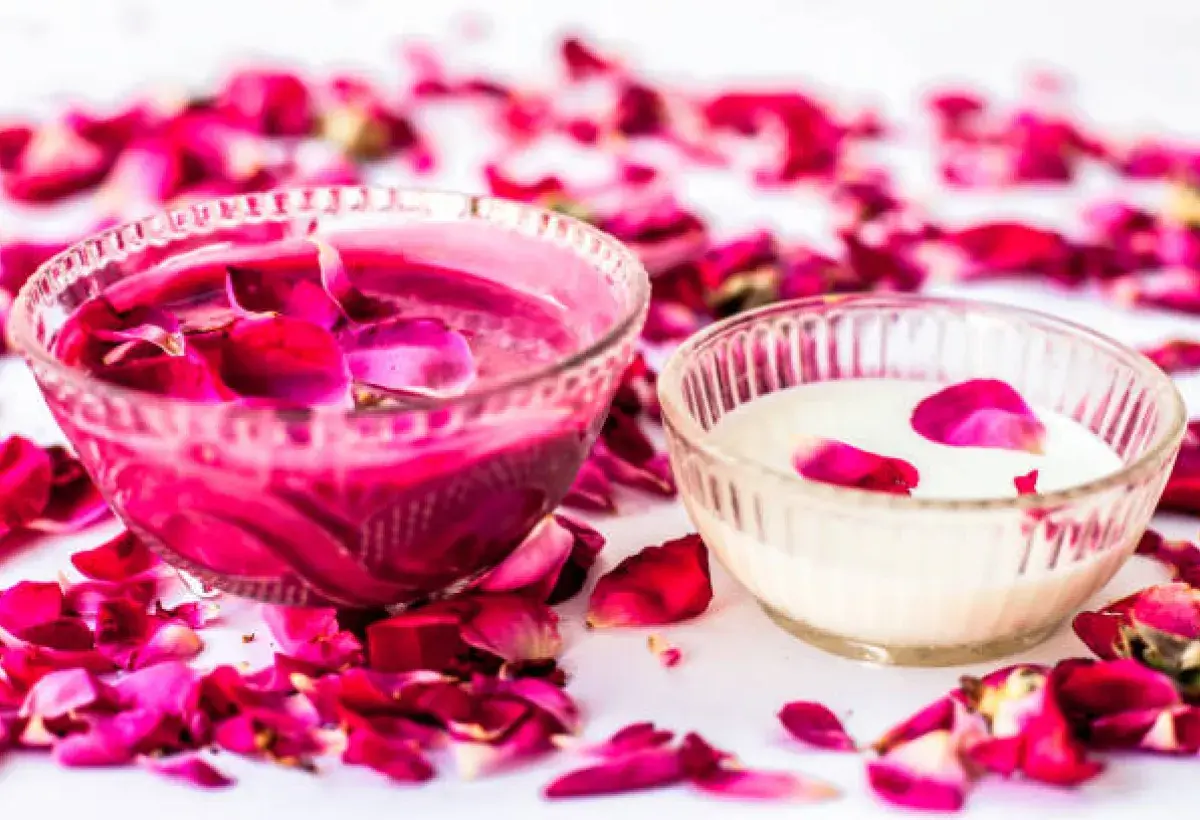
Roses have been used in cooking for centuries across many cultures. Rose petals can be candied, infused into syrups, or brewed into fragrant teas. Their subtle floral flavor adds elegance to desserts and beverages.
Rose water is especially popular in Middle Eastern and South Asian cuisine. It flavors sweets such as Turkish delight, baklava, and rice puddings. This ingredient has been cherished for generations for its aroma and taste.
Rose hips, the fruit of the rose plant, are rich in vitamin C and antioxidants. They are used in jams, jellies, and herbal remedies. Historically, rose hips helped prevent vitamin deficiencies during winter months.
The culinary versatility of roses demonstrates their value beyond beauty, blending flavor, nutrition, and tradition.
Image
8. Roses Were Once Used as Money
In seventeenth century Europe, roses and rose water held immense economic value. They were sometimes used as currency, traded for goods and services. Wealthy households cultivated roses not only for enjoyment but also as valuable assets.
Rose water was essential for perfumes, medicine, and hygiene, making it highly sought after. In some regions, taxes and debts could be settled using roses or rose products. This unusual practice highlights their importance in historical economies.
The trade of roses supported entire industries and influenced social status. Owning rose gardens was a sign of wealth and refinement.
This history reveals how roses once functioned as commodities, valued as highly as precious materials.
Image
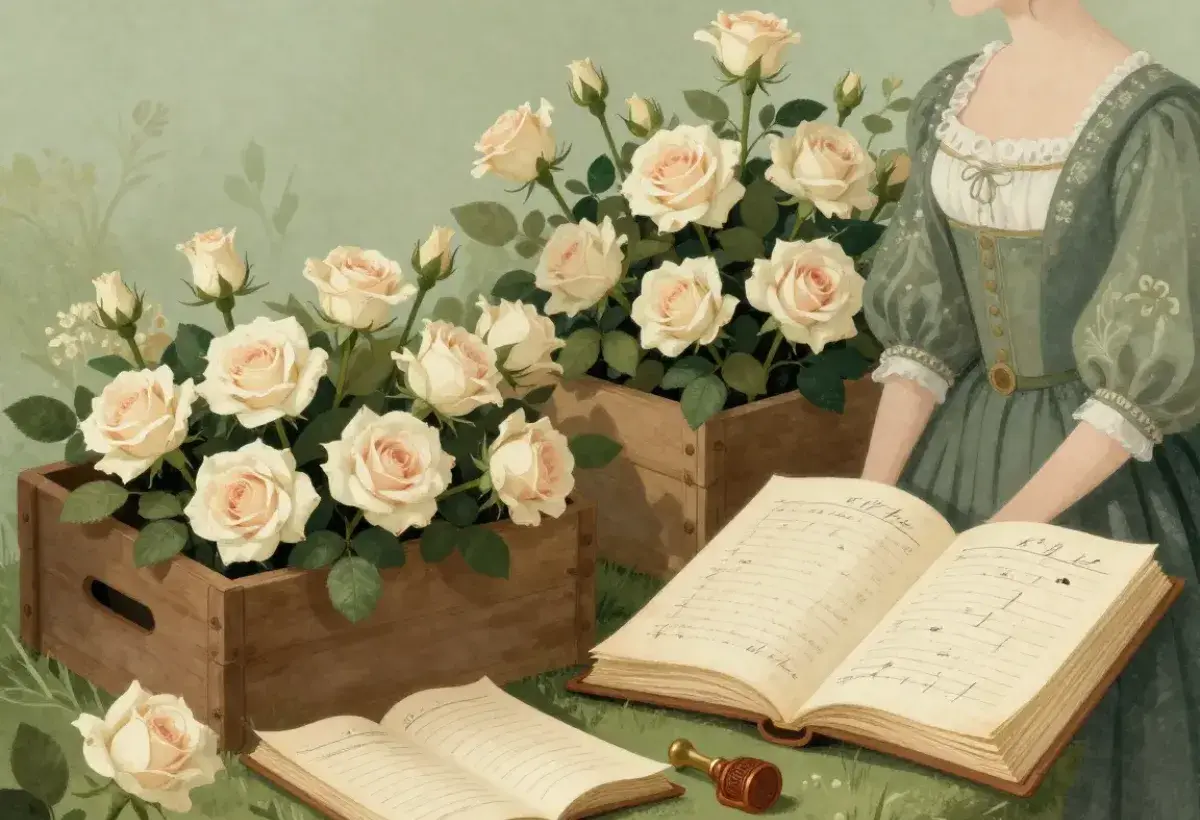
9. The Largest Rose Bush Covers 9,000 Square Feet
The world’s largest rose bush grows in Tombstone, Arizona. This white Lady Banks rose was planted in 1885 and now covers more than 9,000 square feet. Supported by a wooden trellis, it blooms with thousands of small white flowers each spring.
Its immense size demonstrates the growth potential of roses under ideal conditions. With proper care, roses can live for generations and reach extraordinary dimensions.
Visitors from around the world travel to see this living spectacle. It has become a symbol of endurance and natural beauty.
This massive rose bush challenges the idea that roses are delicate, showing their incredible strength.
Image

10. Roses Have Been to Space
In 1998, a miniature rose called Overnight Scentsation traveled to space aboard the Space Shuttle Discovery. Scientists studied how microgravity affected its fragrance molecules.
The experiment revealed changes in how scent compounds behaved in space. These findings helped perfumers develop new fragrances on Earth.
This mission demonstrated that roses contribute to scientific research beyond botany. From gardens to space labs, roses continue to inspire innovation.
Their journey into space symbolizes the limitless reach of human curiosity and nature’s adaptability.
Image

Roses have proven themselves to be far more than simple garden flowers. Their journey through time reveals a story of resilience, adaptability, and profound cultural influence. From ancient fossils to medieval legends and modern laboratories, roses continue to shape how humans connect with nature and with one another.
Their ability to evolve alongside humanity has allowed roses to remain relevant in every era. They have served as symbols of love, tools of trade, sources of nourishment, and subjects of scientific study. Few plants can claim such a diverse and enduring legacy.
What makes roses especially remarkable is their balance of beauty and strength. Beneath their soft petals lies a hardy structure capable of surviving centuries. This dual nature mirrors many aspects of human life, which may explain why roses resonate so deeply across cultures.
As science continues to explore their properties and artists continue to draw inspiration from their form, roses remain timeless. Whether growing quietly in a garden or orbiting Earth aboard a spacecraft, roses remind us that nature’s wonders are often more complex than they appear.