


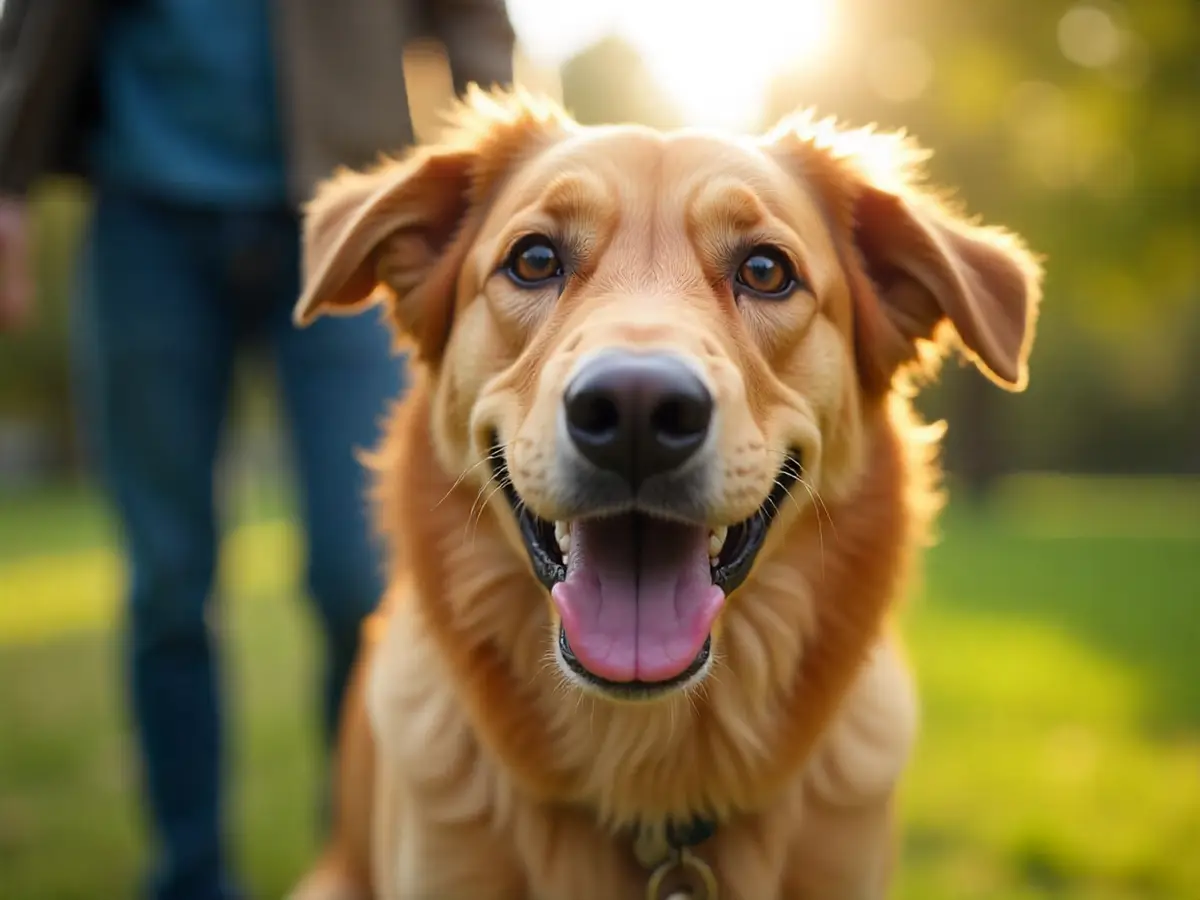
Dogs have walked beside humans for thousands of years, quietly shaping our lives in ways we often take for granted. From guarding early settlements to warming our feet by the fire, dogs have evolved from survival partners into beloved family members. Today they sleep on our couches, appear in our photos, and somehow understand us even when we cannot find the right words. What makes dogs so special is not just their loyalty or affection, but the remarkable abilities hidden beneath their fluffy ears and wagging tails.
Science continues to uncover fascinating insights about dogs that explain why they fit so seamlessly into human life. Their senses, emotions, and intelligence are far more advanced than many people realize. Dogs read human facial expressions, respond to tone of voice, and even mirror our emotions. This deep connection is not accidental. It is the result of thousands of years of shared history, selective breeding, and mutual dependence.
Beyond companionship, dogs play vital roles in modern society. They assist people with disabilities, support mental health, detect illnesses, and help rescue teams locate survivors during disasters. Even in everyday life, a dog can improve routines by encouraging exercise, reducing stress, and offering comfort without judgment. Their presence alone can change the emotional atmosphere of a home.
We explore ten fun and surprising facts about dogs that highlight just how extraordinary they truly are. Each fact reveals a different side of what makes dogs unique, from their powerful noses to their emotional intelligence. Whether you are a lifelong dog owner or simply an admirer of these animals, these facts will deepen your appreciation and maybe even strengthen the bond you share with the dogs in your life.
Image
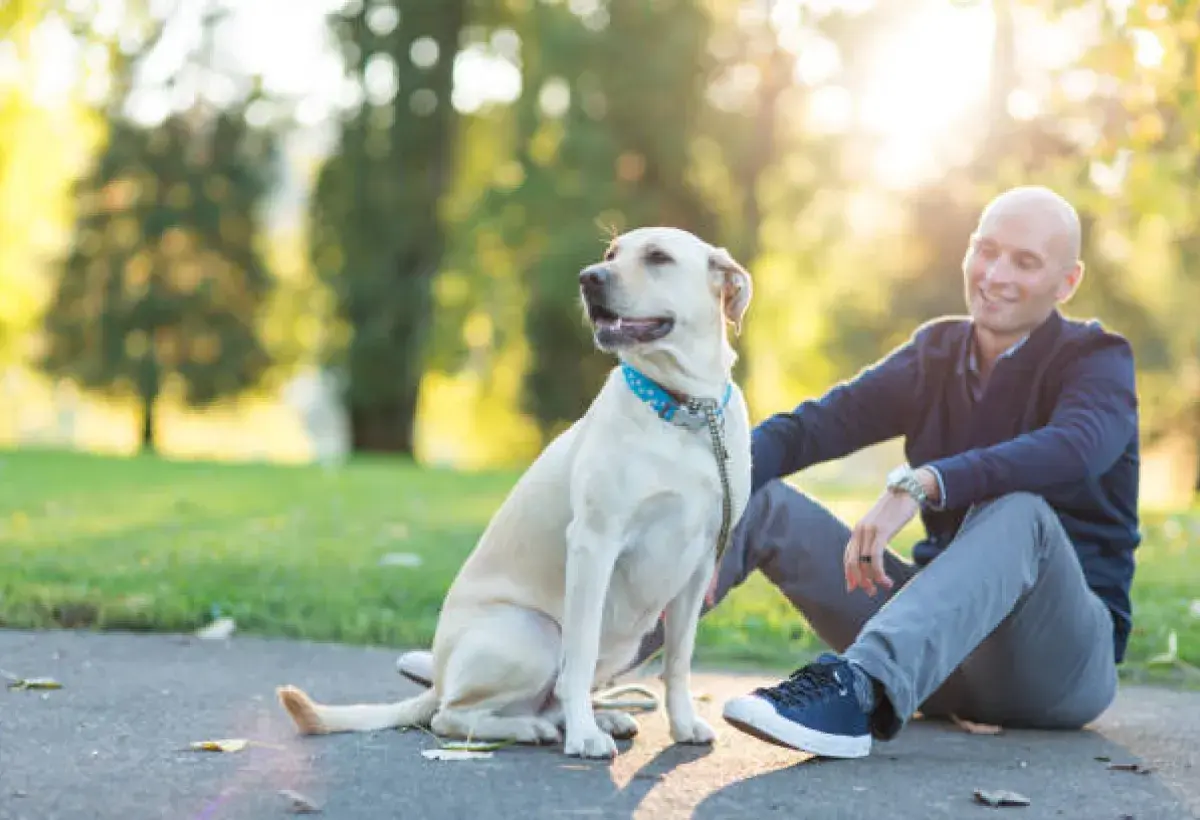
1. A Dog’s Sense of Smell Is Forty Times Stronger Than Ours
A dog experiences the world primarily through scent. While humans rely heavily on sight, dogs navigate life using their noses. Inside a dog’s nose are more than three hundred million scent receptors, compared to about six million in humans. This massive difference allows dogs to detect smells at concentrations so faint they are almost impossible for humans to imagine.
The structure of a dog’s brain is also designed to process scent information. The area responsible for analyzing smells is significantly larger than the same region in the human brain. This allows dogs not only to detect odors but also to separate and remember them. A single sniff can tell a dog who has passed by, how long ago they were there, and even their emotional state at the time.
This powerful sense of smell has practical applications. Dogs are trained to detect explosives, illegal substances, missing persons, and even medical conditions. Some dogs can identify changes in blood sugar levels or detect diseases such as cancer and COVID through scent alone. Their noses act as natural diagnostic tools, often recognizing problems before machines can.
In everyday life, this ability explains behaviors that dog owners know well. When a dog stops to sniff during a walk, it is gathering detailed information about its surroundings. That patch of grass is a storybook filled with messages from other animals. Smelling is mentally stimulating for dogs and plays an important role in their happiness and confidence.
Image
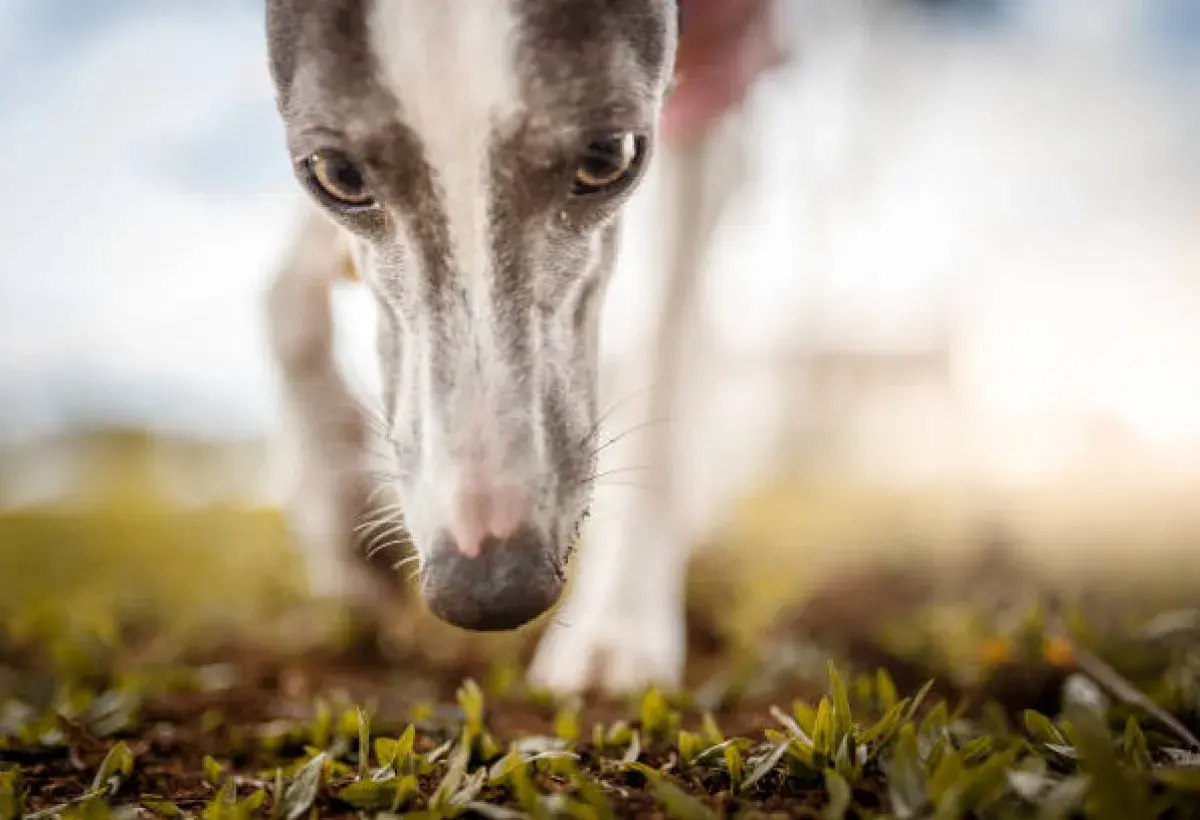
2. Dogs Can Understand Up to Two Hundred Fifty Words and Gestures
Dogs are far more intelligent than many people assume. Research shows that an average dog can learn dozens of words, while highly intelligent breeds can understand up to two hundred fifty words and gestures. This places their cognitive abilities close to that of a young child.
Dogs do not just memorize sounds. They learn to associate words with actions, objects, and outcomes. When you say walk, treat, or car, your dog understands what those words represent. Over time, dogs also learn body language, facial expressions, and tone of voice. A raised eyebrow or change in posture can communicate as much as spoken language.
Certain breeds are especially known for their intelligence. Border Collies, Poodles, and German Shepherds often excel in obedience and problem solving tasks. However, intelligence appears in many forms. Some dogs are better at social understanding, while others excel at spatial awareness or independent thinking.
This ability to understand humans strengthens the emotional bond between dogs and people. Dogs learn our routines, anticipate our needs, and respond to subtle cues. This is why they often seem to know when we are leaving, returning, or feeling unwell. Communication between dogs and humans is a shared language built on trust, repetition, and affection.
Image
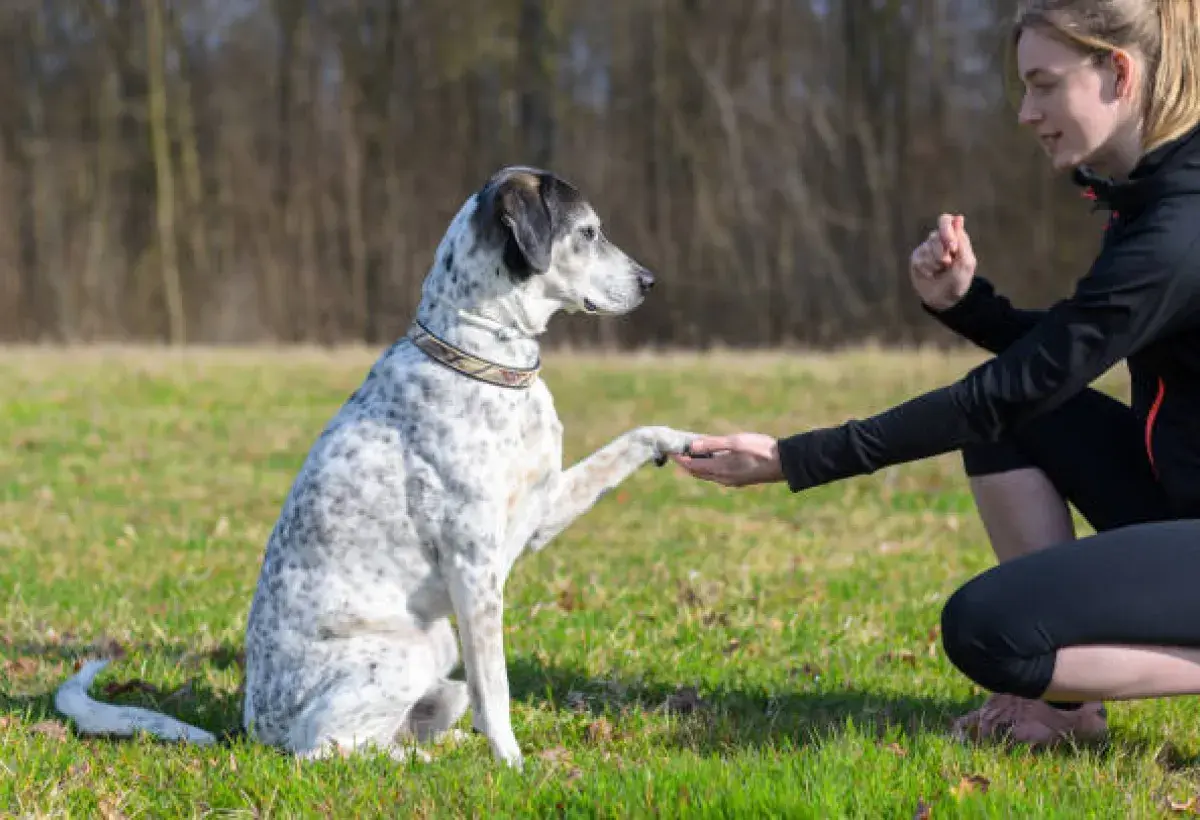
3. They Dream Just Like Humans
When dogs fall asleep, their brains go through similar sleep cycles as humans. This includes rapid eye movement sleep, which is associated with dreaming. During this phase, you may notice twitching paws, soft barks, or gentle tail movements. These behaviors suggest that dogs are actively dreaming.
Scientists believe dogs often dream about their daily experiences. A dog that loves running may dream about chasing something, while a puppy might replay moments from playtime. The content of their dreams likely reflects their personality and routine, just as human dreams do.
Smaller dogs tend to dream more frequently but for shorter periods, while larger dogs dream less often but for longer stretches. Puppies and older dogs also dream more, possibly because their brains are processing new information or revisiting memories.
Understanding that dogs dream reminds us how emotionally complex they are. Sleep is not just rest for dogs. It is a time when their brains organize experiences and reinforce learning. Providing a comfortable and safe sleeping environment helps support both their physical and mental health.
Image

4. Tail Wags Have a Language
A wagging tail does not always mean happiness. Dogs use their tails as communication tools, expressing a wide range of emotions. The direction, speed, and height of a wag all carry meaning.
Research shows that a wag to the right side of a dog’s body is often associated with positive feelings such as excitement or contentment. A wag to the left may indicate uncertainty or stress. Slow, low wags can signal caution, while fast, wide wags usually reflect joy.
Dogs also pay attention to each other’s tail movements. This silent language helps them navigate social interactions, avoid conflict, and build relationships. Humans who learn to read these signals can better understand how a dog is feeling in a given situation.
Recognizing tail language improves safety and trust. It allows owners to respond appropriately and respect a dog’s emotional boundaries. A wagging tail is not just cute. It is meaningful communication.
Image

5. Dogs Have Been Domesticated for Over Fifteen Thousand Years
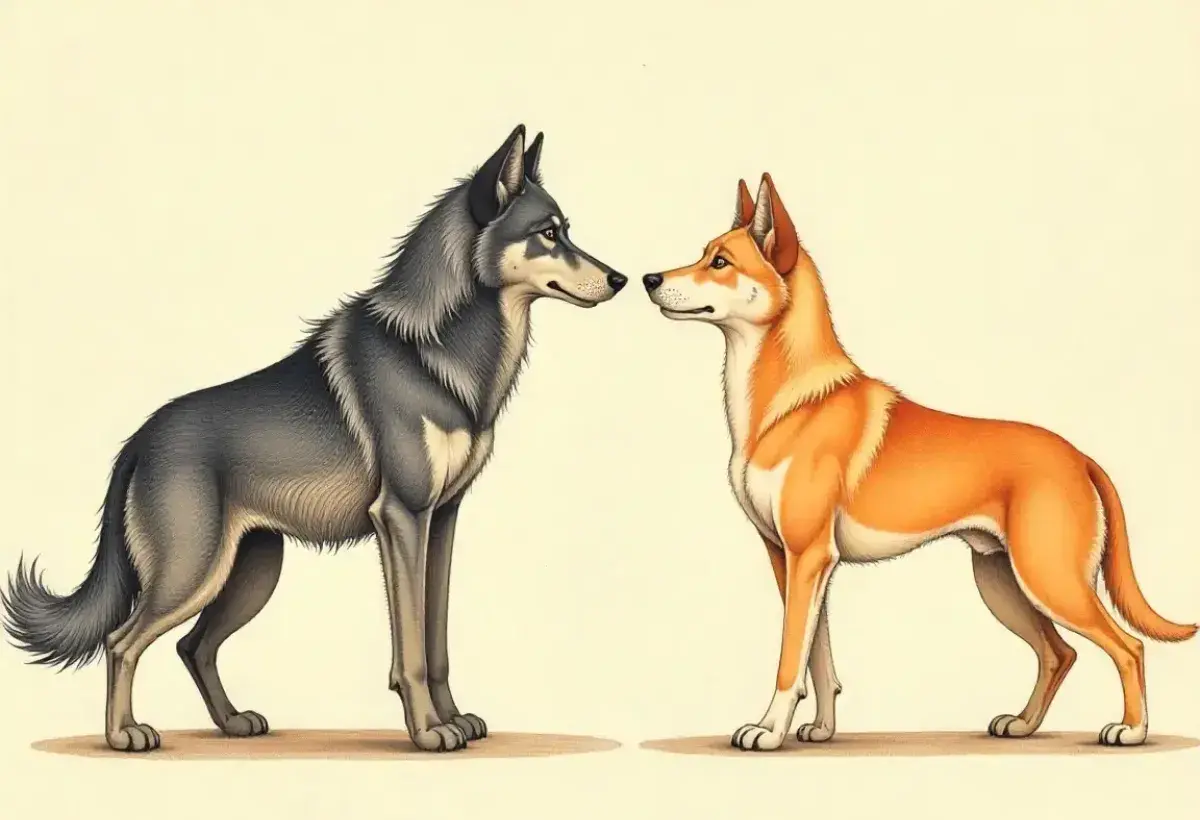
Dogs were the first animals to be domesticated by humans. Archaeological evidence suggests this partnership began more than fifteen thousand years ago. Early humans and wolves formed a mutually beneficial relationship based on cooperation and survival.
Over time, wolves that were less fearful and more social gradually evolved into dogs. These early dogs helped humans hunt, guard camps, and provide warmth. In return, they received food and protection. This long shared history shaped dogs into animals uniquely attuned to human behavior.
Selective breeding further diversified dogs into hundreds of breeds, each suited for specific tasks. Herding, guarding, hunting, and companionship all influenced physical traits and temperaments. Despite these differences, all dogs share common ancestry.
This deep historical bond explains why dogs fit so naturally into human life. They evolved alongside us, adapting to our environments and social structures. Dogs are not just pets. They are partners shaped by time.
Image
6. Each Dog’s Nose Print Is Unique
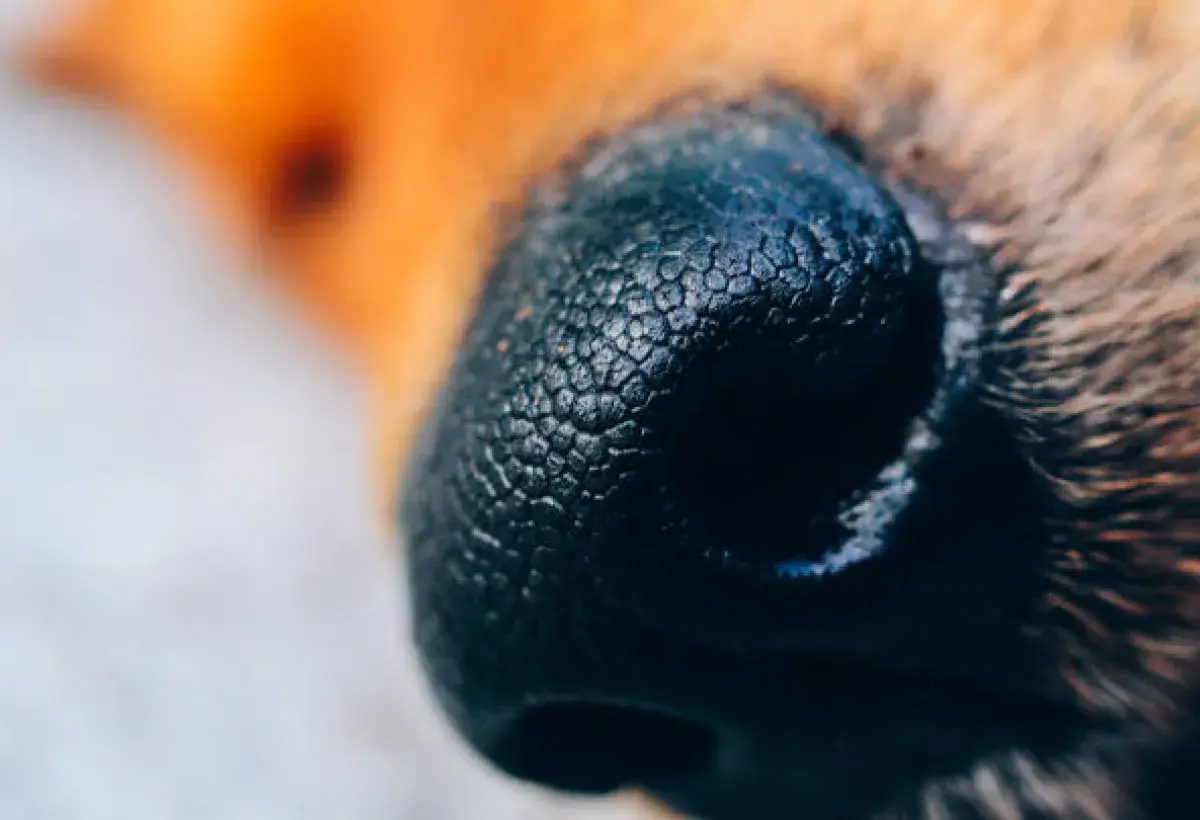
Just like human fingerprints, a dog’s nose print is completely unique. The pattern of ridges and creases on a dog’s nose can be used to identify them with high accuracy. No two dogs share the same nose pattern.
Some organizations have explored using nose prints as a form of identification. This method is non invasive and difficult to alter. While microchips are more common today, nose prints highlight the individuality of each dog.
A dog’s nose is also highly sensitive and constantly changing. Moisture levels can vary throughout the day, helping dogs absorb scent particles more effectively. A healthy nose supports their incredible sense of smell.
This uniqueness is a reminder that every dog is an individual. Even dogs of the same breed and appearance have distinct traits and personalities, reflected right down to their noses.
Image
7. The Basenji Does Not Bark
The Basenji is a unique breed known for its quiet nature. Instead of barking, it produces a sound often described as a yodel. This vocalization is caused by the shape of its larynx, which differs from most other dogs.
Originating in Africa, the Basenji was bred for hunting and relied more on sight and speed than vocal communication. Silence helped it avoid alerting prey during hunts. Today, this trait remains part of the breed’s identity.
While Basenjis do not bark, they are not silent. They communicate through sounds, body language, and expressive facial features. Their intelligence and independence make them fascinating companions.
This unusual trait reminds us of the incredible diversity within the dog world. Each breed carries unique characteristics shaped by history and environment.
Image

8. Dogs Can Sense Natural Disasters
Many dog owners report unusual behavior before earthquakes, storms, or other natural events. Dogs may become restless, anxious, or attempt to hide. Scientists believe this ability is linked to their heightened senses.
Dogs can detect subtle changes in barometric pressure, ground vibrations, and even electromagnetic signals. These changes often occur before humans notice anything unusual. Their sensitivity allows them to react early.
While this ability is not fully understood, it highlights how closely dogs are tuned to their environment. In some cases, early reactions by animals have helped people prepare or seek safety.
Dogs remind us that nature communicates in ways we cannot always perceive. Their instincts often serve as early warning systems rooted in sensory awareness.
Image

9. Greyhounds Can Reach Forty Five Miles Per Hour
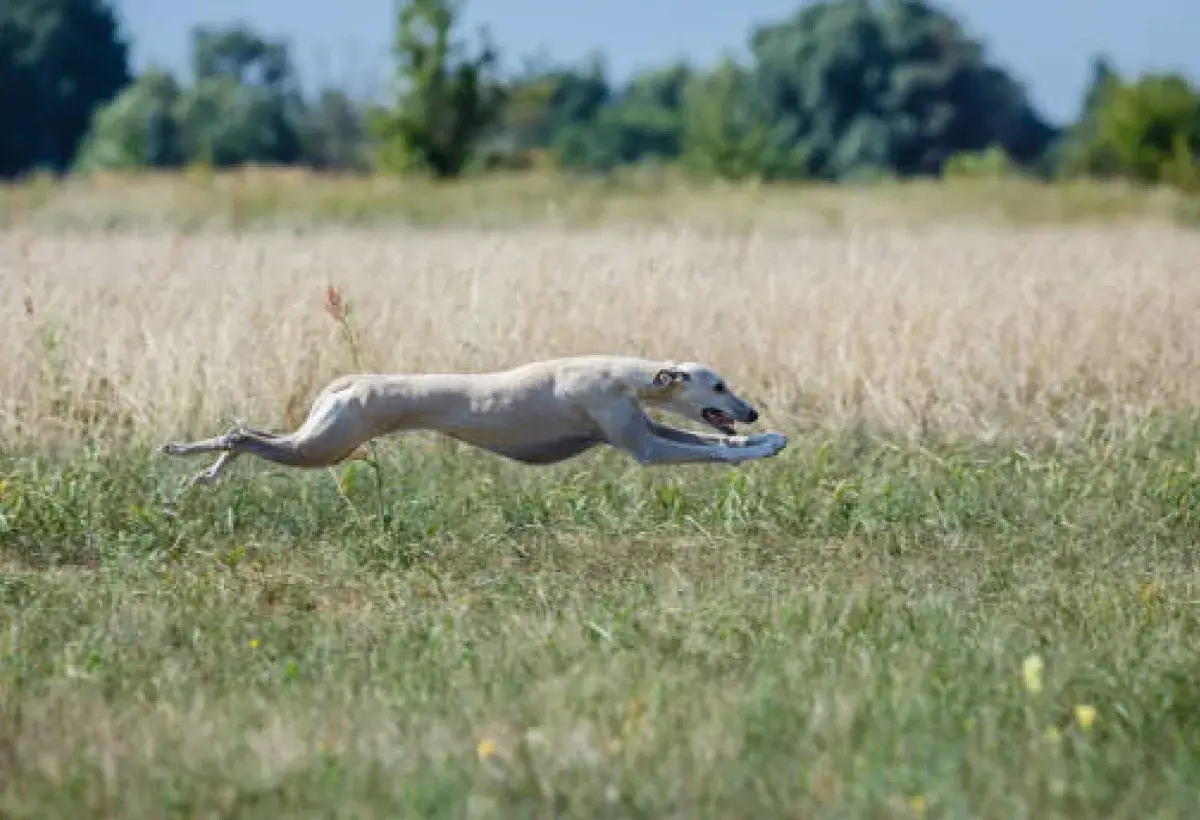
Greyhounds are among the fastest dogs in the world. With powerful muscles and aerodynamic bodies, they can reach speeds of up to forty five miles per hour. This makes them faster than most animals over short distances.
Their flexible spine and long legs allow them to cover great distances with minimal effort. Despite their speed, Greyhounds are often calm and gentle indoors. Many enjoy lounging for most of the day.
Historically bred for hunting and racing, Greyhounds combine athletic ability with a surprisingly relaxed temperament. This contrast makes them unique companions.
Their speed is a reminder of how specialized breeding can enhance natural abilities while still preserving a loving nature.
Image
10. Your Dog Can Actually Love You Back
When you interact with your dog, both of your brains release oxytocin. This hormone is associated with bonding and affection. It strengthens emotional connections and creates feelings of trust and comfort.
Studies show that mutual gazing between dogs and owners increases oxytocin levels in both. This biological response mirrors the bond between parents and children. It explains why spending time with a dog feels emotionally rewarding.
Dogs also show affection through actions. Following you around, leaning against you, and seeking physical contact are signs of attachment. These behaviors reflect genuine emotional bonds, not just learned responses.
Love between dogs and humans is not just symbolic. It is supported by biology, behavior, and shared experience. This connection is one of the most powerful aspects of having a dog.
Image

Dogs enrich our lives in countless ways, often without asking for anything in return. Their intelligence, sensitivity, and loyalty make them extraordinary companions. From their powerful noses to their emotional depth, dogs continue to surprise us with abilities that go far beyond simple companionship.
Understanding these fun facts deepens appreciation for the dogs who share our homes and routines. It reminds us that caring for a dog means respecting their instincts, emotions, and individuality. Every walk, game, and quiet moment strengthens a bond built on trust and shared history.
As science continues to explore canine behavior, one truth remains clear. Dogs are not just animals living alongside humans. They are partners, friends, and family members shaped by thousands of years of connection. Loving a dog means embracing all that makes them wonderfully unique.
Image