


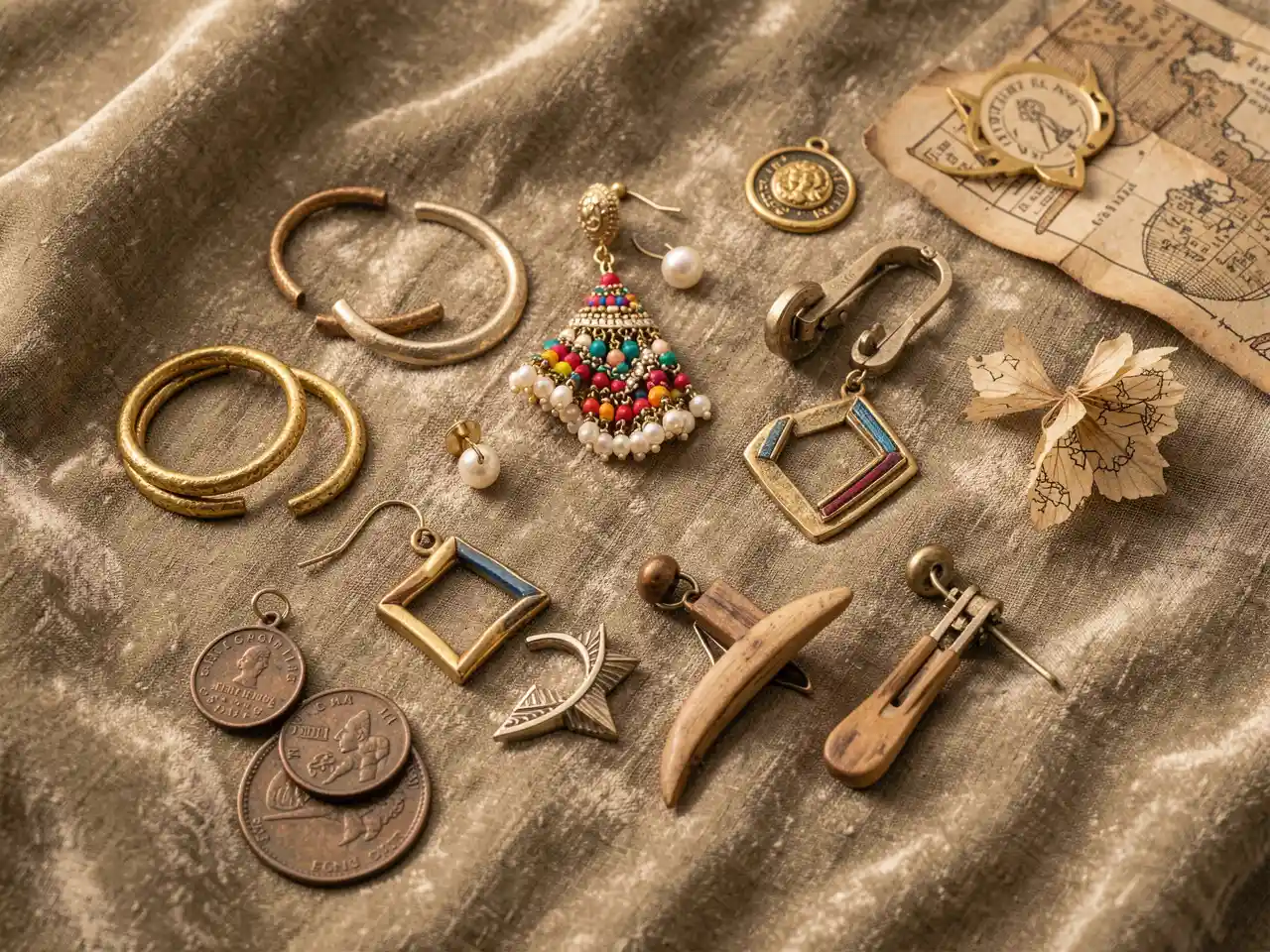
Earrings may seem like tiny ornaments, but they carry a quietly powerful story that stretches across civilizations, continents, and eras. They have accompanied humanity through moments of celebration, rituals of change, declarations of identity, and the never ending search for self expression. When you look closely at a single pair of earrings, you are not just looking at metal and shape. You are gazing at a fragment of human history that reflects everything from spirituality to fashion, from survival traditions to creative innovation. Earrings traveled alongside ancient traders who crossed vast deserts. They adorned queens who sought to express nobility. They decorated warriors who believed in symbols of protection and good fortune. They became tokens of achievement for explorers, sailors, and even pirates who ventured into unpredictable seas. In every epoch, earrings found their place as markers of meaning.
Today they continue to evolve, finding new forms in both luxury ateliers and small craft studios. They adapt to trends yet remain timeless. What makes earrings truly remarkable is how they can be expressive without a single word. A hoop can suggest confidence. A pearl stud can whisper refinement. A bold asymmetrical design can speak of individuality. Even a minimal pair can convey a sense of quiet elegance. Their versatility becomes a living canvas for personality.
The story of earrings is not simply about decoration. It is about identity, creativity, transformation, and the deep human desire to carry beauty and symbolism close to the body. As you explore the ten expanded facts below, you will find a world of history and culture woven into every detail. You will also encounter surprising twists, like the connection between earrings and seafarers, the rise of clip on styles during strict social eras, and the incredible record breaking masterpieces that push the limits of craftsmanship.
1. Earrings Date Back Over 7,000 Years
Image
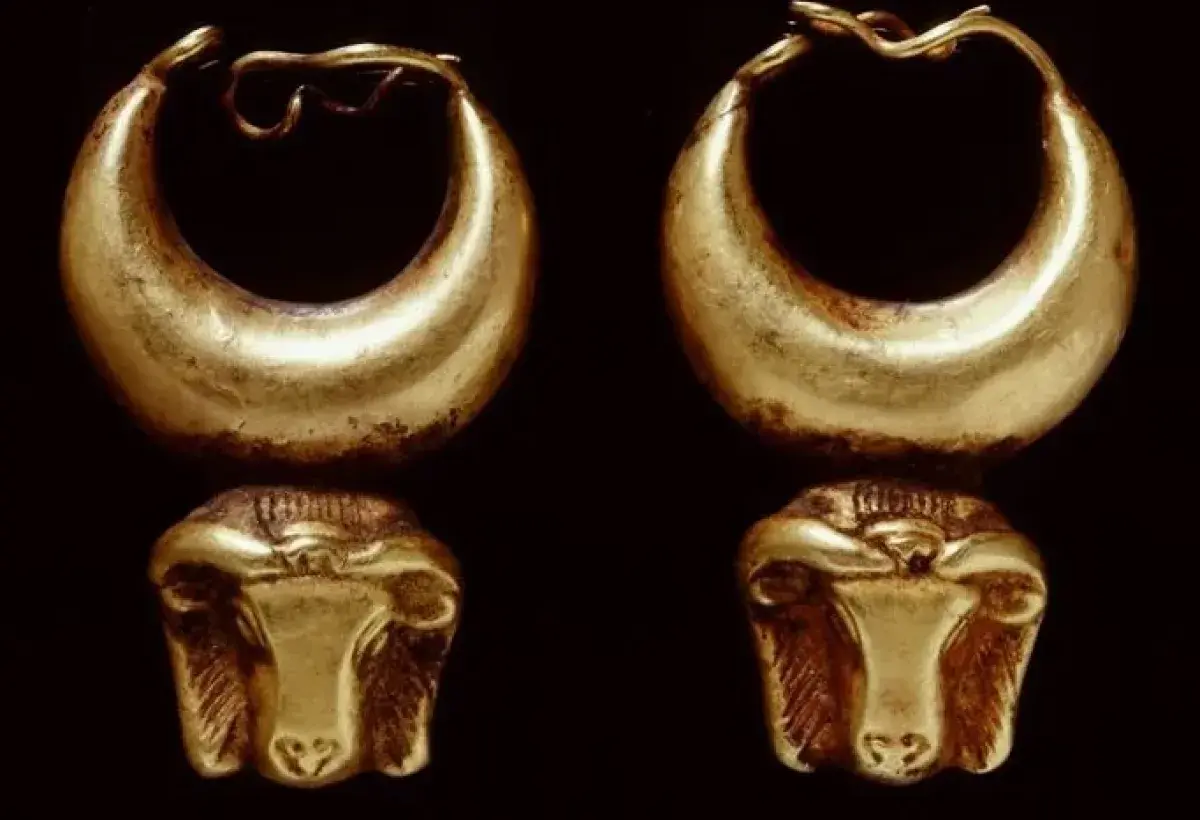
The earliest known earrings appear in archaeological records more than seven thousand years ago, revealing that humans have been adorning their ears long before modern fashion ever existed. Ancient civilizations treated earrings as powerful symbols that extended far beyond beauty. In early Sumerian society, earrings were crafted from precious metals that indicated the wearer’s social level. Archaeologists have uncovered gold hoops in royal tombs, showing that the elite used earrings as visual declarations of rank and wealth. In contrast, common citizens wore copper or simple materials that represented practicality and accessibility.
In ancient Egypt, earrings held both decorative and spiritual roles. Egyptians believed that certain designs could guard the wearer from negative forces by creating a protective barrier at the ears, which were thought to be vulnerable entry points for harmful spirits. This belief made earrings more than ornaments. They became talismans infused with cultural meaning. Royal women often wore elaborate designs featuring gold, turquoise, and lapis lazuli, while priests used earrings during rituals connected to divine communication.
As trade routes expanded across Mesopotamia, earrings began to follow merchants and travelers. Designs shifted from simple circles to intricate shapes that reflected cultural exchange. Some early earrings featured animal motifs or symbolic shapes that represented fertility, courage, or prosperity. Their presence in burial chambers offers a clear sign that earrings were valued companions for the afterlife.
This long history reveals that earrings were never a passing trend. They stood as markers of identity and belief throughout the centuries. When you wear earrings today, you connect to a tradition that began in ancient workshops lit by oil lamps, where early artisans shaped metal into symbols of meaning. The continuity from those first creations to modern versions shows the lasting power of earrings as both historical artifacts and personal expressions.
2. Earrings Were Once Worn Mostly by Men
Image
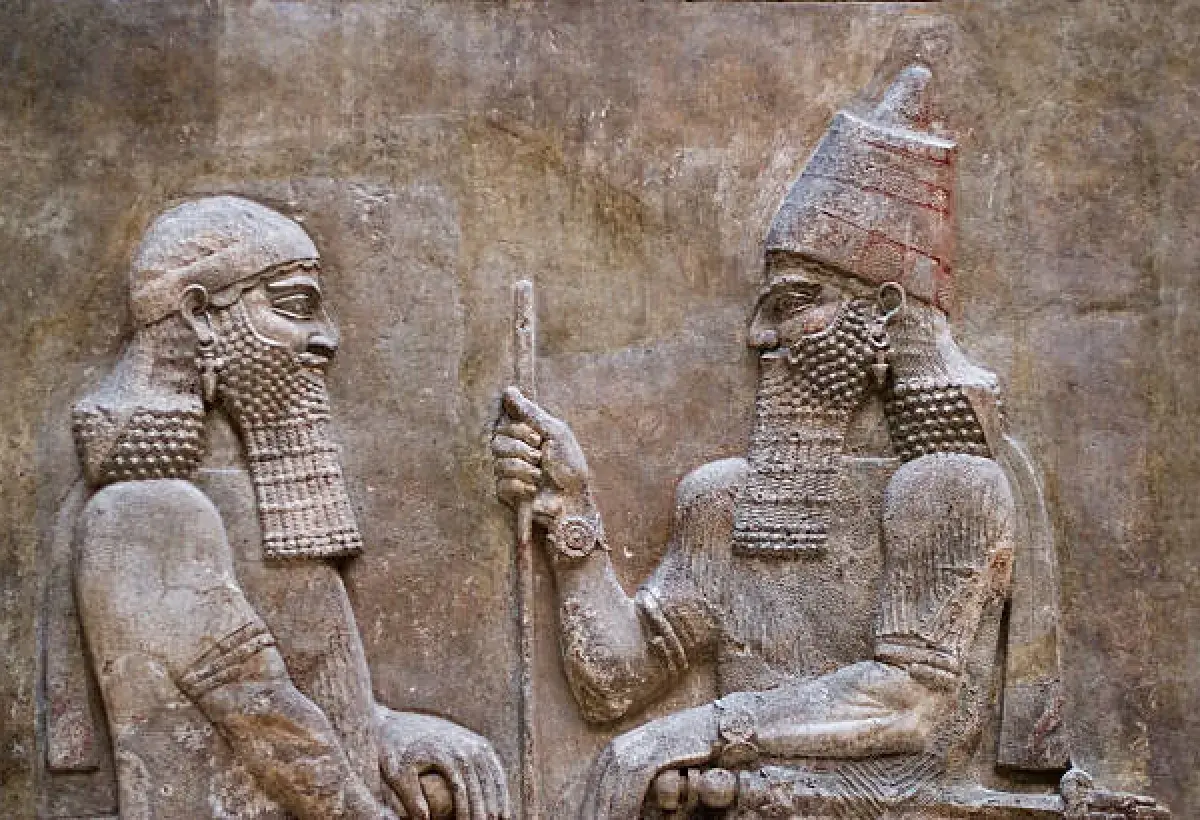
In earlier eras, earrings were far more associated with men than with women. In ancient Persia, they served as bold declarations of rank and courage. Soldiers wore ornate pieces that signified their standing in the military or their achievements on the battlefield. Archaeological findings show that men of high status displayed their position through earrings made from precious metals, while warriors used them as symbols of strength. These earrings acted as wearable records of honor.
Beyond Persia, ancient Greek and Roman men also embraced earrings. In some regions, male earrings indicated family lineage, especially among noble clans. In others, they represented a connection to spiritual beliefs or rites of passage into adulthood. Earrings became markers of personal history and societal identity.
Sailors played an especially vivid role in this tradition. Men who navigated across distant seas often wore earrings to signify extraordinary accomplishments, such as crossing the equator or completing a world voyage. These earrings could also serve more practical purposes. Sailors believed that gold earrings held monetary value that could assist them if tragedy struck far from home, functioning like portable emergency funds that could pay for burial rites or medical treatment.
The symbolic meanings of male earrings varied widely across continents. In ancient China, young boys sometimes wore earrings to protect against evil forces. In African tribes, large earrings worn by men represented maturity or warrior status. The prevalence of earrings among men demonstrates how cultural values shift over centuries. Although earrings later became more commonly associated with women in many societies, the early history shows that men once dominated this form of adornment.
This historical shift in perception reflects changes in fashion, social structure, and cultural symbolism. When viewed within this timeline, modern male earrings appear not as contemporary trends but as returns to an ancient legacy that valued expression, identity, and ritual through ear adornment.
3. Pirates and Earrings Have a Real Connection
Image

The familiar image of pirates wearing gold hoop earrings has roots in genuine maritime history. These earrings were more than stylistic flourishes. They acted as symbols of survival, superstition, and practical planning. Sailors and pirates spent long periods at sea, often facing unpredictable storms, scarcity of resources, and health risks. Many believed that gold earrings possessed protective qualities that could help ward off seasickness or improve eyesight, which was essential for spotting distant land or ships.
Superstitions played a powerful role in seafaring life. Pirates often adopted rituals that connected to luck or divine favor. Wearing a gold earring became a maritime charm intended to safeguard their journeys. Some sailors even inscribed the inside of their earrings with prayers or symbols that represented safe passage. These beliefs turned jewelry into personal relics filled with meaning.
The economic purpose of earrings was equally significant. Gold earrings acted as emergency funds. If a sailor found himself stranded in a foreign port or faced unexpected expenses, he could sell the gold to survive. In some maritime communities, it was customary for sailors to ensure that their gold earrings could pay for burial rites if they died far from home. This tradition allowed their remains to be treated with dignity, even in unfamiliar lands.
Earrings also symbolized achievements. Among pirates, completing a dangerous crossing or surviving a major battle could be marked with a distinctive hoop. These earrings became silent storytellers that described hardship, bravery, and journeys across unpredictable waters.
The connection between pirates and earrings highlights how jewelry can transcend beauty and become tied to survival, meaning, and collective memory. Modern hoop earrings echo a legacy shaped by courage, superstition, and the unpredictable nature of the sea.
4. Earrings Were Used to Show Social Class
Image
Across many cultures, earrings have served as powerful indicators of social hierarchy. In ancient Egypt, class divisions were clearly visible through earring designs. Wealthy individuals adorned themselves with gold, gemstones, and intricate craftsmanship, while people of lower status used copper or clay. Earrings became signals of privilege and social standing that could be recognized instantly.
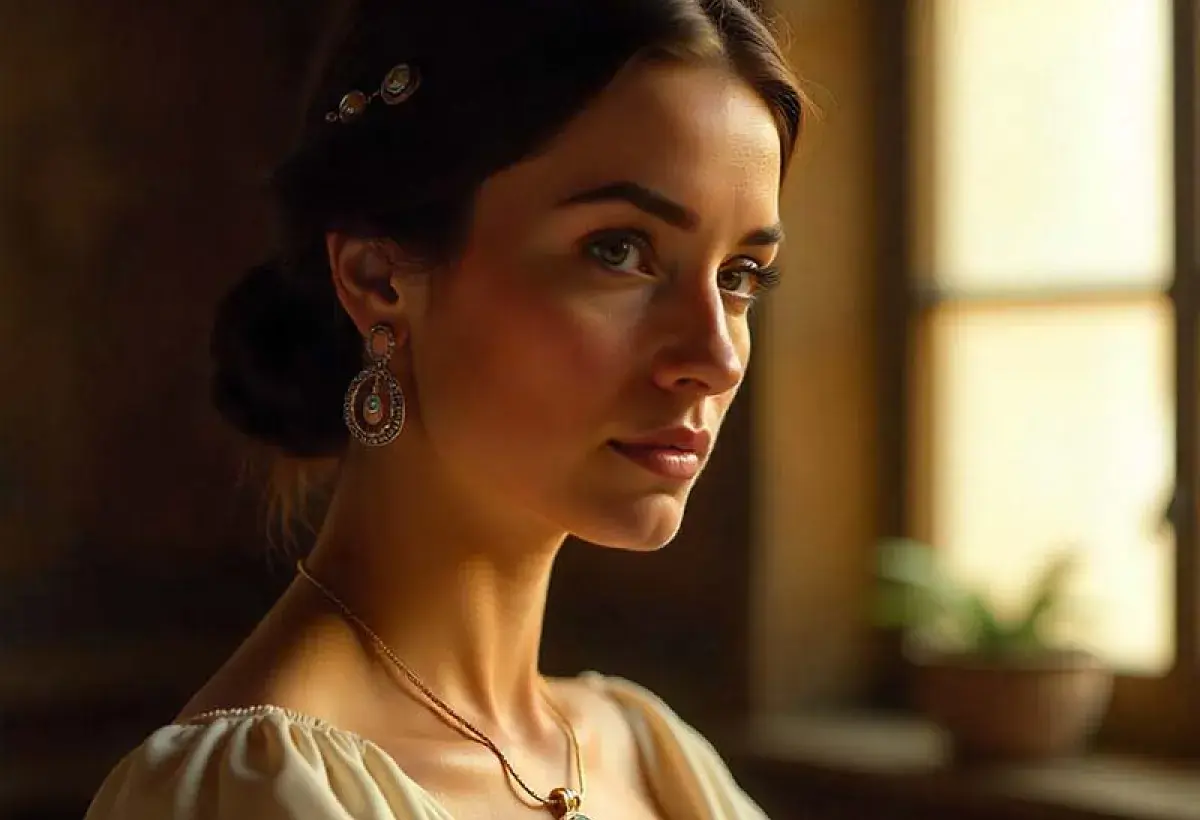
During the Renaissance in Europe, earrings were not simply accessories but status symbols that complemented elaborate hairstyles and clothing. Aristocrats used pearl drops, precious stones, and ornate metalwork to convey refinement and prestige. Portraits from this era frequently show members of nobility wearing earrings that match their luxurious attire. These pieces announced wealth through glittering detail.
In Asia, earrings also played key roles in defining socioeconomic identity. In some regions of India, specific materials or sizes were associated with particular caste levels or family prosperity. Large gold earrings worn by women in certain communities indicated marital wealth or elevated status. In Southeast Asia, traditional earrings often carried cultural codes that revealed lineage or clan affiliation.
These symbolic meanings survive in modern fashion, though in more subtle forms. Designer earrings from luxury brands function as contemporary markers of affluence, while handmade or artisanal earrings communicate values like craftsmanship and individuality.
Throughout history, earrings have functioned as visual language. They expressed rank, heritage, or access to resources. Even in current culture where personal style plays a stronger role, echoes of traditional class symbolism remain woven into the world of jewelry.
5. The World’s Largest Earrings Are Record Breakers
Image

The world of jewelry includes creations that go far beyond everyday wear. One of the most extraordinary examples is the record breaking pair of earrings crafted by Indian designer Sreenivasulu Reddy. Each earring weighs more than two hundred grams, transforming them into impressive showcases of artistic ambition rather than practical accessories. These designs were created to demonstrate craftsmanship, luxury, and monumental attention to detail.
Oversized earrings have been part of ceremonial attire in many cultures. In India, bridal earrings often feature complex layers of gemstones and goldwork that can extend from the ears to the shoulders. These pieces symbolize prosperity and celebration. In various African communities, large ear plates or hoops carry cultural meanings related to identity, maturity, or tribal heritage. The use of size in these earrings is purposeful, signifying status or personal transformation.
In modern runway fashion, oversized earrings often appear as dramatic statements that capture the imagination. Designers use exaggerated proportions to challenge the boundaries of traditional jewelry and to turn accessories into storytelling pieces. Although such creations are rarely worn for daily life, they inspire trends and influence the direction of global fashion.
The existence of record breaking earrings reminds us that jewelry is not only about wearability. It is also about artistic vision, cultural significance, and exploration of scale. These monumental pieces become part of history, demonstrating how far creativity can stretch in the world of adornment.
6. Some Earrings Have Spiritual or Religious Meaning
Image
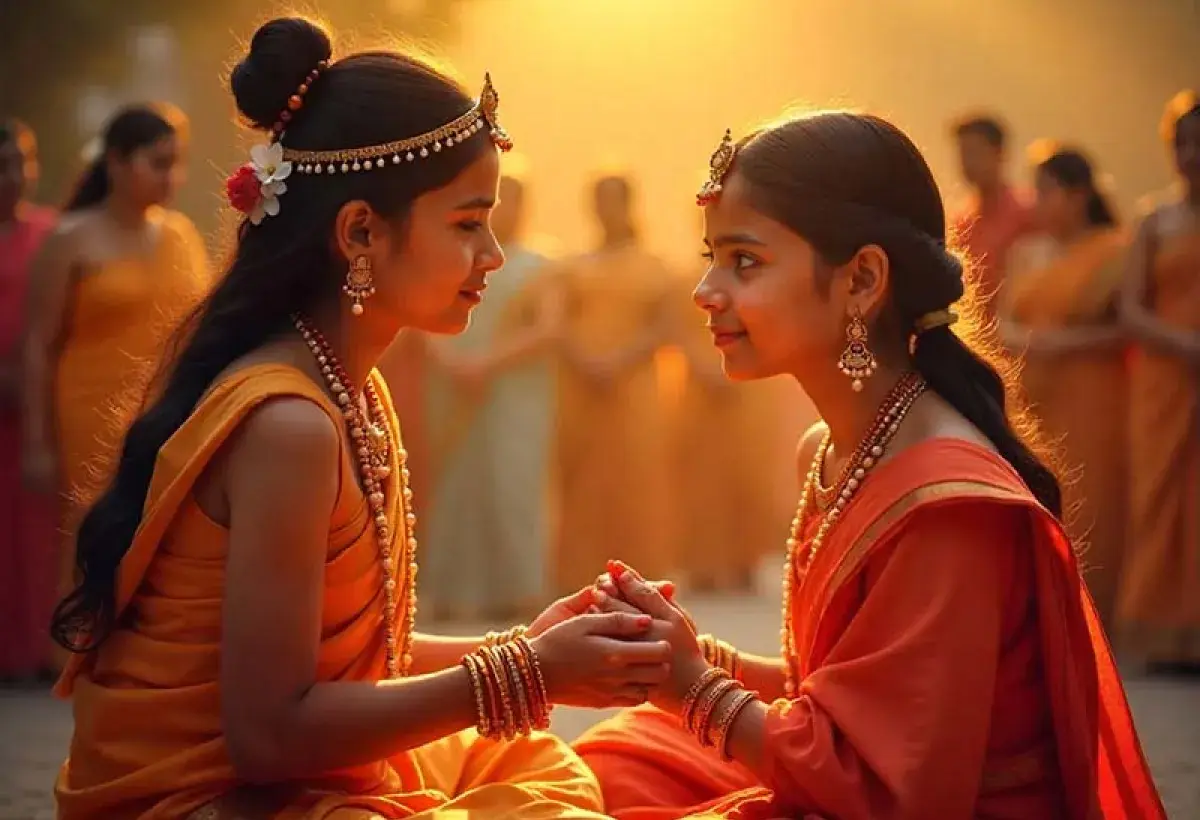
Earrings carry profound spiritual importance in many cultures. In Hindu tradition, the ceremony known as Karnavedha is a sacred rite that marks a meaningful moment in a child’s life. Families gather to witness the piercing of the ears, believing the act opens pathways for divine sound to enter the body. This is not simply a physical gesture. It becomes a moment of spiritual awakening where the individual symbolically receives protection, clarity, and connection to higher guidance.
Across Africa and among various Indigenous groups, earrings and ear stretching serve as rites of passage. They may represent transitions into adulthood, acceptance into certain social circles, or the honoring of ancestral customs. Among some tribes, the size of stretched ears reflects maturity or readiness to take on community responsibilities. The materials chosen for these earrings, whether bone, stone, or wood, often carry symbolic meanings linked to nature and spirituality.
In some Buddhist traditions, depictions of enlightened beings show elongated earlobes that symbolize the release of worldly attachments. While modern followers do not necessarily wear earrings for this purpose, the imagery reflects a long history of connecting ear adornment with spiritual journeys. Even monks in earlier periods wore earrings as reminders of the need to transcend material desires.
These traditions show how earrings can act as bridges between the physical and the spiritual. They are not only visual expressions but also carriers of beliefs, values, and sacred symbolism. Whether used in ceremonies, rituals, or rites of passage, earrings hold layered meanings that extend far beyond their aesthetic appeal. Modern wearers may not always be aware of these deeper roots, yet every earring carries echoes of cultures that viewed the ear as a doorway to wisdom and protection.
7. Clip On Earrings Saved Fashion in the Twentieth Century
Image
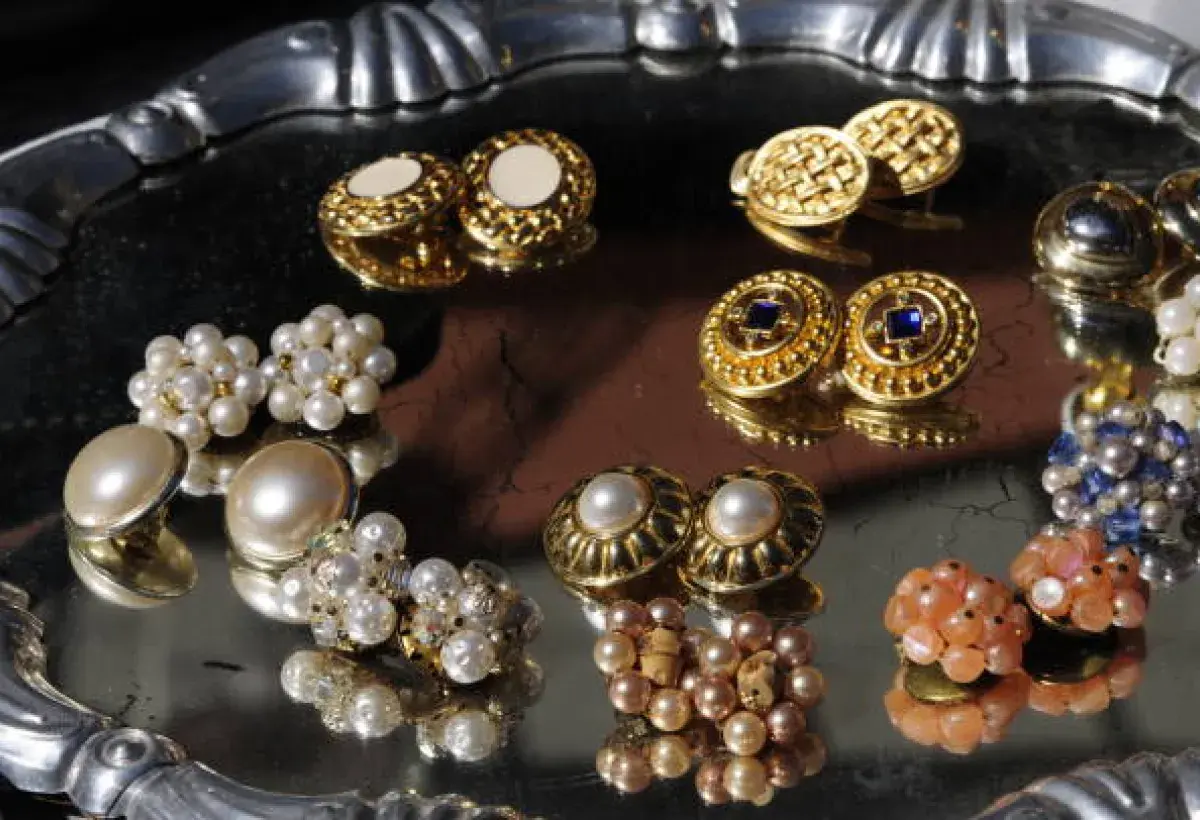
At the start of the twentieth century, ear piercing fell out of favor in Western society. Some viewed it as improper or unsophisticated, especially in social circles where expectations for refinement shaped every part of appearance. As a result, many women avoided pierced ears. Fashion, however, continued to evolve, and earrings remained essential accessories for completing an elegant look. This cultural moment created the perfect environment for clip on earrings to rise in popularity.
Clip ons became the clever solution that allowed people to enjoy the beauty of earrings without undergoing piercing. Designers embraced the challenge with creativity. They produced clip on earrings in diverse styles that matched the fashion trends of the time. Large pearl clusters, floral motifs, gemstone accents, and geometric shapes began filling jewelry counters. These pieces offered flexibility and comfort for those who preferred not to commit to a piercing.
Hollywood stars further boosted the popularity of clip on earrings. Actresses wore glamorous designs during film premieres, interviews, and photo shoots. Clips became synonymous with sophistication and prestige, inspiring everyday women to follow the trend. The rise of costume jewelry also contributed, as affordable clip ons offered fashionable options accessible to a wider audience.
Although pierced earrings regained popularity by the late twentieth century, clip ons remain cherished for their practicality. They appeal to individuals with sensitive ears or those who want versatility without permanent modification. Vintage collectors seek them for their craftsmanship and nostalgic charm. Fashion historians also study clip ons as reflections of an era shaped by shifting social expectations and the resourceful creativity of jewelers.
Clip on earrings demonstrate how fashion adapts to cultural change. They transformed a limitation into an opportunity, proving that style always finds a way to evolve.
8. Earrings Can Be Made from Almost Anything
Image
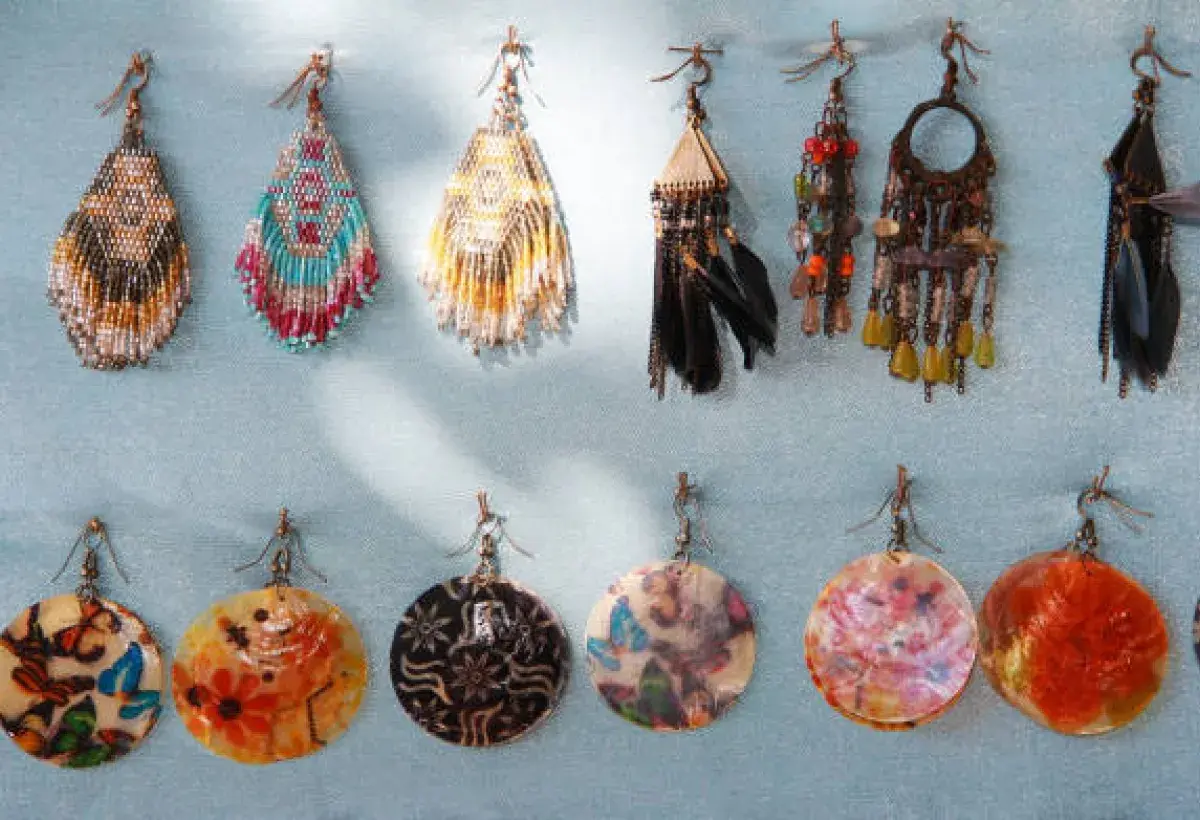
Earrings have proven to be among the most versatile forms of artistic expression. While traditional materials such as gold, silver, and gemstones remain popular, artisans across cultures have always experimented with a wide range of resources. In ancient times, craftsmen used bone, shell, clay, and stone not only for availability but also for symbolic significance. These materials were believed to carry spiritual or natural energy that enhanced the meaning of the jewelry.
Indigenous communities often selected materials based on their connection to the land. Feathers represented freedom or connection to the sky. Wood symbolized life and renewal. Seeds and beads carried stories of heritage and natural abundance. These earrings served as expressions of identity and respect for the environment.
Modern designers continue this spirit of experimentation. Contemporary fashion brands craft earrings from acrylic, resin, recycled plastics, and even repurposed metal parts. Some artistic creators assemble earrings from miniature toys, glass fragments, or upcycled household items. These inventive approaches reflect a playful and imaginative energy that challenges conventional ideas of jewelry.
Sustainable fashion movements have elevated this exploration even further. Eco friendly artisans create earrings from reclaimed wood, ocean plastic, and other materials rescued from waste streams. Each piece becomes a small act of environmental awareness that transforms discarded items into meaningful accessories.
This wide range of materials reveals that earrings function as creative canvases. They evolve through experimentation and innovation, allowing wearers to choose designs that match personality, values, or mood. Whether made from precious gems or unexpected everyday objects, earrings demonstrate that beauty can emerge from any material shaped with imagination and intention.
9. Different Cultures Have Unique Earring Styles
Image
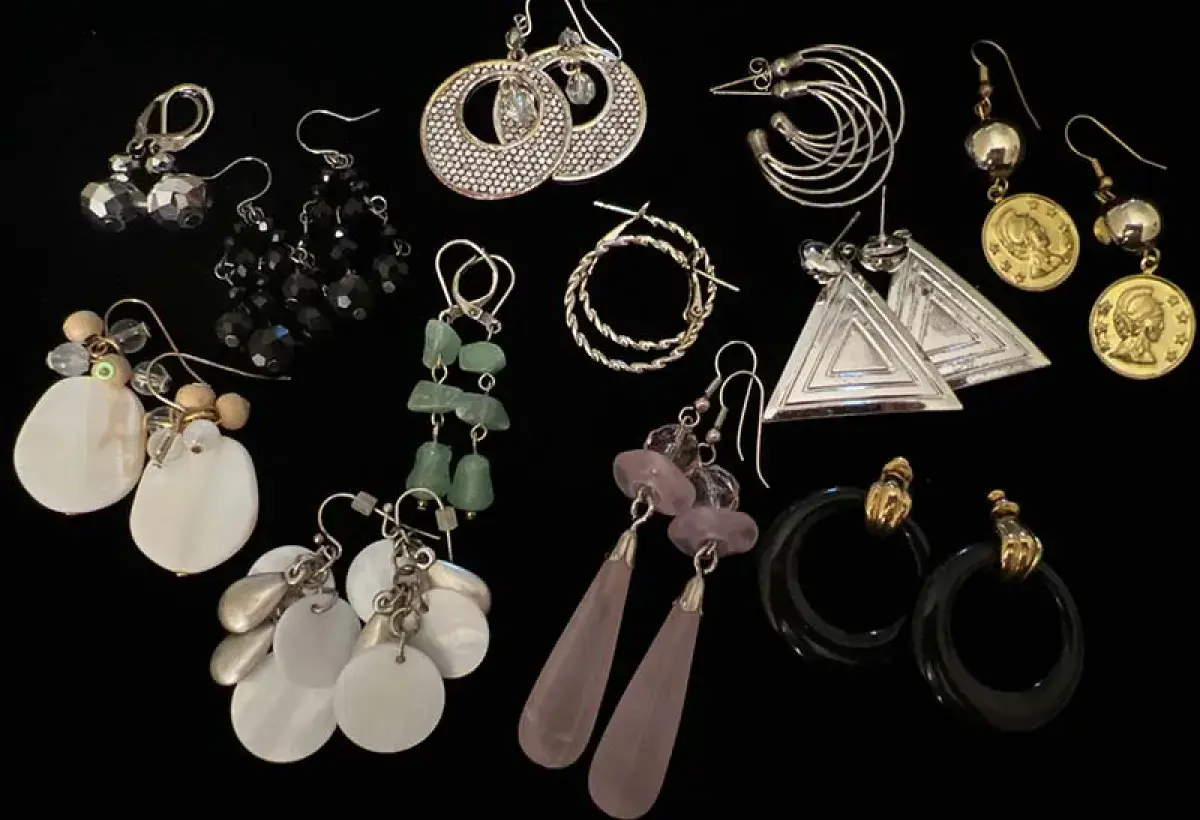
Earring styles reflect the extraordinary diversity of global culture. Each region of the world contributes unique designs shaped by history, environment, beliefs, and artistic traditions. In India, for example, the iconic jhumka holds a treasured place in bridal fashion. Its bell like shape and intricate craftsmanship represent joy, prosperity, and celebration. Gold jhumkas adorned with pearls or gemstones create a rhythmic movement that enhances traditional attire.
Africa offers an entirely different palette of styles. Large hoops, ear plates, and elongated earrings mark identity and carry messages about tribal membership, age, or accomplishments. The materials, whether metal, wood, or bone, often reflect local customs or spiritual symbolism. These earrings are more than adornments. They are carriers of heritage.
Japan’s approach to earrings leans toward subtlety. Pearl studs and delicate minimal designs complement the cultural appreciation for refinement and simplicity. These earrings add gentle elegance that aligns with the traditional aesthetic of harmony and balance.
Latin American cultures embrace bold designs such as vibrant gold hoops or colorful handcrafted earrings. These pieces often draw inspiration from natural landscapes, festivals, and ancestral art. They pulse with energy and personality, turning earrings into powerful expressions of cultural pride.
Even within a single nation, regional differences appear. Local traditions influence shapes, materials, and symbolism. This diversity reflects how earrings can embody identity in countless ways. They capture the essence of communities and express values that have been passed down through generations.
10. Earrings Are a Billion Dollar Industry
Image

Earrings hold a vast presence in the global jewelry market. They appeal to every style preference, providing endless possibilities for personal expression. The industry includes affordable fashion pieces, handcrafted artisanal designs, and luxury creations studded with diamonds and rare gemstones. This wide range allows earrings to reach every corner of the market.
The rise of social media has amplified their influence even further. Styles can become global sensations overnight when influencers or celebrities introduce new looks. Trend cycles accelerate through platforms where millions of viewers seek inspiration. Hoop earrings, mismatched pairs, pearl reinventions, and bold geometric shapes have all gained momentum through viral visibility.
Seasonal collections also drive continuous interest. Designers release new lines that reflect cultural trends, color palettes, and shifting tastes. Earrings are especially well suited for rapid trend cycles because they are easy to produce, easy to wear, and easy to match with various outfits. Their versatility keeps them relevant year after year.
Handcrafted earrings contribute to the flourishing independent market. Small artists create unique pieces that appeal to buyers who value originality. Meanwhile, luxury brands continue to define high end standards with precious stones and meticulous artistry.
The billion dollar industry thrives because earrings offer something for everyone. They bridge affordability and luxury, tradition and modernity, minimalism and extravagance. Their universal appeal ensures that earrings will continue shaping fashion, culture, and commerce far into the future.
Earrings remain one of the most expressive and enduring forms of personal adornment. They have traveled across eras and cultures, carrying stories of royalty, warriors, spiritual traditions, and artistic innovation. Each pair represents more than visual appeal. It carries echoes of ancient rituals, memories of craftsmanship, and symbols of identity. From the earliest civilizations that believed earrings offered spiritual protection to the modern world where fashion evolves at lightning speed, the significance of earrings continues to grow.
Their versatility invites endless creativity. Whether crafted from precious metals or imaginative recycled materials, earrings adapt to personal style and cultural meaning. They become anchors for sentimental memories, tokens of major life events, or simple companions that add confidence to everyday moments. The global industry that surrounds earrings reflects their universal charm, offering pieces for every taste, lifestyle, and expression.
As you look at earrings in your own collection, each piece becomes a small gateway into the larger world of human history and creativity. They remind us that beauty often lives in the details and that even the smallest accessories can carry emotional depth and cultural heritage. Earrings endure because they resonate with the timeless desire to express individuality while also connecting to shared traditions. Their journey continues with every new design and every person who chooses to wear them.