

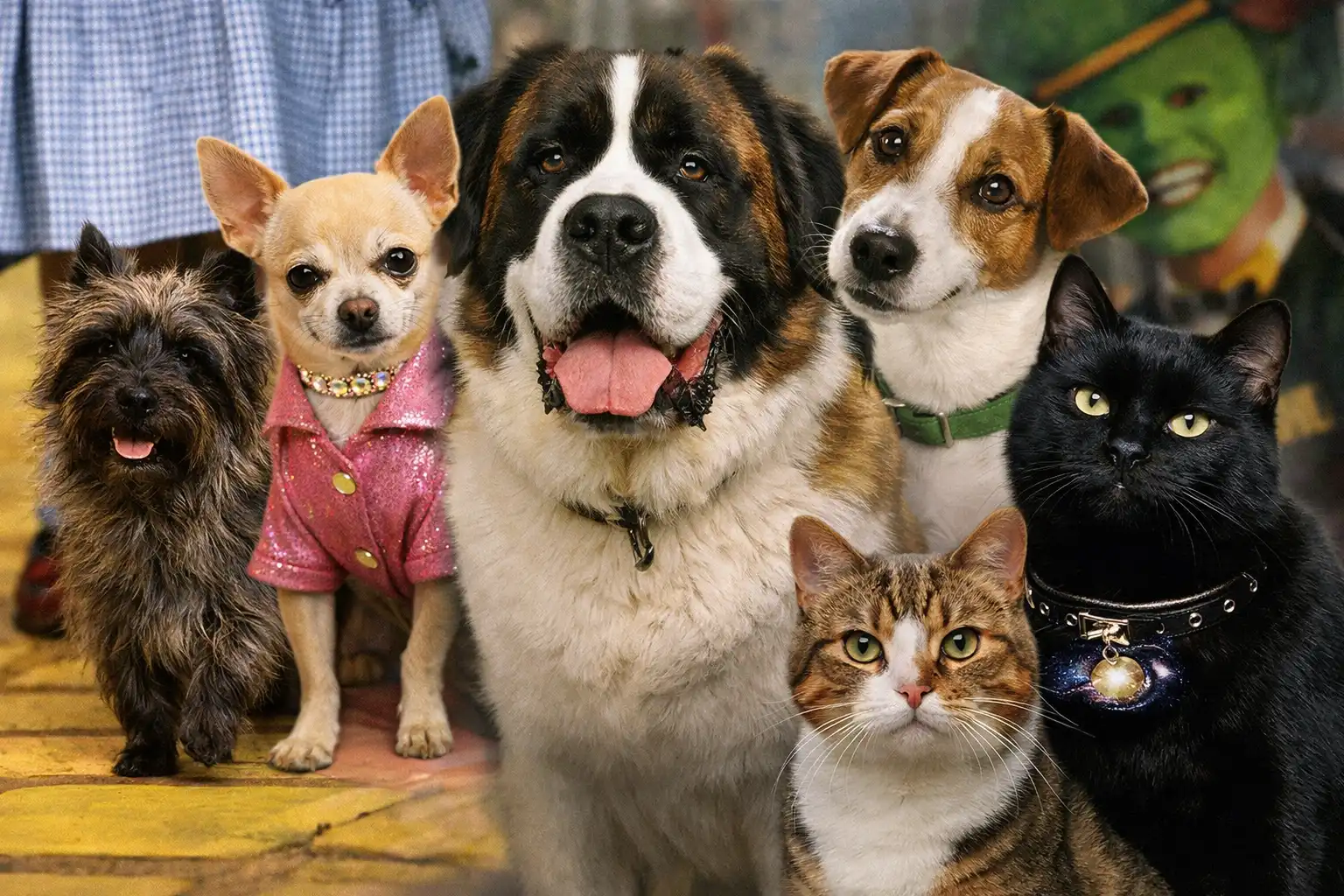
Cats and dogs are not just beloved companions in our homes. They have also captured hearts on the silver screen for generations. From black and white classics to modern blockbusters, these furry performers have delivered unforgettable moments that often rival their human co stars. Whether it is a brave rescue, a perfectly timed comedic reaction, or a touching display of loyalty, animal actors bring a unique magic to film that is difficult to replicate.
Hollywood has long understood the emotional power of animals in storytelling. A single look from a devoted dog or a mischievous flick of a cat’s tail can add depth, warmth, and authenticity to a scene. Audiences form strong bonds with these characters, sometimes remembering the animal star even more vividly than the lead actor. In many cases, these pets became cultural icons, inspiring merchandise, spin offs, and lifelong fan admiration.
Behind every famous on screen cat or dog is a team of trainers, handlers, and filmmakers who ensure their safety and well being. Many of these animal stars had fascinating lives beyond the camera, including impressive salaries, luxury accommodations, and even rescue stories that make their success even more heartwarming. Their journeys from ordinary pets to international fame reveal how talent, training, and a bit of luck can create movie history.
In this fun and uplifting collection, we explore ten surprising facts about some of Hollywood’s most beloved furry stars. These stories will make you smile, appreciate animal actors even more, and perhaps inspire you to rewatch a favorite film with fresh admiration for the four legged performers who helped make it special.
1. Toto Was Paid More Than the Munchkins
Image
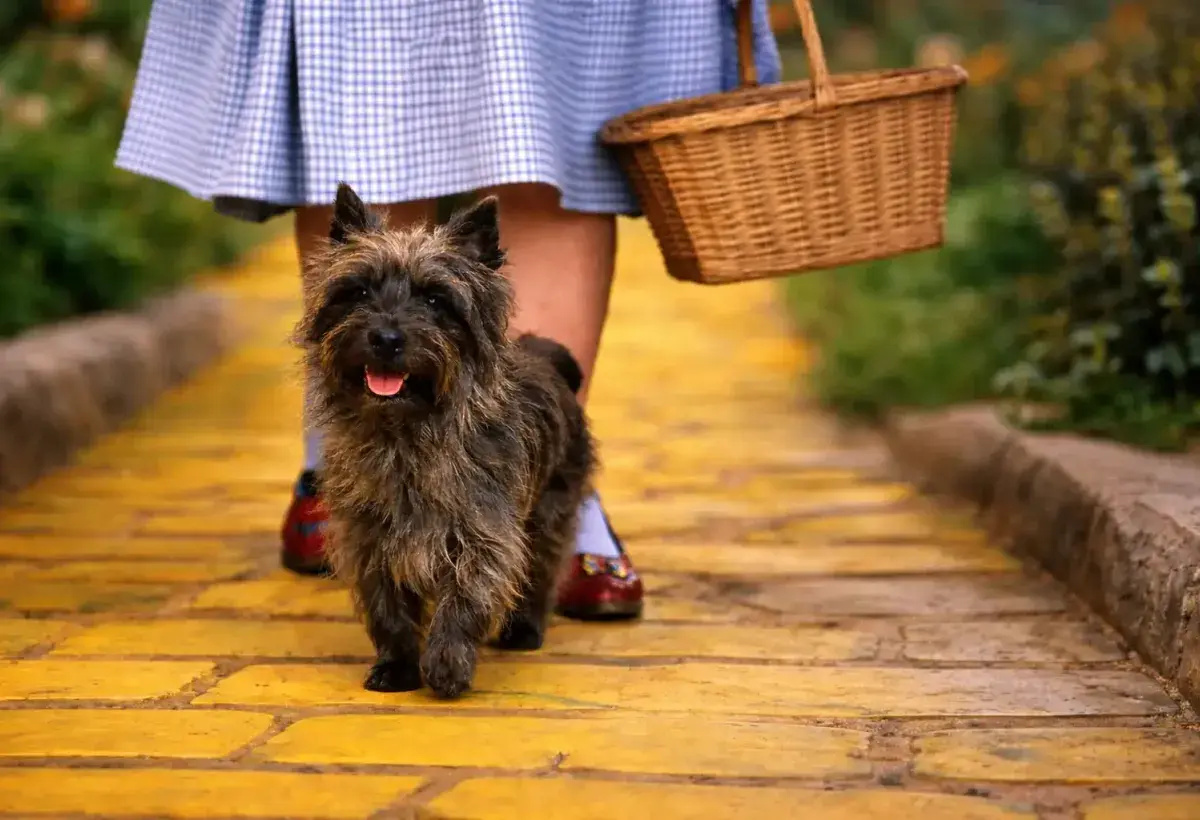
When audiences think of The Wizard of Oz, they often picture Dorothy skipping down the Yellow Brick Road with her loyal dog Toto at her side. What many people do not realize is that Toto, whose real name was Terry, was one of the better paid performers on set. Reports indicate that Terry earned around 125 dollars per week during filming, which was more than what many of the actors playing Munchkins received.
At the time, the pay scale in Hollywood varied widely, and supporting actors often earned modest wages. The fact that a small Cairn Terrier earned more than several human cast members highlights just how valuable trained animal actors were even in the early days of cinema. Terry was already an experienced film dog before landing the role of Toto, having appeared in several other movies throughout the 1930s.
Her professionalism on set made a strong impression. Trainers worked closely with her to ensure she could respond to cues reliably and safely, especially during complex scenes involving special effects. Considering that filmmaking technology in 1939 was far less advanced than today, Terry’s performance required patience and skill from everyone involved.
Terry’s portrayal of Toto helped cement the character as one of the most iconic dogs in film history. Even decades later, Toto remains a symbol of loyalty and companionship. The story of her impressive paycheck serves as a charming reminder that talent comes in all shapes and sizes, including four legged ones.
2. Garfield’s Buddy Odie Was Not a Beagle in the Comics
Image
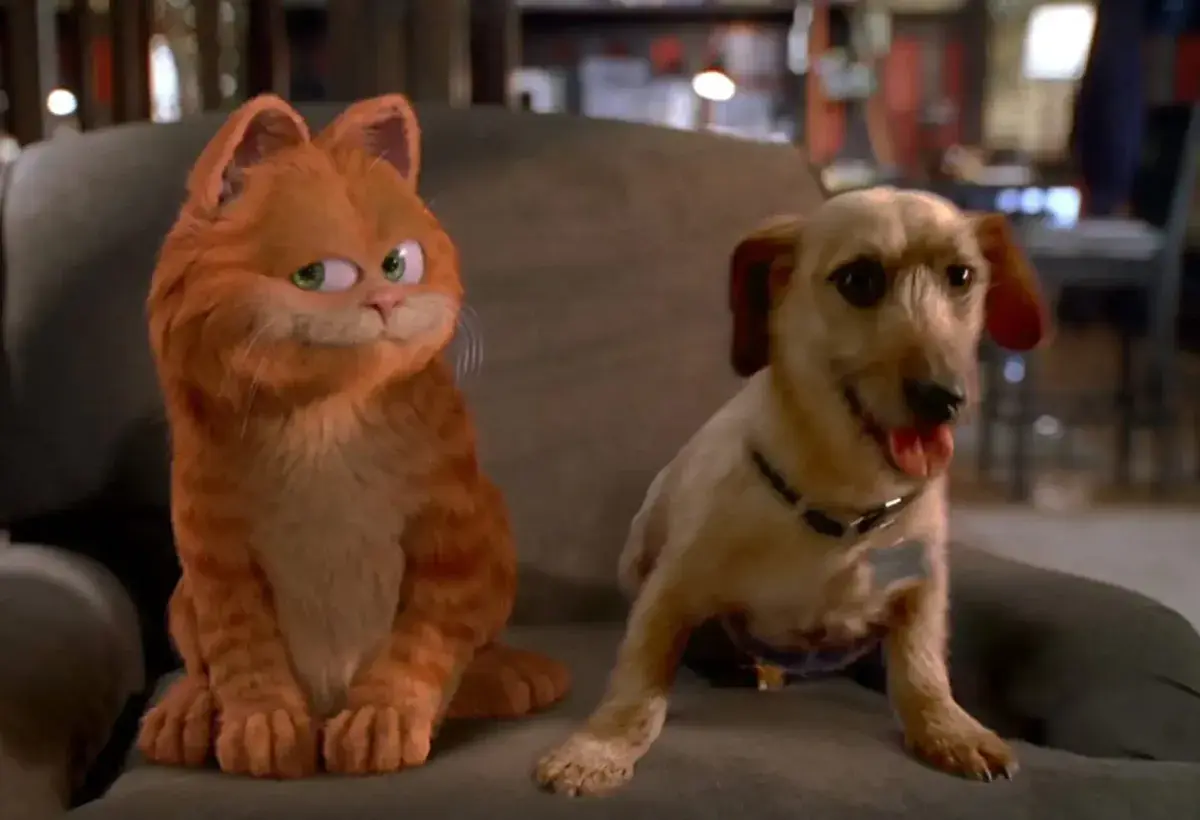
Fans of the orange lasagna loving cat from Garfield know Odie as the cheerful and slightly goofy canine companion. In the original comic strip created by Jim Davis, Odie’s specific breed was never officially identified. He was simply drawn as a happy yellow dog with long ears and a big tongue.
However, when Garfield transitioned from comic pages to live action and computer generated films, filmmakers needed a real dog to bring Odie to life. In the 2004 movie adaptation, Odie was portrayed by a dachshund and terrier mix. This choice gave the character a distinct physical presence that translated well on screen while maintaining the playful energy fans expected.
Adapting comic characters into live action often requires creative decisions. A dog that looks expressive and can perform tricks reliably is essential for filming. Trainers carefully selected animals that could handle the demands of a busy movie set, including lights, cameras, and multiple takes.
The transformation of Odie from a loosely defined comic drawing into a specific breed for film illustrates how storytelling evolves across different media. While comic readers may have imagined Odie differently, the movie version offered a new interpretation that introduced the character to an even broader audience. It is a fun reminder that beloved characters can take on fresh forms while still keeping their original spirit intact.
3. Bruiser Woods Had His Own Trailer
Image
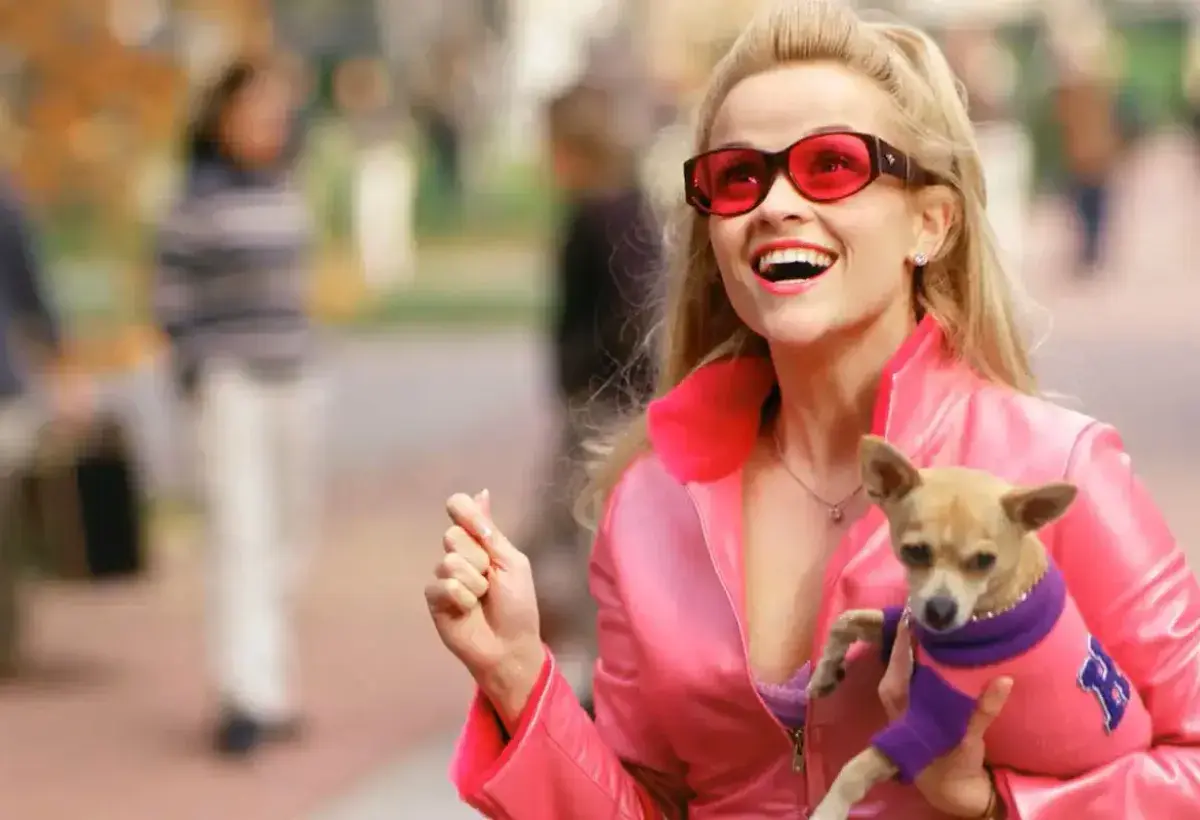
In the hit comedy Legally Blonde, Bruiser Woods became an instant fan favorite. The tiny Chihuahua, owned by Elle Woods and portrayed by actor Reese Witherspoon, was played by a dog named Moonie. Despite his small size, Moonie enjoyed big star treatment during filming.
Reports from the set reveal that Bruiser had his own trailer, a privilege often reserved for major human cast members. This dedicated space allowed the dog to rest comfortably between scenes and stay calm in a busy production environment. Animal welfare on film sets is taken seriously, and providing a quiet and secure area helps ensure the performer remains relaxed and healthy.
Bruiser also had a custom wardrobe designed to match Elle’s fashionable outfits. From pink accessories to coordinated looks, the tiny dog became a style icon in his own right. His on screen chemistry with Reese Witherspoon added warmth and charm to the film, reinforcing the character’s personality and lifestyle.
The attention given to Bruiser reflects how important animal characters can be in storytelling. He was not just a prop but a meaningful part of Elle’s journey. By treating the dog like a true star, the production acknowledged his role in shaping some of the movie’s most memorable moments.
4. Uggie from The Artist Was a Rescue Dog
Image
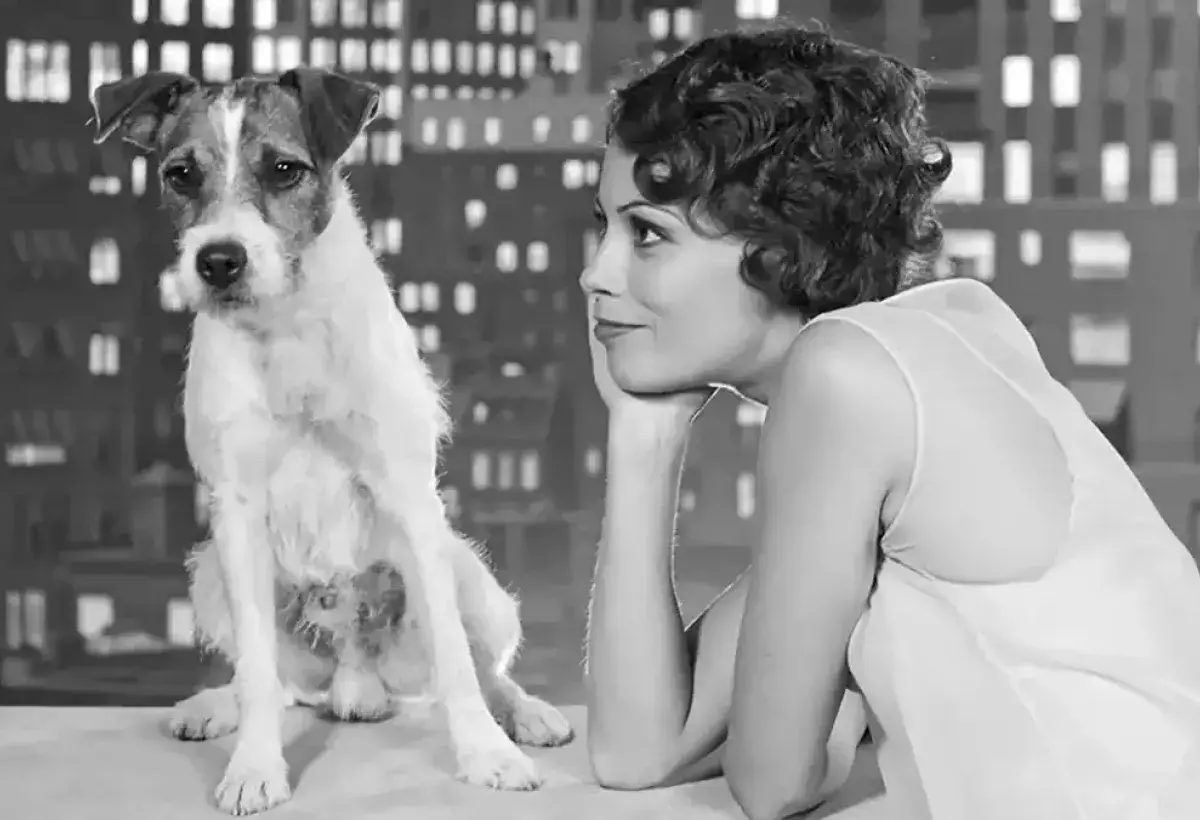
The charming silent film homage The Artist introduced audiences to Uggie, a talented Jack Russell Terrier who nearly stole the spotlight from his human co stars. What makes his story even more touching is that Uggie was once at risk of being surrendered to a shelter before his talent was recognized.
Jack Russell Terriers are known for their high energy and intelligence, which can be challenging for inexperienced owners. Fortunately, Uggie found his way to a trainer who understood his potential. Through consistent guidance and positive reinforcement, he developed the skills needed for film work.
In The Artist, Uggie performed a variety of impressive tricks and emotional cues that added depth to the story. His expressive reactions and loyalty to the main character resonated strongly with viewers. He quickly became a media sensation, attending award ceremonies and gaining fans around the world.
Uggie’s journey from uncertainty to international fame highlights the transformative power of rescue and training. His success story encourages people to look beyond first impressions and recognize the hidden potential in animals who simply need the right environment to thrive.
5. The Cat in Men in Black Had a Stunt Double
Image
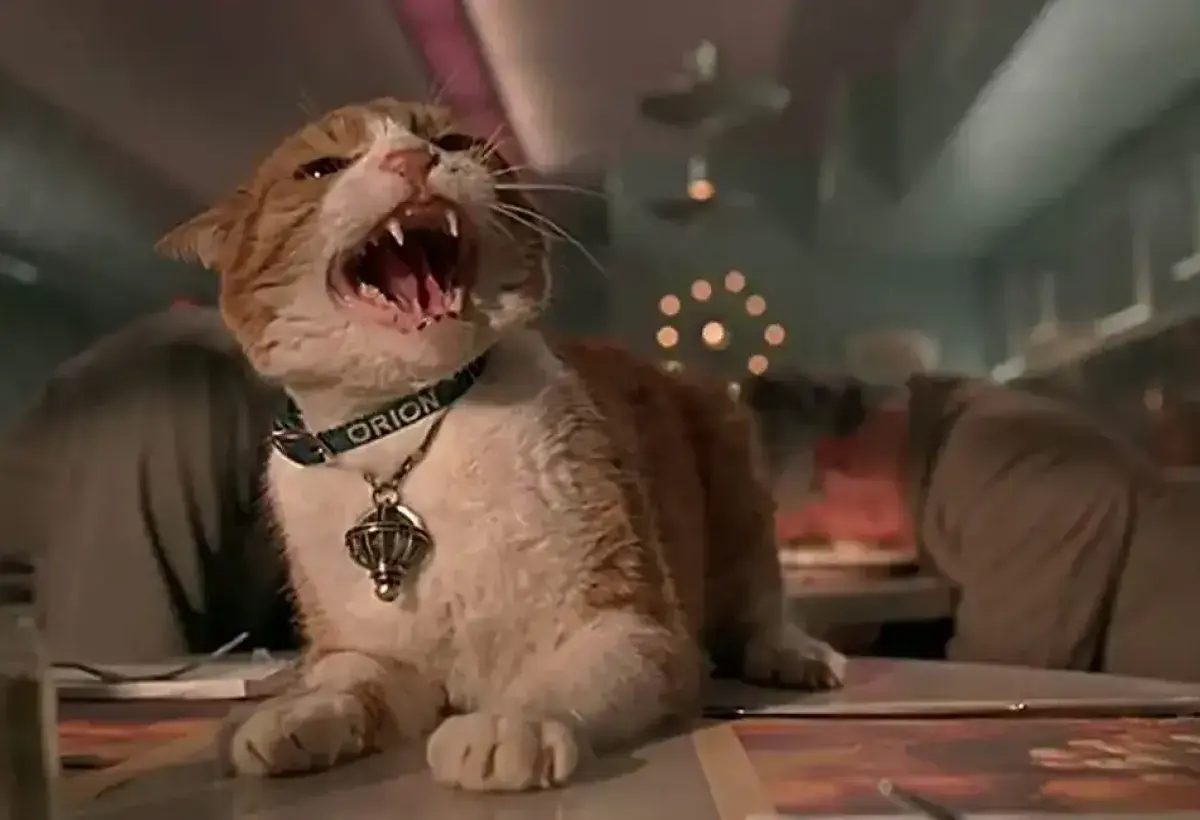
In Men in Black, the mysterious cat named Orion played a small but unforgettable role. Wearing a collar that secretly contained an entire galaxy, Orion became one of the movie’s clever visual surprises. While it may seem like a simple part, filming with animals often requires additional planning.
Orion was portrayed by more than one cat to ensure scenes were completed safely and effectively. For more complicated shots or situations that required specific movements, a trained backup cat was used. This practice is common in the film industry. Multiple animals that look alike allow filmmakers to capture different angles and actions without overworking a single performer.
Cats can be less predictable than dogs, so having a stunt double increases flexibility during production. Trainers rely on patience, repetition, and rewards to encourage desired behaviors. Even small movements must be carefully rehearsed.
The use of a backup cat for Orion demonstrates the level of preparation involved in creating seamless on screen magic. What appears effortless to viewers is often the result of thoughtful coordination behind the scenes. It is another example of how animal actors contribute significantly to some of cinema’s most imaginative stories.
6. Milo from The Mask Nearly Stole the Movie
Image
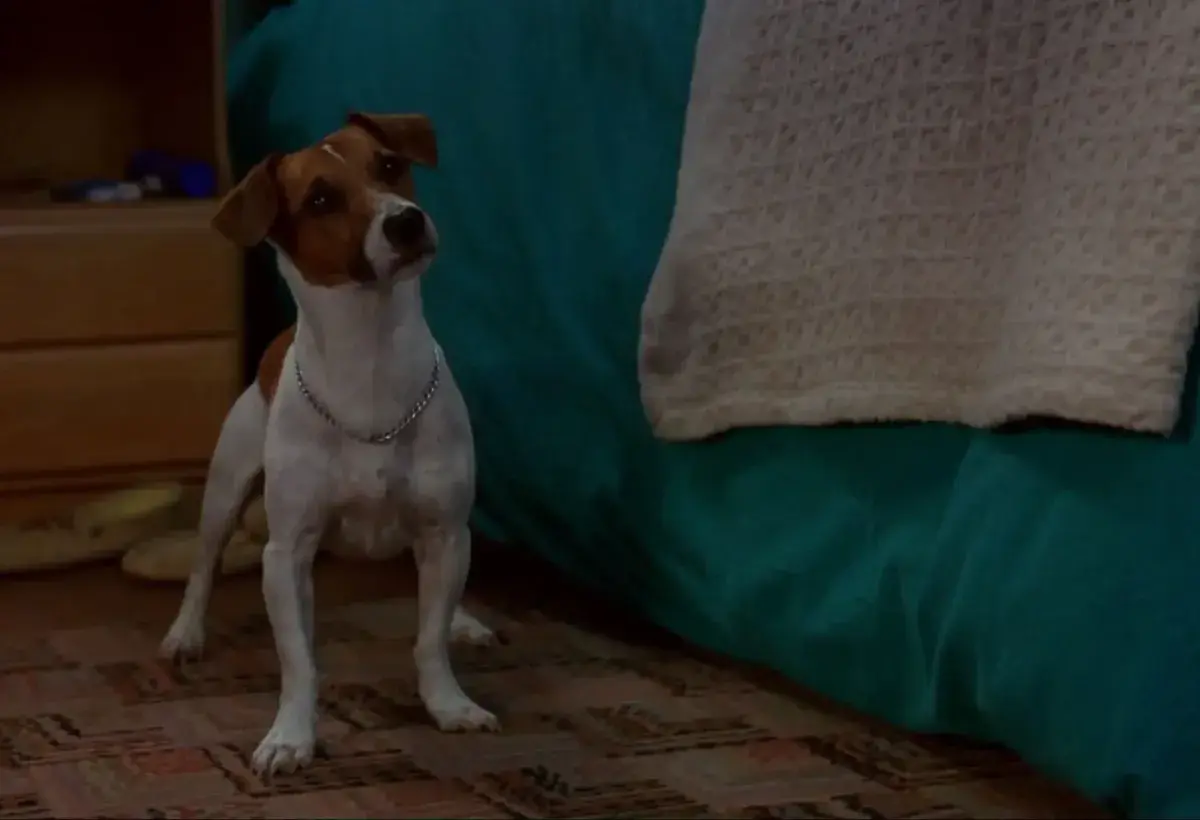
In the energetic comedy The Mask, Jim Carrey’s wild performance was matched by an equally captivating co star named Milo. Played by a Jack Russell Terrier named Max, Milo delivered scenes that were both hilarious and heartwarming. His quick reactions and well timed tricks impressed audiences and filmmakers alike.
Jack Russell Terriers are known for their agility and intelligence, traits that made Max ideal for the role. During filming, the dog’s strong performance reportedly inspired the writers to expand his presence in the story. This is a rare compliment in filmmaking, where scripts are often tightly structured before production begins.
Max performed a variety of actions on cue, including fetching, reacting dramatically, and interacting safely with props. Achieving this level of coordination requires extensive training and a trusting bond between dog and handler. The result was a character who felt genuinely connected to the human lead.
Milo’s popularity helped cement him as one of the most memorable movie dogs of the 1990s. Even viewers who primarily tuned in for the comedy found themselves charmed by the loyal canine companion. His performance demonstrates how a talented animal actor can elevate a film and leave a lasting impression on pop culture.
7. Homeward Bound Used Over 20 Animal Actors
Image
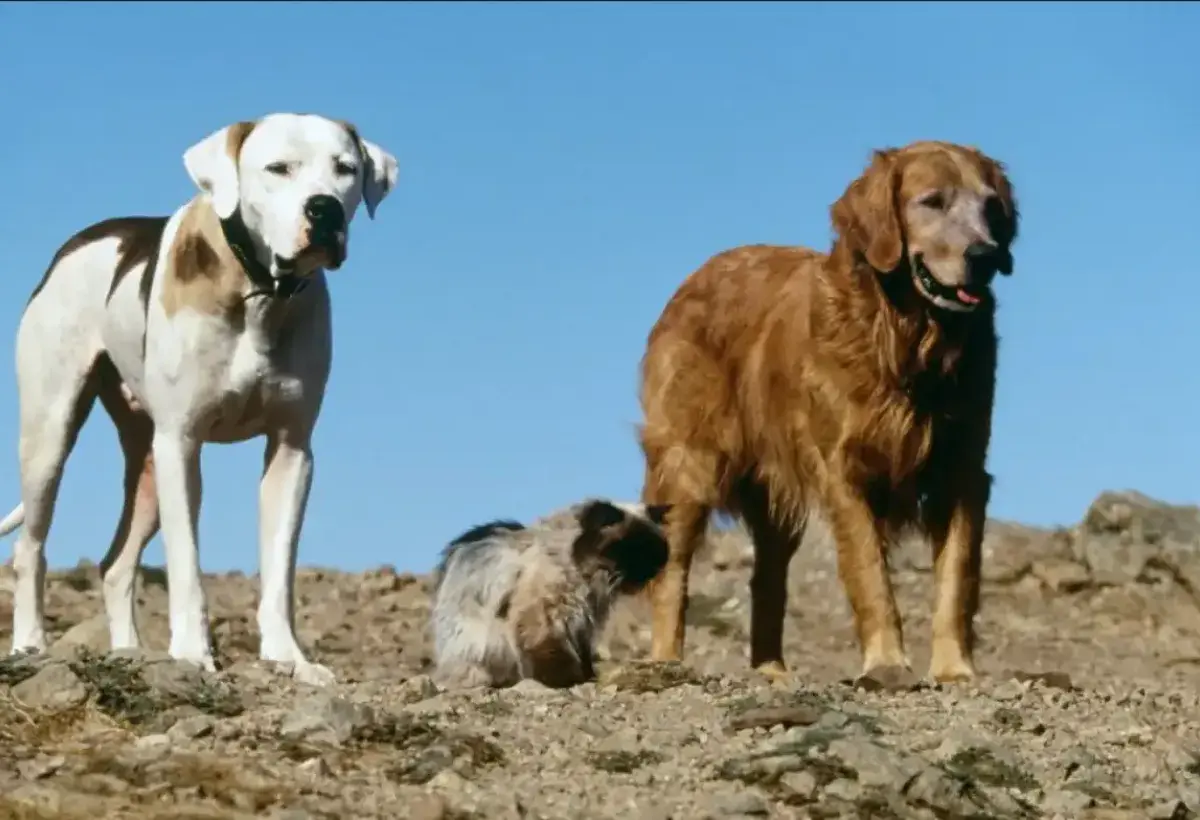
The heartwarming adventure Homeward Bound: The Incredible Journey follows Shadow, Chance, and Sassy as they travel across challenging terrain to reunite with their family. While the story focuses on three main animal characters, the production actually relied on more than twenty trained animals.
Using multiple animals for each character ensured safety and flexibility during filming. Certain dogs were better suited for running scenes, while others excelled at close up emotional moments. For more demanding physical sequences, specially trained animals handled the action under careful supervision.
This approach is common in animal centered films. It prevents fatigue and reduces stress for the performers. Each animal was trained to respond to specific cues so that scenes could be edited seamlessly together, creating the illusion that one single dog or cat performed every action.
The dedication to animal welfare and careful planning helped make Homeward Bound both believable and safe. Viewers were able to connect deeply with the characters because of the convincing performances. Behind the scenes teamwork between trainers, handlers, and filmmakers played a crucial role in bringing this touching journey to life.
8. The Aristocats Were Inspired by a Real French Story
Image
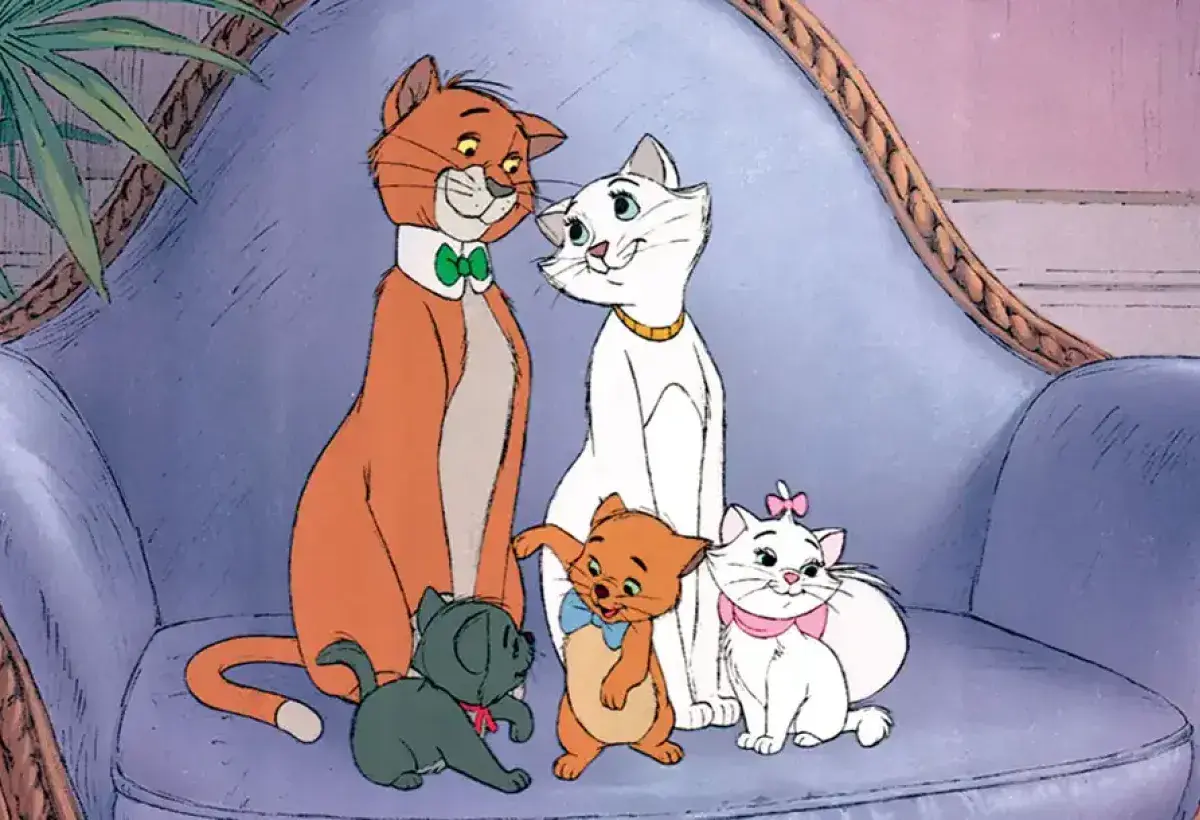
The Aristocats is remembered as one of Disney’s most charming animated features, filled with music, humor, and Parisian flair. Few fans realize that the story was loosely inspired by a real tale from France about a wealthy woman and her beloved cats.
According to accounts, a Parisian woman left her fortune to her feline companions, ensuring they would be cared for after her death. While the animated film takes creative liberties, the core idea of pampered cats navigating a world beyond their comfortable home reflects elements of this unusual inheritance story.
Disney transformed the concept into a lively musical adventure. The characters Duchess and her kittens captured the elegance and playfulness that audiences associate with cats. The vibrant setting of Paris added romance and charm to the narrative.
Drawing inspiration from real life events often gives animated films a subtle grounding in reality. Even though the movie is filled with whimsical moments and catchy songs, knowing that it originated from an unusual true story makes it even more delightful. It reminds us that sometimes reality can be just as imaginative as fiction.
9. Beethoven Was Not Just One St. Bernard
Image
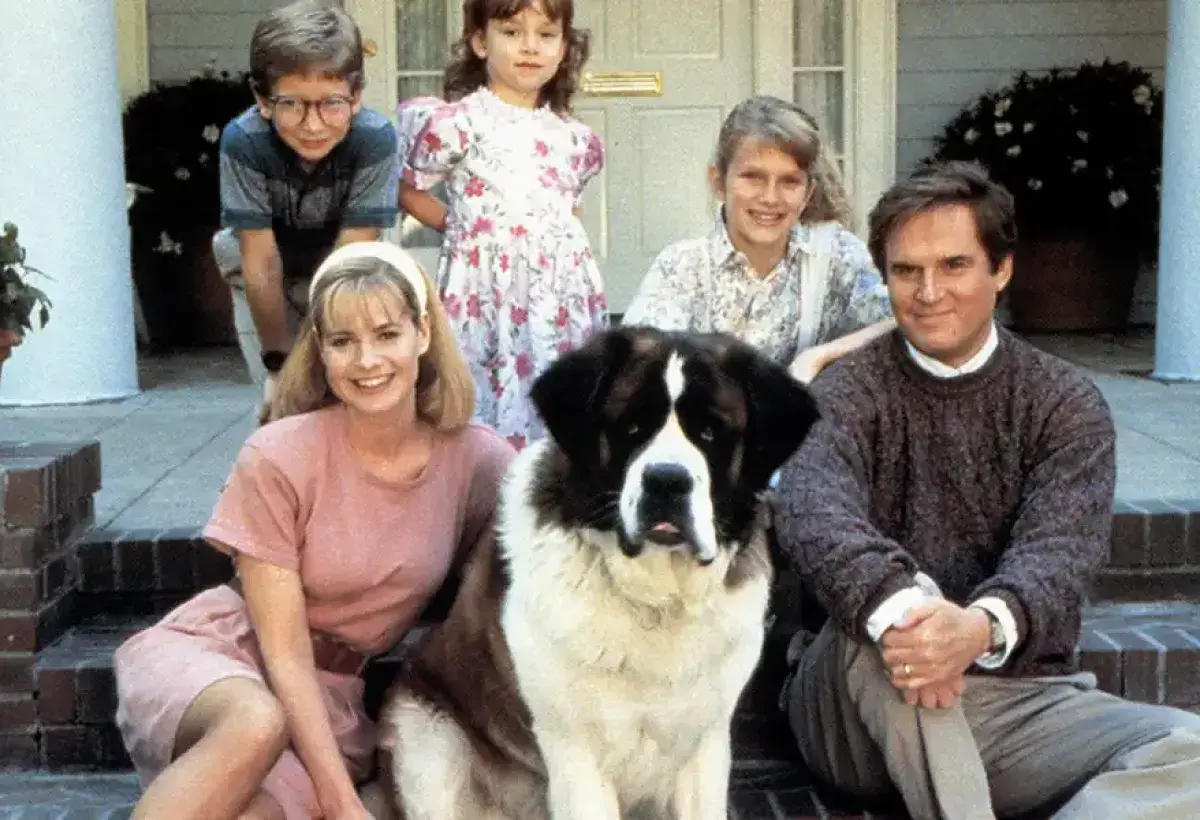
The lovable giant from Beethoven became a household name in the 1990s. This mischievous St. Bernard caused chaos and laughter in equal measure. However, the dog audiences saw on screen was actually portrayed by several different St. Bernards.
Each dog was selected for particular strengths. Some were better at performing playful interactions with actors, while others handled more energetic sequences. By rotating the animals, trainers ensured that none were overworked and that each scene could be completed efficiently.
Large breeds like St. Bernards require careful handling on set due to their size and strength. Professional trainers worked closely with the dogs to guarantee safety for both cast and crew. The coordination involved in filming with multiple look alike animals requires detailed planning to maintain visual continuity.
The seamless performance audiences enjoyed was the result of teamwork among several talented canine actors. Together, they created the illusion of one unforgettable family pet whose slobbery antics made Beethoven a lasting favorite in family cinema.
10. Salem from Sabrina the Teenage Witch Had Many Faces
Image
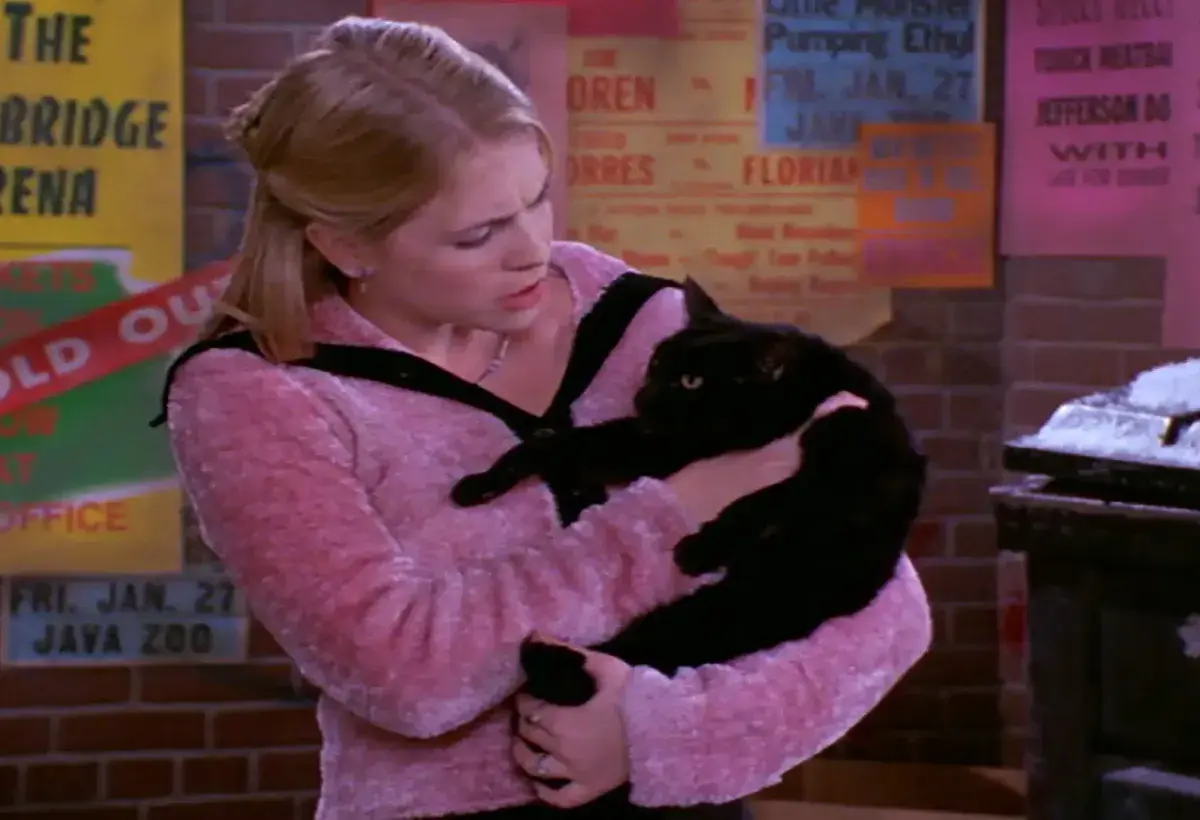
In the television series Sabrina the Teenage Witch, Salem the cat delivered sarcastic one liners and magical mischief that became central to the show’s charm. Bringing a talking cat to life on screen required a creative combination of techniques.
At times, Salem was portrayed by a real black cat for simple movements such as walking or sitting. For scenes that required facial expressions or speech, animatronic puppets were used. Skilled puppeteers controlled the mechanical version to create mouth movements and subtle expressions that matched the voice acting.
In certain wide shots or background moments, even a simple stuffed prop might stand in when detailed movement was not necessary. This blend of practical effects allowed the show to create the illusion of a witty, expressive feline long before modern computer generated imagery became widespread on television.
The layered approach to portraying Salem demonstrates the ingenuity of television production teams. By combining real animals with mechanical artistry, they crafted a character that felt lively and memorable. Salem remains one of the most iconic magical cats in pop culture history.
Famous movie cats and dogs have done far more than simply fill space on screen. They have shaped storylines, elevated performances, and captured the hearts of millions of viewers around the world. From Toto’s impressive paycheck in a classic film to Salem’s clever blend of real and mechanical portrayals on television, these animals have left paw prints across entertainment history.
What makes these stories especially meaningful is the care and collaboration behind each performance. Trainers, handlers, and filmmakers work together to ensure that animal actors are treated responsibly while still delivering memorable moments. Many of these furry stars began as ordinary pets or even rescues, proving that with patience and opportunity, remarkable talent can shine.
The next time you watch a favorite film featuring a loyal dog or a mischievous cat, take a moment to appreciate the skill and dedication involved. These performers may not deliver lines in the traditional sense, but their presence often carries emotional weight that resonates deeply with audiences. Their charm is timeless, and their stories continue to inspire smiles across generations.