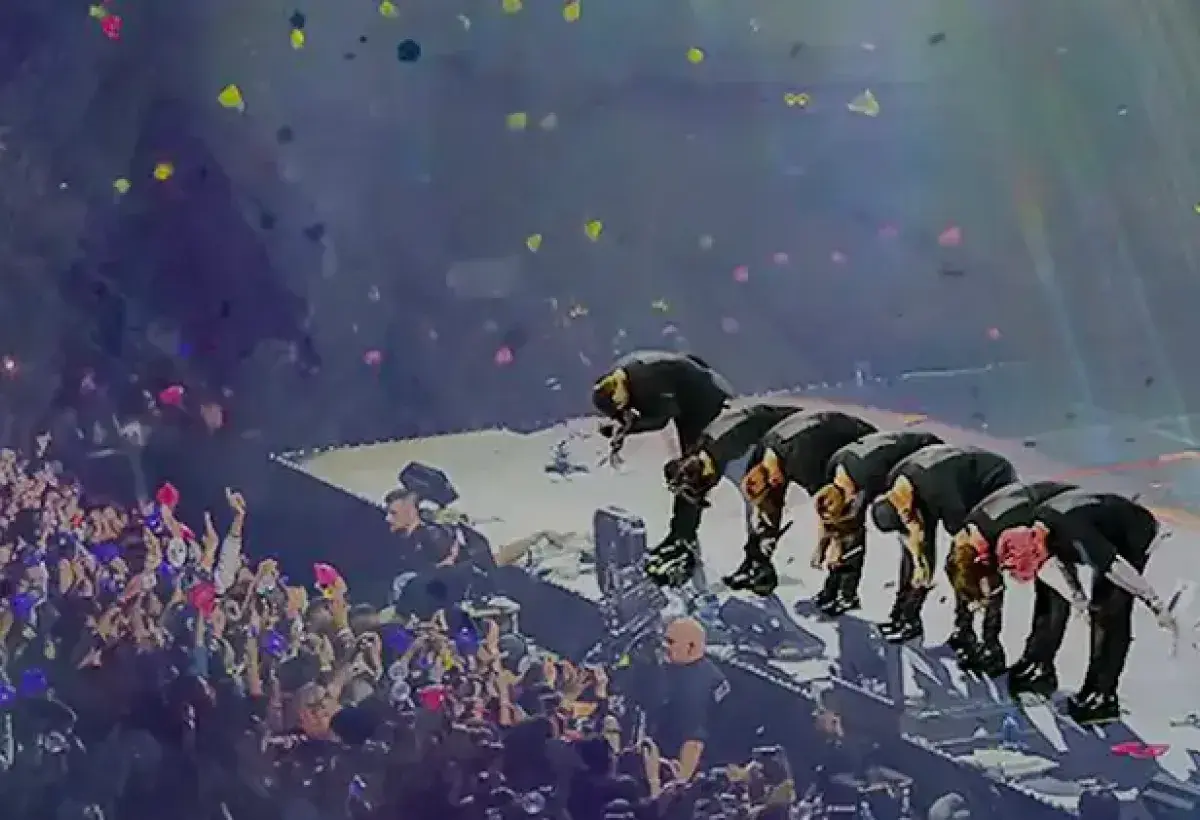



K-pop has transformed from a local South Korean sound into one of the most dynamic global entertainment industries. Its fusion of music, choreography, and fashion has created a modern art form that reaches audiences of every age and background. Today, fans from every continent know the melodies of BTS, BLACKPINK, TWICE, and EXO. Their songs top charts, their fashion influences trends, and their stories inspire millions. Yet beyond the surface of glamour lies an intricate system of artistry, training, and dedication that few outside the industry ever witness.
Every beat in a K-pop song represents precision and teamwork. From songwriting sessions to video shoots, each creative step is guided by collaboration between artists, producers, stylists, and choreographers. The industry values perfection, and idols spend countless hours mastering their performance before stepping on stage. This commitment has become a hallmark of K-pop and the reason it continues to grow in international appeal.
Another key reason behind its success is its ability to mix Korean cultural identity with global influences. The industry borrows inspiration from R&B, hip-hop, and pop while maintaining its own cultural essence. Each release feels fresh yet distinctly Korean, creating a sound that feels both local and universal.
The K-pop movement also redefined fan culture. Dedicated fans are known for organizing streaming parties, social projects, and global meetups. They treat their idols’ success as a shared achievement and create powerful communities built on passion and creativity. This collective energy has helped push K-pop from a niche genre to a worldwide sensation.
If you believe you already know everything about K-pop, prepare to be surprised. Hidden beneath its polished surface are details and stories that reveal the depth of this musical phenomenon. Here are ten fascinating facts about K-pop that may surprise even the most devoted fans.
Image

1. “K-pop” Wasn’t Always the Name
Before the late 1990s, Korean popular music was commonly known in Korea as “Gayo,” a term meaning contemporary songs. The phrase K-pop did not exist until the global popularity of Korean culture began spreading through television dramas and movies. International media needed an easy way to label Korean popular music, and “Korean pop” eventually shortened to “K-pop.”
In the early years, artists such as Seo Taiji and Boys changed the course of modern Korean music by introducing elements of rap, rock, and dance that were rarely used in local songs. Their fusion of Western and Korean influences created a new energy that appealed to younger audiences. This innovation opened the door for future generations of performers who sought to redefine the boundaries of music and stage performance.
As K-pop gained traction, its name became more than a label for a genre. It turned into a symbol of identity and pride. The term represents not only the sound but also the fashion, visuals, and choreography that make each group unique. Through online platforms, the word K-pop became a global brand that represents creativity, discipline, and emotion.
Today, K-pop is recognized as a cultural movement rather than a single style of music. It stands for a combination of talent, vision, and cultural exchange. The transformation from Gayo to K-pop shows how language and media can redefine an entire art form for the world stage.
Image

2. Trainee Life Can Last Over a Decade
Behind every debuting idol is a long and often difficult training period. Many young hopefuls enter entertainment companies in their early teens, spending years preparing for a chance to perform. This training covers singing, dancing, language learning, stage presence, and even media etiquette. While some artists debut after only a year or two, others train for much longer. G.Soul, for example, trained for fifteen years before releasing his first album, showing how patience and persistence define the path to success.
Training is both physically and mentally demanding. Trainees attend vocal lessons in the morning, dance rehearsals in the afternoon, and language or fitness classes in the evening. Days can last up to sixteen hours, leaving little time for rest. However, this discipline creates polished performers who can handle the pressure of live performance and international schedules.
The competition among trainees is intense. Only a small percentage of those who begin training ever debut. Entertainment companies hold monthly evaluations to test improvement, and the results determine whether a trainee continues or leaves the program. Despite the stress, many describe the experience as life-changing because it teaches teamwork, endurance, and humility.
When an idol finally debuts, years of training become the foundation for their artistry. Each step, gesture, and vocal note is backed by experience earned through long nights of practice. The process may appear harsh, but it ensures that every idol who reaches the stage embodies professionalism and talent.
Image

3. Fandom Names Have Special Meanings
Every major K-pop group has an official fandom name that connects artists and fans in a unique way. These names are not chosen randomly. They carry symbolic meanings that represent loyalty and emotional unity. For instance, BTS’s fandom is called ARMY, symbolizing strength and support. BLACKPINK’s fans are known as BLINKs, expressing the idea that both the group and their fans complete each other like light and color. TWICE’s fans are called ONCE, meaning that if fans love the group once, the group will repay them twice.
Fandom names become a shared identity. Fans proudly use them in social media bios, fan chants, and concert projects. They design logos, banners, and merchandise that reinforce belonging. This bond goes beyond admiration. It forms a global network where fans support each other and collaborate for charitable causes under their fandom’s name.
The concept of fandom culture in K-pop is unlike any other in the music world. Fans often act as marketers, translators, and publicists, ensuring that their favorite group reaches new audiences. They trend hashtags, organize streaming events, and donate under the name of their fandom. This collective energy is part of why K-pop has grown so rapidly worldwide.
Through these names and communities, fans feel closer to their idols even from thousands of miles away. The relationship between idols and fans is built on mutual gratitude and respect, making K-pop fandoms a powerful example of global connection through music.
Image

4. K-pop Lightsticks Are Custom Designed
A major symbol of K-pop fandom is the lightstick. These glowing devices are not ordinary concert accessories. Each group’s lightstick is uniquely designed to represent the group’s logo, color, and theme. For example, BTS has the Army Bomb, shaped like a glowing globe, while BLACKPINK’s lightstick looks like a pink hammer with heart-shaped ends. Fans bring them to concerts to create a beautiful sea of color that fills entire arenas.
Lightsticks often contain technology that syncs with concert lighting systems. During performances, they can change color or blink in rhythm with the music, turning every show into an immersive experience. Some even connect through mobile apps, allowing organizers to control light effects for every fan in the venue. This innovation transforms audiences into active participants rather than passive viewers.
Owning an official lightstick is considered a badge of pride for fans. Many collect different versions released over the years, treating them as personal treasures. Companies continuously improve designs, adding features like rechargeable batteries or Bluetooth connectivity.
The colorful ocean of lights has become a visual signature of K-pop concerts and a global symbol of fandom unity. Each glowing device represents love, loyalty, and celebration, creating unforgettable moments that define the K-pop concert experience.
Image

5. Idols Must Memorize Multiple Choreographies
K-pop idols are not only singers but also professional dancers. One of their greatest challenges is memorizing several choreographies for different songs. Groups often promote multiple singles at the same time, performing different routines on variety shows, award events, and tours. Mastering this variety requires exceptional memory and muscle coordination.
Each choreography is crafted to highlight every member’s strengths. The process begins weeks before a release, involving long practice sessions that focus on timing, formation, and emotion. Dancers repeat movements endlessly until they synchronize perfectly. A single error can stand out during a performance, so precision becomes second nature.
In some cases, idols must also learn alternative versions of routines for remixes or acoustic performances. This versatility allows them to adapt to any stage size or camera angle. It also showcases the diversity of K-pop artistry, blending storytelling with motion.
Choreographers describe K-pop dance as a combination of athletic endurance and artistic expression. The result is a visual language that communicates energy and passion through movement. Watching a K-pop group perform is witnessing discipline transformed into art.
Image
6. Idols Often Learn Foreign Languages
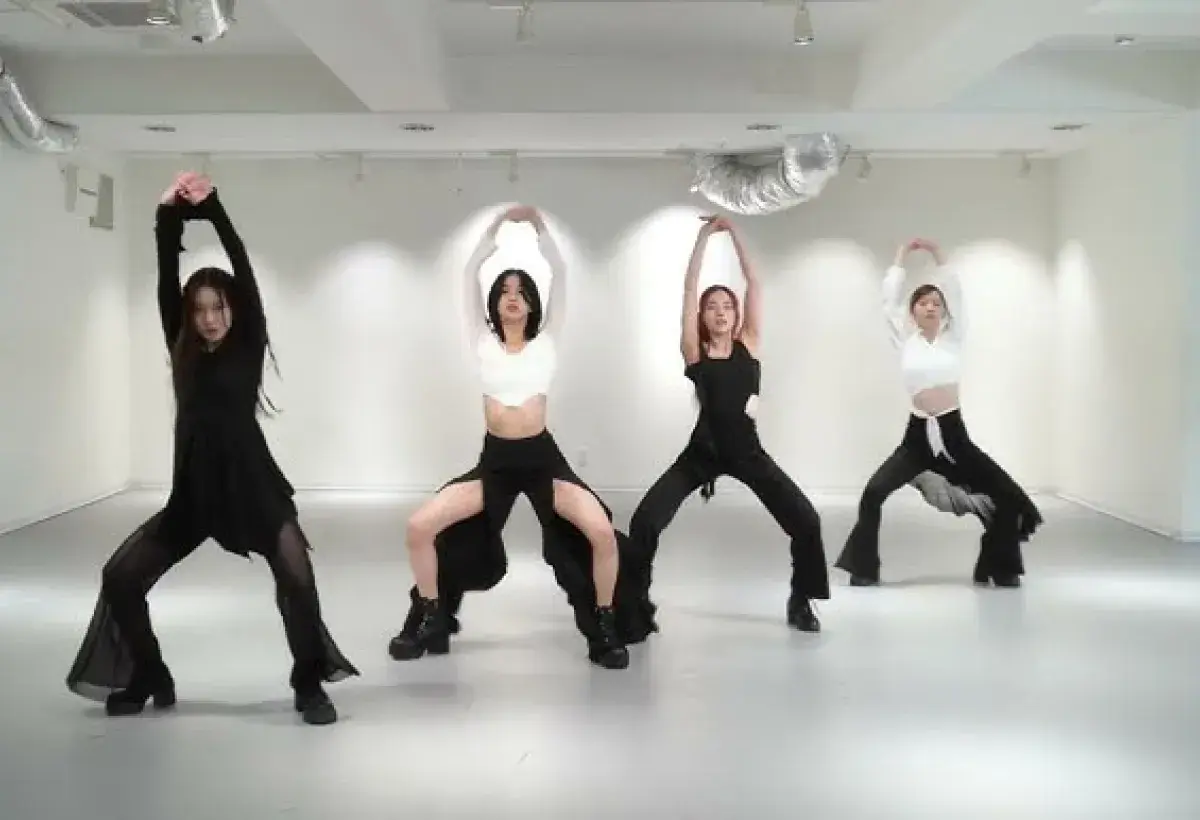
Communication is vital in the global success of K-pop. Many idols study foreign languages to connect more personally with international fans. English, Japanese, Mandarin, and Thai are the most commonly learned languages. Some idols even become fluent enough to host interviews, write lyrics, or act in foreign dramas.
Language training often begins during the trainee period. Entertainment agencies hire professional tutors or send trainees abroad for cultural immersion. The goal is to build confidence and expand opportunities. Fans appreciate when idols greet them in their native language or write heartfelt messages online. It shows respect and strengthens global friendship.
For instance, members of TWICE speak Korean, Japanese, and English fluently, while groups like NCT include performers from different nationalities. This diversity broadens the reach of K-pop and showcases its inclusive spirit.
The effort idols put into language learning also helps break cultural barriers. It encourages fans to study Korean in return, promoting mutual understanding. In this way, K-pop becomes a bridge between countries, teaching that music is a universal language of emotion and connection.
Image

7. The First K-pop Song on Billboard Hot 100 Was in 2009
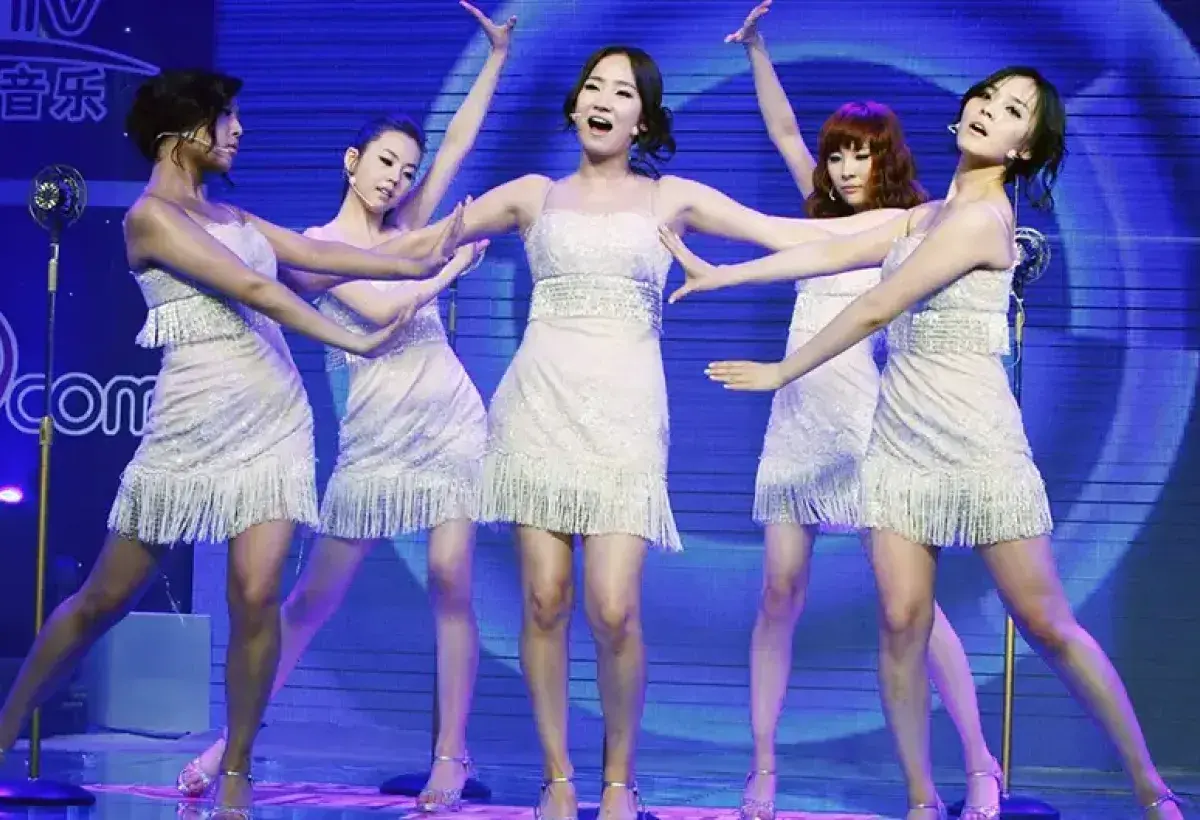
Many assume BTS was the first to conquer the Billboard charts, but the journey began earlier. In 2009, the Wonder Girls made history when their song “Nobody” entered the Billboard Hot 100. It marked the first time a Korean group achieved this milestone, paving the way for future generations.
At that time, global exposure for Korean music was still limited. Social media platforms were in their early years, and streaming was not yet dominant. The success of “Nobody” came through consistent touring and promotion across the United States. The group performed in English and Korean, captivating audiences unfamiliar with K-pop.
Although their time on the chart was brief, it proved that Korean artists could compete internationally. The achievement inspired companies to focus on global marketing strategies, leading to the worldwide recognition K-pop enjoys today.
Since then, countless songs have followed, reaching the top of global charts. The Wonder Girls’ effort remains a reminder that even small breakthroughs can open doors for generations to come.
Image
8. Some Groups Had “No Dating” Clauses
In the early years of K-pop, many agencies included strict rules in artist contracts, one of the most controversial being the “no dating” policy. The idea was that idols should remain fully focused on their careers and maintain an image of availability that appealed to fans. Dating was seen as a distraction that could lead to scandals or loss of popularity.
These clauses created immense pressure on idols who had little personal freedom. Even friendships could spark rumors. Over time, however, fans and media began questioning these restrictions. As K-pop matured, public perception shifted toward supporting idols’ right to privacy and happiness.
Today, while some companies still encourage discretion, open dating is becoming more accepted. Several idols have publicly confirmed relationships without facing major backlash. This change reflects the growing maturity of both the industry and its audience.
The discussion about dating policies highlights the balance between image and individuality. Idols are human beings who deserve the same emotional experiences as anyone else. The evolving attitude toward dating marks another step toward a healthier and more respectful K-pop culture.
Image

9. Choreographies Take Weeks to Perfect
Every performance fans see on stage is the result of weeks or even months of practice. Choreography development in K-pop involves teamwork between professional choreographers and idols who must bring each motion to life. The process begins with concept discussions and continues with endless rehearsals until the moves align perfectly with the rhythm and lyrics.
Groups practice for hours each day to ensure unity. Each member’s position, facial expression, and energy must match the intended mood. This high level of precision is what makes K-pop performances stand out among other musical genres.
Some dances become cultural trends, inspiring fans to learn them through online tutorials. The famous routines of “Gangnam Style,” “Mic Drop,” and “How You Like That” turned into viral challenges that united fans worldwide.
By the time idols perform live, their bodies remember every beat instinctively. The combination of stamina, emotion, and technical skill transforms each choreography into a visual masterpiece that defines K-pop’s artistry.
Image

10. K-pop Is Now Taught in Universities
K-pop’s impact has grown beyond entertainment and into academia. Universities in South Korea and other countries now offer courses on K-pop history, production, and performance. Students study songwriting, choreography, digital marketing, and cultural theory to understand how the industry operates.
In Seoul, institutions like the Korea National University of Arts include K-pop studies in their curriculum. Abroad, universities in the United States, Japan, and the Philippines have also launched similar programs. These courses analyze how K-pop influences global media, youth identity, and cultural diplomacy.
Students learn that behind the glamour lies an organized system of management, production, and fan engagement. The industry provides a model for how creativity and business can coexist successfully. Professors use K-pop to teach lessons in branding, cross-cultural communication, and international relations.
The academic recognition of K-pop shows that it has become more than a passing trend. It is now a subject worthy of scholarly exploration and a symbol of cultural innovation.
Image

K-pop is far more than glittering stages and catchy tunes. It represents a movement powered by creativity, discipline, and passion. Each idol’s journey tells a story of perseverance and dreams fulfilled through teamwork. The industry’s influence on fashion, language, and global communication proves its ability to connect cultures and inspire people.
What makes K-pop special is how it encourages fans to participate rather than just observe. Fans learn dances, translate lyrics, and celebrate diversity together. The emotional exchange between artists and their supporters shows that music truly transcends barriers.
As K-pop continues to evolve, it opens doors for new ideas and collaborations. Virtual concerts, global auditions, and academic research will keep expanding its influence. Whether you are a newcomer or a lifelong fan, there will always be something fresh to discover.
These ten facts reveal how K-pop became not only an entertainment phenomenon but also a cultural bridge linking the world through rhythm, art, and shared joy. The story of K-pop is still being written, and its melody continues to echo across the globe.
Image