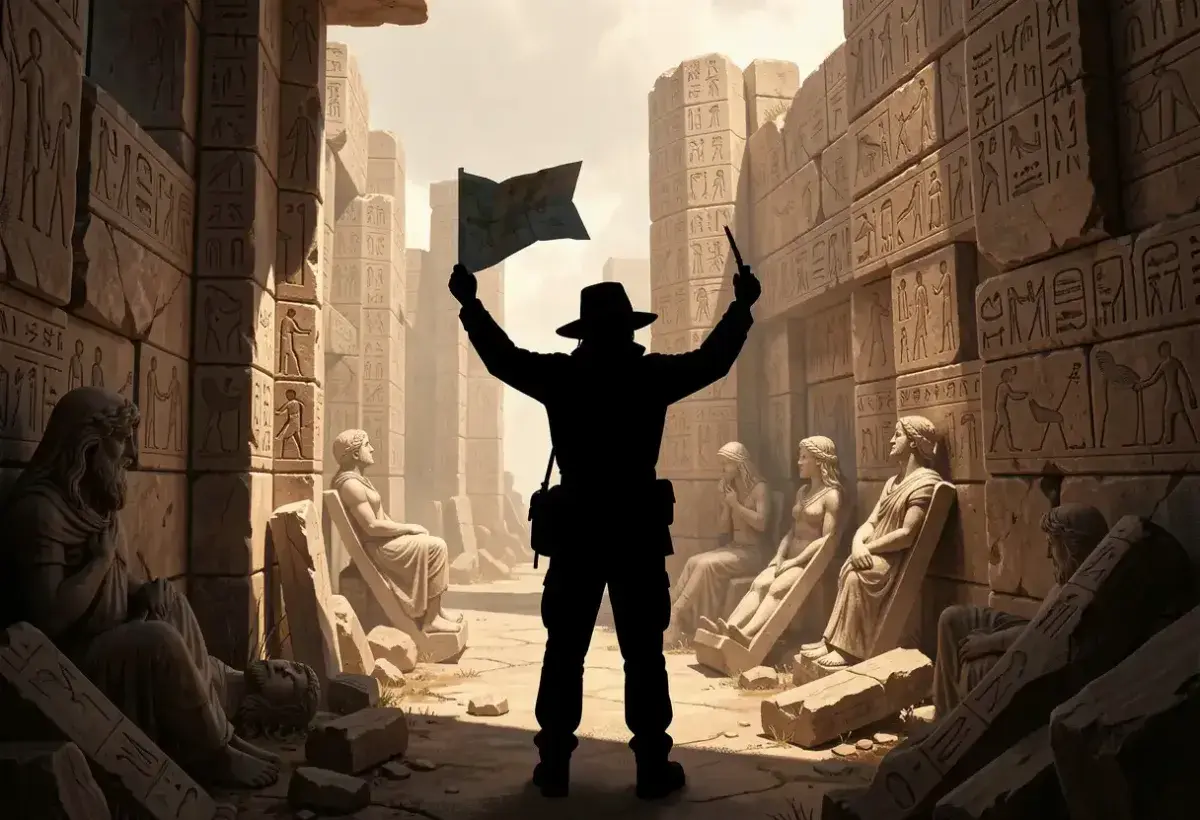


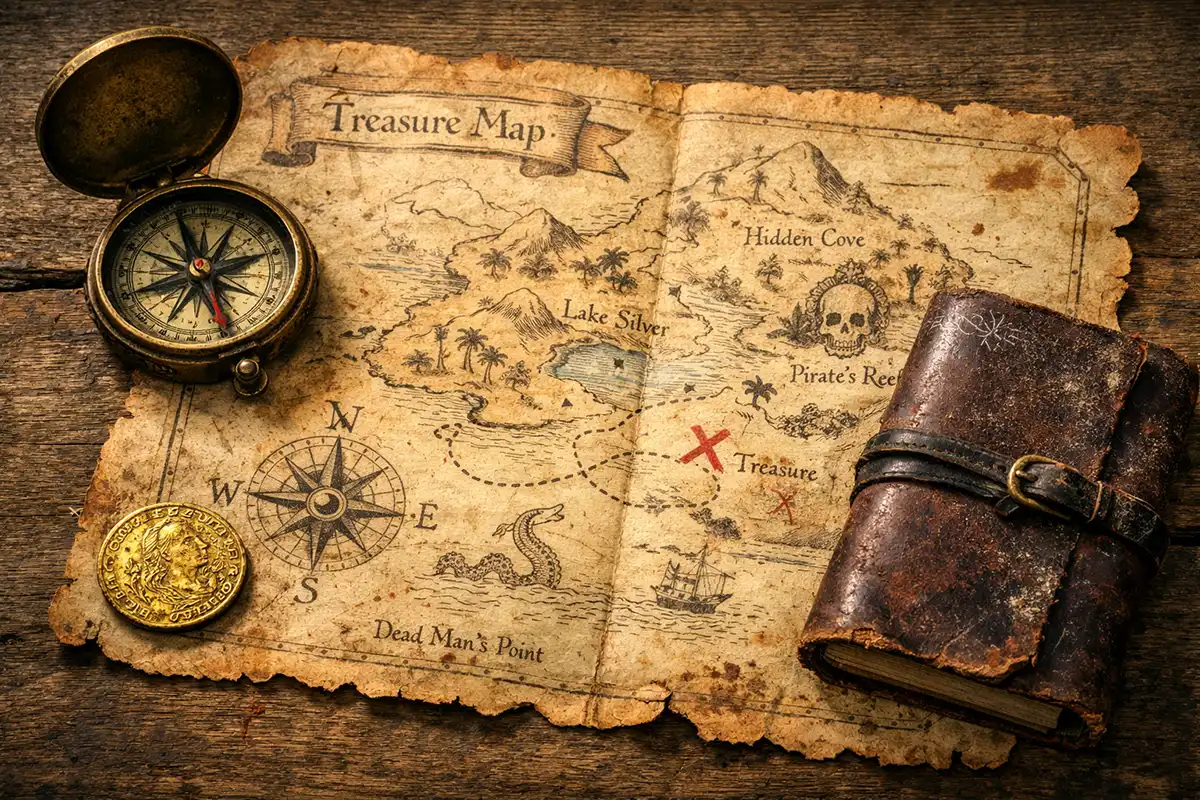
Throughout history, stories of hidden riches have captured the imagination of civilizations across the world. From ancient empires to modern nations, the idea that unimaginable wealth could be concealed just beyond reach has driven exploration, obsession, and enduring legend. These stories persist not simply because of gold or jewels, but because they tap into something deeply human. They combine curiosity, hope, ambition, and mystery into narratives that refuse to fade with time.
Lost treasure legends often exist at the crossroads of fact and myth. Many begin with documented historical events such as wars, shipwrecks, invasions, or political upheaval. Over time, gaps in the historical record invite speculation, and speculation evolves into legend. Each retelling adds new layers, turning practical explanations into tales of secret tunnels, coded maps, curses, and hidden guardians. What makes these legends so compelling is not just what was lost, but the possibility that it remains undiscovered even today.
These treasures also serve as time capsules. They represent moments when empires rose and fell, when pirates ruled the seas, when religion shaped nations, and when global wars reshaped borders. Each hidden hoard reflects the fears and ambitions of the people who concealed it. Some were hidden in desperation, others through betrayal, and some vanished amid chaos. In every case, the lack of closure keeps the story alive.
Modern technology has not diminished the allure of these legends. Satellite imaging, ground scanning radar, deep sea submersibles, and advanced archaeology have only sharpened the question of whether these treasures might truly still exist. In many cases, modern searches have uncovered tantalizing clues without delivering final answers, keeping belief alive while fueling debate.
What follows are ten of the most enduring lost treasure legends in the world. Each has resisted centuries of searching, speculation, and investigation. Whether buried beneath earth, submerged beneath water, or sealed behind forgotten walls, these treasures remain symbols of humanity’s eternal fascination with the unknown and the hope that history still holds secrets waiting to be revealed.
1. The Treasure of the Flor de la Mar
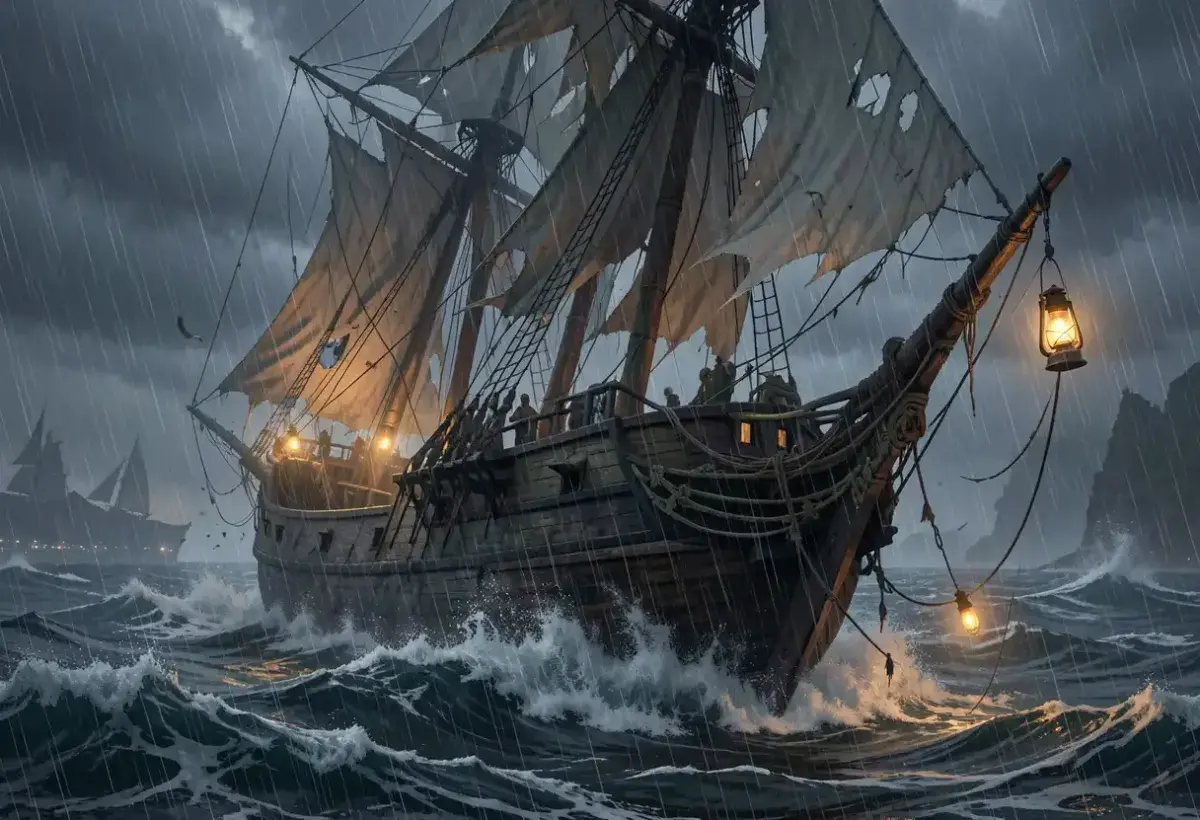
The Flor de la Mar was a massive Portuguese carrack that met its tragic end in 1511, becoming one of the most legendary shipwreck treasures in history. Following Portugal’s conquest of Malacca, one of the richest trading ports in Southeast Asia, the ship was loaded with an astonishing amount of wealth. This included gold bullion, precious gemstones, rare silks, ceremonial objects, and priceless artifacts collected from the defeated Sultan of Malacca. The cargo also contained the personal fortune of Afonso de Albuquerque, one of Portugal’s most powerful military commanders, intended as tribute for the Portuguese king.
Despite its grandeur, the Flor de la Mar was notoriously unstable. Overloaded far beyond safe limits, the ship struggled in open waters. While sailing along the coast of Sumatra, it encountered a violent storm. The vessel struck a reef and broke apart, sinking rapidly and scattering its treasure across the ocean floor. Survivors were few, and recovery efforts were impossible at the time.
What makes this legend especially compelling is that historians have a fairly accurate idea of where the ship sank. However, the waters are treacherous, the seabed constantly shifting, and centuries of sediment have buried the wreck deep beneath layers of sand and coral. Numerous expeditions have attempted to locate the remains, but none have officially recovered the main hoard.
Modern estimates place the value of the lost treasure in the billions. This makes it one of the most valuable unrecovered shipwrecks in the world. Rumors persist that small portions of the treasure may have been quietly salvaged over the centuries, but no confirmed recovery has ever been documented.
The Flor de la Mar remains a powerful symbol of early global trade, imperial ambition, and the unforgiving nature of the sea. Its lost cargo continues to tempt treasure hunters and historians alike, representing a fortune frozen in time beneath the waters of Southeast Asia.
Image
2. The Amber Room
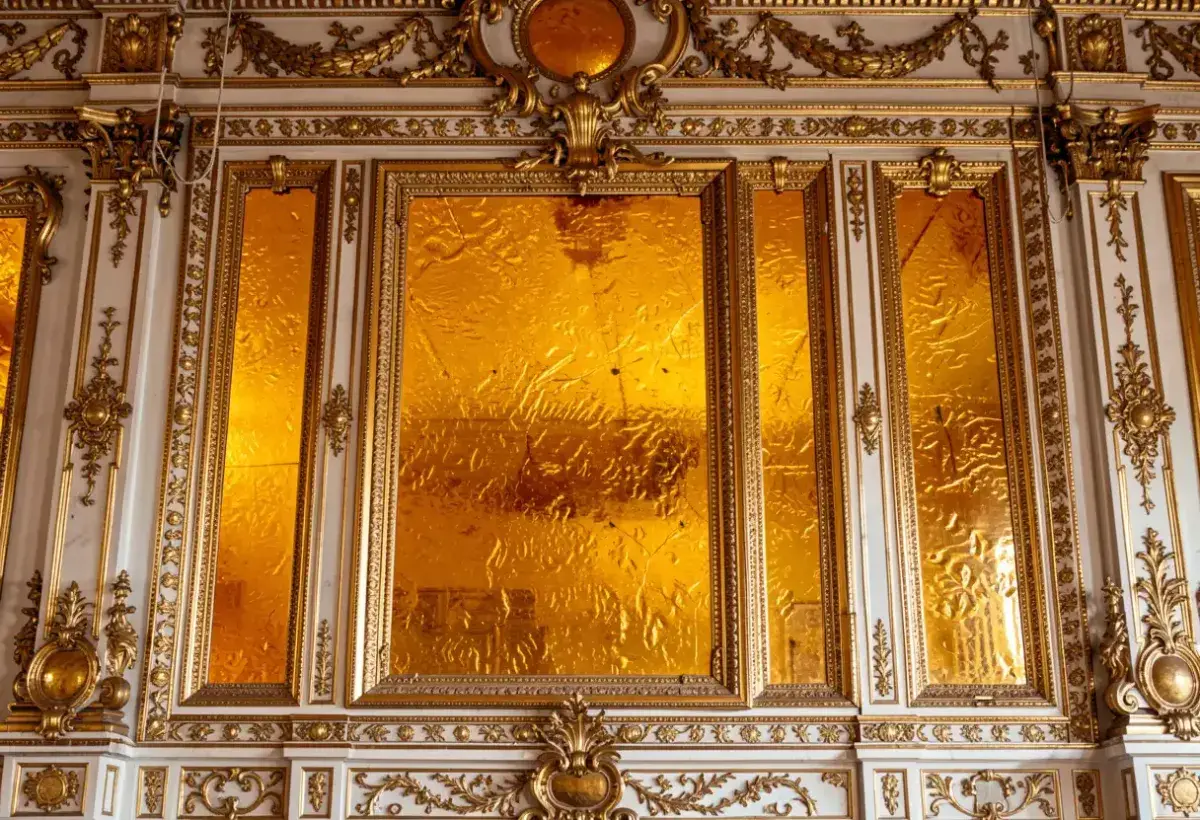
The Amber Room was one of the most extraordinary artistic creations of the eighteenth century. Constructed in Prussia, it was composed of amber panels carved with intricate designs, backed with gold leaf, and decorated with mirrors and precious stones. The room glowed with warm light and was considered an unparalleled masterpiece of craftsmanship. It was later gifted to Tsar Peter the Great and installed in the Catherine Palace near Saint Petersburg, where it became a symbol of imperial luxury.
For more than two centuries, the Amber Room was admired by royalty and visitors from across Europe. Its beauty earned it the nickname the Eighth Wonder of the World. That legacy changed forever during World War Two. In 1941, Nazi forces invaded the Soviet Union and quickly identified the room as a cultural treasure of immense value. German troops dismantled it panel by panel and transported it to Königsberg Castle.
As the war turned against Germany, chaos engulfed the region. In 1945, Allied bombing raids heavily damaged Königsberg, and Soviet forces closed in. After this point, the Amber Room vanished from historical records. No confirmed sightings have ever been documented since.
Theories about its fate are numerous. Some believe it was destroyed during the bombing. Others argue it was hidden in a bunker, mine, or underground chamber. A more dramatic theory suggests it was loaded onto a ship that later sank in the Baltic Sea. Despite decades of searches, none of these theories have been proven.
A full scale reconstruction now exists in Russia, completed using traditional techniques and new amber. However, the original panels, shaped by centuries of natural aging, remain lost. The mystery of the Amber Room endures as one of the greatest unresolved cultural losses of modern history.
Image
3. The Lost Dutchman’s Mine
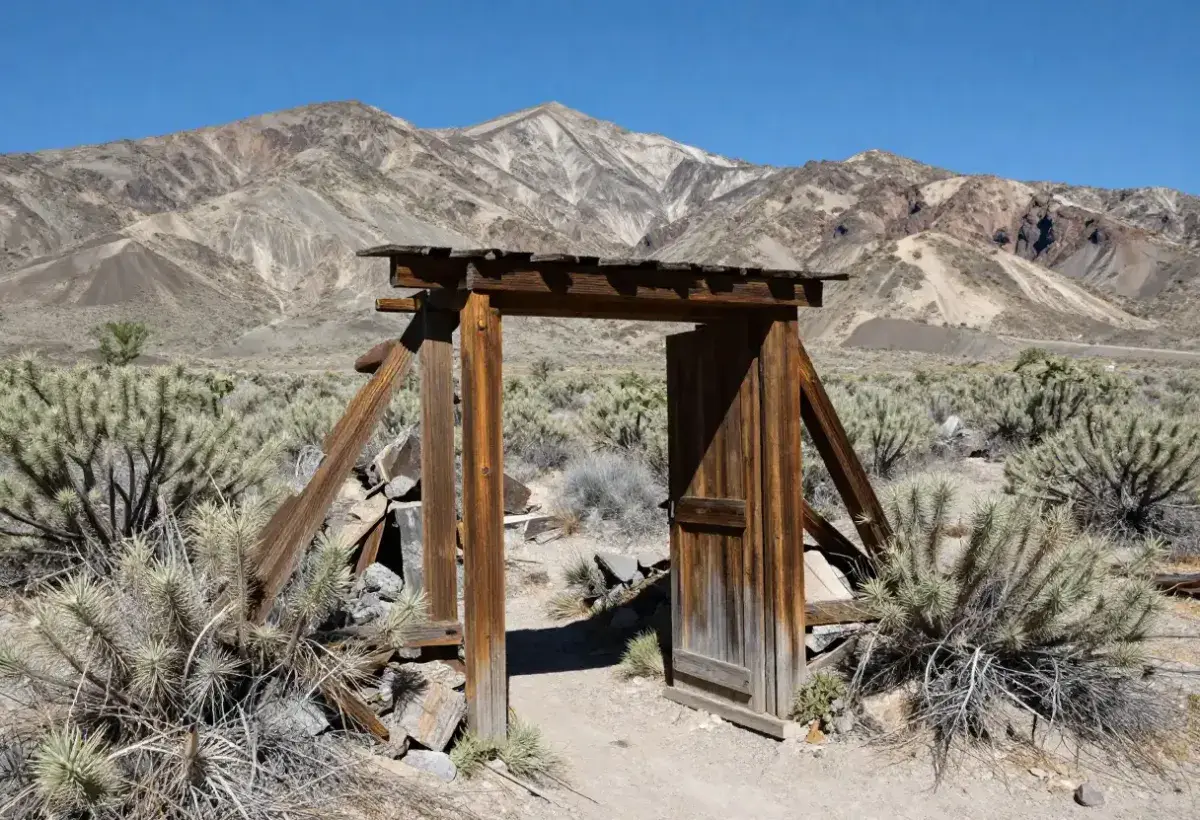
Deep within the rugged Superstition Mountains of Arizona lies one of America’s most enduring treasure legends. The Lost Dutchman’s Mine is said to be an incredibly rich gold deposit discovered by Jacob Waltz, a German immigrant who lived during the nineteenth century. According to legend, Waltz possessed gold of extraordinary purity and hinted that it came from a secret mine hidden deep in the mountains.
Before his death in 1891, Waltz allegedly provided cryptic clues to the mine’s location. These vague directions sparked generations of searches, with hundreds of prospectors attempting to decode his words. Many returned empty handed. Others never returned at all.
The Superstition Mountains are harsh and unforgiving. Extreme heat, jagged cliffs, flash floods, and vast wilderness make exploration dangerous even today. Over the years, numerous treasure hunters have died while searching for the mine. Some deaths were accidental, while others remain unexplained, adding to the belief that the mine may be cursed.
The legend is often linked to older stories of the Peralta family, who were said to have discovered the gold earlier and were later massacred for it. Whether these stories are true remains uncertain, but they deepen the myth.
Modern geological surveys and satellite imaging have failed to confirm the existence of such a mine. Still, the legend refuses to die. For many, the Lost Dutchman’s Mine represents more than gold. It embodies the American dream of sudden fortune and the perilous obsession that dream can inspire.
Image
4. The Treasure of Lima
In 1820, as revolutionary forces threatened Spanish control of Peru, officials in Lima faced an urgent dilemma. The city held an enormous accumulation of wealth, including gold bars, silver ingots, jewels, and priceless religious artifacts. To protect these riches, authorities decided to ship them to Mexico for safekeeping.
The treasure was entrusted to British captain William Thompson aboard the ship Mary Dear. Once at sea, greed took over. Thompson and his crew murdered the guards and priests assigned to protect the cargo. With full control of the ship, they changed course and vanished.
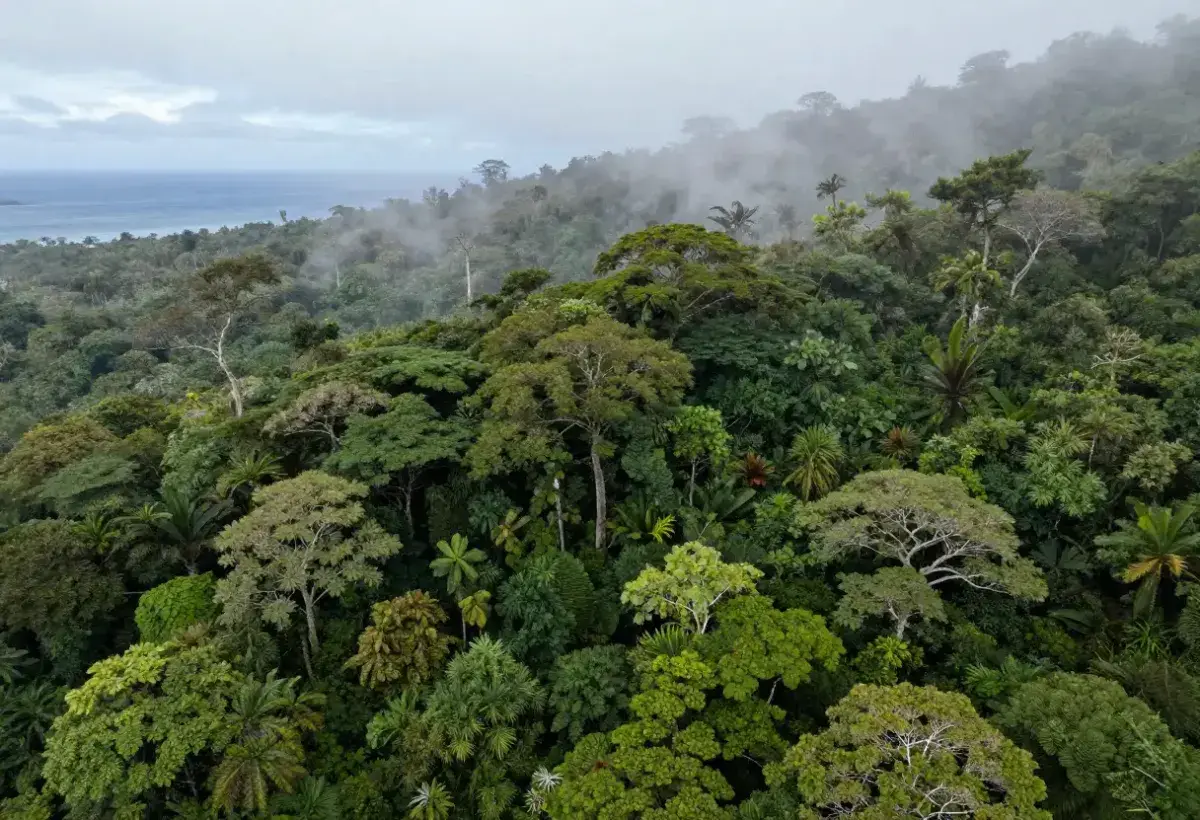
Legend claims that Thompson buried the treasure on Cocos Island, a remote and heavily forested island off the coast of Costa Rica. Shortly afterward, the crew was captured. All were executed except Thompson and his first mate, who offered to lead authorities to the treasure in exchange for their lives. Upon reaching the island, they escaped into the jungle and were never seen again.
For over two centuries, treasure hunters have searched Cocos Island. The island’s dense rainforest, steep terrain, and protected status have made exploration difficult. Despite numerous expeditions, no confirmed discovery has been made.
The Treasure of Lima remains one of the largest unrecovered hoards in history. Its story is one of betrayal, ambition, and vanished fortune, preserved by the isolation of a remote island.
Image
5. Yamashita’s Gold
Yamashita’s Gold is a legend rooted in the chaos of World War Two. According to the story, Japanese forces looted enormous quantities of gold, jewels, and cultural treasures throughout Southeast Asia. As defeat approached, this wealth was transported to the Philippines for shipment to Japan.
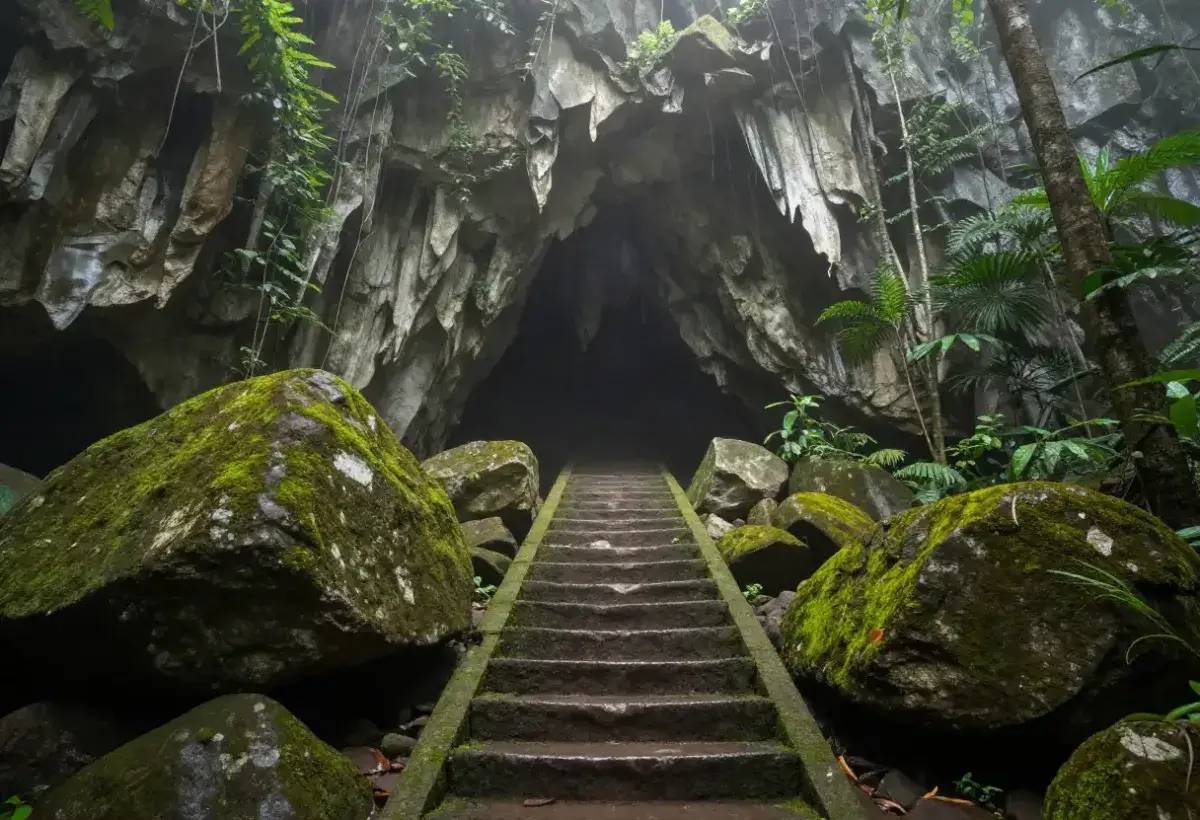
When Allied forces advanced, the treasure was allegedly hidden in tunnels, caves, and underground chambers across the islands. Many of these locations were said to be booby trapped or sealed with explosives.
The legend is deeply controversial. Some claim that American intelligence secretly recovered portions of the gold and used it to fund postwar operations. Others allege that former Philippine dictator Ferdinand Marcos discovered part of the hoard, forming the basis of his unexplained wealth.
Despite skepticism, occasional government sanctioned excavations have taken place. No definitive proof has emerged, yet rumors persist. The sheer scale of the alleged treasure fuels belief that at least some portion may still remain hidden.
Yamashita’s Gold continues to fascinate because it reflects the secrecy, corruption, and unresolved consequences of global war.
Image
6. The Treasure of Oak Island
For more than two centuries, Oak Island in Nova Scotia has been one of the most relentlessly searched locations in the history of treasure hunting. The mystery began in 1795 when a group of young men noticed a strange circular depression in the ground and evidence of human digging. What followed was the discovery of a deep shaft later known as the Money Pit, carefully constructed with layers of wooden platforms placed at regular intervals. From the very beginning, it was clear that this was no ordinary hole in the ground.
As excavation continued over the years, searchers encountered increasingly complex engineering features. Flood tunnels appeared that channeled seawater into the pit whenever digging went too deep, suggesting deliberate design meant to protect whatever lay below. Fragments of parchment, bits of metal, old tools, and traces of coconut fiber not native to the region only deepened the mystery. Coconut fiber in particular hinted at transatlantic travel and intentional construction long before modern excavation efforts.
Theories about what might be hidden beneath Oak Island are as varied as they are ambitious. Some believe pirate treasure lies buried there, possibly connected to figures like Captain Kidd. Others argue the pit hides royal jewels, lost manuscripts, or religious relics such as the Ark of the Covenant. More elaborate ideas link the site to the Knights Templar, Freemasons, or secret European expeditions to North America centuries before official records suggest.
Despite massive investments, advanced drilling technology, and international attention, no definitive treasure has ever been recovered. Several people have lost their lives during excavation attempts, lending the story an air of tragedy as well as intrigue. Modern searches continue using sonar and underground mapping, yet the island guards its secrets stubbornly.
Oak Island endures because it represents the ultimate puzzle. The evidence suggests something intentional and significant, but the final answer remains just out of reach. Whether treasure exists or not, the island has already claimed a place in history as one of the world’s greatest unsolved mysteries.
Image

7. The Ark of the Covenant
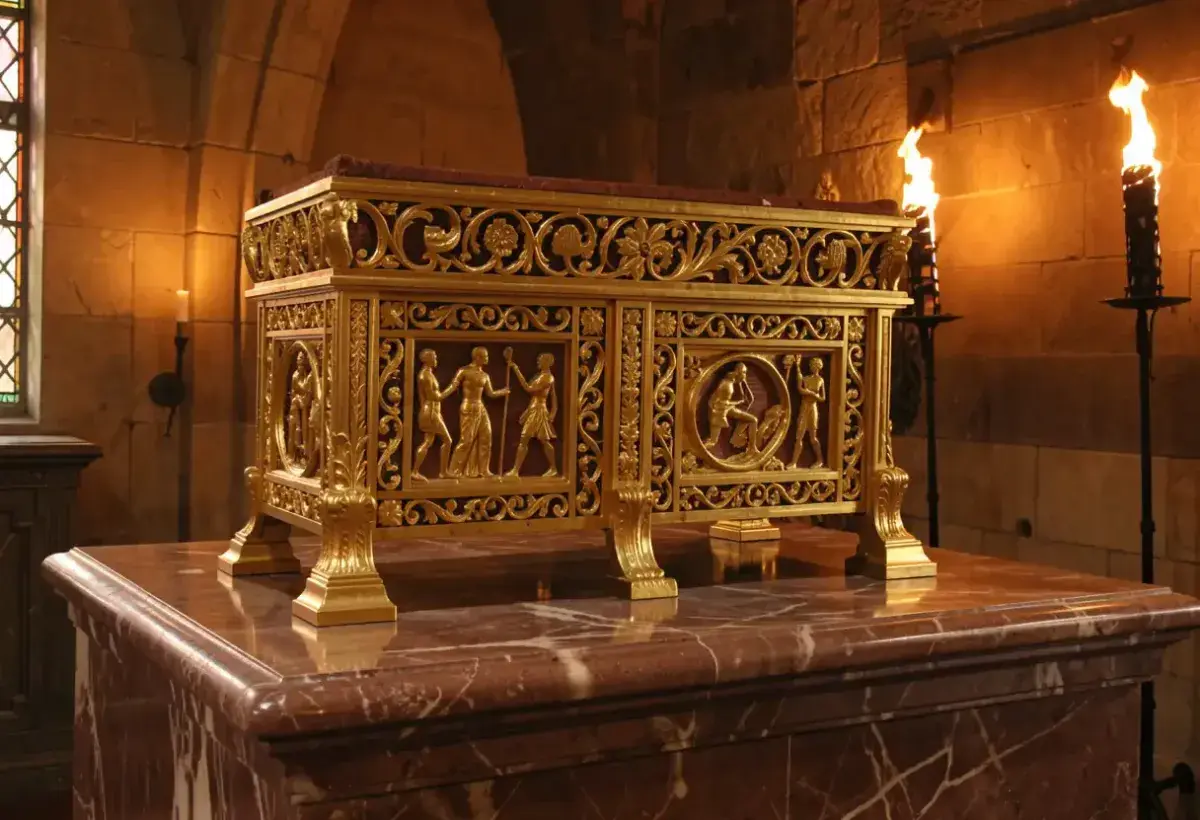
The Ark of the Covenant stands apart from most lost treasure legends because its value is spiritual rather than material. According to biblical tradition, the Ark was constructed under divine instruction and housed the stone tablets of the Ten Commandments. It symbolized the presence and power of God and was carried by the Israelites during pivotal moments in their history. Its last clear appearance in historical texts occurs shortly before the destruction of Jerusalem in 587 BC.
When Babylonian forces conquered the city and destroyed the First Temple, the Ark vanished from the historical record. No account describes its capture or destruction, leaving an open question that has fascinated theologians, historians, and explorers for centuries. Some believe it was hidden by priests in underground chambers beneath Jerusalem to protect it from invaders. Others argue it was secretly transported out of the city long before the siege.
One of the most persistent theories places the Ark in Ethiopia. The Church of Our Lady Mary of Zion in Axum claims to house the Ark to this day, guarded by a single monk who is never permitted to leave or allow the relic to be examined. While scholars dispute the claim, Ethiopian tradition maintains a continuous lineage connecting the Ark to the region through ancient royal ties.
Additional theories suggest the Ark could rest on Mount Nebo, in Egypt, or within a lost chamber connected to the Temple Mount. Each proposed location carries cultural and political sensitivity, making excavation difficult or impossible. As a result, physical evidence remains elusive.
The Ark of the Covenant endures as a symbol of faith, mystery, and divine authority. Its power lies not in gold or jewels but in what it represents to millions of people. Whether it still exists or was lost to time, the question of its fate continues to bridge history and belief in a way few legends can.
Image
8. Blackbeard’s Treasure
Edward Teach, better known as Blackbeard, is one of the most infamous pirates in history. Operating during the early eighteenth century, he terrorized shipping lanes along the American colonies and the Caribbean. His reputation for cruelty and spectacle helped cement his legend, particularly after his dramatic death in 1718 during a naval battle off the coast of North Carolina.
Unlike many pirate legends, historical records suggest Blackbeard was not especially interested in hoarding vast wealth. Pirates typically spent their earnings quickly on supplies, entertainment, and bribes. However, the absence of any large treasure recovered after Blackbeard’s death gave rise to rumors that he had hidden a substantial hoard somewhere along the coast.
The marshes, barrier islands, and shallow inlets of North Carolina have long been considered prime candidates. These landscapes change constantly due to erosion and storms, making it possible that hidden caches could have been buried or submerged beyond recognition. Local folklore speaks of ghostly lights and cursed ground marking the location of buried gold.
In recent decades, archaeologists have discovered the wreck of the Queen Anne’s Revenge, Blackbeard’s flagship. Excavations have recovered cannons, weapons, medical tools, and personal items, but no treasure. The absence of riches has only fueled speculation that Blackbeard removed anything valuable before intentionally grounding the ship.
Historians remain skeptical that a significant treasure ever existed, yet the myth persists because it fits the romantic image of piracy so perfectly. Blackbeard’s treasure continues to live in stories, novels, and imaginations, proving that sometimes legend itself is the real prize.
Image

9. The Crown Jewels of Ireland
In 1907, a quiet yet shocking crime took place inside Dublin Castle. The Crown Jewels of Ireland, consisting of ornate insignia belonging to the Order of Saint Patrick, disappeared from a locked safe. These jewels were not royal crowns but ceremonial regalia encrusted with diamonds and precious stones, used for state occasions under British rule.
What made the theft extraordinary was not only the value of the jewels but the circumstances. There were no signs of forced entry, and access to the safe was limited to a small circle of insiders. The investigation that followed was plagued by mismanagement, political pressure, and reluctance to pursue certain suspects.
Rumors quickly spread of an inside job involving members of the aristocracy or castle staff. Some theories suggested the jewels were stolen for personal gain and quietly dismantled. Others proposed political motives tied to Irish nationalism and resentment toward British authority. Despite intense public interest, no one was ever charged.
The jewels have never resurfaced on the international market, which adds to the mystery. Given their distinctive appearance, selling them intact would have been nearly impossible. This has led many to believe they were broken apart shortly after the theft.
The disappearance of the Crown Jewels of Ireland remains one of the most intriguing unsolved crimes in Irish history. It reflects a period of political tension and declining imperial control. More than a century later, the case remains officially open, a reminder that some secrets vanish not because they are hidden well, but because the truth is too inconvenient to reveal.
Image

10. Nazi Gold Train
As World War Two drew to a close, Nazi forces scrambled to move stolen wealth out of advancing Allied reach. Across occupied Europe, vast amounts of gold, art, and valuables had been seized from governments, museums, and private citizens. One of the most persistent legends from this chaotic period is that of the Nazi Gold Train.
According to the story, an armored train loaded with treasure was hidden in a secret tunnel system in southwestern Poland near the Owl Mountains. The region was known for extensive underground construction during the war, including military facilities and factories carved into rock. Witness accounts and postwar rumors claimed the train was sealed inside a tunnel and concealed as German forces retreated.
For decades, the story lingered at the edges of historical research. In 2015, renewed interest erupted when two treasure hunters claimed to have identified the train using ground penetrating radar. The announcement attracted global attention and prompted official surveys and excavations.
Despite extensive investigation, no train was found. Authorities concluded that the radar readings likely reflected natural geological formations or abandoned tunnels. Still, the absence of proof did not put the legend to rest. The documented scale of Nazi looting gives the story credibility, even if the train itself remains elusive.
The Nazi Gold Train endures because it combines documented history with unanswered questions. Whether the train exists or not, it symbolizes the immense hidden legacy of wartime plunder. Somewhere, many believe, there are still untold caches waiting beneath forests, mountains, or forgotten tunnels, carrying the unresolved weight of history.
Image

The enduring power of these ten legends lies not in their monetary value but in their unanswered questions. Each treasure represents a moment when history fractured, leaving behind mysteries that refuse to be resolved. They remind us that the past is not fully mapped and that discovery remains possible.
These stories endure because they challenge certainty. They suggest that beneath oceans, forests, deserts, and ruins, remnants of human ambition still lie hidden. Technology advances, but belief persists.
Lost treasures are mirrors of our curiosity. They reveal our desire to connect with history and to believe that the world still holds secrets waiting for discovery. As long as mystery exists, these legends will remain alive.
Image