

Take a Nostalgic Trip Back to the MySpace Era
Take a nostalgic trip back to the days of glittery profiles, autoplay songs, and Tom’s smiling face. These 10 fun facts about MySpace will remind you why it was once the king of early social networking before Facebook took over.
#MySpace #InternetHistory #ThrowbackWeb #SocialMediaNostalgia #TomFromMySpace #2000sInternet #OldSchoolWeb #MySpaceFacts #RetroSocialMedia #NostalgiaTrip
1. Tom Was Everyone’s First Friend
Image
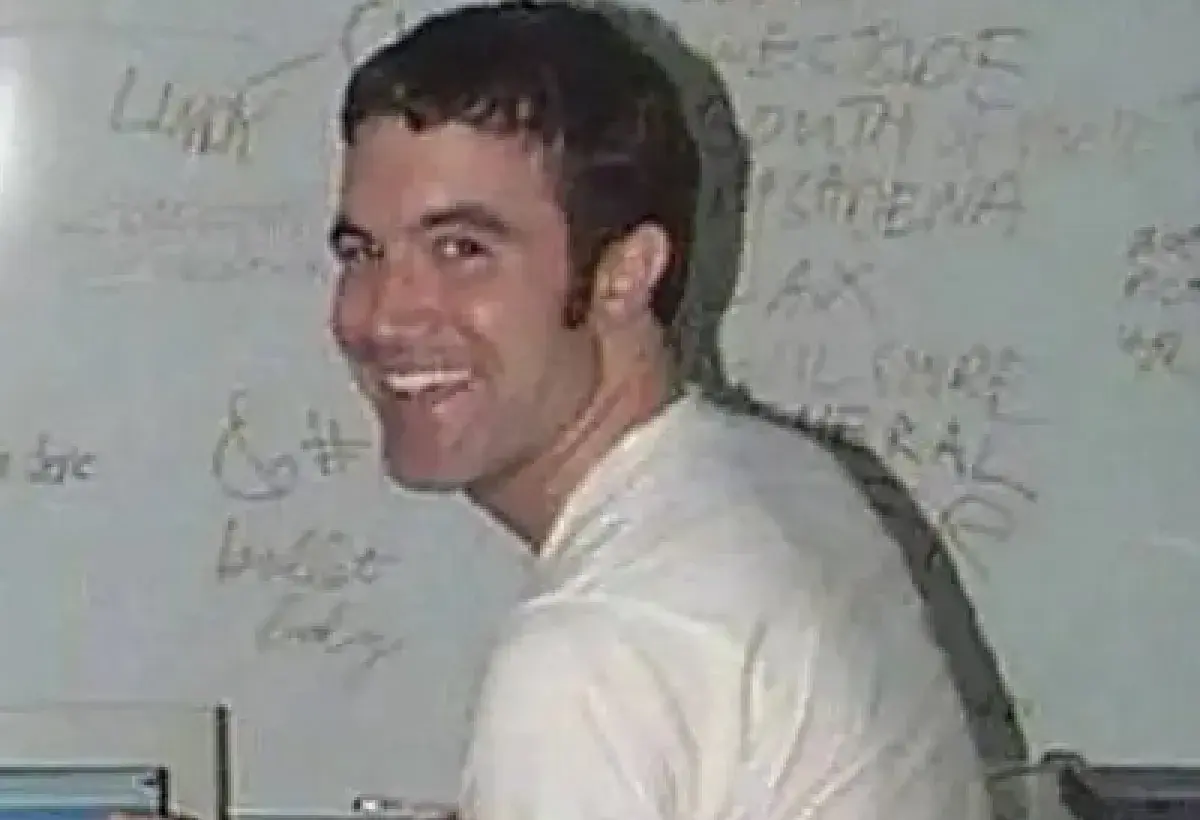
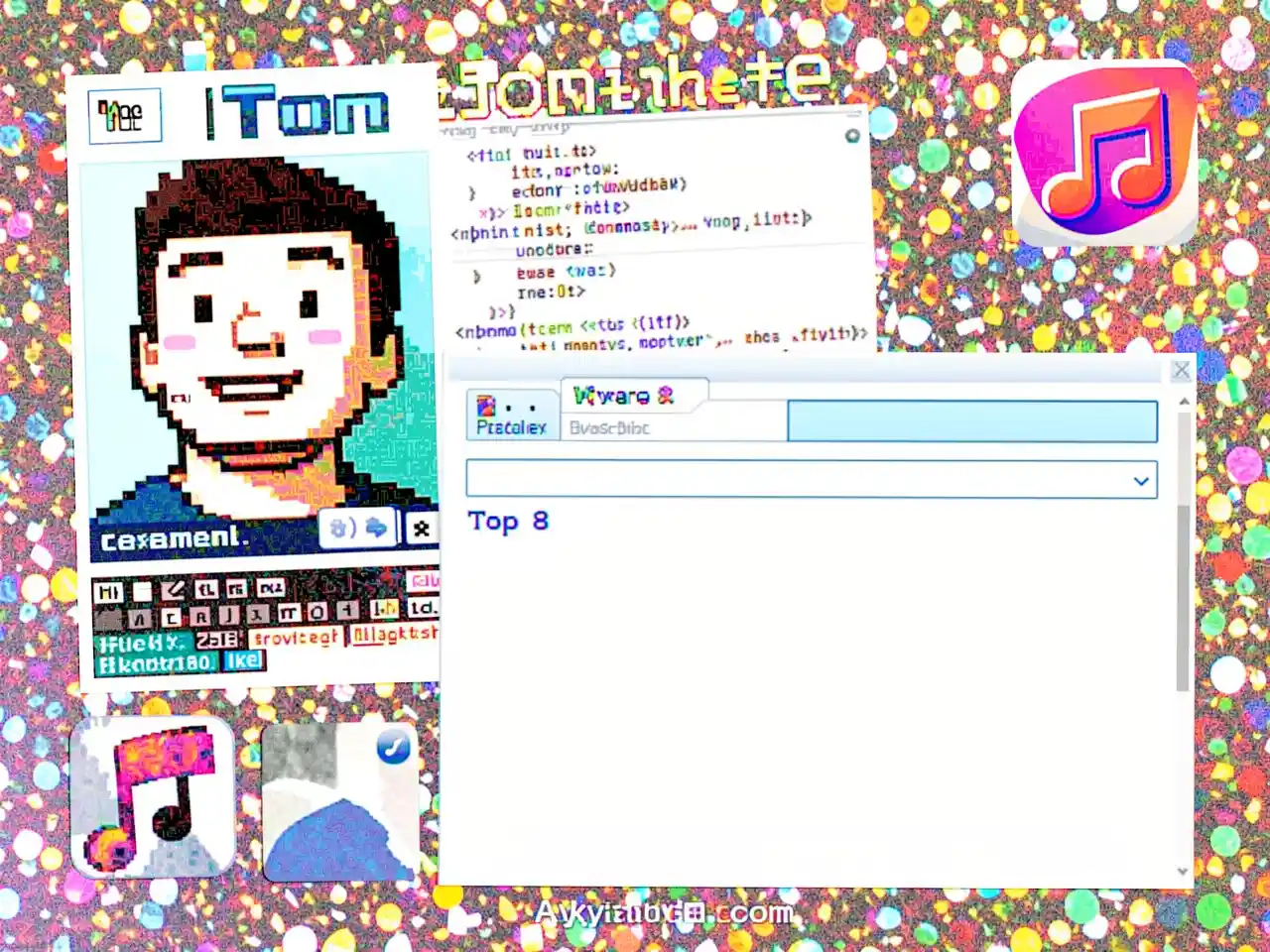
When you joined MySpace, you didn’t start alone—you started with Tom. Tom Anderson, MySpace’s co-founder, was automatically added as your very first friend, greeting every new user with his iconic smile and white T-shirt in front of a whiteboard. This wasn’t just a marketing trick—it was MySpace’s way of humanizing technology before the age of algorithms. Tom was everyone’s friendly digital neighbor, and his presence instantly made the internet feel more personal. His “default friendship” represented a simpler time when online connections were genuine, and “friends” actually meant something. Over the years, Tom’s image became a pop culture symbol of early social networking innocence. Even today, people nostalgically recall how Tom never unfriended anyone—unlike modern platforms where friendships are reduced to follow counts and engagement metrics. In a world where tech CEOs now hide behind corporate brands, Tom stood out as the relatable face of an internet revolution. He wasn’t just a founder; he was your first online friend.
2. You Could Fully Customize Your Profile with HTML and CSS
Image
MySpace gave users a kind of creative freedom that’s practically extinct in modern social media. With a bit of HTML and CSS, you could transform your profile into a glowing, animated, glitter-filled masterpiece—or a chaotic mess of colors and sounds, depending on your skills. You could embed videos, add scrolling text, autoplay your favorite song, or even hide parts of your page. For many, this was their first introduction to coding. Teenagers across the world unknowingly learned web design basics by tweaking layouts, experimenting with font colors, and pasting code snippets from fan forums. It was DIY internet art at its peak—raw, personal, and expressive. Sure, some profiles were loud enough to give you a headache, but that was the beauty of it. MySpace taught a generation how to build and express themselves digitally. In an era where platforms like Facebook, Instagram, and TikTok restrict individuality with standardized templates, MySpace remains the symbol of unfiltered, hands-on creativity.
3. The Infamous “Top 8” Friends List
Image
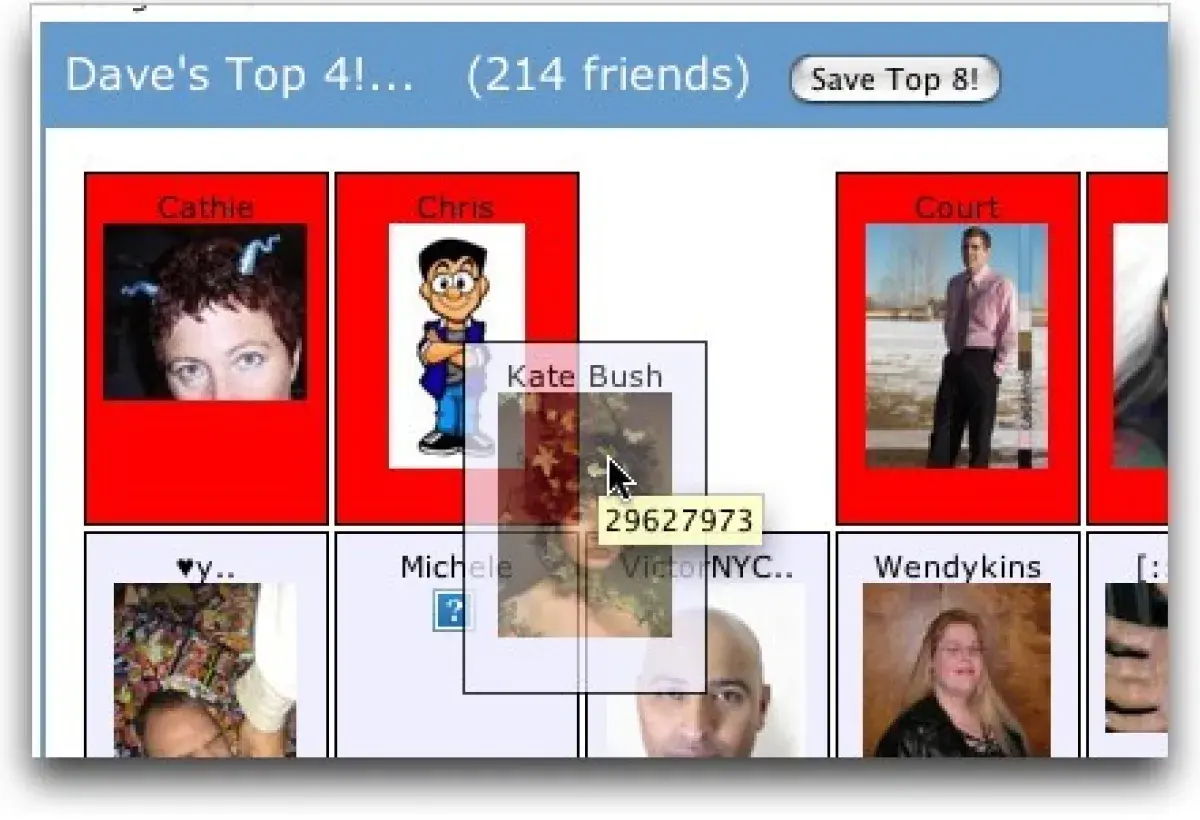
The “Top 8” was MySpace’s most notorious feature—and one of the most talked-about social mechanics in early internet history. Every user could choose eight friends to appear at the top of their profile, a simple feature that often caused real-life drama. Who made the list? Who got bumped? Who replaced your best friend with a new crush? The Top 8 became a reflection of popularity, loyalty, and digital hierarchy. For some, it was a playful way to show love to close friends or favorite bands. For others, it sparked emotional feuds and silent rivalries. The feature turned friendship into a visible social ranking system long before Instagram likes or Twitter followers became status symbols. Some users cleverly avoided conflict by filling their Top 8 with celebrities or humorous placeholders like “Pizza” or “Sleep.” Looking back, the Top 8 perfectly captured the messy, emotional, and experimental nature of early online friendships—where every pixel had meaning, and every rearrangement could start drama.
4. It Was the Biggest Social Network in the World
Image
Before Facebook’s blue-and-white empire took over, MySpace ruled the digital kingdom. From 2005 to 2008, it was the largest social network on Earth—and for a brief period in 2006, it even surpassed Google as the most visited website in the United States. MySpace wasn’t just a platform; it was a cultural movement. Teens, musicians, bloggers, and trendsetters flocked to it to express themselves and connect in ways the real world didn’t allow. It redefined what it meant to have an “online life,” introducing millions to the concept of virtual identity, personal branding, and digital communities. During its peak, MySpace shaped everything from music trends to fashion aesthetics. It was the birthplace of the “scene” and “emo” cultures, and its influence could be felt across TV, magazines, and radio. MySpace didn’t just prepare the world for social media—it created the blueprint that every platform since has followed.
5. It Kickstarted the Careers of Many Musicians
Image
MySpace wasn’t just about connecting people—it was about connecting artists and fans. Long before Spotify, SoundCloud, or YouTube, MySpace gave musicians a global stage to share their work directly. Artists could upload songs, post tour dates, and interact personally with fans. The result? A digital revolution in music discovery. Bands like Arctic Monkeys, Panic! at the Disco, and Lily Allen exploded into fame thanks to MySpace audiences. For many teenagers, it was their first taste of independent music distribution—no record label needed. The profile music player became a powerful promotional tool, allowing artists to reach millions without radio play. Even fans curated their own soundtrack, selecting songs that expressed who they were. In hindsight, MySpace was the prototype for every modern artist platform—it democratized fame, made fan engagement authentic, and turned the internet into an engine of creativity long before “influencers” were a thing.
6. Tom Sold MySpace for $580 Million
Image

In 2005, News Corporation—led by Rupert Murdoch—purchased MySpace for an astonishing $580 million. At the time, it was one of the most talked-about tech acquisitions in history. Tom Anderson and co-founder Chris DeWolfe became instant millionaires, cashing out at the perfect moment. Tom, famously laid-back, retired young and began traveling the world as a photographer, often posting serene landscape shots on Instagram—ironically, a platform born from the social world he helped pioneer. Unfortunately, MySpace’s success didn’t last. As Facebook rose in popularity, MySpace’s ad-heavy design and cluttered interface began to drive users away. Within a few years, its value plummeted. Still, the sale remains a textbook case of perfect timing in business—proof that even fleeting digital empires can lead to lasting success. Tom didn’t just build a platform; he made history by showing that innovation, connection, and timing can change the world forever.
7. It Had Over 100 Million Accounts by 2006
Image
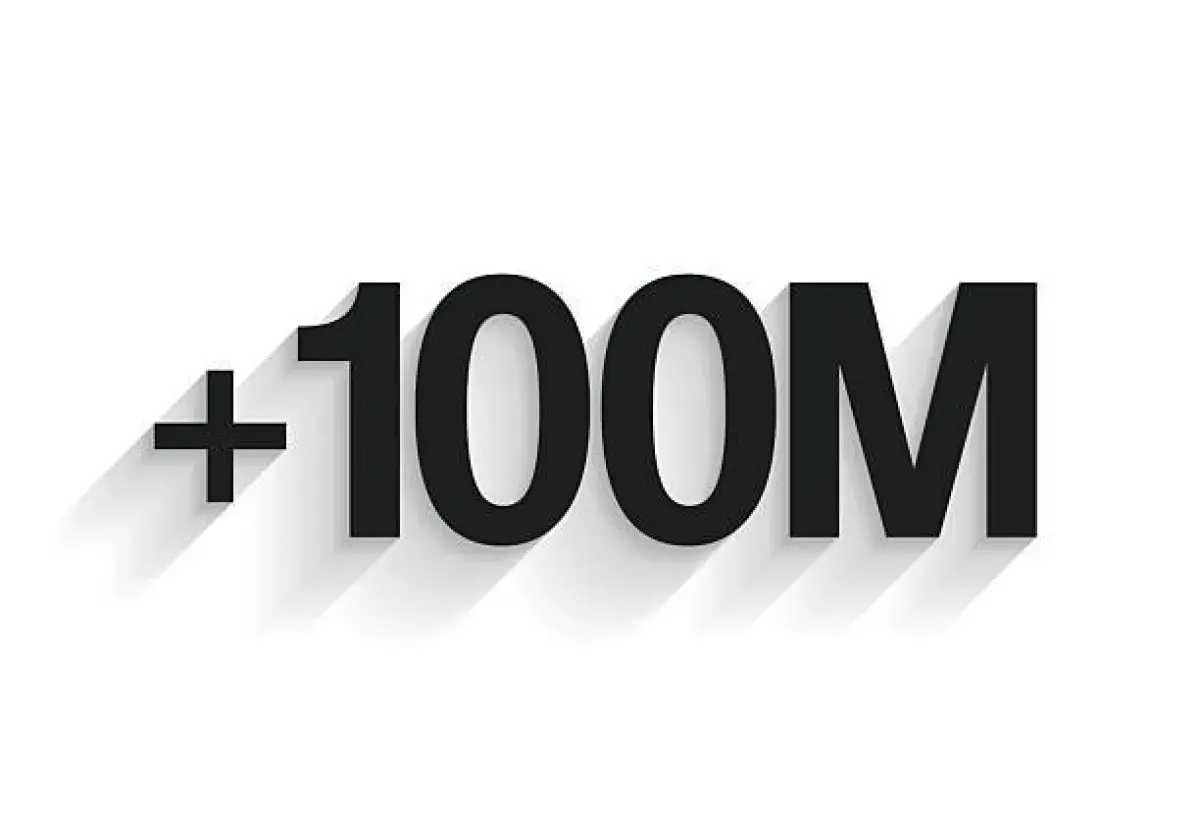
By mid-2006, MySpace had achieved what no other social platform had done before—it hit 100 million registered accounts. That was monumental in an era before smartphones and mobile apps. Most users accessed the site from desktop computers, often through dial-up or early broadband. MySpace became part of daily life, almost like checking your mailbox. It wasn’t just a social network; it was a global phenomenon referenced in TV shows, songs, and even movies. Everyone wanted a piece of the MySpace fame—bands, bloggers, brands, and teens alike. With its massive user base, MySpace helped shape internet culture, introducing concepts like “status updates,” “friends lists,” and profile branding long before other platforms adopted them. The platform’s cultural reach extended far beyond technology—it influenced fashion, language, and even digital etiquette. MySpace at its peak was more than a website—it was the beating heart of mid-2000s pop culture.
8. Your Profile Song Defined You
Image
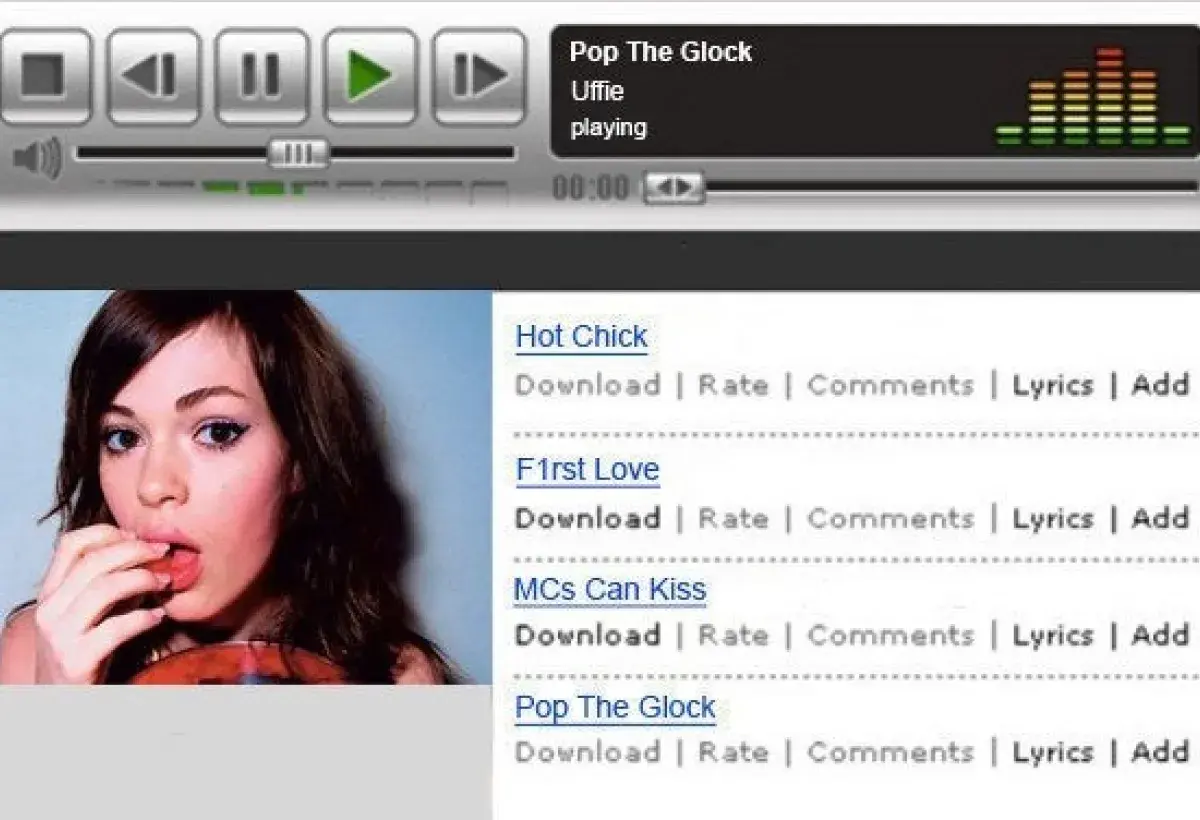
One of the most beloved—and missed—features of MySpace was the ability to choose a profile song. When someone visited your page, your chosen track would automatically play, setting the perfect mood. That one song spoke volumes about who you were. Whether it was emo rock, R&B, or bubblegum pop, your song choice expressed your emotions, identity, and vibe. Some changed their song daily to match their mood; others used it as a secret message to someone special. Music wasn’t just background noise—it was a part of your digital personality. For artists, it was free exposure; for users, it was pure self-expression. In many ways, this feature turned MySpace into the soundtrack of the internet generation. Even today, people still wish modern platforms like Instagram or Facebook would bring it back. The profile song wasn’t just a feature—it was your anthem in the world’s first truly personal social network.
9. MySpace Had Its Own “Bulletin Board” Feature
Image

Before Facebook invented the News Feed, MySpace had the Bulletin Board—a simple yet powerful way to communicate with all your friends at once. You could post bulletins to share updates, event invites, surveys, or funny chain messages. Only your friends could see them, which made the experience feel more private and personal. In a way, bulletins were the early version of group chats and status posts combined. They created mini-communities where people interacted through humor, storytelling, and shared interests. Many users used bulletins for creative writing, open letters, or emotional rants. It was messy, real, and human—everything social media today often lacks. The Bulletin Board represented a time when online sharing wasn’t driven by algorithms or clout, but by connection. It was where memes, music recommendations, and raw honesty thrived, long before “content creation” became a business.
10. It Still Exists Today—But Very Different
Image
Most people think MySpace vanished—but it never truly died. It still exists today, rebranded as a platform focusing mainly on music and entertainment. The layout is sleek and modern, but the soul of old MySpace—the chaos, creativity, and personality—is mostly gone. Many users log in occasionally, treating it like a digital time capsule to rediscover old photos and messages from the early 2000s. Though it’s no longer a social media giant, MySpace remains an important relic of internet history—a reminder of what online communities once felt like before commercialization and algorithms took over. In a world of influencer marketing and polished feeds, MySpace’s authenticity feels refreshing. It may not dominate the web anymore, but its legacy lives on in every platform that came after it. MySpace walked so Facebook, Instagram, and TikTok could run—and that’s why it will always hold a special place in digital history.