

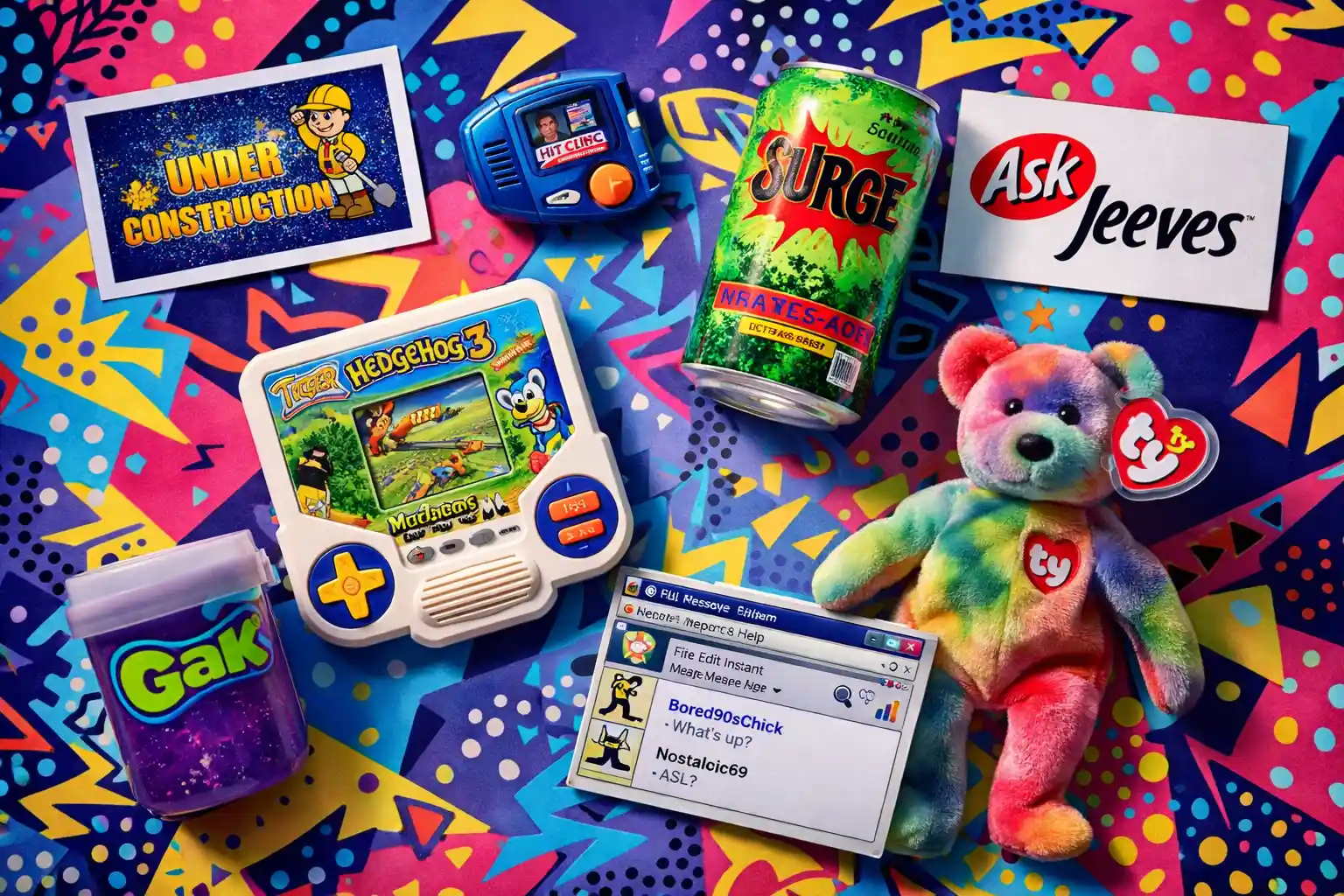
The 1990s were a time of bold trends, quirky tech, and cultural phenomena that captured the imagination of an entire generation. From neon fashion to early internet experiments, the decade left an indelible mark on pop culture. Many of the trends and gadgets from this period now exist only in memory, tucked away in scrapbooks, old photos, and nostalgia-driven conversations. The rise of new technologies, changes in consumer preferences, and the march of time have meant that countless 1990s staples vanished forever. This list highlights ten things that were quintessentially '90s, capturing the essence of a decade that was both playful and experimental. From personal websites that allowed users to express themselves in glittery glory to the cyber-futuristic aesthetics that foreshadowed the year 2000, these cultural artifacts reflect how technology, entertainment, and fashion intersected in ways that felt revolutionary at the time. Reliving these trends allows a glimpse into the creativity and charm of the 1990s, offering both nostalgia and insight into how quickly cultural moments can fade.
Image
1. GeoCities Personal Websites
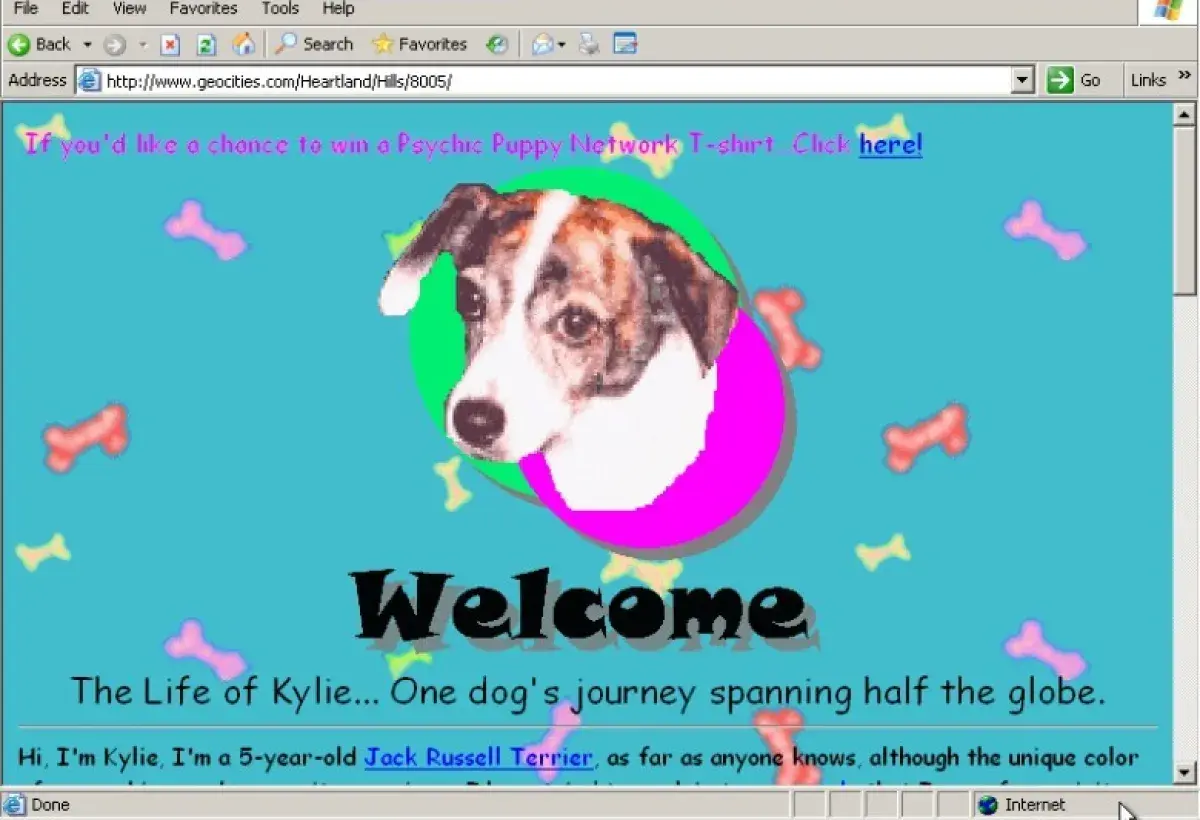
In the 1990s, GeoCities was the ultimate platform for self-expression online. Users could create glitter-filled, GIF-heavy websites that showcased their favorite music, hobbies, and personal thoughts. It was a precursor to social media and blogging platforms that would dominate the 2000s. Each website had unique sections, animated text, and personalized guestbooks where friends could leave messages. Many young users experimented with HTML, learning basic coding skills in the process. GeoCities became an early internet community where creativity and personal branding mattered. Unfortunately, the service was shut down in 2009, leaving a generation of digital creations inaccessible. Despite its closure, GeoCities remains a symbol of the early internet era, capturing a moment when online identity was crafted with glittery graphics, pixelated animations, and total creative freedom. Today, archived projects and screenshots provide a glimpse of the imaginative websites that once flourished in this pioneering digital space.
Image
2. Hit Clips
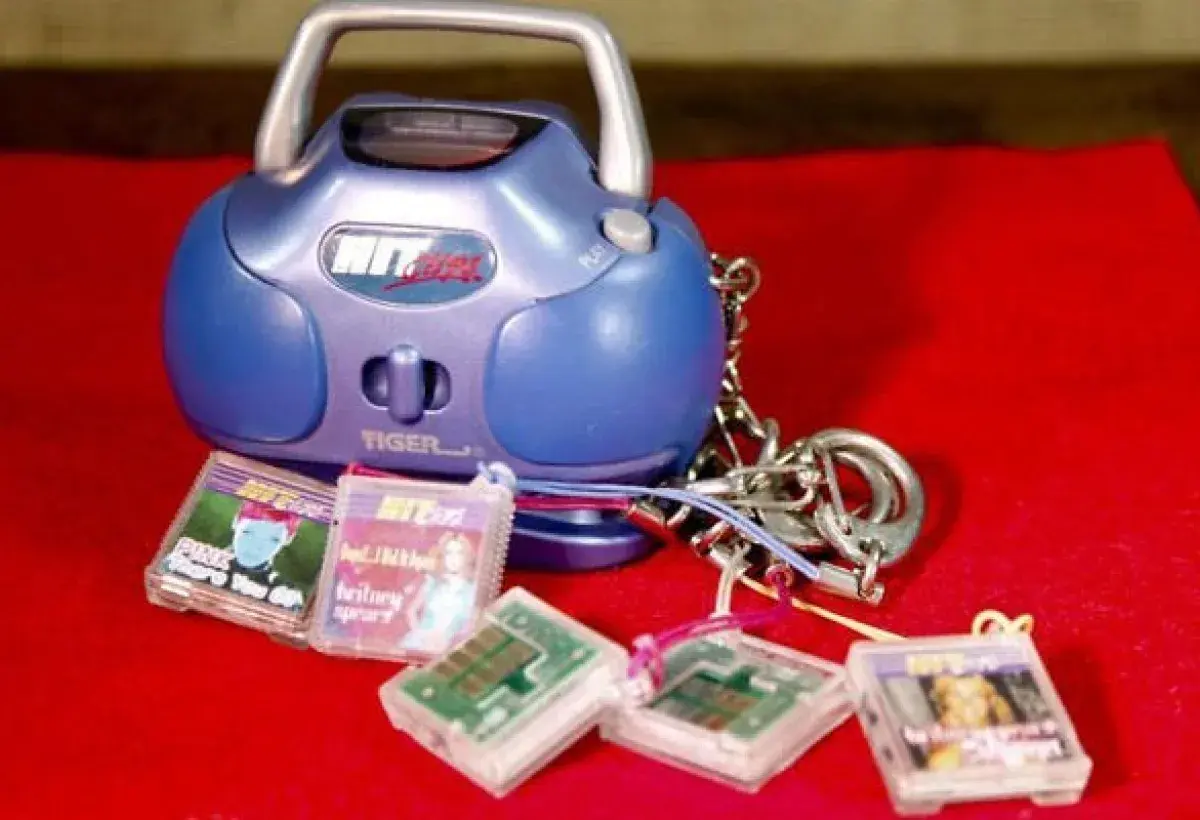
Hit Clips were tiny music players that played 60-second snippets of popular songs. These miniature devices allowed kids and teens to carry their favorite pop songs wherever they went. Collecting different Hit Clips cartridges became a hobby, with the appeal being the novelty and the limited selection. The technology was simple, but it captured the essence of 1990s music fandom, combining portability with collectibility. As MP3 players and streaming services emerged in the 2000s, Hit Clips lost relevance. They were short-lived but memorable, representing a time when music culture and gadget culture intersected in compact form. Owning a Hit Clip was as much a status symbol as it was a music player, highlighting how even small, quirky technology could make a significant impact on youth culture.
Image
3. AIM Profiles (AOL Instant Messenger)
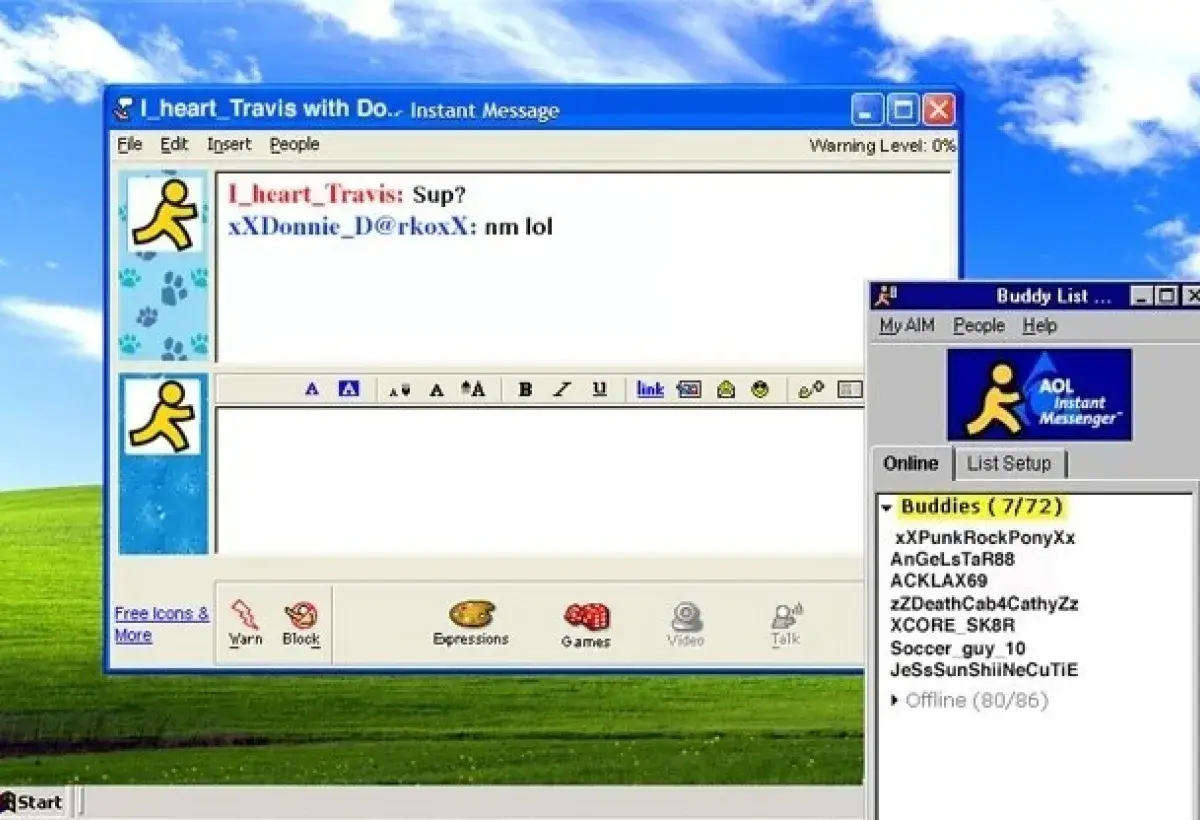
AIM, or AOL Instant Messenger, defined online communication for the 1990s generation. The away message became an art form, letting users share moods, quotes, and status updates. Chatting online was an interactive experience, with buddy lists, emoticons, and custom away messages creating a sense of community. AIM influenced how young people communicated digitally before the rise of social media. Its user interface and features were iconic, but the platform eventually shut down in 2017 after years of declining use. AIM remains a cultural touchstone, remembered for its simplicity and its role in shaping online social interaction. The nostalgia tied to AIM includes both the technology itself and the way it allowed people to connect creatively and personally across distances.
Image
4. Surge Soda (Original Formula)
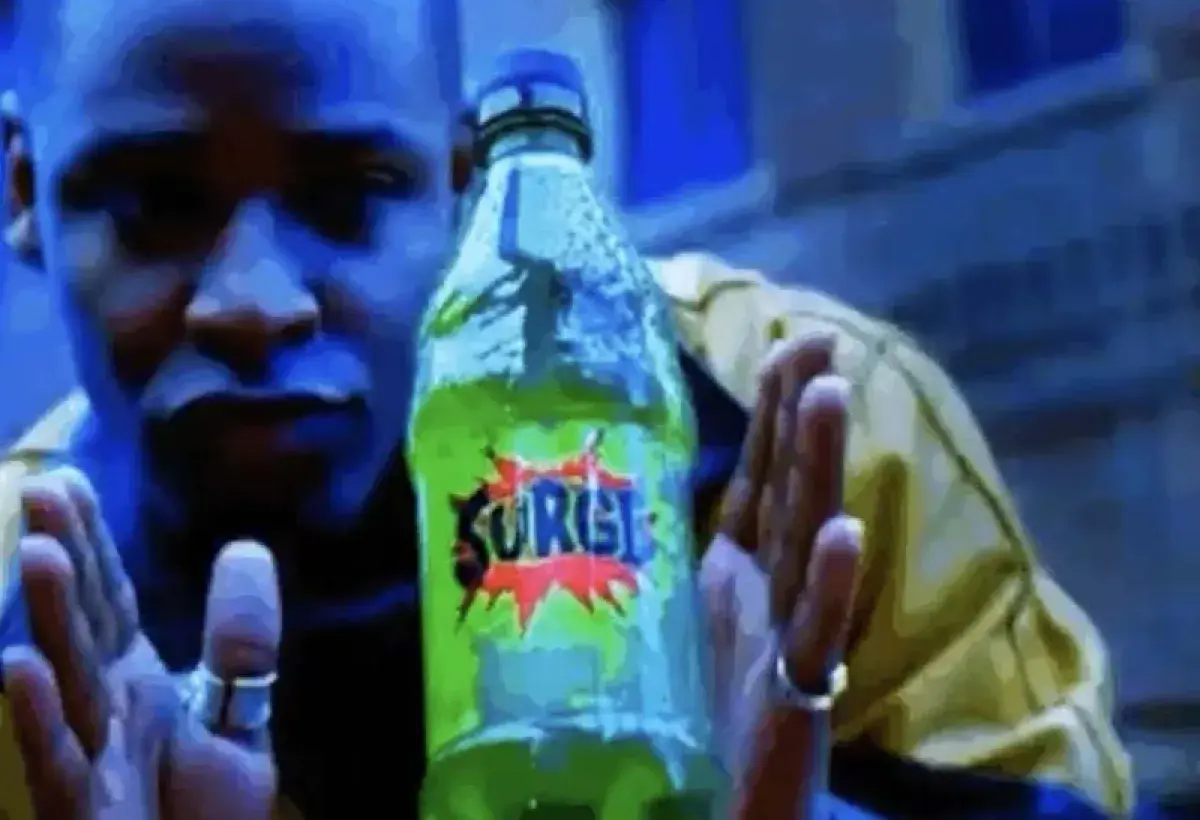
Surge was an ultra-caffeinated citrus soda that captured the rebellious energy of the 1990s. With its bright green color and bold marketing campaigns, it stood out on store shelves and earned a devoted following. Surge embodied the decade’s love for extreme flavors and bold branding. Despite its popularity, the original formula disappeared in the early 2000s, replaced by other soft drinks and the rise of energy beverages. Fans remember it fondly as a unique part of 1990s pop culture. Its brief return in limited editions highlights the lasting nostalgia for products that defined youth experiences. Surge was more than a beverage; it was a symbol of the adventurous spirit of the decade, one that embraced experimentation and stood apart from mainstream options.
Image
5. Tiger Handheld Games
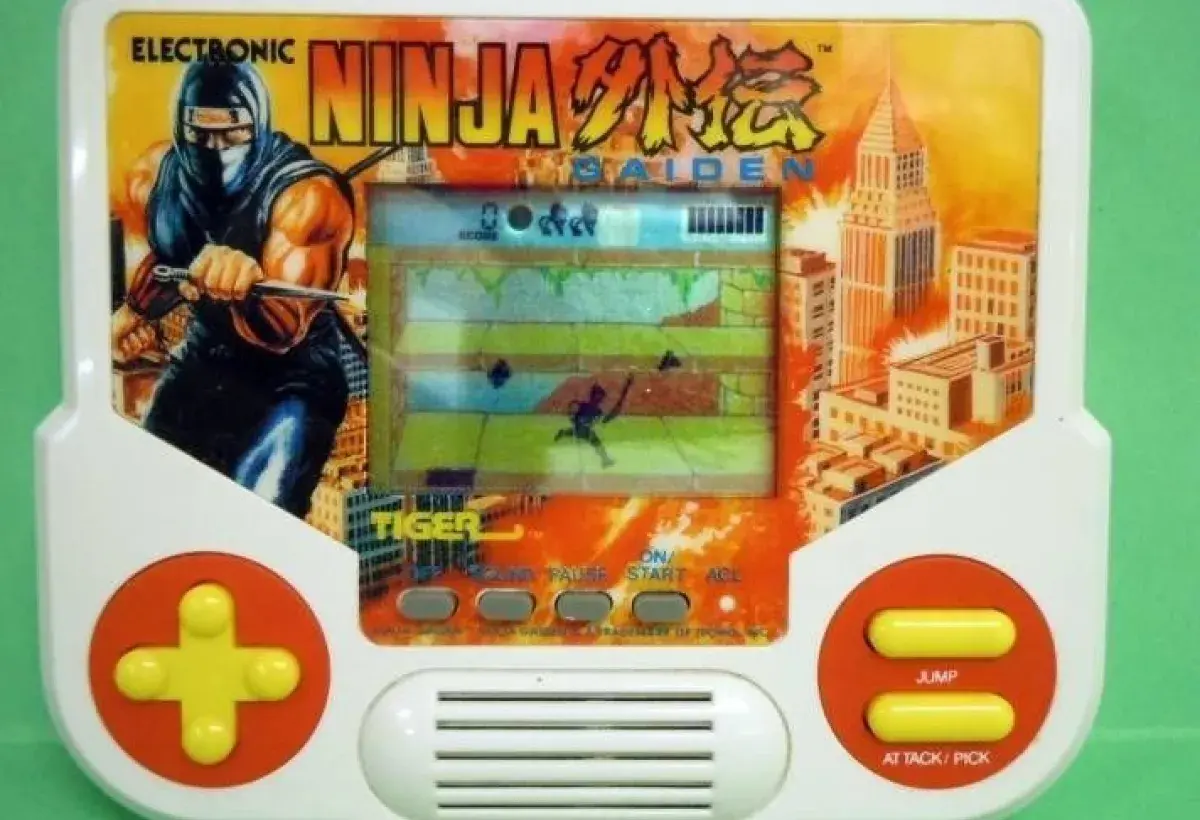
Before smartphones and advanced portable consoles, Tiger handheld games were everywhere. These simple LCD devices offered low-tech entertainment and were often based on popular franchises. Players pressed buttons to move characters or score points, with each game providing limited but addictive gameplay. Tiger games were affordable, portable, and perfect for short bursts of entertainment. Their popularity declined with the rise of Game Boy devices and smartphones, which offered more sophisticated graphics and gameplay. Despite their simplicity, Tiger games evoke nostalgia for the tactile, straightforward fun of early portable gaming. They remain a symbol of how creativity thrived within technological limitations, offering a hands-on gaming experience that many remember fondly from childhood.
Image
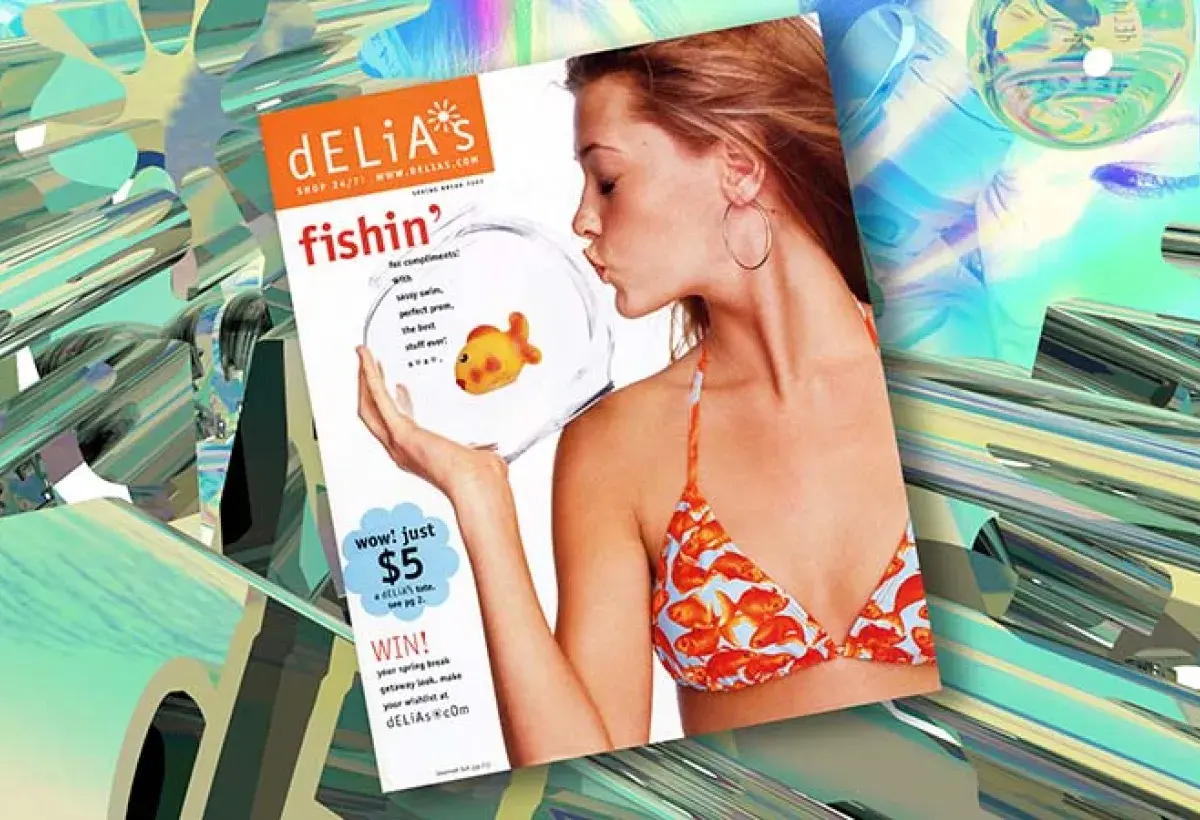
6. Delia’s Catalog
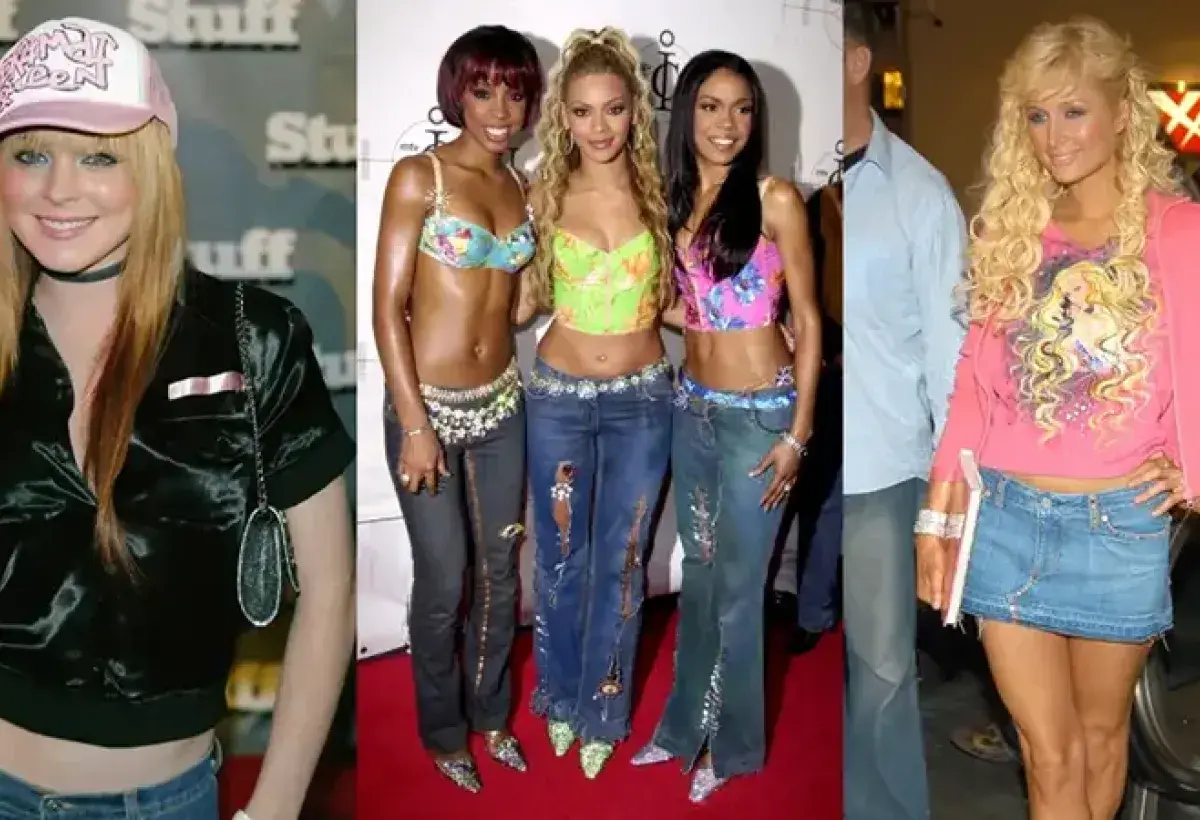
Delia’s was a fashion haven for 1990s teen girls. Its catalogs were eagerly anticipated for clothing, accessories, and trends that captured the era’s youthful energy. Items like chokers, platform sandals, and crop tops became signature pieces. Delia’s offered a curated experience of style, blending affordability with trendiness. Its disappearance in the 2000s reflected changes in retail and the rise of online shopping. For many, Delia’s remains an iconic memory of teenage fashion and self-expression, influencing current retro trends and the cyclical nature of style. The catalogs themselves were collectible and inspirational, often shared among friends and used as style guides during the decade.
Image
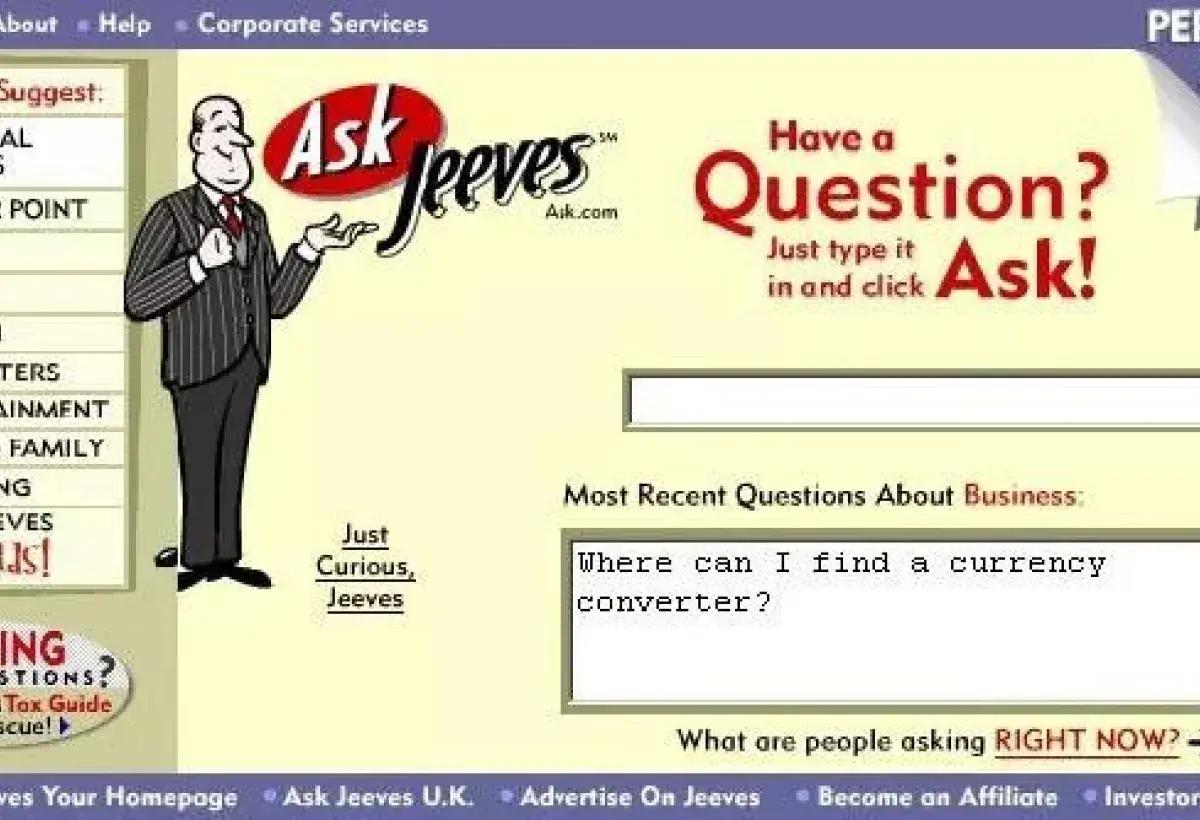
7. Ask Jeeves (Original Version)
Ask Jeeves was a search engine with a friendly butler interface. Users typed questions, and the website would provide answers in a formal yet charming way. Its personality differentiated it from the faster, more utilitarian search engines that emerged later, like Google. Ask Jeeves represented a quirky approach to information retrieval, appealing to those who enjoyed a more personalized and whimsical digital experience. Its decline came as search technology evolved and efficiency became paramount. Today, Jeeves is remembered as a nostalgic reminder of a time when search engines aimed to entertain as well as inform, reflecting the lighter, experimental spirit of the 1990s web.
Image
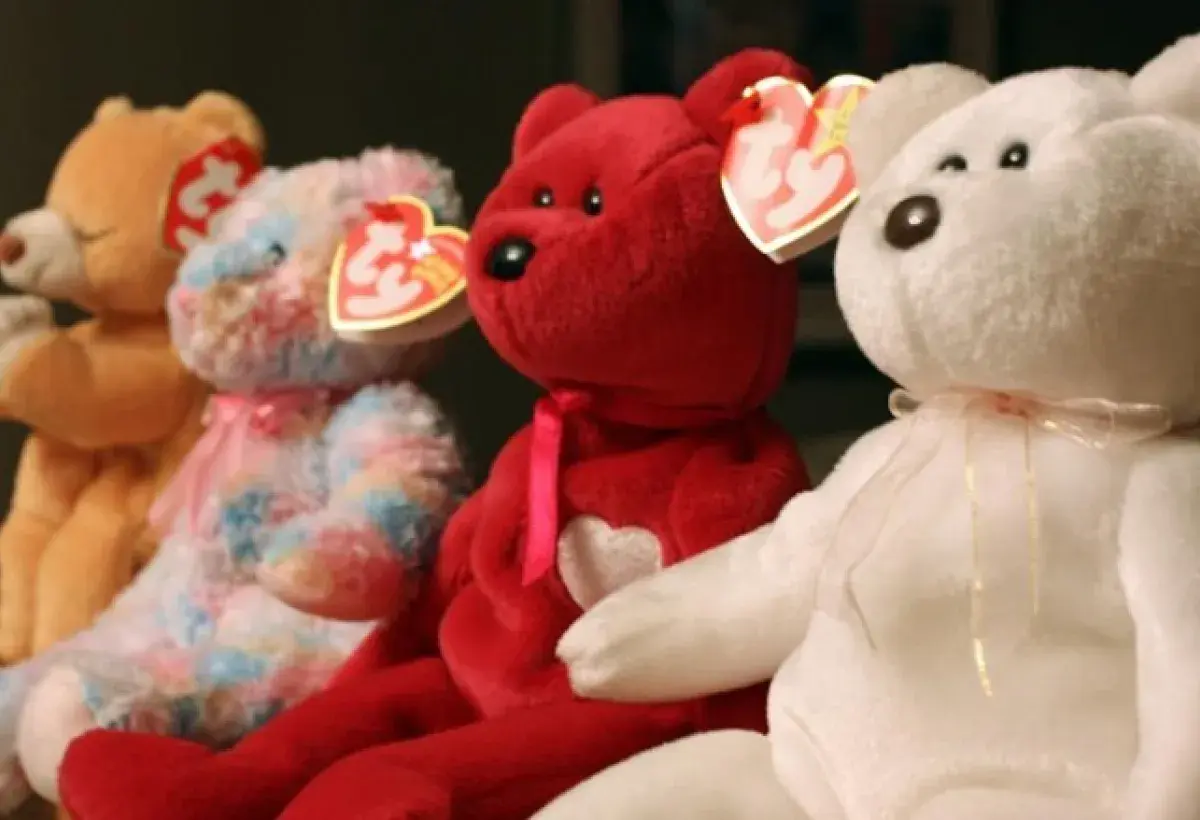
8. Beanie Baby Hype
Beanie Babies were collectible plush toys that became a financial and cultural phenomenon. Kids and adults alike sought rare editions, trading them obsessively in hopes of profit. The craze captured the 1990s obsession with collectibles and investment trends, turning stuffed animals into symbols of status and strategy. While Beanie Babies still exist, the mania has long subsided. They remain emblematic of the decade’s quirky economic experiments and the social enthusiasm around trends. Collectors continue to value certain editions, but the frenzy that defined the 1990s is now part of history. Beanie Babies represent a moment when simple toys became a national obsession, reflecting how play and commerce intersected in unexpected ways.
Image
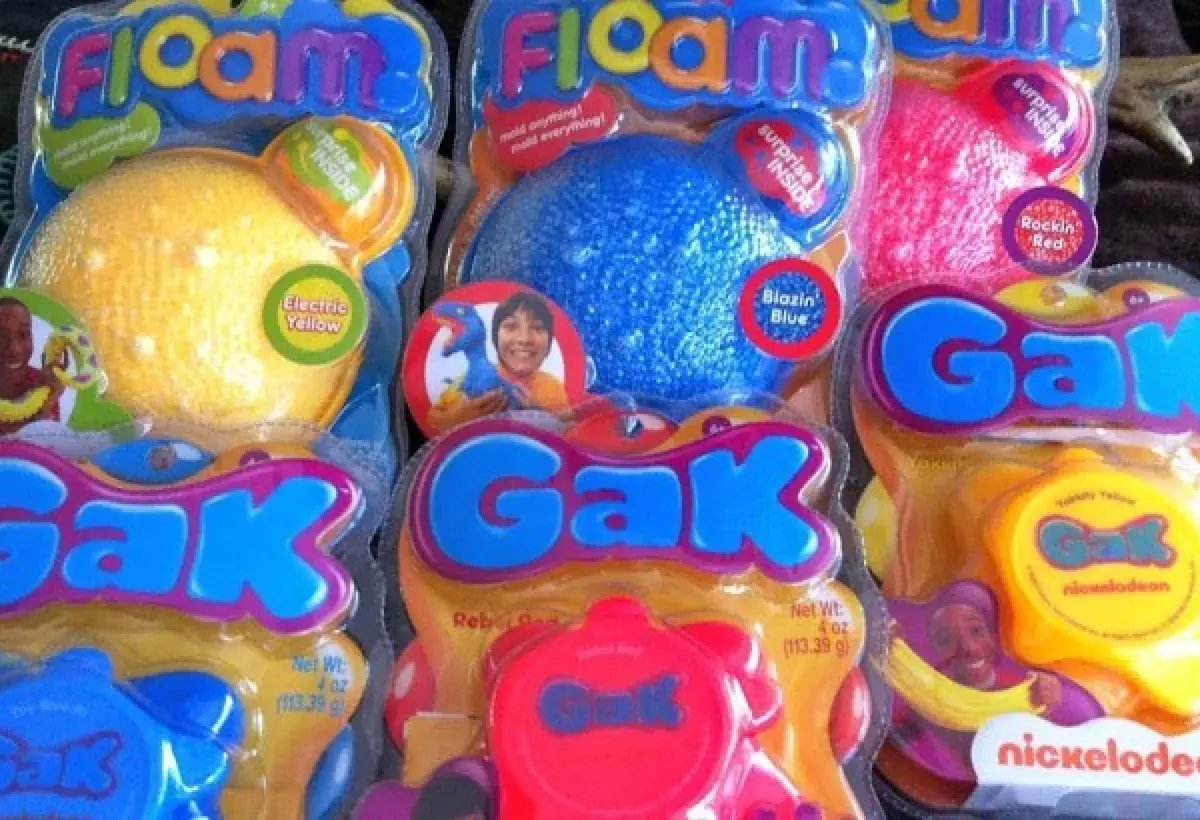
9. Nickelodeon Gak & Floam
Gak and Floam were the quintessential '90s slime products. These squishy, stretchy, and oddly scented materials allowed kids to play creatively while embracing sensory experimentation. The tactile, messy fun captured the essence of Nickelodeon’s playful branding. These products were everywhere in classrooms and bedrooms but gradually disappeared as toy trends evolved. Today, Gak and Floam are remembered for their strange texture, colorful appeal, and the unique type of imaginative play they encouraged. They symbolize the playful spirit of 1990s children’s entertainment, where experimentation and sensory exploration were celebrated.
Image
10. Y2K Aesthetic (as a real trend)
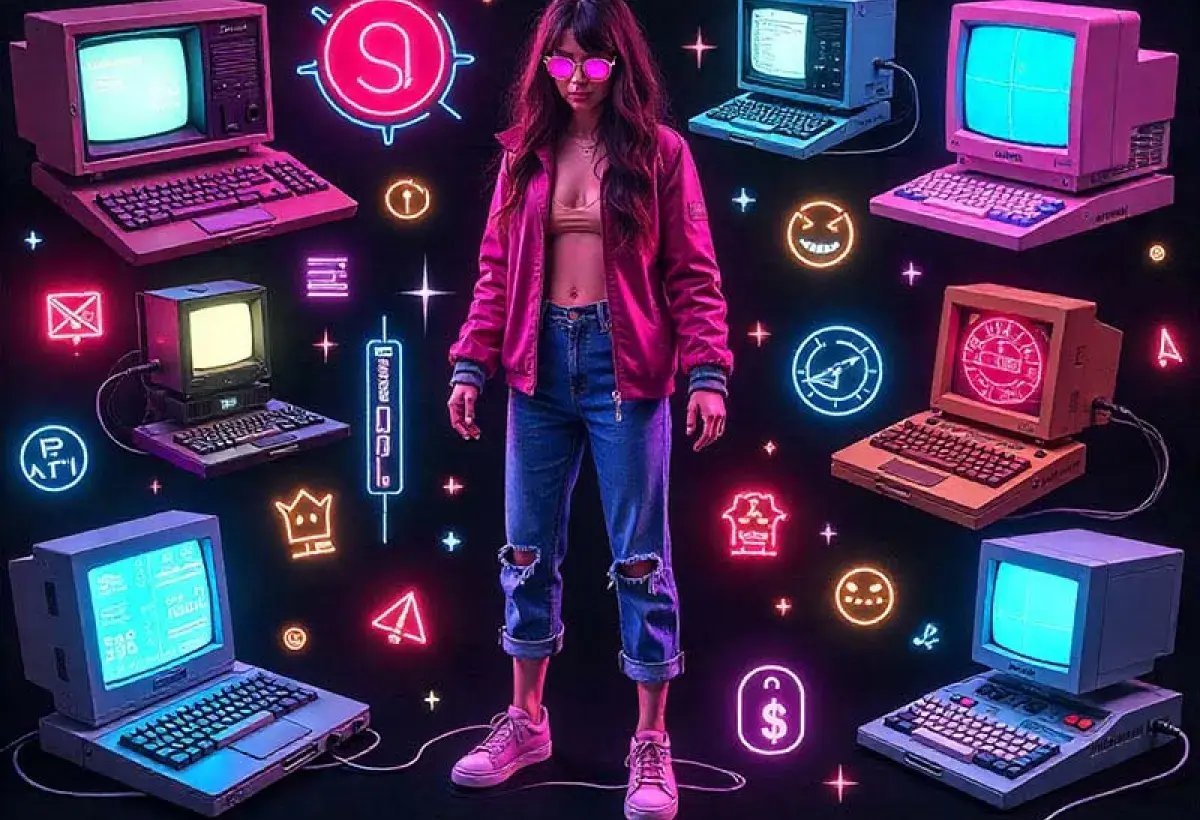
The Y2K aesthetic dominated the late 1990s with metallic clothing, cyber-futuristic fonts, and bubble technology gadgets. It was a vision of the future inspired by the approaching new millennium. The aesthetic influenced fashion, design, and tech products, creating a distinctive visual identity for the era. After the year 2000 arrived, the trend faded, leaving only retro nostalgia and occasional revivals in fashion. Y2K represents a time when optimism, curiosity, and experimentation merged visually, reflecting society’s anticipation and anxiety about the new millennium. It continues to inspire retro-inspired designs, but the original excitement and cultural immersion of the late 1990s cannot be fully replicated.
Image
The 1990s were a vibrant decade filled with trends and innovations that shaped an entire generation. From glittery personal websites to quirky soda brands and tactile play experiences, the items on this list showcase a culture defined by creativity, experimentation, and a sense of fun. Many of these things disappeared forever, yet they continue to evoke nostalgia and influence modern culture. Remembering these icons allows us to appreciate the rapid evolution of technology, fashion, and entertainment while celebrating the playful spirit of the 1990s. Although these trends may be gone, their legacy endures in memories, collector communities, and the cyclical nature of retro fashion and pop culture revival. The decade remains a reference point for innovation, style, and youth culture, reminding us of how fleeting and impactful cultural moments can be.