


The world of anti aging skincare is filled with bold promises. Walk through any beauty aisle or scroll through social media and you will see creams claiming to erase wrinkles, rebuild collagen, and restore youth in a jar. Glossy ads feature flawless faces and glowing testimonials that make it seem as though aging can be reversed with the right purchase. It is easy to feel hopeful. It is also easy to feel overwhelmed.
The truth is more balanced. Skin aging is influenced by biology, environment, genetics, and lifestyle. While modern skincare science has made impressive progress, no topical product can completely turn back time. What it can do is support healthier looking skin, protect against damage, and improve texture and tone when used consistently and correctly.
Understanding how anti aging creams really work empowers you as a buyer. Instead of chasing hype or price tags, you can focus on ingredients that are supported by research. You can set realistic expectations. You can avoid irritation and wasted money. Most importantly, you can build a routine that actually serves your skin over the long term.
Many people make the mistake of expecting dramatic changes within days. Others assume that a higher price automatically means better results. Some overlook the importance of sunscreen, which is the most powerful anti aging product available. Education changes all of that. When you understand what is possible and what is not, you shop smarter and treat your skin with more patience.
Before you invest in your next cream, here are ten science backed facts that every skincare lover should know. These truths will help you separate marketing myths from proven reality and build a routine that works with your skin instead of against .
1.No cream can completely stop aging
Image
Aging is a natural biological process that affects every layer of the skin. Over time collagen production slows down, elastin fibers weaken, and cell turnover becomes less efficient. These internal changes are influenced by genetics and hormones, which no topical cream can fully control. While skincare products can support healthier skin function, they cannot shut off the biological clock.
External factors also play a major role. Sun exposure, pollution, stress, and lifestyle habits accelerate visible aging. Even the best cream cannot completely undo years of ultraviolet damage or environmental stress. What it can do is improve the appearance of fine lines, dryness, and uneven tone so that skin looks smoother and more vibrant.
Many anti aging products work by increasing hydration, stimulating mild collagen production, or gently encouraging faster cell turnover. These improvements can soften wrinkles and brighten dull skin. However, the underlying structure of aging skin continues to change over time. That is normal and expected.
Understanding this truth protects you from unrealistic expectations. If a product claims to erase decades in weeks, it is marketing language rather than biological reality. Effective skincare supports aging gracefully rather than fighting a losing battle against time. The goal is healthier looking skin, not frozen youth.
When you shift your mindset from stopping aging to supporting skin health, you make better choices. Consistency, protection, and realistic goals will always outperform miracle promises.
2. Retinol is the gold standard ingredient
If there is one ingredient consistently backed by decades of research, it is retinol. Retinol belongs to a family of vitamin A derivatives known as retinoids. These compounds are widely studied for their ability to improve fine lines, stimulate collagen production, and normalize cell turnover.
Image
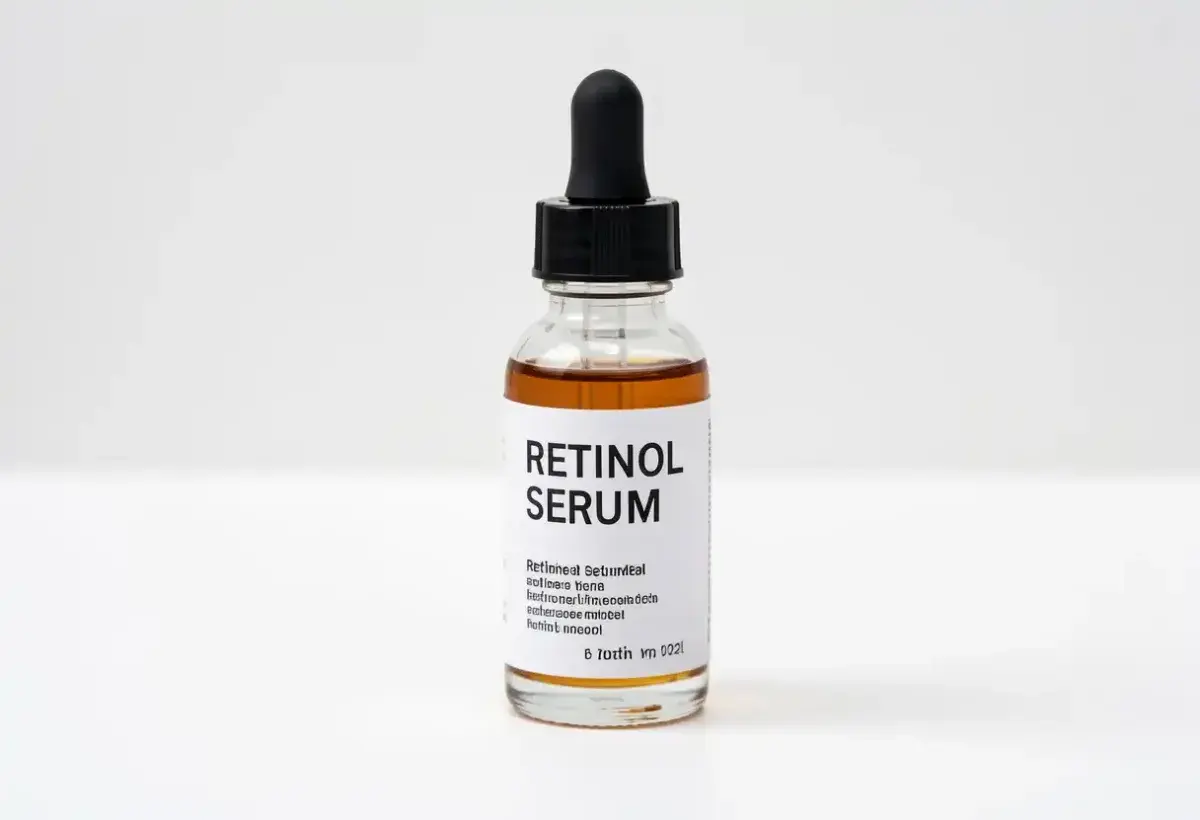
As skin ages, collagen production slows down. Collagen is the structural protein that keeps skin firm and smooth. Retinol works by signaling skin cells to behave more like younger cells. Over time this can lead to thicker dermal layers and reduced appearance of wrinkles. It also helps unclog pores and improve uneven texture.
Prescription strength retinoids such as tretinoin are even more potent and are often recommended by dermatologists. Over the counter retinol products are milder but still effective when used consistently. Results typically become noticeable after several weeks or months rather than days.
Retinol does come with a learning curve. It can cause dryness, peeling, or redness when first introduced. That is why many experts recommend starting with a lower concentration and applying it a few times per week before increasing frequency. Moisturizer and sunscreen are essential companions.
While no ingredient is magic, retinol remains the most scientifically supported topical option for visible anti aging benefits. If you want proven results, this is the ingredient worth understanding and respecting.
3. Hydration makes a huge difference
Hydration is often underestimated in the anti aging conversation. Many people chase powerful active ingredients while ignoring the simple power of moisture. When skin is well hydrated, it looks smoother, plumper, and more radiant. Fine lines appear softer because the outer layer of skin is temporarily filled with water.
Image
Moisturizers work by trapping water in the skin and strengthening the skin barrier. Ingredients such as hyaluronic acid attract moisture, while ceramides and fatty acids help seal it in. When the barrier is strong, skin is less prone to irritation and dryness, both of which can exaggerate wrinkles.
It is important to understand that hydration offers temporary visual improvement rather than structural reversal. When skin loses moisture again, fine lines can reappear more prominently. That does not mean moisturizers are ineffective. It means their benefits depend on consistent use.
Well hydrated skin also tolerates active ingredients like retinol and vitamin C better. Without proper moisture support, actives may cause more irritation. A strong barrier creates a foundation for any advanced treatment.
Sometimes the most noticeable improvement in your appearance comes from something as simple as switching to a richer or better formulated moisturizer. Before investing in expensive specialty creams, make sure your skin is properly hydrated. The difference can be dramatic.
4. Sun protection matters most
Ultraviolet radiation is the leading cause of premature skin aging. This process, known as photoaging, is responsible for wrinkles, dark spots, and loss of elasticity. Even brief daily exposure adds up over time. No anti aging cream can outperform consistent sun protection.
Image
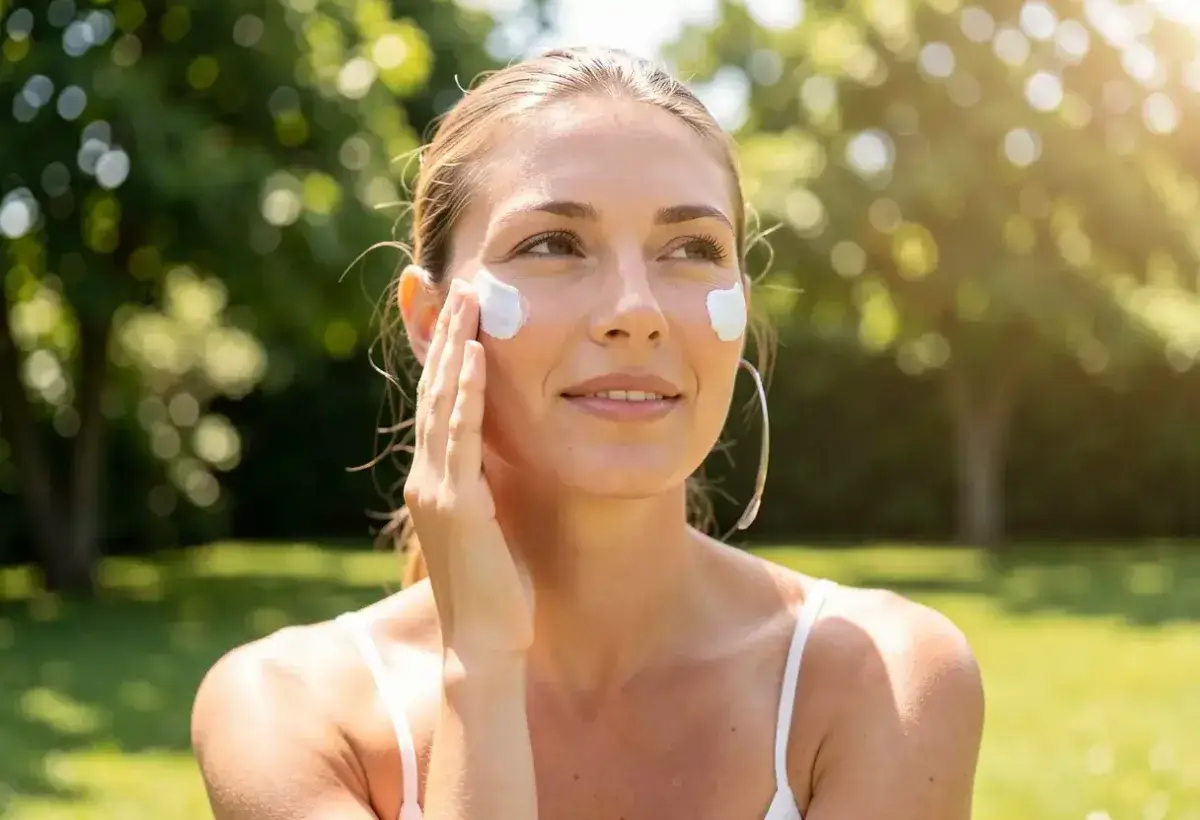
Ultraviolet rays break down collagen and trigger pigment changes in the skin. They also generate free radicals that damage cells. Sunscreen works by either absorbing or reflecting these rays before they can penetrate deeply. Using a broad spectrum product every day is the most powerful preventive step you can take.
Many people apply sunscreen only during beach trips or vacations. However, incidental sun exposure from commuting, driving, or sitting near windows contributes significantly to aging. Daily application is essential, even on cloudy days.
If you invest in expensive serums but skip sunscreen, you may be undermining your own results. Protecting collagen is easier than trying to rebuild it later. Think of sunscreen as the foundation of any effective anti aging routine.
Consistency is more important than brand. Choose a formula you enjoy wearing so that you will actually apply it every morning. This single habit will protect your skin more than any luxury cream ever could.
5. Price does not always equal results
Image

It is tempting to assume that a higher price guarantees better performance. Luxury skincare often features elegant packaging, pleasant fragrances, and a rich sensory experience. While these elements can make a product enjoyable to use, they do not automatically make it more effective.
What truly determines performance is the ingredient list and formulation. A moderately priced cream containing well researched ingredients such as retinol, niacinamide, or vitamin C can outperform a far more expensive product filled with fillers and fragrance.
Marketing budgets often influence cost. Celebrity endorsements and high end branding increase price without necessarily improving results. That does not mean all luxury skincare is ineffective. It simply means price alone is not a reliable measure of quality.
Learning to read ingredient labels empowers you to compare products objectively. Look for active ingredients placed higher on the list and avoid excessive fragrance if you have sensitive skin. Focus on concentration and evidence rather than packaging.
Smart skincare shopping is about informed decisions. You can build an effective routine at many price points if you prioritize science over status.
6. Peptides and antioxidants can help
Peptides and antioxidants have become increasingly popular in modern anti aging formulations, and for good reason. These ingredients support the skin in ways that complement retinol and sunscreen, helping to improve resilience, brightness, and overall texture over time. While they are not instant wrinkle removers, they play an important role in maintaining healthy looking skin.
Antioxidants such as vitamin C work by neutralizing free radicals. Free radicals are unstable molecules generated by ultraviolet radiation, pollution, and environmental stress. When left unchecked, they damage collagen, weaken skin structure, and accelerate visible aging. By helping to reduce oxidative stress, antioxidants protect the skin from daily environmental assault. Vitamin C is particularly valued for its ability to brighten uneven tone and support collagen synthesis. With consistent use, it can improve dullness and soften the look of fine lines.
Image
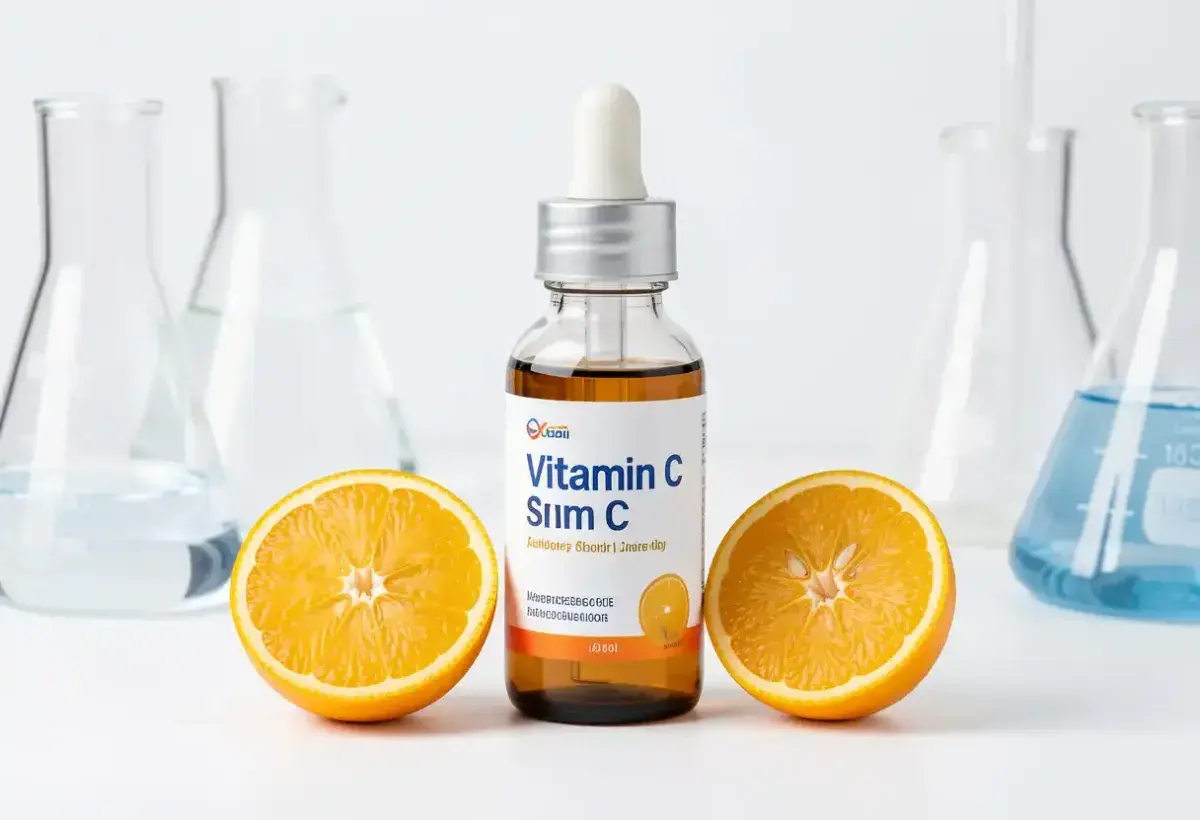
Niacinamide is another powerful antioxidant that strengthens the skin barrier and reduces redness. It helps regulate oil production and improves the appearance of enlarged pores. Because it is generally well tolerated, it is often suitable for sensitive skin types.
Peptides are short chains of amino acids that act as messengers within the skin. Certain peptides signal the skin to produce more collagen or improve elasticity. While the effects are subtle compared to prescription treatments, long term use can contribute to firmer and smoother looking skin.
Incorporating antioxidants in the morning and peptides in either morning or evening routines creates a supportive environment for healthier skin aging. These ingredients work best when paired with sunscreen and consistent hydration.
7. Results take time
One of the biggest misconceptions about anti aging creams is the expectation of immediate transformation. Skincare marketing often implies dramatic change within days, but biological processes simply do not work that quickly. Skin renewal follows a cycle that typically takes several weeks, and collagen remodeling takes even longer.
When you apply a product containing active ingredients such as retinol, vitamin C, or peptides, those ingredients must interact with skin cells over time. Collagen production gradually increases. Cell turnover improves step by step. Pigmentation slowly becomes more even. These changes are cumulative rather than instant.
In the first few weeks, you may notice improved hydration or a subtle glow. More significant improvements in fine lines and texture usually appear after six to twelve weeks of consistent use. Some treatments may require three months or more before visible changes become clear.
Image

Consistency is the key factor. Skipping applications or frequently switching products resets progress. Many people abandon effective products too early because they expect rapid results. Patience allows ingredients to perform as intended.
Tracking progress with monthly photos can help you see subtle improvements that are easy to miss day to day. Real anti aging progress is gradual, steady, and built through daily commitment. Understanding this timeline prevents frustration and helps you stay focused on long term skin health rather than short term promises.
8. Some products may irritate sensitive skin
Active ingredients are powerful tools, but they can also cause irritation, especially for sensitive or reactive skin types. Ingredients such as retinol, alpha hydroxy acids, and strong vitamin C formulations may trigger redness, dryness, peeling, or a stinging sensation when first introduced.
Irritation does not always mean a product is harmful, but it does indicate that the skin barrier is under stress. A compromised barrier can lead to increased sensitivity, inflammation, and even breakouts. In some cases, excessive irritation can make the skin appear older rather than younger because inflammation breaks down collagen over time.
Starting slowly reduces risk. Introduce one new active at a time. Use a small amount and apply it only a few times per week in the beginning. Pair active treatments with a gentle cleanser and a barrier supportive moisturizer containing ceramides or fatty acids. Always perform a patch test on a small area before applying a new product to the entire face.
Image
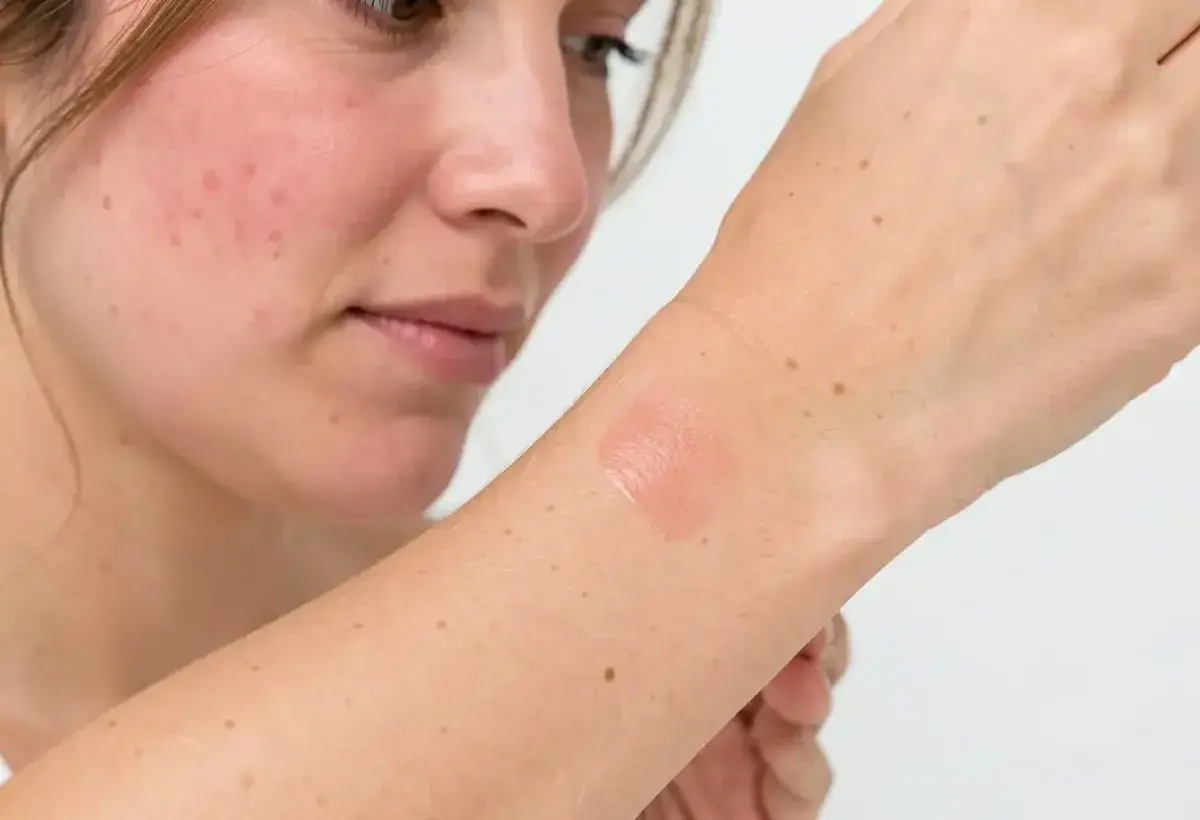
People with conditions such as rosacea or eczema should be especially cautious and may benefit from consulting a dermatologist before using strong anti aging treatments. More is not always better. Higher concentrations do not guarantee better results and may simply increase irritation.
Healthy skin responds best to balanced care. Paying attention to how your skin feels and adjusting accordingly is more effective than pushing through discomfort in the name of faster results.
9. Diet and lifestyle matter too
No cream operates in isolation from the rest of your body. Skin reflects internal health, and lifestyle choices significantly influence how quickly or slowly visible aging appears. While topical products can improve surface appearance, long term skin quality is deeply connected to daily habits.
Nutrition plays a central role. Diets rich in fruits, vegetables, healthy fats, and lean proteins provide antioxidants and essential nutrients that support collagen production and reduce inflammation. Vitamin rich foods help combat oxidative stress from within. In contrast, excessive sugar consumption may contribute to glycation, a process that damages collagen and elastin fibers.
Image
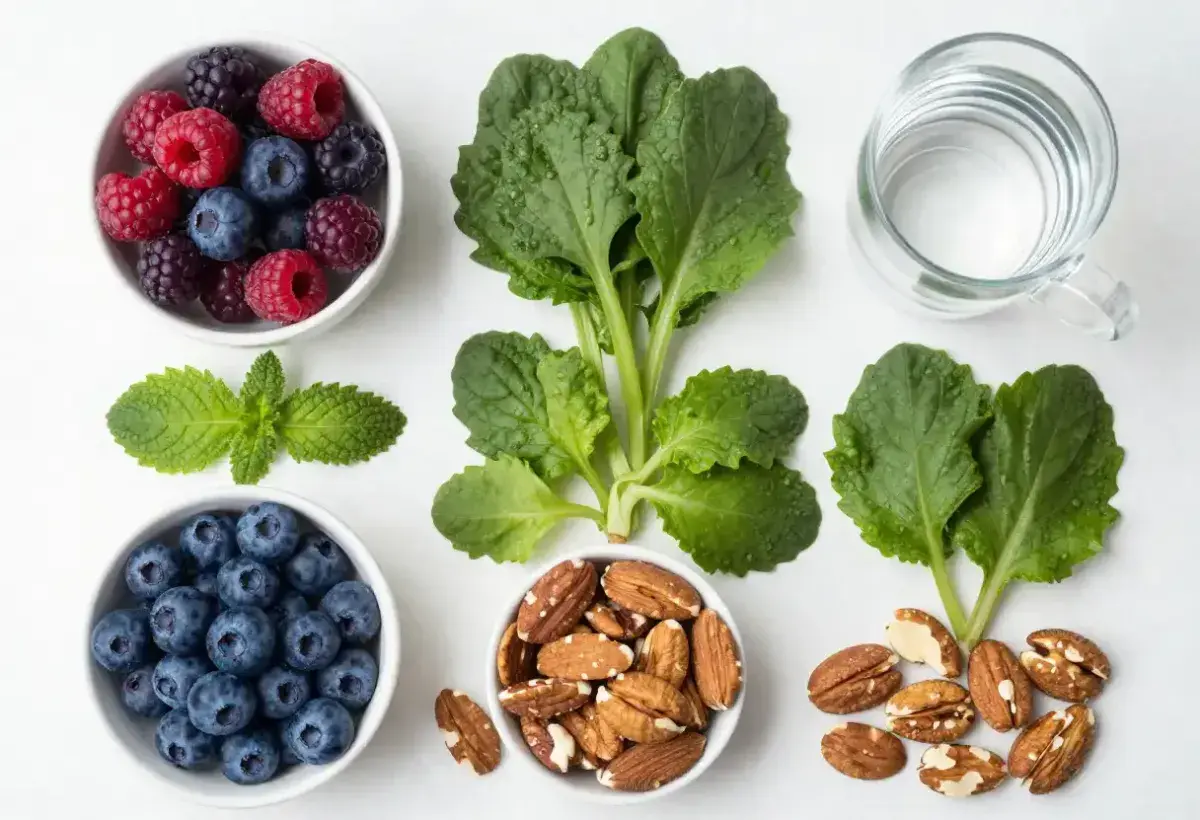
Hydration is equally important. Drinking adequate water supports overall bodily function and helps maintain skin elasticity. While water alone does not erase wrinkles, chronic dehydration can exaggerate fine lines and dullness.
Sleep allows the body to repair and regenerate. During deep sleep, growth hormones stimulate cell renewal and tissue repair. Chronic sleep deprivation increases stress hormones that may accelerate aging.
Smoking and excessive alcohol consumption significantly damage collagen and reduce blood flow to the skin. These habits often lead to premature wrinkles and uneven tone.
Exercise improves circulation, delivering oxygen and nutrients to skin cells. Combined with stress management practices, these habits create an internal environment that supports healthier aging.
The most effective anti aging strategy combines smart skincare with balanced living. Surface care and internal health work together to produce the best visible results.
10. Everyone’s skin is different
One of the most important truths about anti aging skincare is that results are highly individual. Genetics, hormonal changes, climate, stress levels, and underlying skin type all influence how products perform. What works beautifully for one person may deliver minimal results for another.
Some individuals naturally produce more oil and may tolerate stronger active ingredients with ease. Others have dry or sensitive skin that requires gentler formulations. Hormonal fluctuations during different life stages can also change how skin reacts to products.
Climate matters as well. People living in humid environments may prefer lightweight textures, while those in dry climates often require richer creams. Even seasonal shifts can alter your skin’s needs.
Social media and online reviews can be helpful, but they should not replace personal observation. Your skin provides feedback through texture, comfort, and appearance. Learning to interpret those signals is more valuable than copying someone else’s routine.
Professional guidance can also be beneficial. Dermatologists and licensed skincare professionals can evaluate concerns such as hyperpigmentation, acne, or deep wrinkles and recommend tailored treatments.
Personalization is the foundation of effective skincare. Rather than searching for a universal miracle product, focus on understanding your unique skin characteristics. With patience and thoughtful adjustments, you can build a routine that supports your skin at every stage of life.
Image
Anti aging skincare works best when approached with knowledge rather than hype. Creams can soften lines, improve tone, and protect against damage, but they cannot stop time. Ingredients matter more than price. Sunscreen remains the foundation. Consistency outperforms intensity.
When you focus on hydration, protection, proven actives, and healthy lifestyle habits, your skin will reflect those choices. Aging is inevitable, but caring for your skin wisely is always within your control. Choose products that respect science, support your barrier, and align with your long term goals. That is how you invest in skin that looks healthy at every stage of life.