



A shower can feel like a quiet daily ritual, a small moment where the world pauses and steam drifts like lazy clouds around you. It can be the calm before work or the gentle unwind at the end of a long day. Because showering feels so natural, many people grow up believing certain habits are correct simply because everyone around them does the same thing. Advice passes from family to friends, from online posts to quick conversations, until it begins to sound like reality rather than assumption. Yet many of these long held ideas about bathing are shaped more by tradition and guesswork than by science or skin health.
People often think that more showering means more cleanliness, or that hotter water creates a deeper sense of purification. Others assume cold water prevents illness or that every part of the body must be scrubbed with soap at every single shower. These beliefs seem harmless at first, but they can shape daily habits in ways that slowly affect the skin, the scalp, and even overall comfort without anyone noticing until much later. What feels like a refreshing routine may actually dry the skin, irritate the scalp, or disrupt the natural balance that the body works hard to maintain.
In truth, healthy showering is less about intensity and more about understanding what your skin truly needs. The body has its own protective systems that often work better when treated gently. Natural oils help keep the skin soft and resilient. Skin flora support barrier strength. Even the simple act of rinsing can often accomplish more than people expect. By questioning common myths, you give yourself the chance to improve your daily routine with small but meaningful changes. This guide breaks down ten popular misconceptions and reveals how your shower can become more skin friendly, more efficient, and more beneficial. Consider this an invitation to rethink the familiar and rediscover a daily ritual in a fresh light.
1. You Must Shower Every Day to Stay Clean
Image

Many people believe that daily showers are absolutely required to remain clean and healthy. The idea sounds logical at first, because daily routines often feel like the safest and most responsible choices. Yet the skin does not always respond well to overly frequent washing. Every shower removes a layer of natural oils that your body produces to maintain softness and protection. When this occurs once or twice a day, the skin can begin to lose moisture faster than it can replace it. The result is dryness, irritation, and even flaking.
Your microbiome is another quiet guardian that suffers from excessive washing. This delicate collection of helpful organisms protects your skin and contributes to a balanced surface environment. When showering becomes too frequent, the microbiome weakens and the skin becomes more reactive. Most people do not need daily showers unless they sweat heavily, perform physical work, or have a specific medical need. A gentle routine of showering every other day or adapting to your personal lifestyle is usually enough to stay fresh without over stripping the skin.
For those who wish to feel clean in between shower days, simple alternatives can help. Spot cleaning areas of strong odor, refreshing the underarms, wiping the face, or using a damp cloth can restore comfort without the full impact of a shower. Balance is the quiet rule that keeps your skin resilient, and embracing moderation can make your daily routine more supportive and less stressful for the body.
2. Hot Showers Are Always Better
Image

Hot water seems comforting, especially when the warmth envelops the body and eases the tension of the day. Many people associate hot showers with deep cleanliness and relaxation. Yet the reality is that extremely hot water can strip the skin of protective oils far faster than warm water. Once those oils disappear, the skin begins to dry out at a rapid pace. The resulting tightness, flaking, and sensitivity may continue long after the shower is finished.
Those with sensitive skin or conditions like eczema often notice flare ups when their showers become too hot. The scalp also reacts to excessive heat, becoming dry and itchy as the natural sebum that protects hair roots disappears. Dermatologists frequently recommend using lukewarm water for daily bathing, since warm water cleans effectively without overwhelming the skin.
If you enjoy the luxurious sensation of hot water, think of it as a treat rather than a daily standard. A brief warm shower followed by a quick cool rinse can refresh circulation and revive your senses. This combination keeps your skin safer while still giving you the pleasure of heat. Finding the right temperature is not about sacrifice but about discovering the sweet spot that supports comfort and skin health at the same time.
3. Cold Showers Prevent Illness
Image

Cold showers have a reputation for being heroic blasts of vitality. Many people believe that this sudden burst of cold strengthens the immune system and keeps colds away. While cold water can certainly wake you up and stimulate circulation, it does not prevent viruses from entering or multiplying within the body. Illnesses such as colds and flu are caused by exposure to viruses, not by the temperature of your shower.
This does not reduce the benefits of cold water entirely. Some individuals find that regular brief cold exposure improves mood, increases alertness, and reduces muscle soreness. These benefits can make a morning shower feel like a refreshing restart that clears mental fog. Cold water also encourages blood flow in a way that leaves the skin tingling and energized.
However, cold showers should not be seen as a shield against sickness. Real protection comes from good sleep, nutritious food, frequent hand washing, and maintaining a balanced lifestyle. If you enjoy the clarity that cold showers offer, continue them as part of your wellness routine, but allow them to be an enhancement rather than a medical strategy.
4. The Longer the Shower, the Cleaner You Are
Image

A long shower can feel luxurious, especially when warm water rolls down your back and creates a peaceful little cocoon of comfort. Many people associate time spent in the shower with deeper cleanliness, as though each additional minute removes more impurities. Oddly enough, the opposite is true. Most of the cleansing happens within the first few minutes, particularly when you use soap correctly.
The longer you remain under the water, the more moisture your skin loses. Over time this can reduce elasticity and make the surface more vulnerable to irritation. Water may feel soft and gentle, but constant exposure can erode the natural barrier that protects the skin from dryness. This is even more noticeable when the water is warm because warmth accelerates moisture loss.
Short and efficient showers keep the skin healthier while reducing water consumption and energy use. Many experts recommend shower times that remain within ten minutes, though the exact duration depends on personal comfort and skin sensitivity. Think of your shower as a mindful ritual rather than a marathon. The goal is to refresh your body without overwhelming it.
5. Soap Should Be Used All Over the Body Every Time
Image

Soap seems like a universal cleaning tool, which leads many people to believe that it must cover every inch of the body during every single shower. In reality, soap can be harsh when used too widely or too frequently. The skin naturally produces oils that help lock in moisture and softness. When soap touches areas that do not need heavy cleansing, it strips those oils unnecessarily and leaves the skin feeling tight and dry.
Most of the body only requires gentle rinsing, because water can remove sweat and light buildup without removing essential oils. Soap should be concentrated on areas that produce odor or harbor bacteria such as the underarms, groin, and feet. These zones benefit from direct cleansing because they trap sweat and moisture throughout the day.
By reducing soap use on low oil areas like arms, legs, and torso, you preserve your skin barrier while still staying clean. This balanced approach leaves the body refreshed without the rough aftermath that many people mistakenly blame on weather or age. Your shower becomes not only cleaner but smarter.
6. Hair Must Be Washed Every Day
Image

Many people assume that daily shampooing keeps hair fresh and presentable. Yet daily washing often strips the scalp of its natural oils, leading to brittle hair, dryness, and frizz. Healthy hair relies on a steady supply of natural oil to stay flexible and strong. Removing that oil too frequently can disrupt the balance and create long term issues.
Most people find that washing their hair two to three times per week maintains cleanliness without harming the scalp. Lifestyle, sweat levels, and personal environment play a role, but hair type is the most significant factor. Curly and textured hair thrives with fewer wash days, while very oily hair may need a slightly more frequent rhythm.
Dry shampoo can extend freshness and absorb excess oil between washes, giving the scalp time to stabilize. The key is moderation. When you allow your natural oils to do their job, your hair becomes stronger, shinier, and easier to manage. A thoughtful washing routine becomes an investment in long term hair health.
7. You Need to Use Antibacterial Soap
Image

Antibacterial soap carries a certain confidence because the name itself implies superior protection. Yet for everyday use, regular soap is entirely effective. The cleansing process works through the physical removal of germs, dirt, and oils with the help of water. Specialized antibacterial ingredients are often unnecessary for the average person.
Many antibacterial products contain chemicals that irritate sensitive skin or disrupt the microbiome. Over long periods, these ingredients may contribute to antibiotic resistance, a growing concern in health communities. Regular soap cleans effectively without exposing the skin to unnecessary compounds.
Unless a medical professional recommends antibacterial soap for a specific situation, gentle cleansers offer the safest balance of cleanliness and comfort. Your daily shower becomes a simple and effective routine without the extra risk.
8. Showering After Exercise Can Wait
Image

After a workout, sweat cools the body and releases heat, but leaving that sweat on the skin for too long creates a breeding ground for bacteria and odor. Many people believe they can delay showering without consequences, yet this often leads to clogged pores and breakouts.
Showering soon after exercise removes sweat, bacteria, and oil that accumulate during physical activity. When combined with tight clothing, hot environments, or long workout sessions, the skin becomes even more vulnerable to irritation. A quick shower keeps the skin clean and prevents discomfort later in the day.
If you cannot shower immediately, a simple rinse or a wipe down of key areas can provide temporary relief. This keeps your skin balanced until you have time for a full shower. Consistency is the guiding principle that protects your skin after every workout.
9. Body Wash and Bar Soap Are the Same
Image
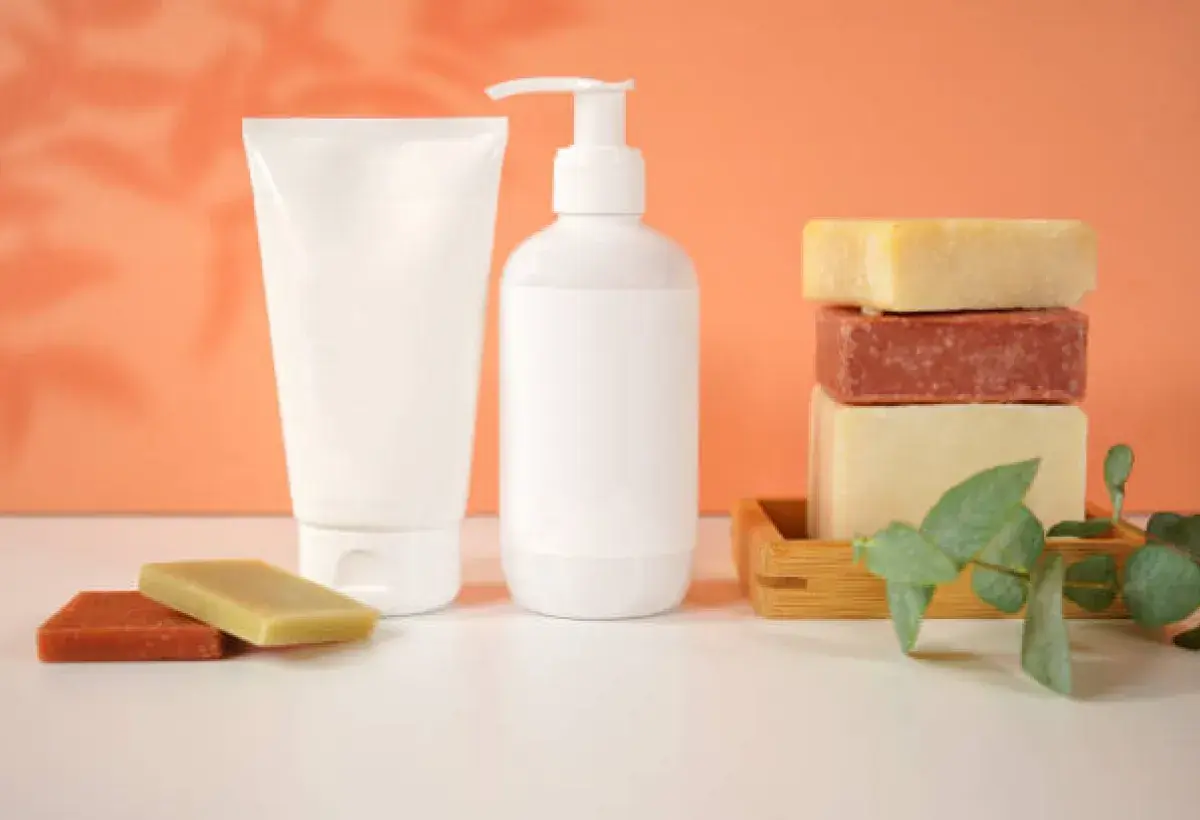
Body wash and bar soap both clean the skin, yet they often differ in formulation. Many body washes include moisturizing ingredients that help soothe dry skin. Some bar soaps can be drying, but high quality bar soaps with natural oils offer excellent results for many people.
Choosing between the two depends on personal skin type and comfort. Those with dry or sensitive skin might prefer body wash for its softer texture, while others enjoy the simplicity and longevity of bar soap. What matters most is choosing a gentle cleanser that respects your skin barrier.
There is no universal winner. The careful selection of products that match your needs leads to better results than following trends or assumptions.
10. You Should Scrub Hard for a Better Clean
Image

Scrubbing hard may feel like a deep cleanse, but the skin responds poorly to harsh friction. Aggressive scrubbing creates irritation, breaks down the surface layer, and may even leave tiny tears that make the skin more sensitive to environmental stress.
The body does not require intense scrubbing to remove dirt. Gentle cleansing with your hands or a soft cloth is enough for daily showers. Exfoliation is helpful for removing dead skin cells, but it should be limited to once or twice each week with mild products.
Your skin thrives under gentle care. A balanced approach reveals softness and strength rather than redness and irritation.
Showering may seem like a simple routine, but the choices you make each time affect your skin more than you might expect. Myths about water temperature, soap use, hair washing, and post workout habits have shaped personal routines for generations, yet many of these beliefs do not align with how the body actually works. Healthy skin thrives on a balance of moisture, natural oils, and mindful cleansing rather than aggressive washing or extreme temperatures. When you choose gentler methods, you give your skin a chance to function the way it was designed.
Understanding the truth behind each myth allows you to reshape your showering routine with intention. Instead of following old assumptions, you build habits that support long term comfort and skin health. Small changes such as adjusting your water temperature, reducing soap use, shortening your showers, or washing your hair less often can create noticeable improvements. The result is skin that feels calmer, looks healthier, and reacts more predictably to daily life.
A shower should be a moment of restoration rather than a source of stress for the body. By approaching it with fresh awareness, your routine becomes a gentle ritual that respects the natural systems working beneath the surface. Cleanliness, comfort, and well being come together when you shed the old myths and embrace a more informed and nurturing approach to your daily shower.